
Skip to content

A Life Choice: Chemistry

A Life Choice: Chemistry

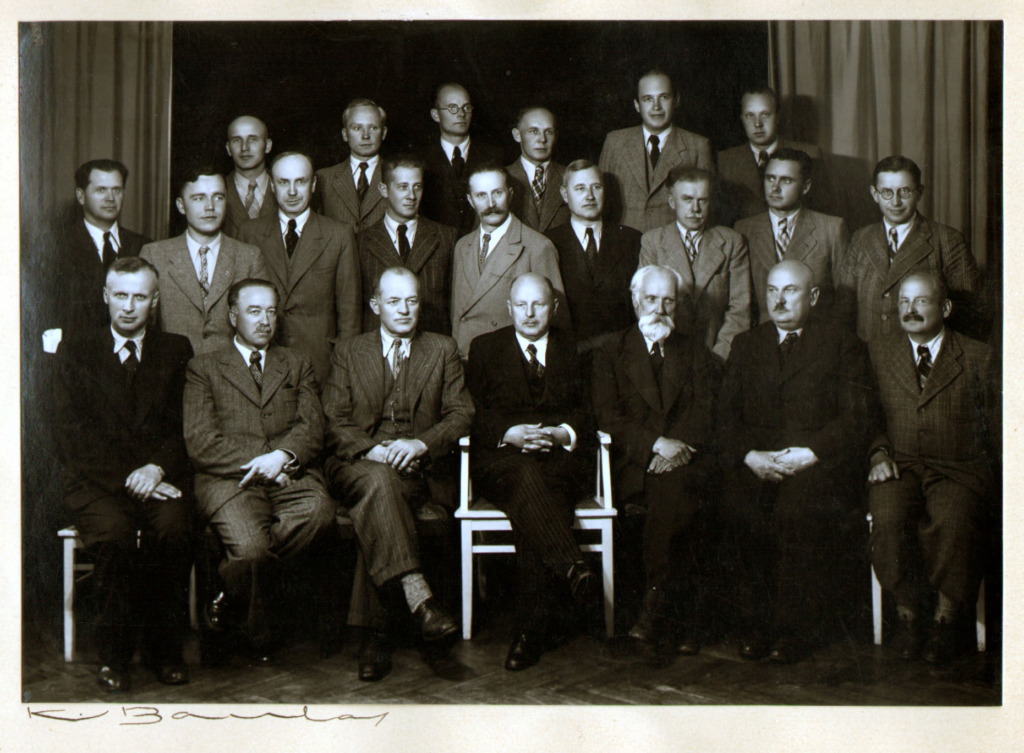
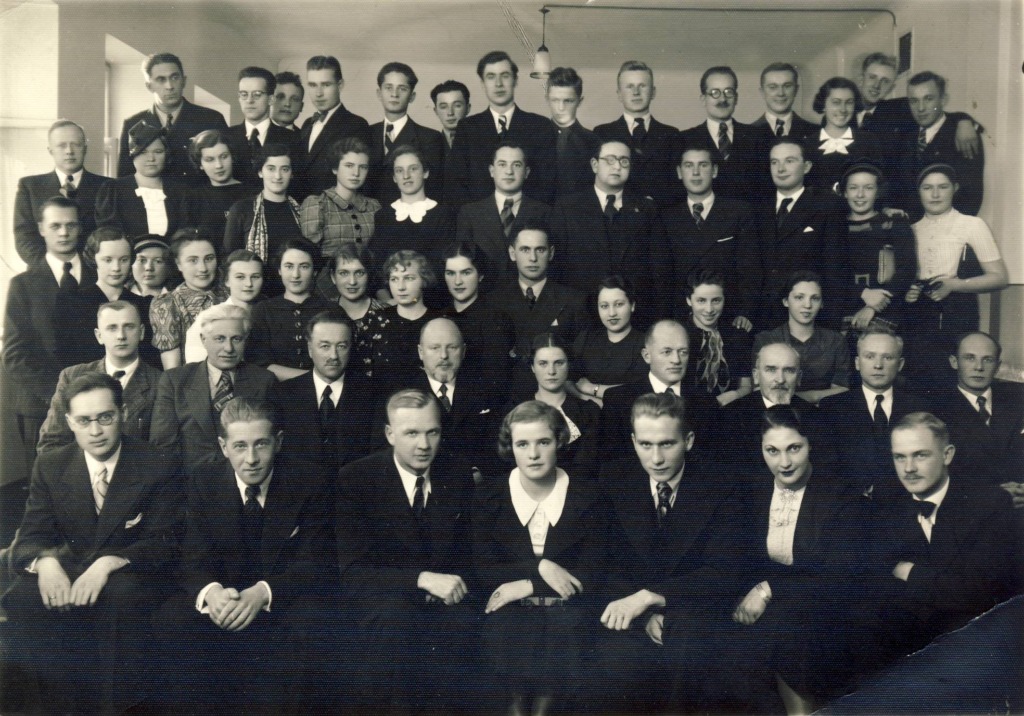
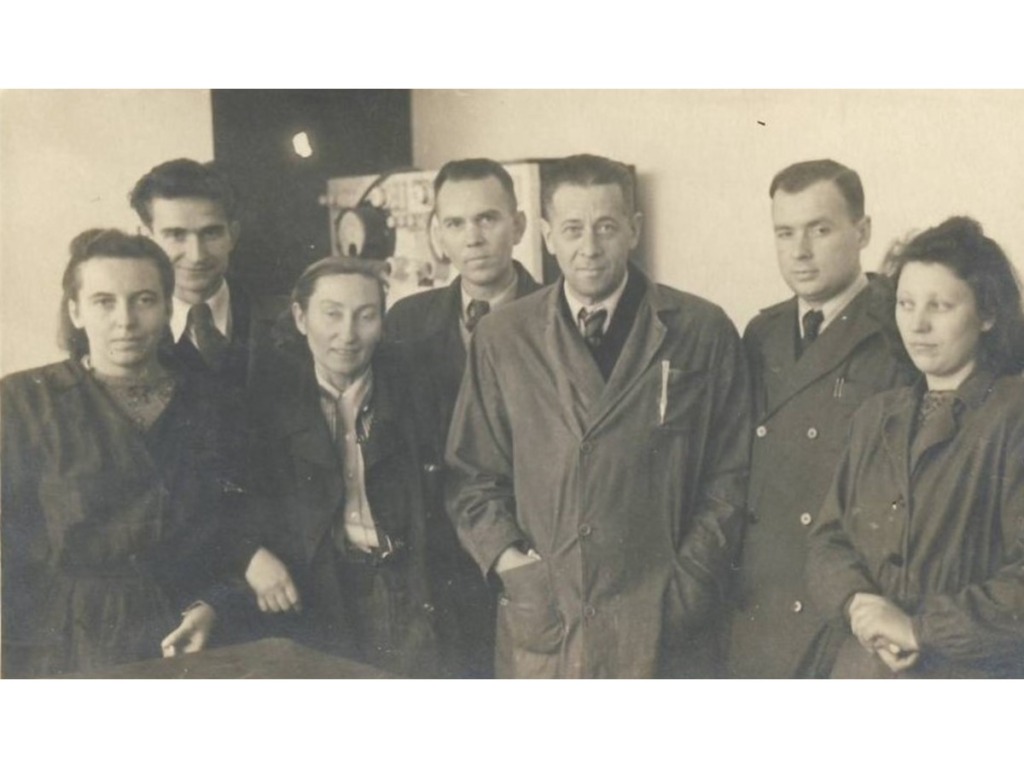
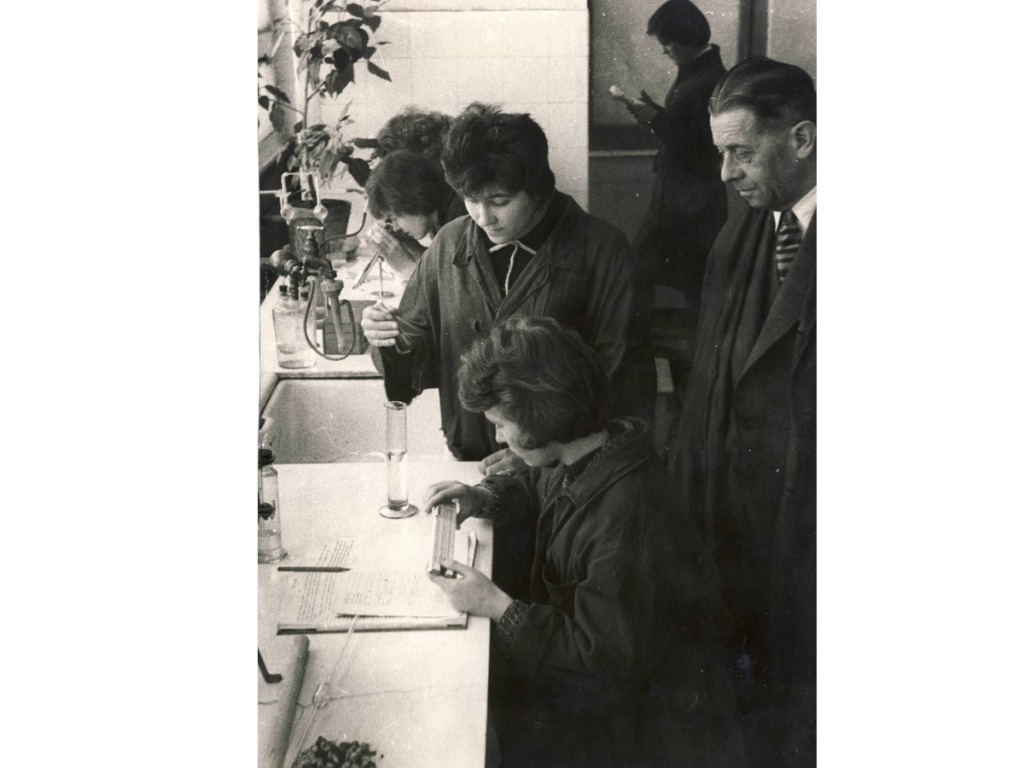
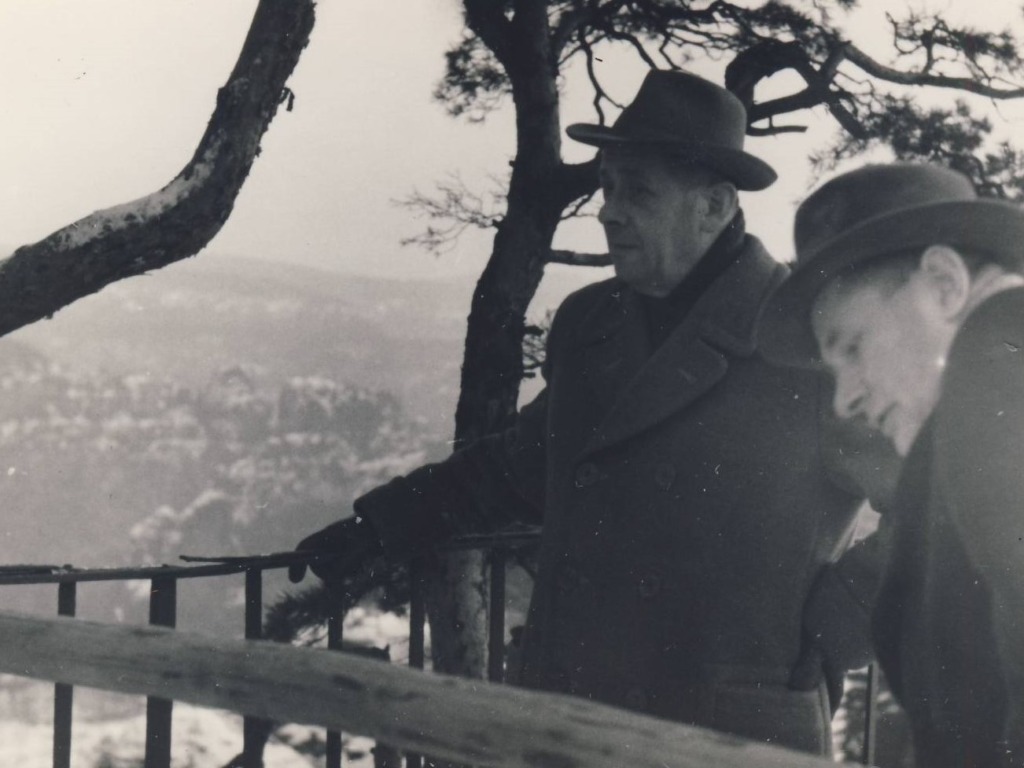
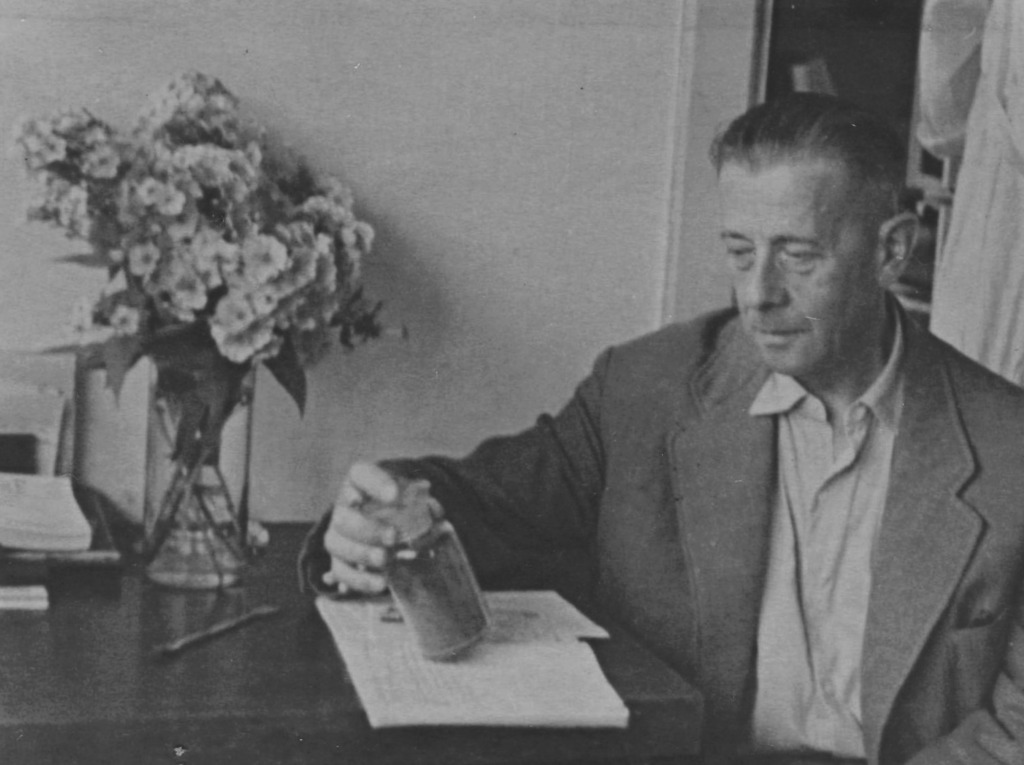
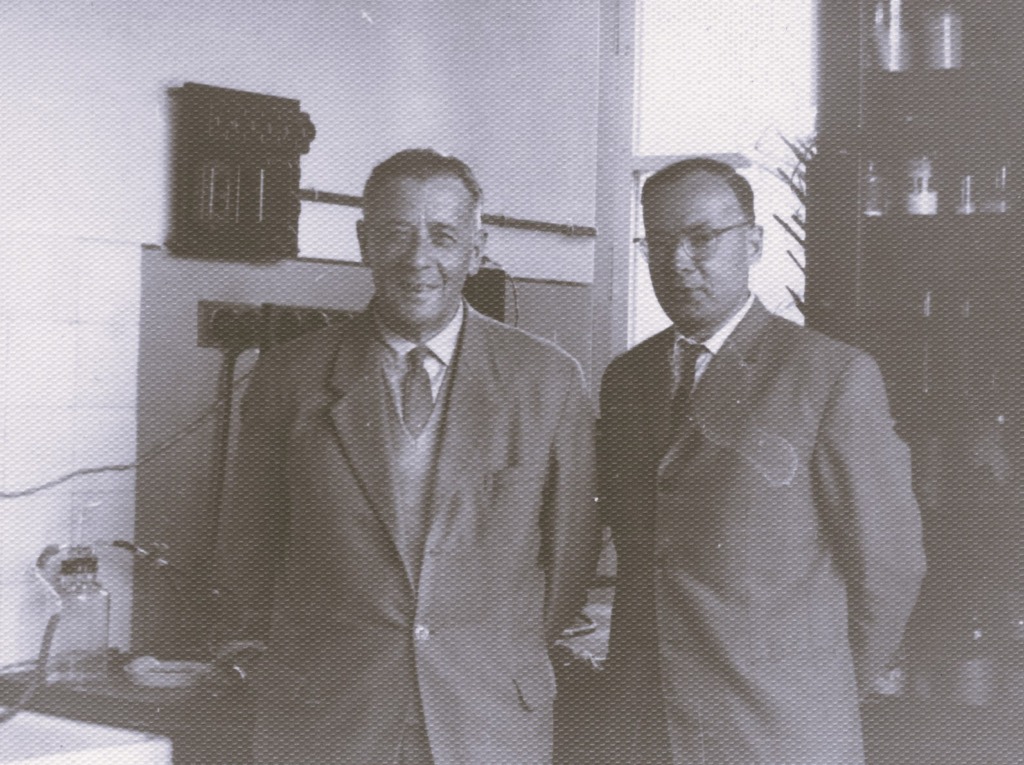
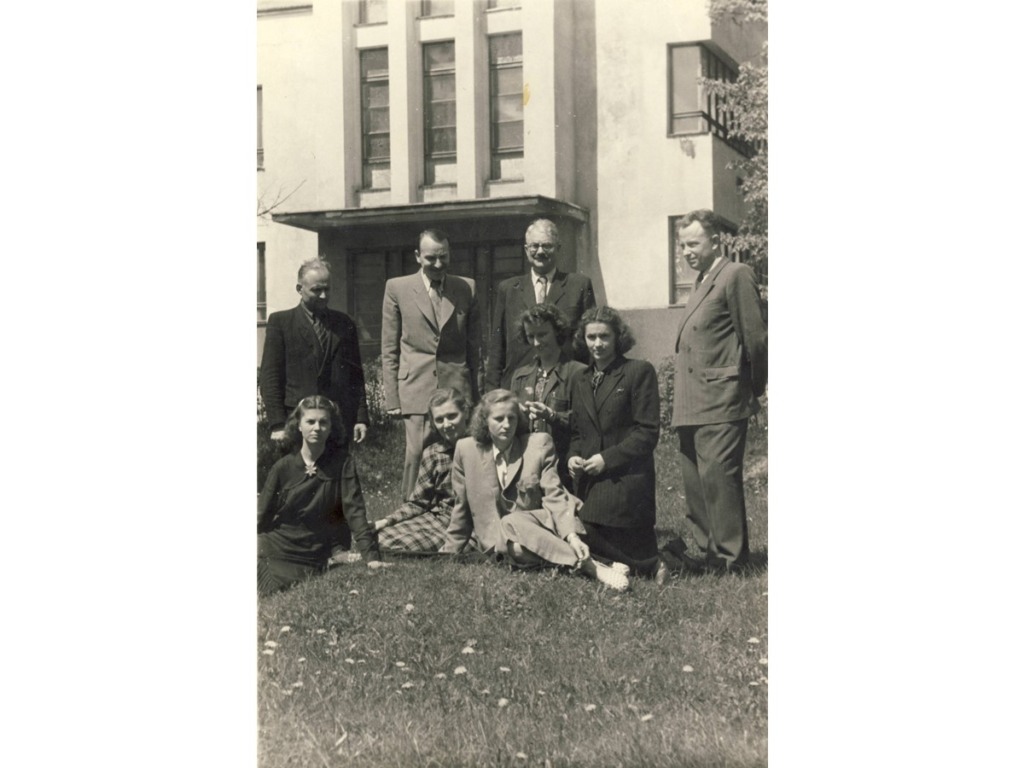
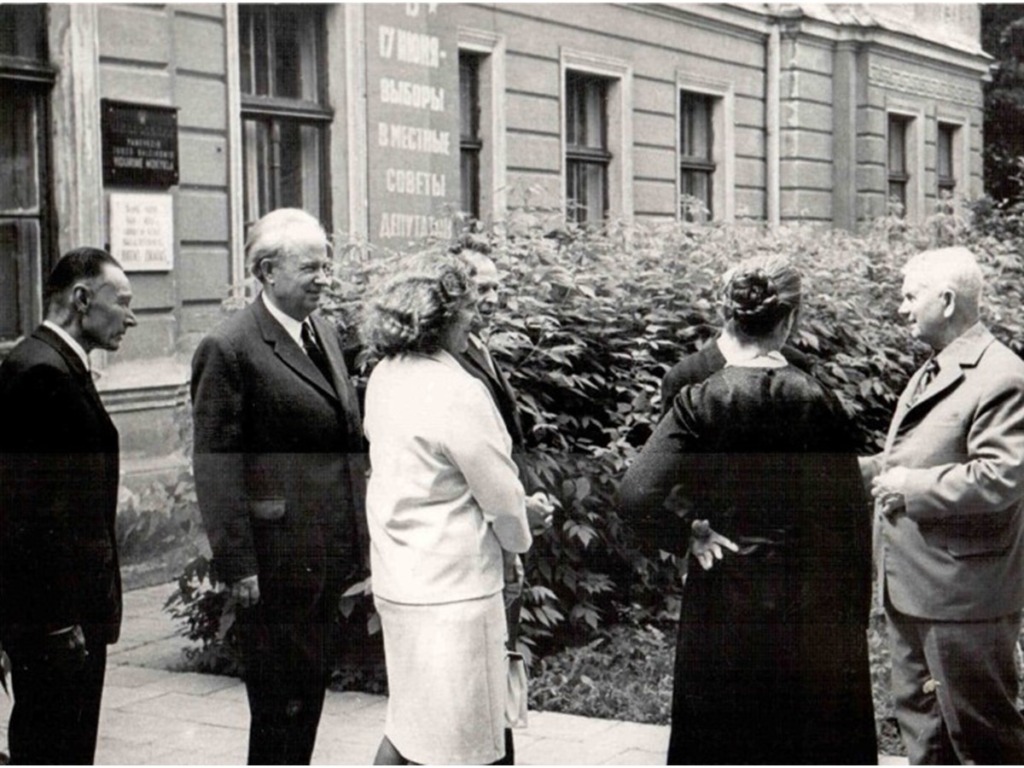
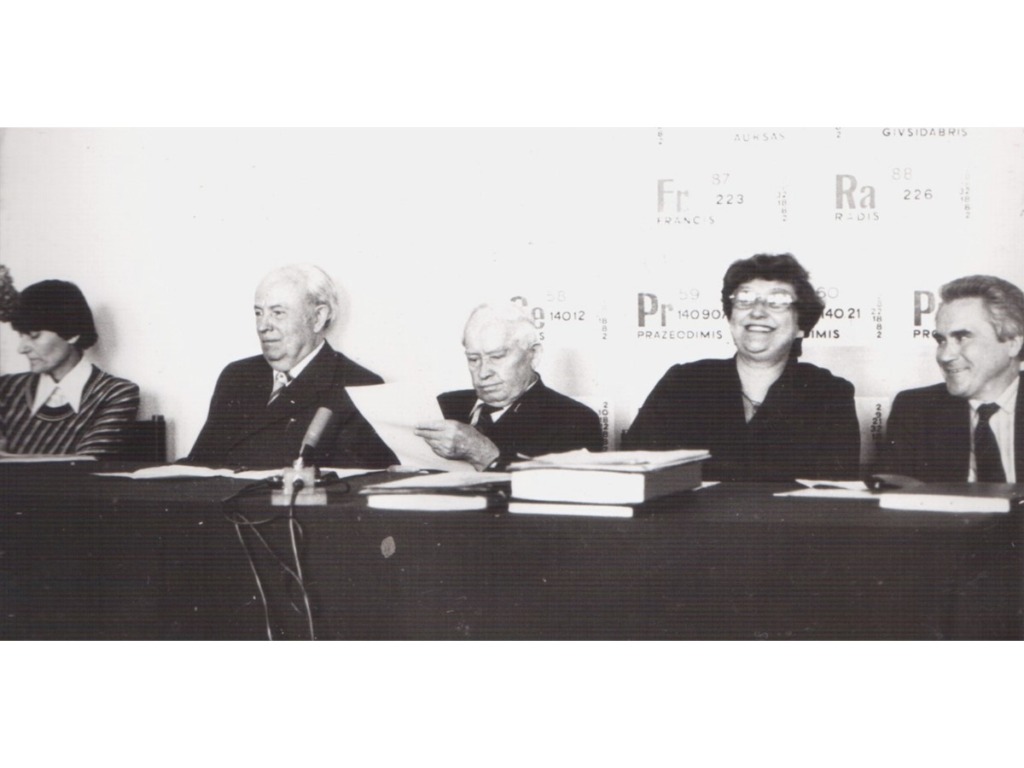
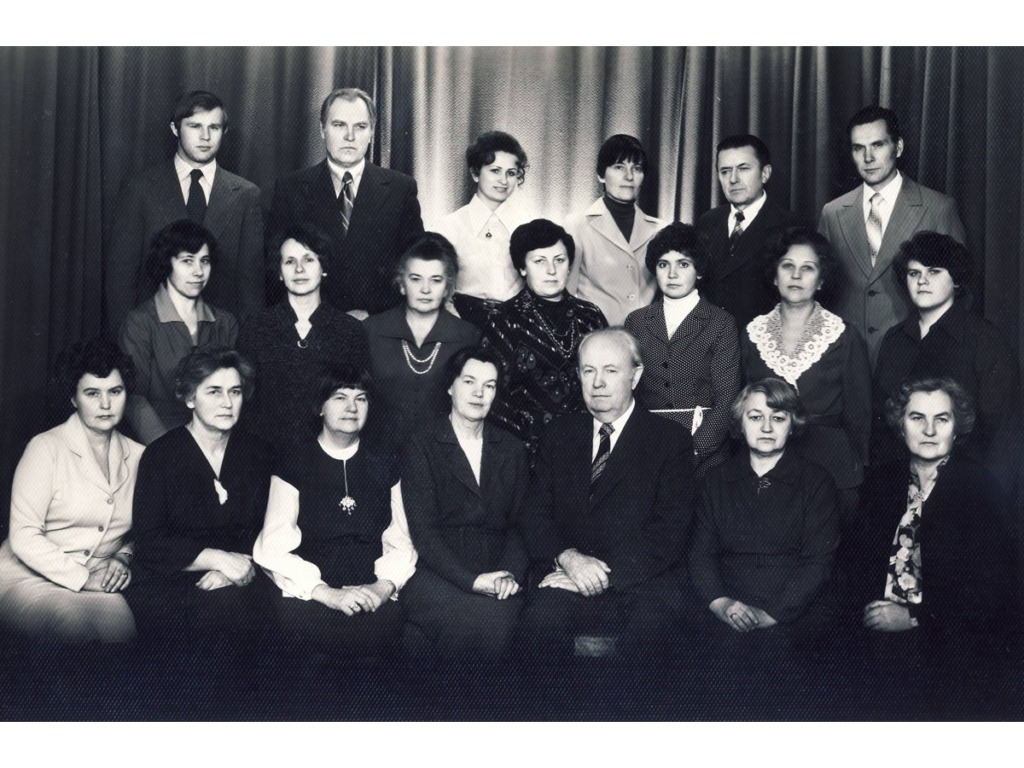
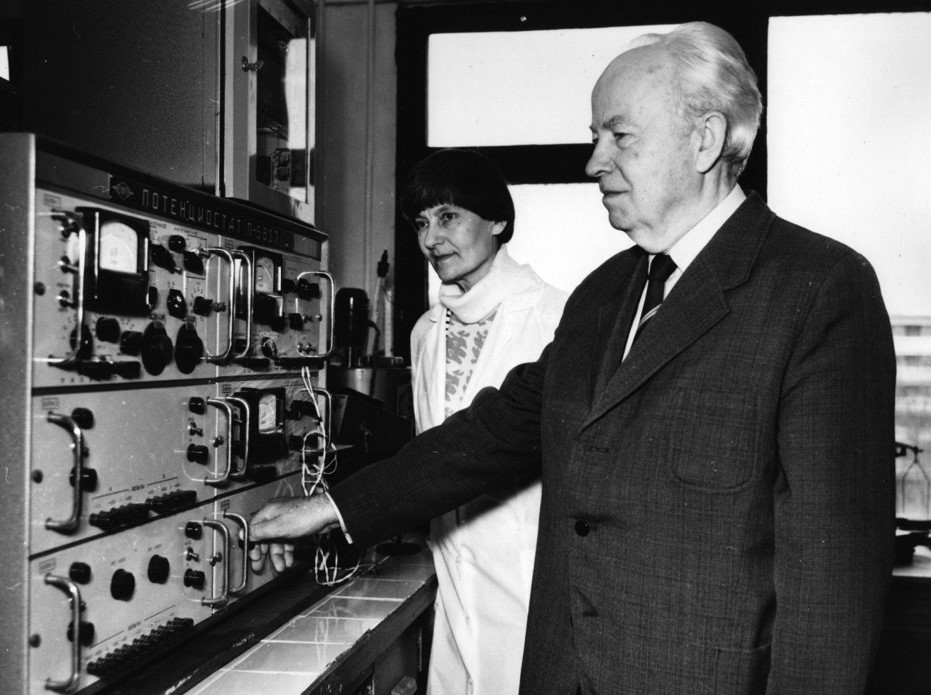
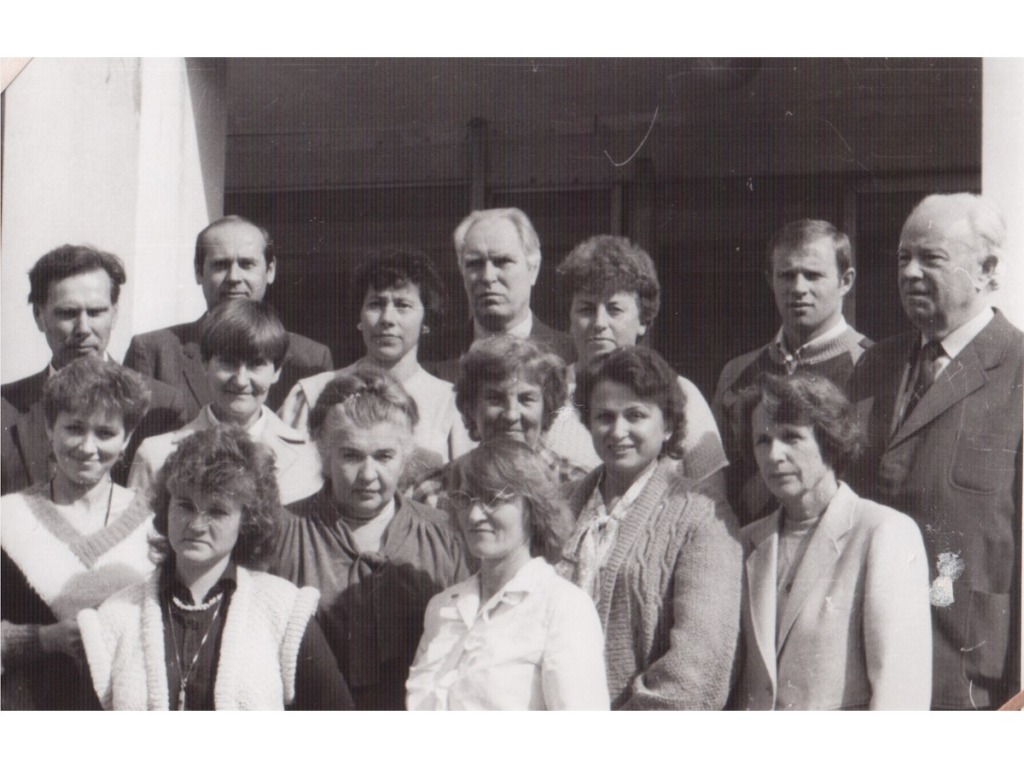
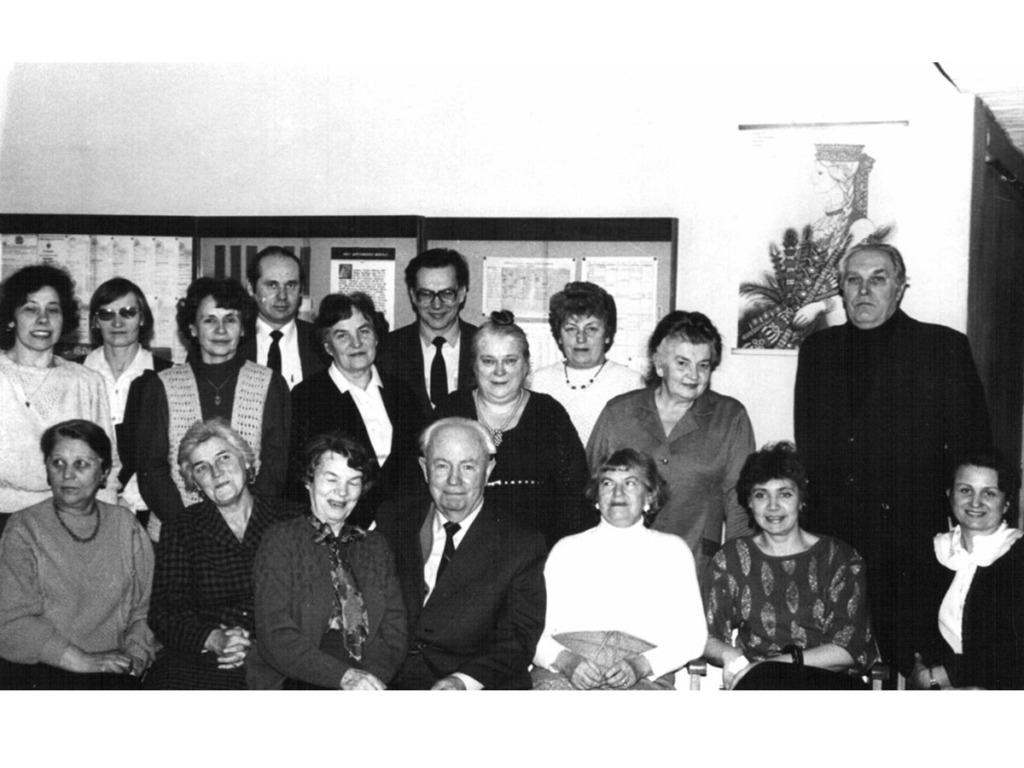
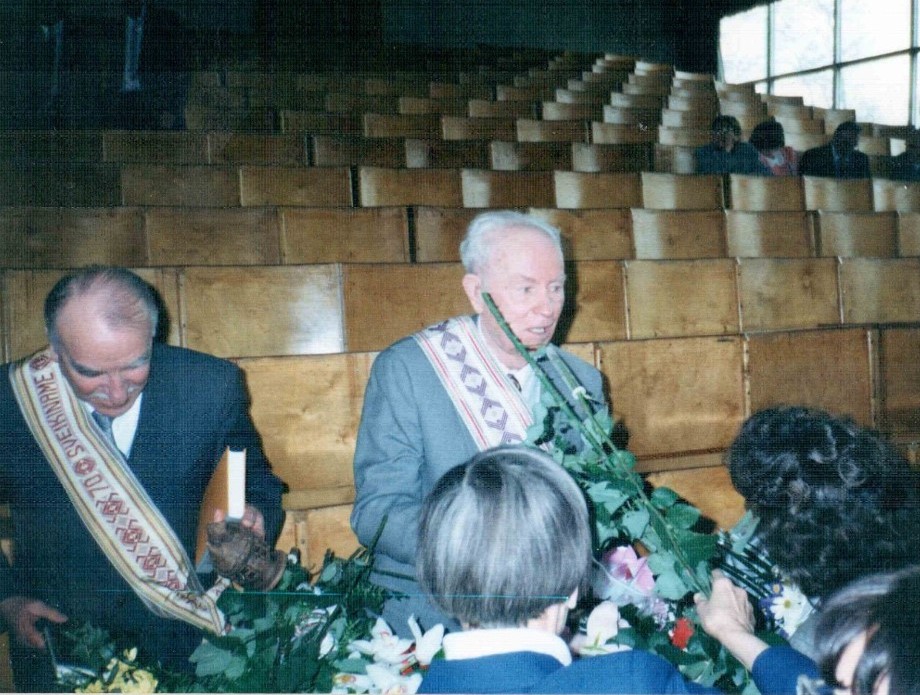
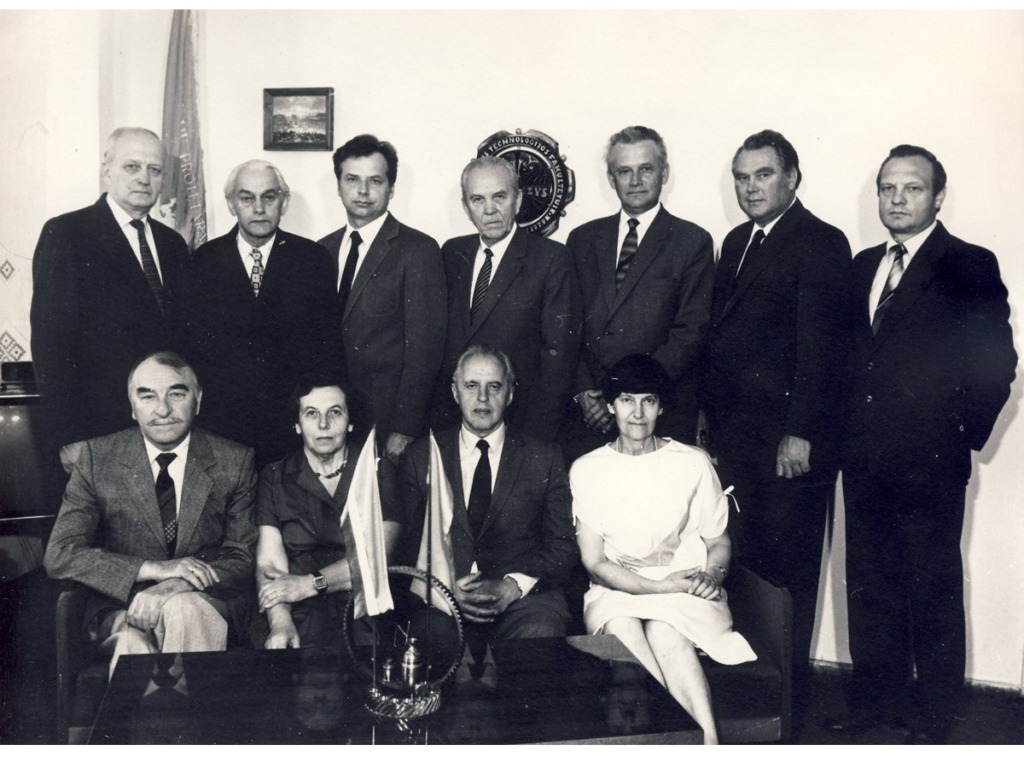
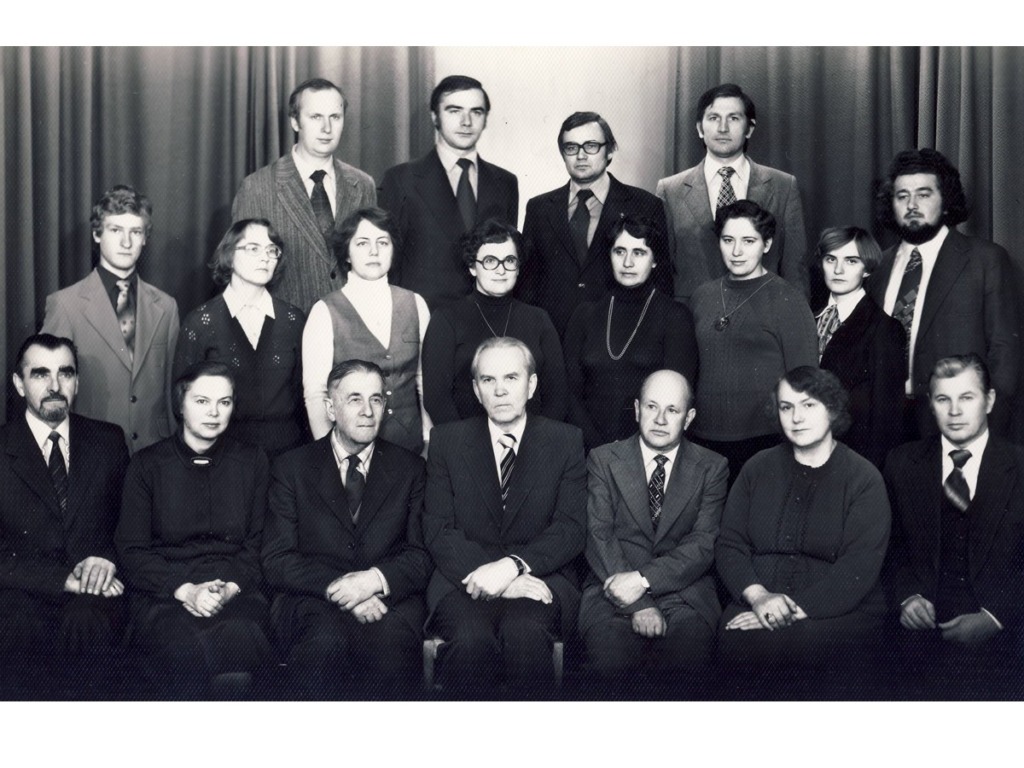
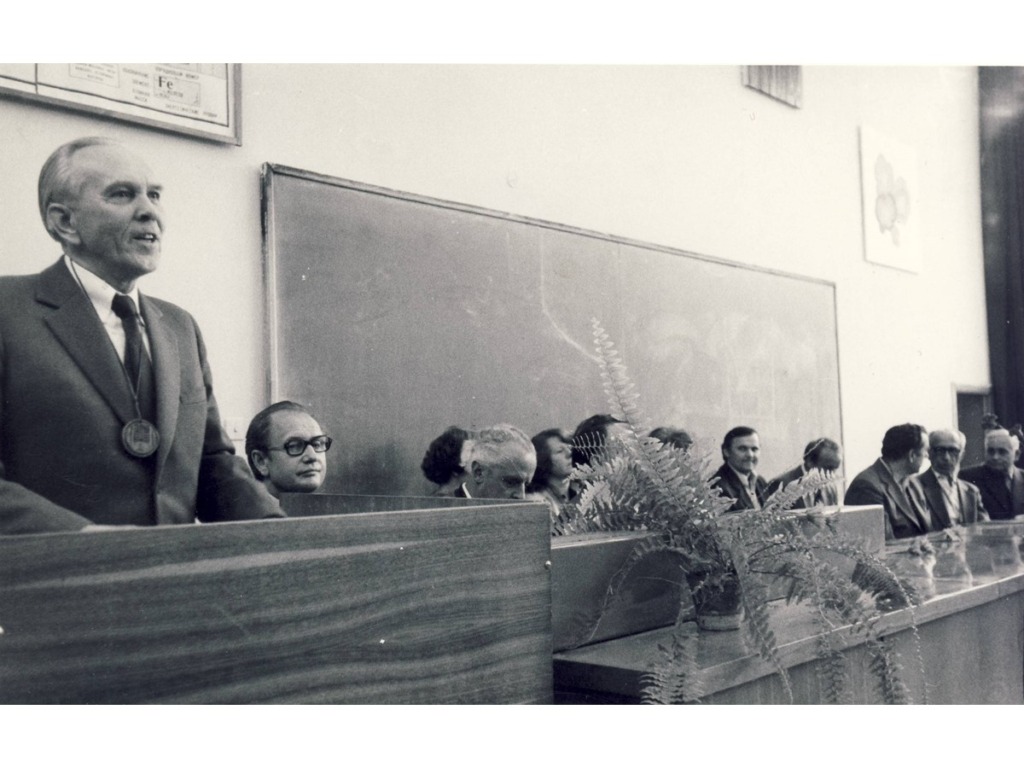
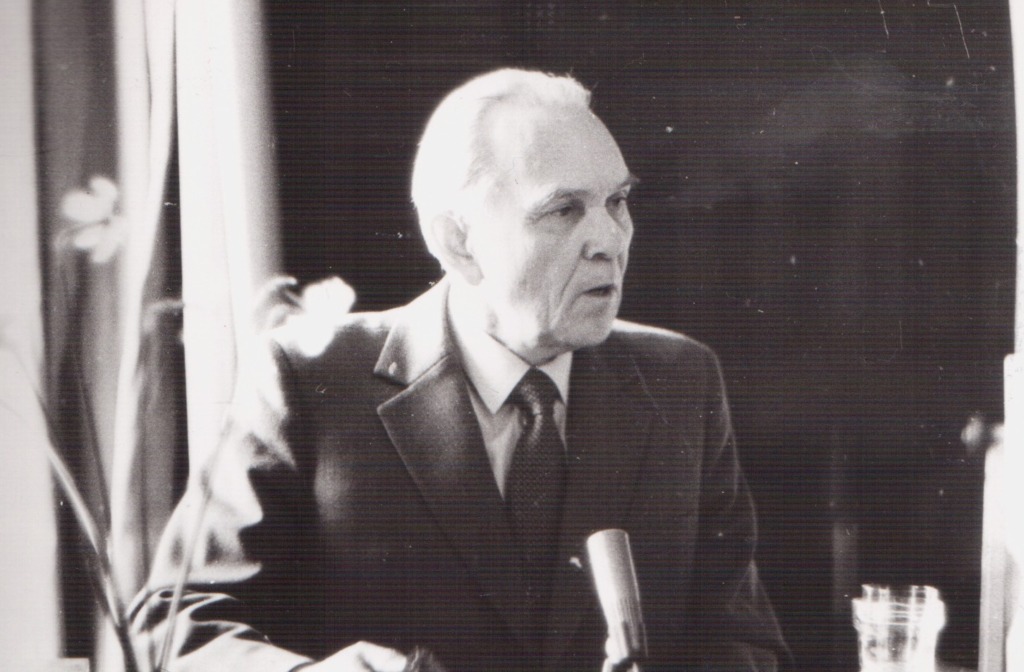
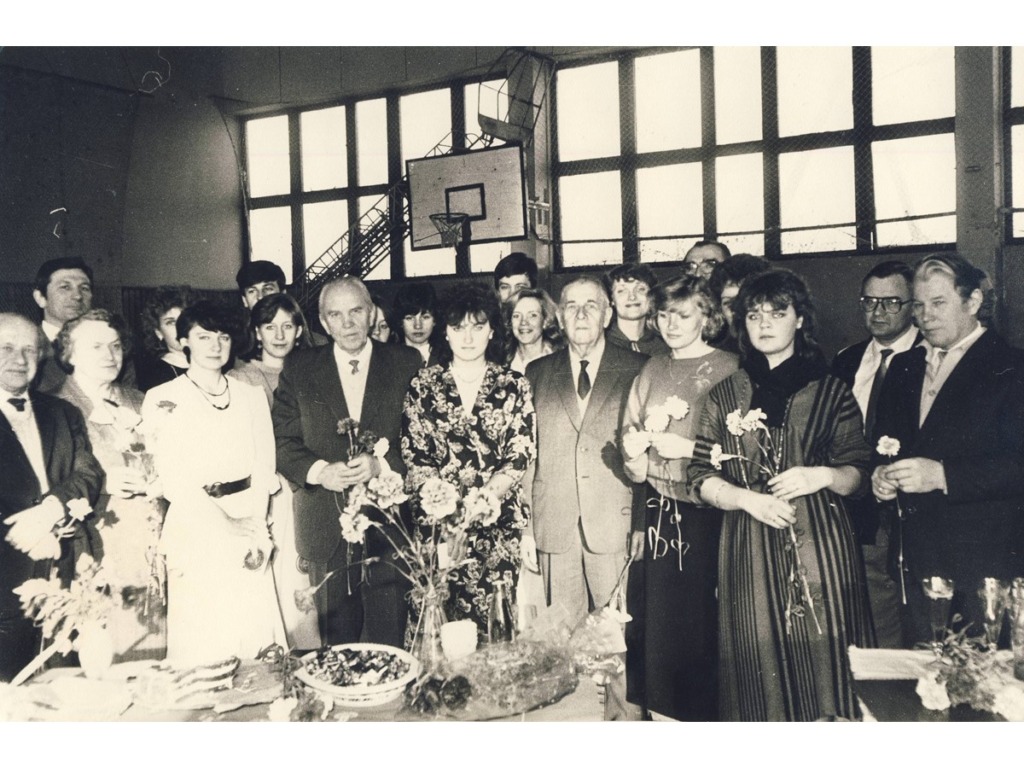
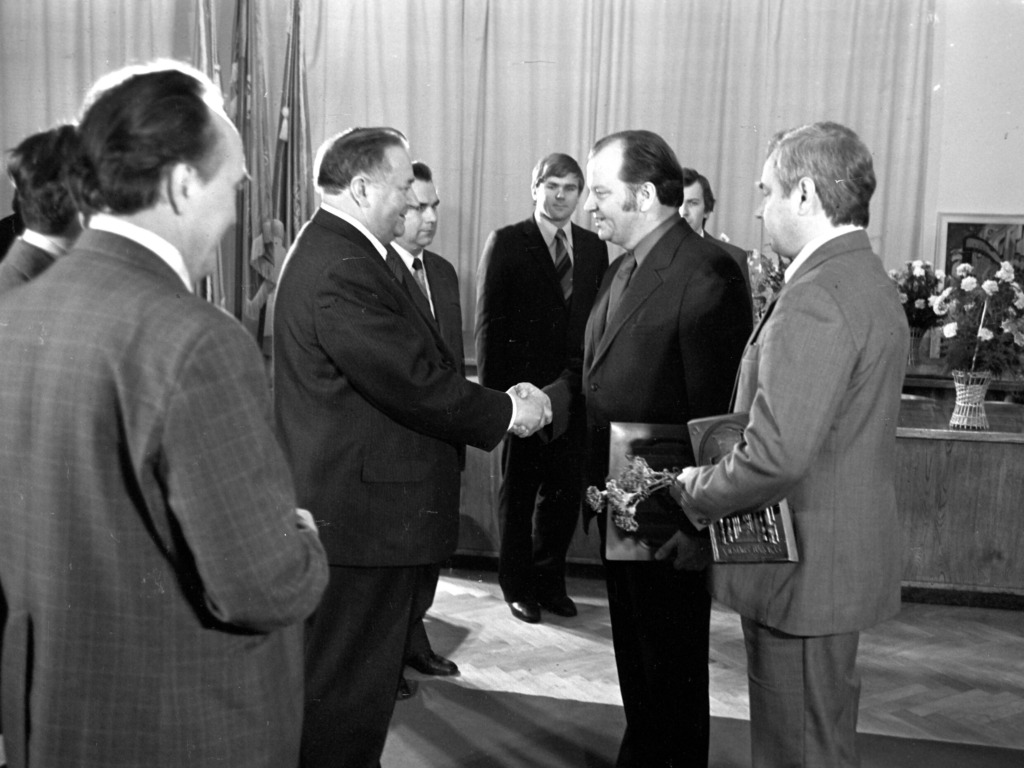
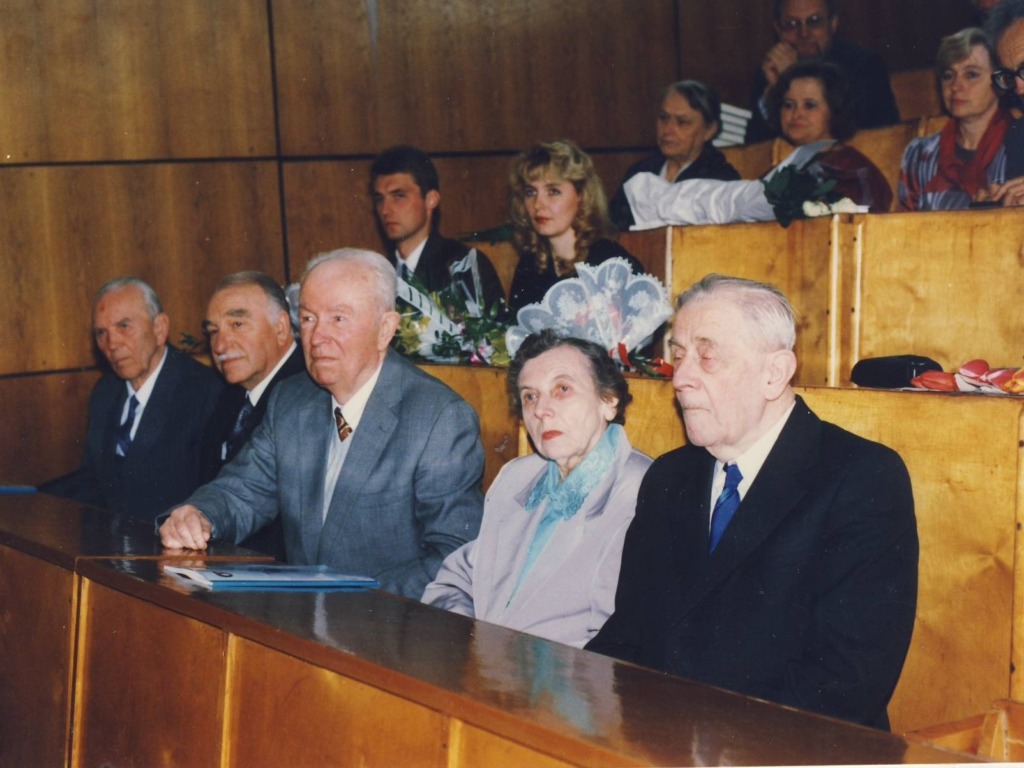
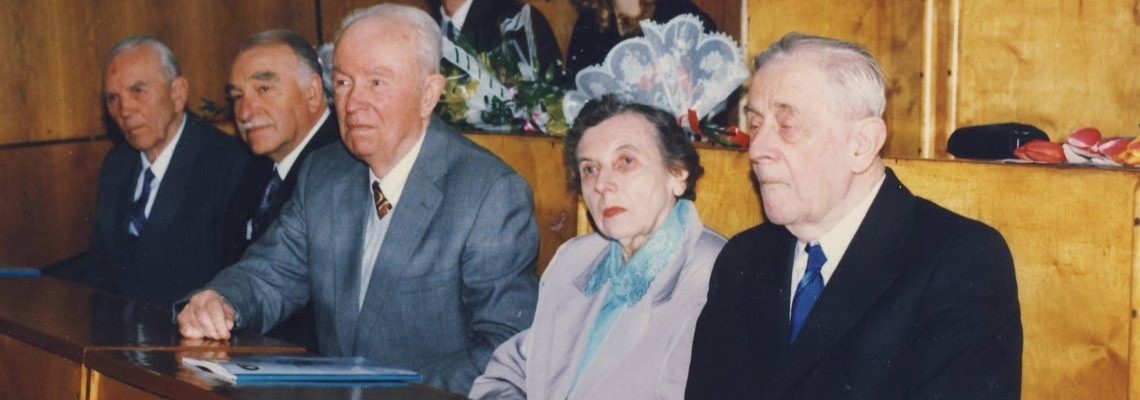
The KTU Museum continues its series of exhibitions dedicated to the anniversaries of notable KTU chemists and invites you to view the new virtual exhibition “Chemistry: A Life Choice.” On May 1 of this year, Prof. Balys Stulpinas (1916–1999) would have turned 110; on August 3, Academician Prof. Jonas Janickas (1906–1998) would have turned 120, and on August 16, Prof. Evaldas Pacauskas (1916–2016) would have turned 110. Prof. J. Janickis, after graduating from the Technical University of Dresden and defending his doctoral dissertation there, returned to Lithuania and began teaching at Vytautas the Great University. B. Stulpinas and E. Pacauskas were his students. Noticing these talented young men, the professor invited them to work as laboratory assistants. All three were awarded state prizes for their successful research. The work of these scientists gave rise to new schools of chemical research at the Kaunas Polytechnic Institute. Even after retiring, the professors continued to advise doctoral students and colleagues. And today, their work is successfully carried on at the Faculty of Chemical Technology at Kaunas University of Technology.

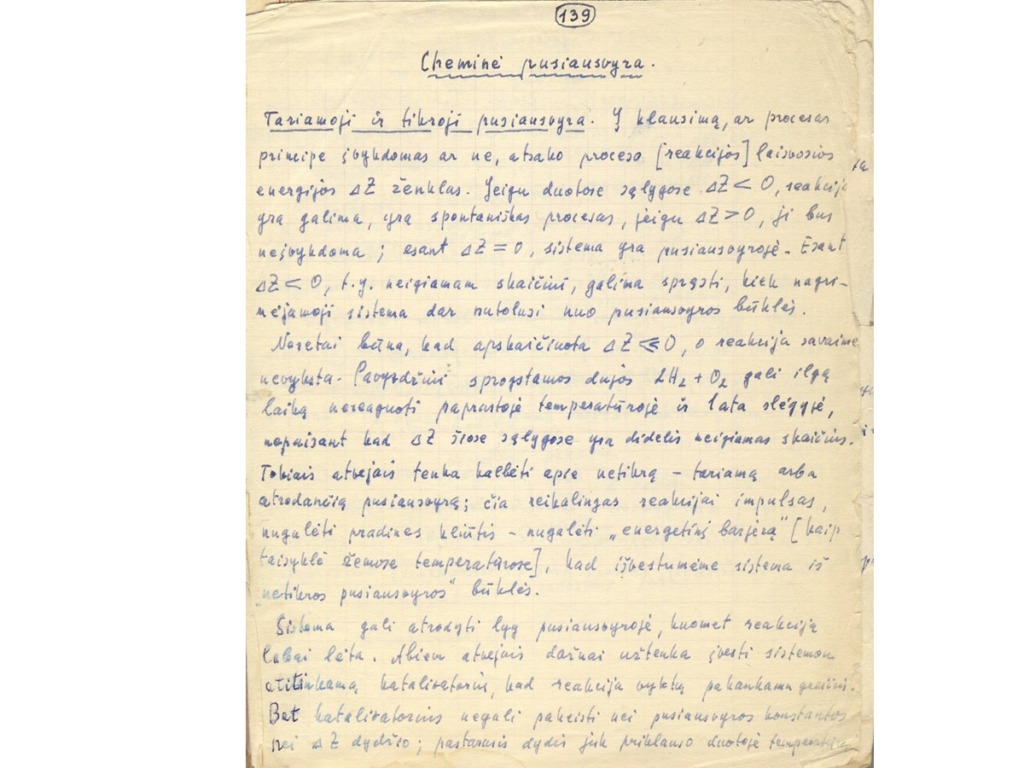
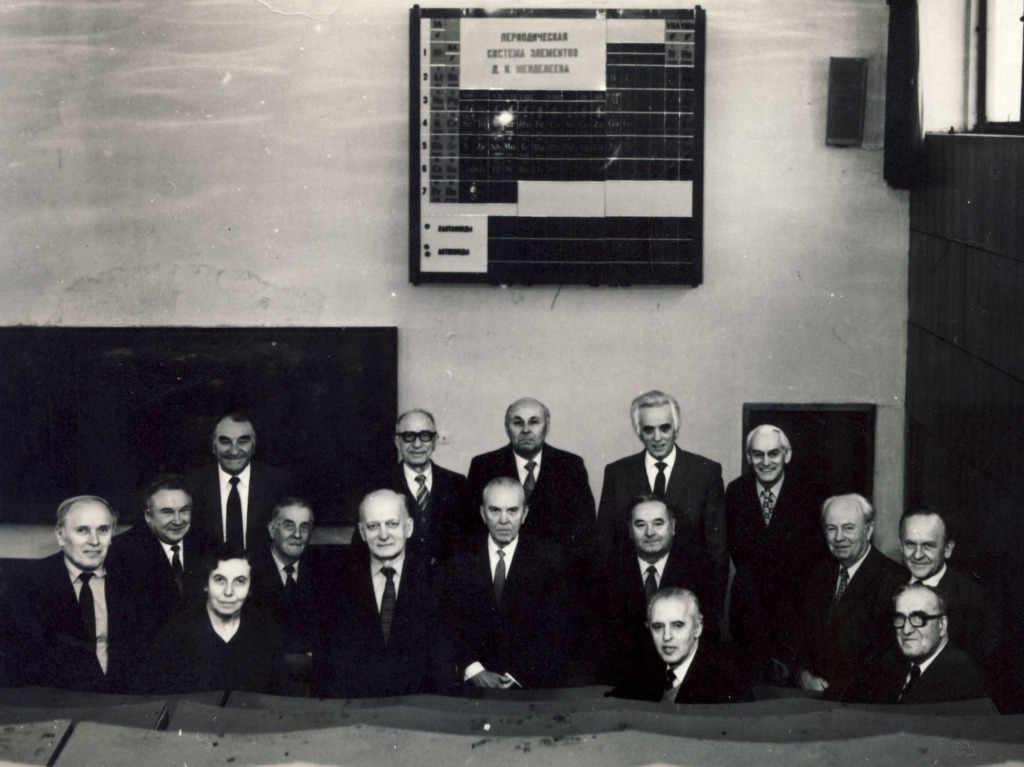
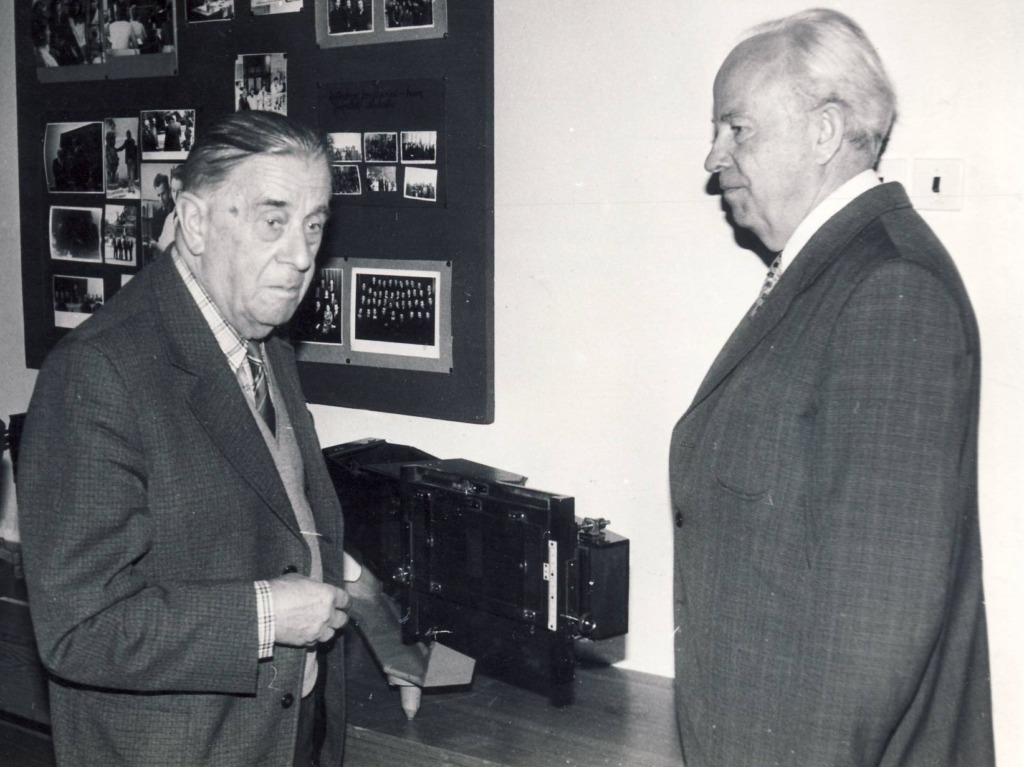
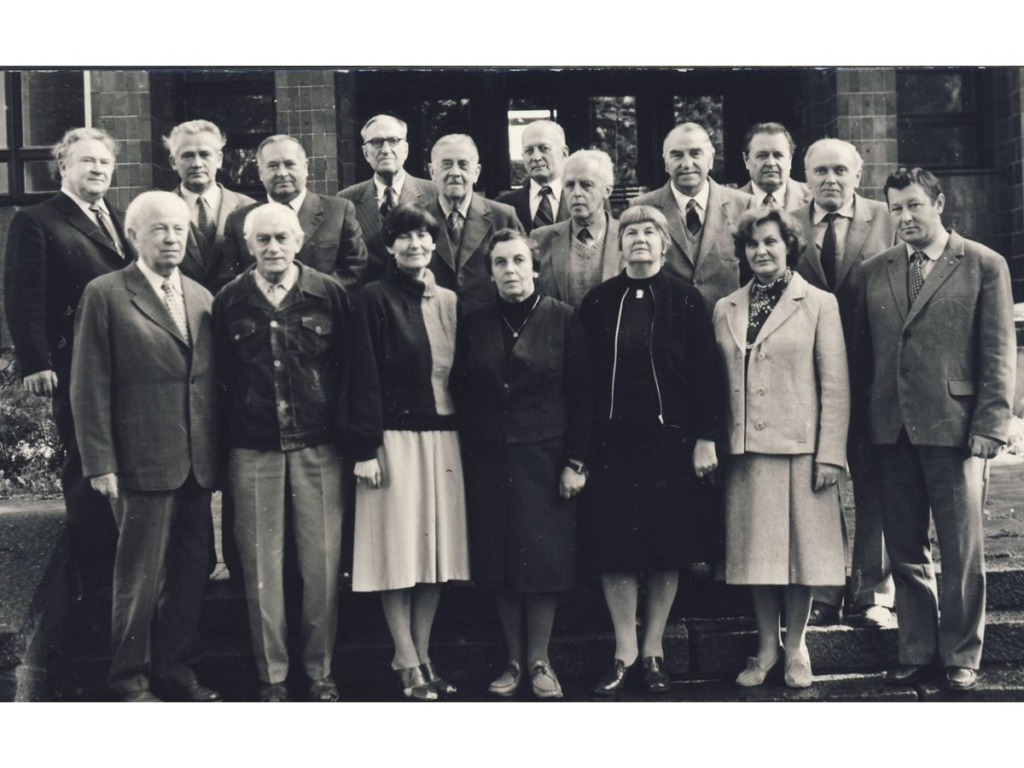
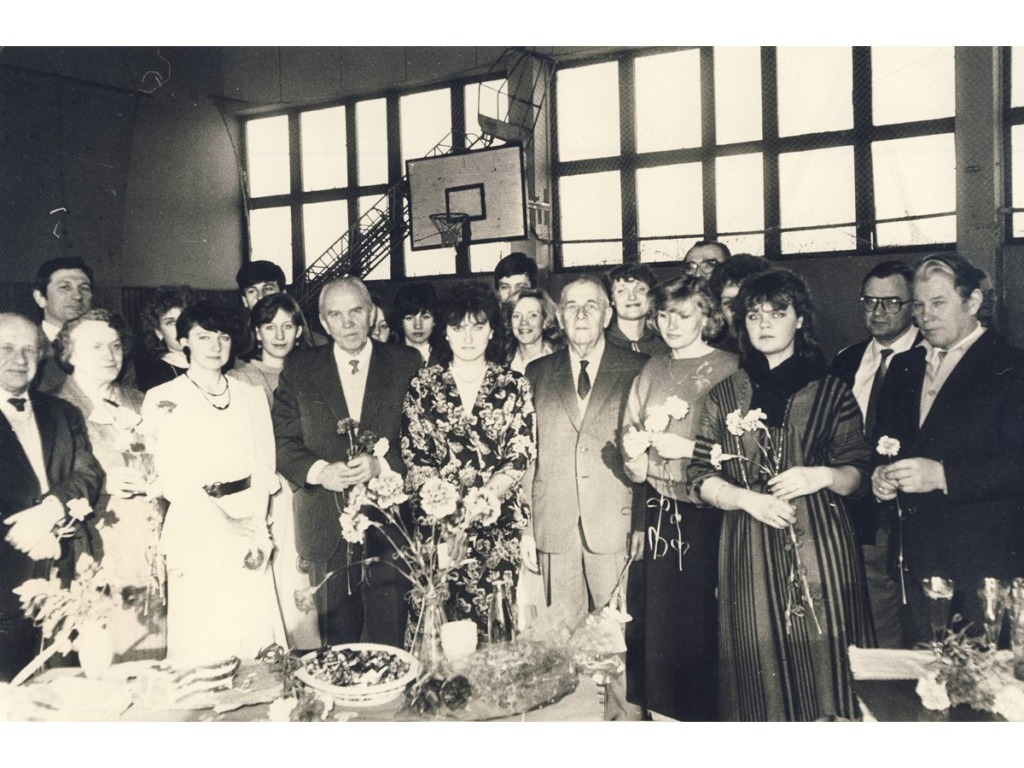
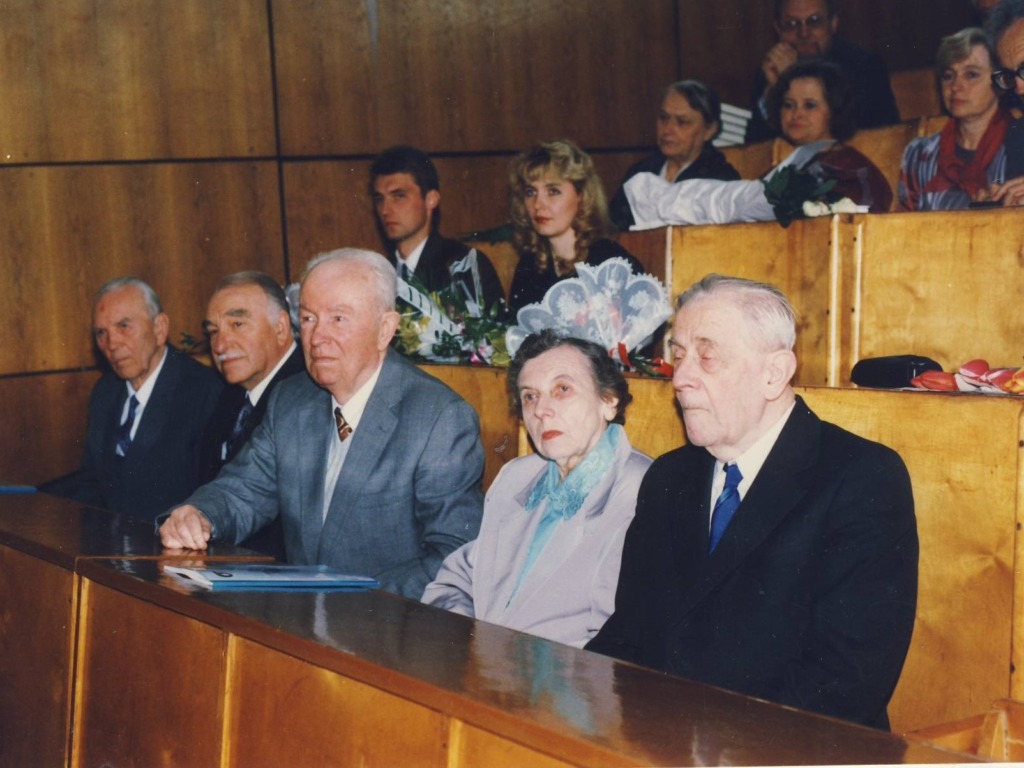
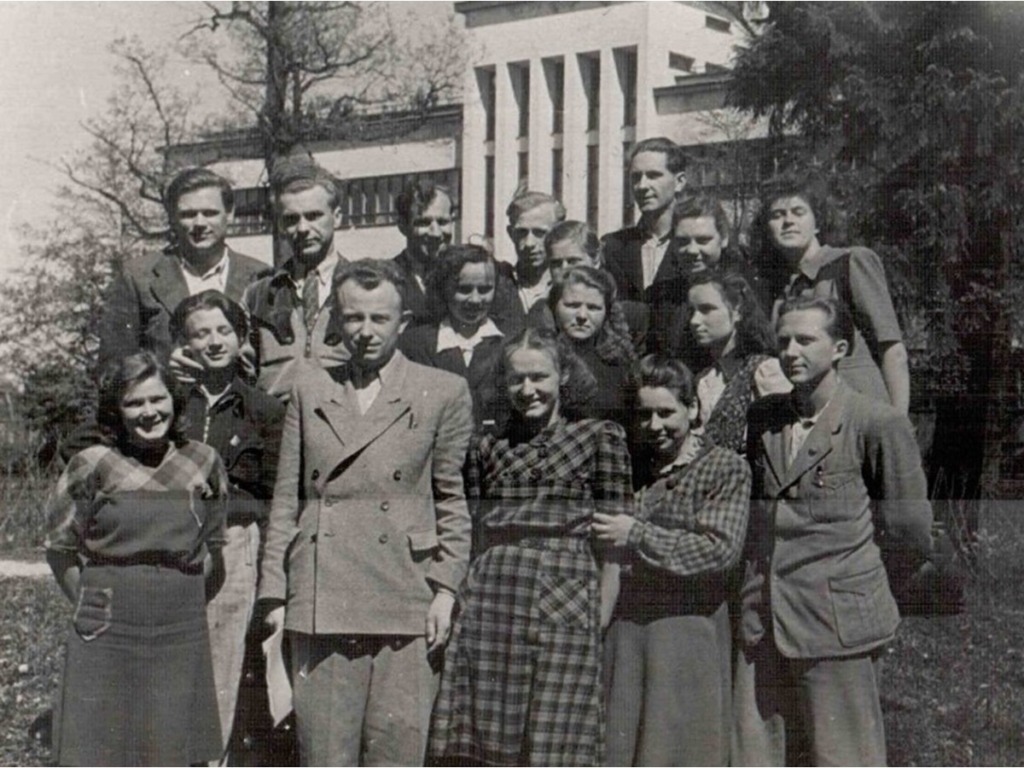
The exhibition features copies of documents from the KTU archives, as well as photographs from the KTU Faculty of Chemical Technology, the KTU Museum, the KTU photo archive, and the personal archive of Prof. A. Šulčius. The exhibition was organized by Dr. Audronė Veilentienė, director of the KTU Museum.
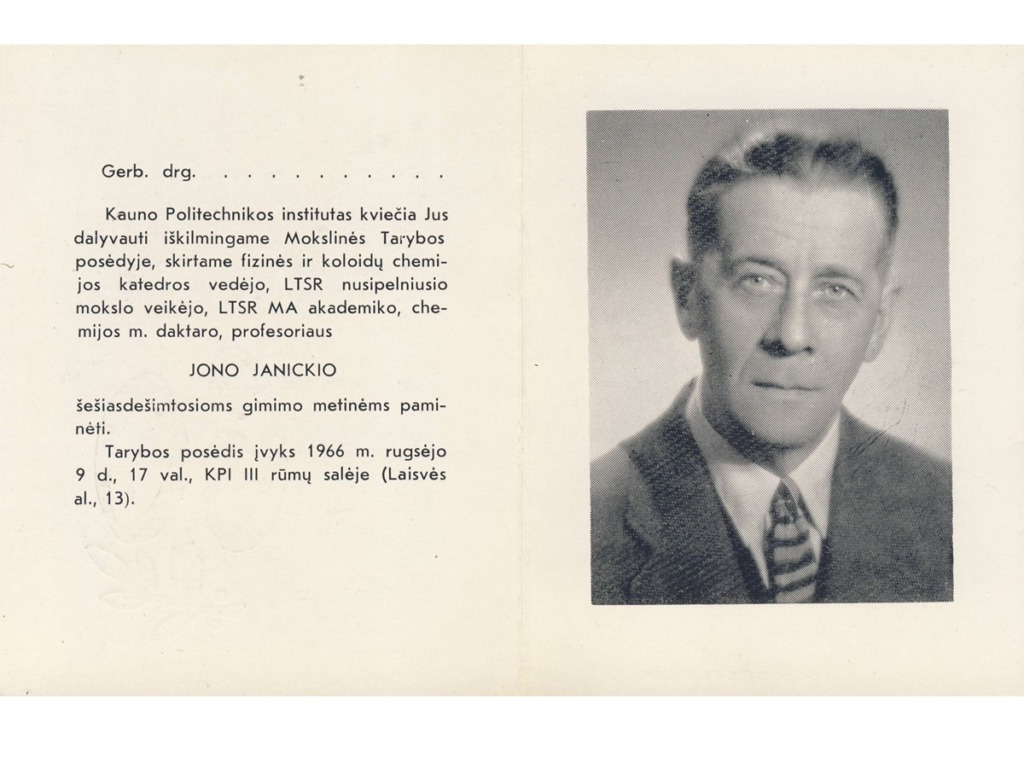
Prof. Jonas Janickas – 120

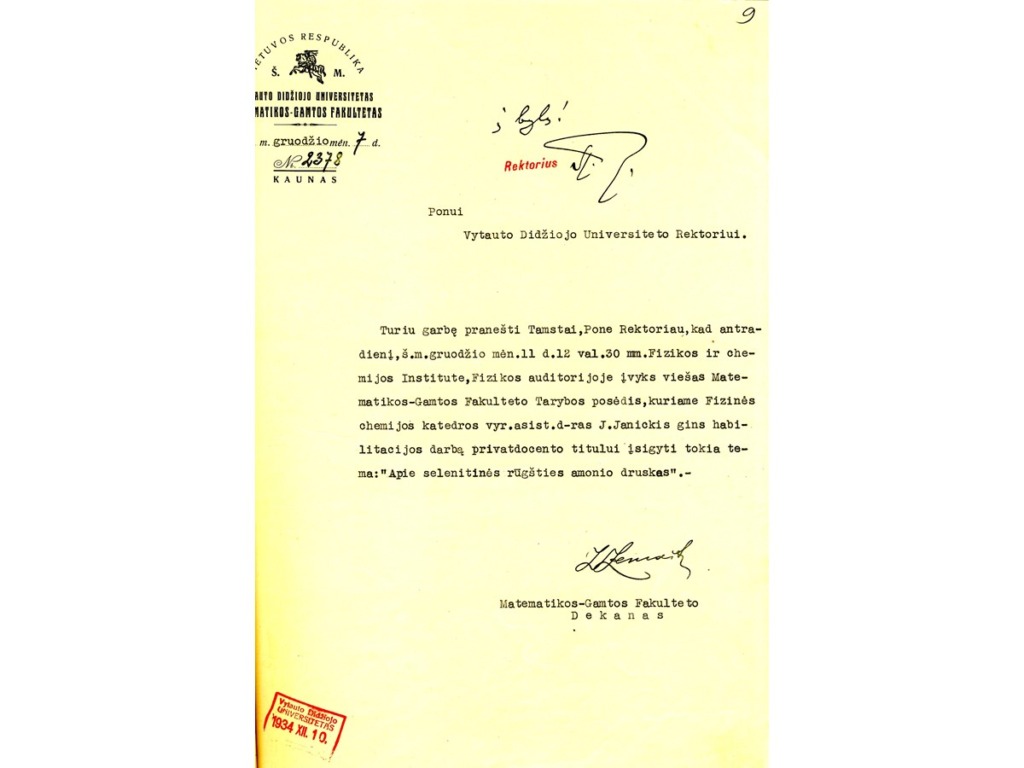
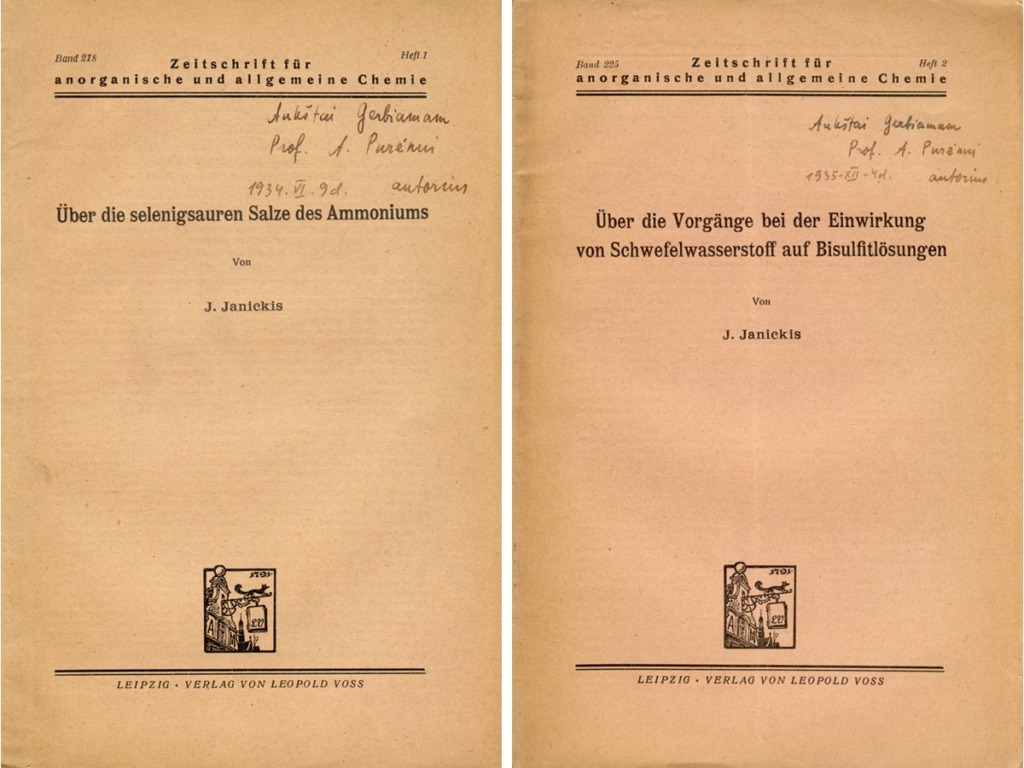
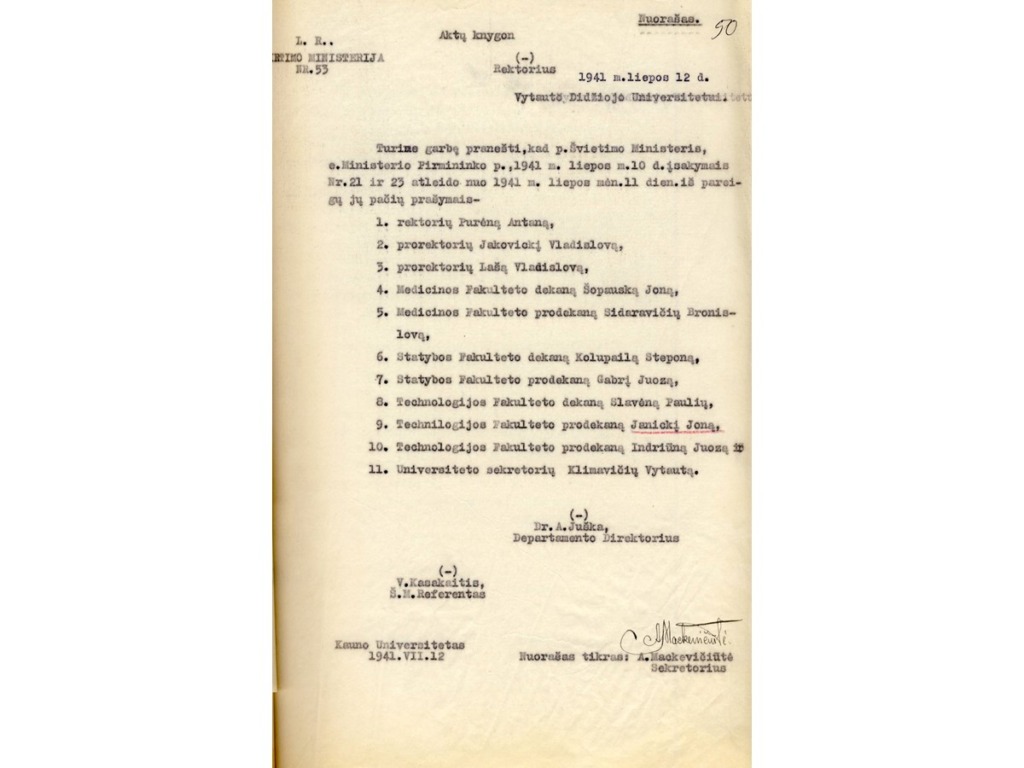
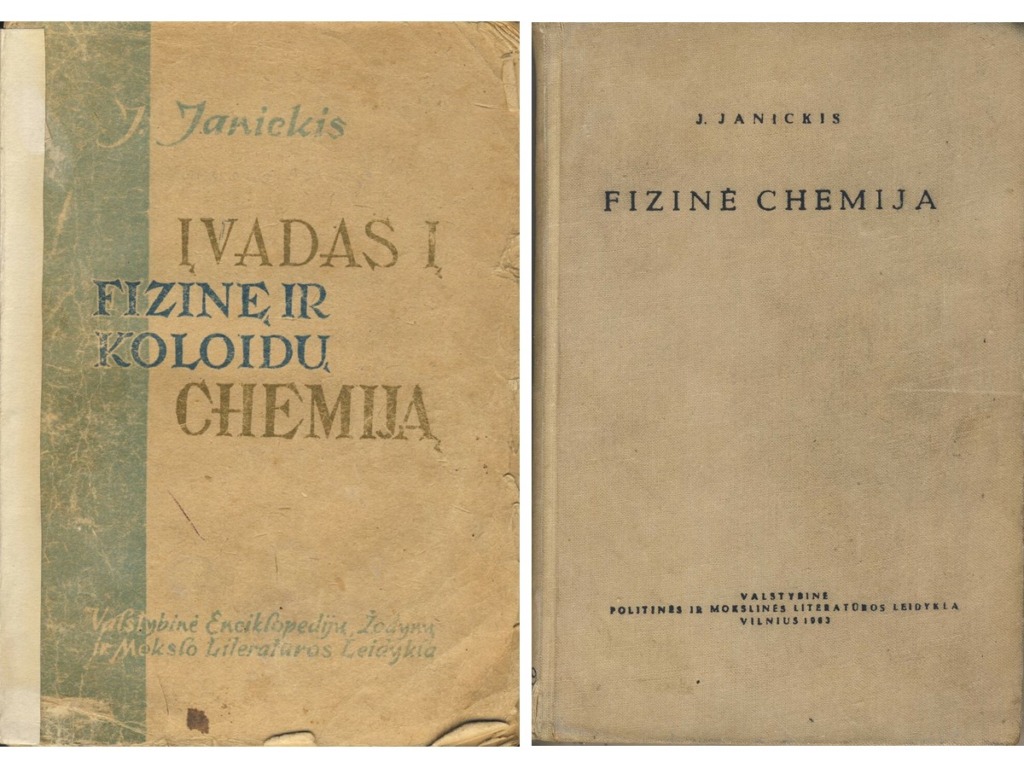
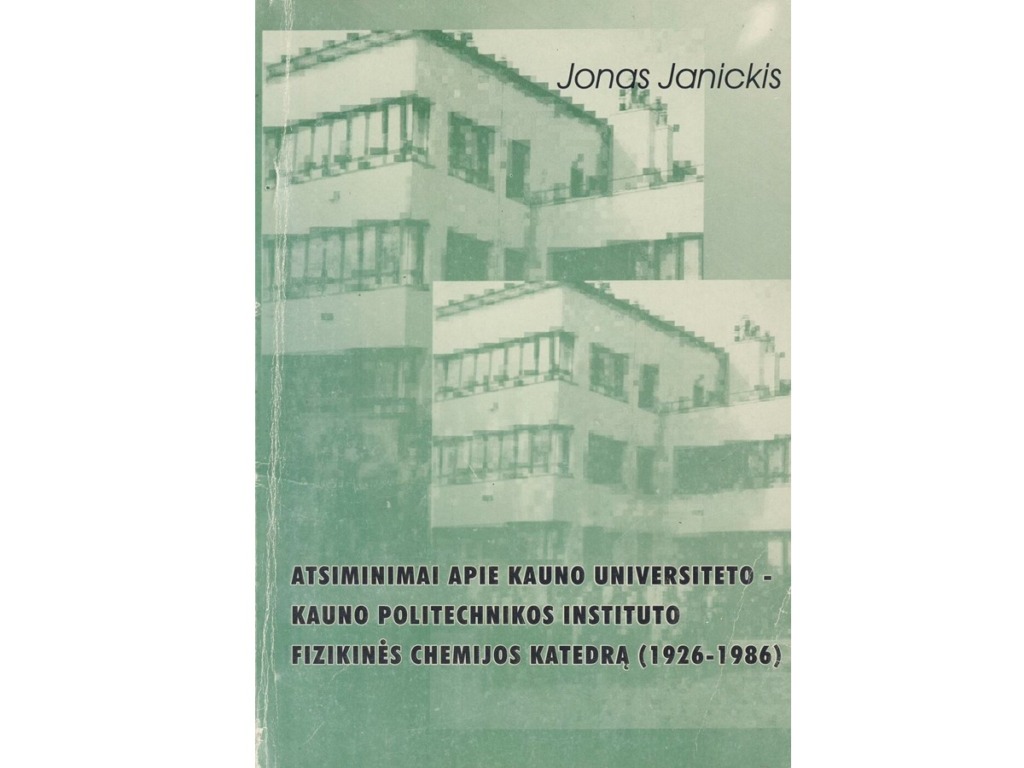
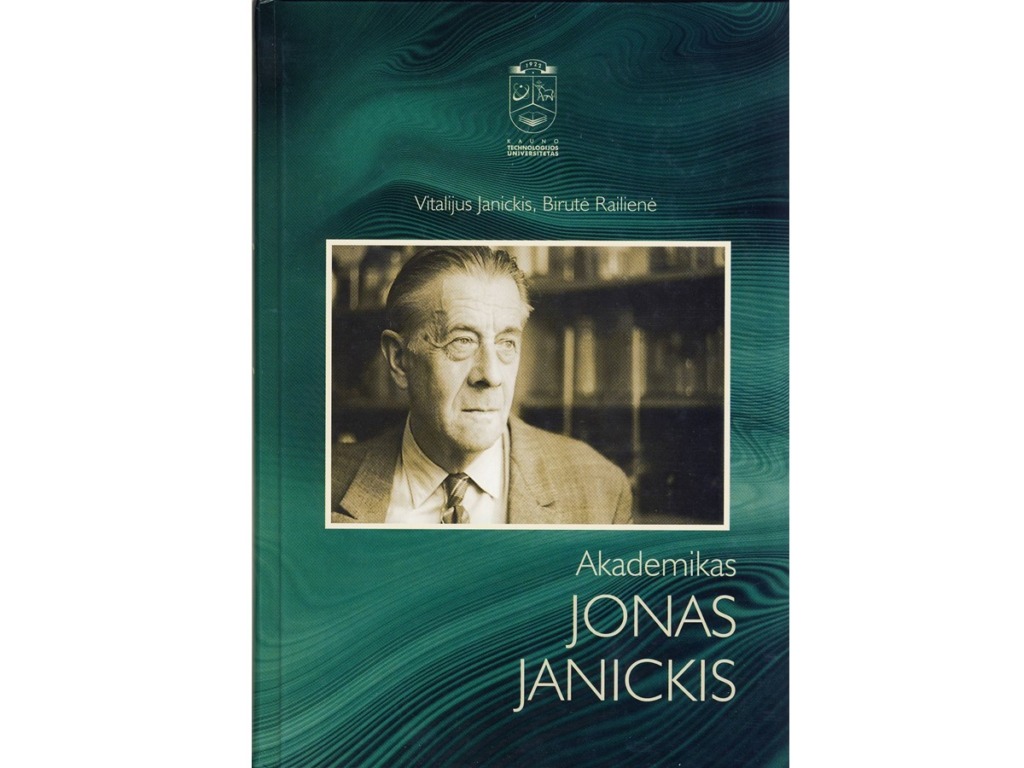
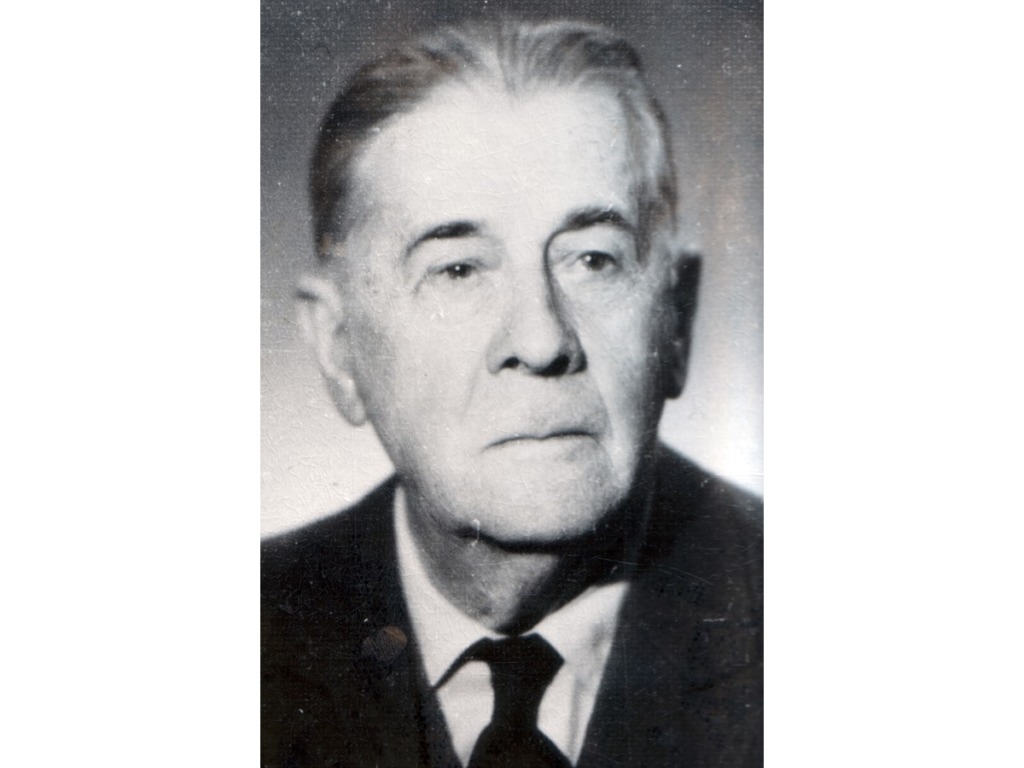
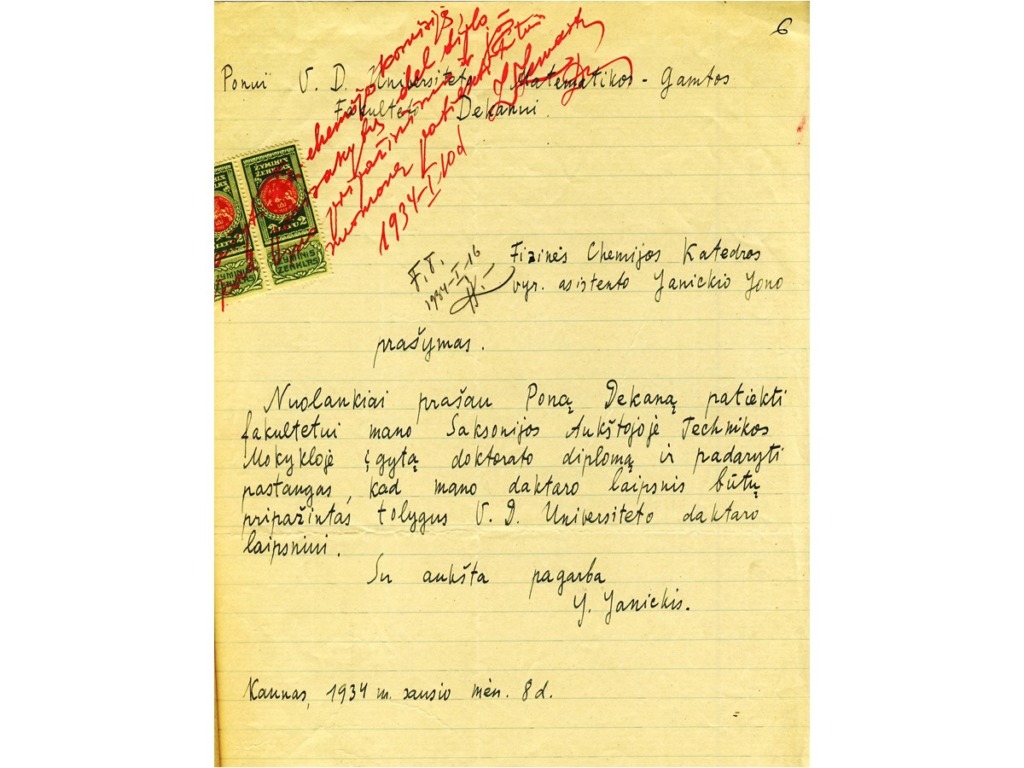
August 3, 2026, marked the 120th anniversary of the birth of Academician Prof. Jonas Janickis (1906–1998). After completing his studies at the Dresden University of Technology and defending his dissertation, “On the Sodium and Potassium Salts of Selenic Acid,” he earned a Doctor of Engineering degree and, in 1933, began working as an assistant to Prof. Vincas Čepinskis, head of the Department of Physical Chemistry at the Faculty of Mathematics and Natural Sciences of Vytautas Magnus University. In 1935, he defended his habilitation thesis and was awarded the title of privatdozent. In 1940, after the Faculty of Mathematics and Natural Sciences was relocated to Vilnius, he remained in Kaunas as an associate professor in the Department of Physical Chemistry at the Faculty of Technology. In 1941, he was appointed head of the department and later served as associate dean of the Faculty of Technology. In July 1941, he was dismissed from the university. After the German occupation ended, he returned to the university in 1944 and was once again appointed department chair. In 1948, he defended his doctoral dissertation, “Experimental Studies in the Chemistry of Polythionic Acids.” In 1949, he was awarded the academic title of professor. From 1946 to 1951, he served as scientific secretary; from 1951 to 1977, he was professor and head of the Department of Physical Chemistry. In 1956, Prof. J. Janickis was elected a full member of the Lithuanian Academy of Sciences. In 1961, he was awarded the title of Distinguished Scientist of the Lithuanian SSR. In 1968, he was awarded a state prize, along with others, for research in the fields of the chemistry and electrochemistry of sulfur, selenium, and manganese. From October 1977, J. Janickis served as a consulting professor, and from 1994, as a professor emeritus. Prof. J. Janickis is a co-author of 230 scientific papers and 6 inventions. He founded one of the four recognized scientific schools of chemistry in Lithuania. Under Prof. J. Janickis’s supervision, 47 doctoral dissertations were prepared and successfully defended. He served as the dissertation advisor for the dissertations of prominent chemistry professors B. Stulpinas, E. Pacauskas, A. Prokopčikas, and V. Zelionkaitė.

In memory of Prof. J. Janickis, Prof. Habil. Dr. A. Sadūnas wrote:

“<…> Prof. J. Janickis was a scientist of great erudition, thoroughly educated, and highly talented in his field—physical and inorganic chemistry. Moreover, he was a highly disciplined man who never broke his word, was sensitive to others, and always strove to help his younger colleagues. He made an extraordinary contribution to the development of physical and inorganic chemistry at KPI. He is deeply appreciated by both the students he trained to become highly qualified specialists and by his fellow faculty members and researchers.

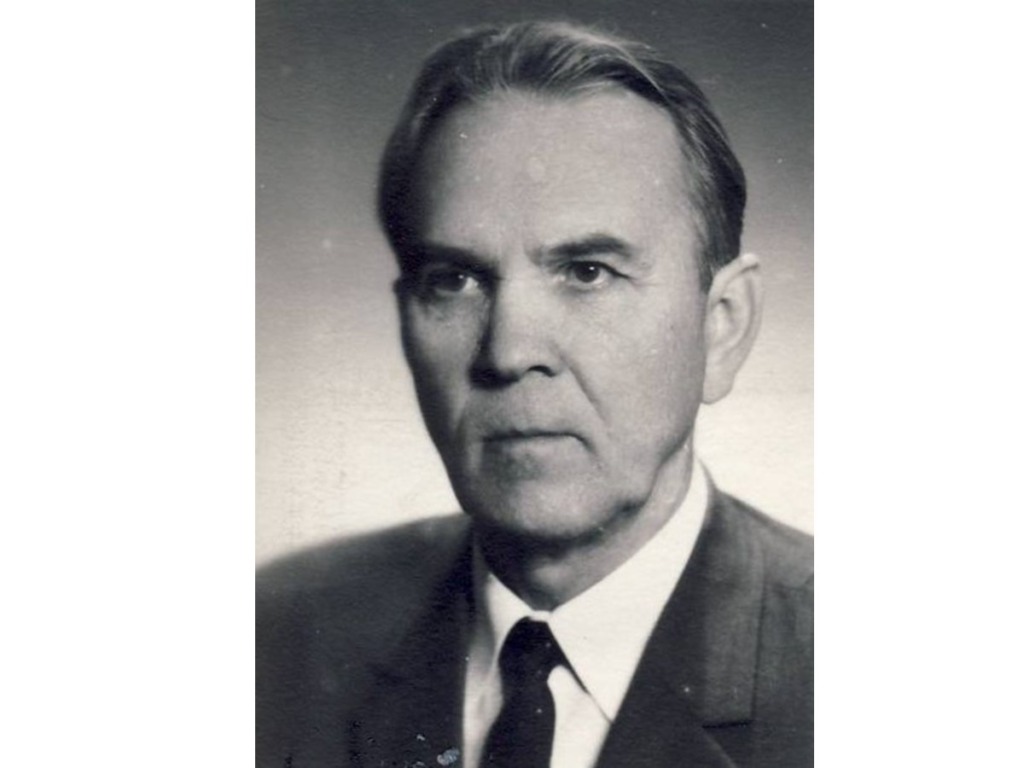
Prof. Balys Stulpinas – 110

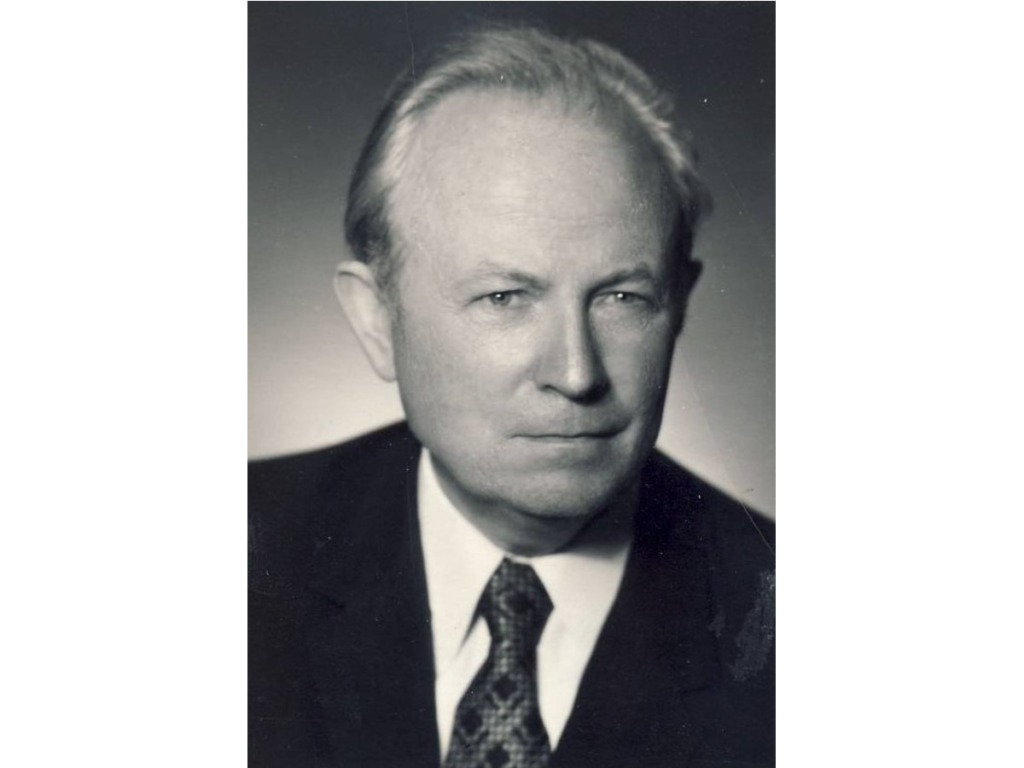
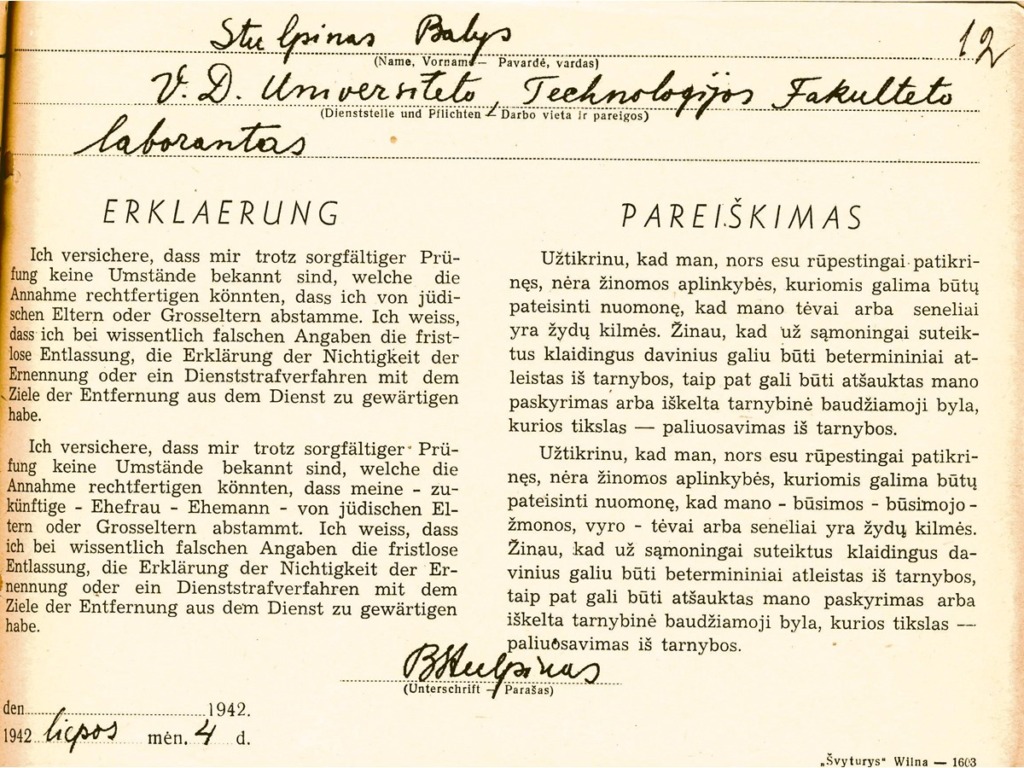
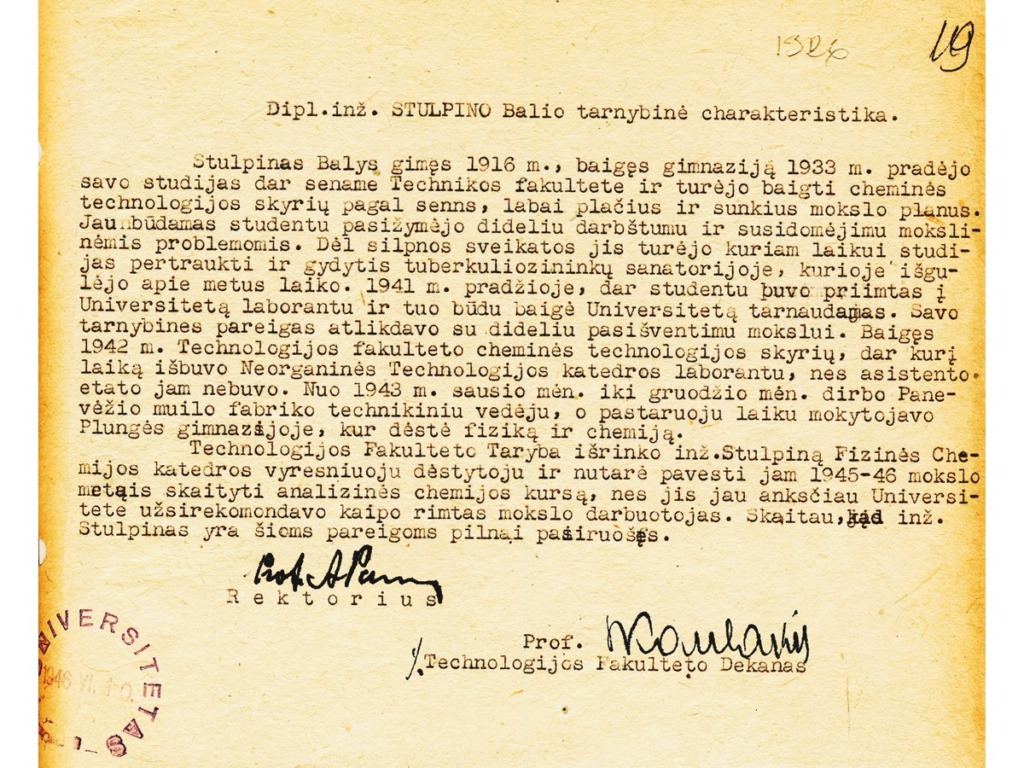
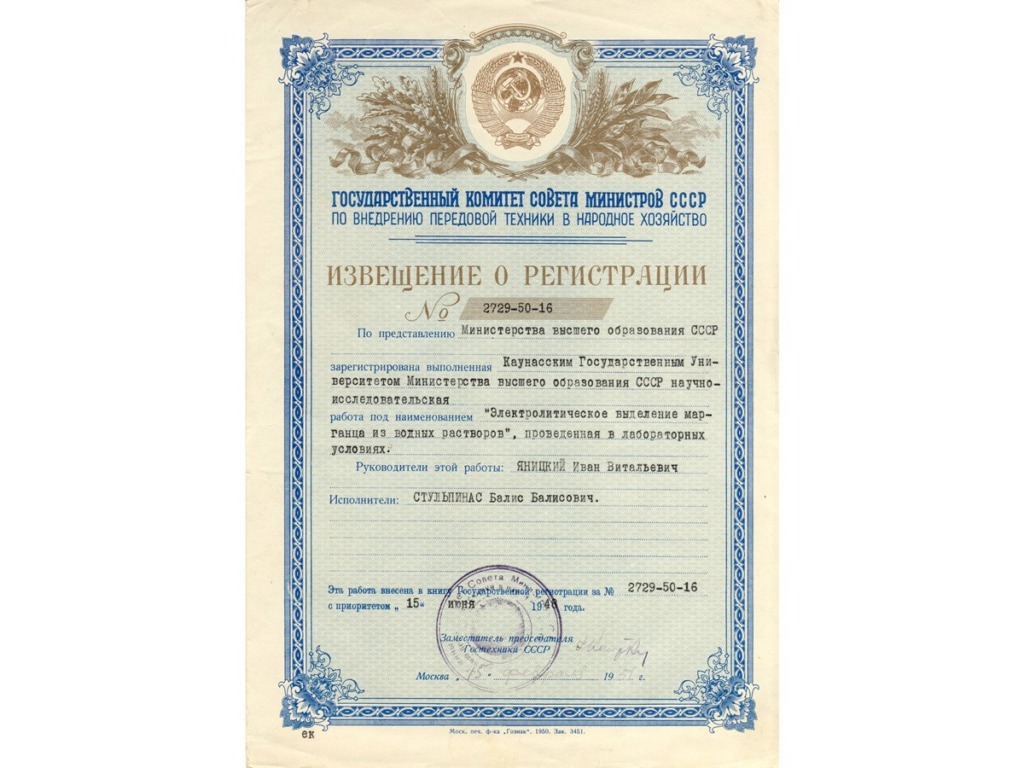
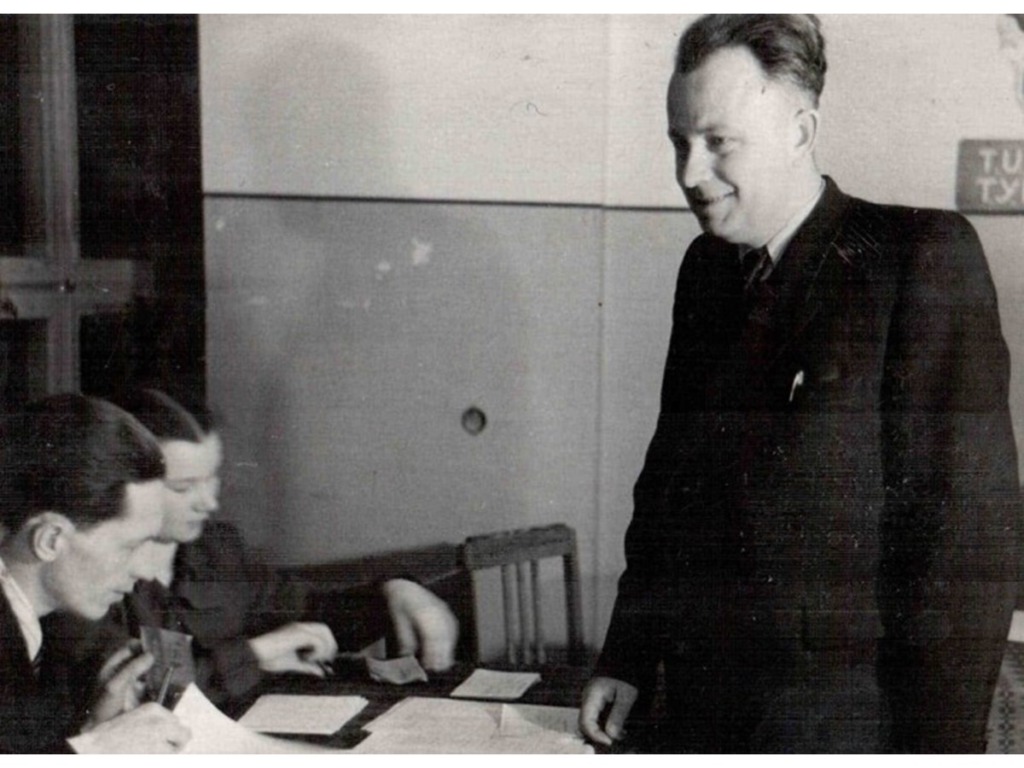
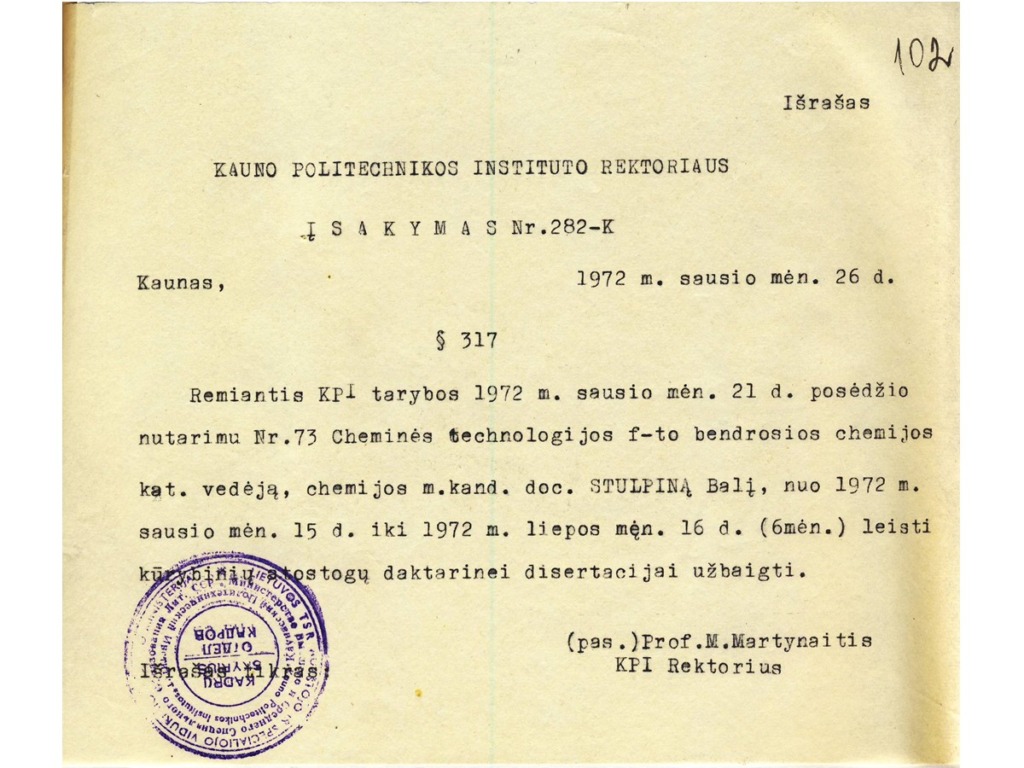
May 1, 2026, marked the 110th anniversary of the birth of Prof. Balys Stulpinas (1916–1999). From 1941 to 1942, while still a student at the Faculty of Technology at Vytautas the Great University, he worked as a laboratory assistant. After graduating from the university in 1942, he initially worked as a technical supervisor at the Panevėžys soap factory and later as a teacher at Plungė Gymnasium. In 1945, he began working as a senior lecturer in the Department of Physical Chemistry at the Faculty of Technology of Vytautas the Great State University in Kaunas. In 1948, he defended his dissertation, “Electrolytic Precipitation of Manganese from Aqueous Solutions,” and was awarded the degree of Candidate of Chemical Sciences. In 1950, he was granted the academic title of associate professor. From 1951 to 1963, Associate Professor B. Stulpinas served as head of the Department of Inorganic Chemistry; from 1964 to 1982, as head of the Department of General Chemistry; and from 1982 to 1992, as a professor. In 1968, B. Stulpinas was awarded a state prize, along with other researchers at the Kaunas Polytechnic Institute, for his research on the chemistry and electrochemistry of sulfur, selenium, and manganese. In 1972, B. Stulpinas defended his doctoral dissertation, “Electrolytic Deposition and Investigation of Selenium-Containing Manganese-Based Galvanic Coatings.” Since Prof. B. Stulpinas’s work had a strong technological focus, he was awarded the degree of Doctor of Technical Sciences (now known as Habilitated Doctor). In 1974, he was granted the title of professor, and in 1976, he was named a Distinguished Scientist and Engineer of the Lithuanian SSR. It can be said that he was the founder and head of the scientific school “Electrolytic Deposition of Manganese and Its Alloys.”
Prof. Evaldas Pacauskas – 110

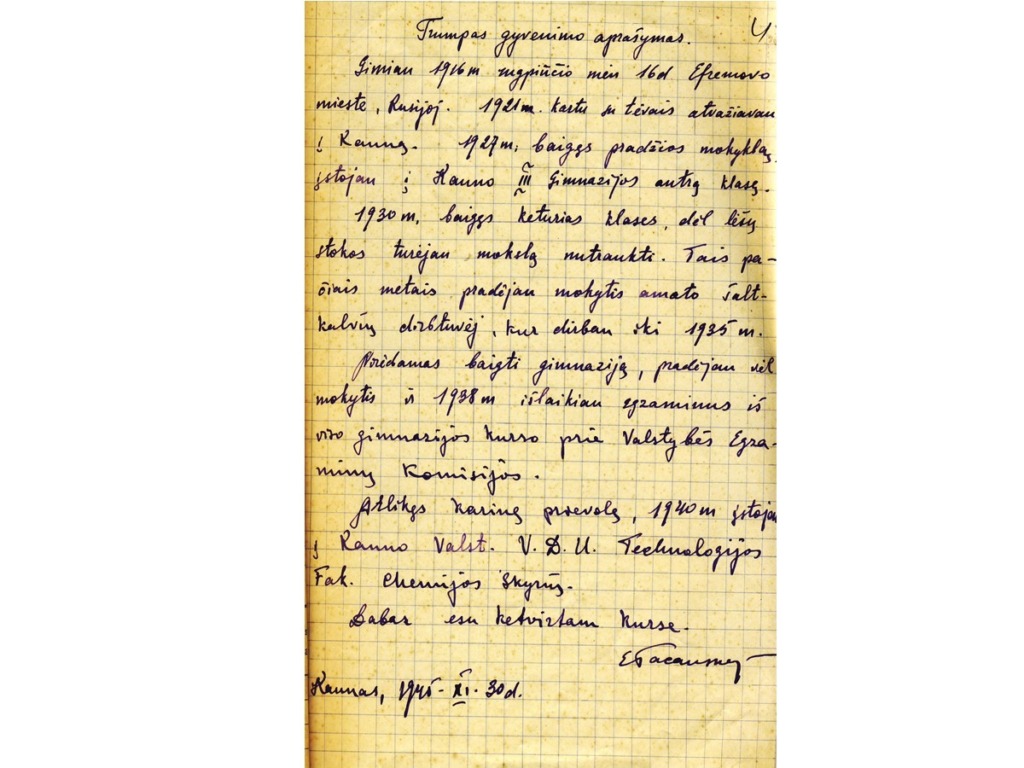
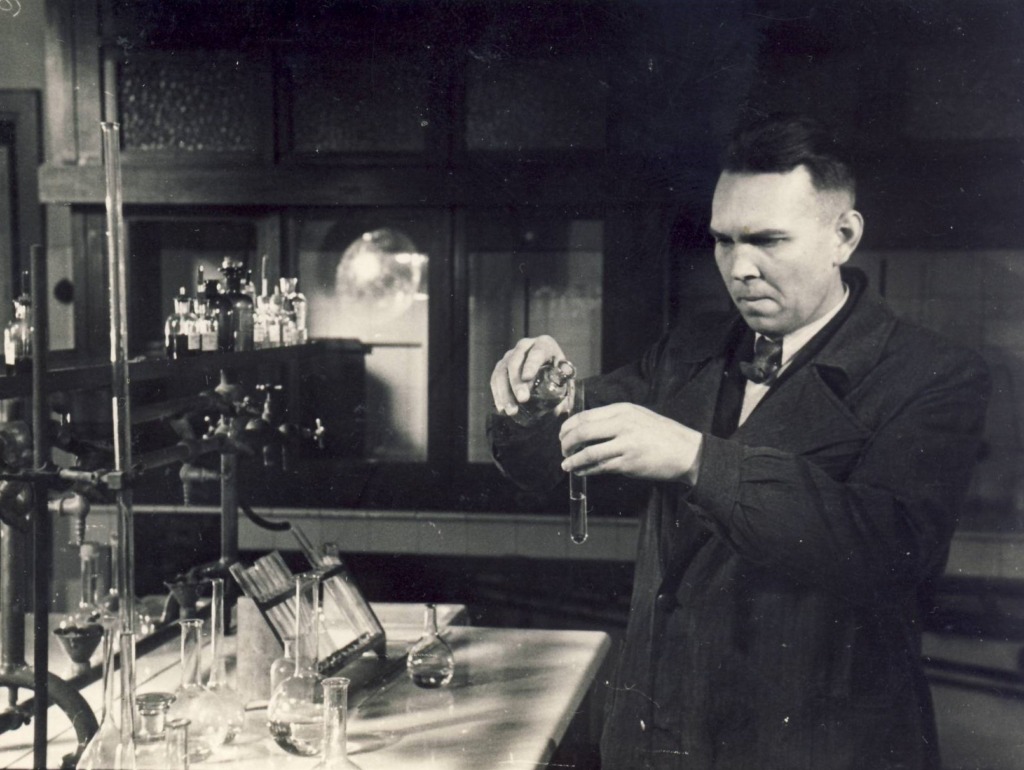
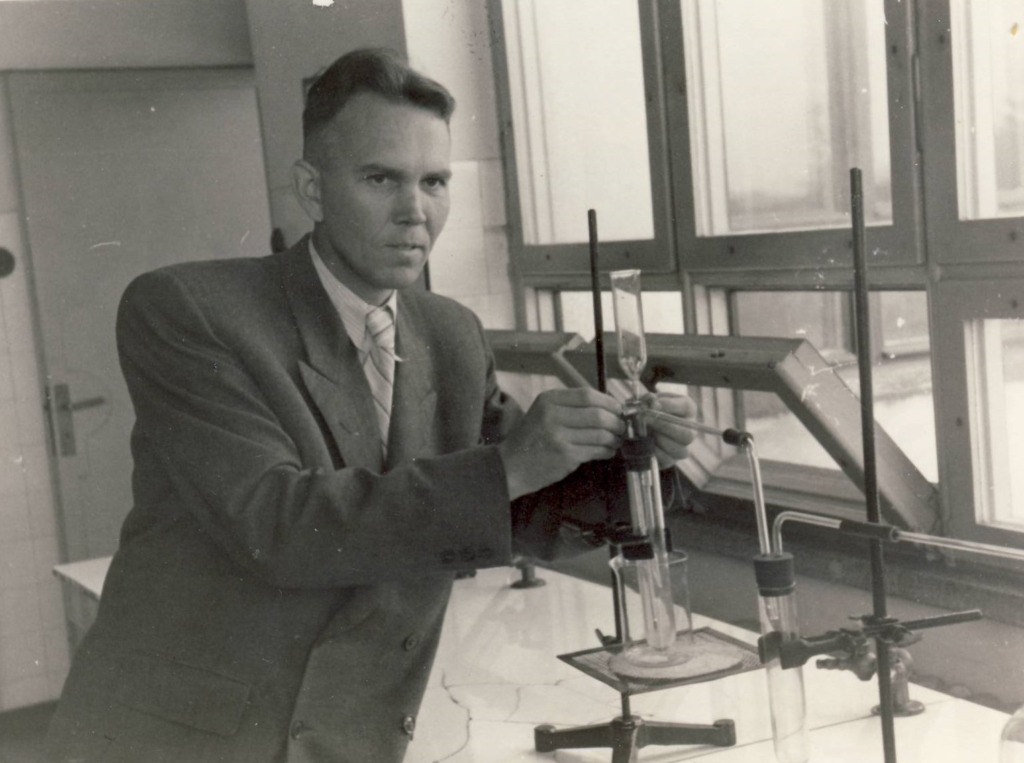
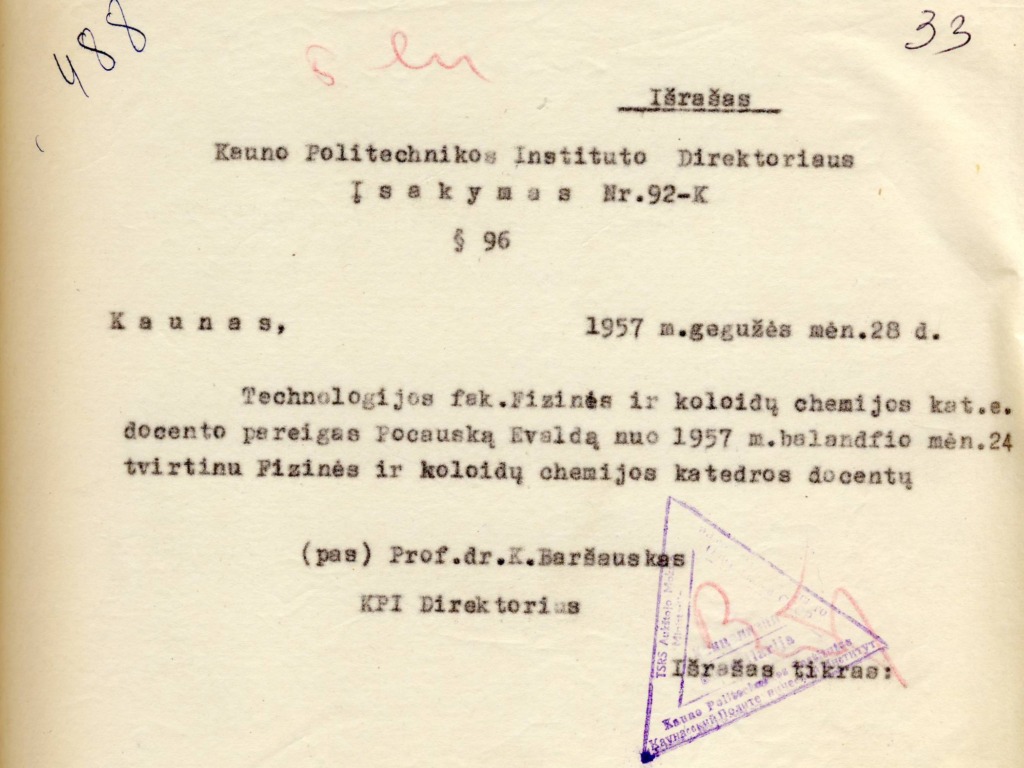
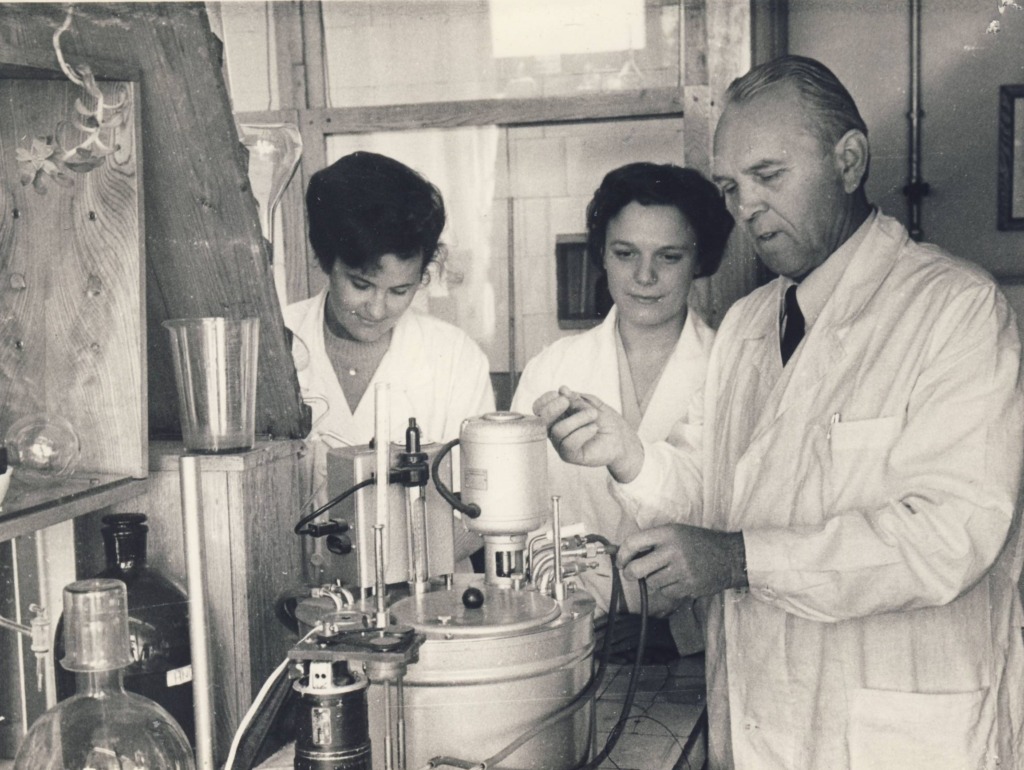
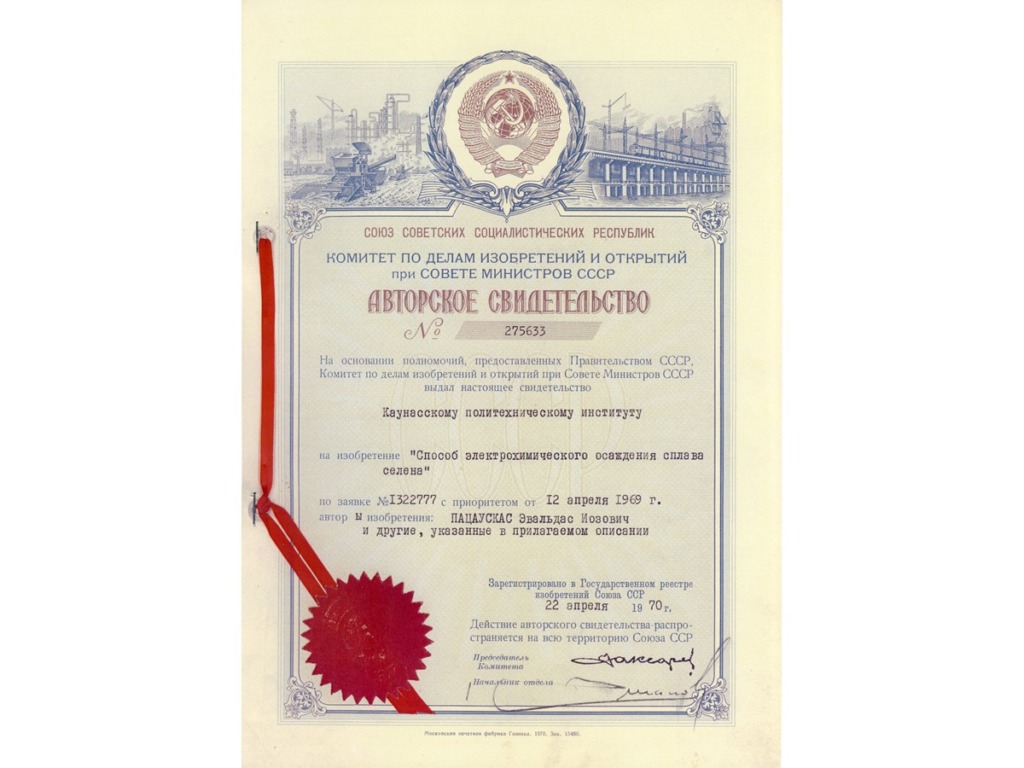
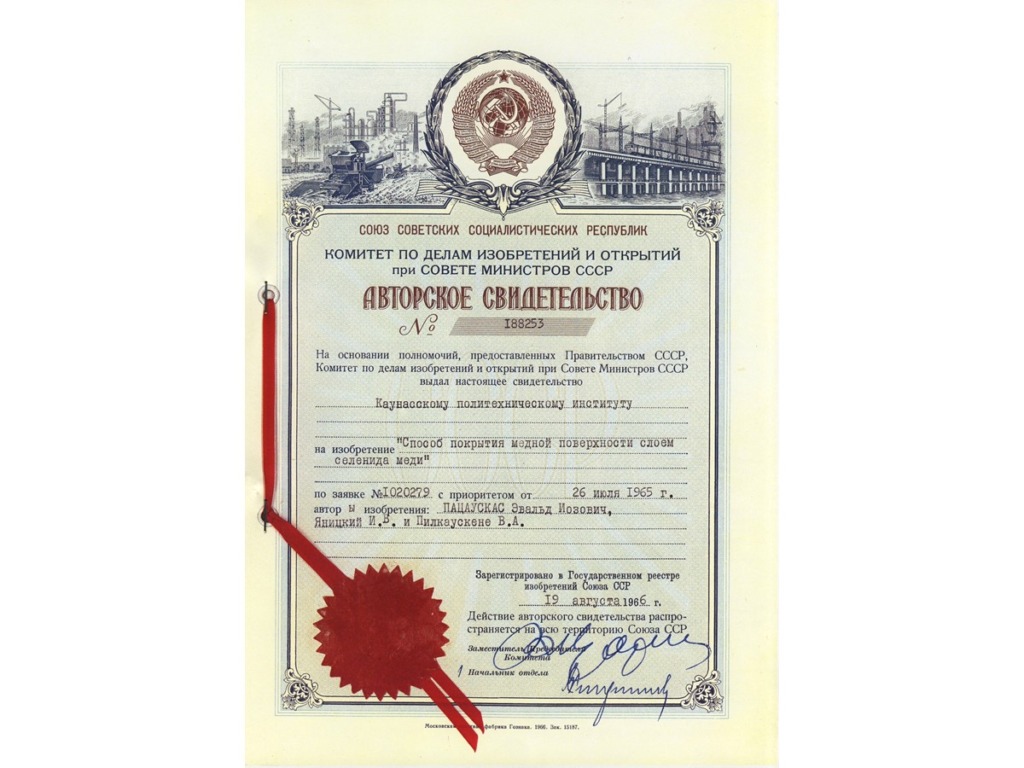
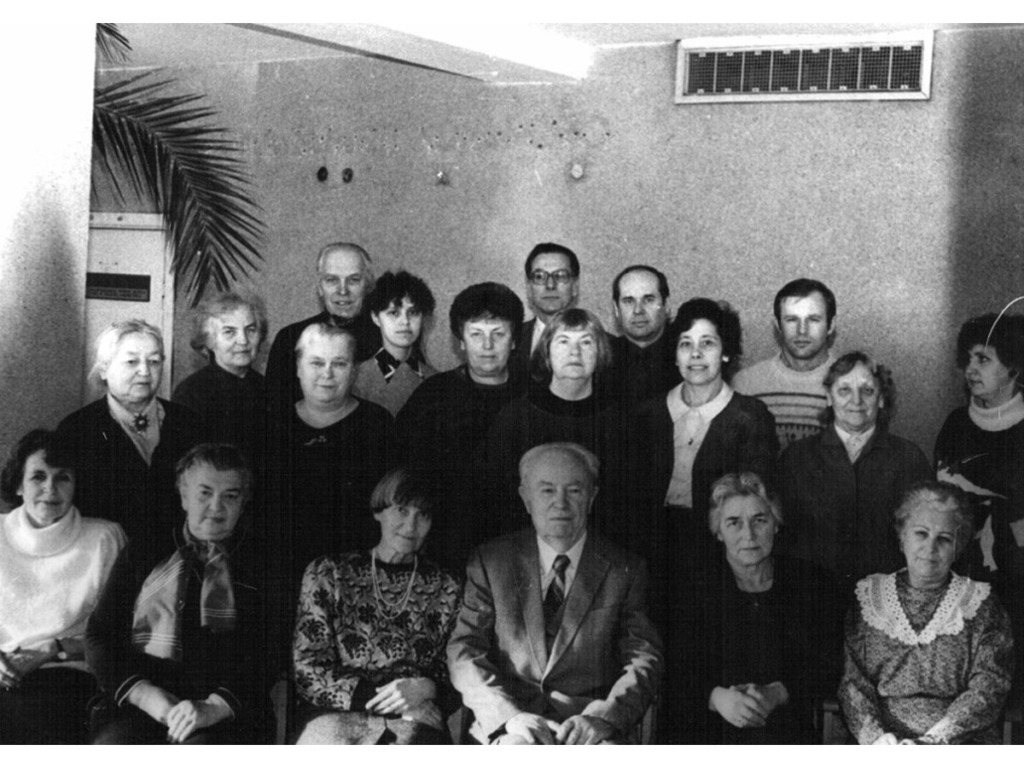
August 16, 2026, marked the 110th anniversary of the birth of chemist Prof. Evaldas Pacauskas (1916–2016). In 1938, he graduated from the Adam Mickiewicz Polish Gymnasium in Kaunas. In 1940, after completing his military service, he enrolled in the Department of Chemistry at the Faculty of Technology of Kaunas University. His choice of major was influenced by his high school teacher, Liudvikas Abramavičius, whose chemistry lessons were always illustrated with numerous experiments demonstrating chemical reactions. As Prof. A. Pacauskas wrote in his autobiography: “And so, the test tube became my primary tool for the rest of my life.” When the Nazis occupied Lithuania, E. Pacauskas was expelled from the university because he was of Polish ethnicity. After the war, he resumed his studies, and in 1945, Prof. J. Janickis offered him a position as a laboratory assistant in the Department of Physical Chemistry. After graduating in 1947, E. Pacauskas began working as an assistant in this department, teaching a course in physical and colloid chemistry to university students, and the group led by Prof. J. Janickis, he began researching the formation mechanisms of selenium compounds and polythionic acids, using sulfur dichloride as the starting material. In 1952, E. Pacauskas defended his Candidate of Chemical Sciences dissertation titled “Hydrolysis of Sulfur Dichloride.” In 1957, he was awarded the academic title of associate professor; in 1976, that of professor; and in 1979, the title of Distinguished Scientist of the Lithuanian SSR. In 1968, for his work in the fields of sulfur and selenium chemistry and electrochemistry, E. Pacauskas, along with other faculty colleagues, was awarded the title of laureate of the Lithuanian SSR Republican Prize. From 1977 to 1987, E. Pacauskas served as chair of the Department of Physical Chemistry and supervised 10 successfully defended dissertations.