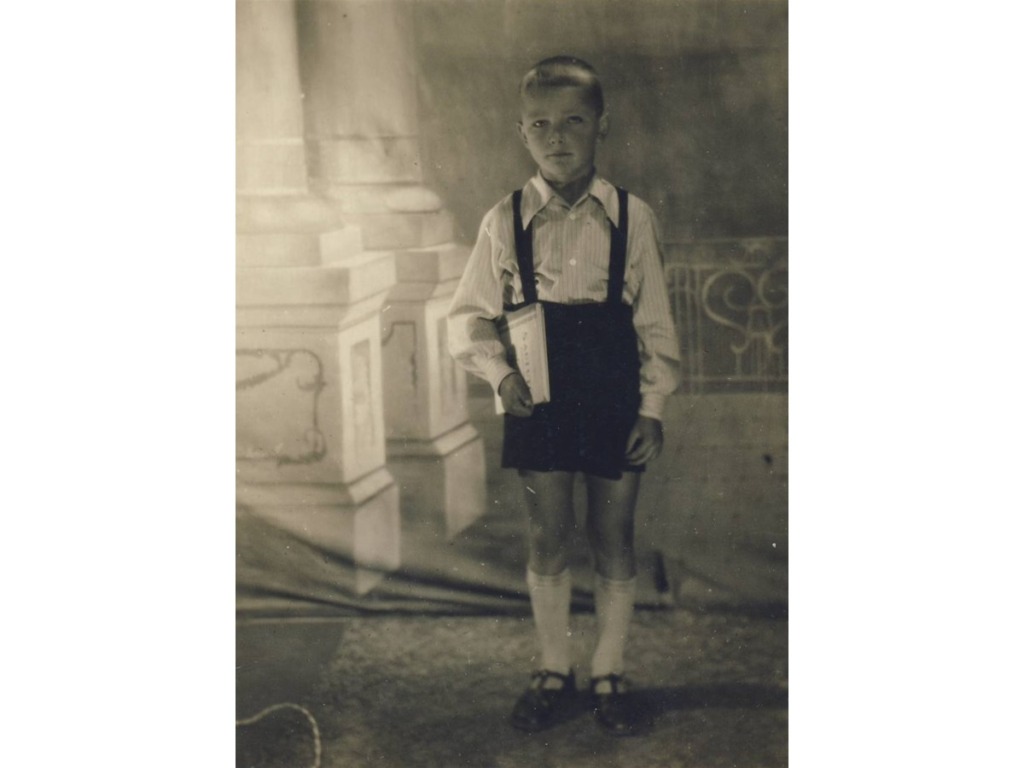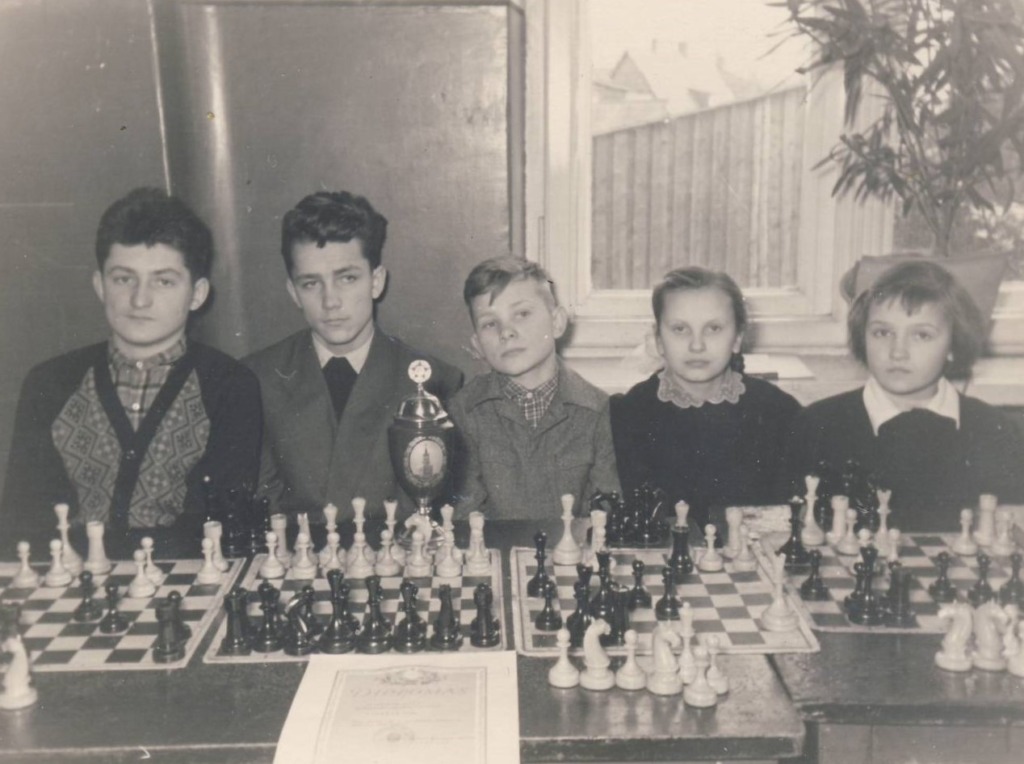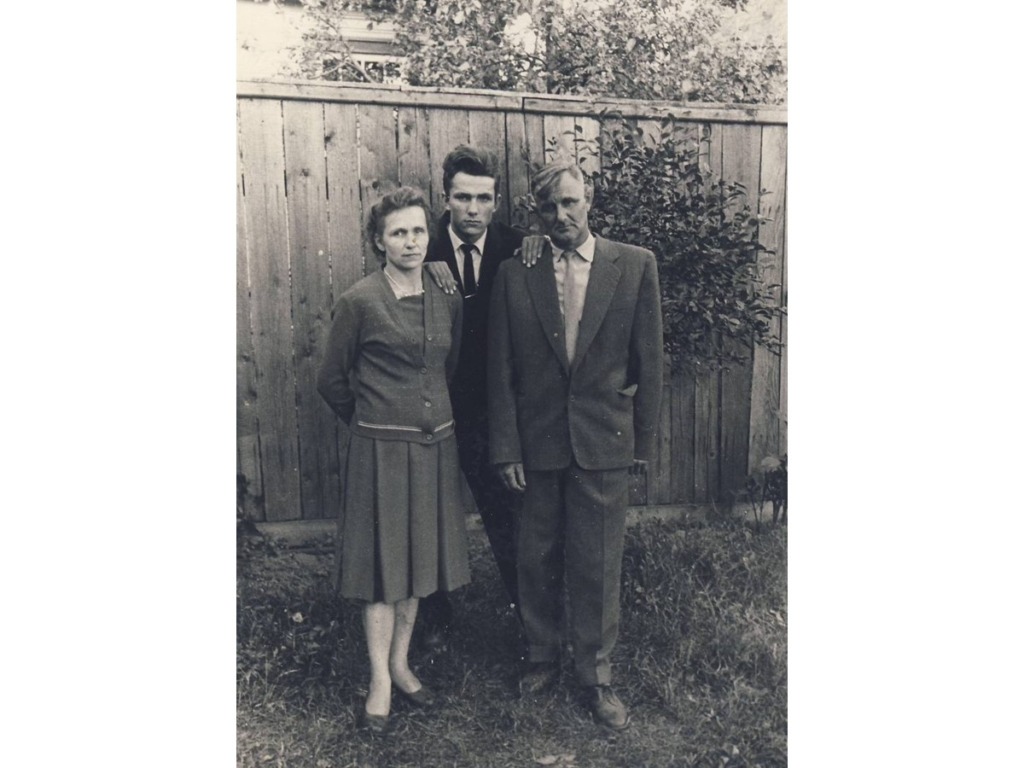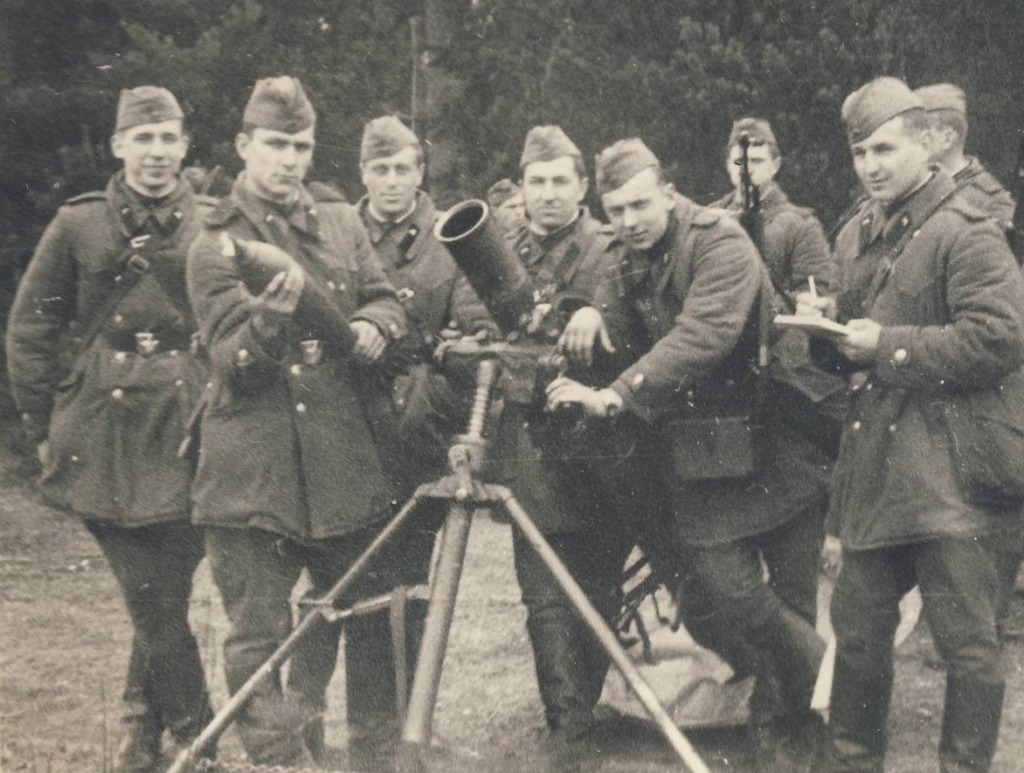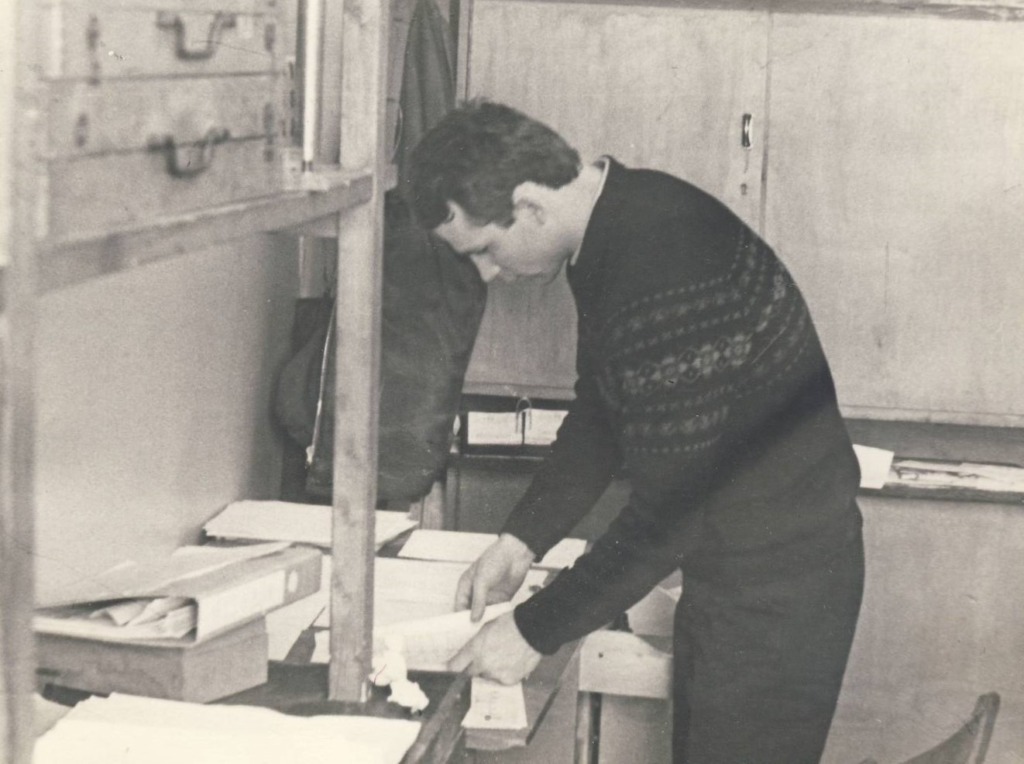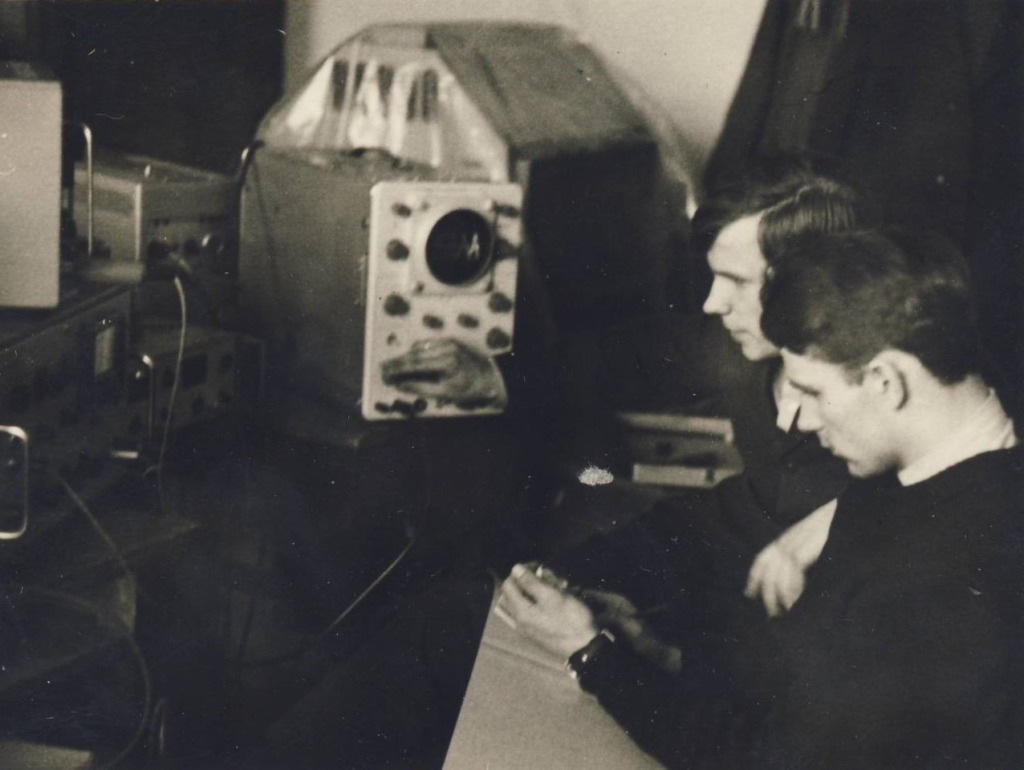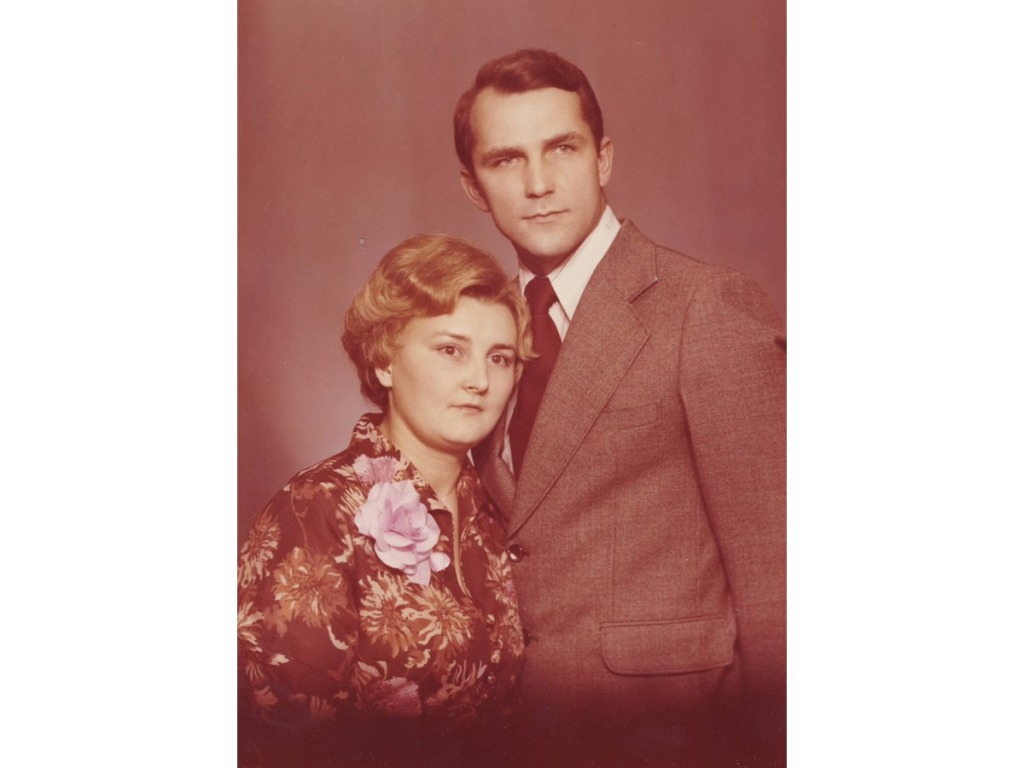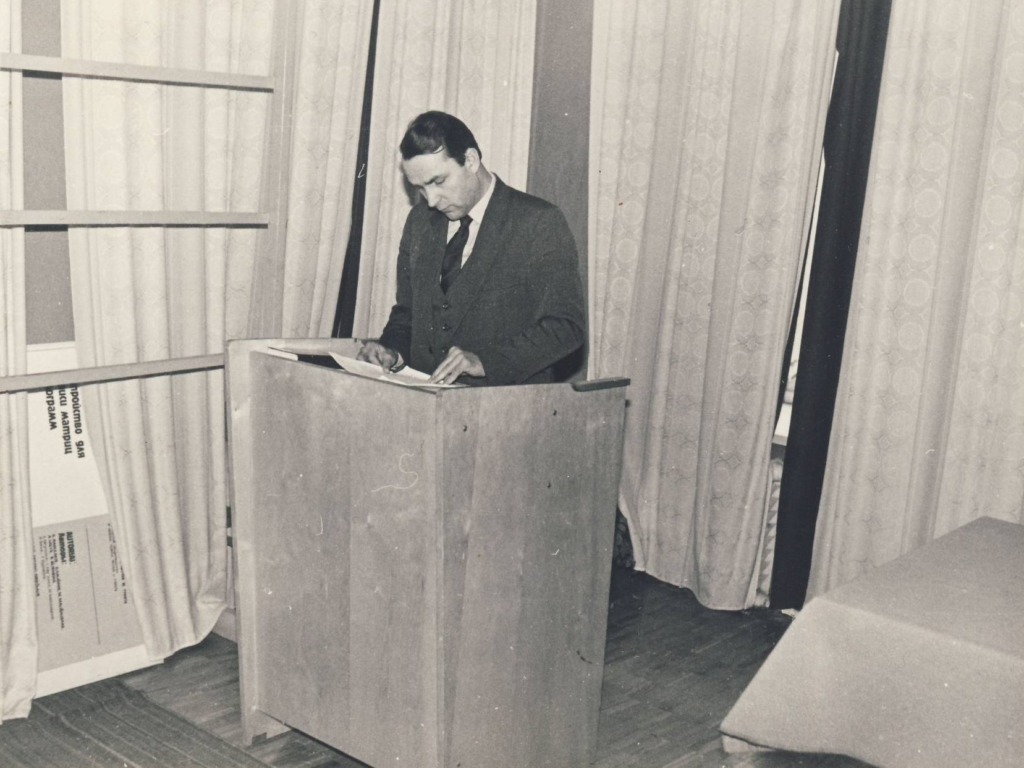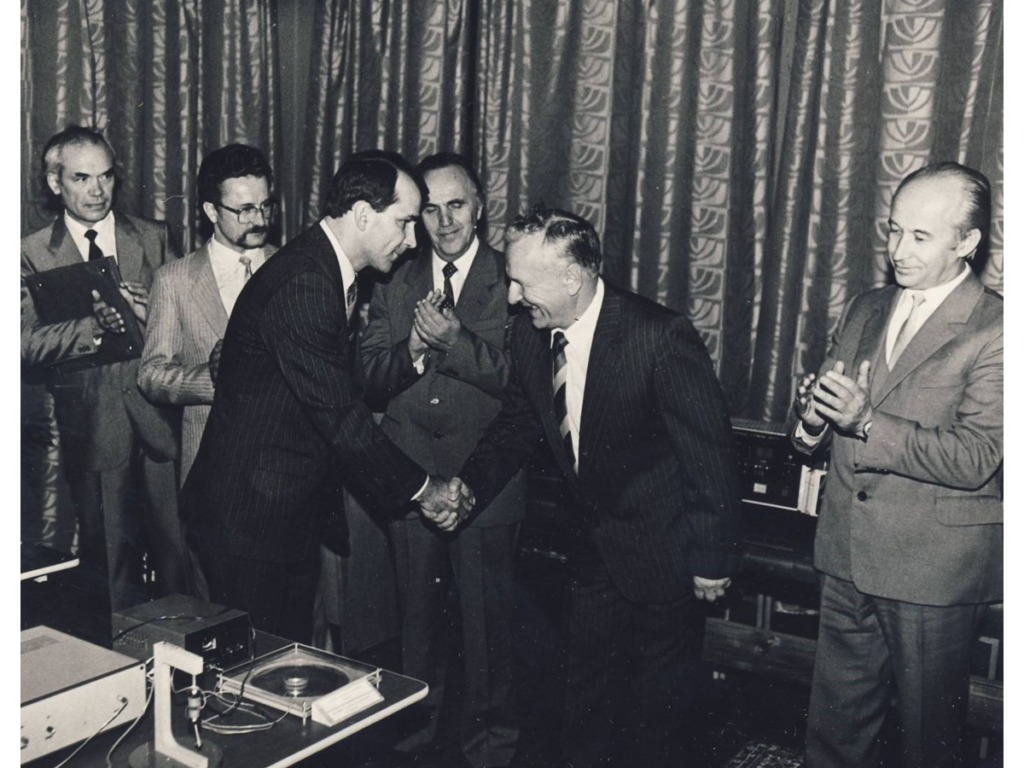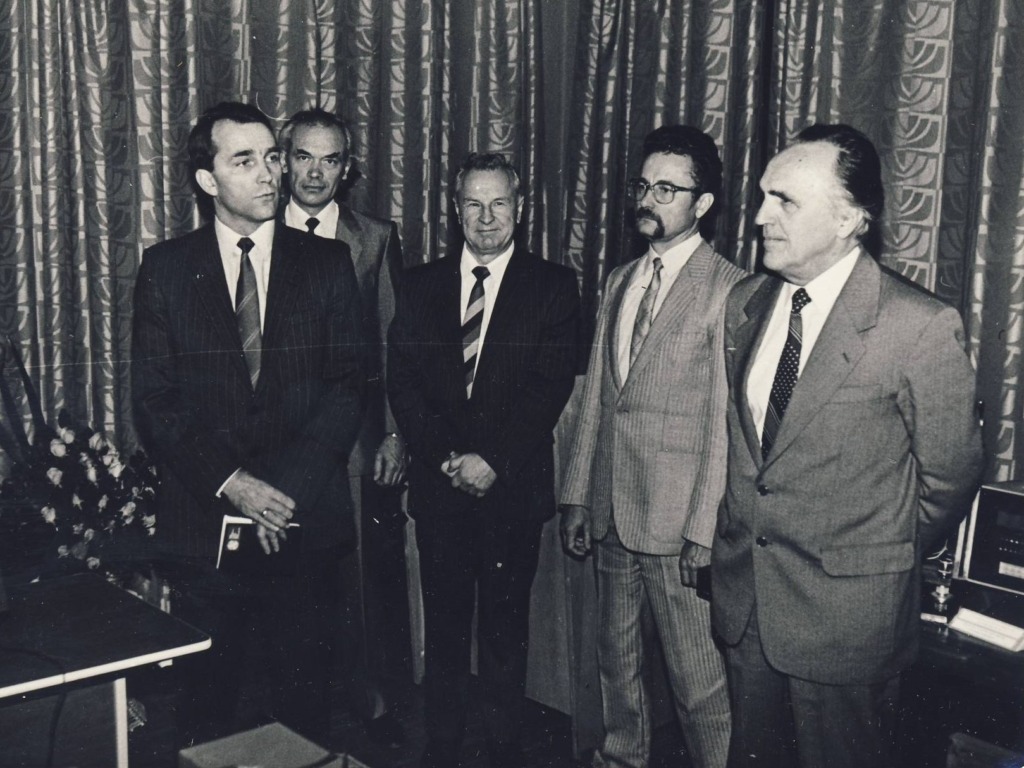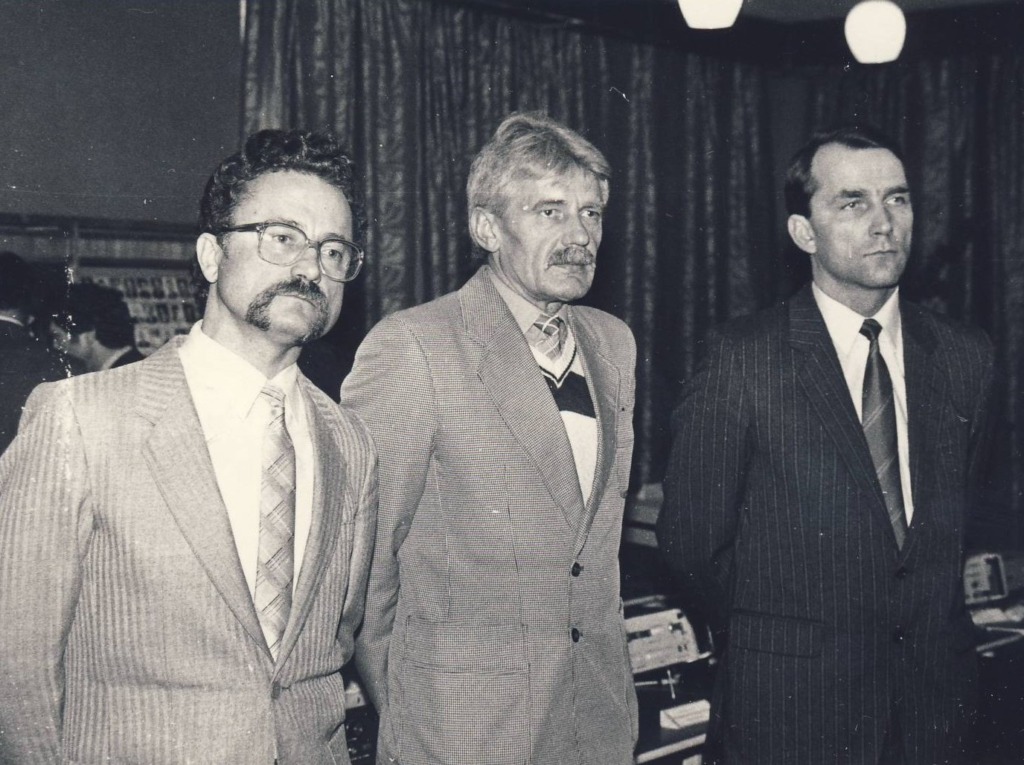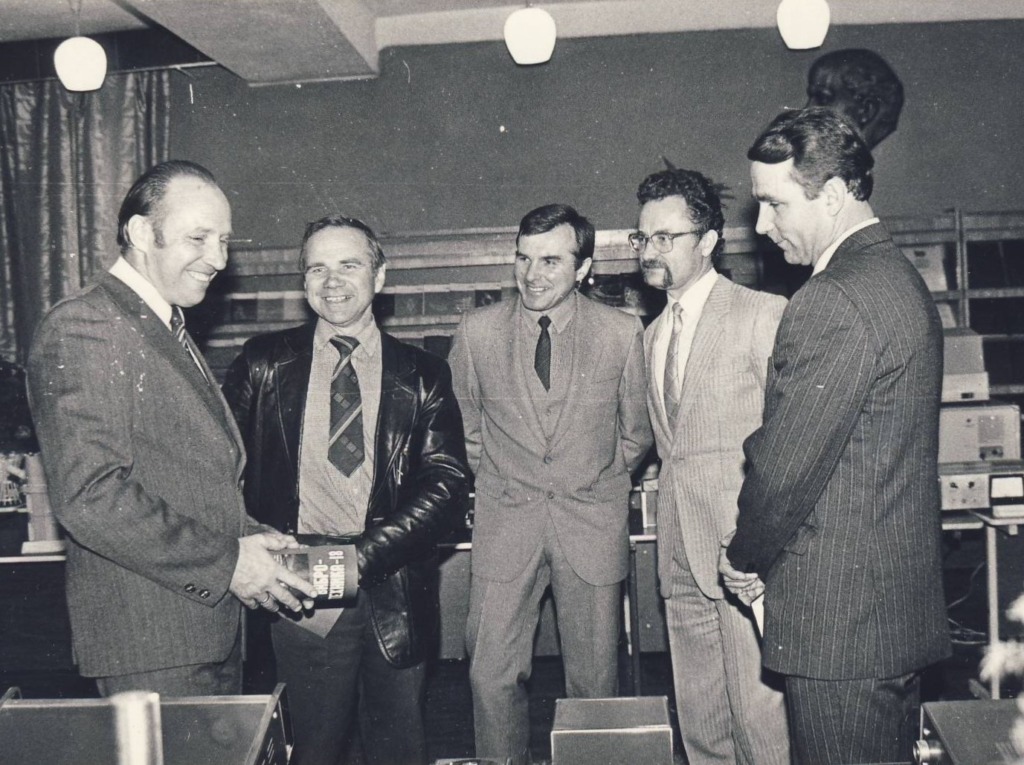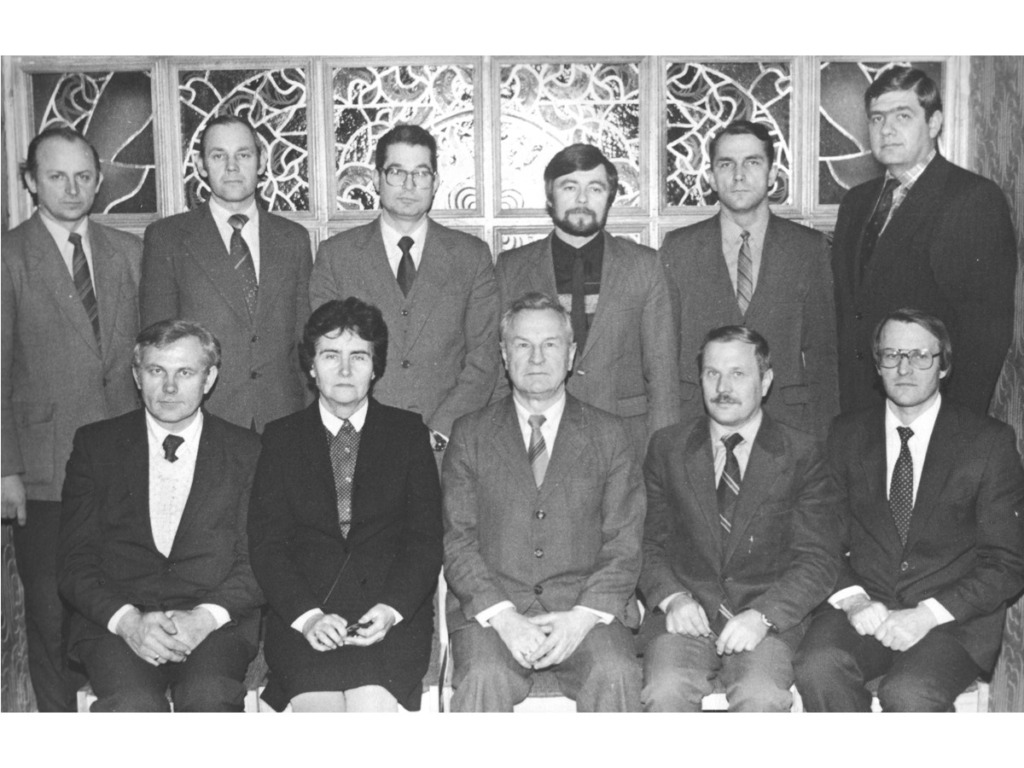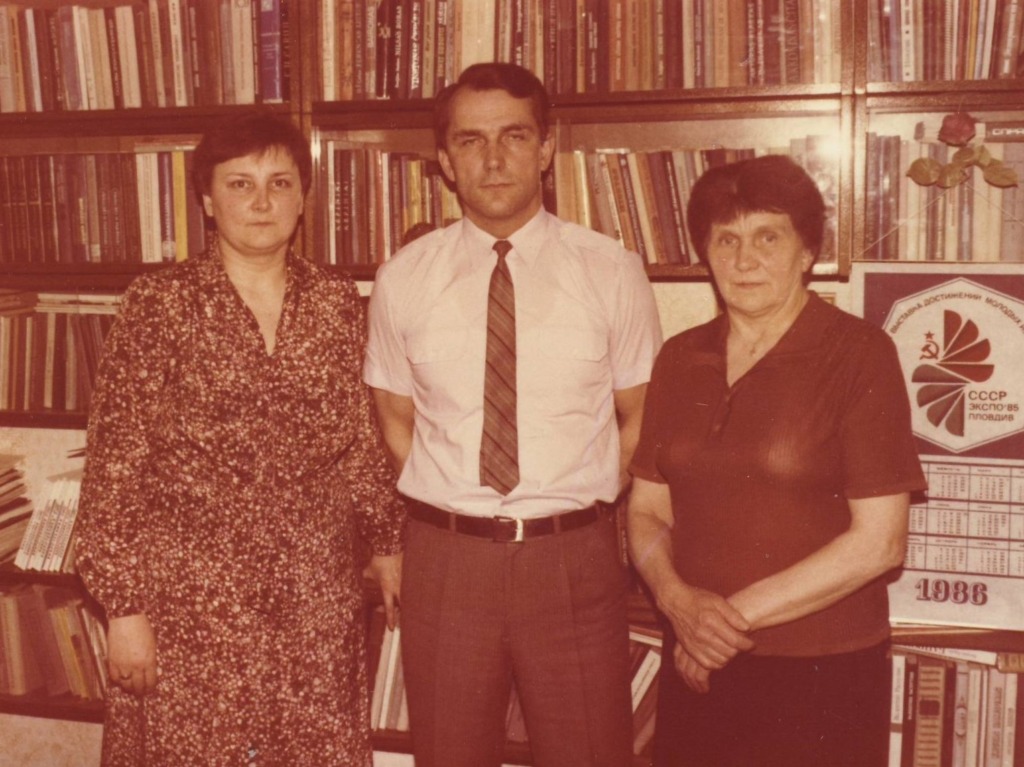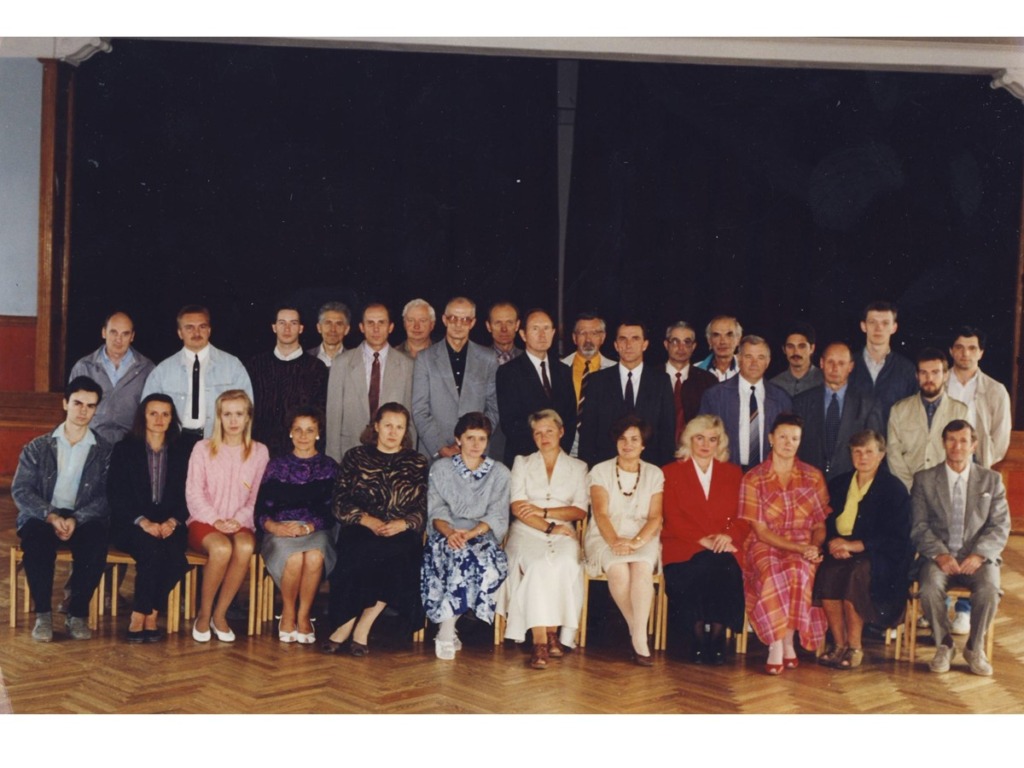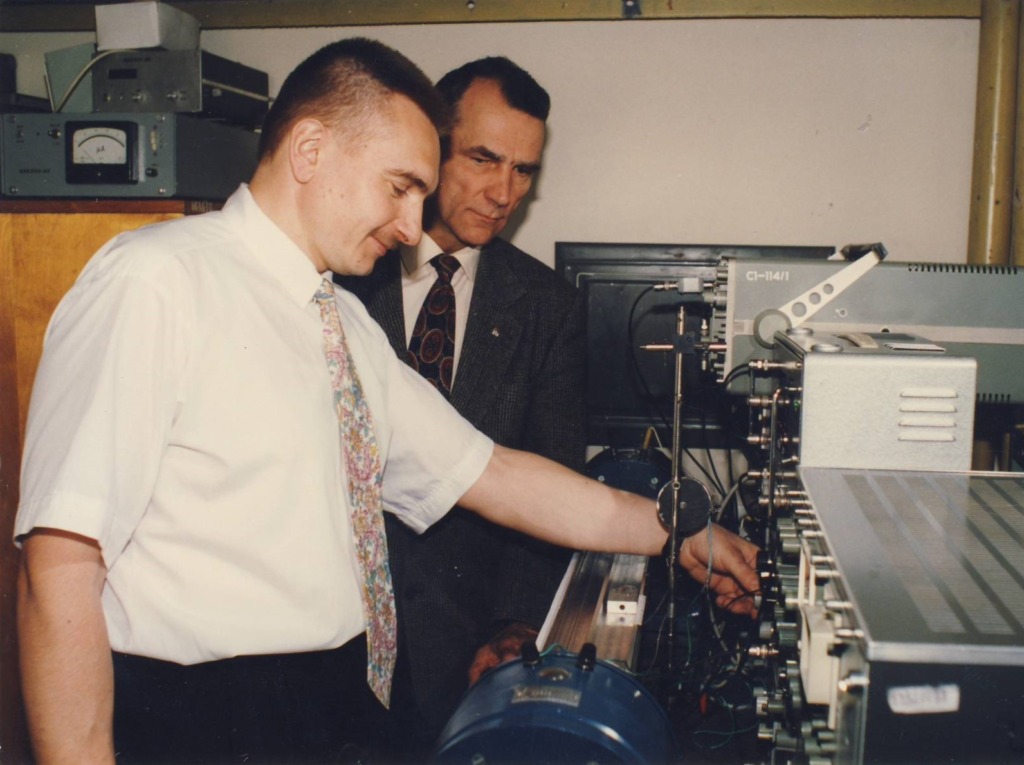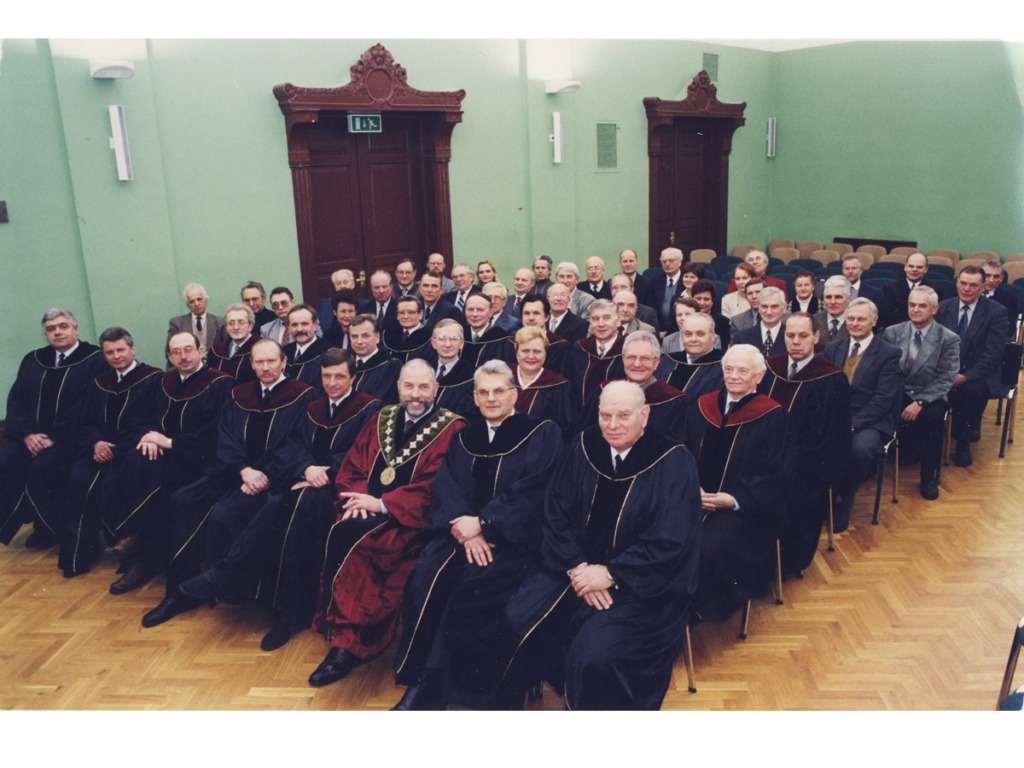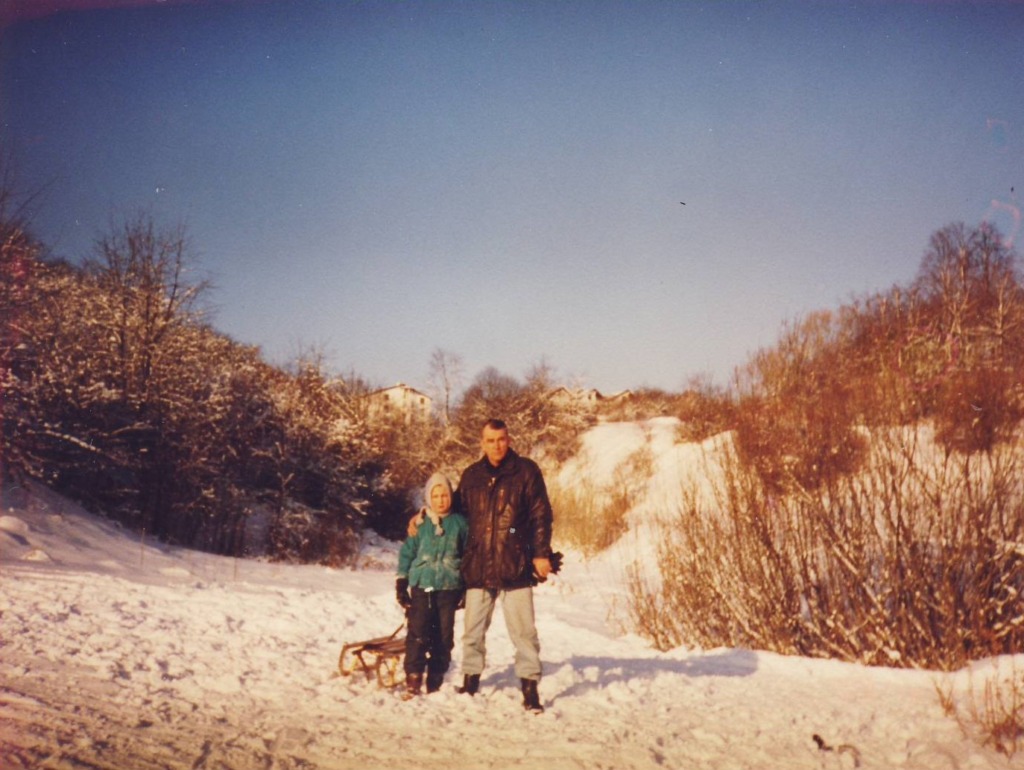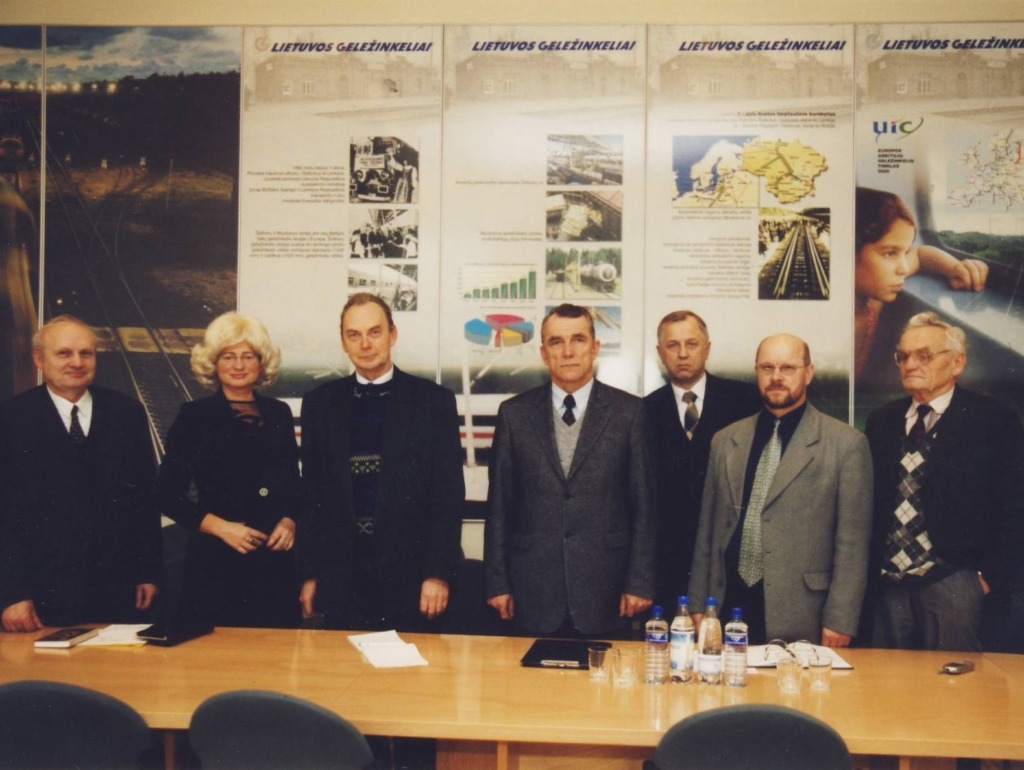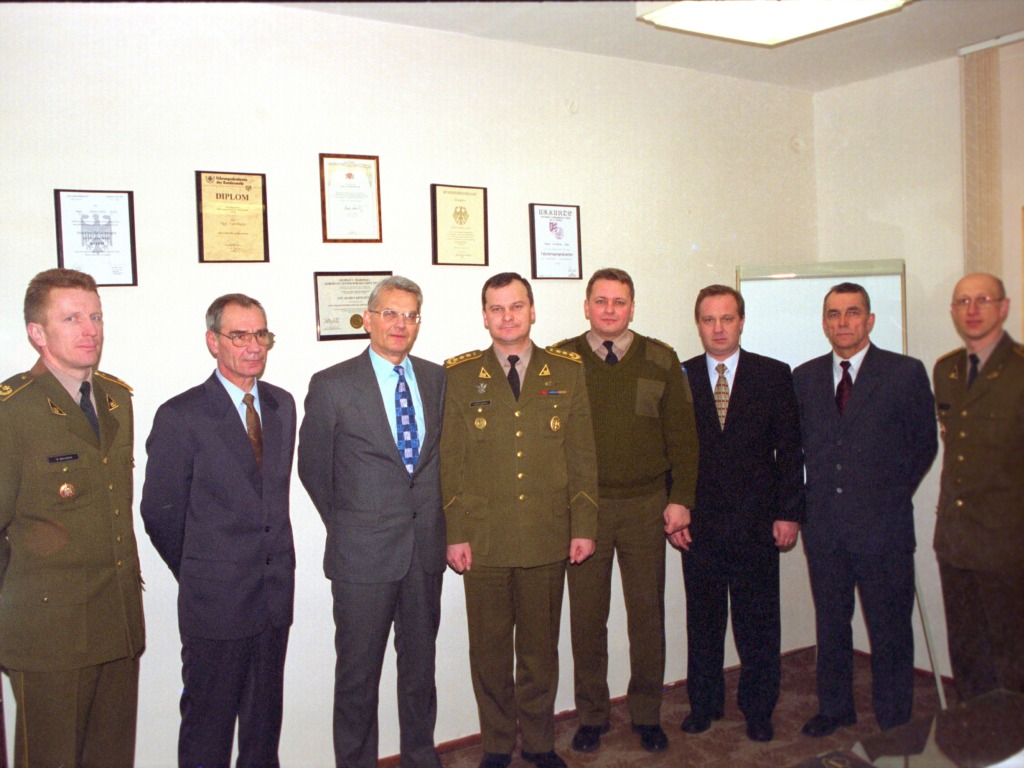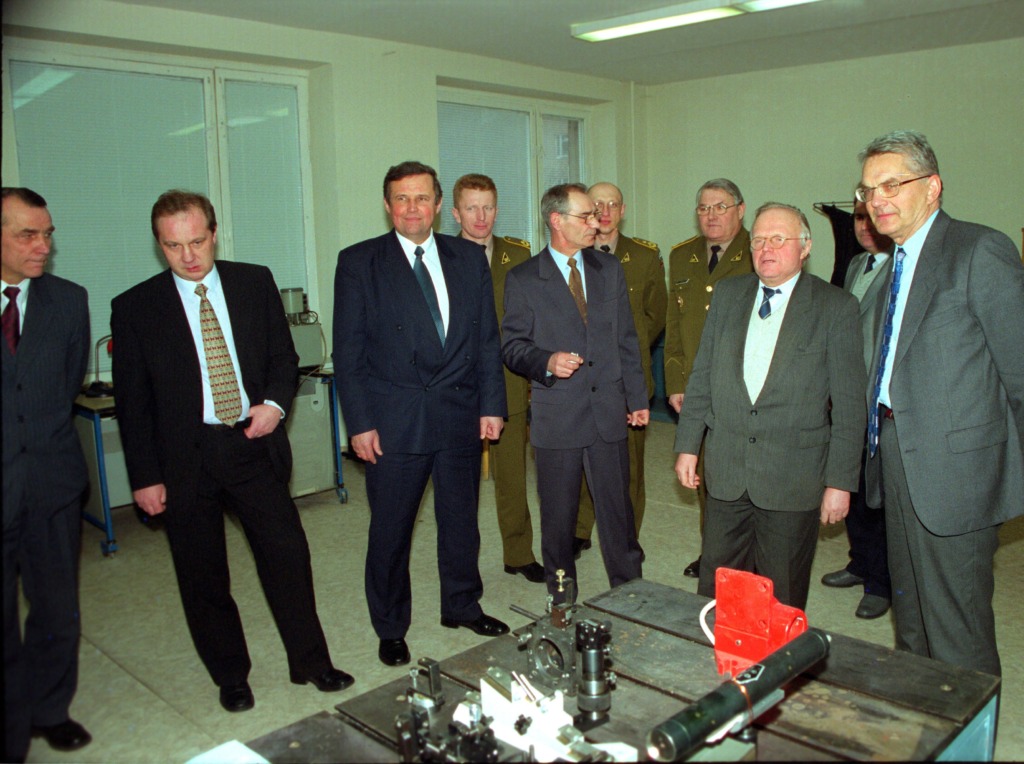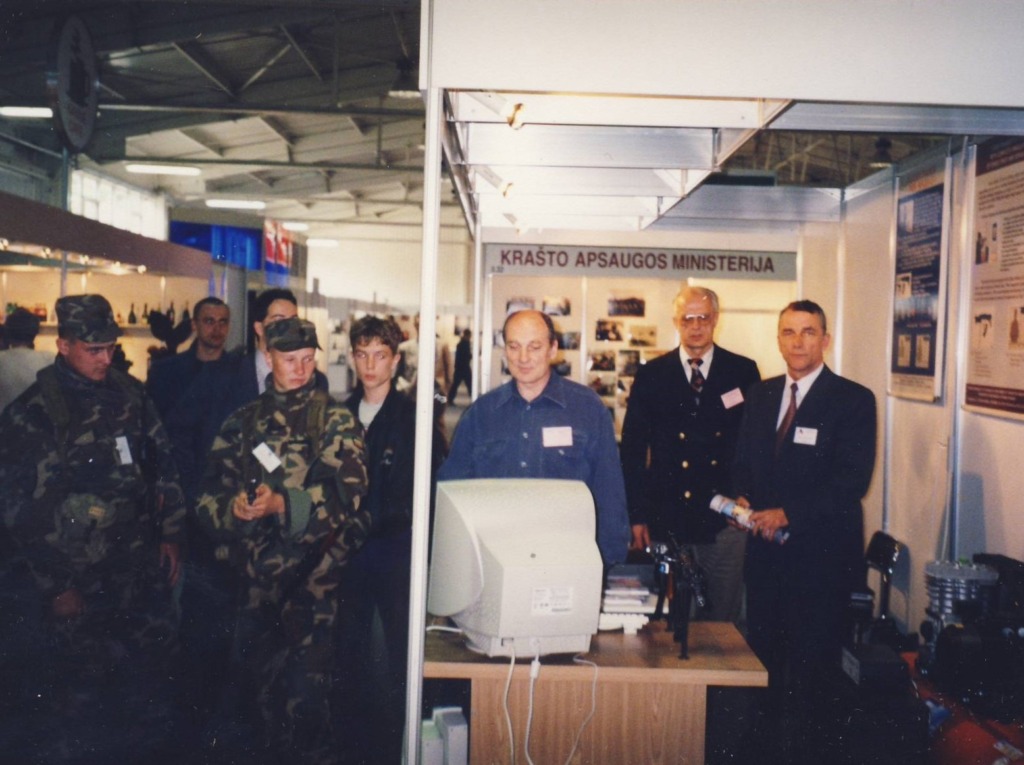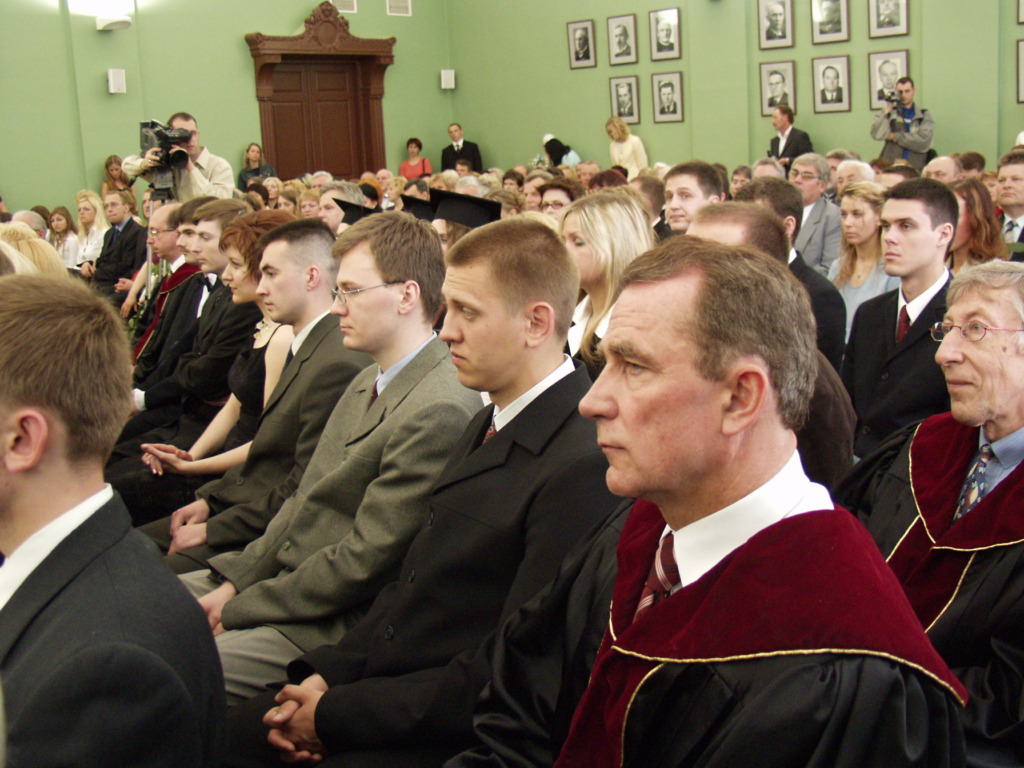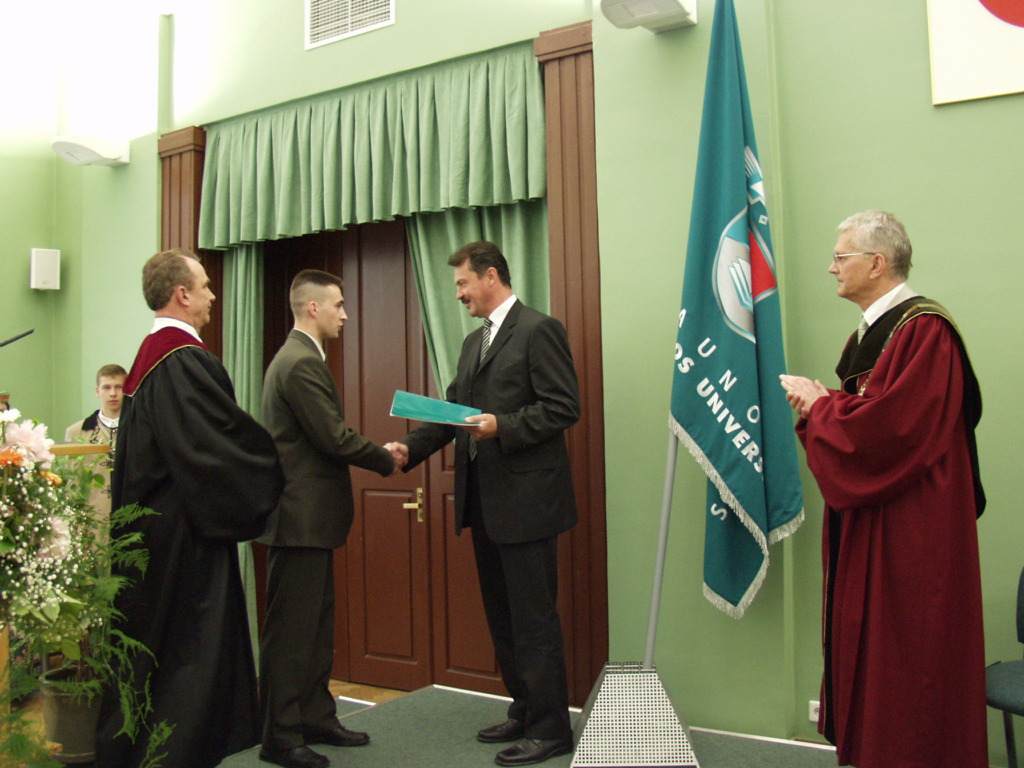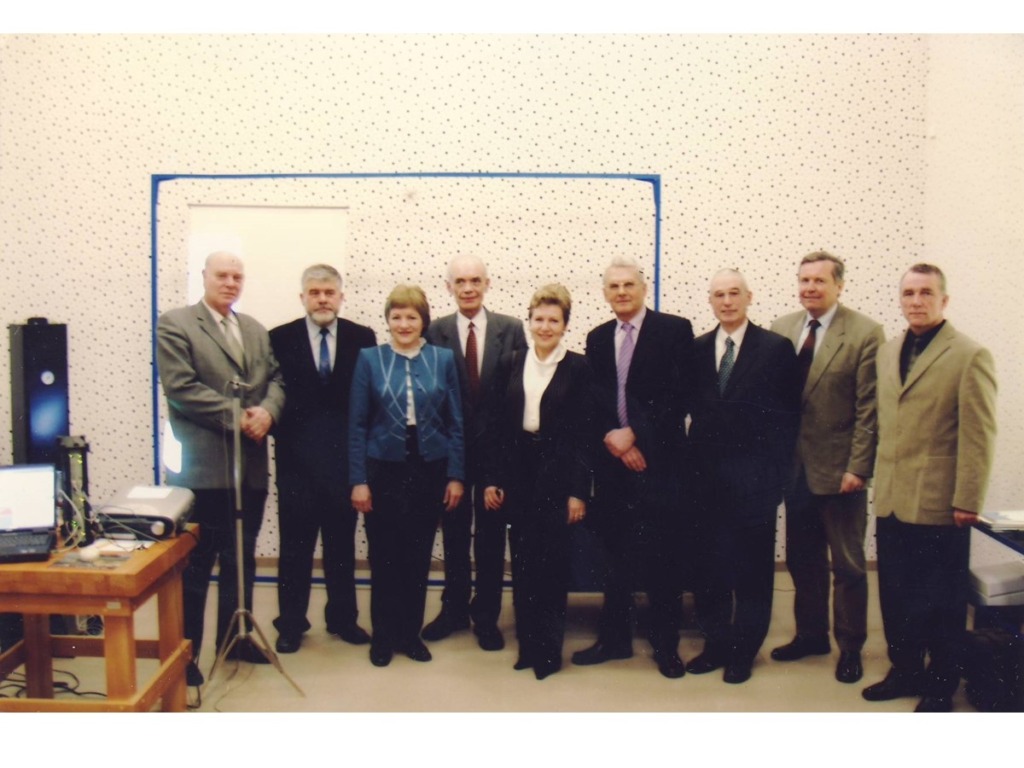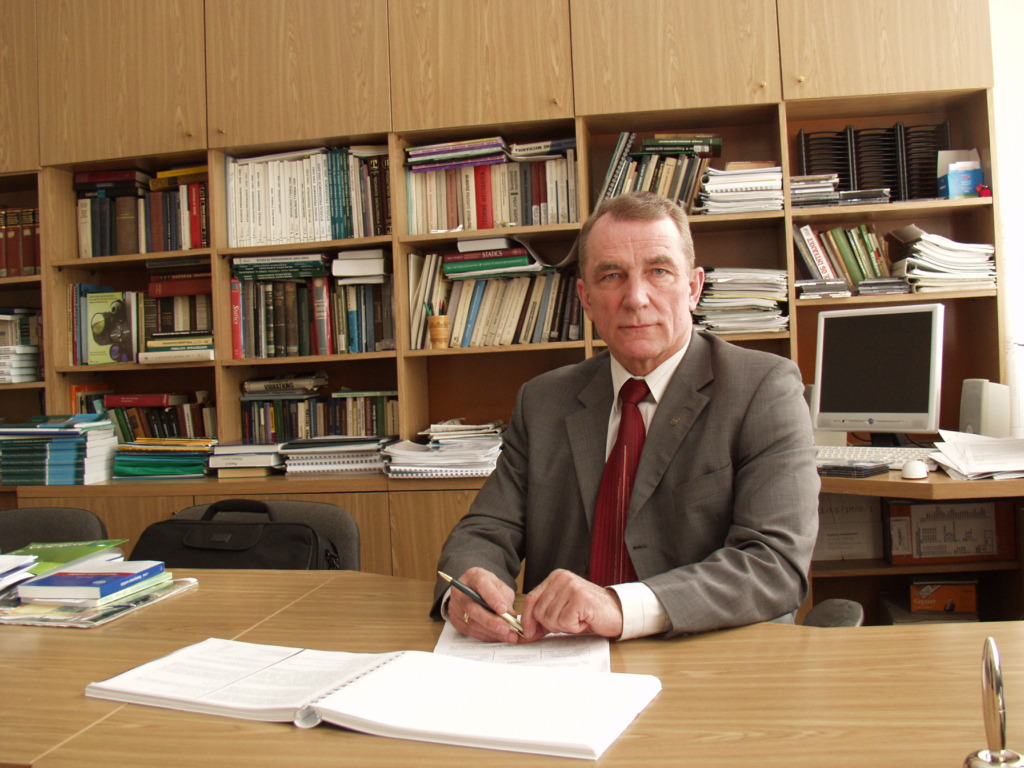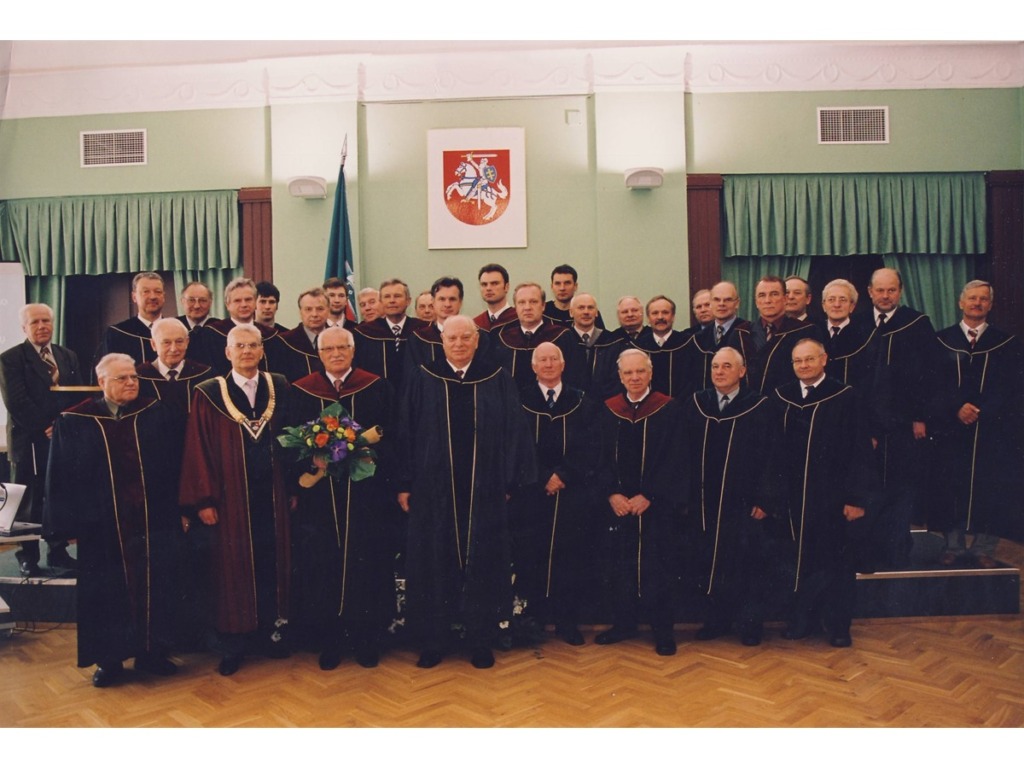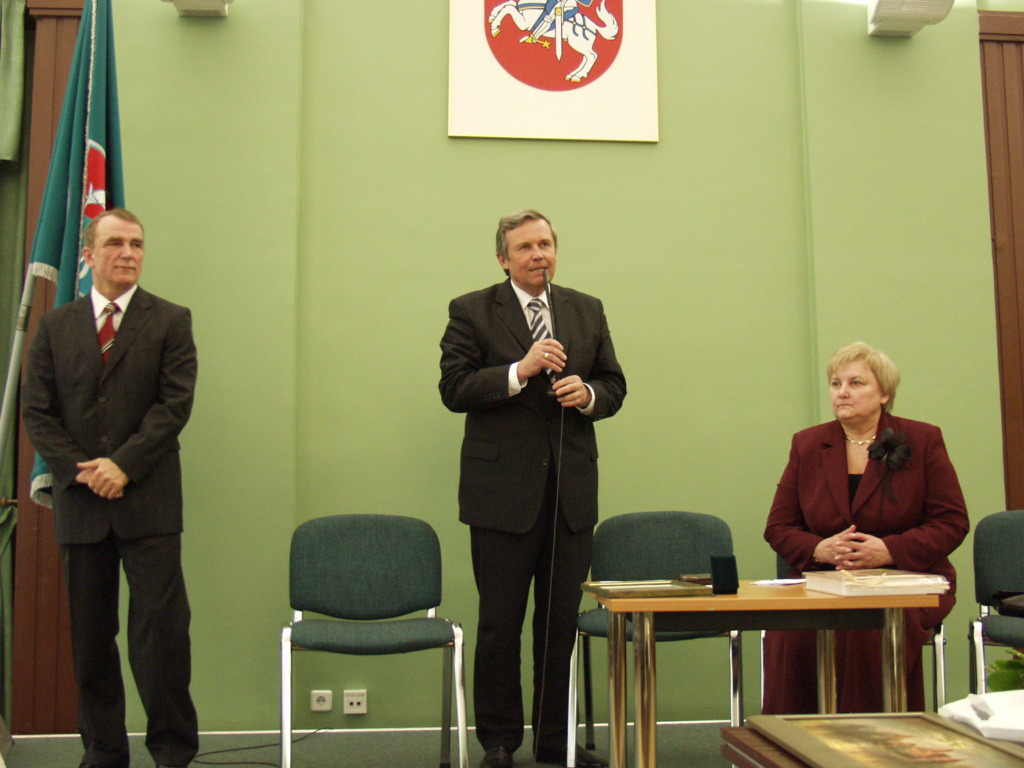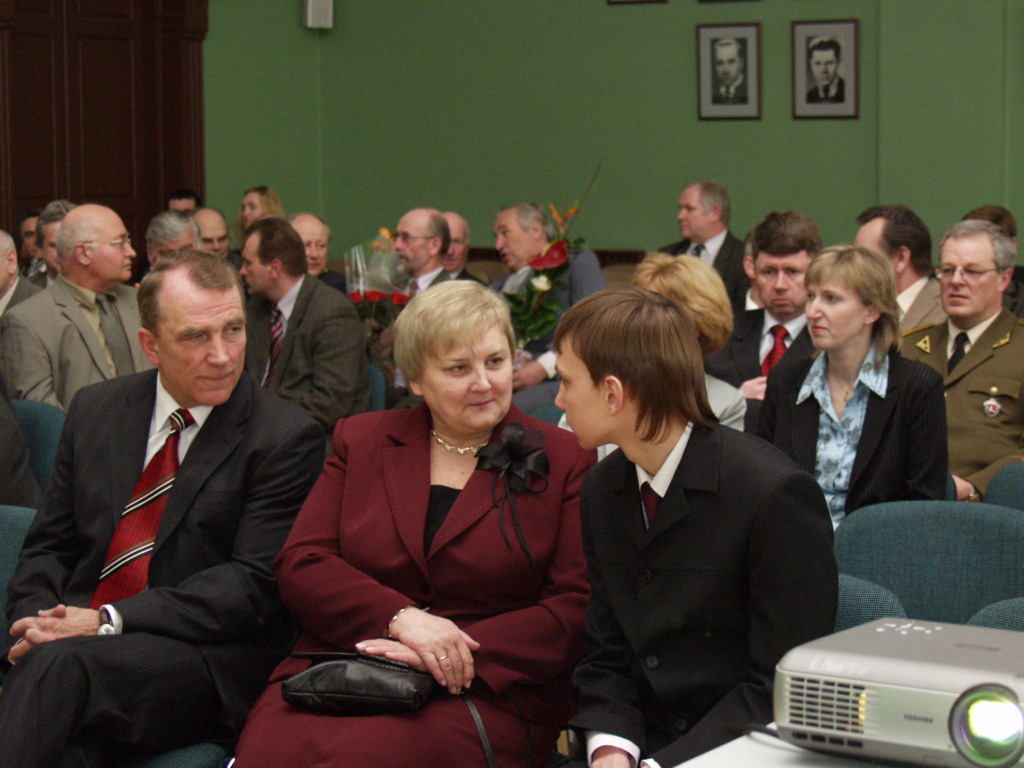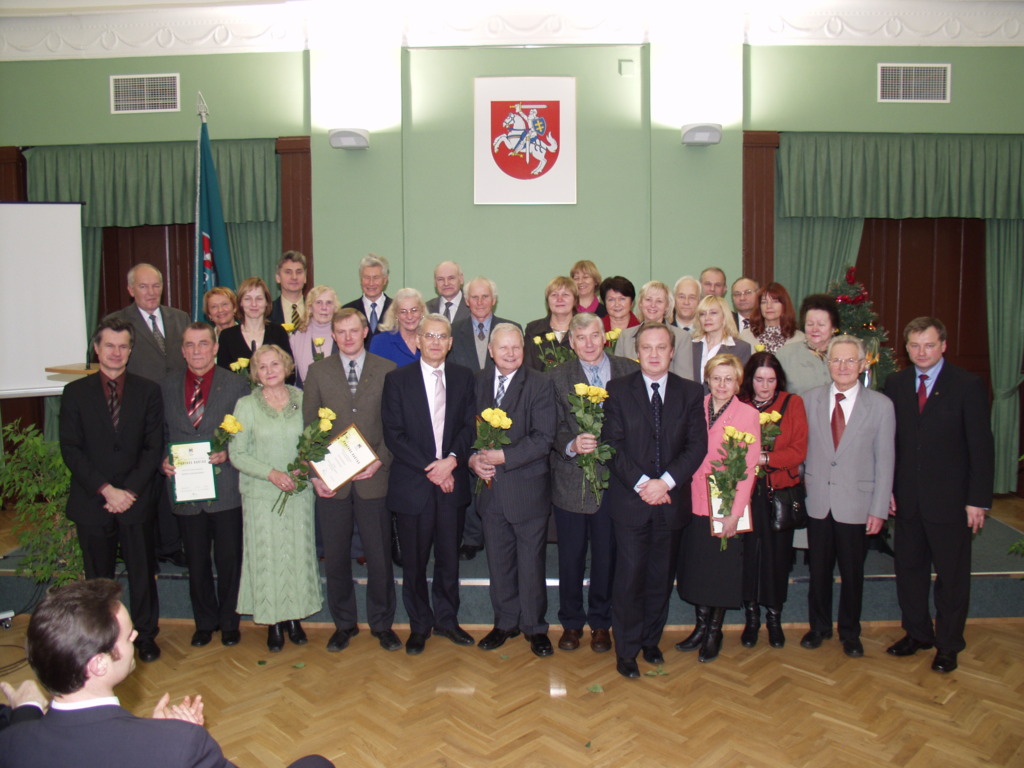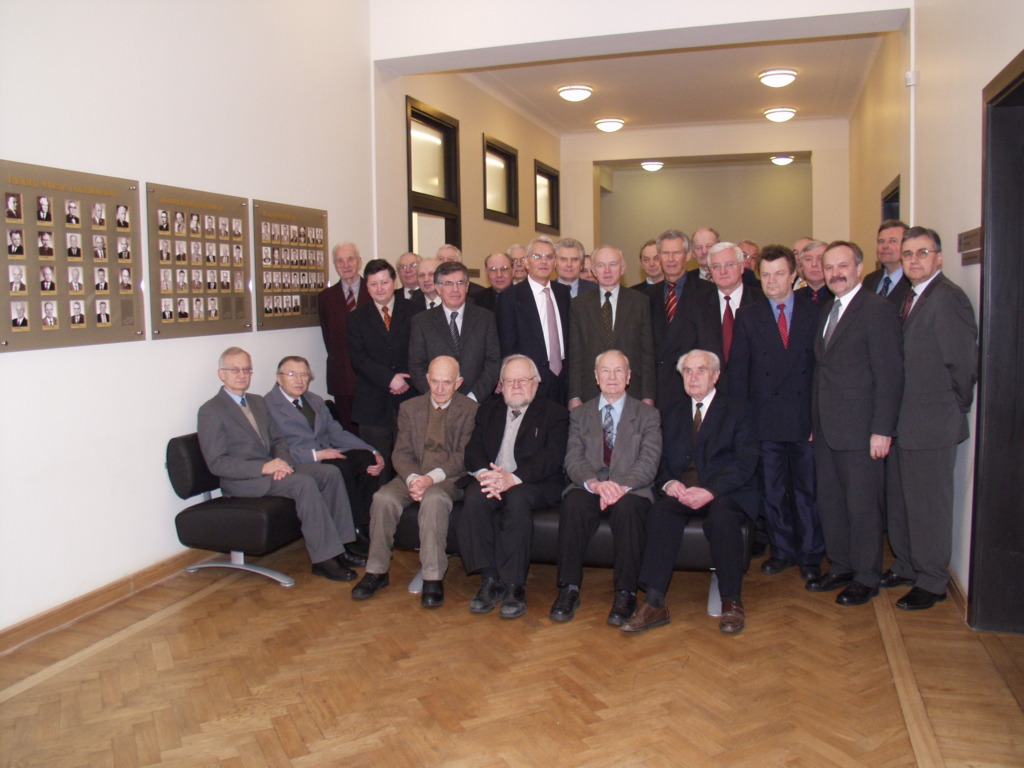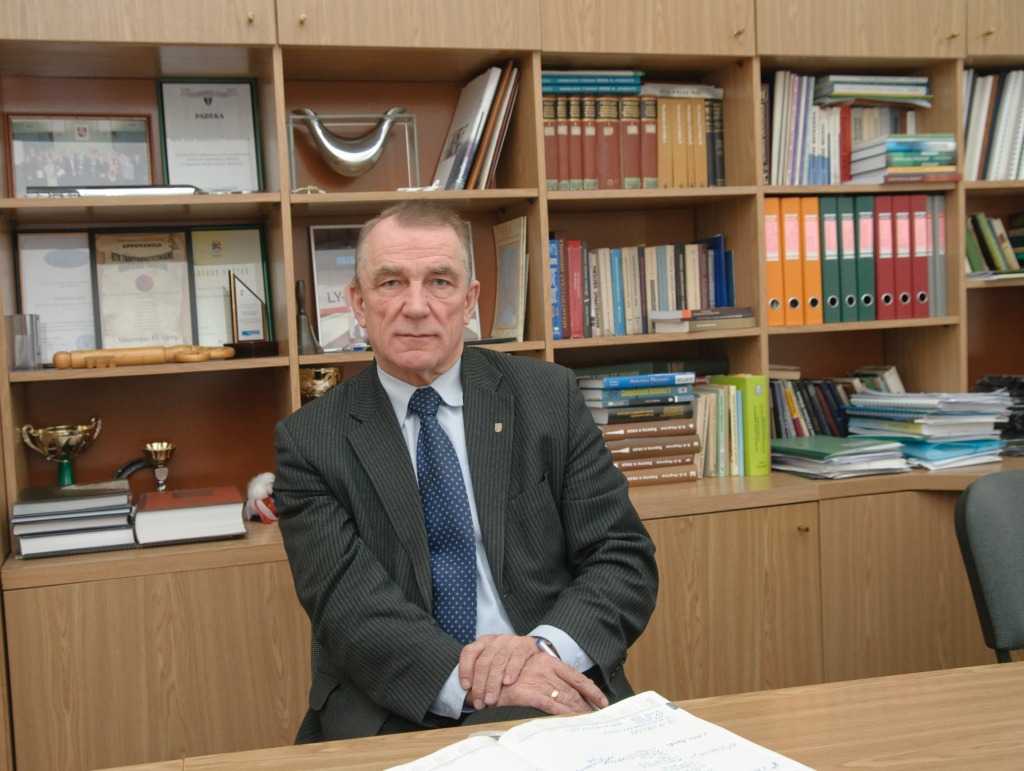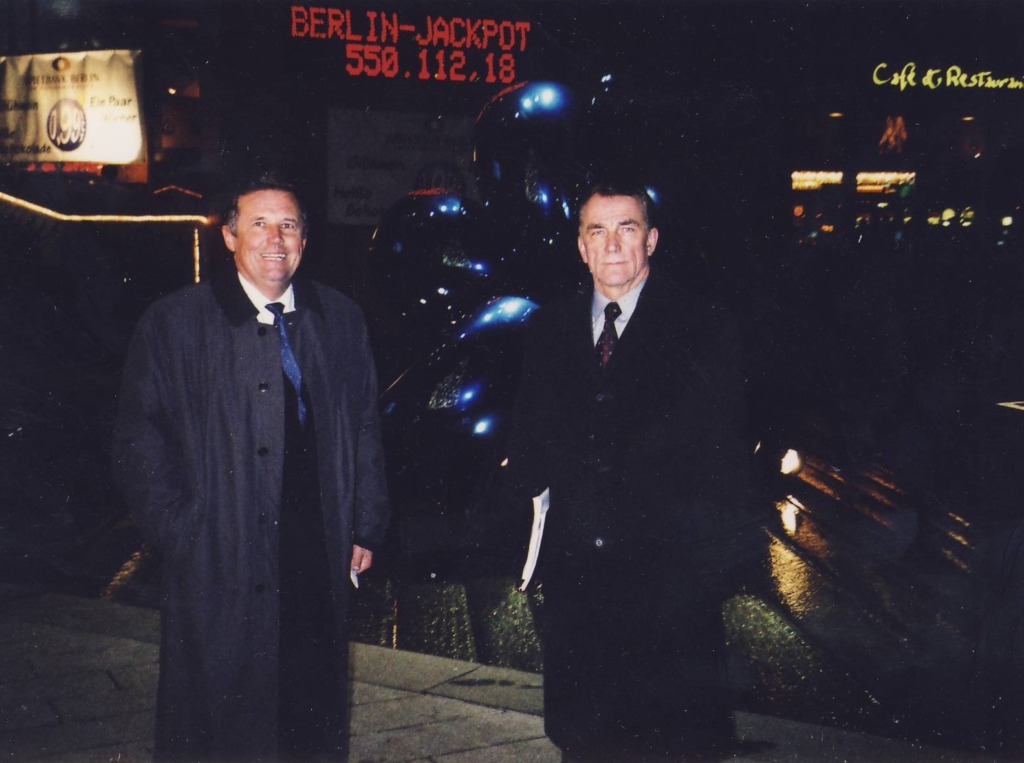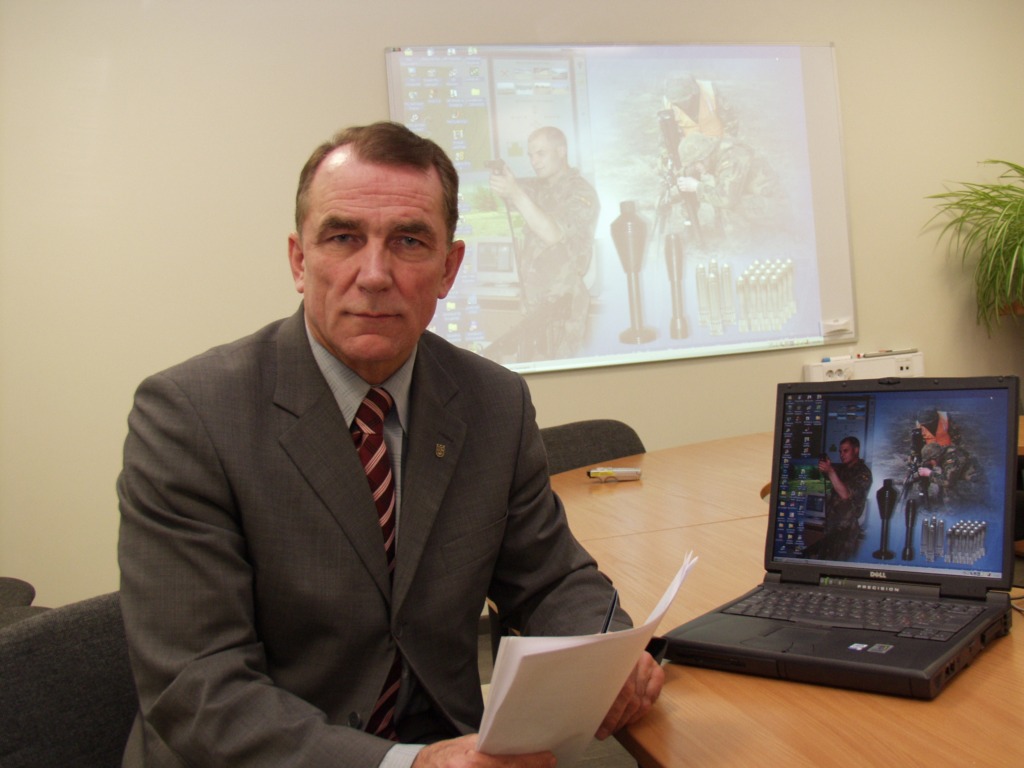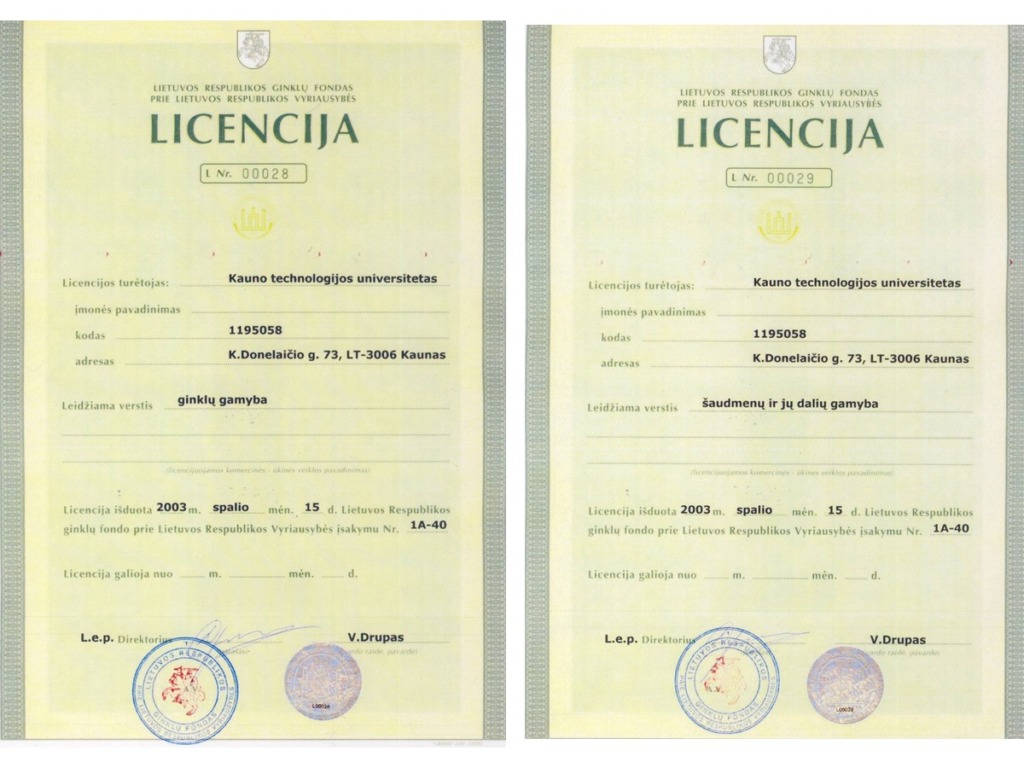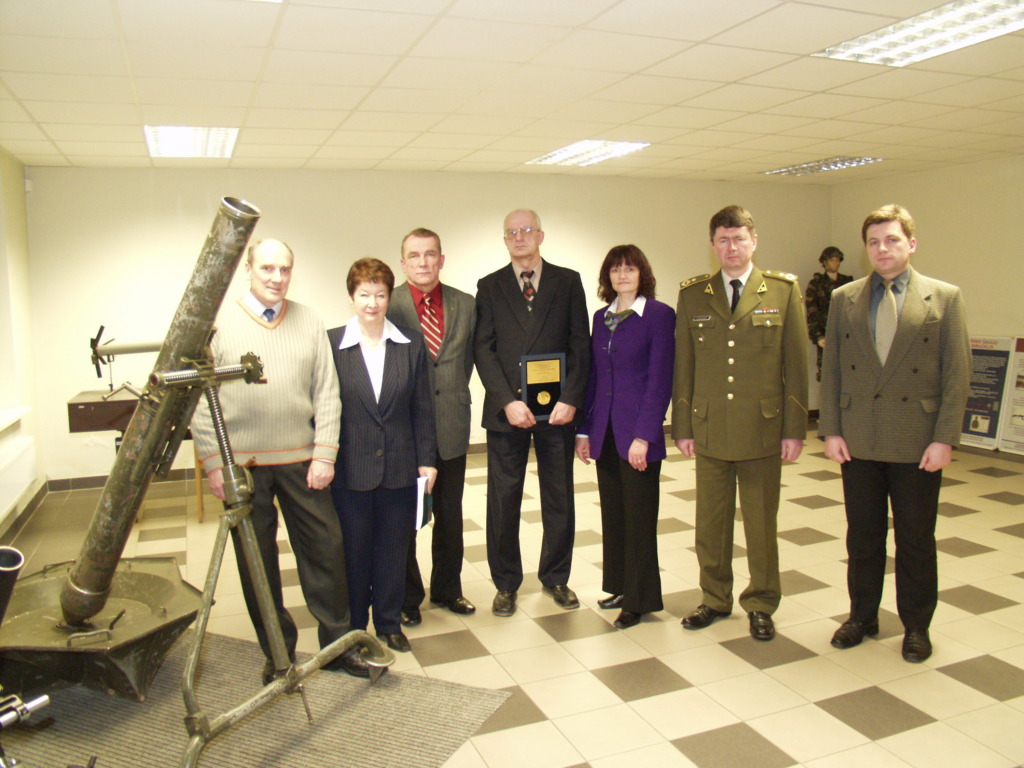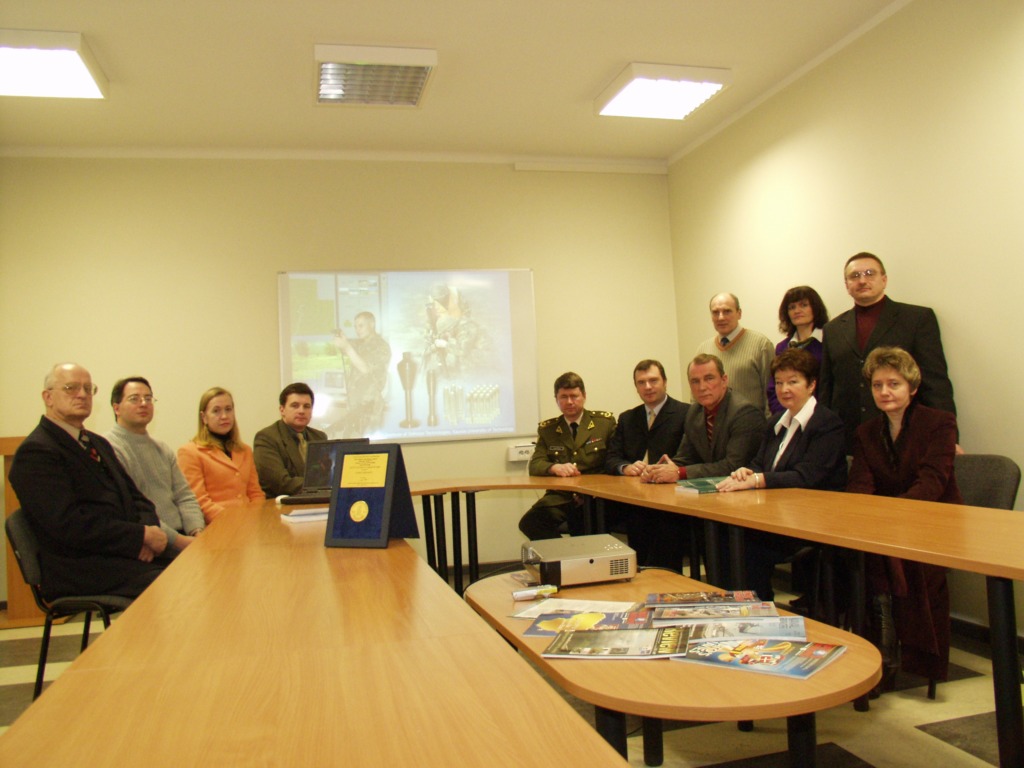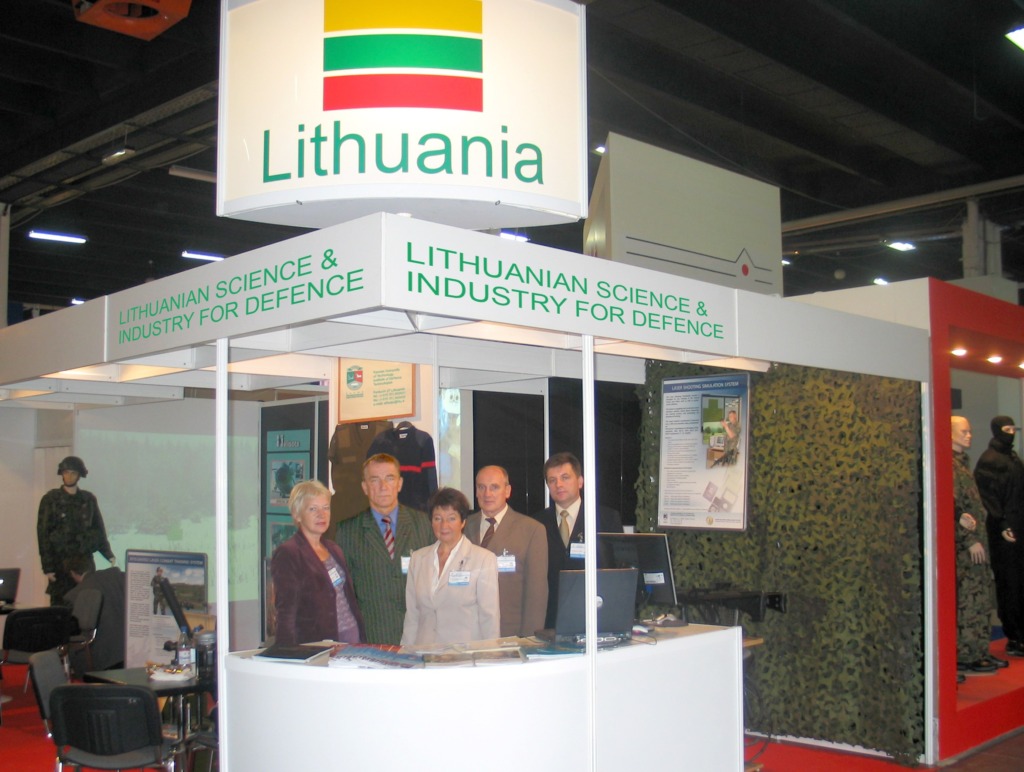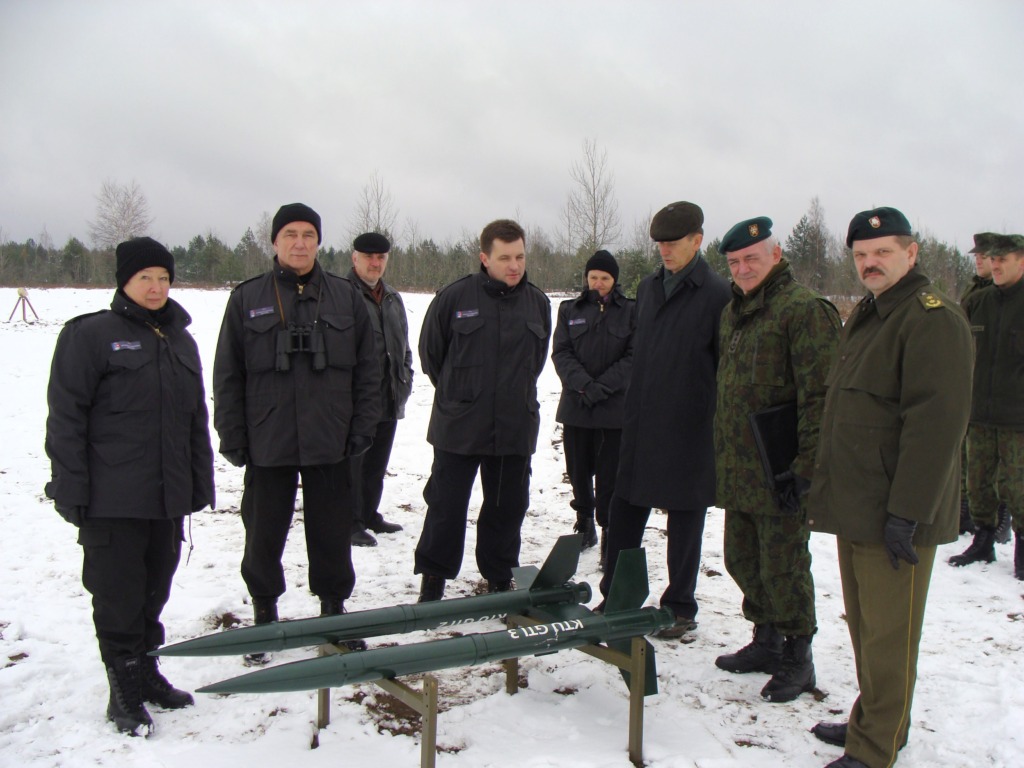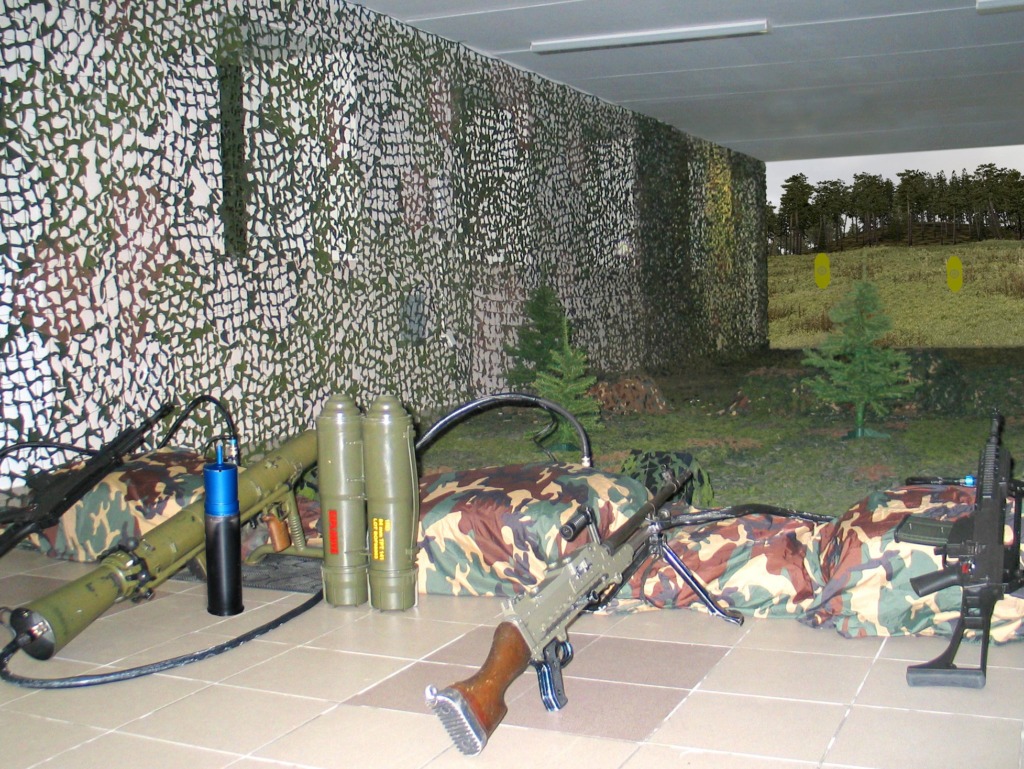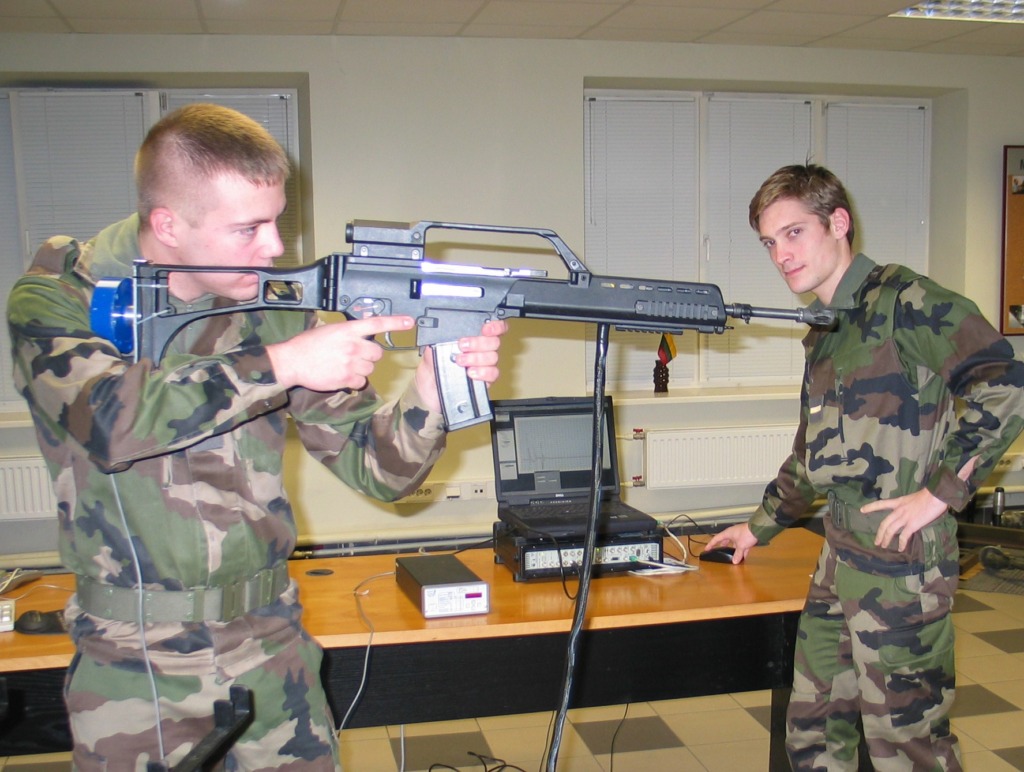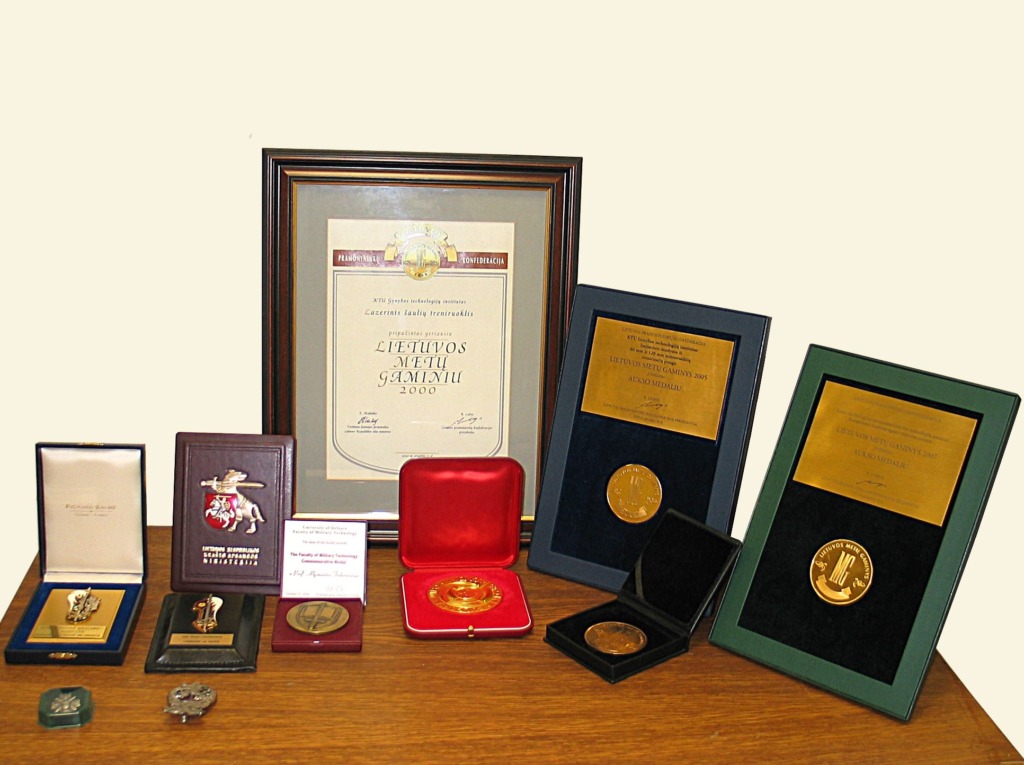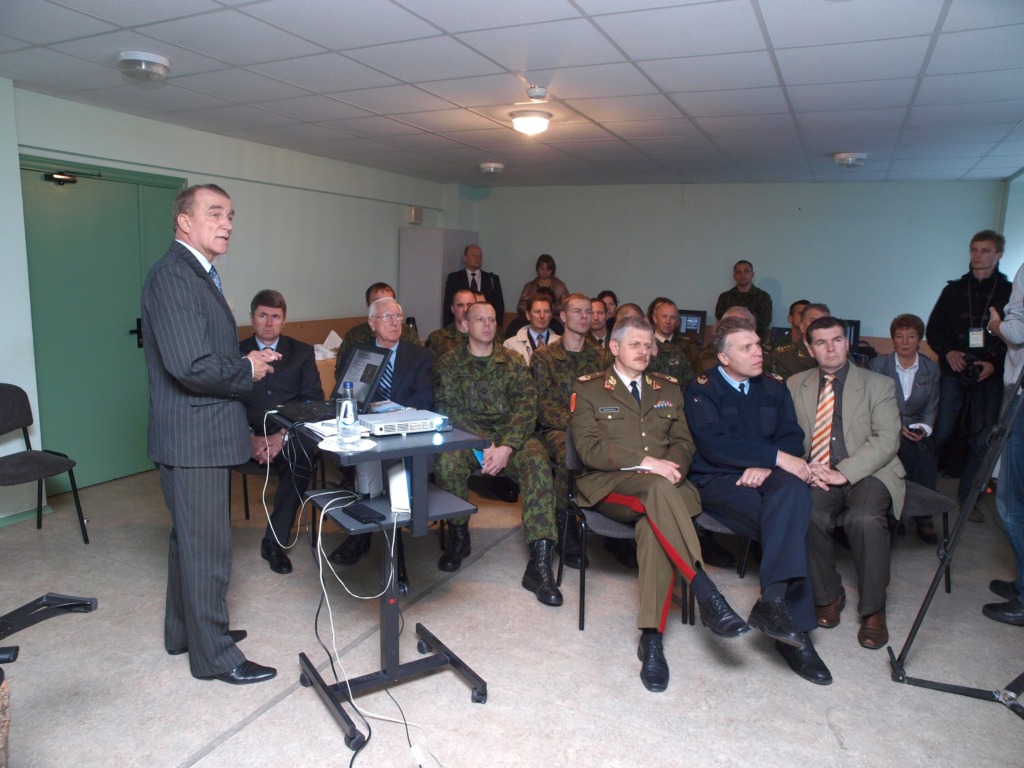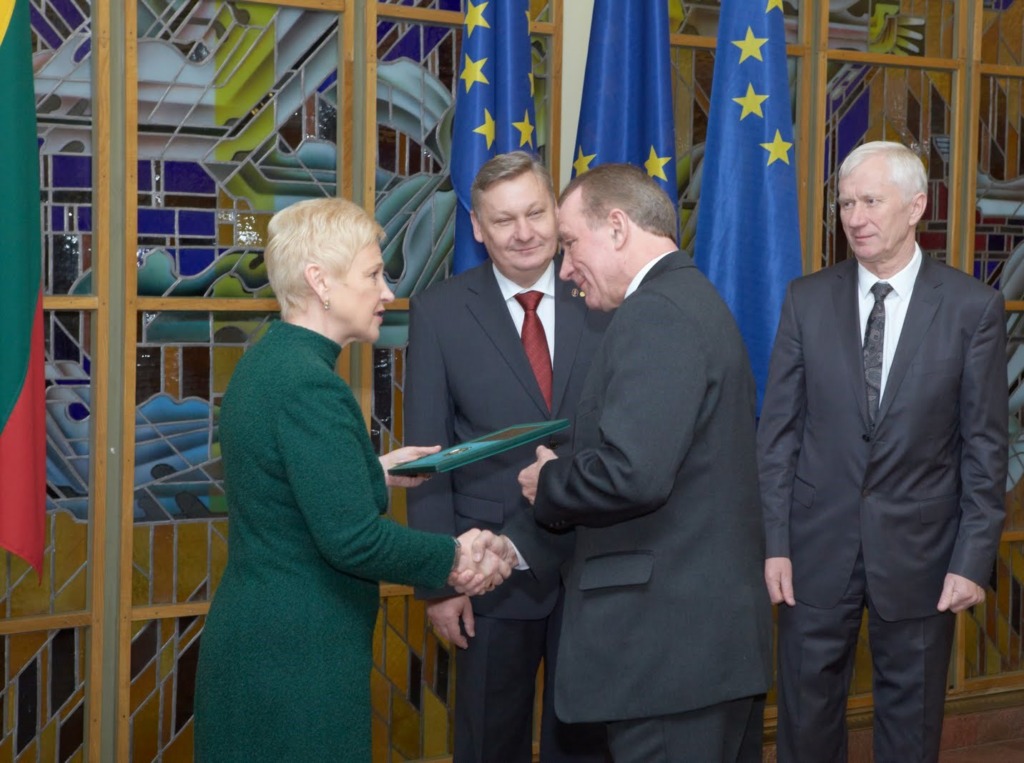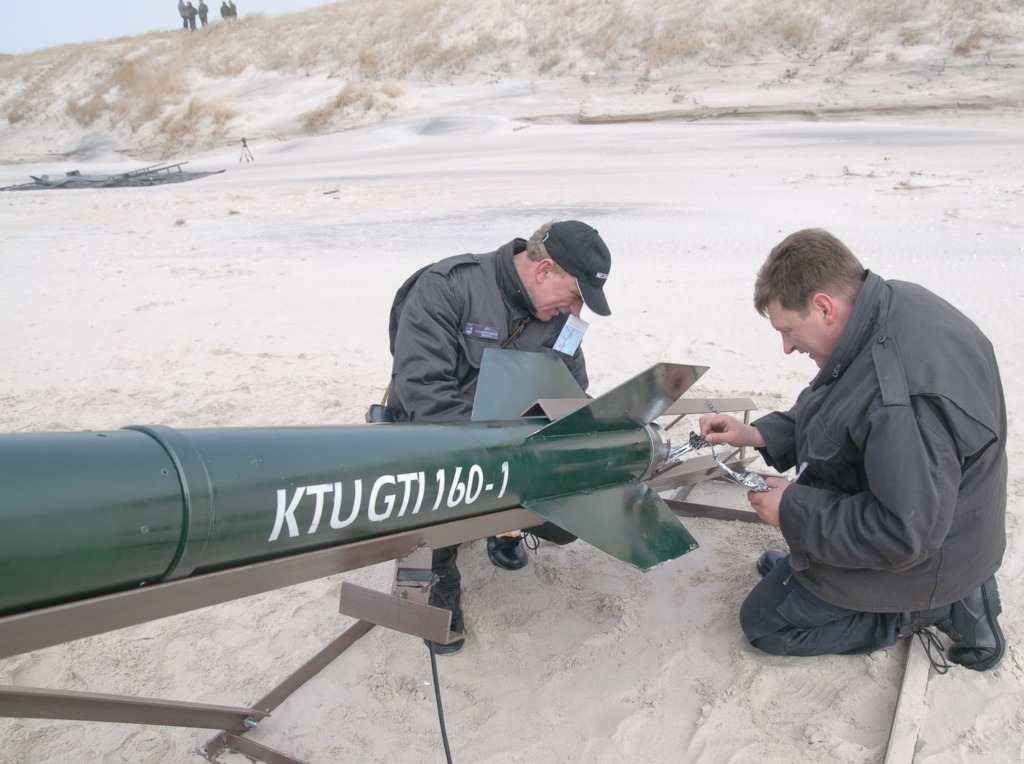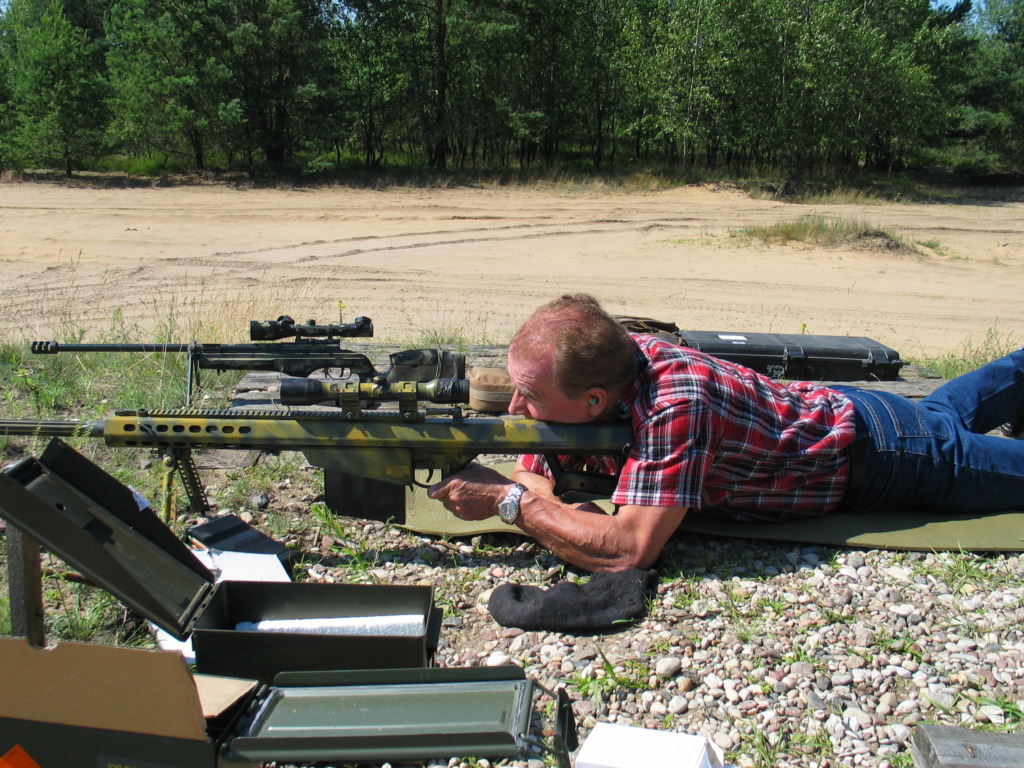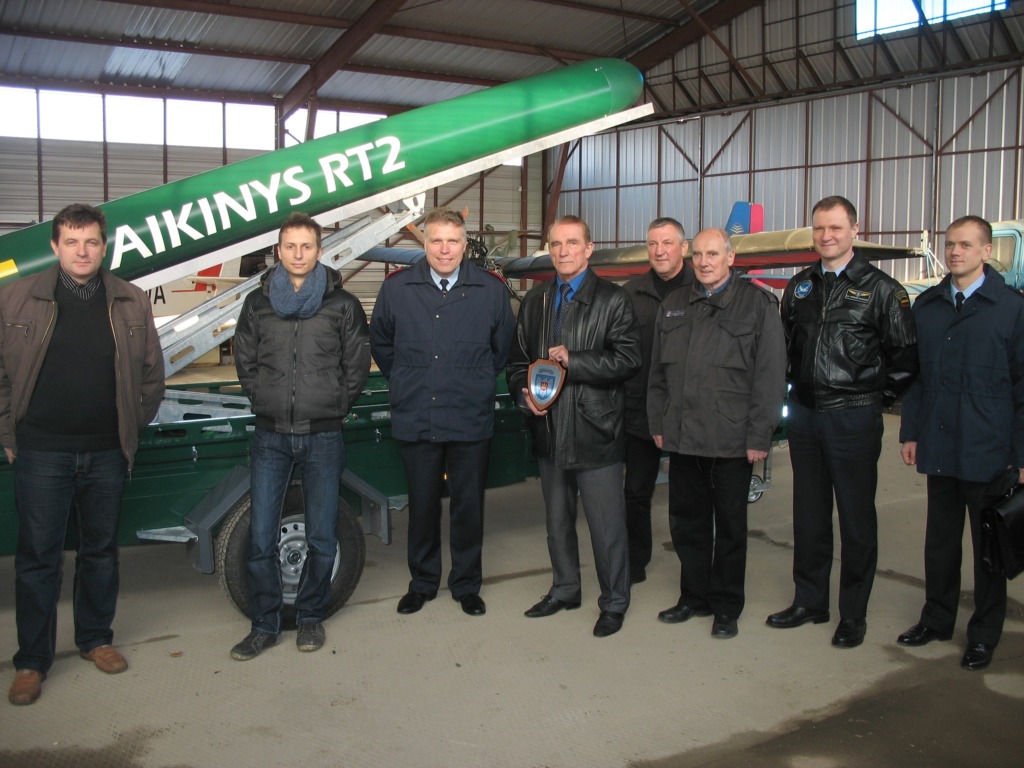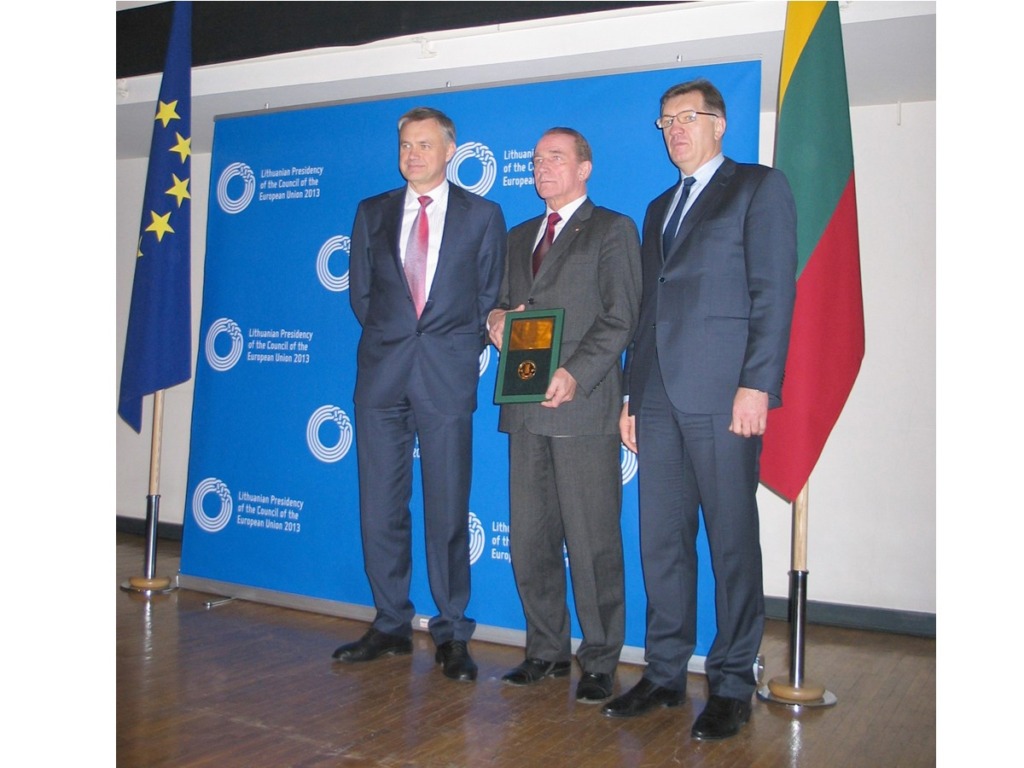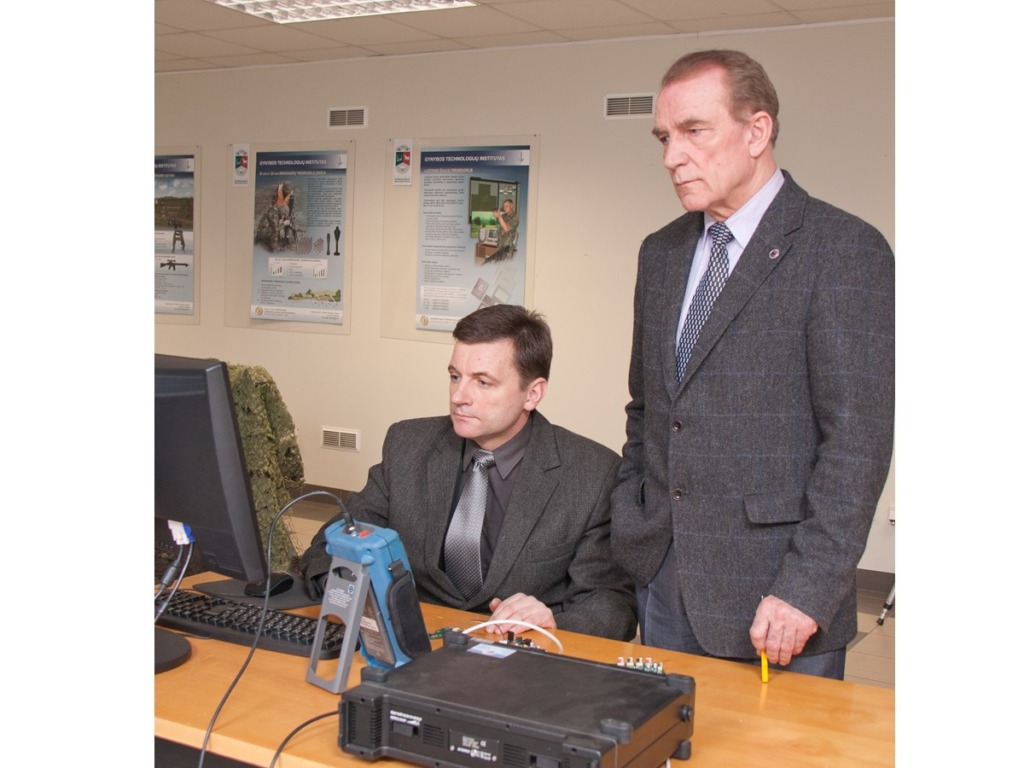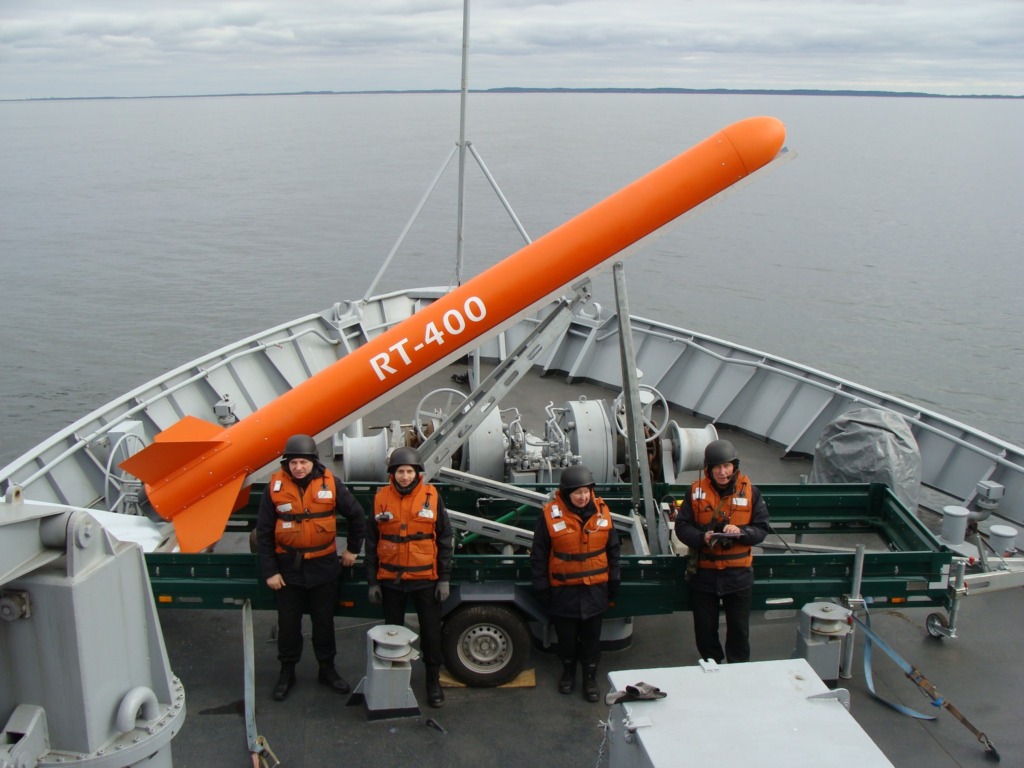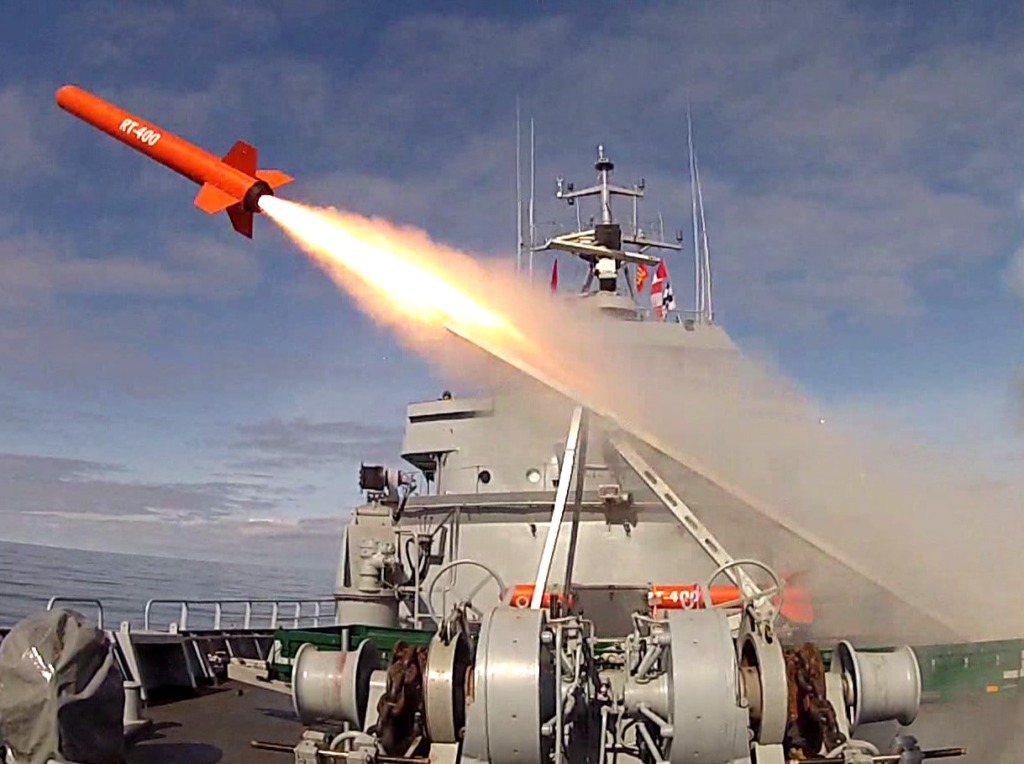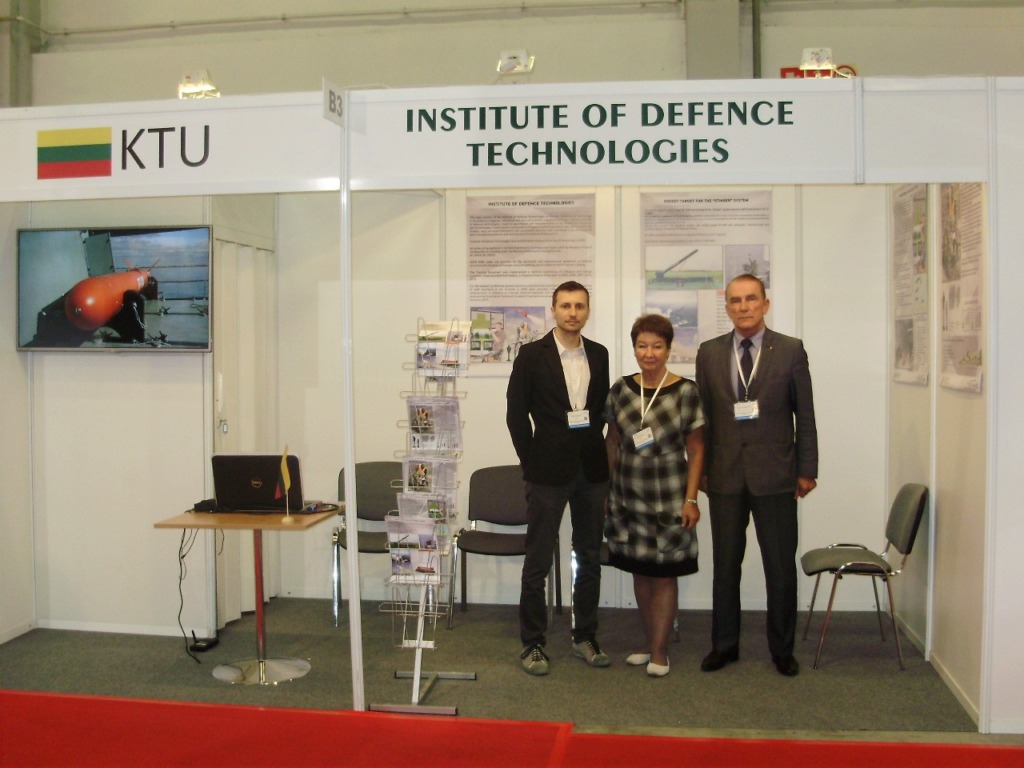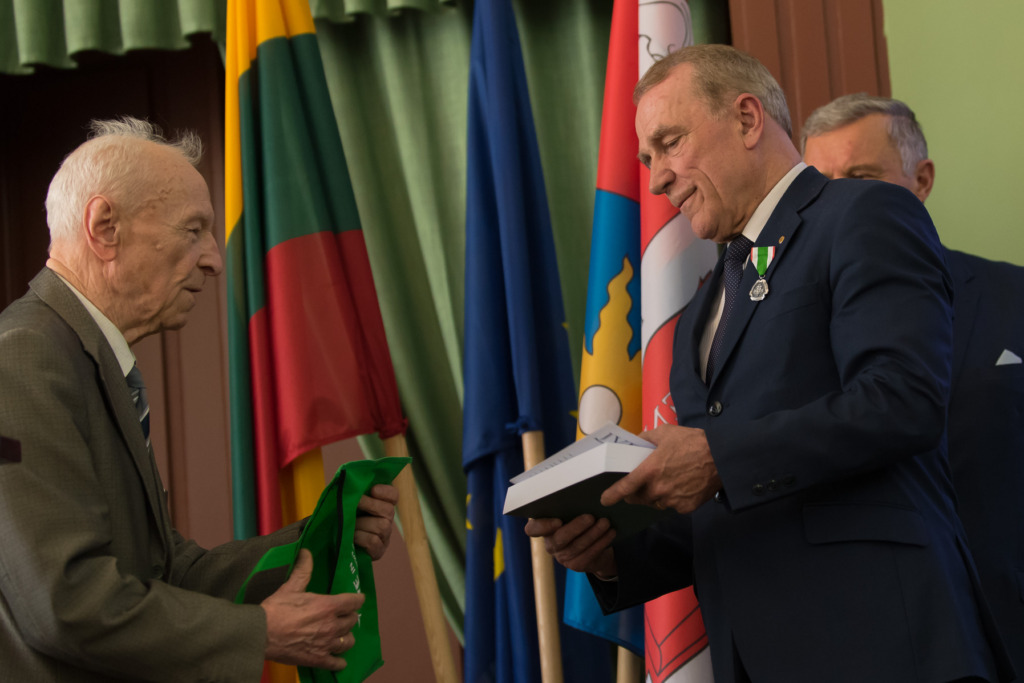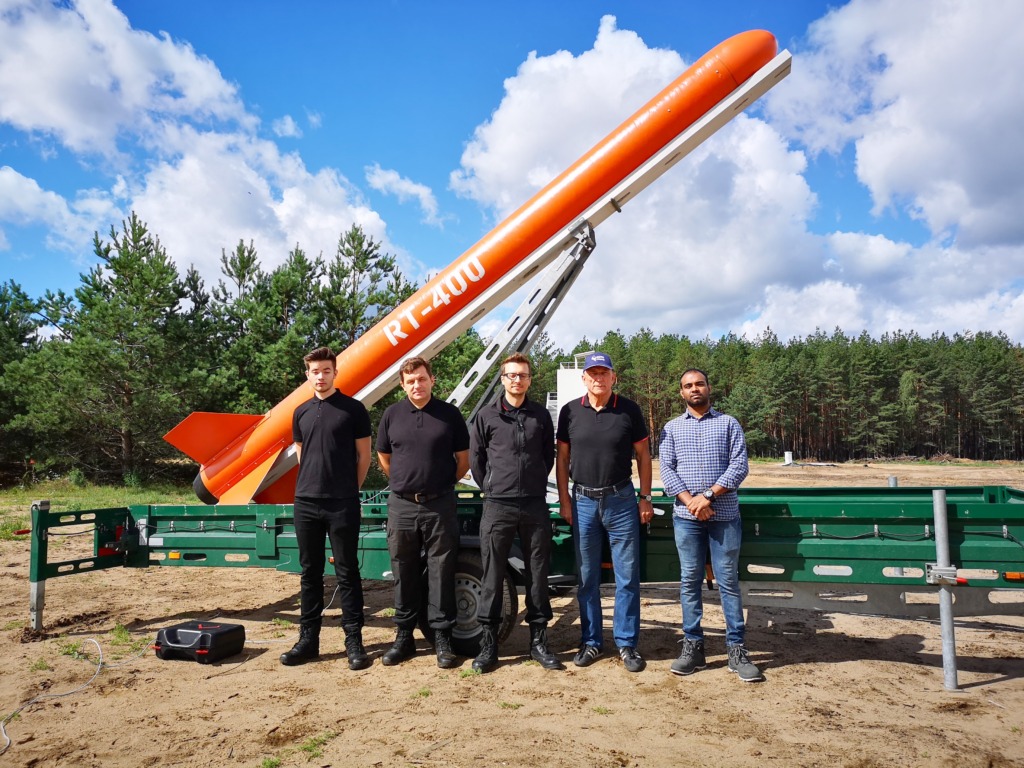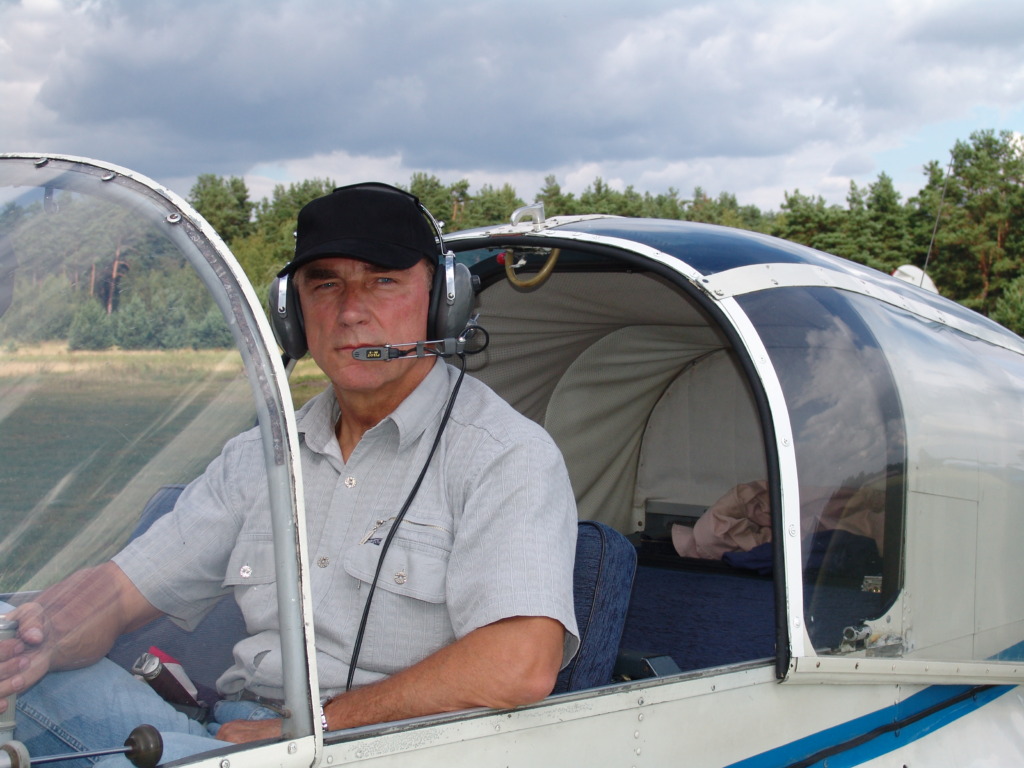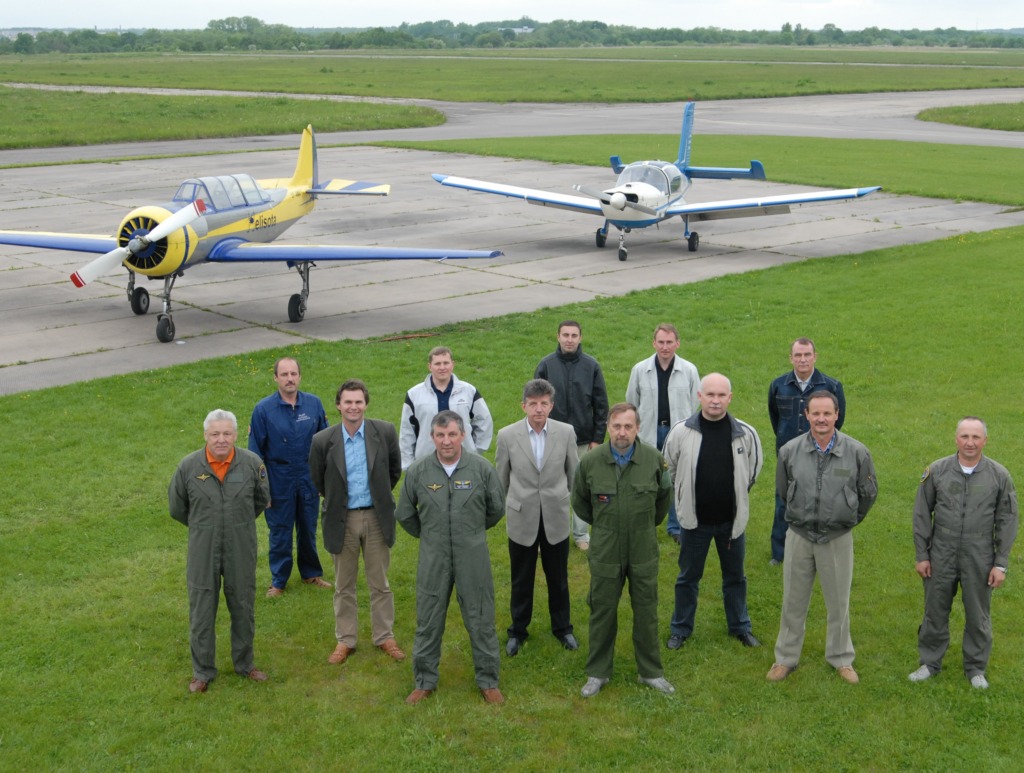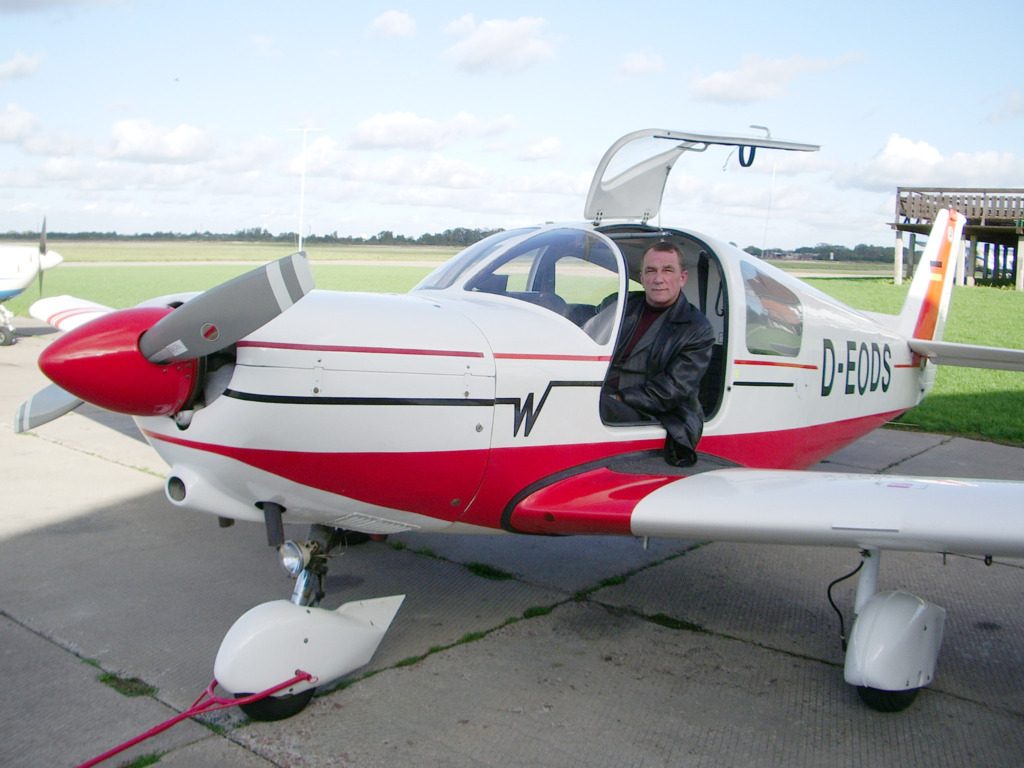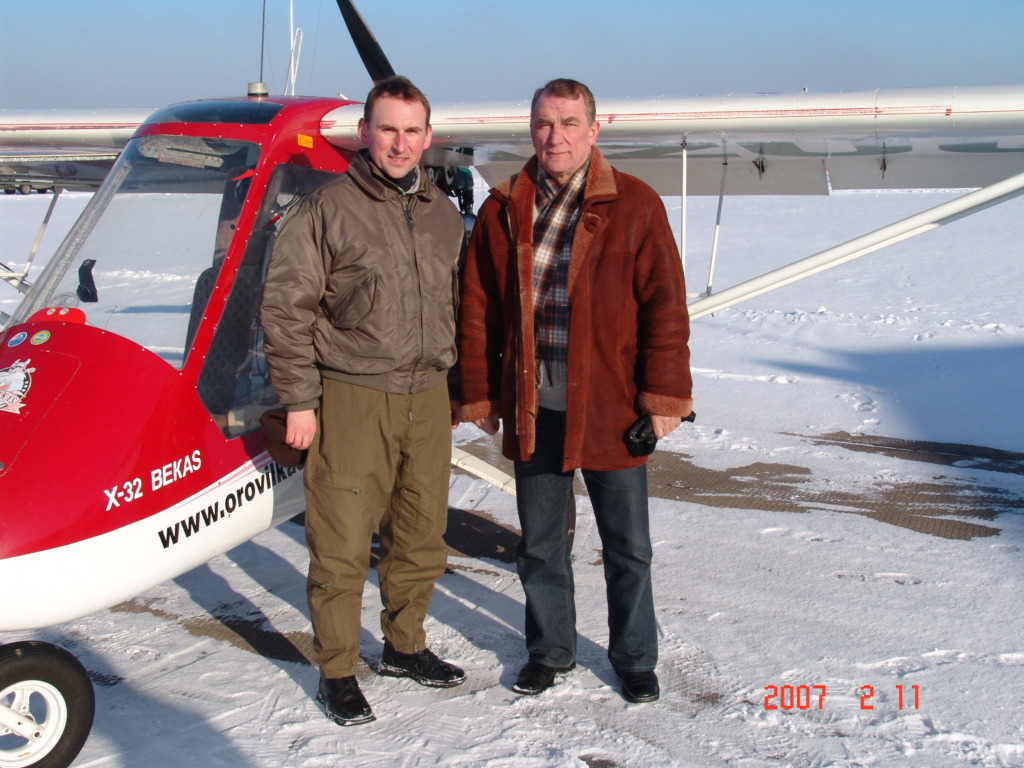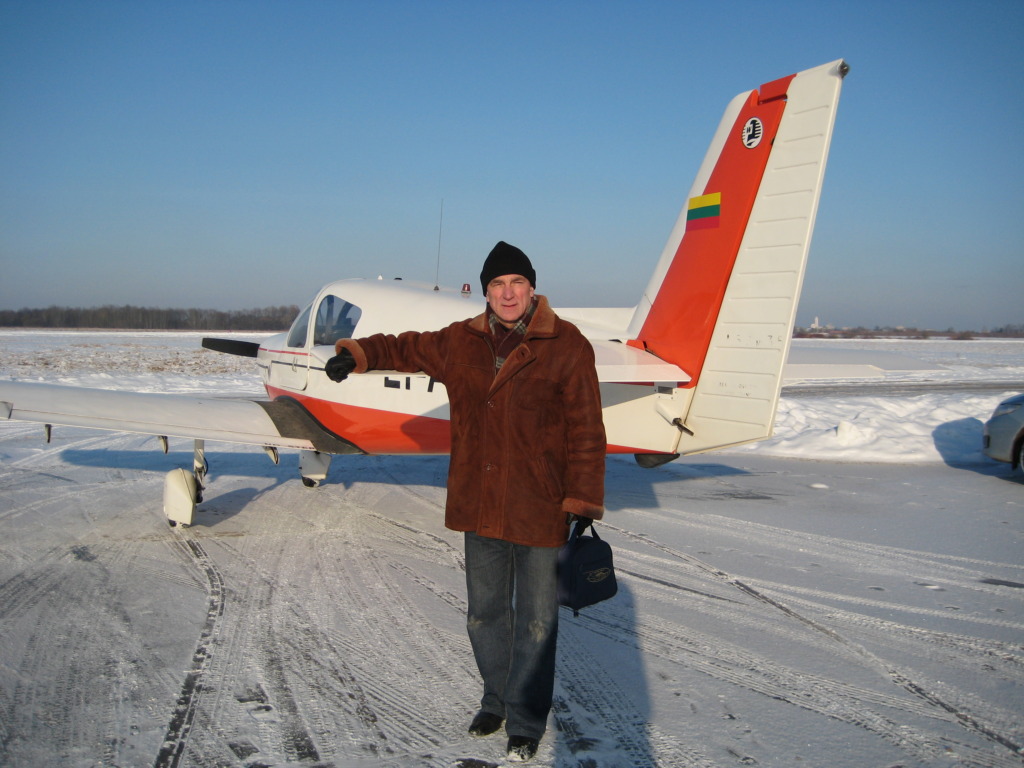



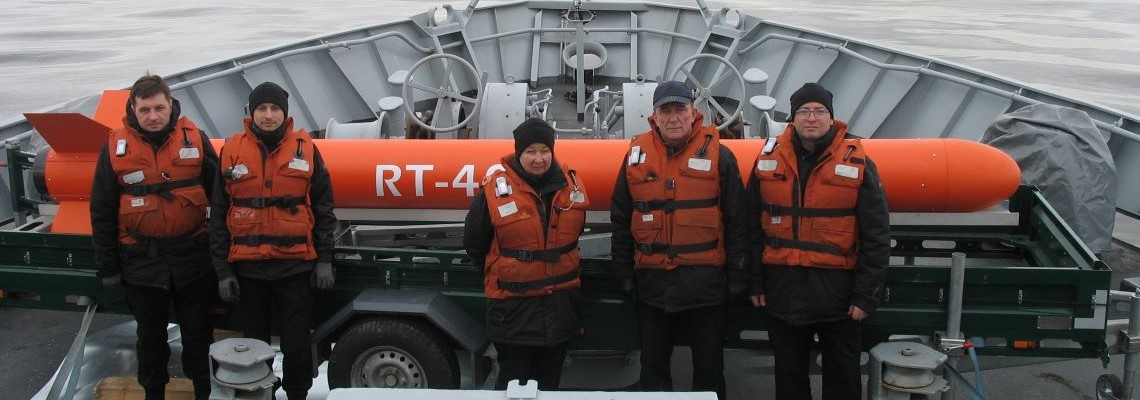
On April 25, to the electrical and mechanical engineer, Habilitated Doctor of Technical Sciences, member emeritus of the Lithuanian Academy of Sciences, and former founder and director of the KTU Institute of Defense Technologies, Prof. Algimantas Fedaravičius (1946–2024), would have turned 80. To mark the occasion, the KTU Museum has prepared a virtual exhibition titled “Pioneer of Defense Technologies: Prof. Algimantas Fedaravičius – 80,” featuring illustrations from the KTU Museum, the photo archive, and the family archive of Prof. A. Fedaravičius. The exhibition was curated by Dr. Audronė Veilentienė, Director of the KTU Museum.
The Path to Science
Algimantas Fedaravičius was born on April 25, 1946, in Kaunas. From 1961 to 1965, he studied at the Kaunas Polytechnic Institute, and from 1965 to 1968, he served in the Soviet Army. From 1969 to 1975, he studied at the Kaunas Polytechnic Institute, and from 1977 to 1979, he pursued postgraduate studies at the institute. In 1968, he began working as an instrument technician at the institute’s “Vibrotechnika” research center, later becoming an engineer, then a senior engineer, from 1976 to 1980 as a senior research associate, and from 1980 he headed the center’s Vibromechanisms Laboratory.
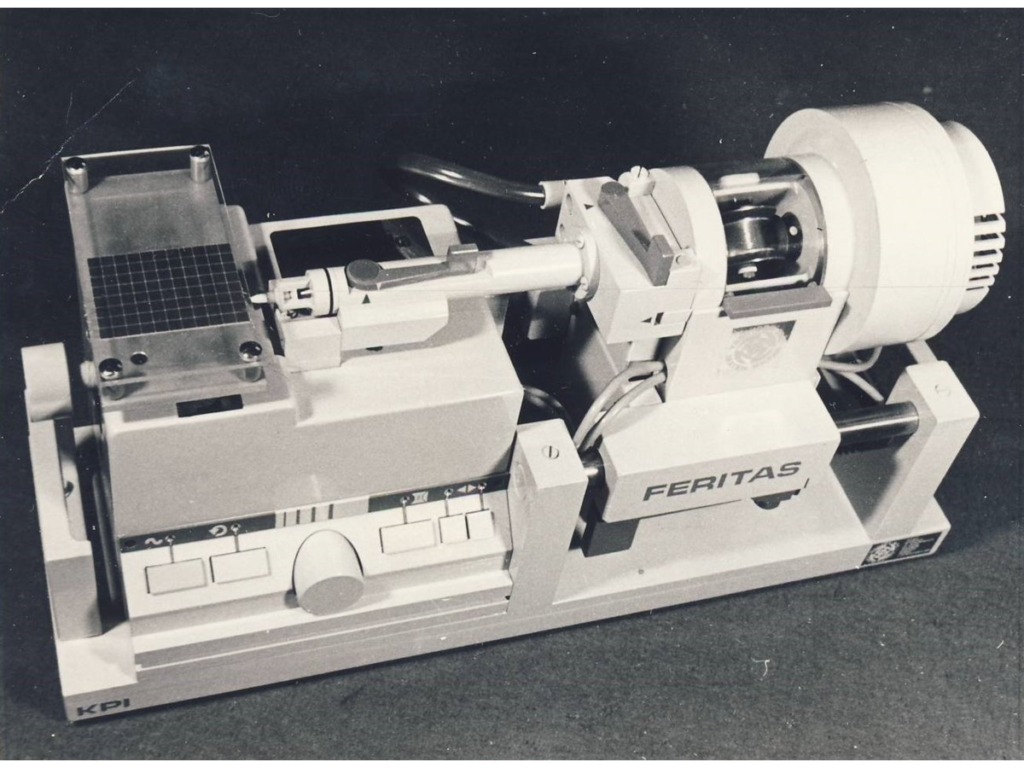
In 1979, A. Fedaravičius defended his Candidate of Technical Sciences (now Doctor of Technical Sciences) dissertation titled “Investigation of the Dynamic Process of Vibrational Decoupling of ESM Ferrite Memory Matrices via Coordinate Wires,” In 1988, he defended his Doctor of Technical Sciences (now Habilitated Doctor) dissertation titled “Theory and Practice of ESM Ferrite Memory Assembly.” The results of his research were used to develop new functional and technological devices that have been put to practical use: technology and equipment for the automated assembly of ferrite memory matrices (mechanisms for the orientation of miniature and microminiature rings and for pneumatic-vibration insertion) drum and disk memory devices and electrical connectors with increased dynamic accuracy, adapted for operation under extreme conditions, used in aviation, the navy, and rocket and space technology (for example, in the reusable spacecraft “Buran,” etc.). In 1978, A. Fedaravičius was awarded the “Eureka” prize for the most effective invention in the Lithuanian SSR. In 1983, for the work “Functional and Technological ESM Mechanisms. Theory, Design, and Application,” together with Vytautas Paliūnas, Juozas Gecevičius, and Vyda Ragulskienė, he became a laureate of the Lithuanian SSR State Prize. In 1985, he was awarded the World Intellectual Property Organization (WIPO) Gold Medal at the “EXPO–1985” exhibition in Bulgaria.