
Skip to content
R.Baltrušiui 100-titulinė

“We are sent into the world as questions…” Prof. Romualdas Baltrušis Turns 100

Prof. Romualdas Baltrušis Turns 100

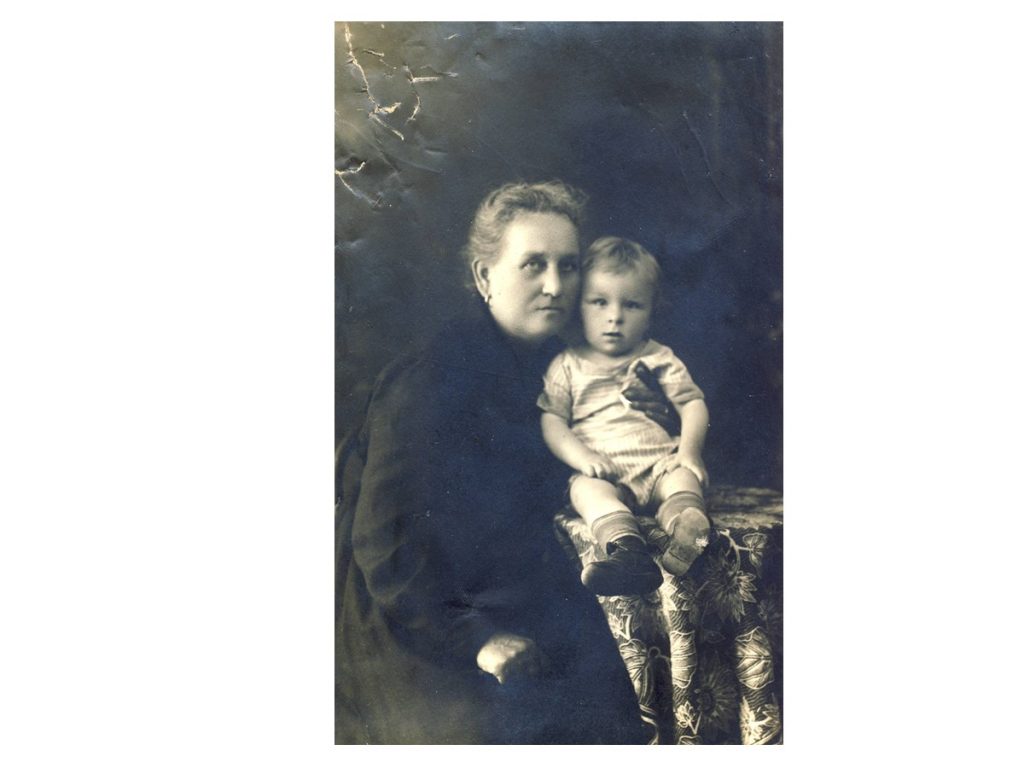
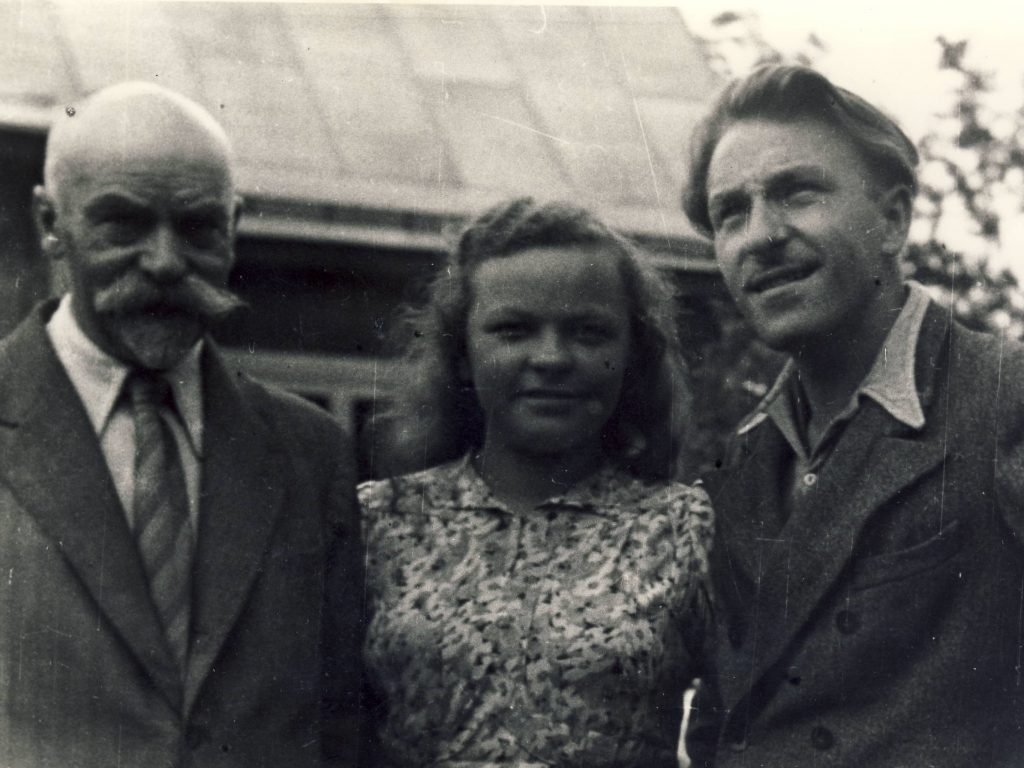
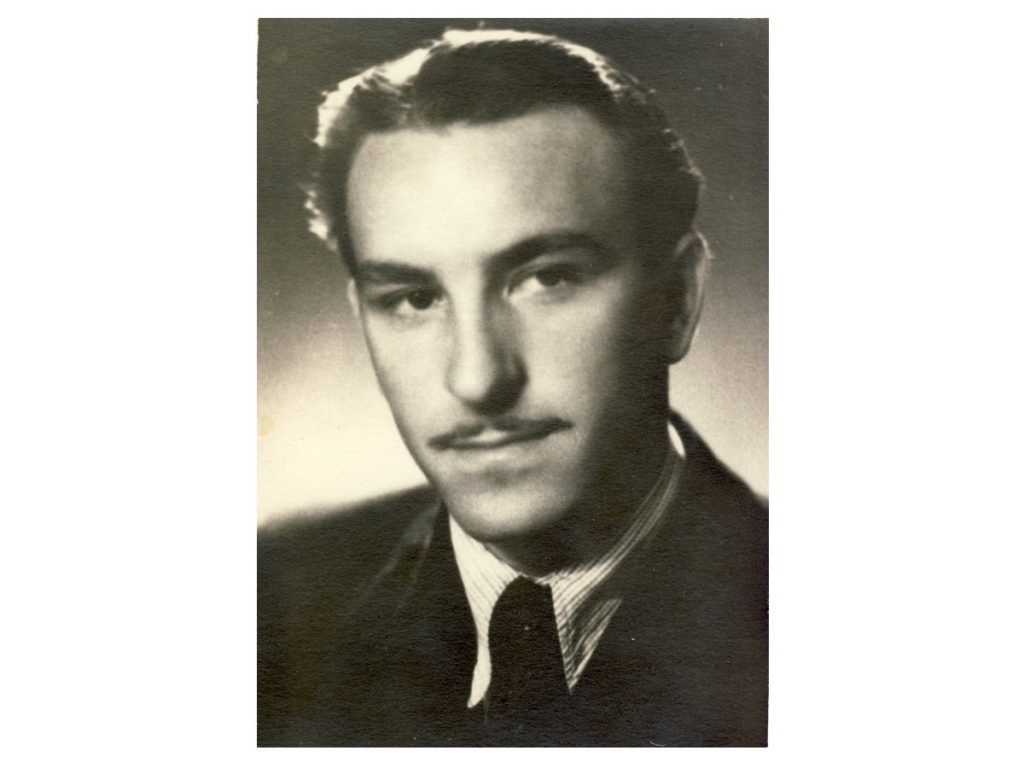
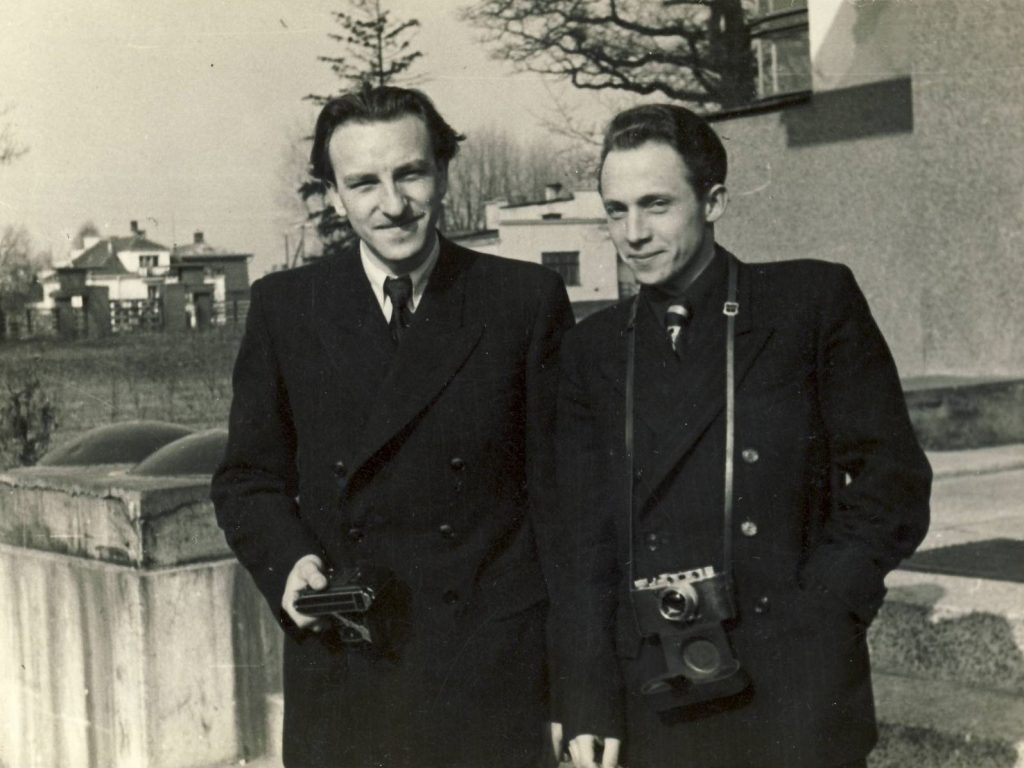
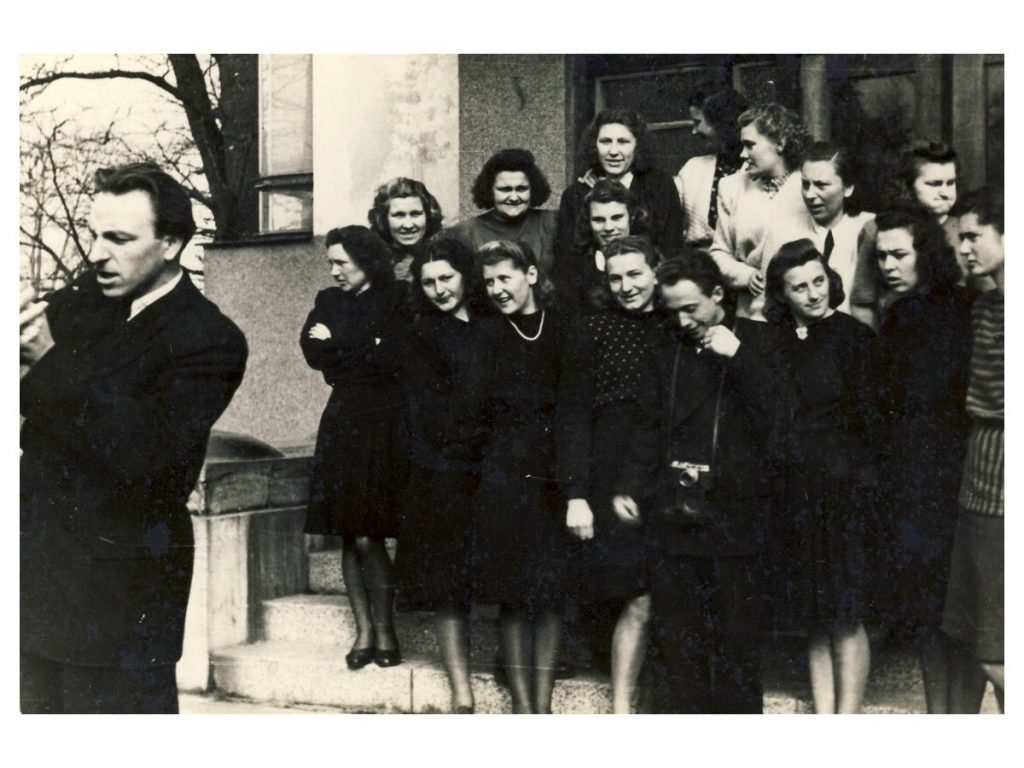
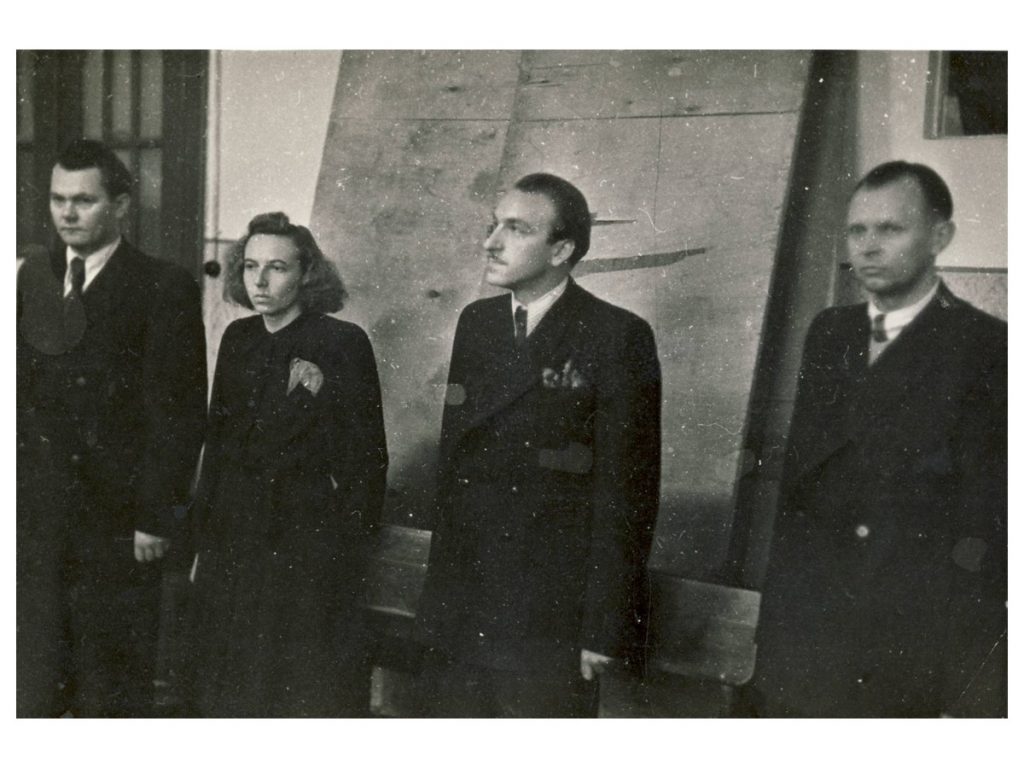
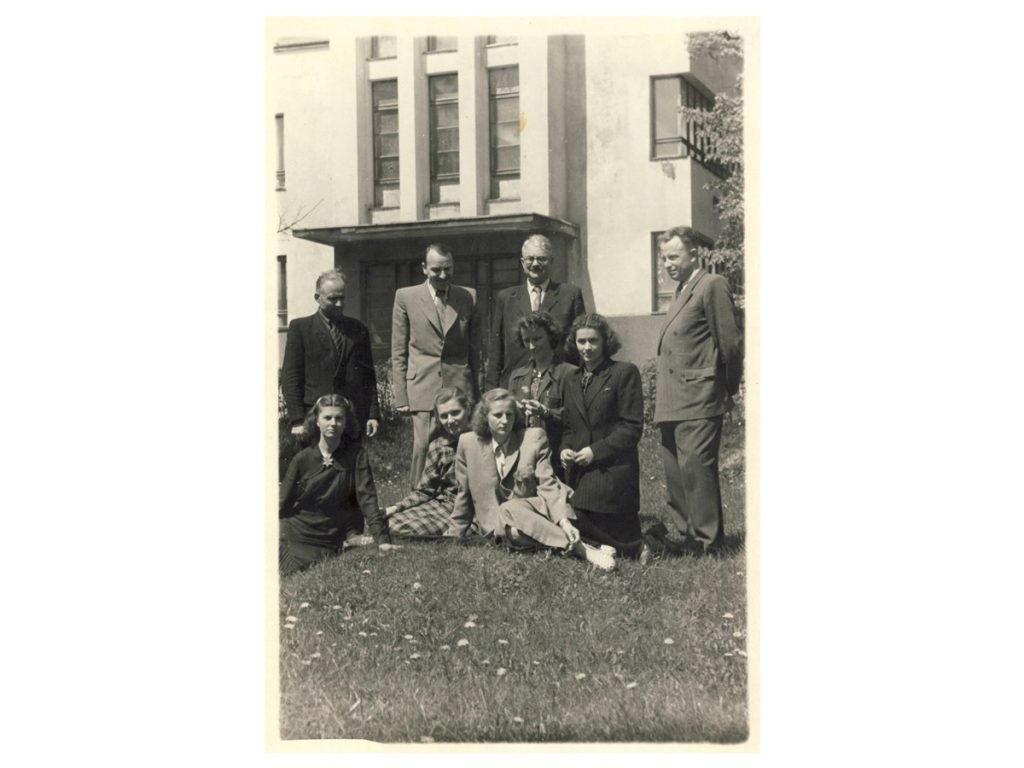
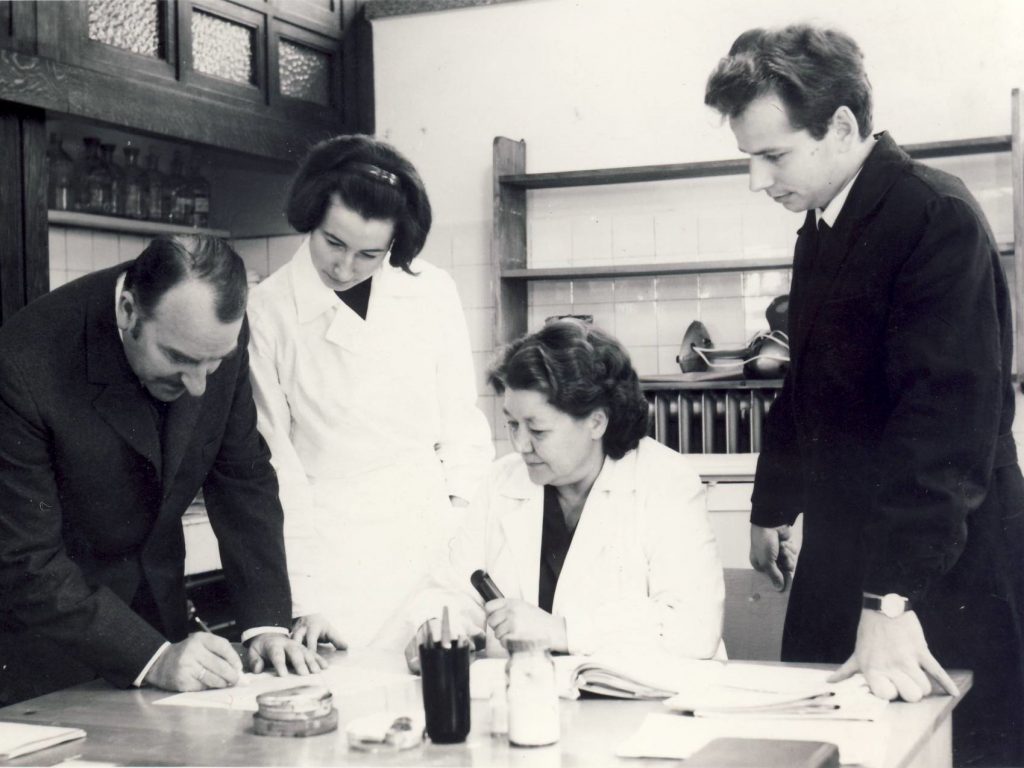
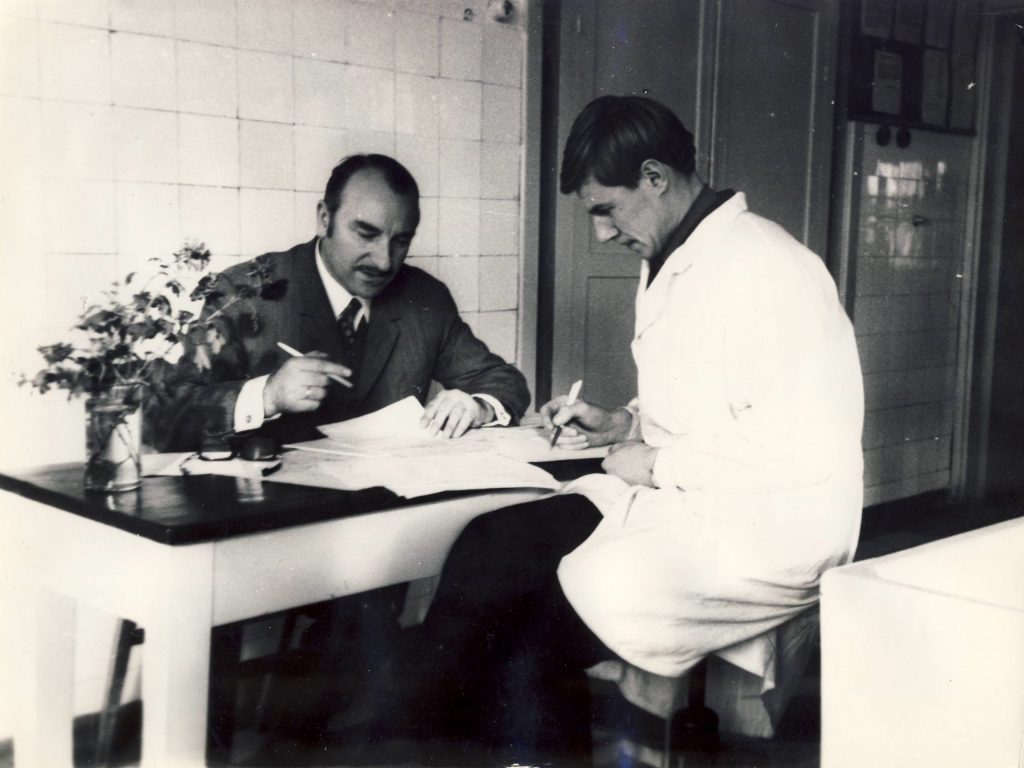
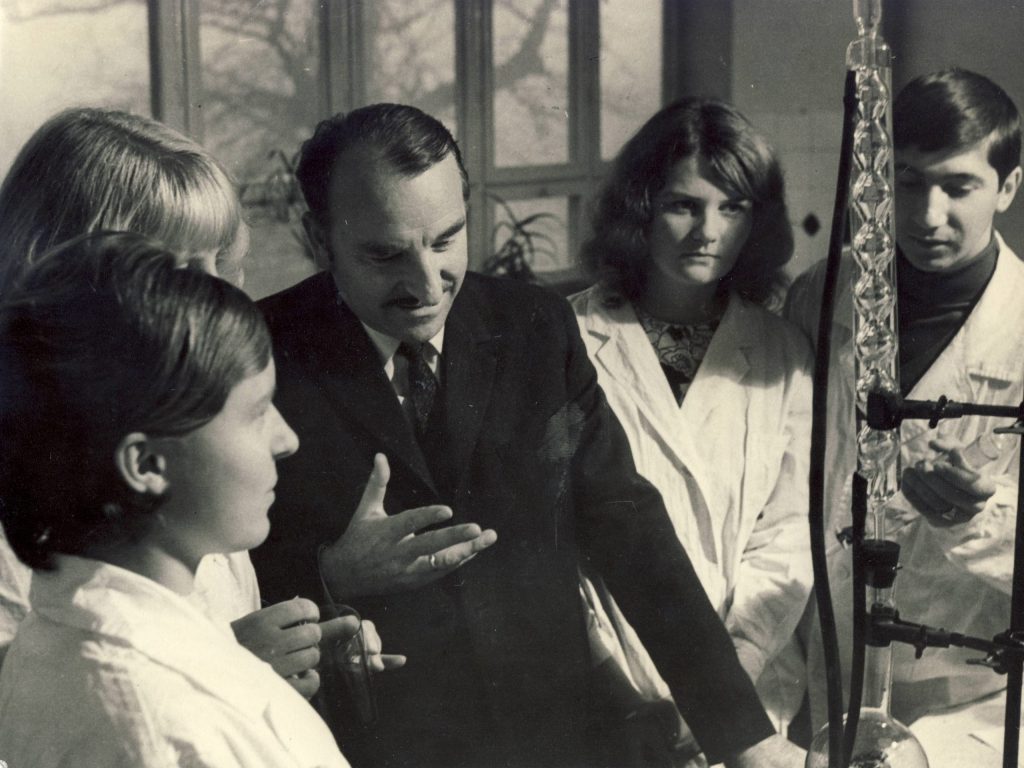
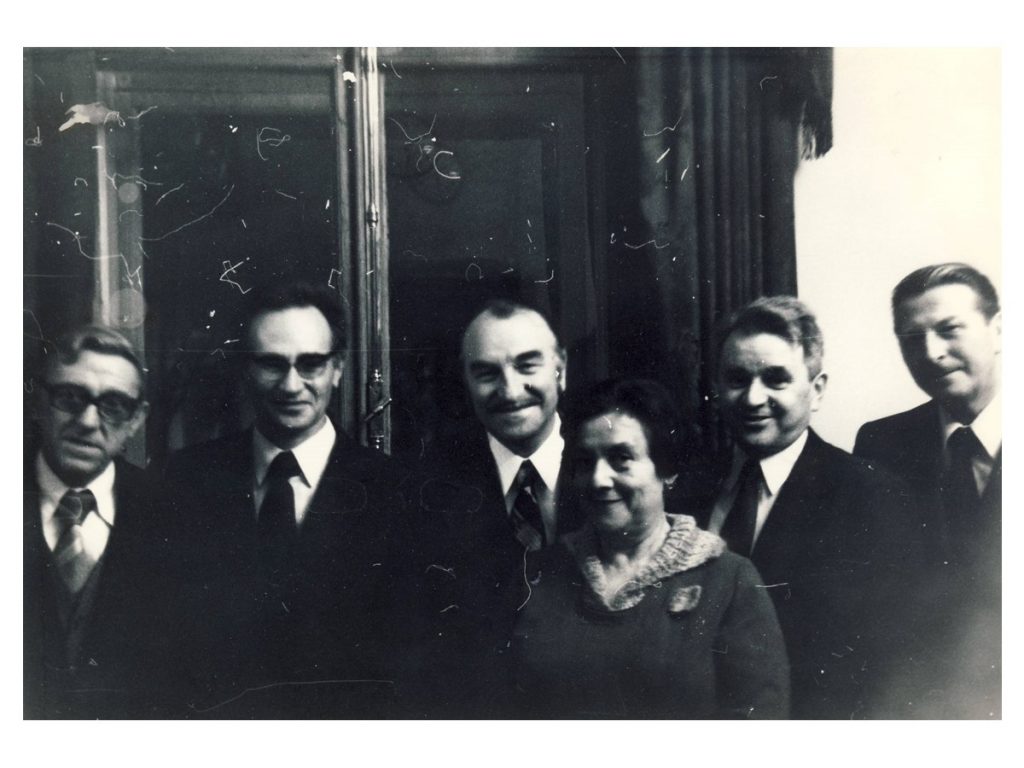
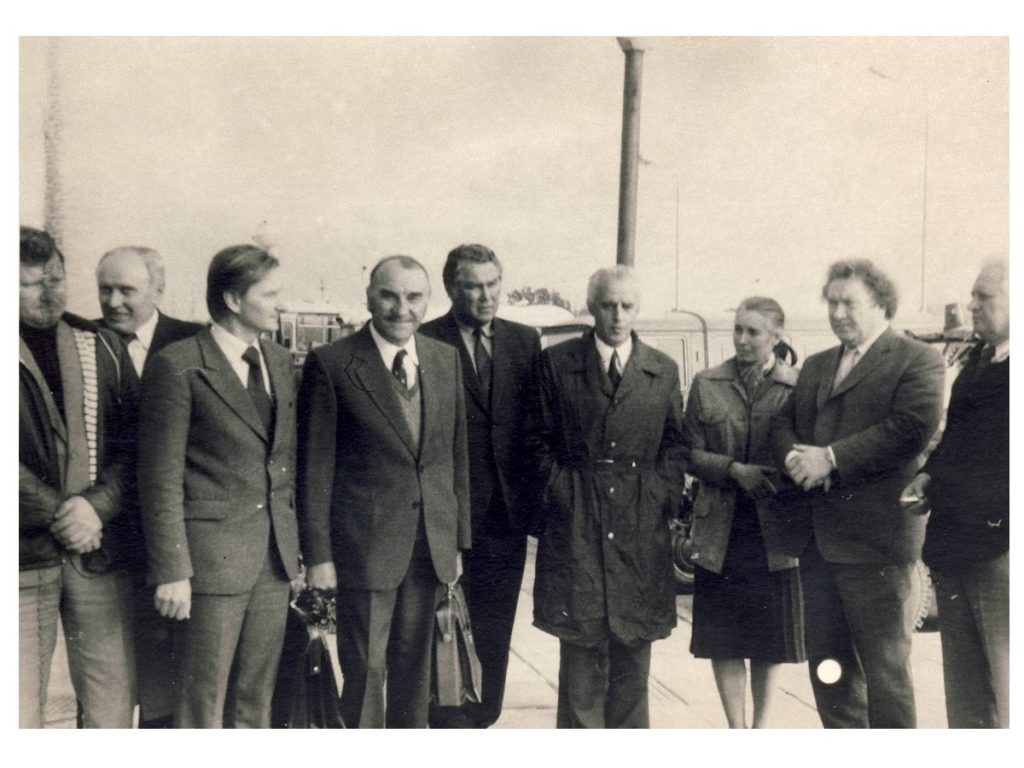
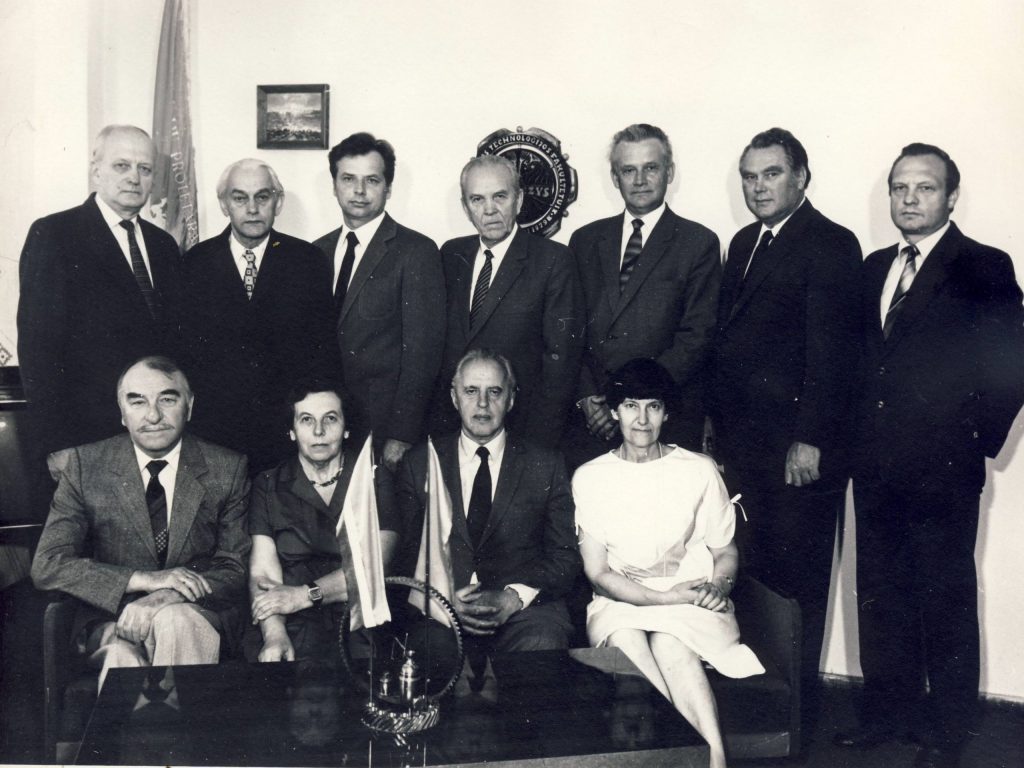
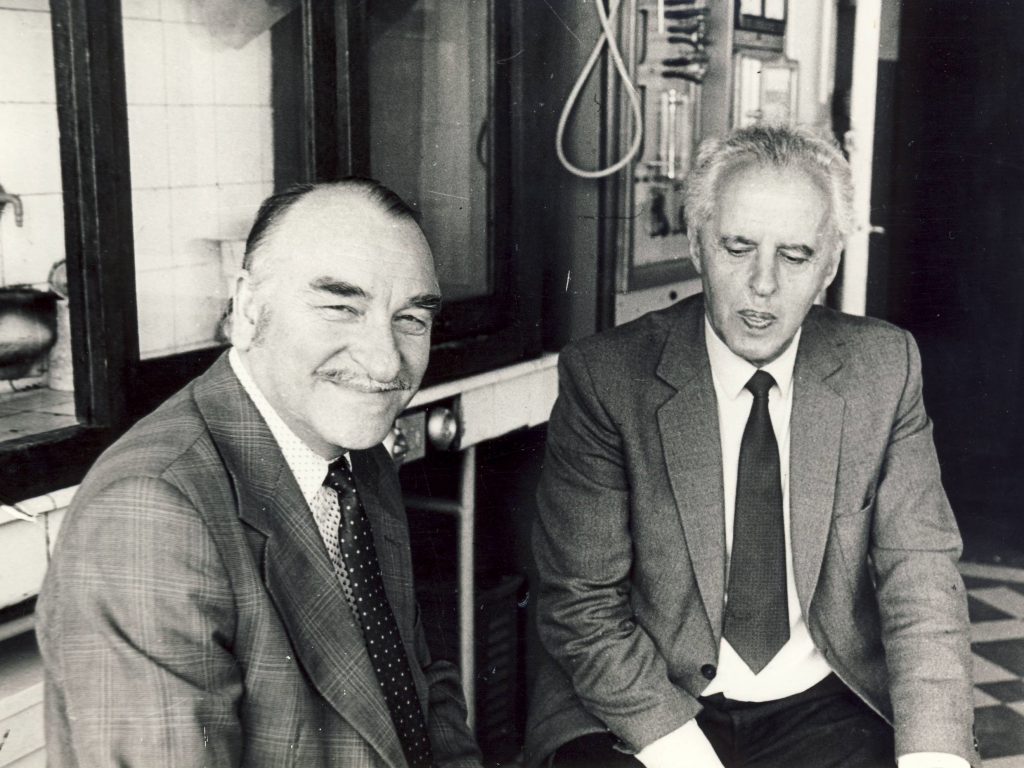
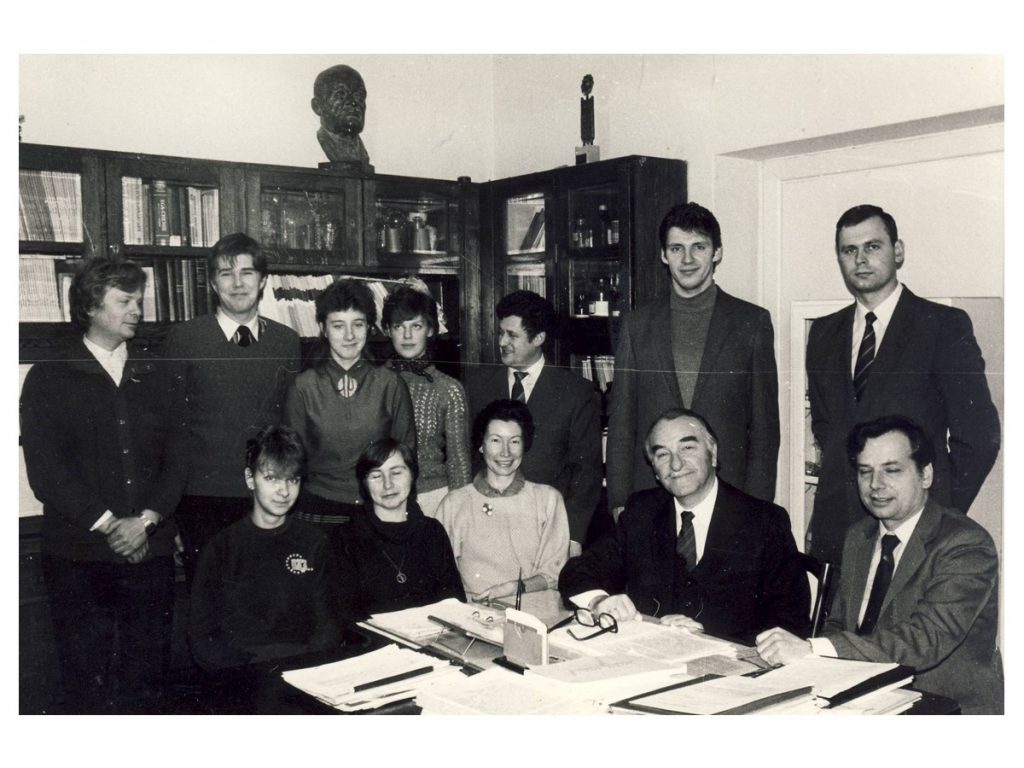
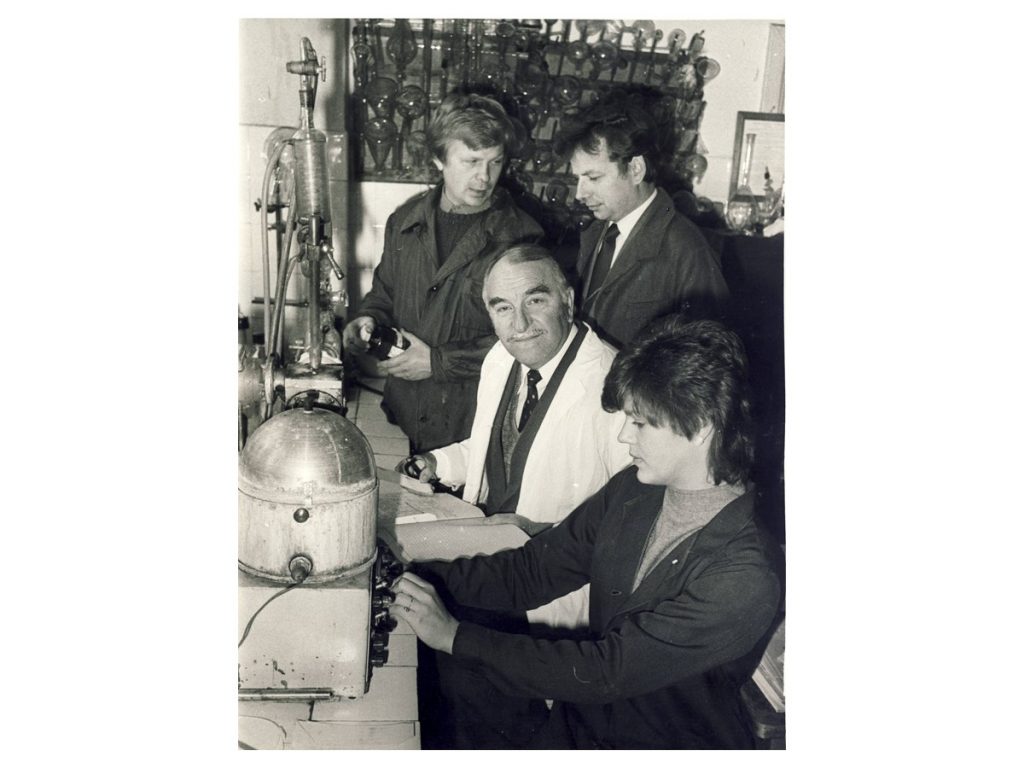
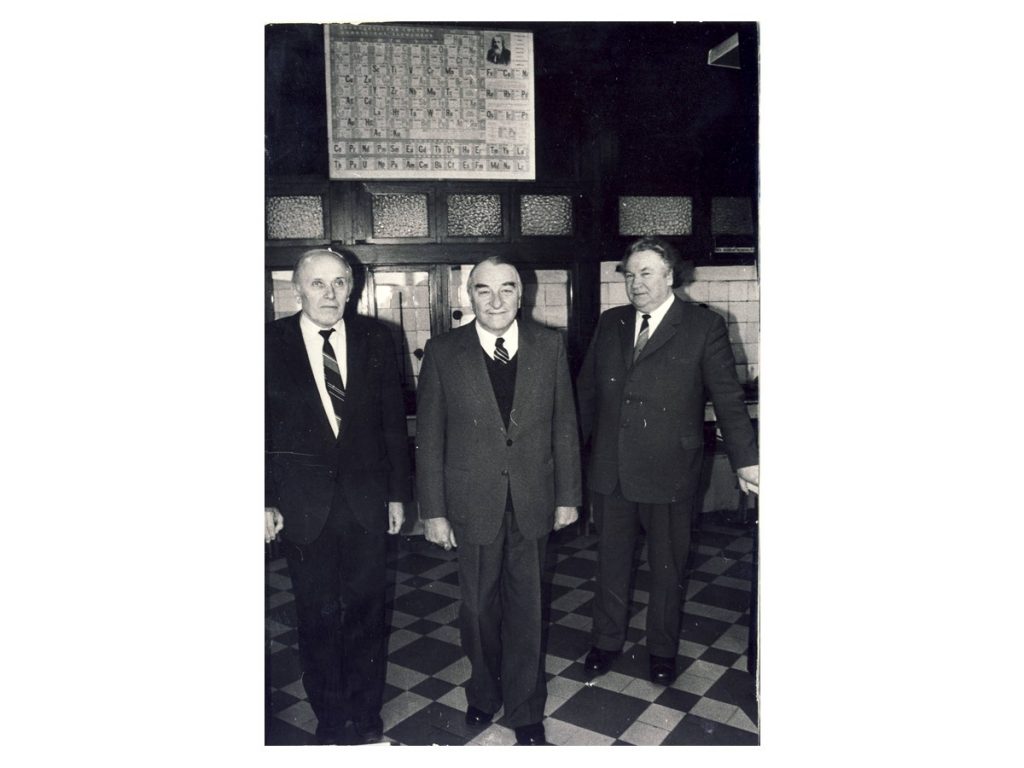
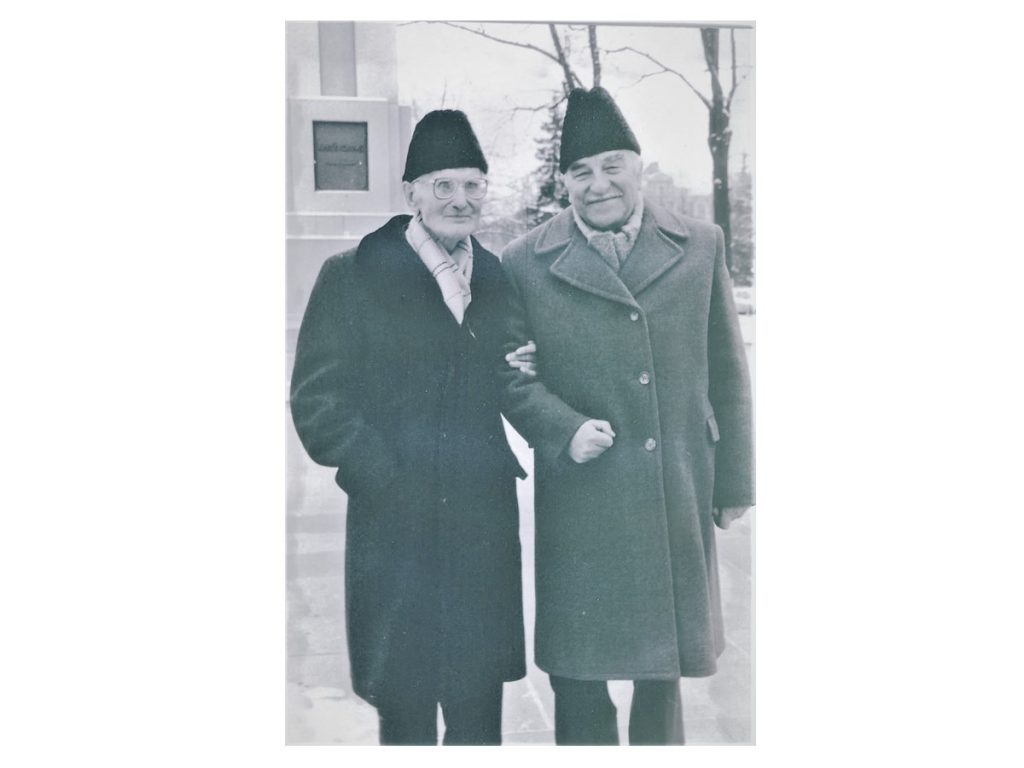
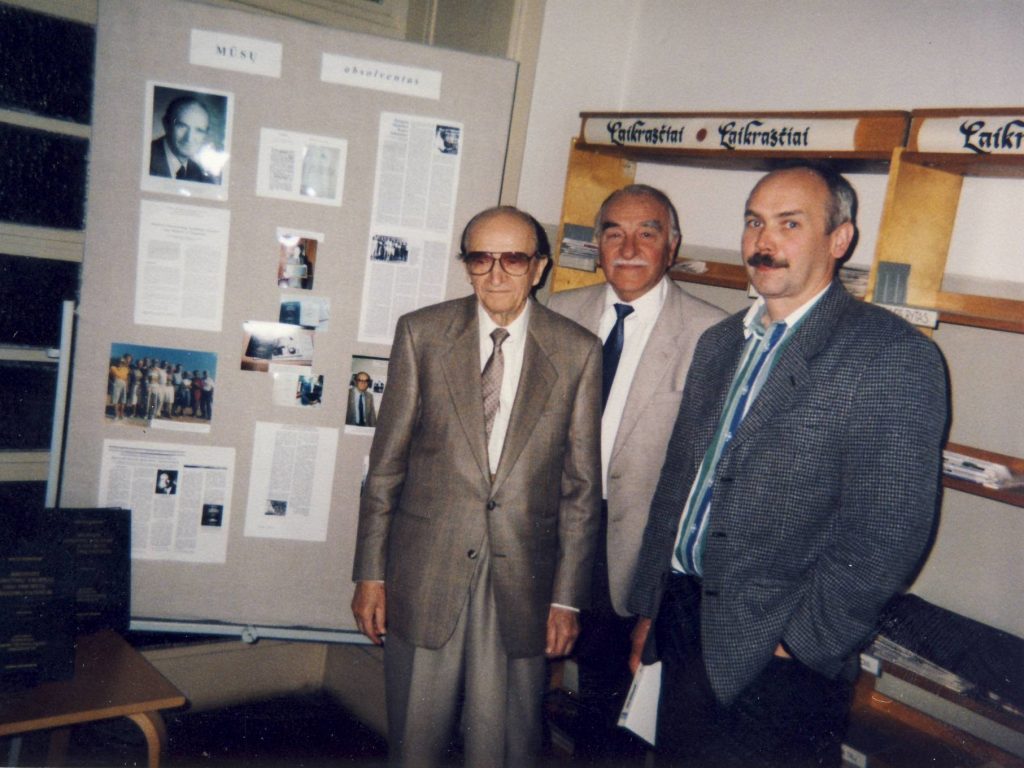
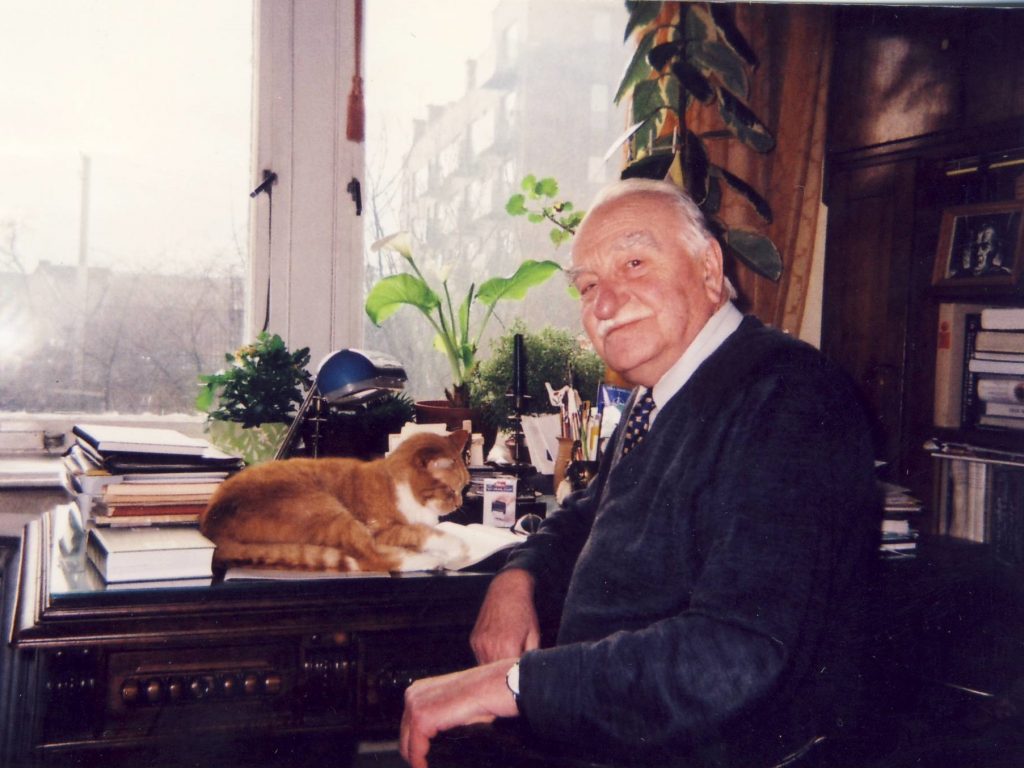
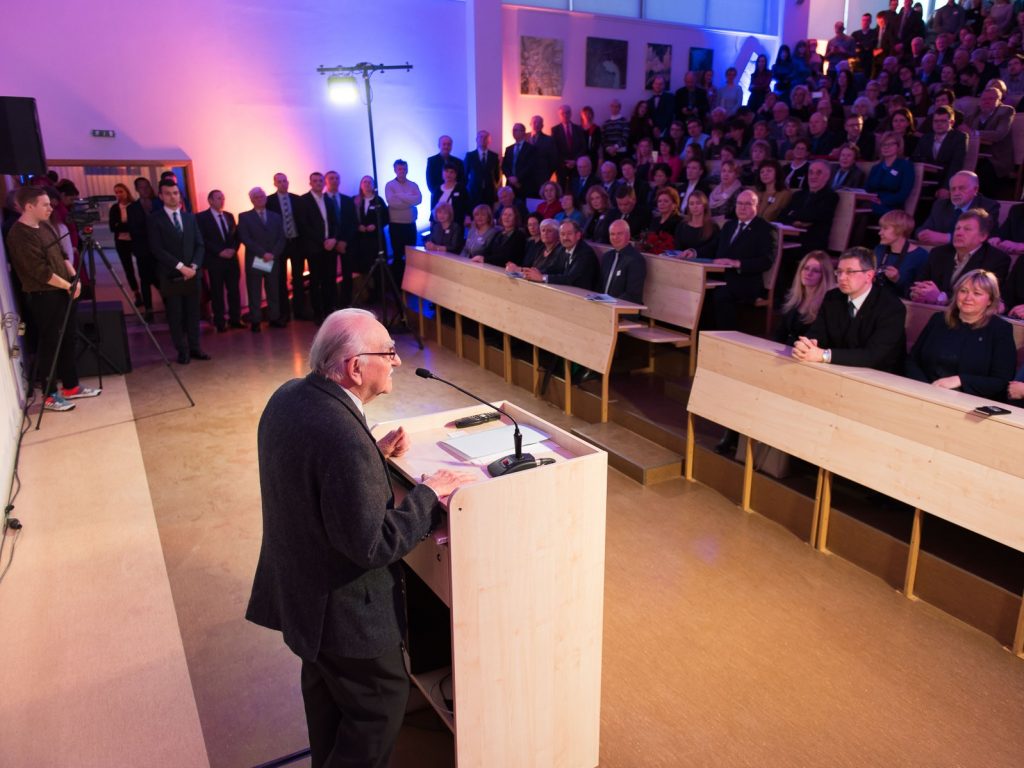
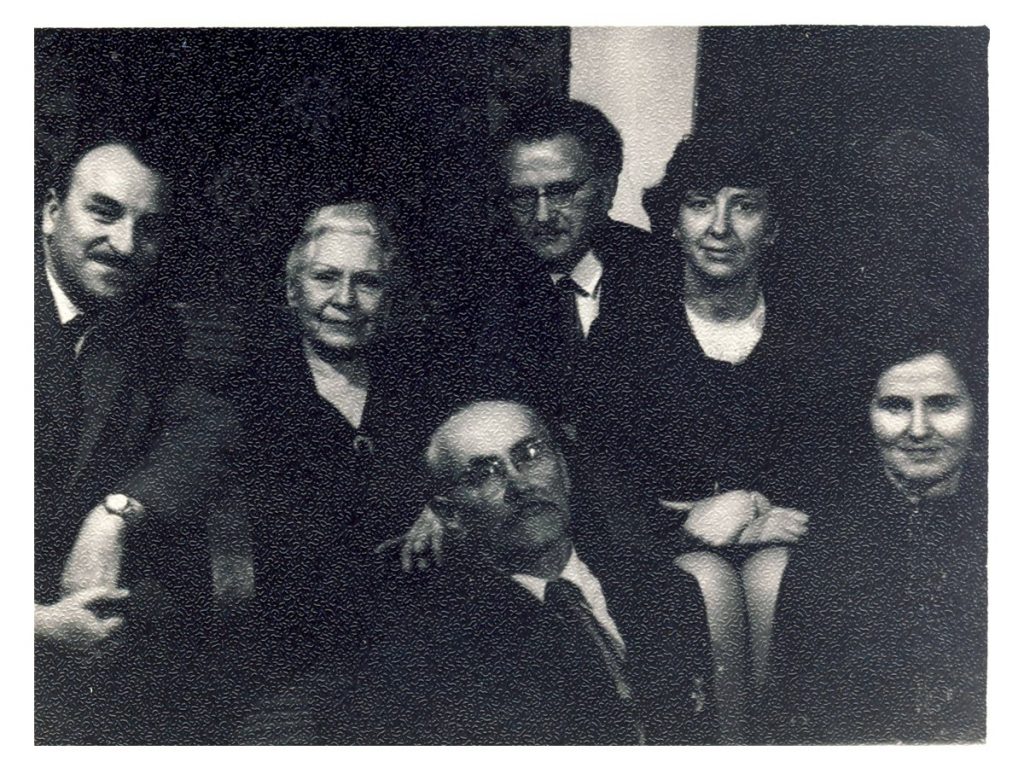
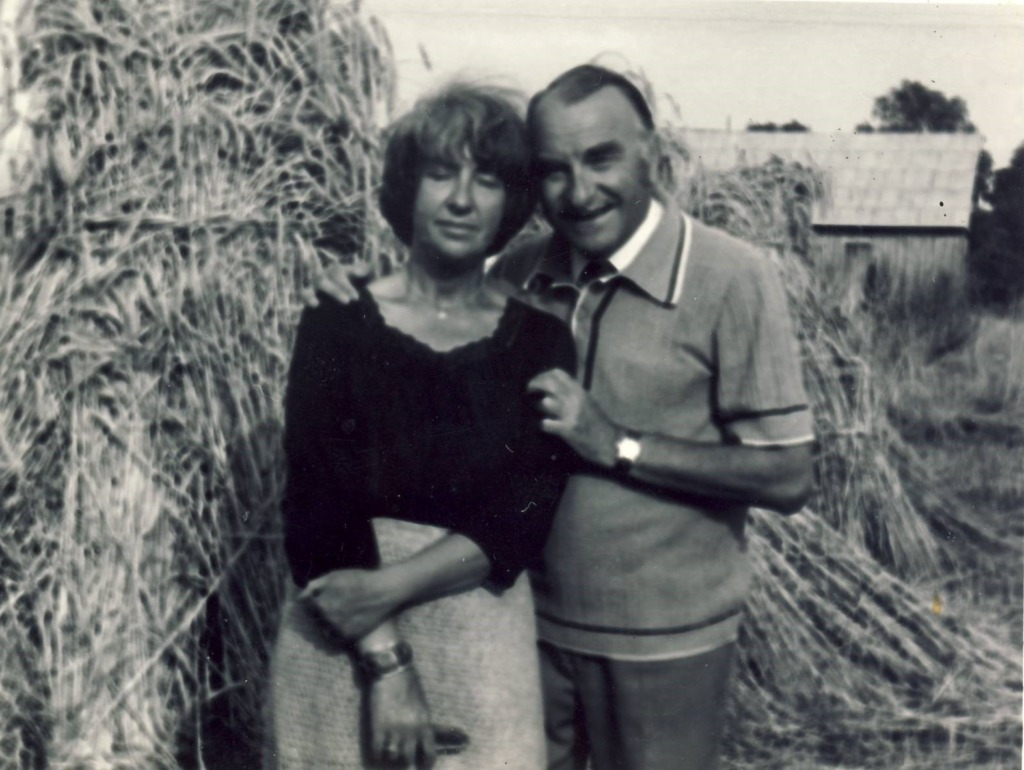
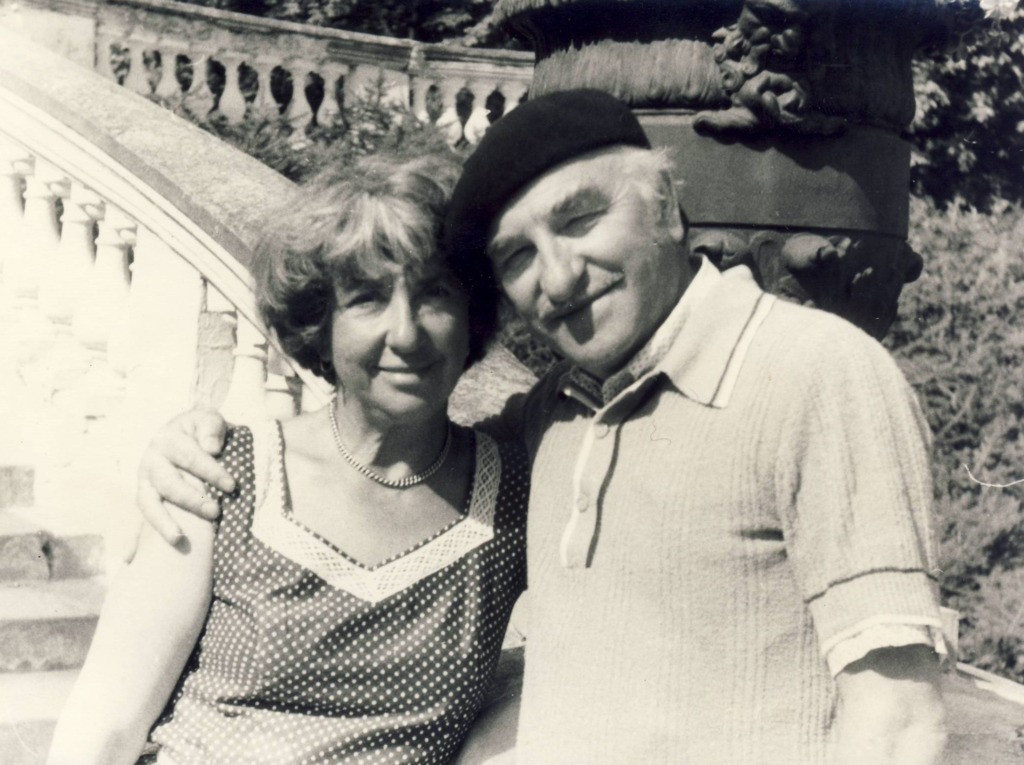
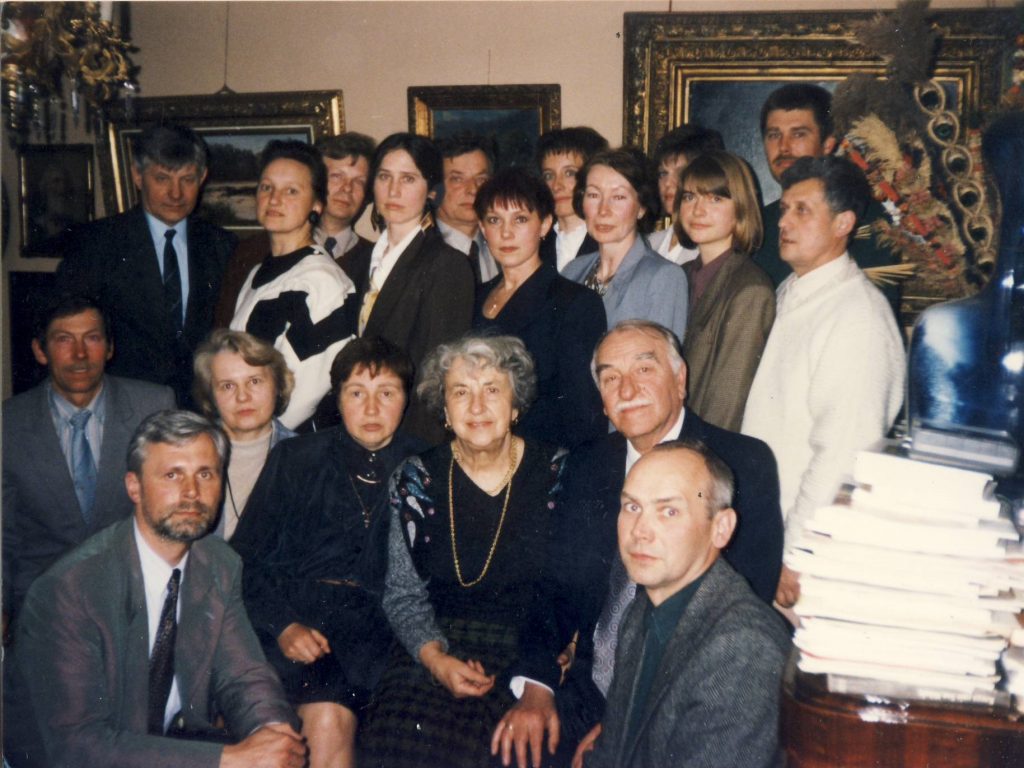
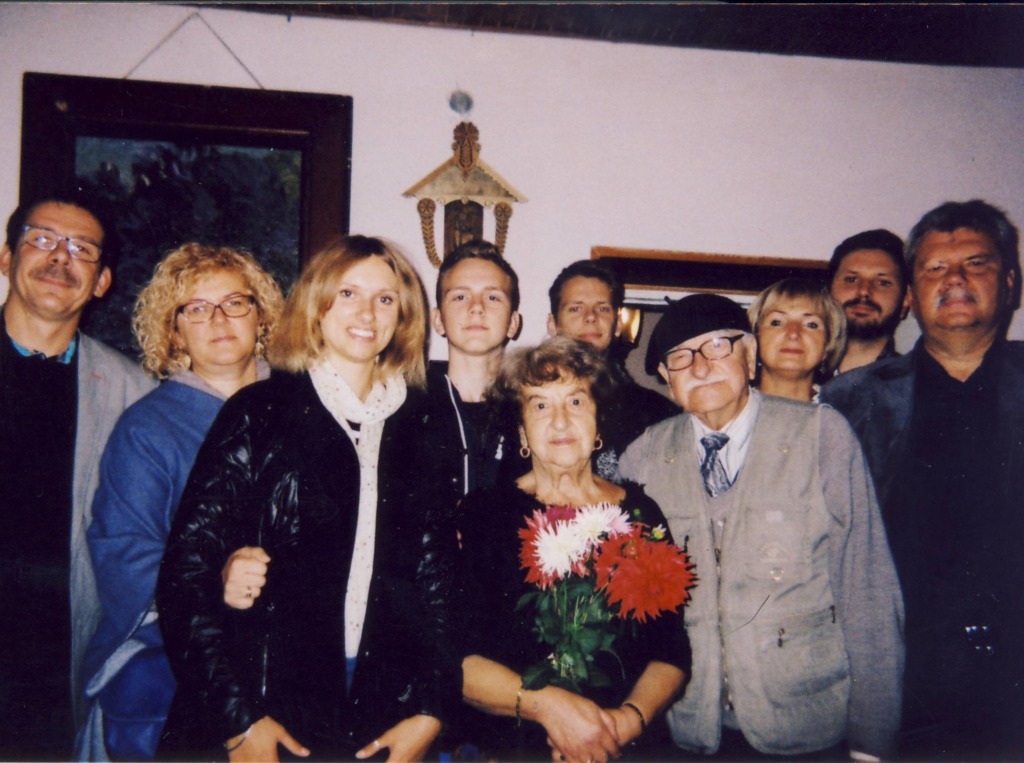
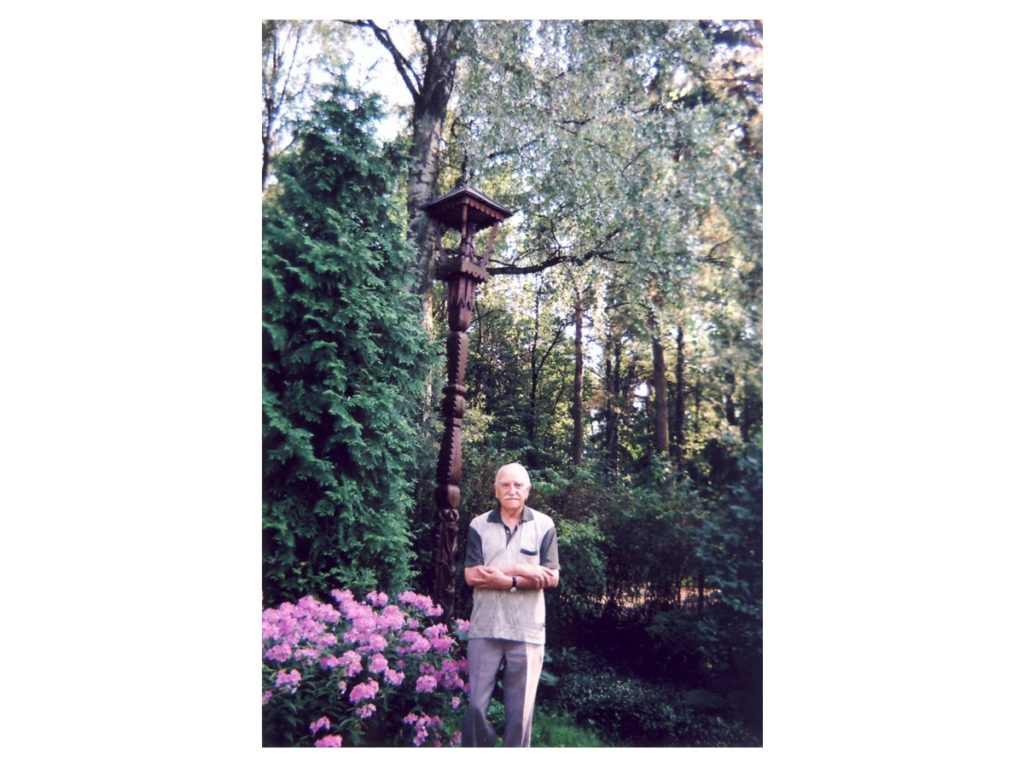
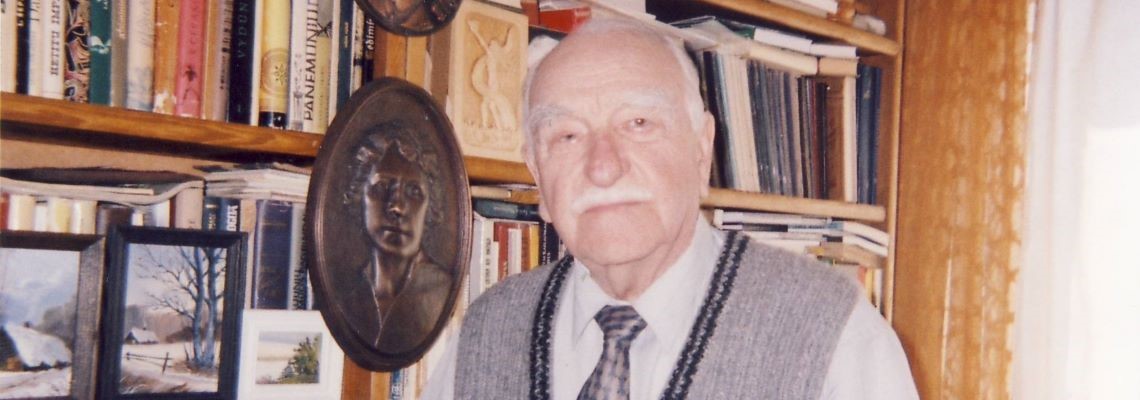
On May 1, organic chemist, KTU professor, and habilitated doctor of physical sciences Romualdas Baltrušis celebrates his 100th birthday. “We are sent to this earth as questions, not as answers,” wrote Professor Romualdas Baltrušis in his book *Atsiminimų pynė*. This quote from the professor became the title of a virtual exhibition organized by the KTU Museum to mark the anniversary: “We Are Sent to This Earth as Questions… Prof. Romualdas Baltrušis – 100.” The photographs on display, drawn from Prof. R. Baltrušis’s personal archive and the KTU Department of Organic Chemistry, along with documents from the KTU archives, reveal moments from the life and work of this distinguished KTU scientist and educator. Some of the events were captured by the honoree himself, who, having acquired a camera during his student years, enjoyed photography. The exhibition was organized by the museum’s director, Dr. Audronė Veilentienė.

Background and Education

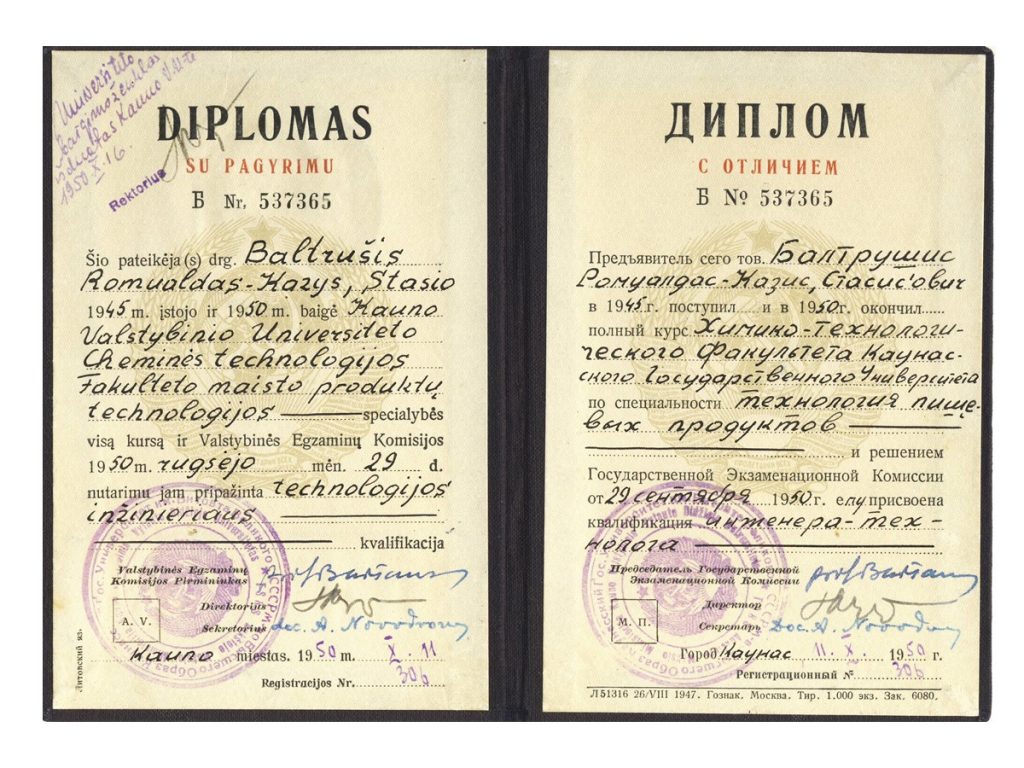
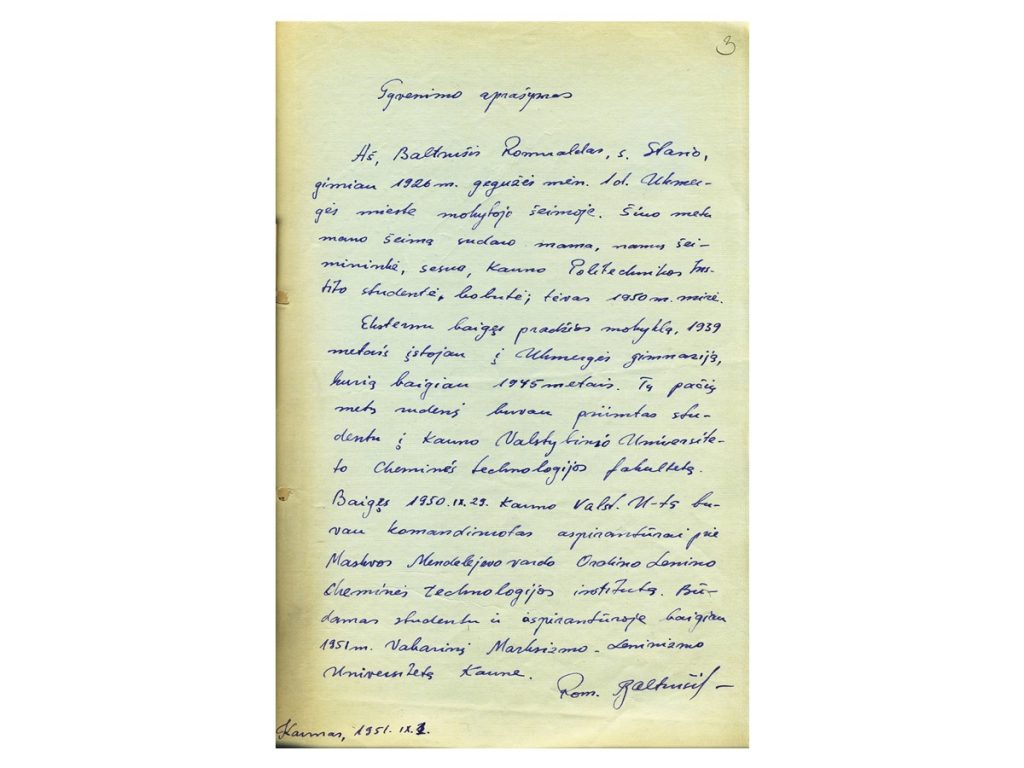
Prof. R. Baltrušis was born on May 1, 1926, in Ukmergė, to Stasys Baltrušis, a teacher and founder of the Lithuanian Army Volunteer Corps, and Marija Škadauskaitė. As a child, he contracted bone tuberculosis and spent five years, from age 7 to 12, bedridden. Taught at home by his mother and father, he graduated as an external student from the Ukmergė Model Elementary School, which was headed by his father. This was followed by numerous leg surgeries, and he had to learn to walk all over again. In 1945, he graduated from the Antanas Smetona Gymnasium in Ukmergė and, in the same year, enrolled in the Faculty of Chemical Technology at Kaunas State Vytautas the Great University (KVVDU), from which he graduated with honors in 1950. He began his scientific career as a graduate student at the D. Mendeleev Institute of Chemical Technology in Moscow under Academician Vladimir Radionov. From 1952, R. Baltrušis continued his research at the Department of Organic Chemistry of the Faculty of Chemical Technology at the Kaunas Polytechnic Institute, headed by Academician A. Purėnas. R. Baltrušis studied the synthesis of β-amino acids and their derivatives. In 1954, he defended his Candidate of Chemical Sciences dissertation, “Synthesis and Transformations of N-Aryl-β-Amino Acids.” From 1954 to 1968, he worked at Kaunas Polytechnic Institute as an assistant, senior lecturer, and associate professor. He taught courses in organic chemistry and polymer chemistry.
Founder of the School of Science in Lithuania

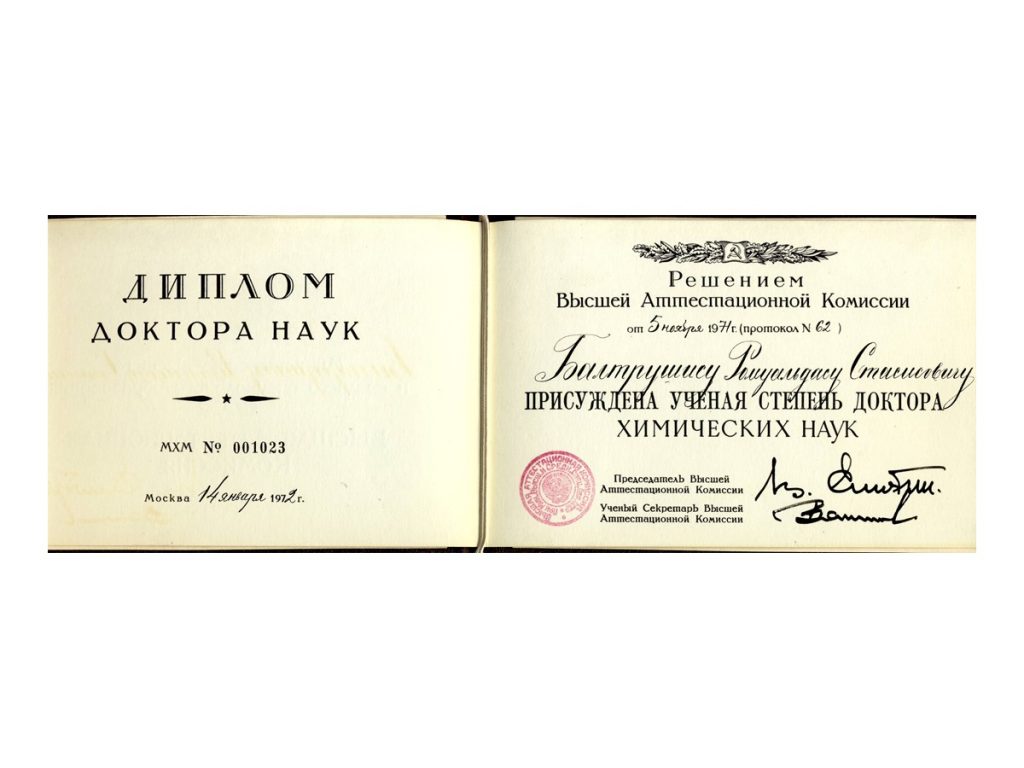
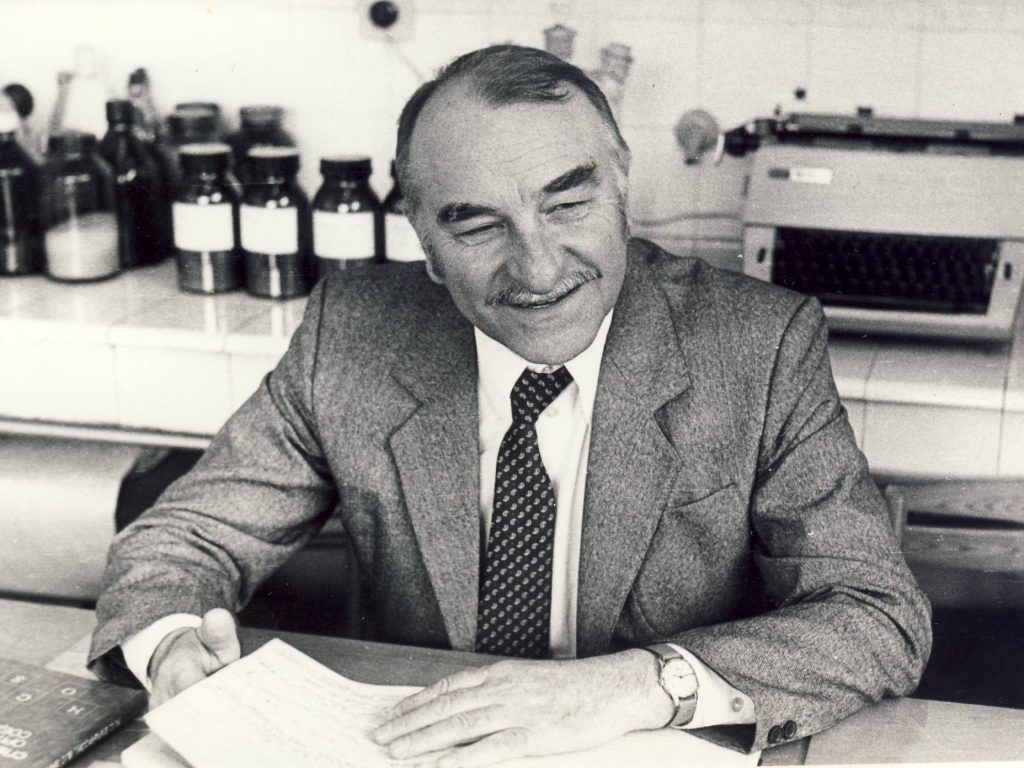
From 1952, R. Baltrušis continued research works at the Department of Organic Chemistry at the Faculty of Chemical Technology of Kaunas Polytechnic Institute managed by the Academic Antanas Purėnas. R. Baltrušis was researching the synthesis of β-amino acids and their derivatives. In 1954, he defended the dissertation of the candidate in chemical sciences “Synthesis and Variations of N-aril-β-amino Acids” and in 1970, the doctoral dissertation in chemical sciences (nostrified as the habilitated doctor in 1993) dedicated to the synthesis of N-aryl-, N-pyridyl, N-chinolil-β-alanines and their variations into the pyrimidine derivatives. In 1973, the title of professor was awarded to him. In 1980, R. Baltrušis was elected as the head of the Department of Organic Chemistry. He was the head of this department until 1990. Prof. R. Baltrušis developed research in several fields. In 1980, he founded the Growth Stimulants Laboratory where he gathered and led a team of scientists who synthesised approximately 1000 new organic compounds. Some of them were distinguished by bioactivity and named “stilites”. They stimulated the growth of agricultural cultures, increased the production potential; therefore, they were successfully applied in agriculture. Another research field of R. Baltrušis is the synthesis of hydrogenated pyrimidine derivatives and their application for the stabilisation of thermo-oxidative destruction of some polymers. The work of this scientist and educator was particularly successful – 130 scientific papers, 49 copyright certificates, almost 40 science promotion papers, preparation of 6 doctors of science and 2 habilitated doctors of science.

In his long years of pedagogical work, the professor gave lectures to students on the subjects of organic chemistry, bioorganic chemistry, polymer physics and chemistry, polymer chemistry, wood and cellulosic chemistry. In 1985, he won the competition of the Best Lecturer of KPI. Prof. R. Baltrušis, alone and with co-authors, prepared and published teaching methodological tools, 3 textbooks, a monograph, translated “Practical Works of Organic Chemistry” by V. Radionov in cooperation with F. Staniulis. In 1975, the Lithuanian National Prize was awarded to R. Baltrušis (and others) for the textbooks “Chemistry of High-Molecular Compounds” and “Organic Chemistry” Parts 1 and 2. In 1986, R. Baltrušis was awarded the title of honoured scientist of Lithuania. While giving lectures during the Soviet occupation, prof. R. Baltrušis found the occasions to make students pay attention to their Homeland and notice the actions of the occupants destroying the nation: he was telling the students who graduated from Vytautas Magnus University in independent Lithuania, mentioning the laboratories in the USA named after these scientists, showing them how much Lithuanians could achieve in the country was independent.
Work in Independent Lithuania

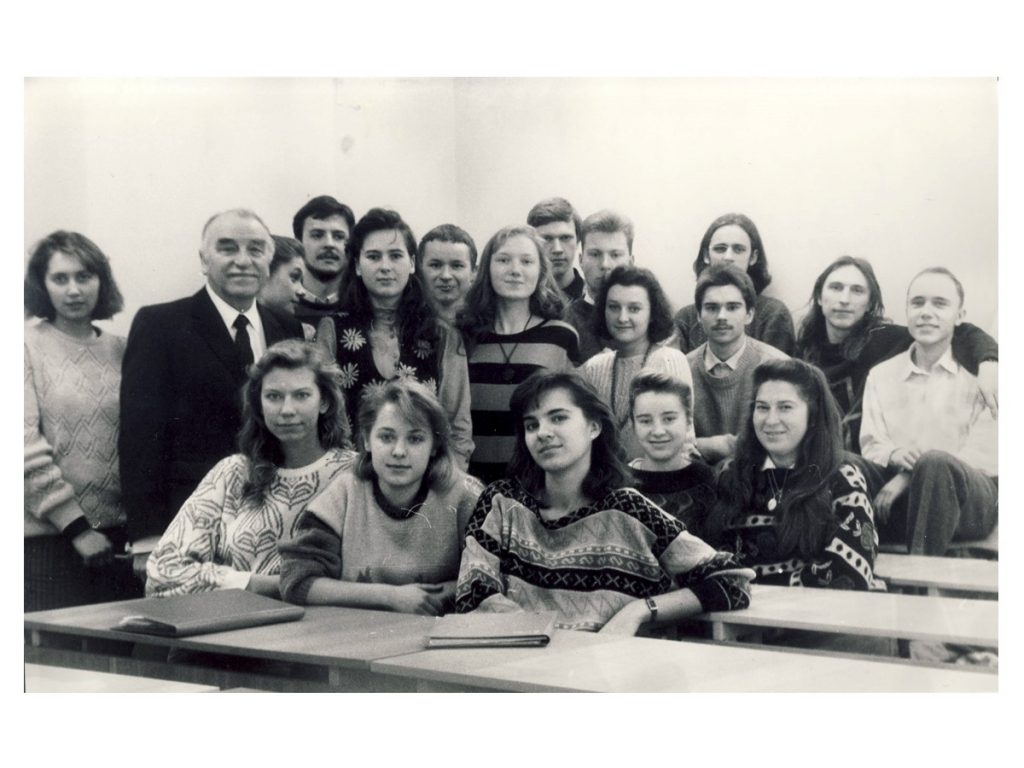
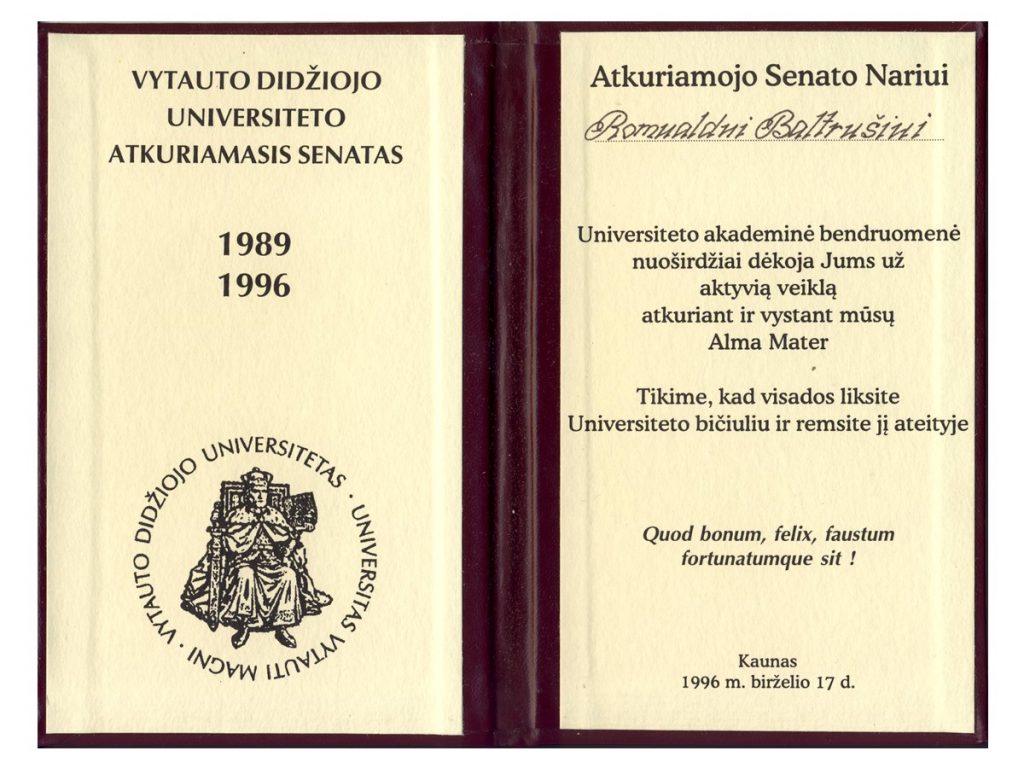
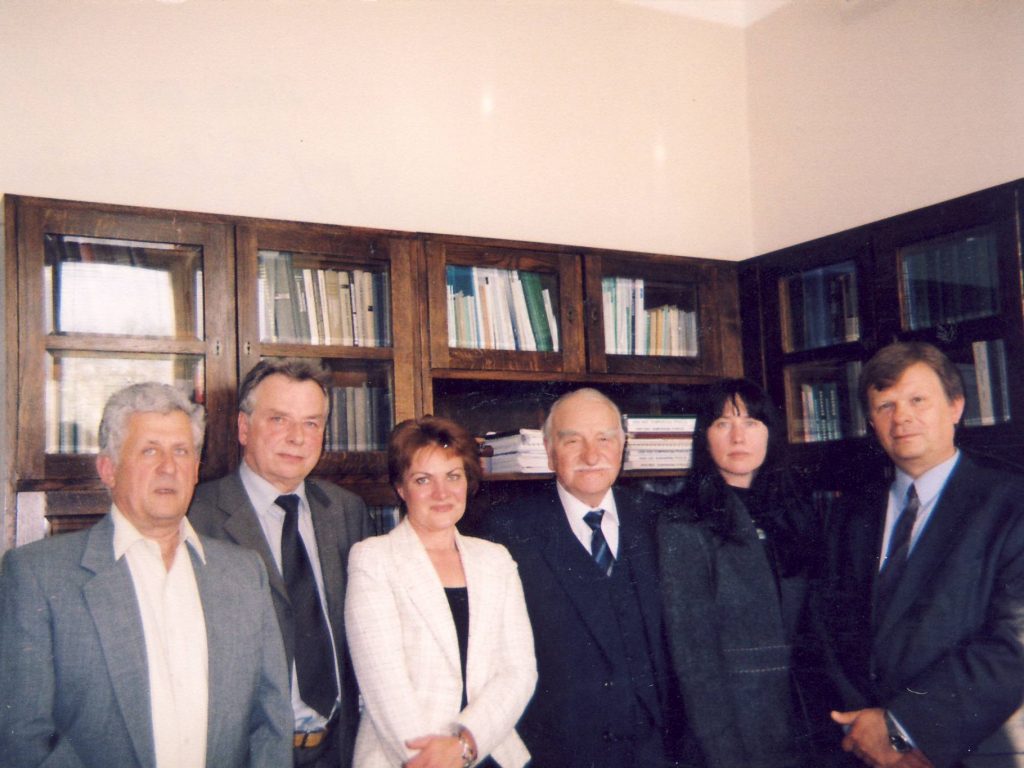
In 1989, prof. R. Baltrušis was a member of the Restoration Council and Restoration Senate of Vytautas Magnus University, in 1990–1994, he was a professor at KTU Department of Organic Chemistry. In 1999, prof. R. Baltrušis prepared and published a monograph “Synthesis, Variations and Properties of N-aryl(heterocyclic)-β-alanins”.
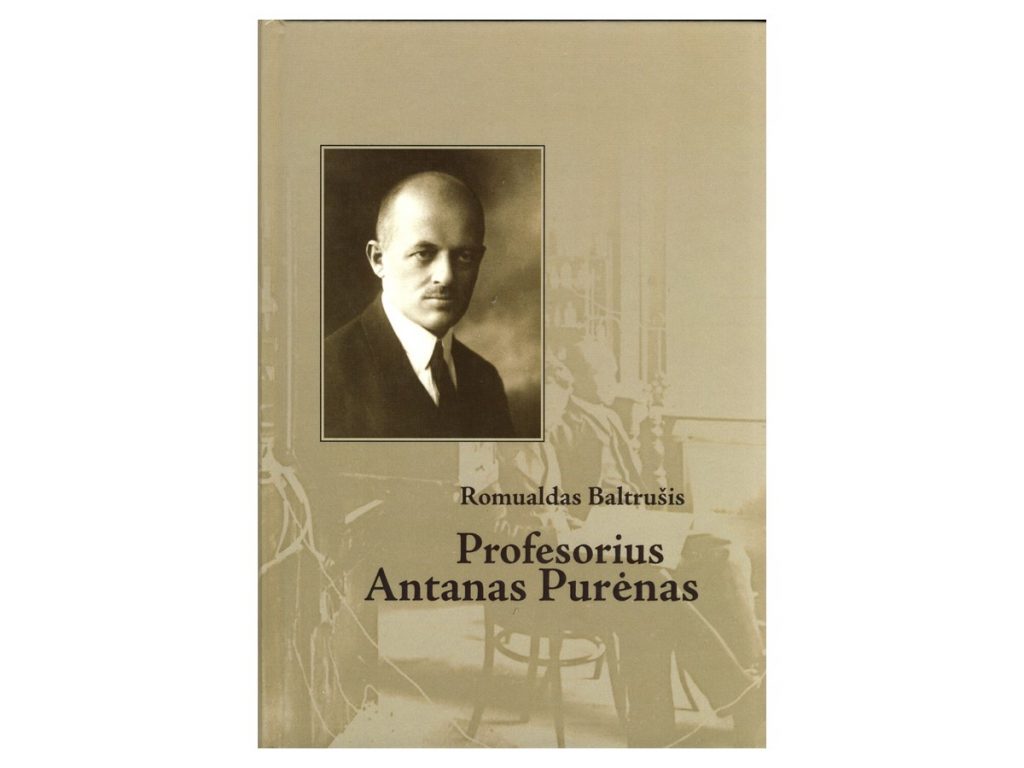
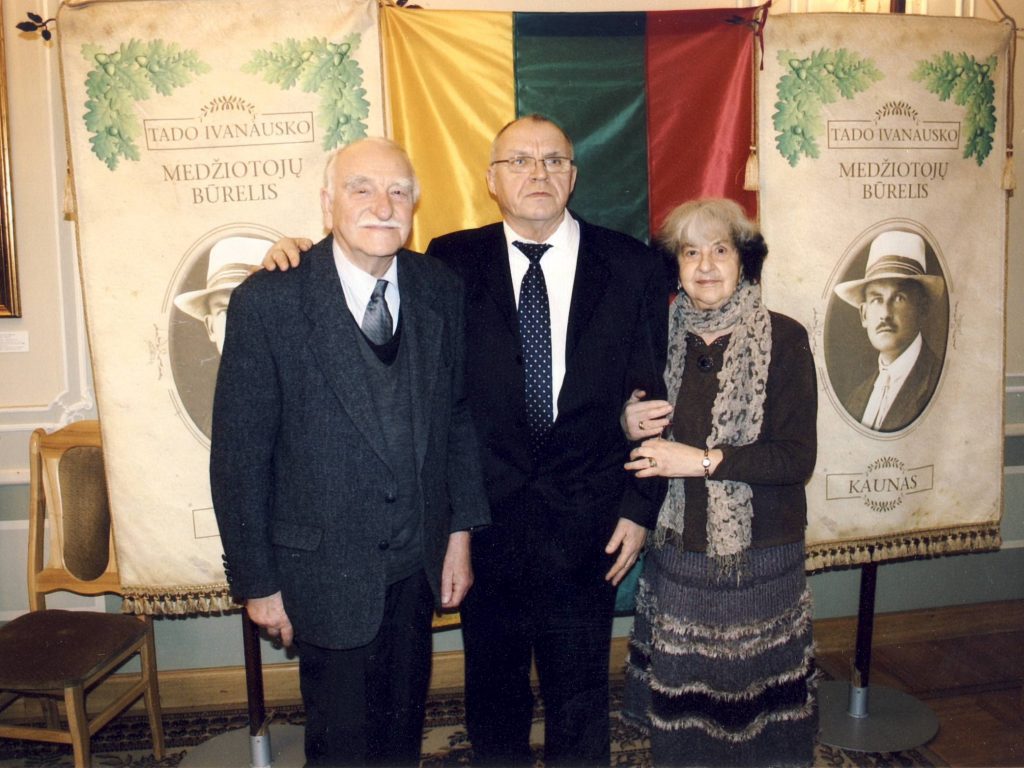
When Lithuania won its independence, the professor became actively involved in social activities, he wrote and published a monograph about prof. Antanas Purėnas, his memoirs “Atsiminimų pynė” (“Braid of Memories”) and fragments of his diary “Nuvilnijusios dienos” (“Days Gone By”). When facing his honourable anniversary, prof. R. Baltrušis says that science has to be applied in practice. Professor is concerned with the preservation of the Lithuanian heritage. For many years, he worked at the former Research Laboratory at the Ministry of National Defence of Lithuania which, due to its special architecture, is rightly called the pearl of modernism in Kaunas; therefore, it is particularly important to him to make sure the architecture as well as the interior of this building to be preserved. The key values of prof. R. Baltrušis – work, faith and homeland – were shaped during his studies at the Gymnasium in Ukmergė. Prof. Romualdas Baltrušis said: “I wish you to always carry the love to Lithuania in your hearts and never forget that the Homeland is the only corner on the Earth where your language, celebrations, traditions and history live and our ancestors fought and sacrificed themselves to protect and preserve them.”

Family and Leisure

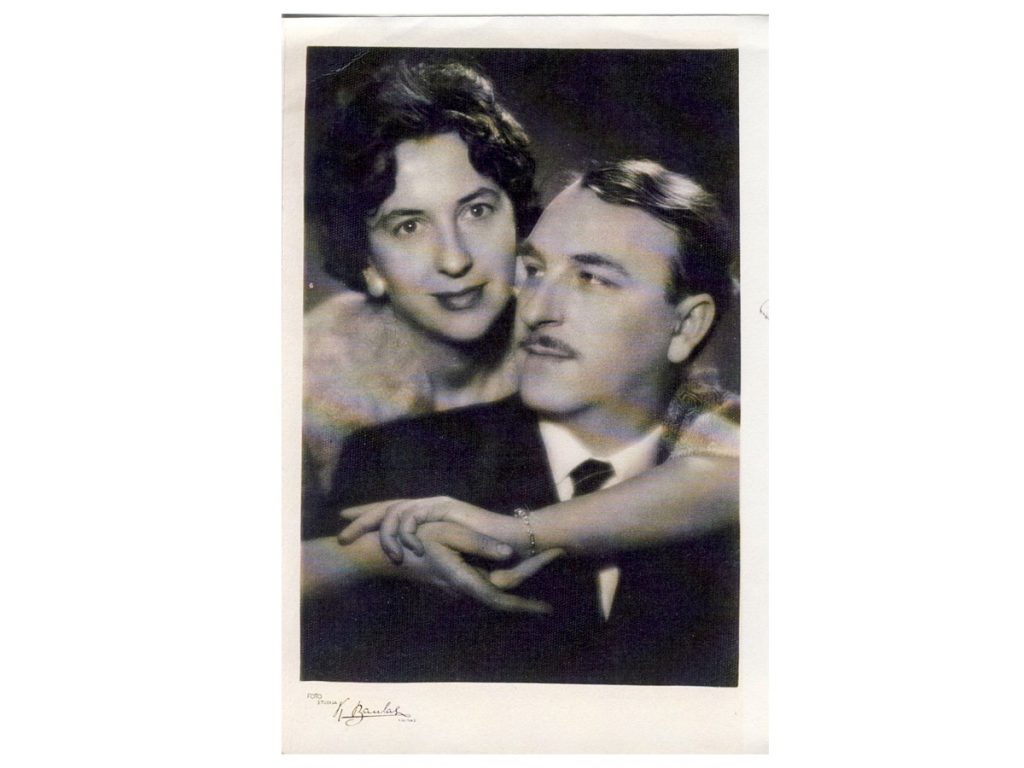
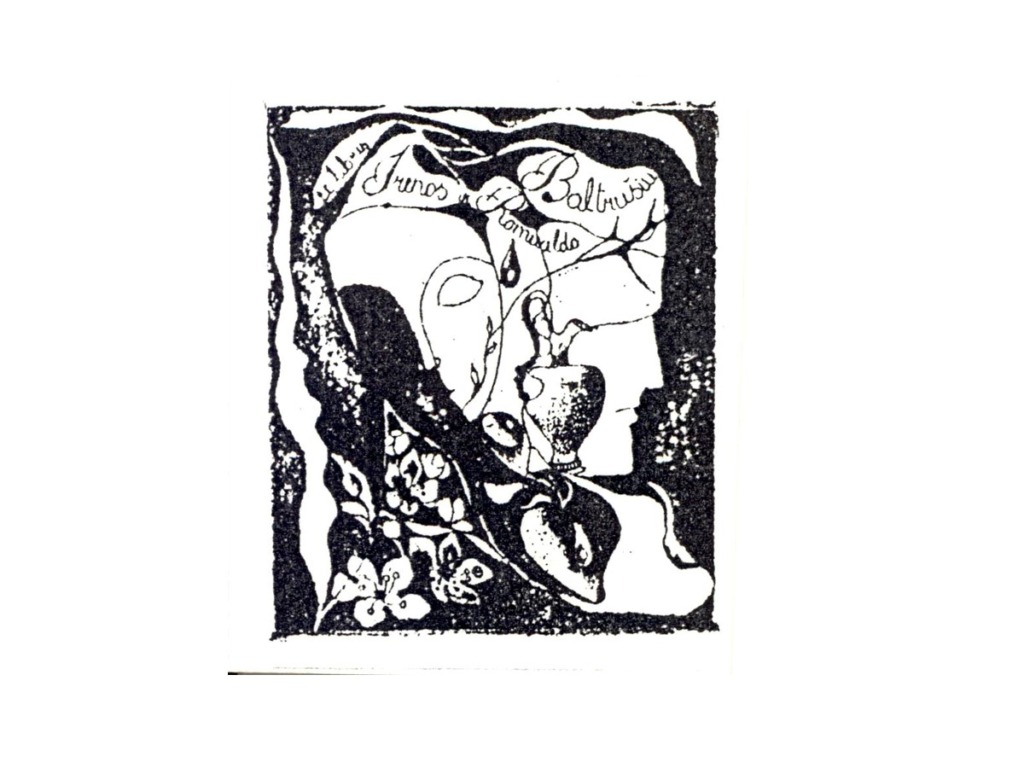
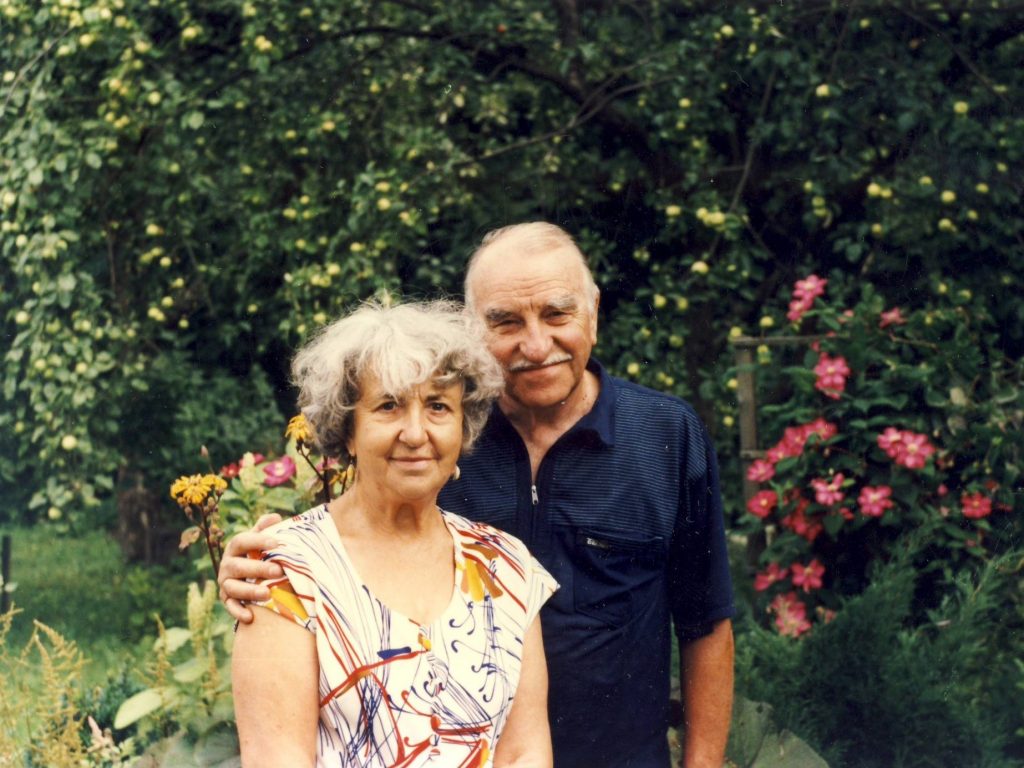
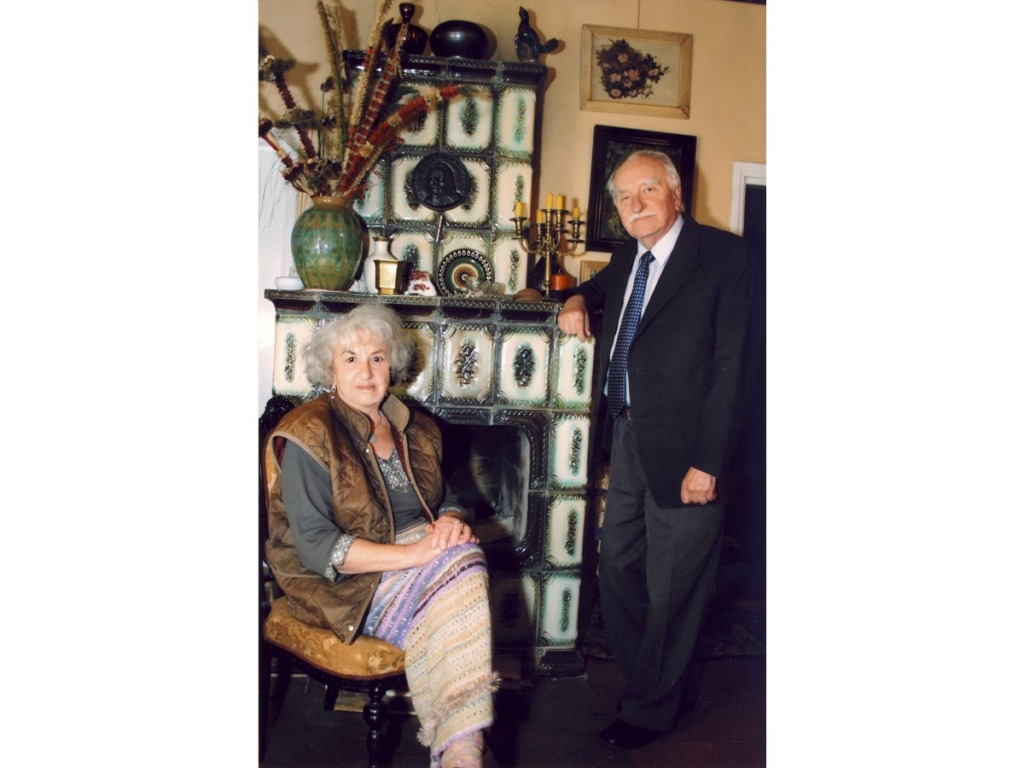
On December 31, 1955, R. Baltrušis married Irena Sofija Hurčinaitė (1926–2017), a descendant of the nobility of Samogitia, in Šiauliai. They were secretly married by Irena’s classmate from Joniškis Gymnasium, Father Juozas Vaičeliūnas. Irena had graduated with a degree in dentistry from Vilnius University, but, not being a member of the Communist Youth League, she initially worked as a volunteer dentist at Kaunas Clinics and as a laboratory assistant at Kaunas Polytechnic Institute. It was not until 1958 that she was hired as a dentist (odontologist) at the Petrašiūnai, and later the Šančiai, polyclinics of Kaunas Third Hospital. She was one of the first to perform tooth replantation. Prof. R. Baltrušis’s scientific achievements are also the result of his wife Irena’s dedication. She took on the entire burden of family responsibilities and became the pillar of her husband’s life and work. The unity of the Baltrušis’ lives and work is also reflected in their shared ex libris, created by artist Gražina Didelytė.

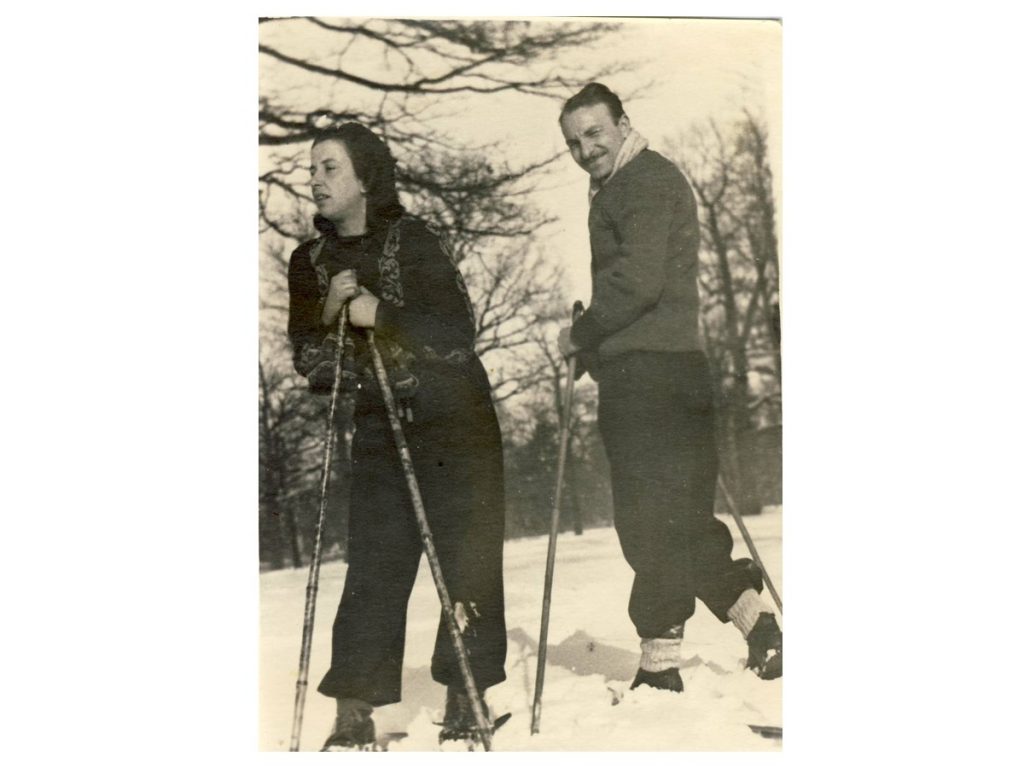
Romualdas and Irena Baltrušiai were interested in art, music, theater, and history. On New Year’s Eve, the Baltrušiai would traditionally attend a performance of Verdi’s opera *La Traviata* at the Kaunas Musical Theater, and they visited museums, exhibitions, and concerts. They also collected works of art and antiques. This hobby brought them into close friendship with Father Ričardas Mikutavičius, art collector Vytautas Mikaliūnas, opera soloist Marijona Rakauskaitė and her husband Liudas Truikis, Professor Stasys Čepulis, and his family. Prof. R. Baltrušis never wavered from his views, rooted in love for his homeland and Catholic morality. After Lithuania regained its independence, Prof. R. Baltrušis actively participated in public life: he was a member of the Catholic Academy of Sciences and the Lithuanian Human Rights Association, vice-chairman of the Kaunas branch of the Lithuanian Sąjūdis movement, and a signatory to the restoration of the Order of the Knights of the Cross of Jotvingiai in Lithuania. Irena Baltrušienė, like her husband, was also actively involved in public life: she participated in the activities of the Lithuanian Scouts, the Royal Union of Lithuanian Nobility, and the Lithuanian University Women’s Association. The family was characterized by love, respect, and mutual support.