Skip to content

Teacher of Lithuanian Art Historians: 100th Anniversary of Assoc. prof. Marija Matušakaitė

Teacher of Lithuanian Art Historians: 100th Anniversary of Assoc. Prof. Marija Matušakaitė

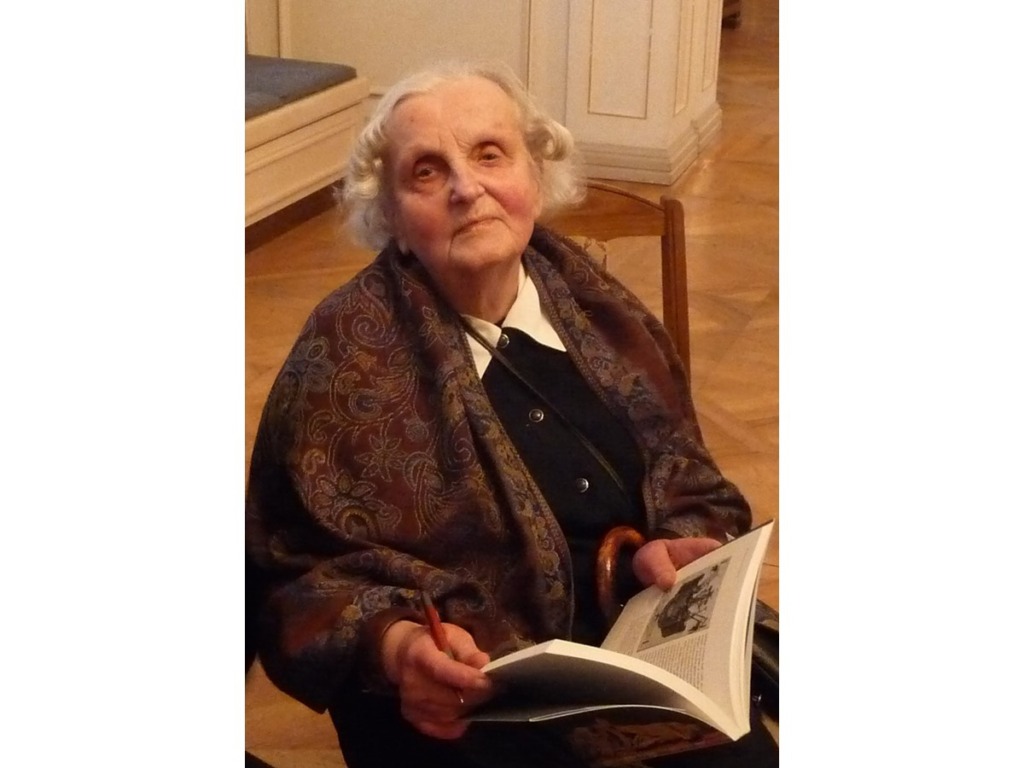
Dr. Maria Matušakaitė (1924-2016), a prominent Lithuanian art historian, architect, furniture and clothing designer, doctor of humanities and associate professor at Kaunas Polytechnic Institute, would have been 100 years old on 9 March 2024. Dr. Dalia Vasiliūnienė, researcher at the Lithuanian Culture Research Institute, wrote that M. Matušakaitė “was among those who shaped the school of Lithuanian art historians, even though, paradoxically, she never taught the future professionals. She developed the skills of respect for the old Lithuanian culture, attention to the artwork and its plasticity, and art historical expertise through her personal example and texts. Marija Matušakaitė has left a deep imprint in the history of Lithuanian art history and the warmest memories in the hearts of her colleagues and friends who respected and loved her”.

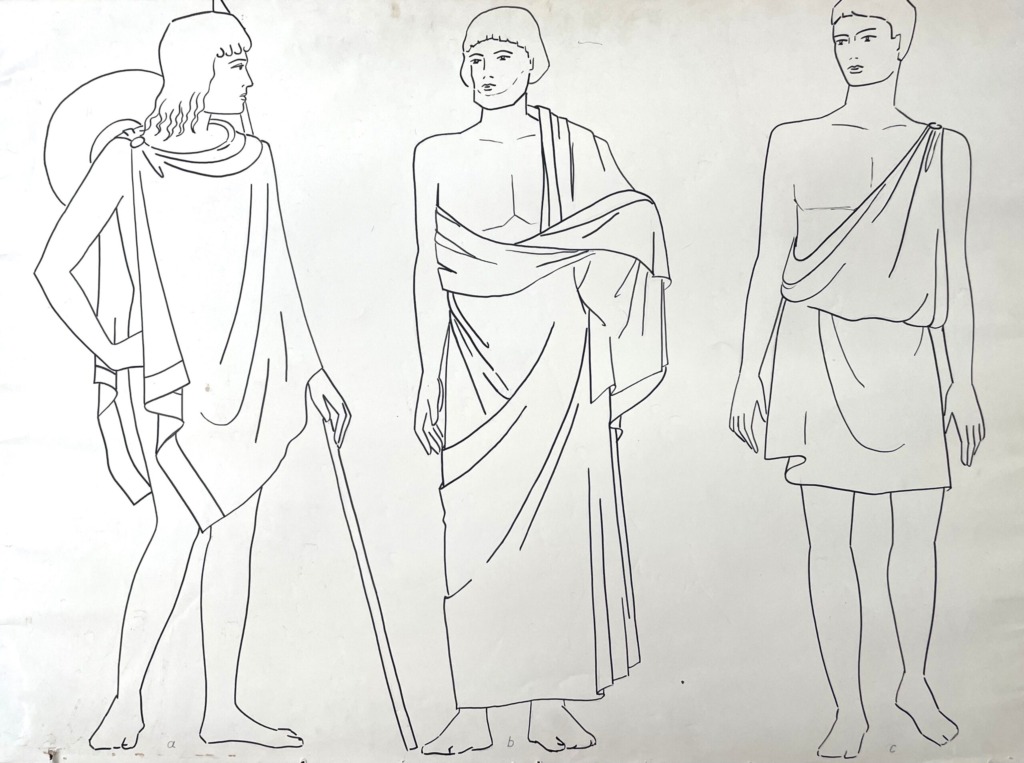
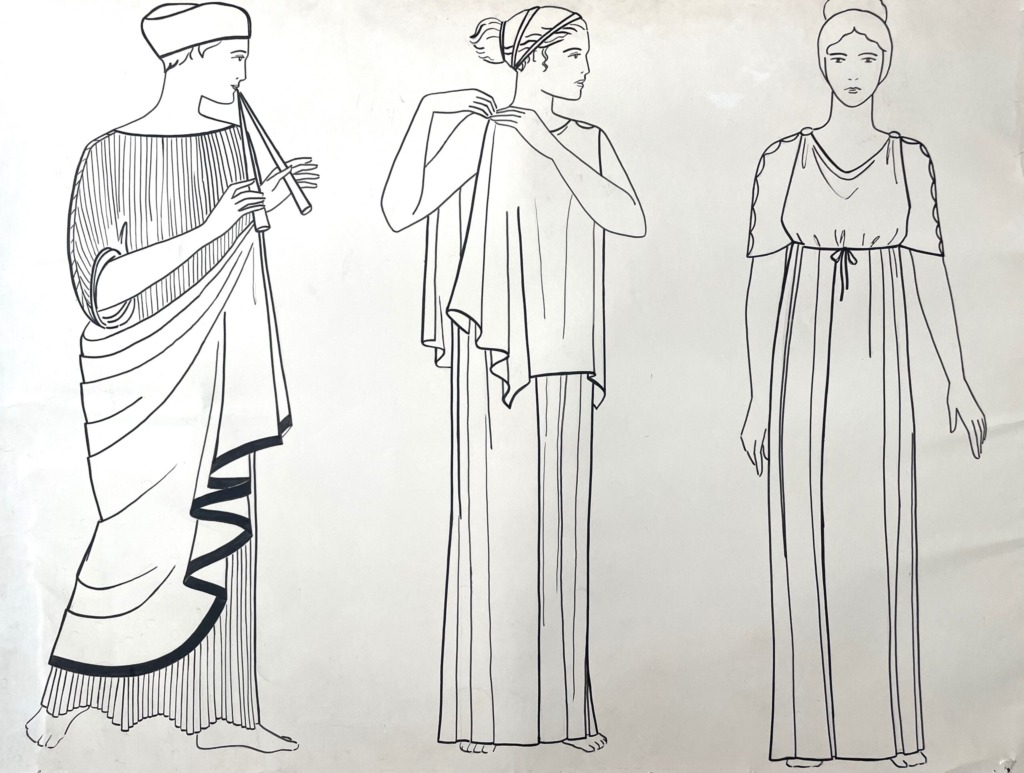
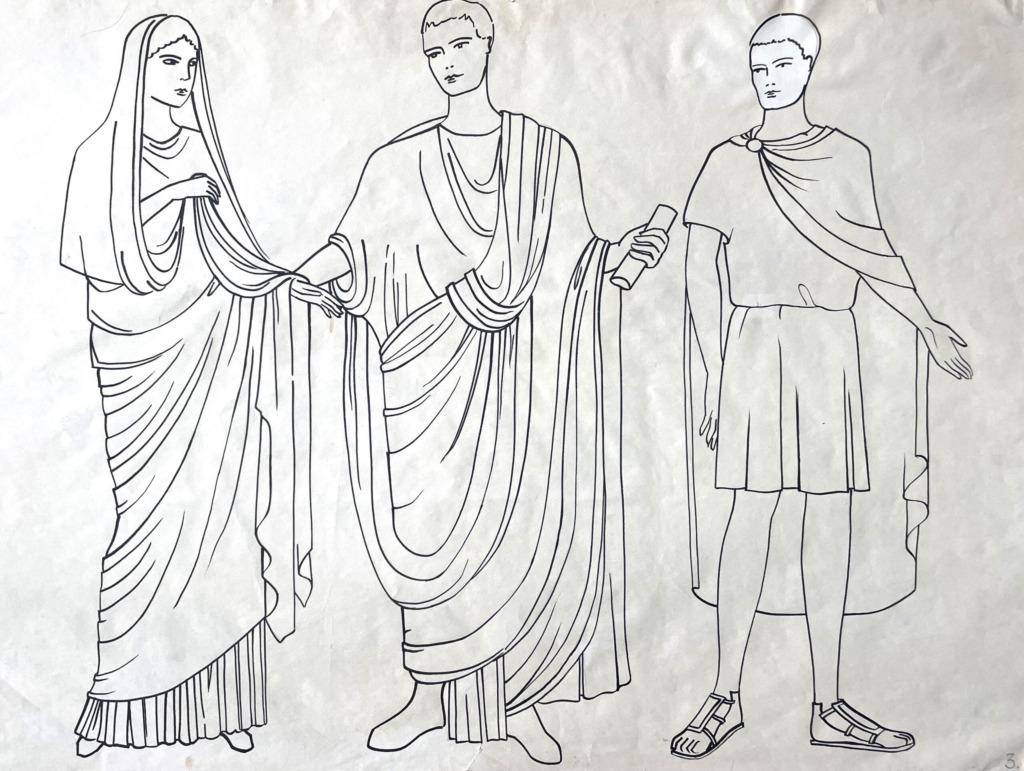
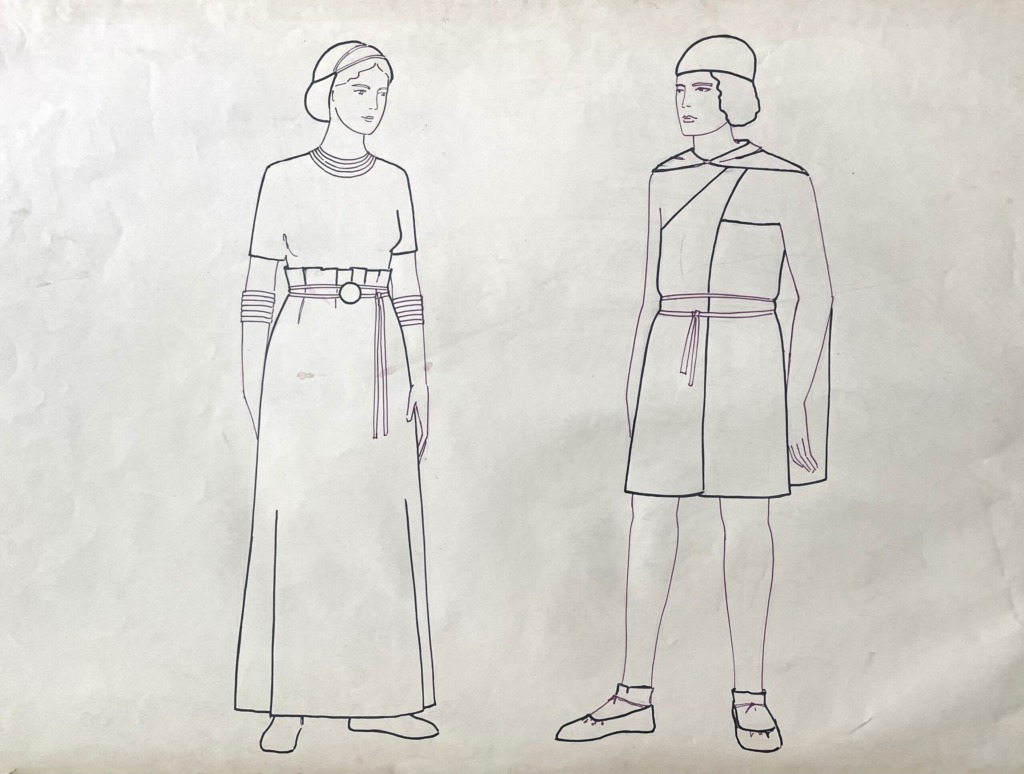
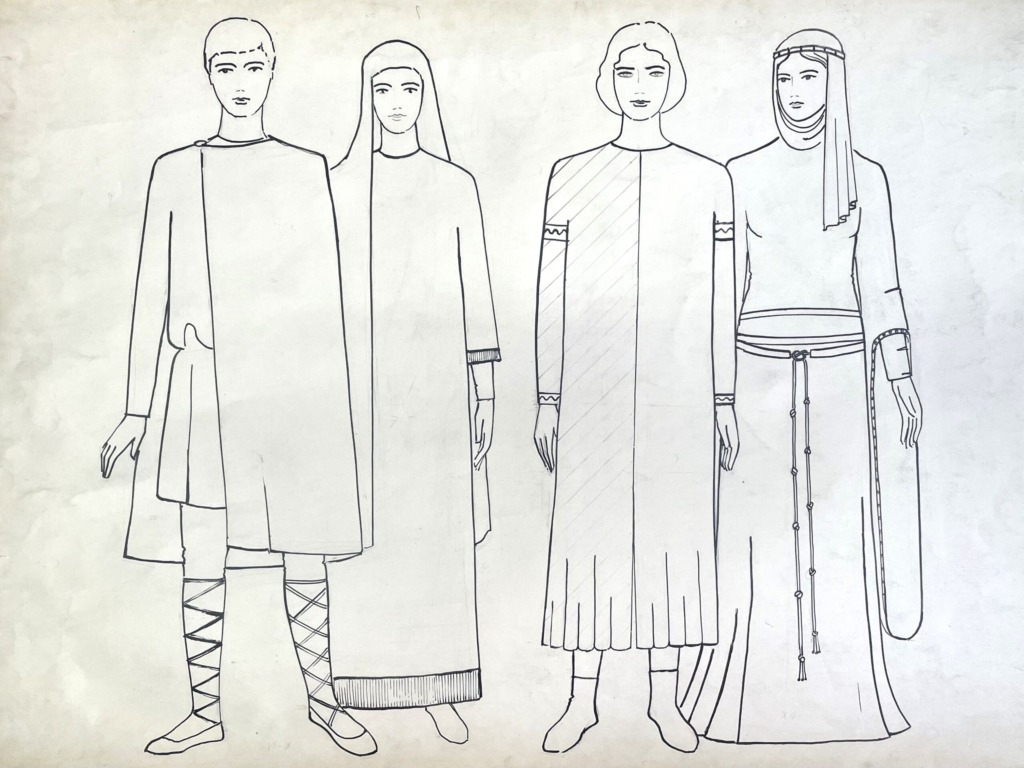
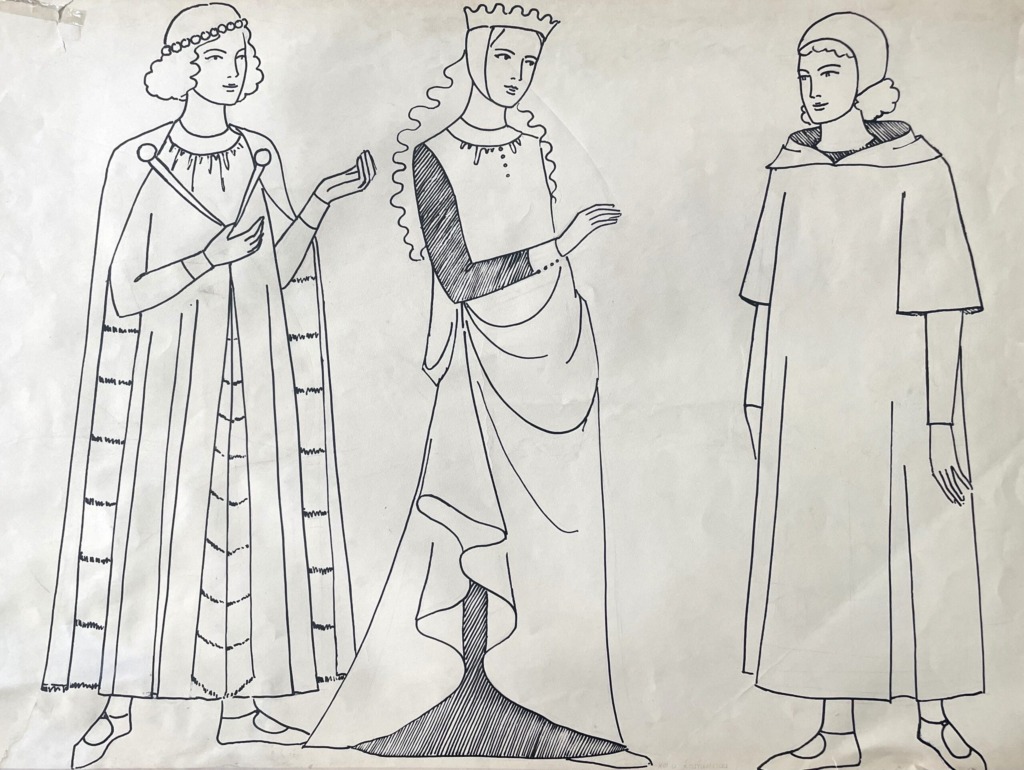
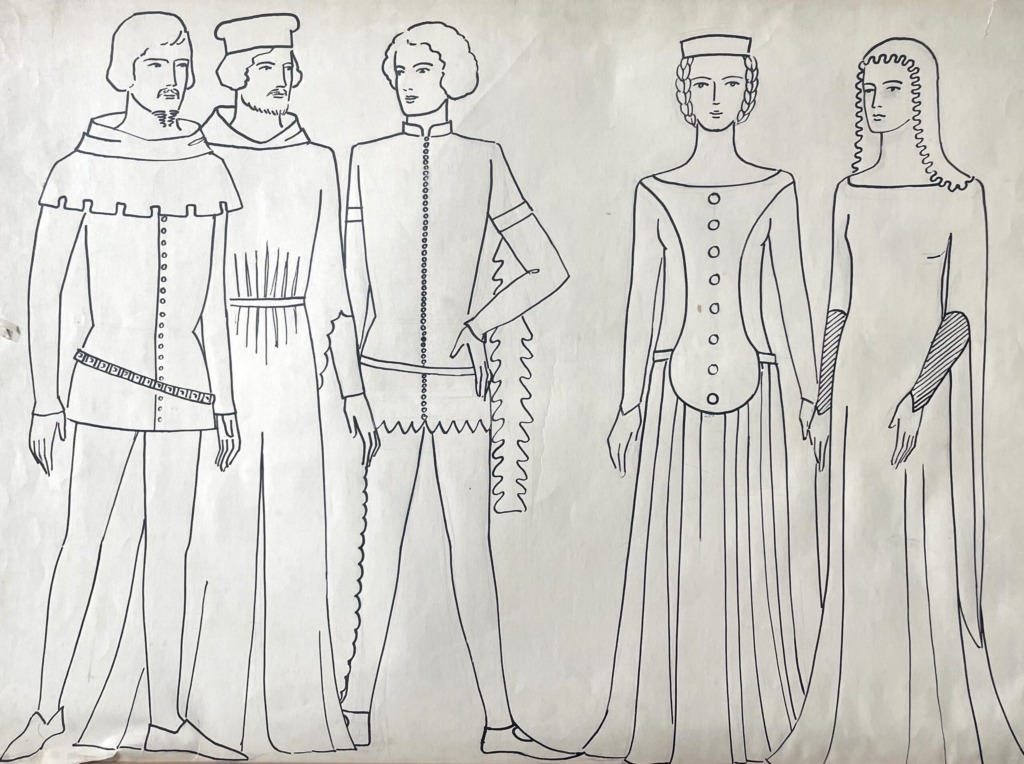
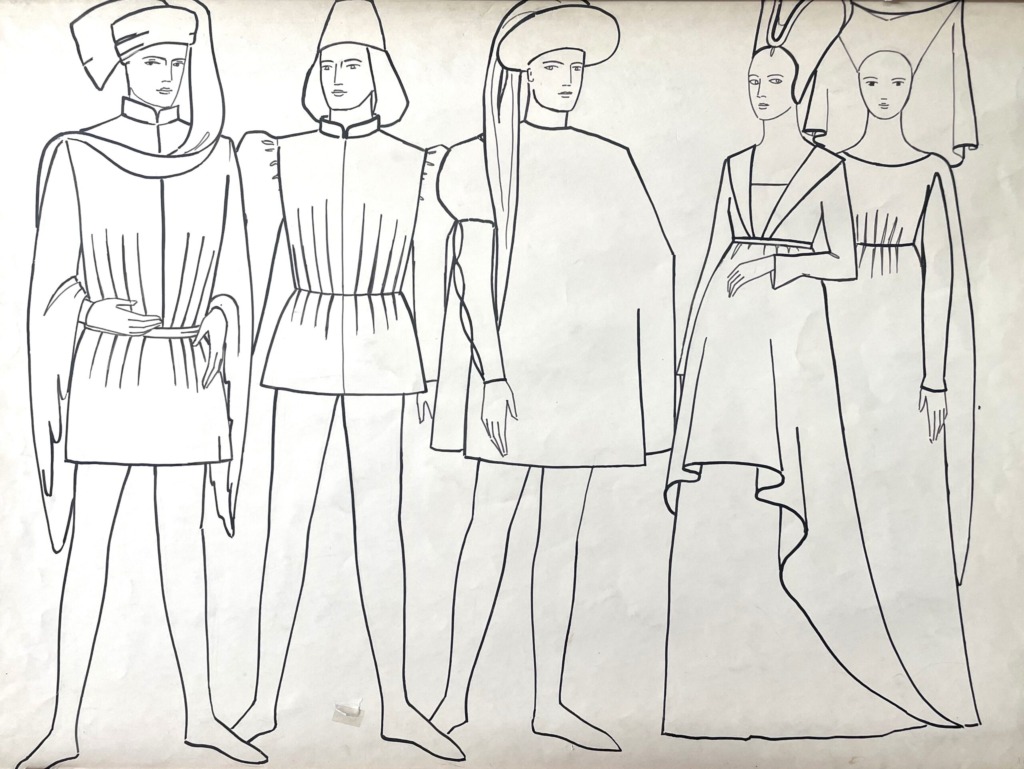
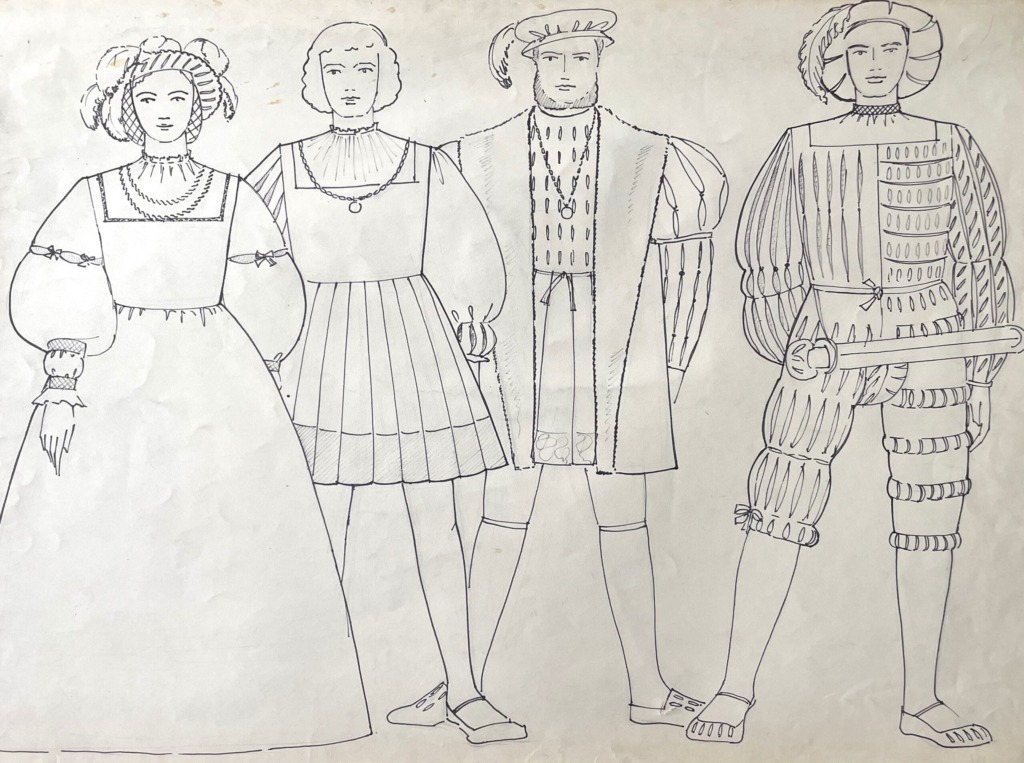
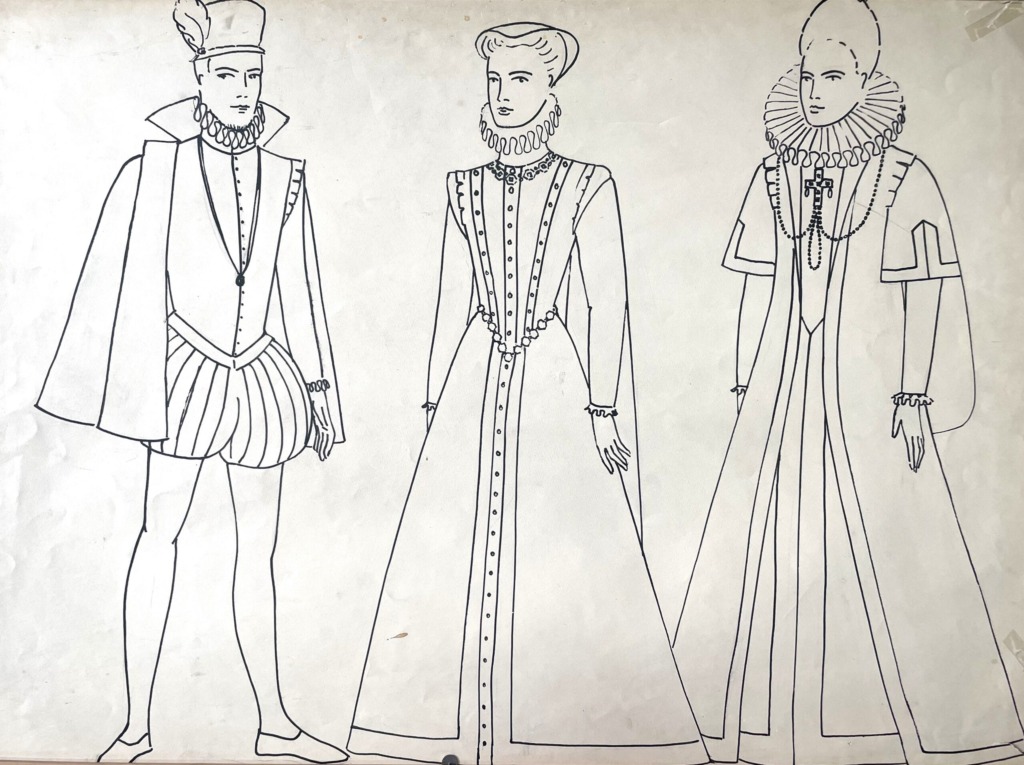
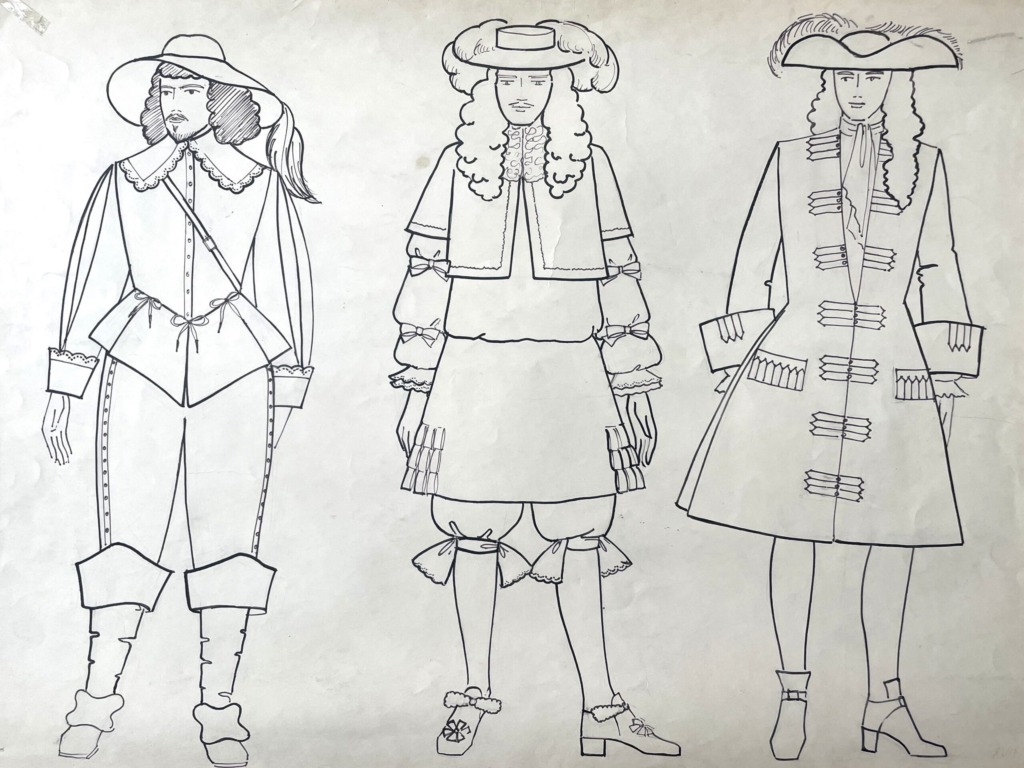
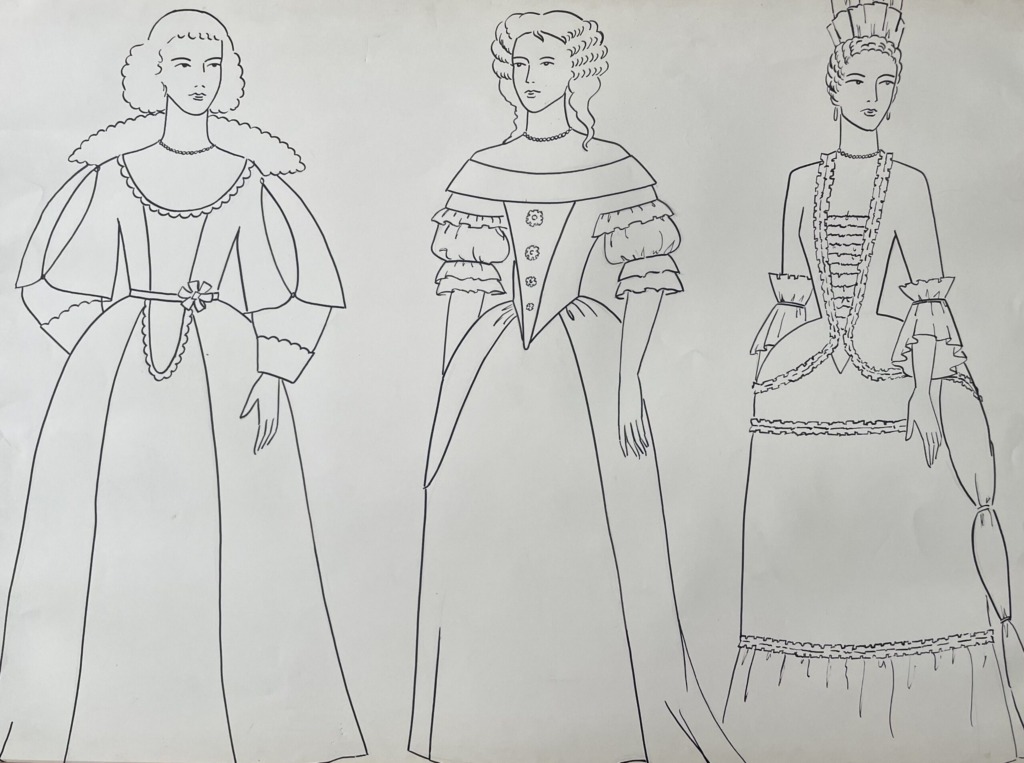
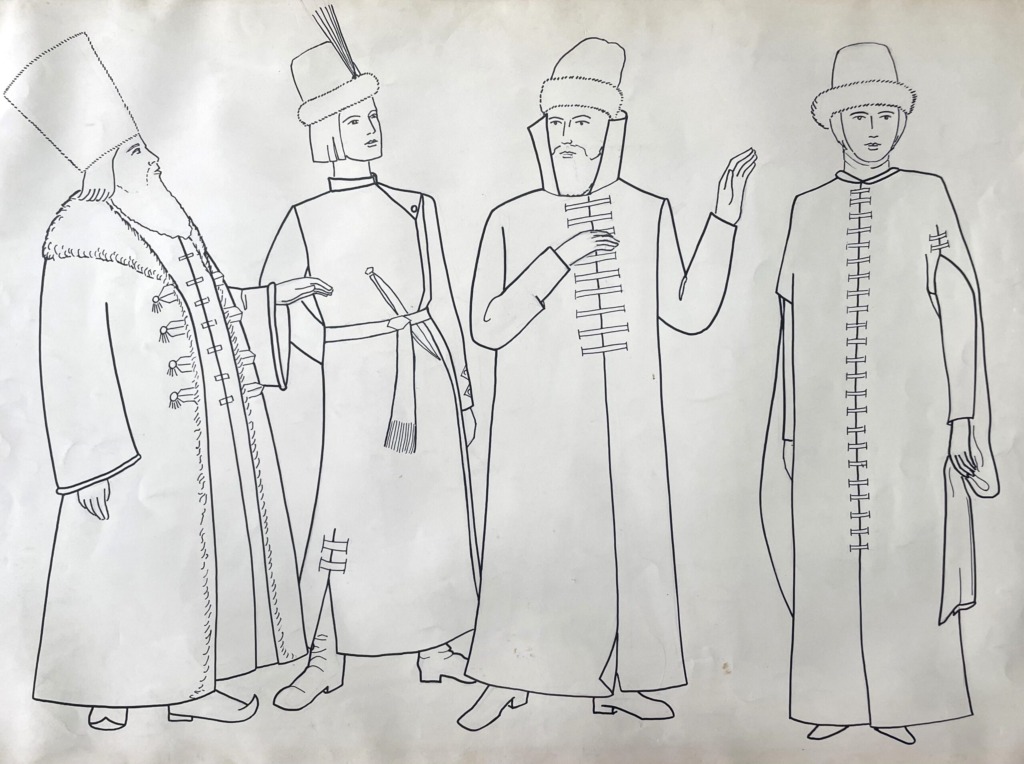
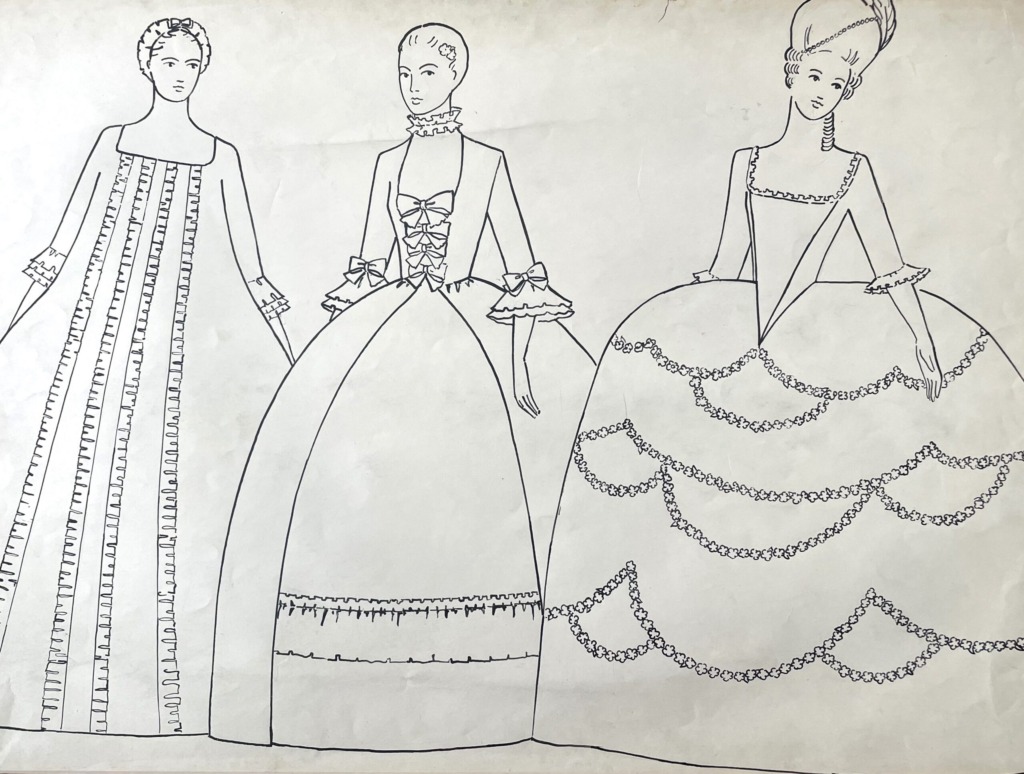
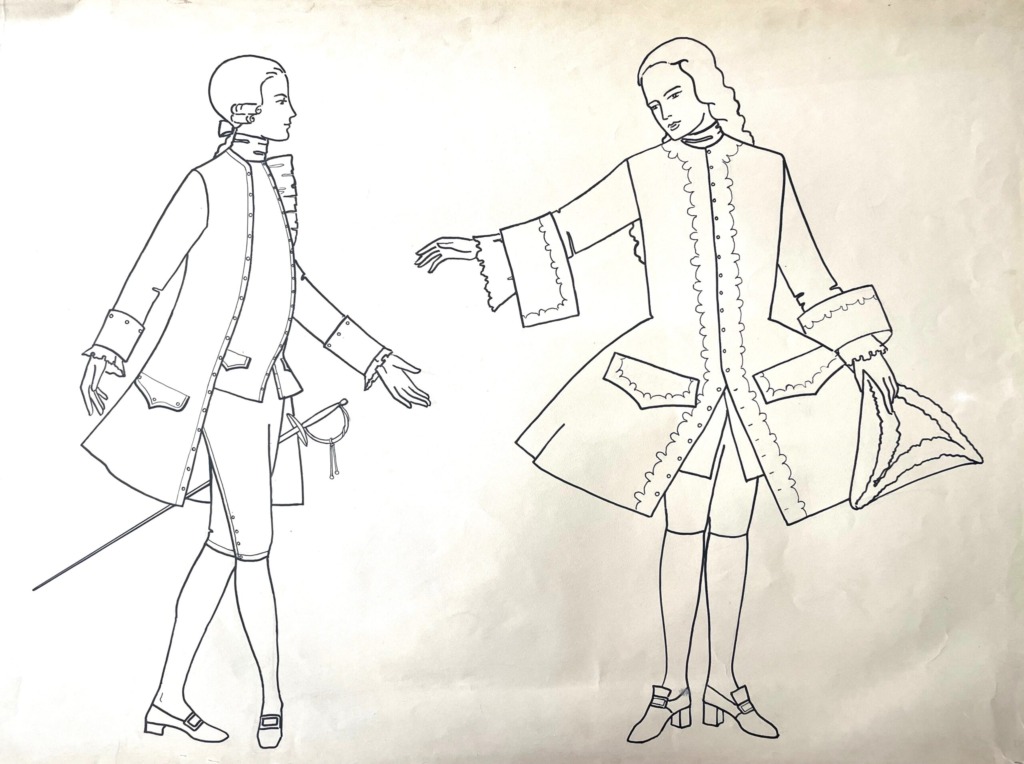
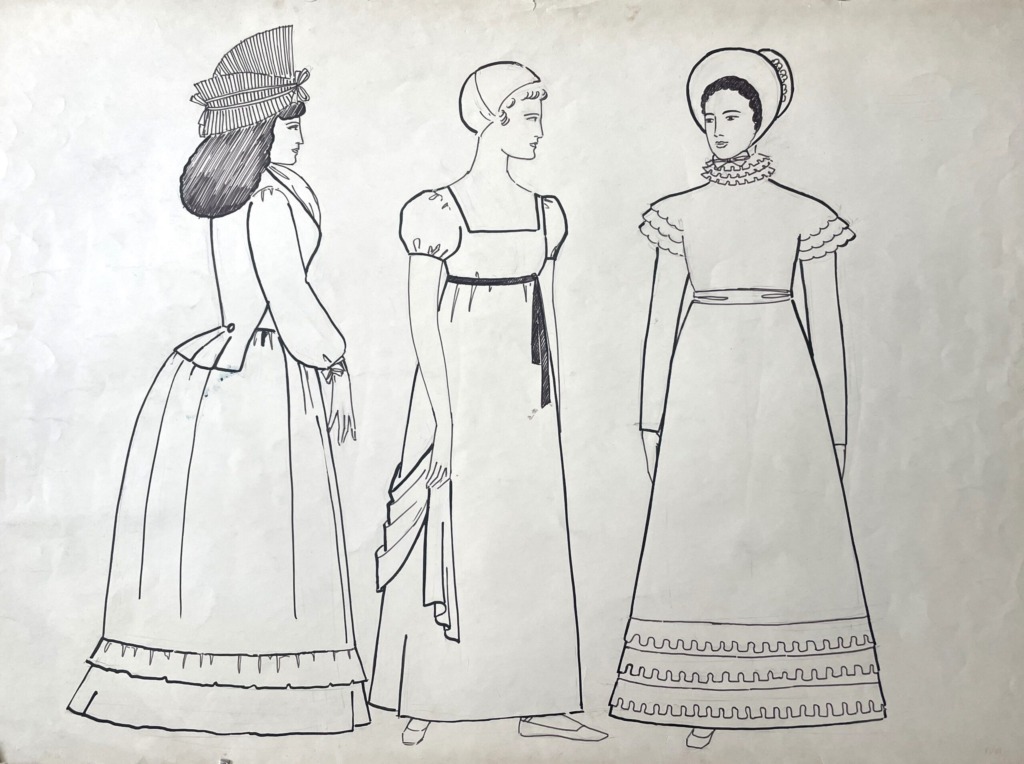
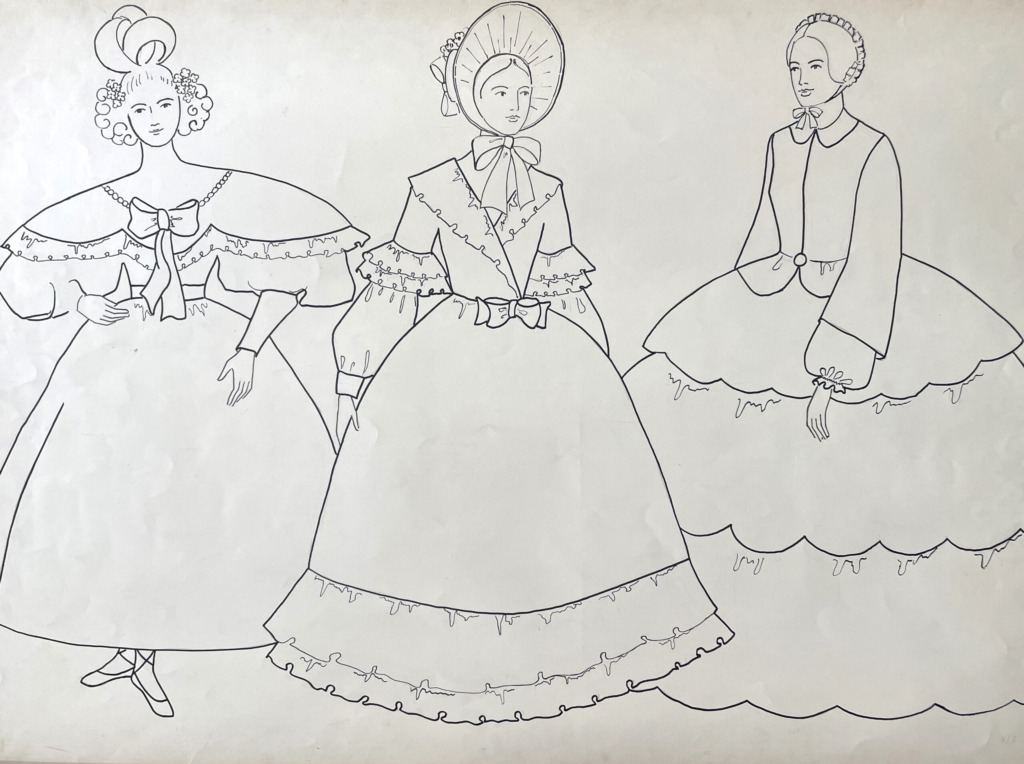
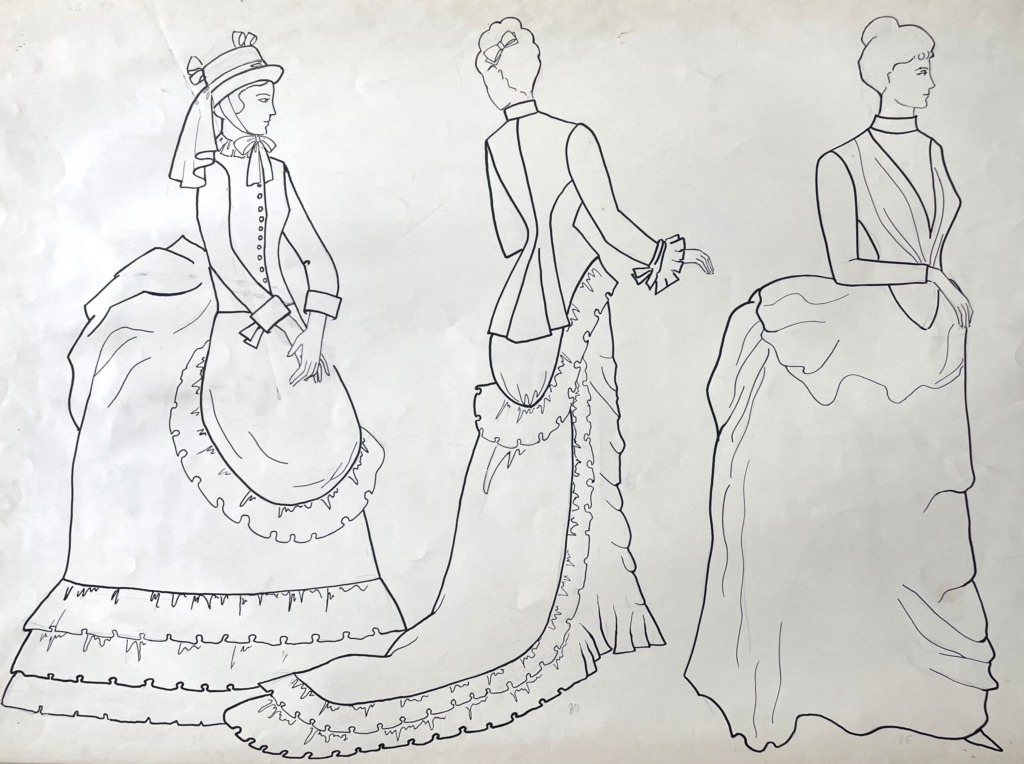
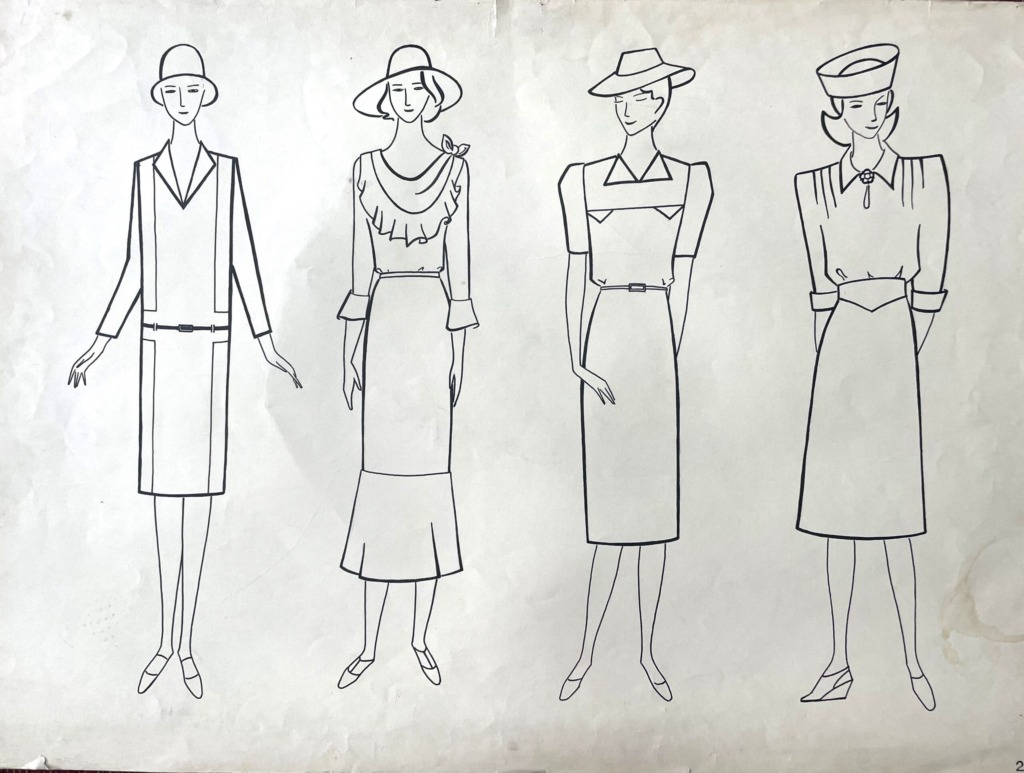
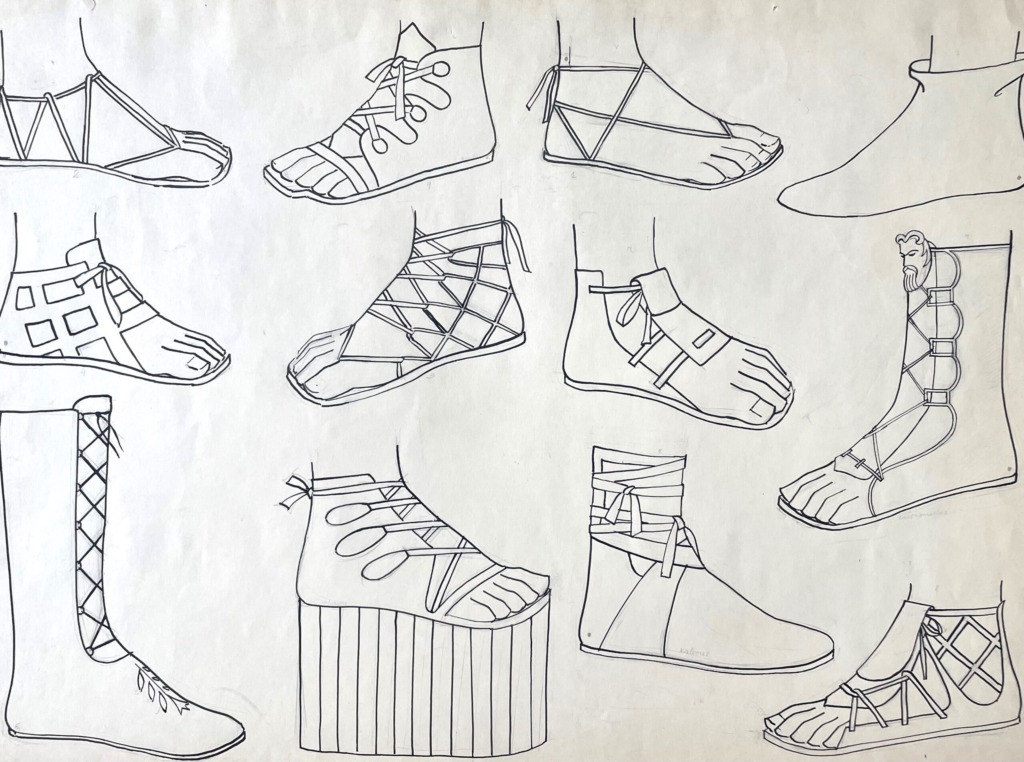
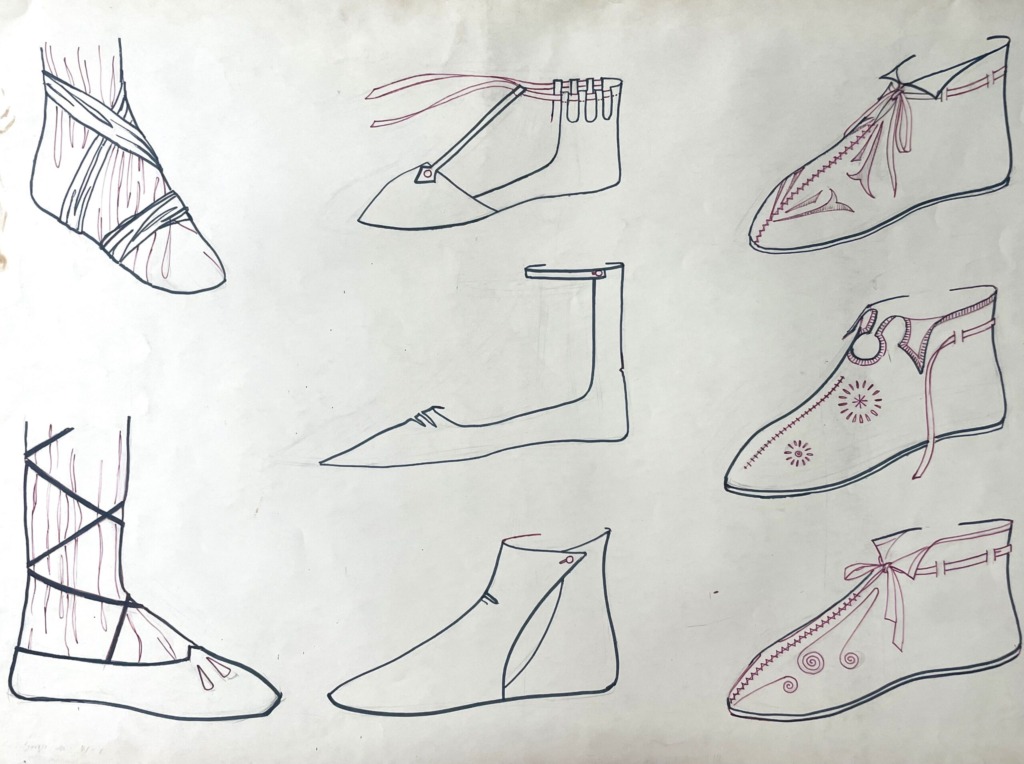
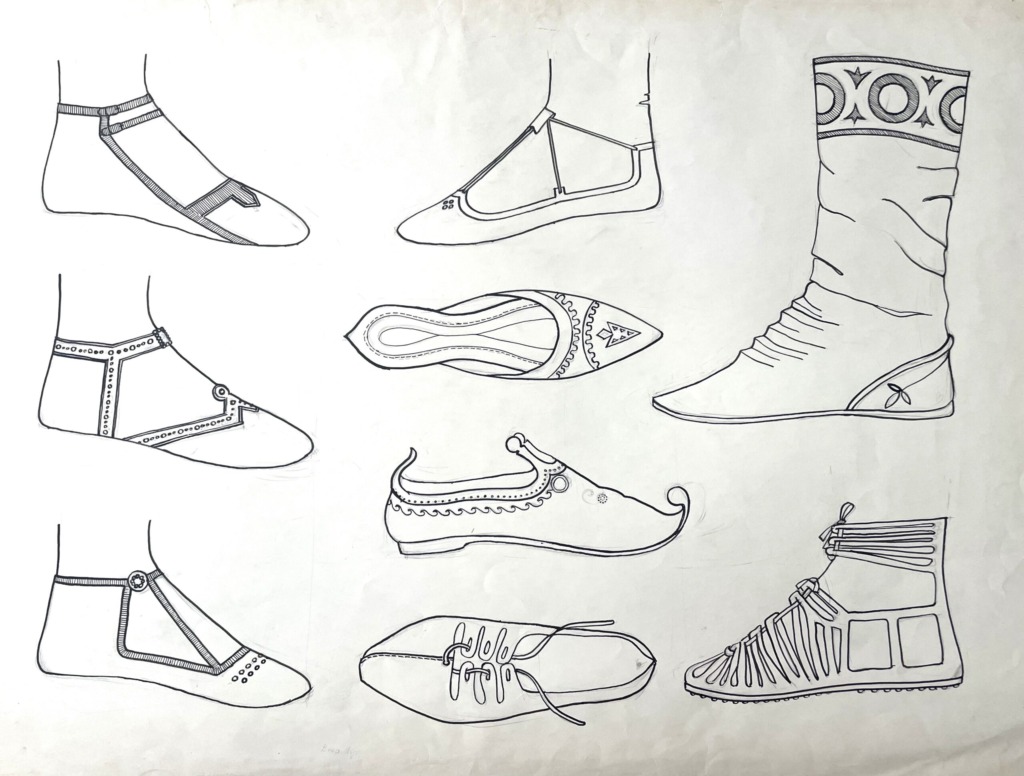
On the occasion of the anniversary, dr. Audronė Veilentienė, Head of KTU Museum, prepared a 5-part virtual exhibition “Teacher of Lithuanian Art Historians. 100th Anniversary of assoc. prof. Marija Matušakaitė”. The first part is devoted to the biography and work of assoc. prof. M. Matušakaitė, the second and the third parts are devoted to the posters drawn by the art historian and used as visual material in lectures on the history of costume for the students of the Faculty of Light Industry of Kaunas University of Technology, and the fourth and the fifth parts are devoted to the works of the students of assoc. prof. M. Matušakaitė. These exhibits were preserved and handed over to KTU Museum by her colleague Assoc. Prof. Jūratė Banionienė. The exhibition also includes photographs by Ina Dringelytė.

Biography and Work

Marija was born on 9 March 1924 in Vareikonys Manor (Babtai Volost). Marija’s parents were tenants of this manor. After graduating from Kaunas Gymnasium VIII in 1941, she was admitted to the Architecture Department of the Faculty of Civil Engineering at Vytautas Magnus University (VMU), but when the Nazi army occupied the University’s buildings on 17 March 1943, her studies were interrupted, and Marija did not complete them until 1948. After graduation, she was assigned to work at the Architectural Design-Planning Workshop at Vilnius City Executive Committee, and later at other design institutions, where she worked as chief architect and group leader. In addition to her regular work, Marija was actively involved in architecture, furniture design and fashion design competitions. In 1958, she took part in the Soviet Union’s Multi-Purpose Clothing Drawing Contest, where her work was awarded a prize. From 1961 to 1963, M. Matušakaitė worked as the art director of the Vilnius Model House, and in 1961 she became a member of the editorial board of the first Lithuanian fashion magazine “Banga”. M. Matušakaitė became interested in the studies of art history and was admitted to art history studies at Vilnius Art Institute in 1959. After graduating externally with honours in 1965, she began working as the principal artist at the “Fashion” factory in Kaunas. From 1963 to 1983, she worked at the Department of Leather and Textiles of the Faculty of Light Industry at Kaunas Polytechnic Institute (KPI). While teaching at KPI, Marija began to regularly participate in expeditions in Lithuania organised by the Ministry of Culture, collecting data on valuable works of art, publishing articles about them in the Lithuanian press and participating in scientific conferences. In 1970, she defended her dissertation “Sculptural Tombstones of Lithuania in the 16th and 17th Centuries” at the Lithuanian Historical Institute as a Doctoral Candidate of Art History.

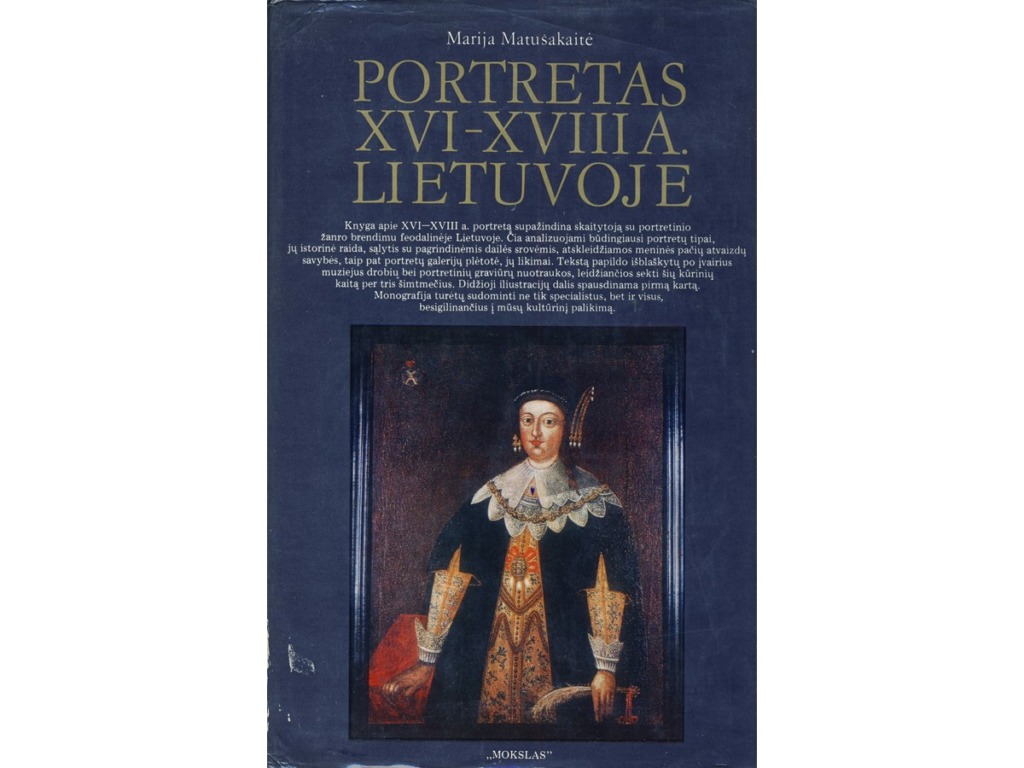
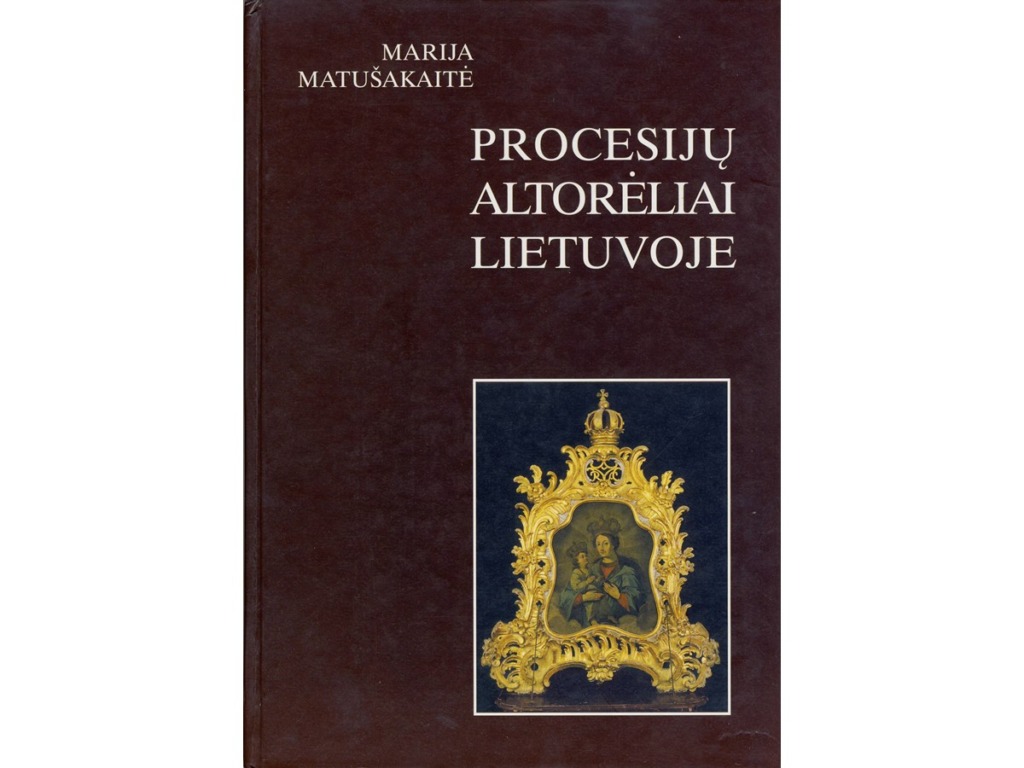
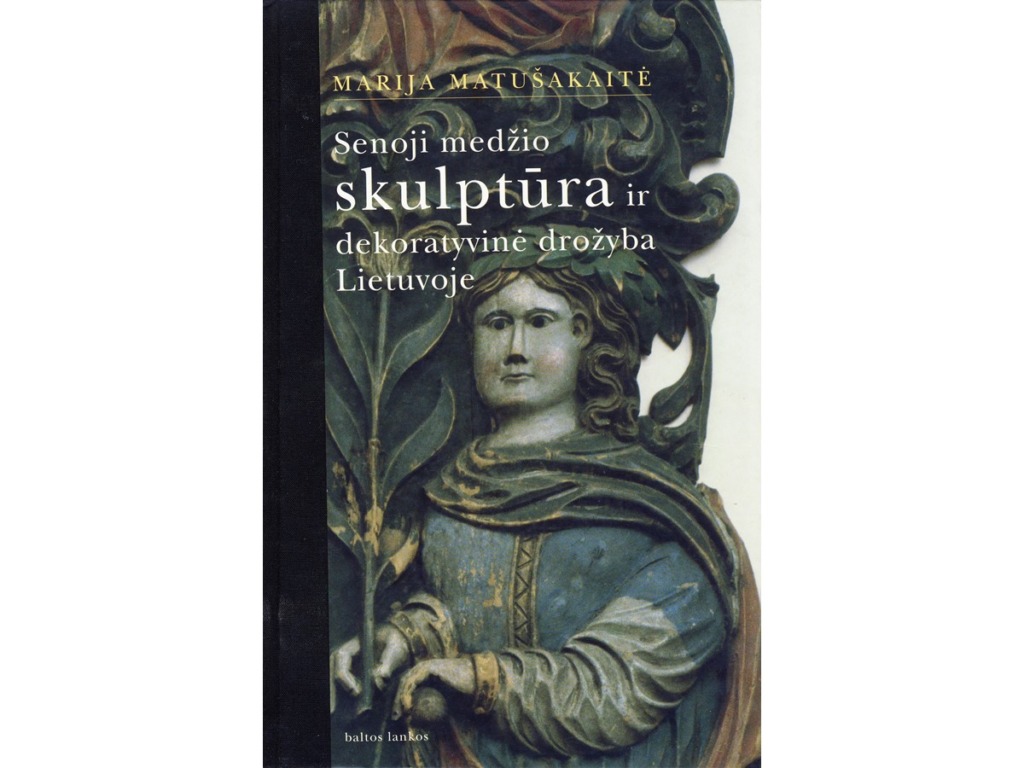
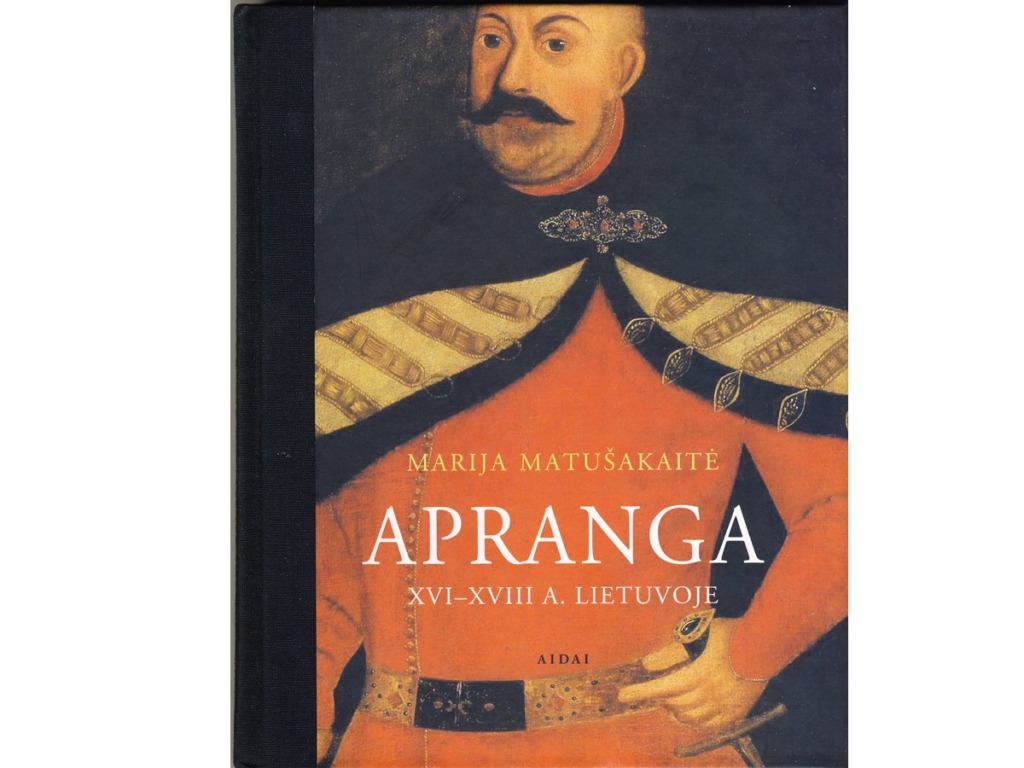
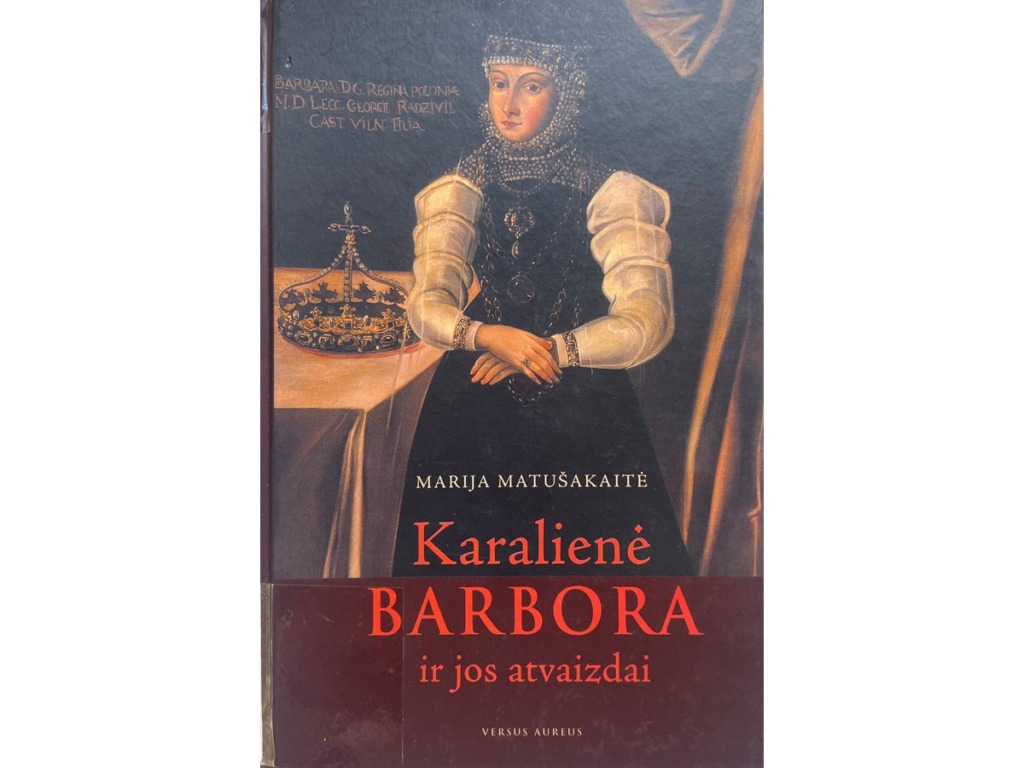
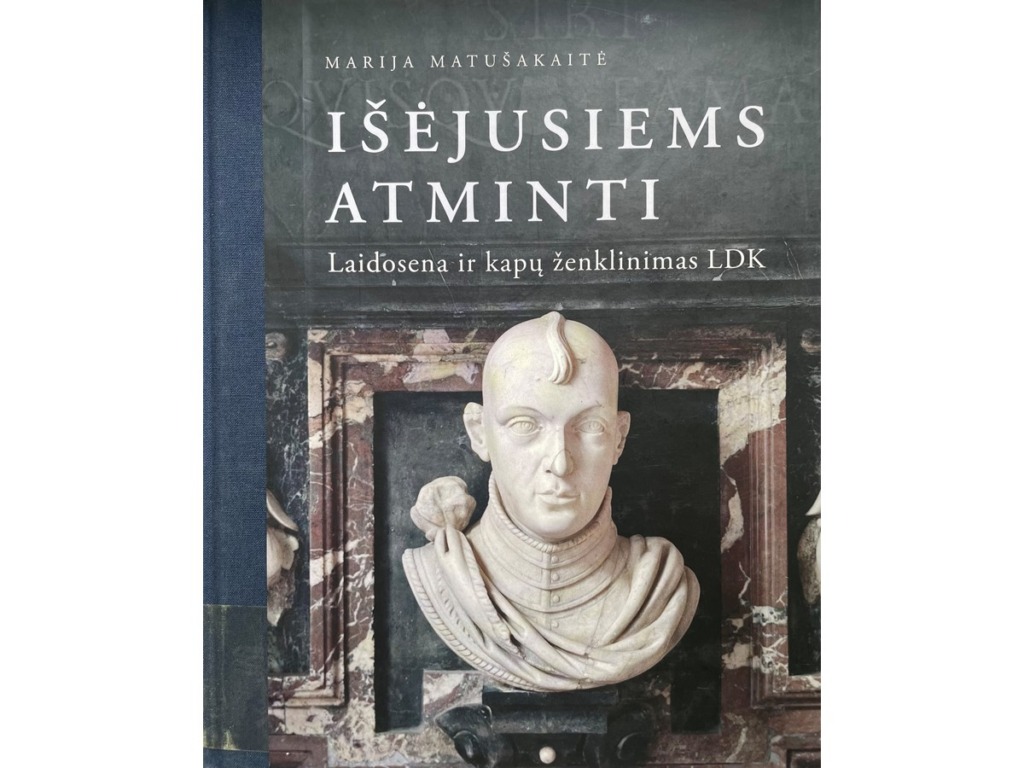
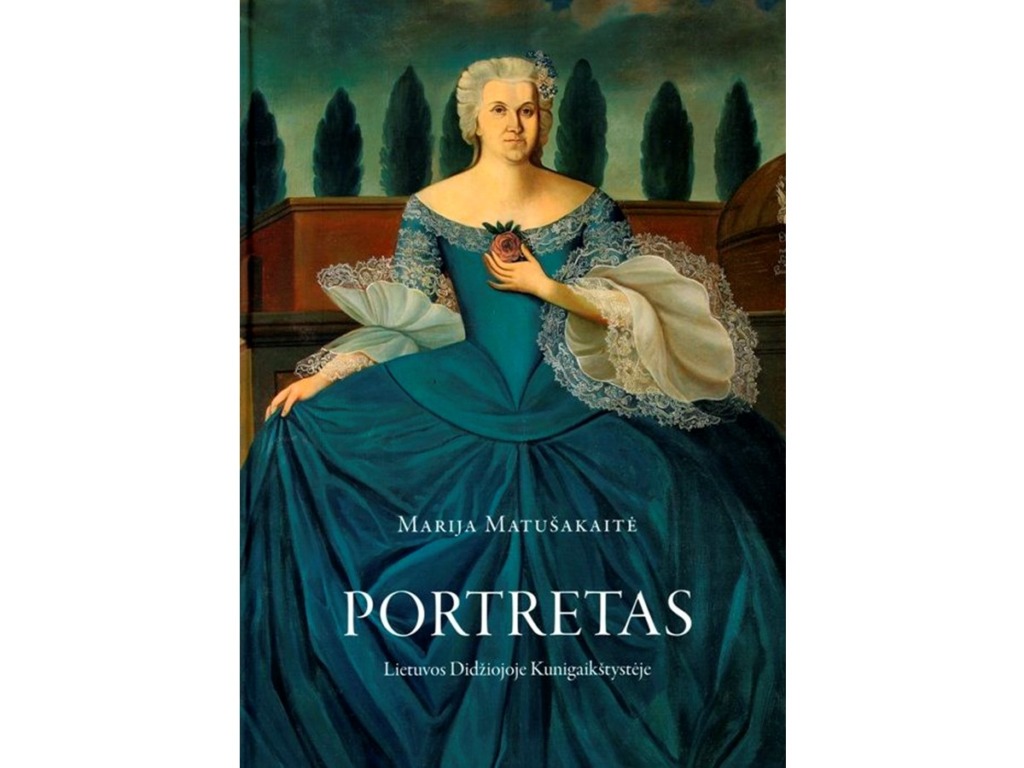
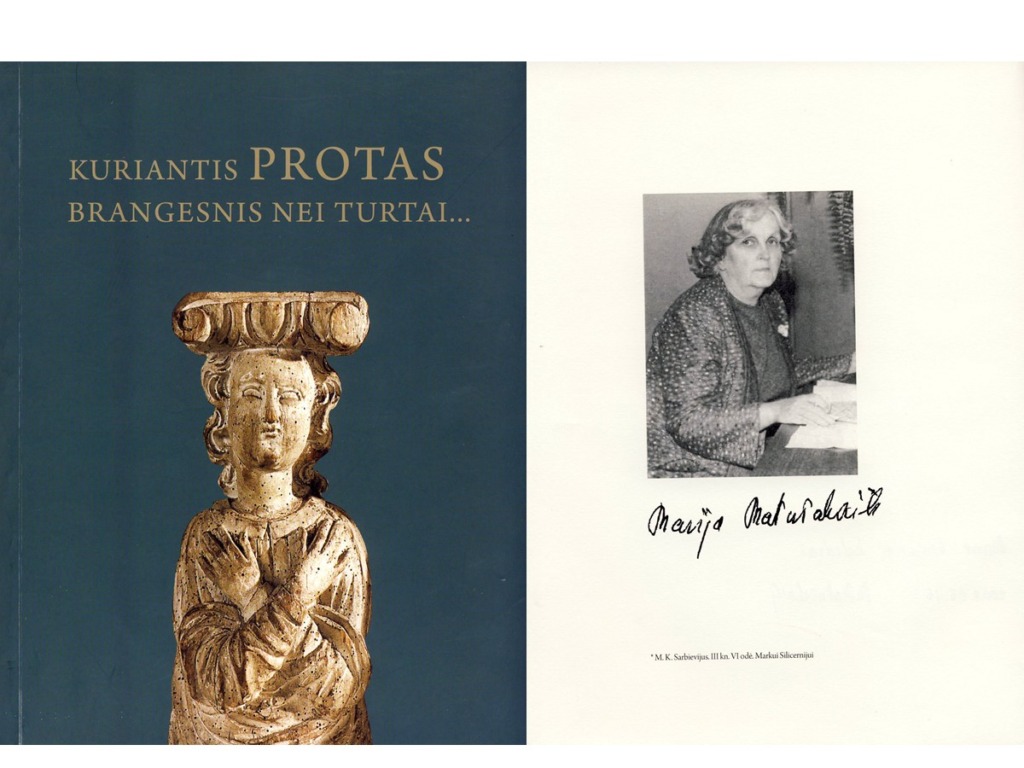
After her retirement in 1983, Marija Matušakaitė devoted herself exclusively to art history through her studies of the art of the Grand Duchy of Lithuania. In 1984, she published her first monograph “Portrait in the 16th-18th Century Lithuania”. After Lithuania regained its independence, she worked with inexhaustible energy on her monographs, which were based on the material she had accumulated over the years and were constantly updated with the latest discoveries. Between 1997 and 2010, she wrote and published 9 monographs on the secular and religious art of the Grand Duchy of Lithuania: “Old Portraits of Lithuanian Dukes: a Rarity of 1601” (1997); “Processional Altars in Lithuania” (1998); “Old Wood Sculpture and Decorative Carving in Lithuania” (1998); “Clothing in the 16th-18th Century Lithuania” (2003); “Queen Barbora and Her Images” (2006; 2nd edited publication in 2003); “Lithuanian Sculpture up to the Middle of the 17th Century” (2007); “In Memory of the Departed: Burials and Grave Markings in the Grand Duchy of Lithuania” (2009); “Skaruliai” (with Klaudijus Driskis and Vidmantas Jankauskas) (2010); “Portrait in the Grand Duchy of Lithuania” (2010). In between the publication of the books, she published articles, went on expeditions, conducted searches in archives and libraries, and worked with book artists and editors. As an excellent drawer, she illustrated books and articles with graphic drawings and schemes explaining the texts. Dr. M. Matušakaitė was very concerned about the preservation of old works of art until her last years. She was devastated by the fact that a Gothic 15th century St. Virgin Mary statue discovered by her in 1990 at Laukžemė church (which she called “Madonna of Laukžemė”) aside from several publications in the press had been without proper restoration and special care for many years, and it was only in 2013 that it was finally restored. Dr. M. Matušakaitė was awarded the Lithuanian Government Art Prize in 1998, she was awarded the Knight’s Cross of the Order of the Lithuanian Grand Duke Gediminas in 2007, and she was awarded the Lithuanian National Prize for Culture and Art in 2009. On the occasion of the anniversary of Dr. Marija Matušakaitė in 2009, the Lithuanian Society of Art Historians prepared a book dedicated to her, “Creative MIND is More Precious than Riches…”, publishing the reviews of the books by M. Matušakaitė by colleagues and a detailed bibliography of her works.


Posters for the History of Costume Lectures

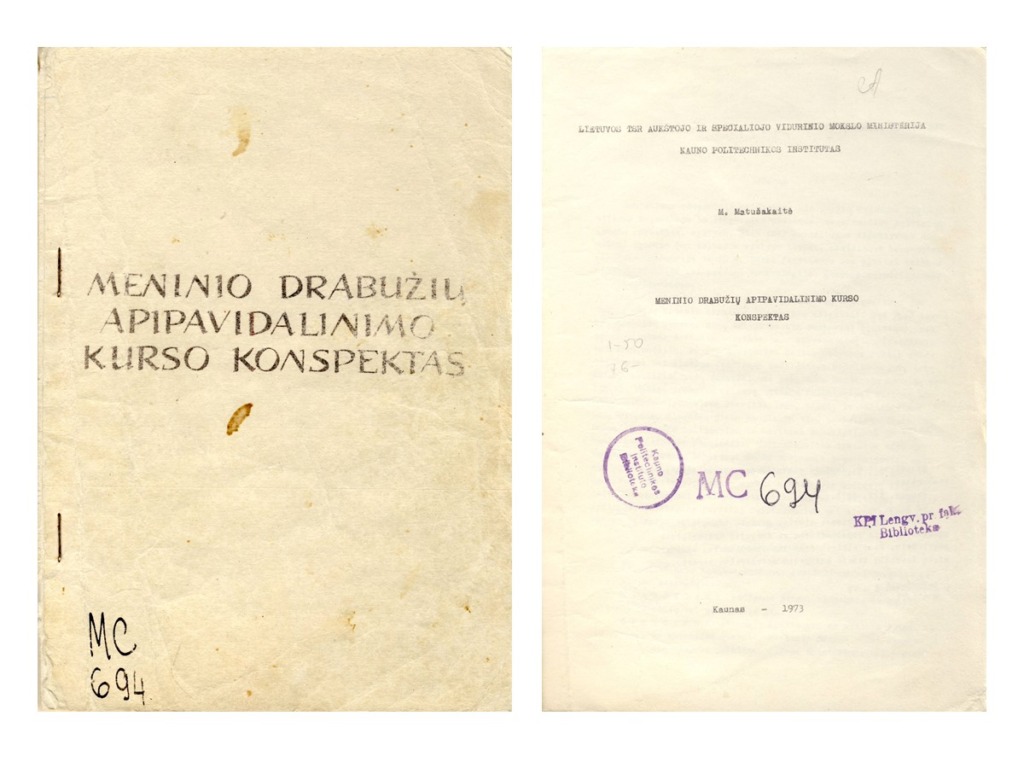
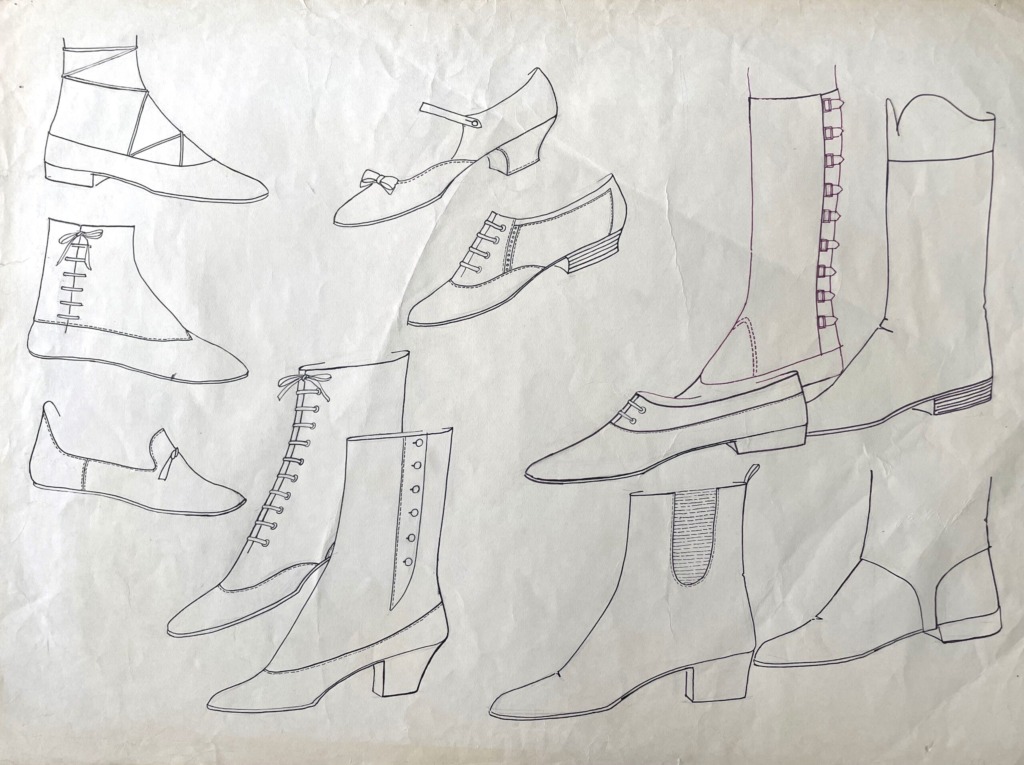
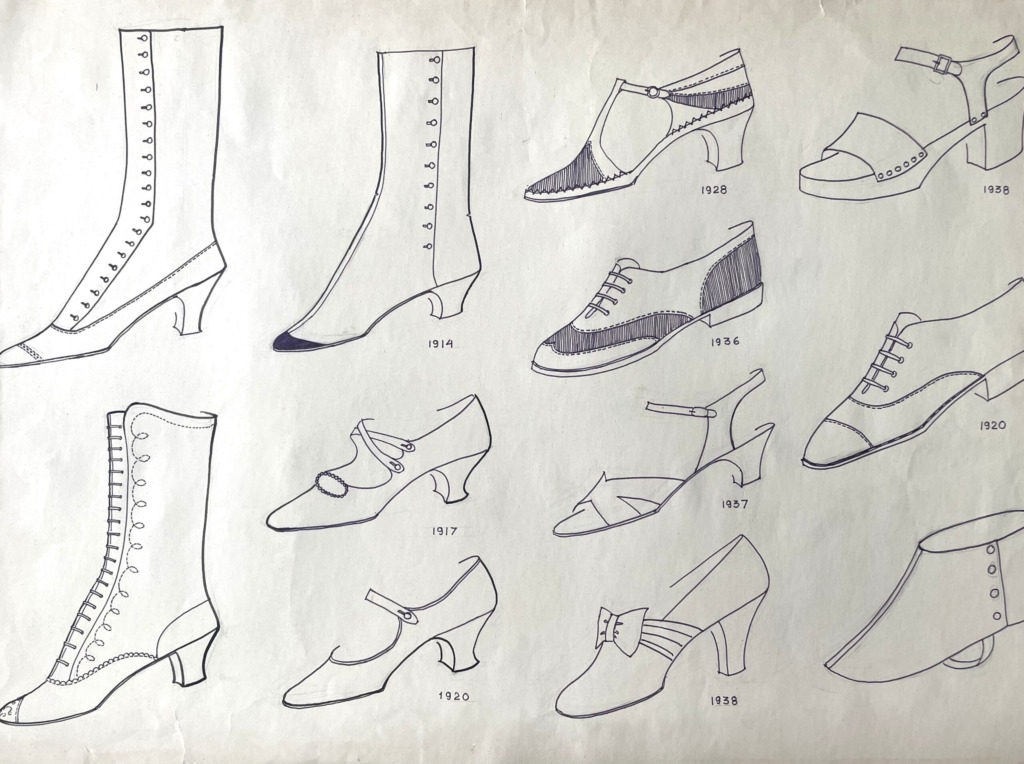
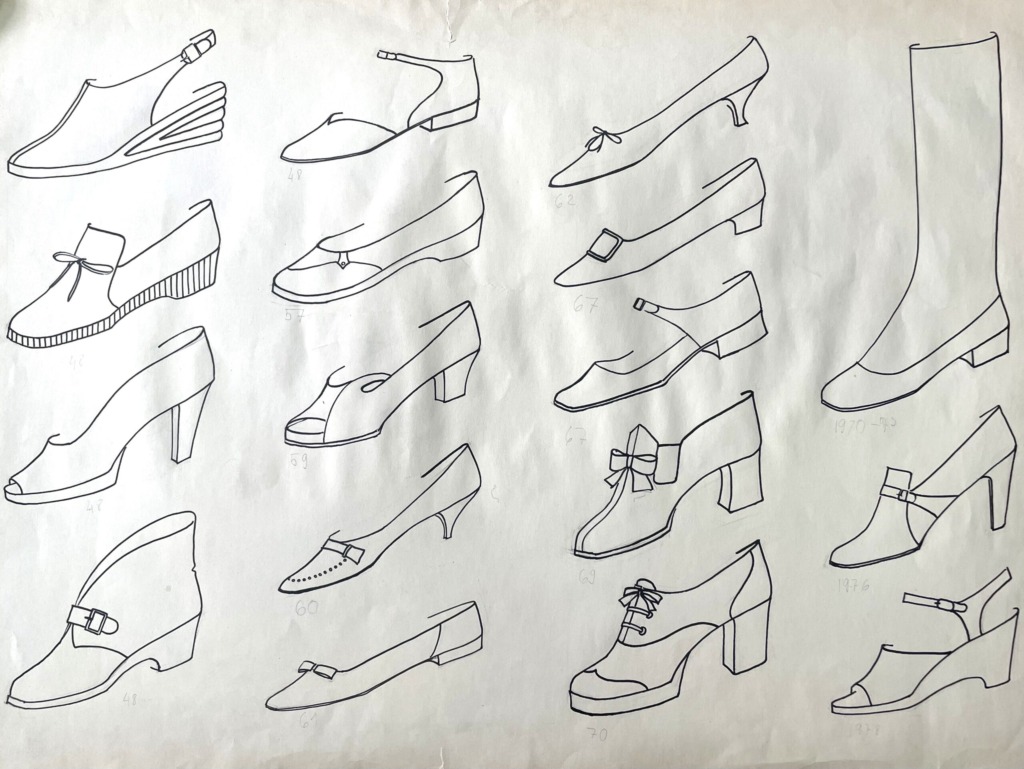
In 1963, M. Matušakaitė started working at the Department of Leather and Textiles of the Faculty of Light Industry of Kaunas Polytechnic Institute (KPI), where she lectured students on the composition of sewing products, and later on footwear composition and the history of costume. Marija also illustrated her own lecture notes. In 1974, M. Matušakaitė was awarded the title of associate professor. She was remembered by her colleagues as a subtle and modest person, a teacher who was respected by her students and who captivated everyone with her ability to work quietly and purposefully. This part of the exhibition includes posters used in lectures on the history of costume, drawn by assoc. prof. M. Matušakaitė in 1981-1982. The author was interested in the history of costume for a long time. Her motivation was driven by her hobby of drawing models of clothing. While teaching the history of costume at KPI, she felt the lack of more detailed research on the history of Lithuanian clothing. She was not satisfied with the attempts to reconstruct archaic Lithuanian clothing based on archaeological data alone and with the research of peasant women’s clothing worn in the 19th and 20th centuries. In 1980, when she started to work on the book “Portrait in the 16th-18th Century Lithuania” (published in 1984), the associate professor began to take an interest in the clothing of the nobility painted in the portraits, collect iconographic material, and study various written sources and legal documentation. M. Matušakaitė established contacts with Lithuanian museums, as well as Belarusian, Polish and Russian museums and their archives. Having accumulated a sufficient amount of material, the art historian published a monograph “Clothing in 16th-18th Century Lithuania” in 2003”.
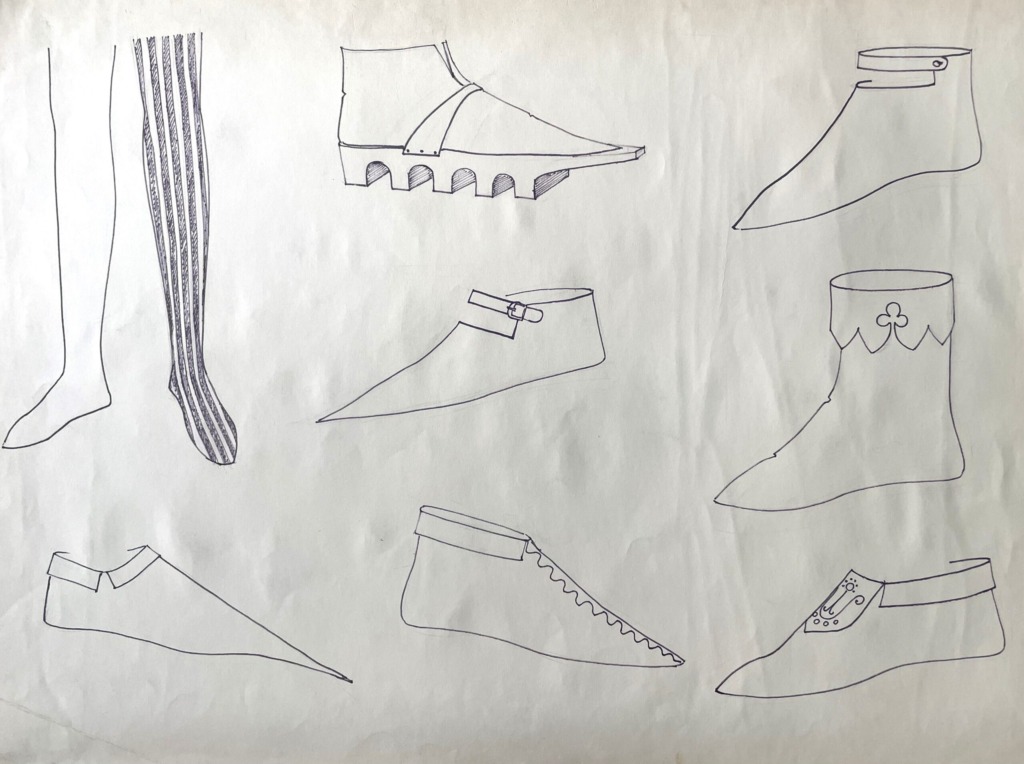
Historical Development of Footwear

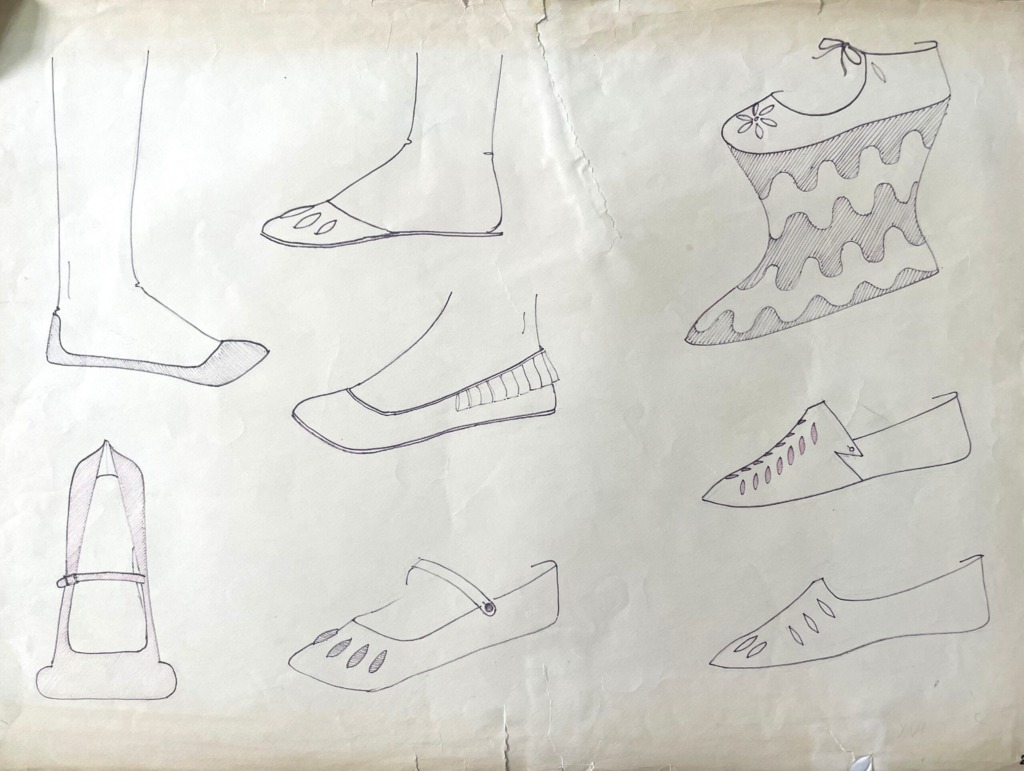
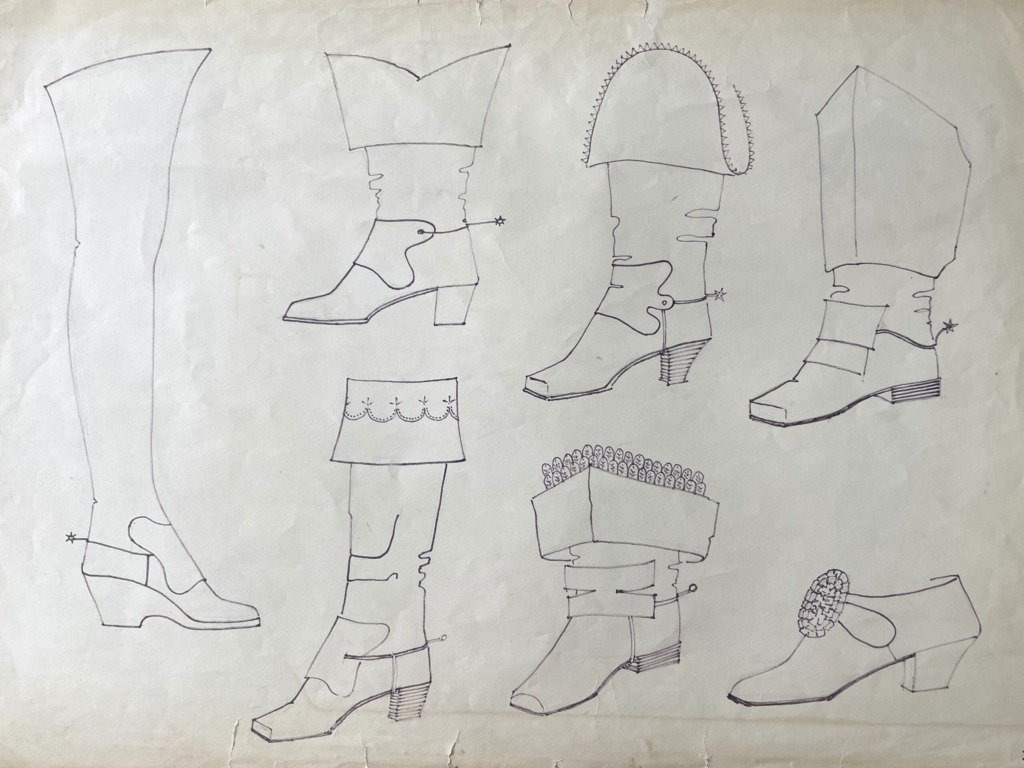
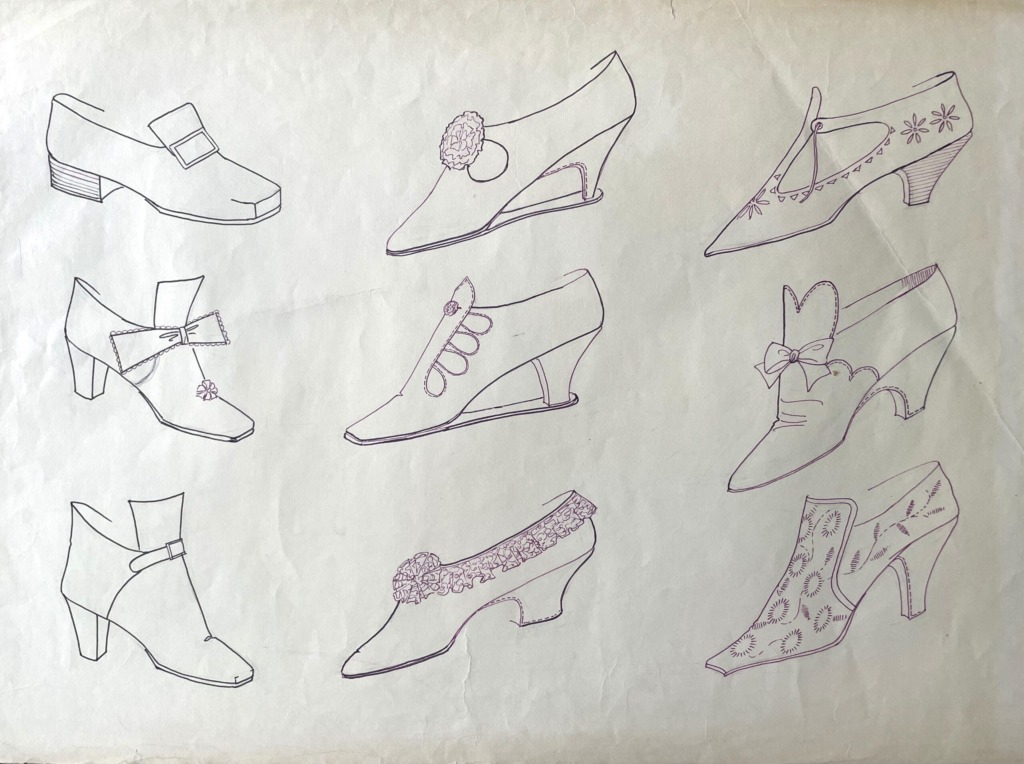
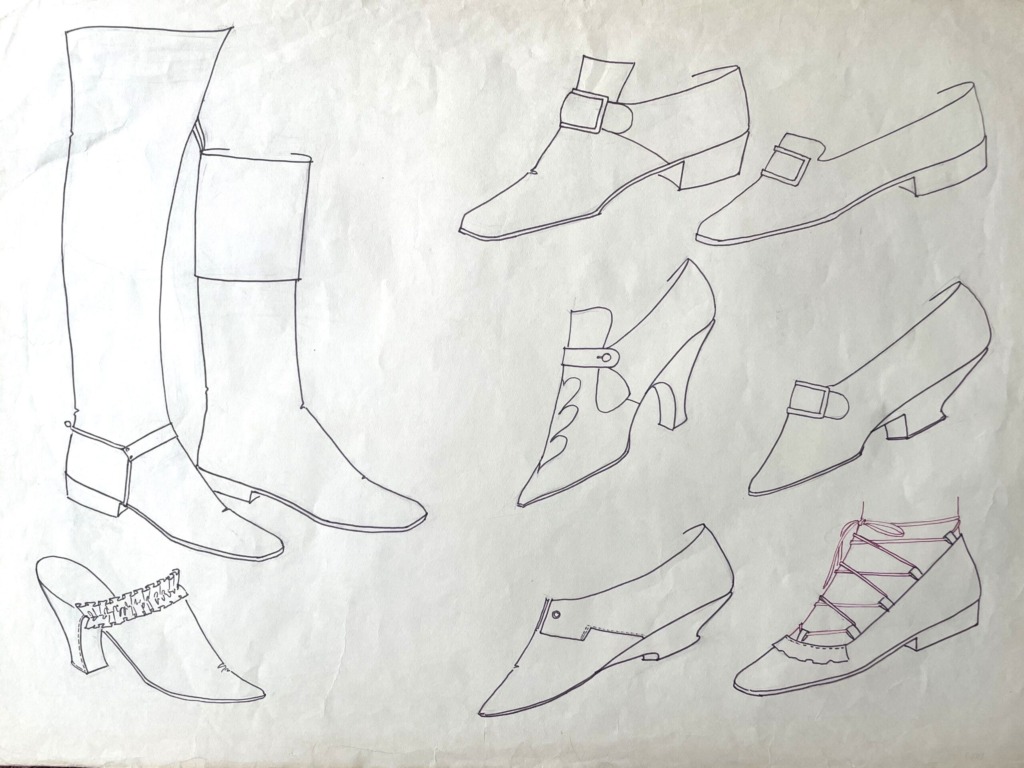
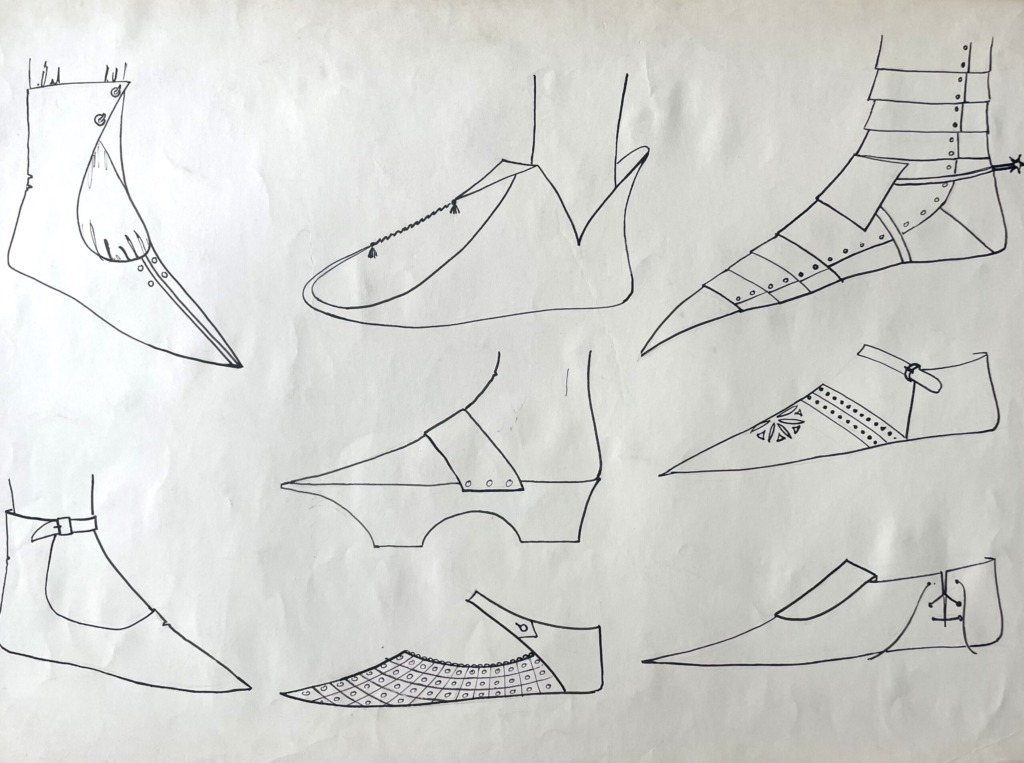
In a 2010 interview with the internet portal bernardinai.lt, the renowned art historian said: “After returning to Kaunas, I taught fashion design and costume history at the Polytechnic Institute, Faculty of Light Industry. This was already a significant step towards what I later came to love so much. I taught clothing and footwear composition. I found it very interesting, so I did a lot of drawing. I often collaborated with fashion magazines and sent them my designs.” Footwear is an integral part of clothing, and this part features posters on the historical development of footwear, drawn by assoc. prof. M. Matušakaitė from 1981 to 1982.

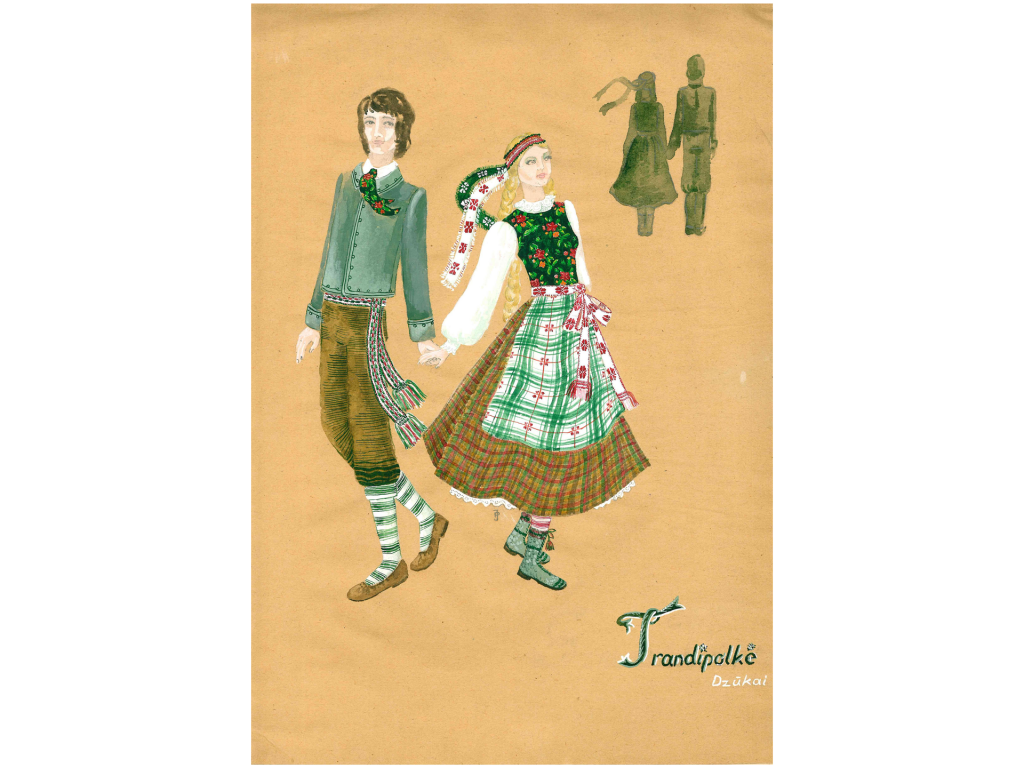
Student Works: Stage Costumes of the Ensemble “Nemunas”

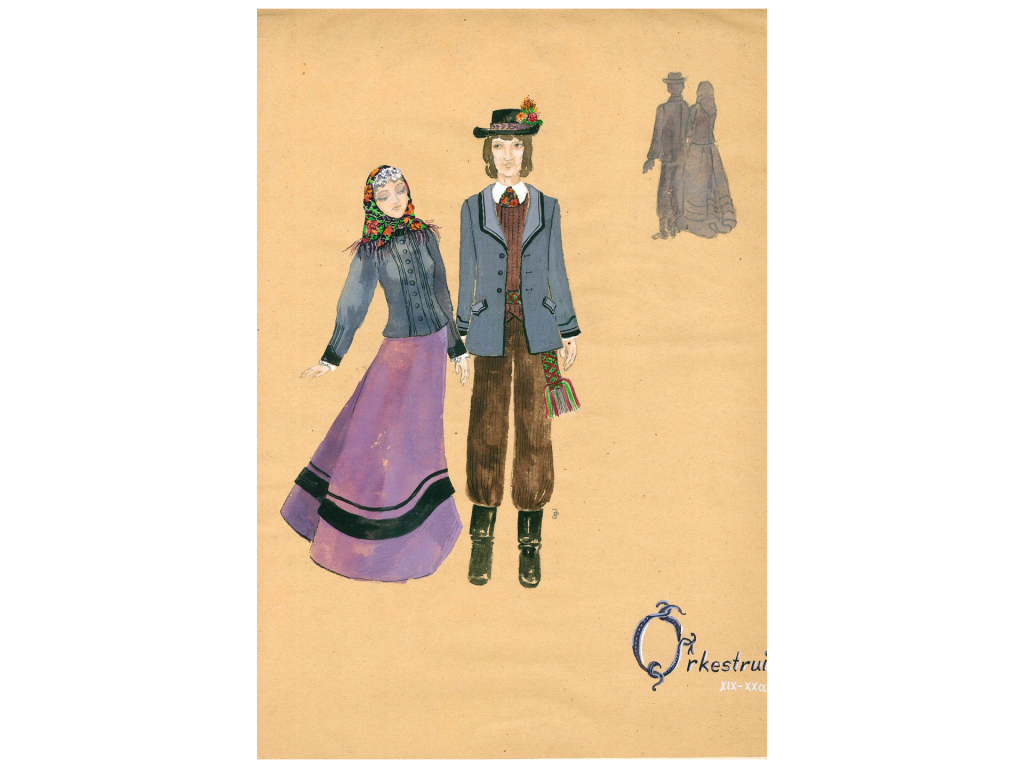
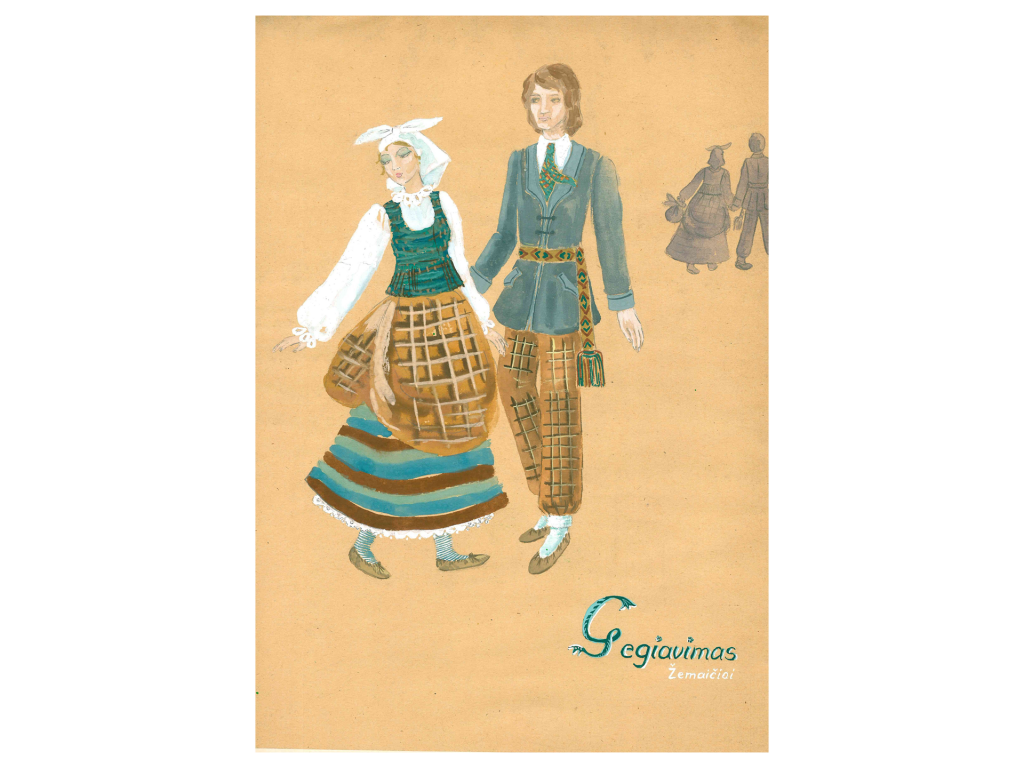
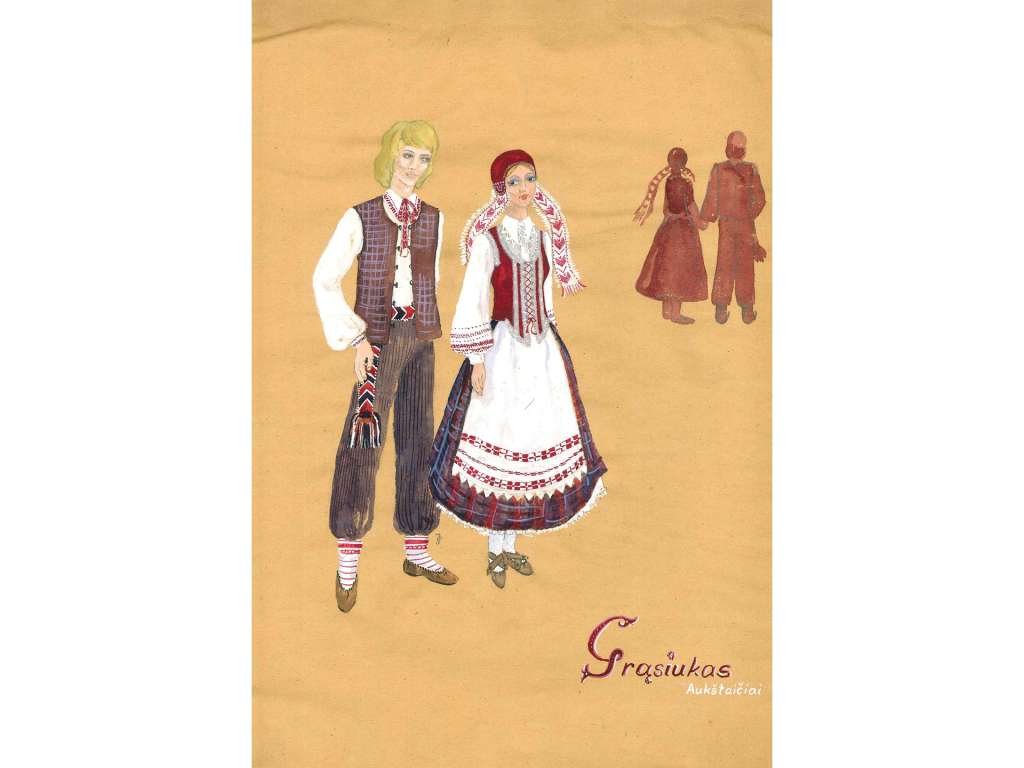
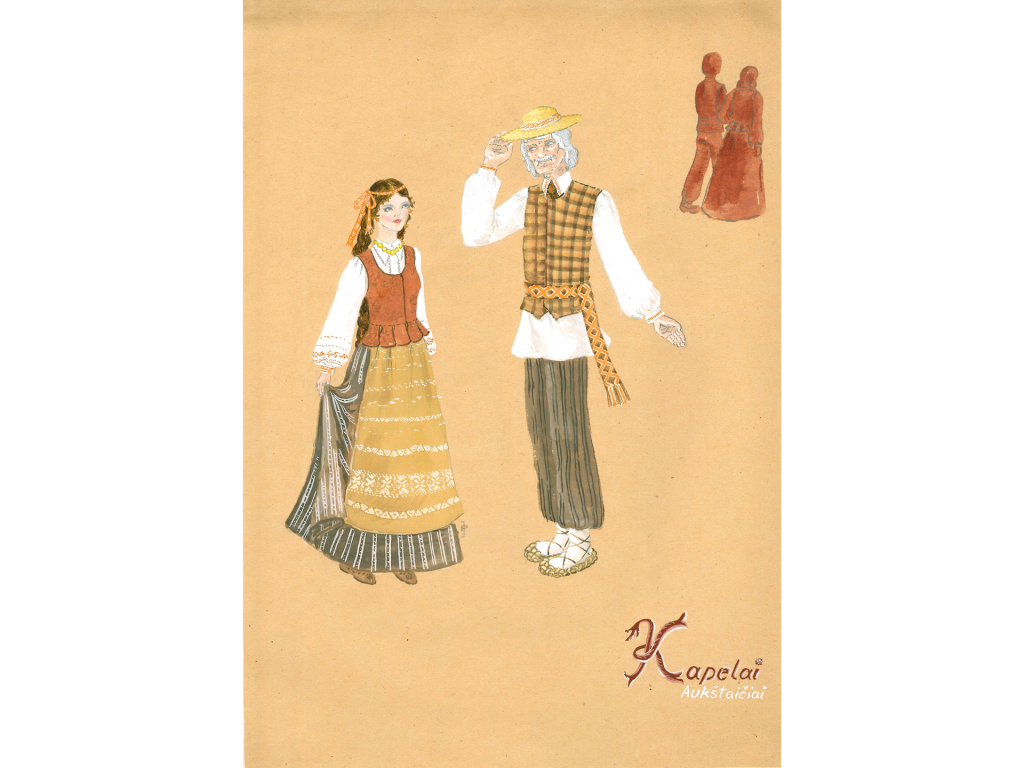
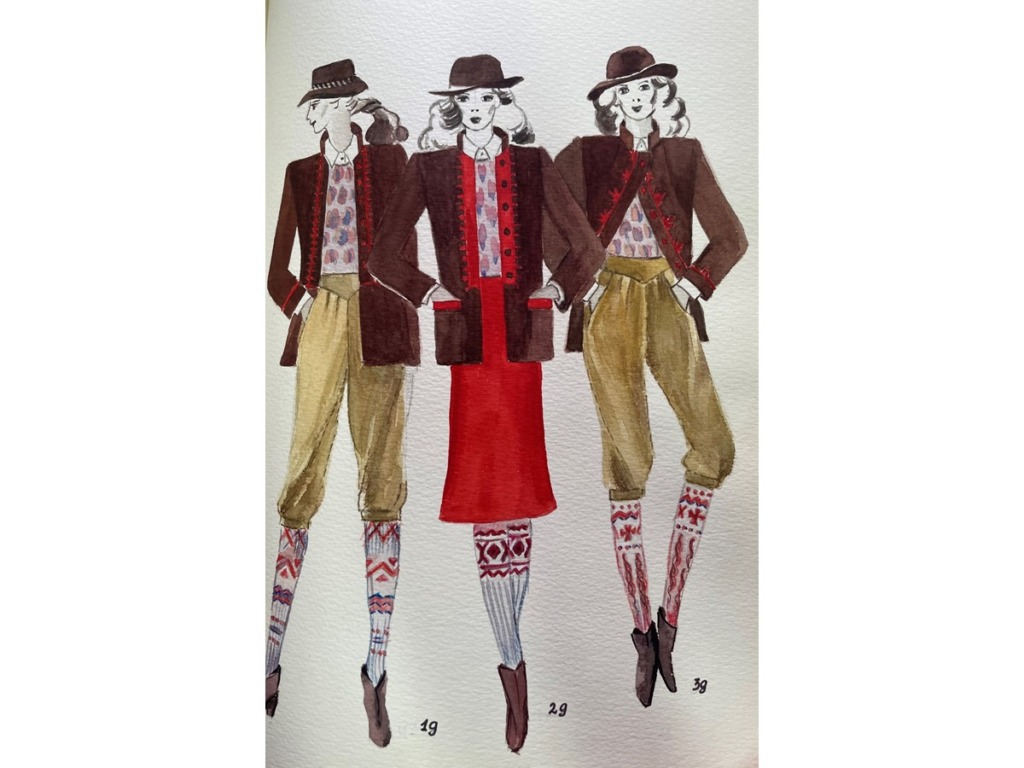
Assoc. prof. Marija Matušakaitė supervised students’ coursework and diploma theses. The work was time-consuming but not tiring. The exhibition includes the fragments of the 1974 diploma thesis “KPI Student Folk Song and Dance Ensemble “Nemunas” Stage costumes” by R. Pociūnaitė and J. Jasiulionytė from the LS-0 group of the Department of Leather and Textile Products Technology of KPI Faculty of Light Industry. Supervisor – assoc. prof. M. Matušakaitė.

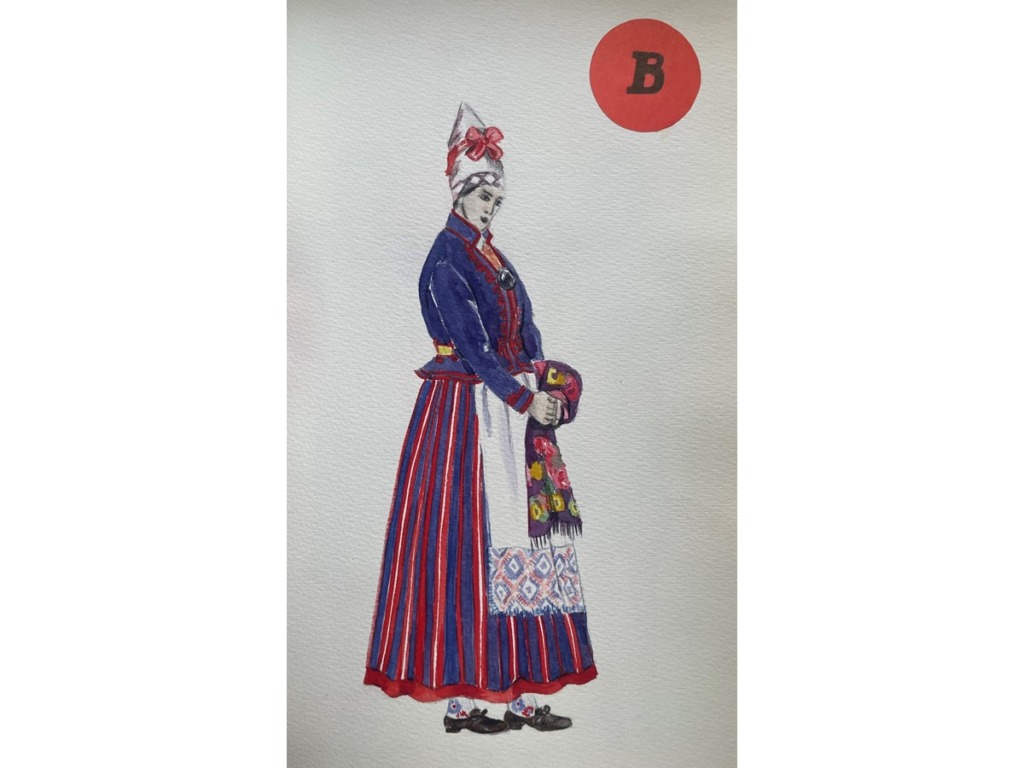
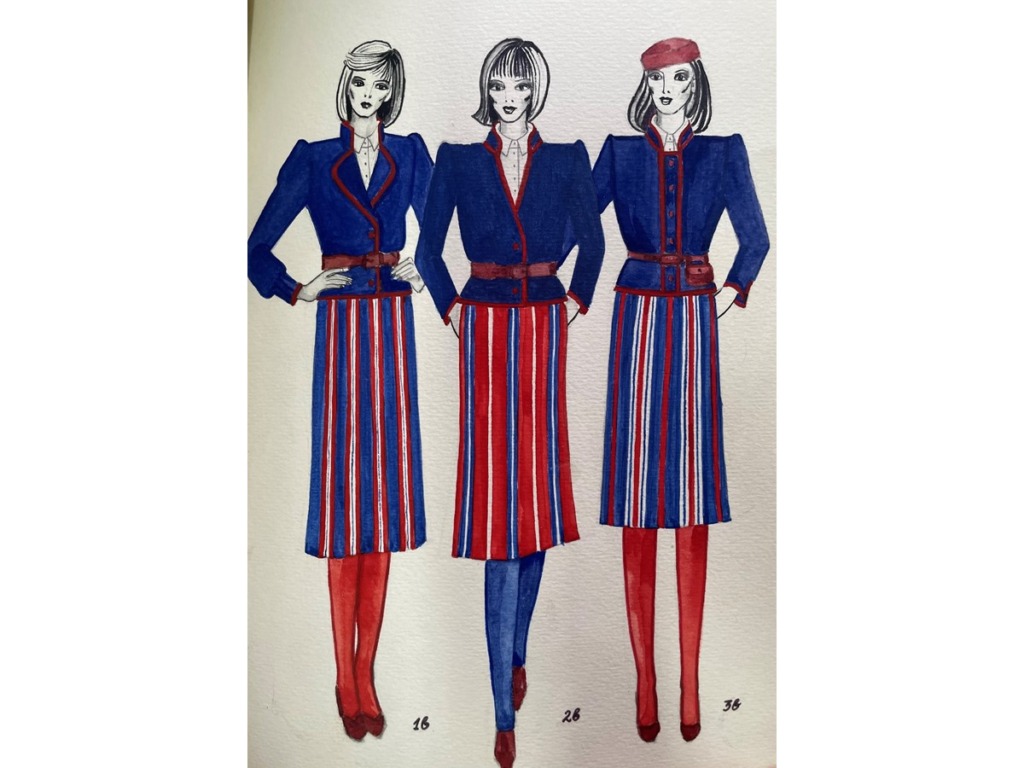
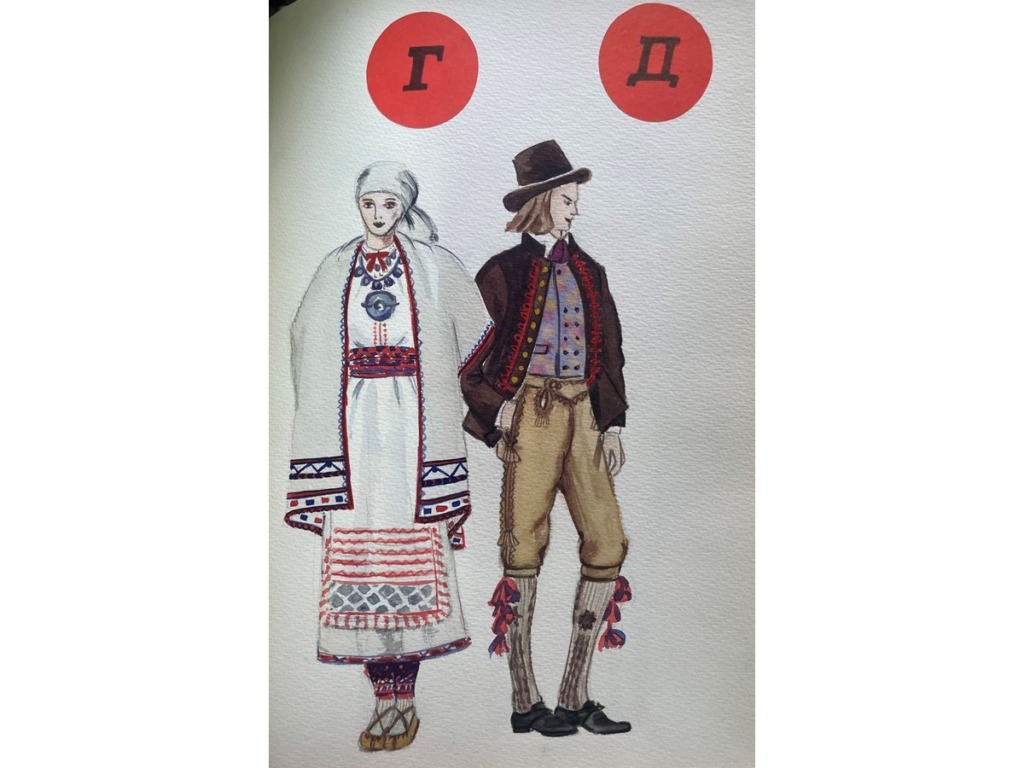
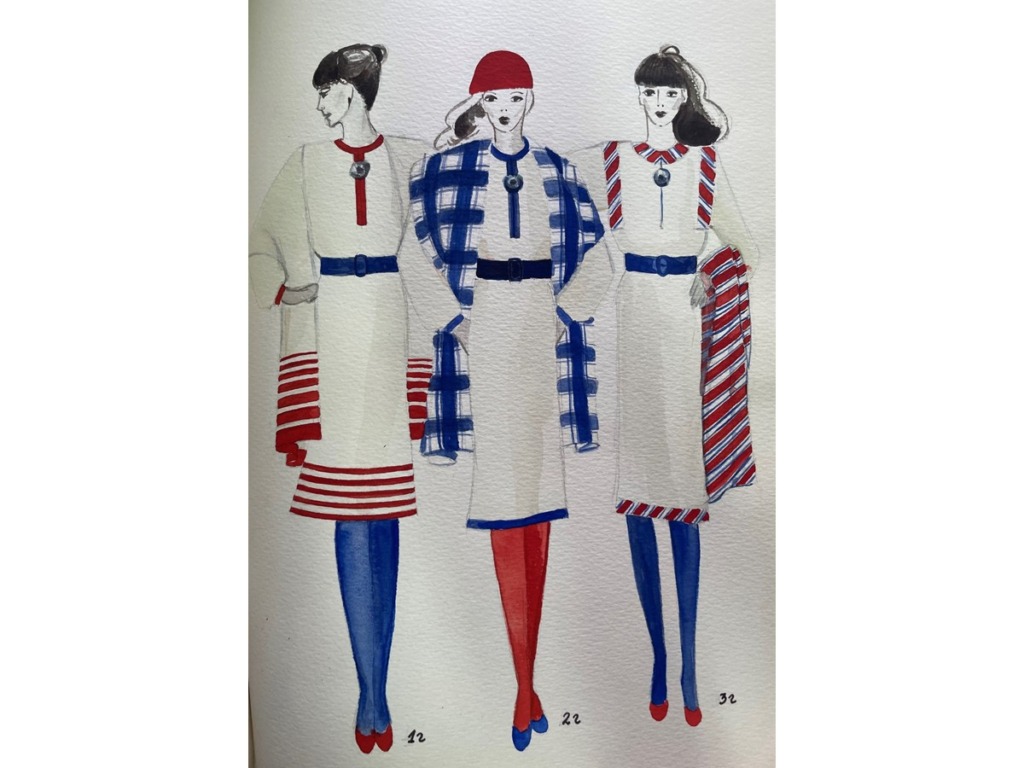
Student Works: Models Based on the Estonian National Costume

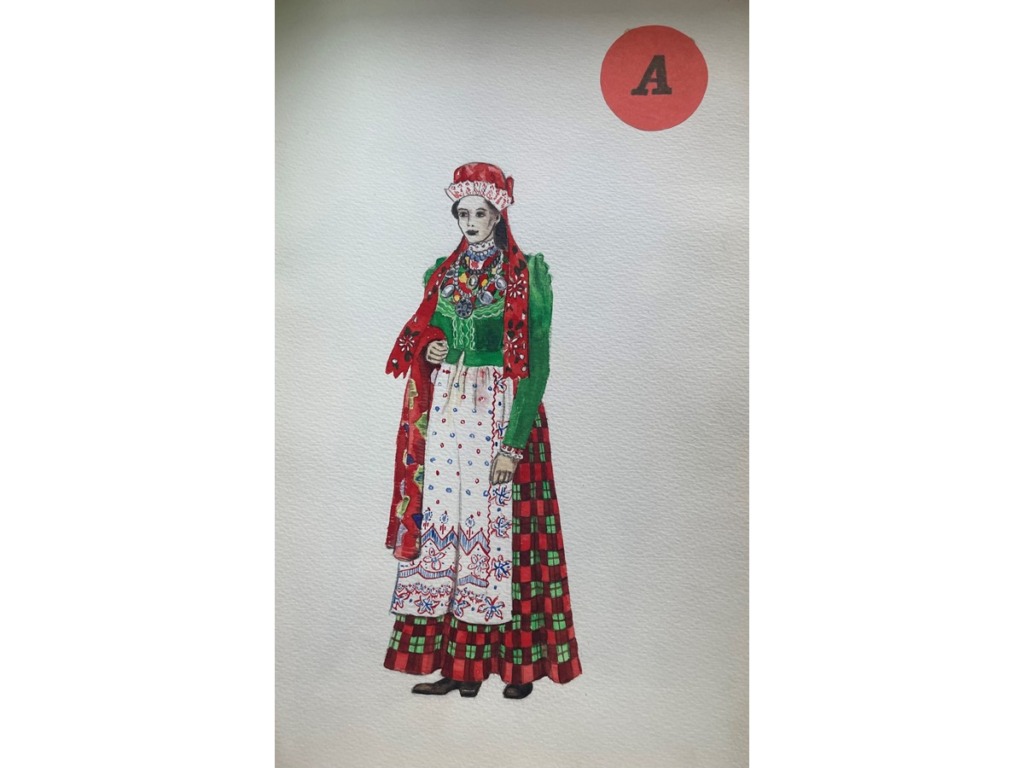
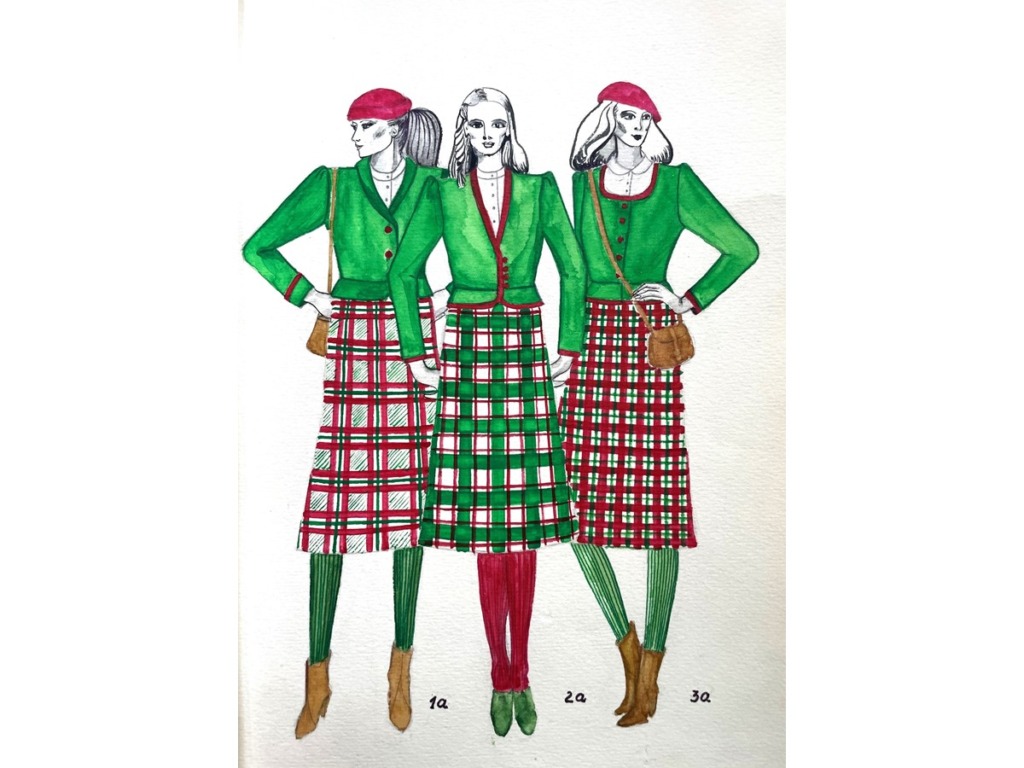
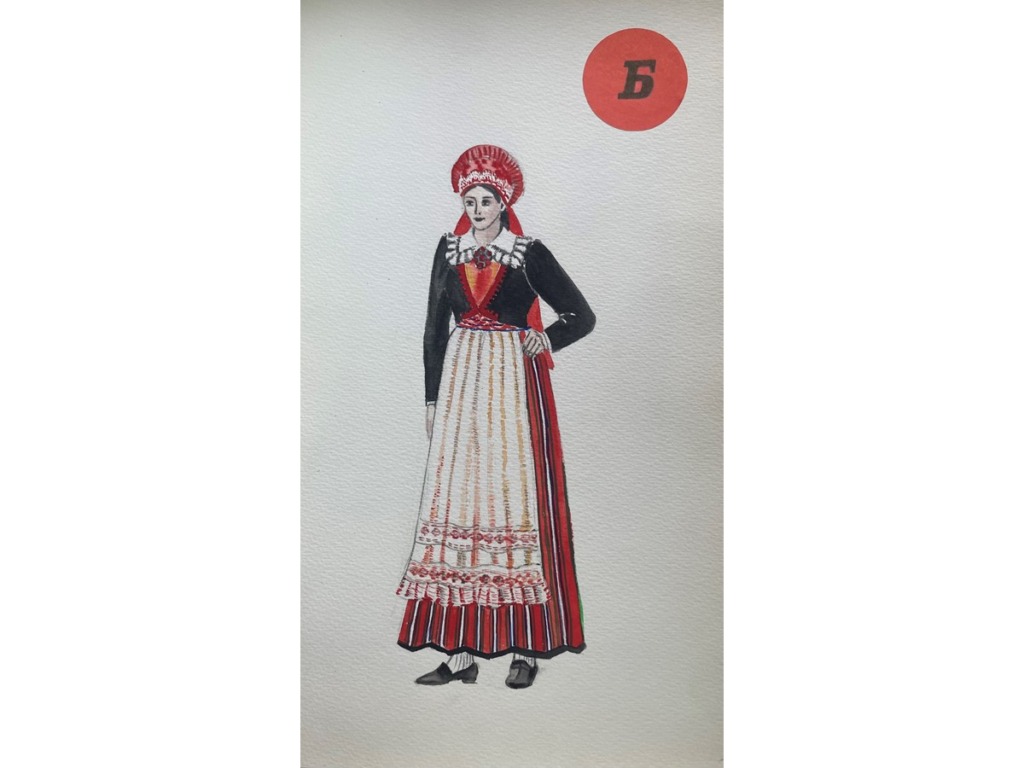
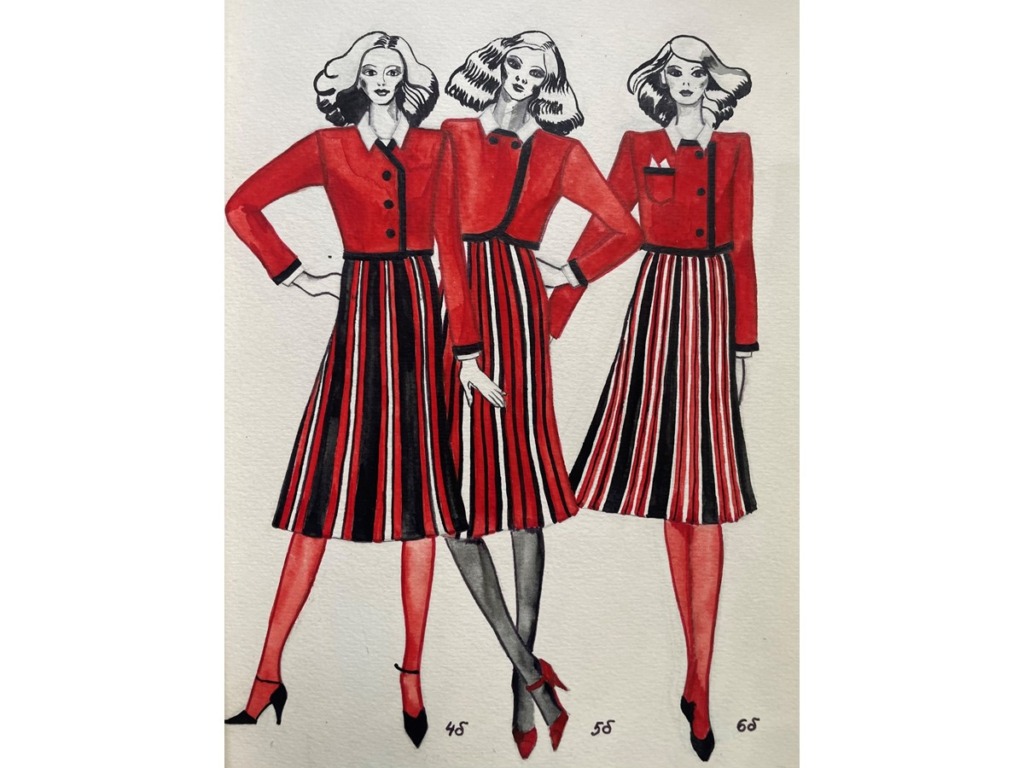
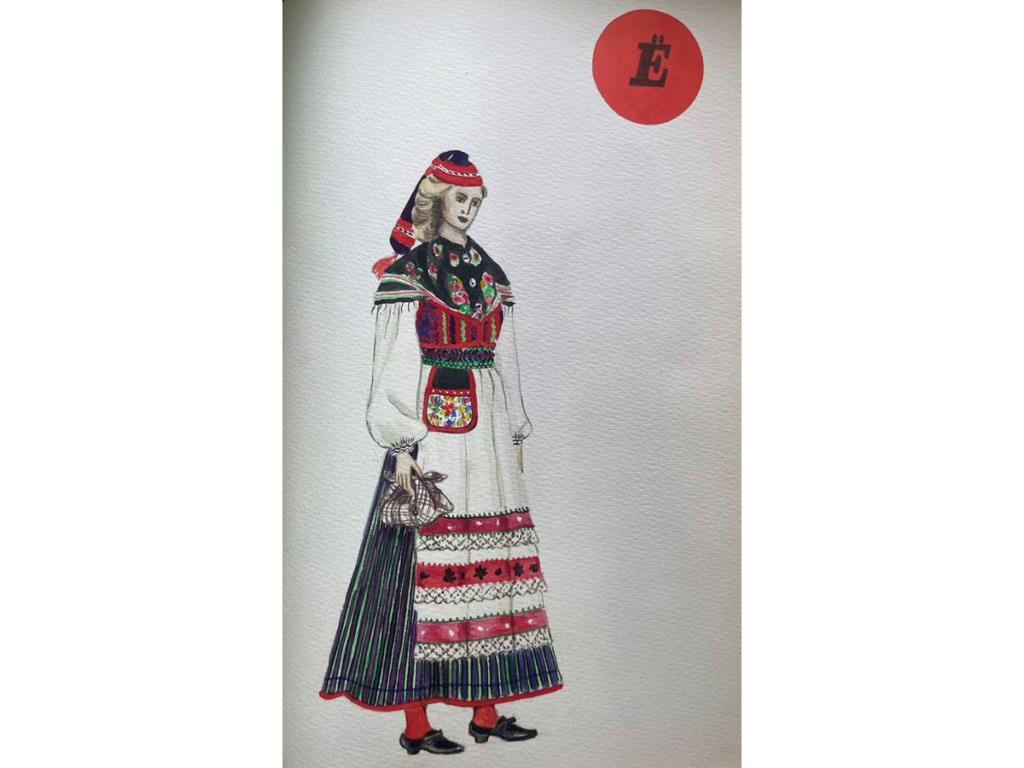
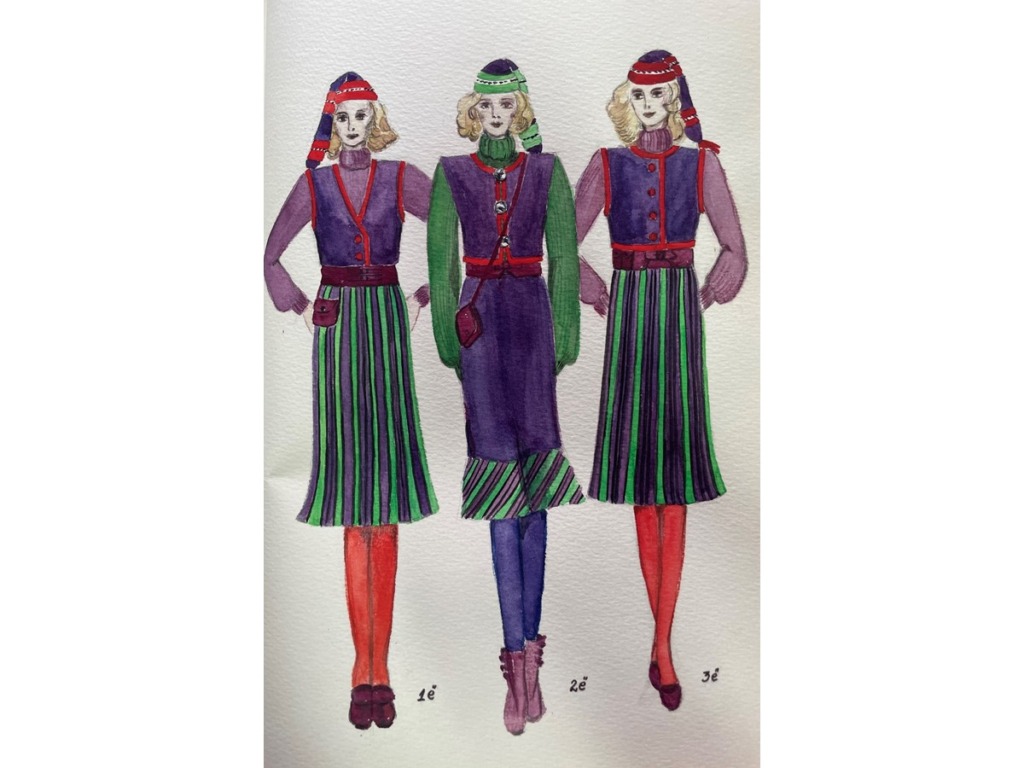
Assoc. prof. M. Matušakaitė taught students not only from Lithuania. At that time, students from Latvia and Estonia were studying at KPI, and their studies were in the Russian language. In this part, we exhibit the models of the 1983 work “Clothing Models in the Motifs of the Estonian National Costume” by KPI student Aili Raudkivi created for the Soviet Union’s Technical Science Light Industry Competition.