Skip to content

The pioneer of dye chemistry in Lithuania 100th anniversary of Prof. Stasys Kutkevičius

100th anniversary of Prof. Stasys Kutkevičius

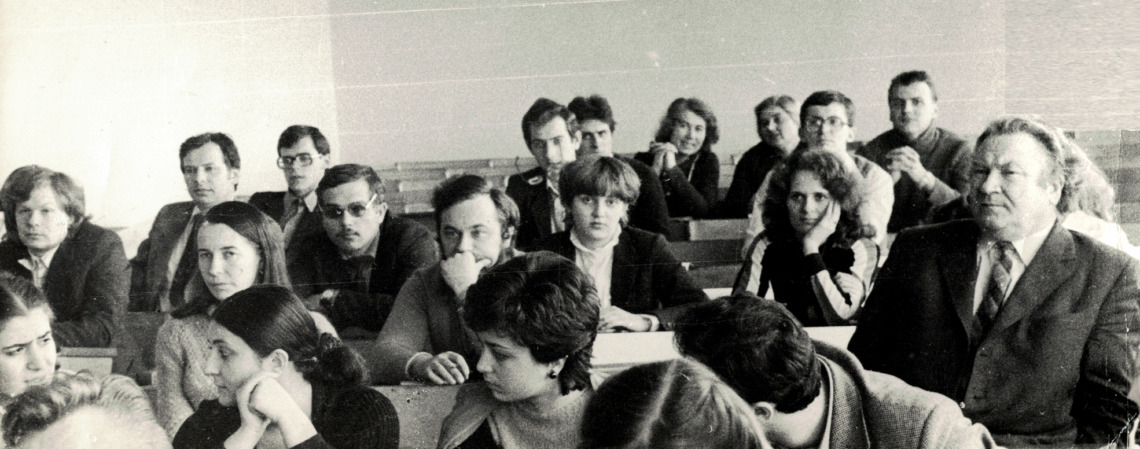
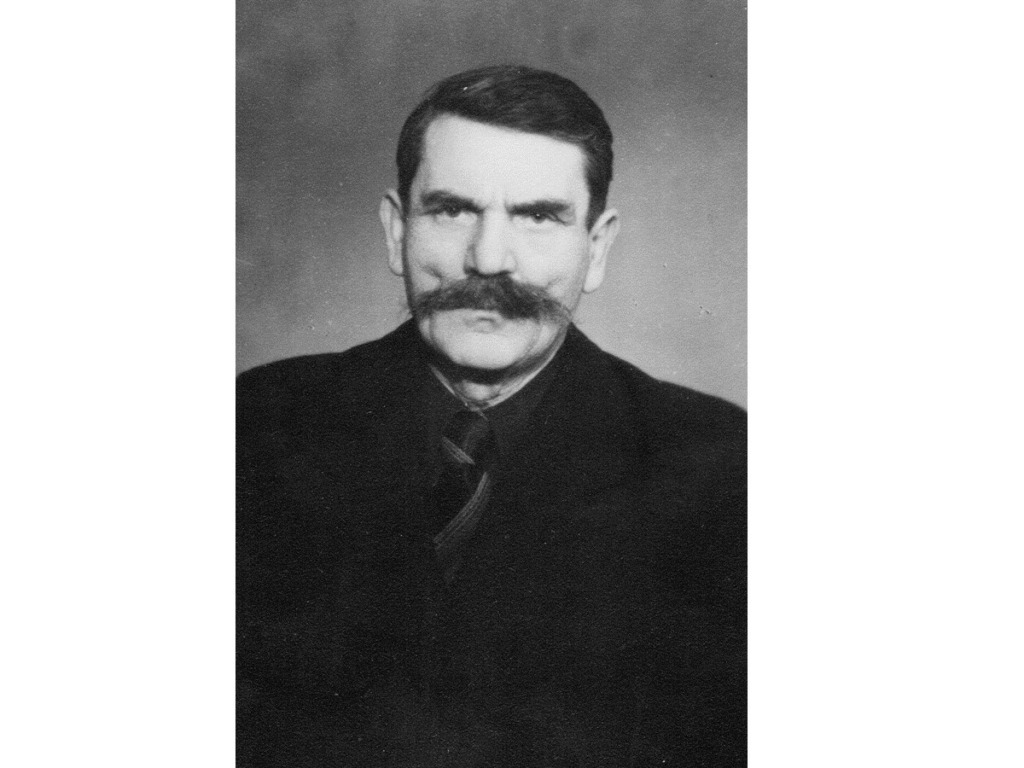
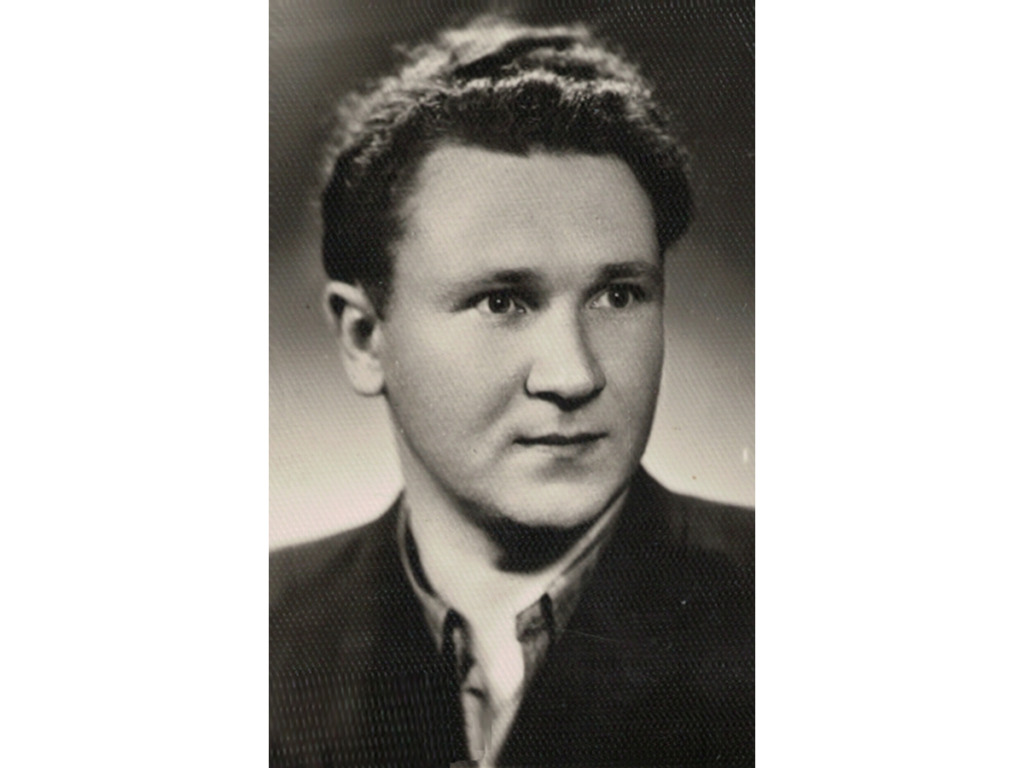
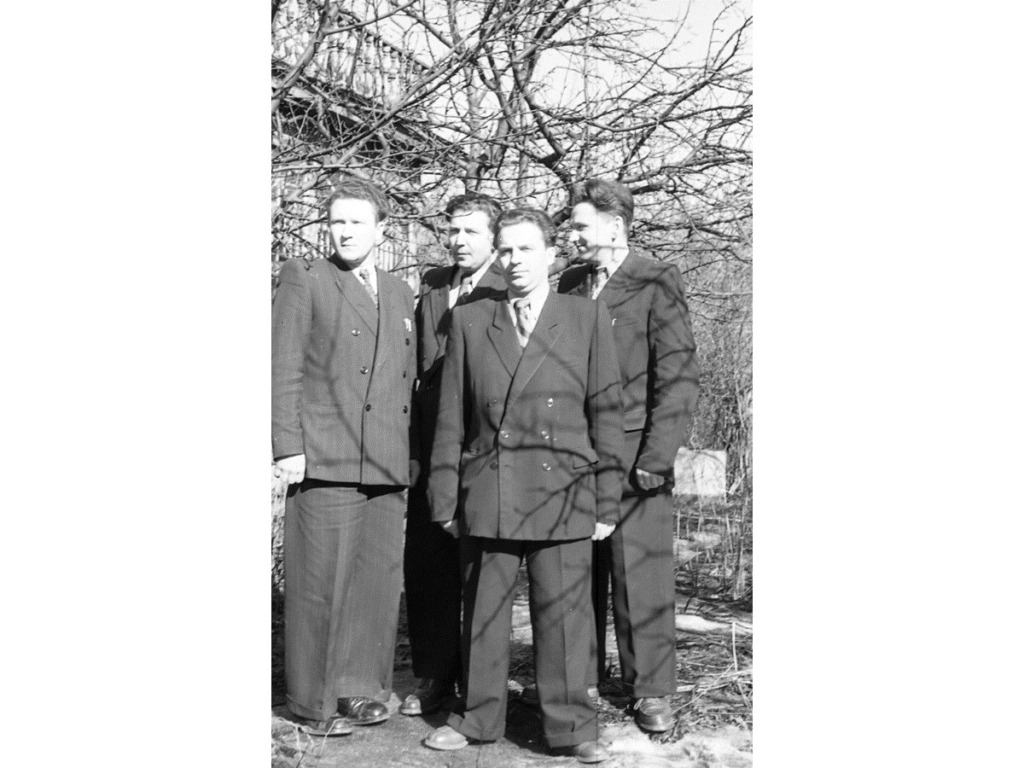
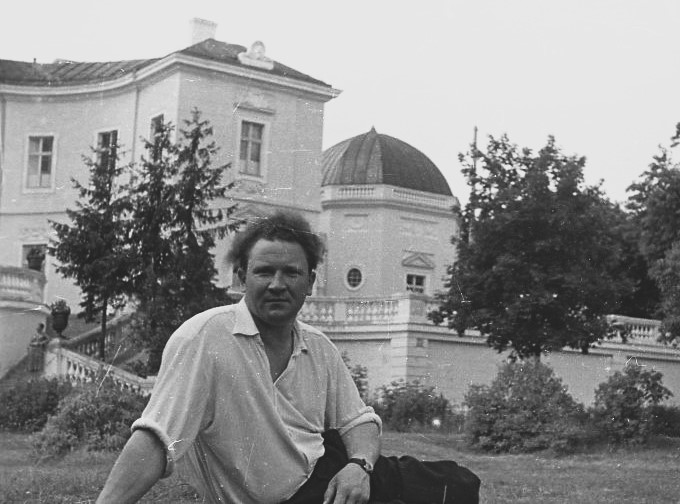
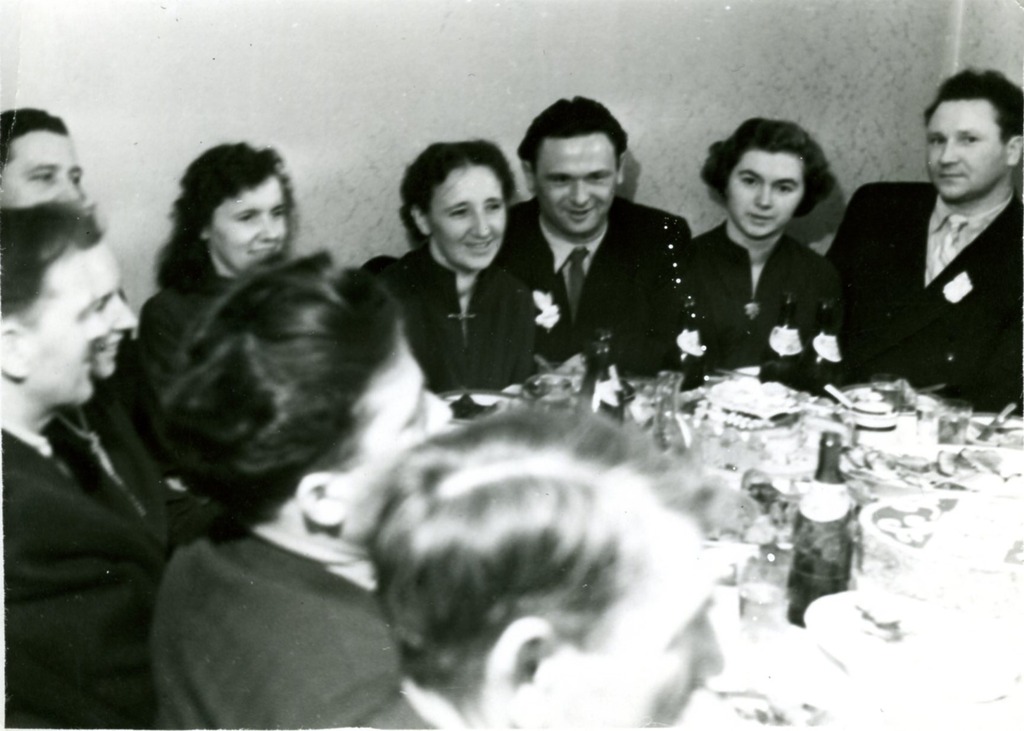
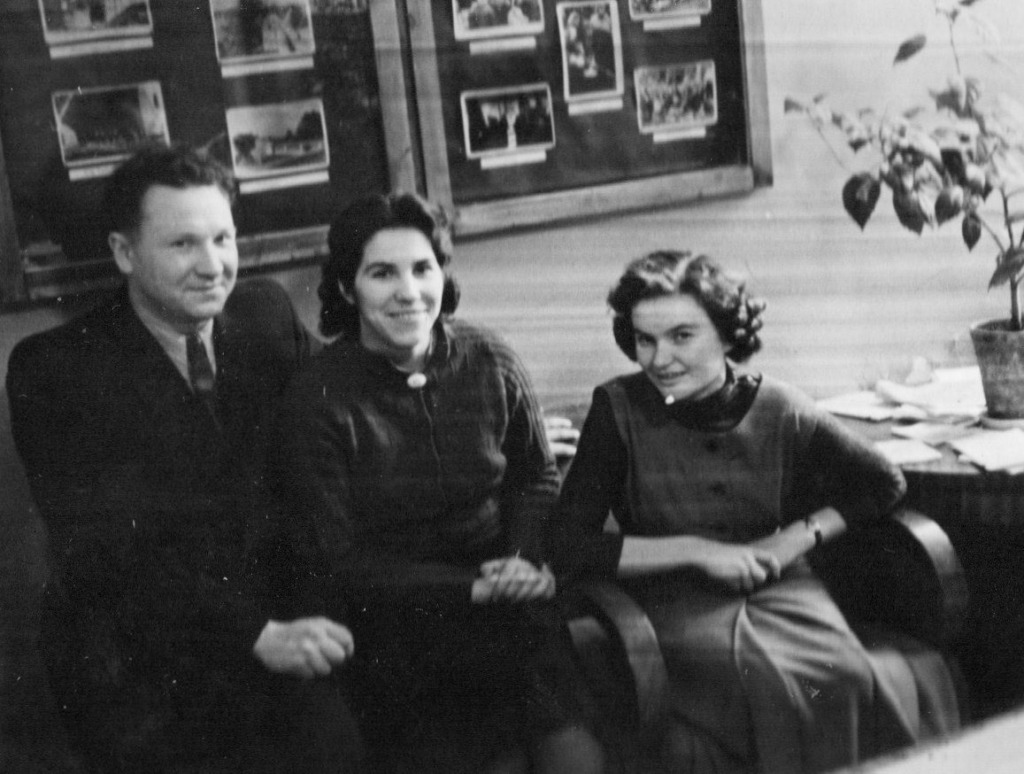
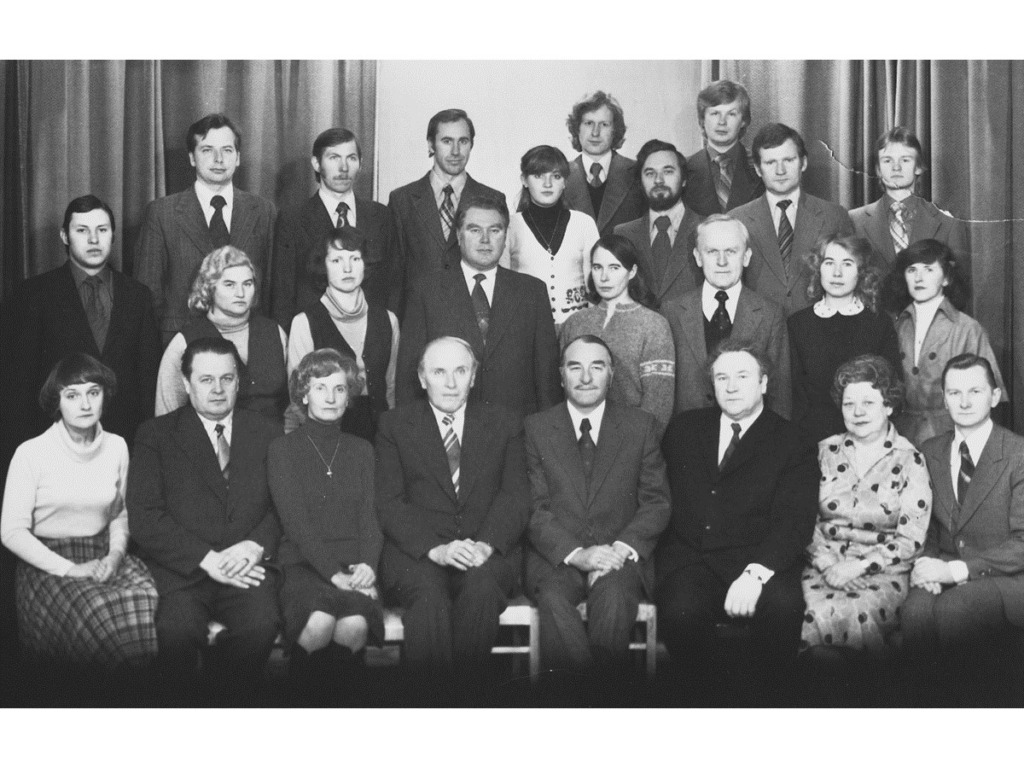
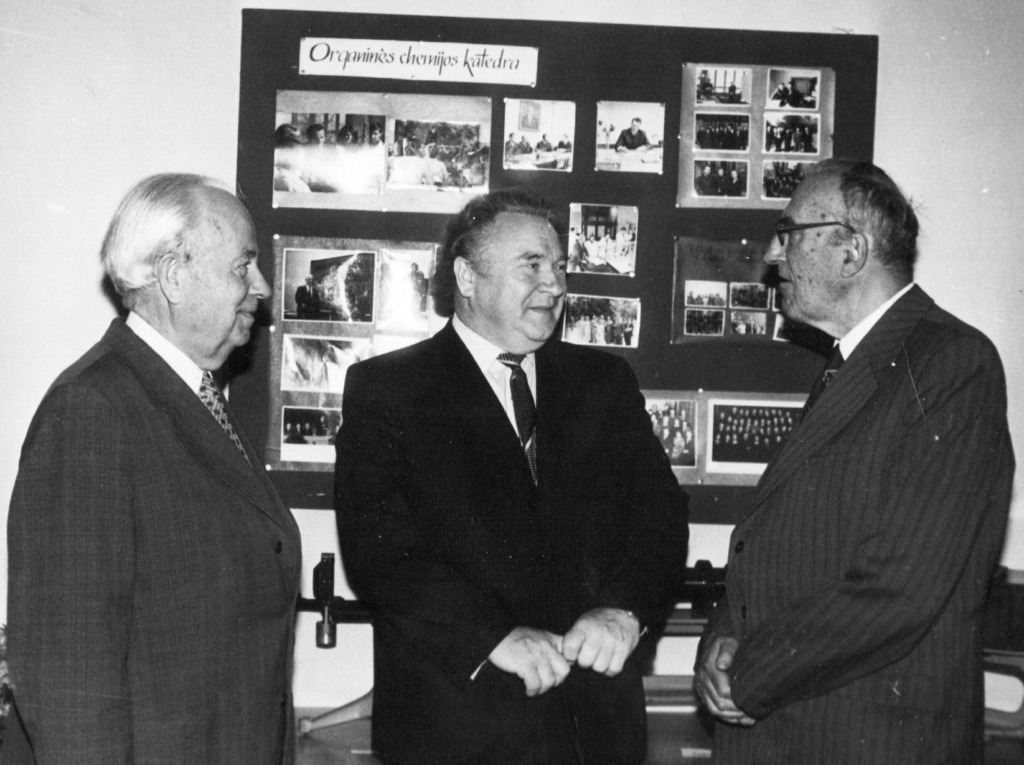
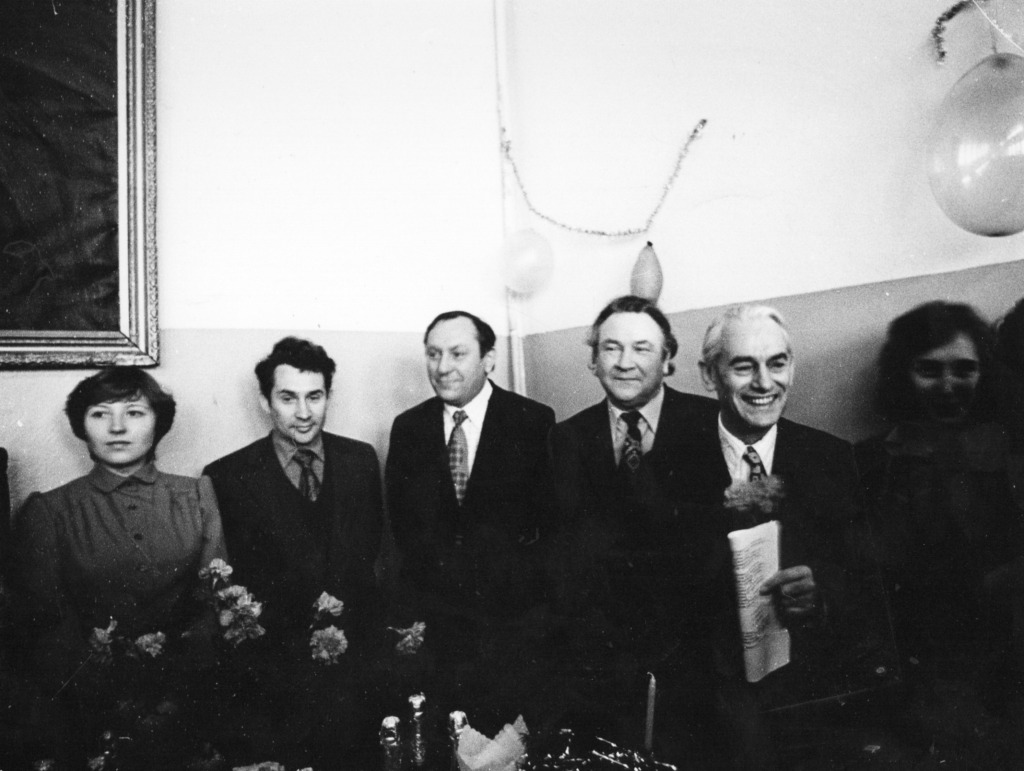
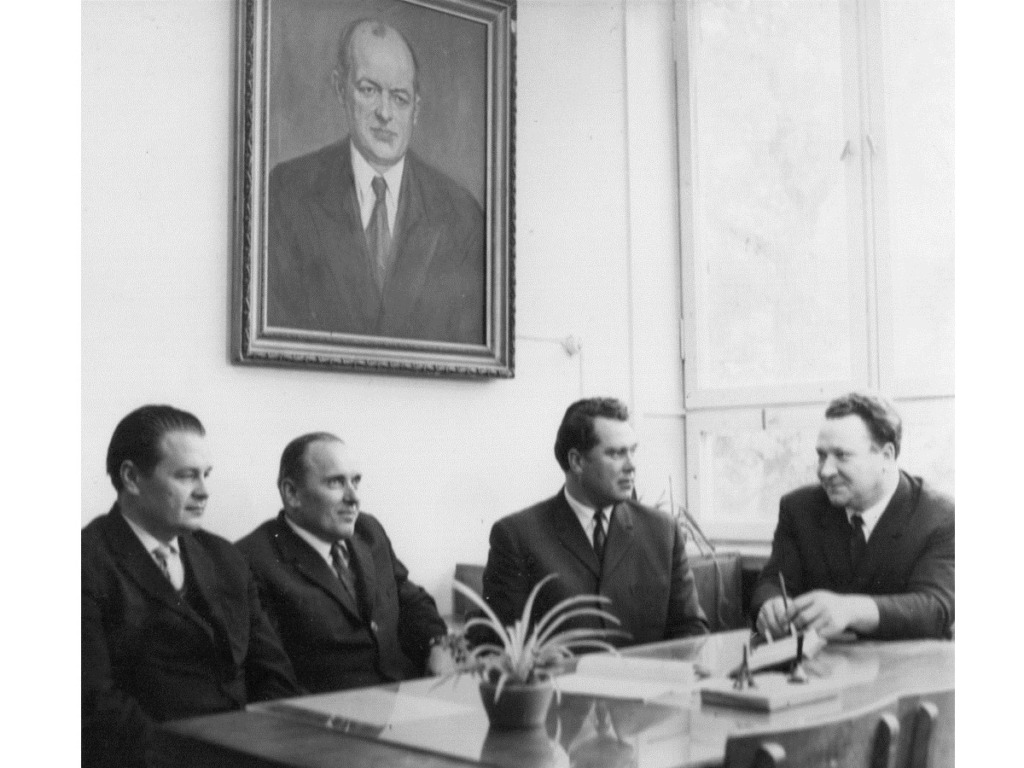
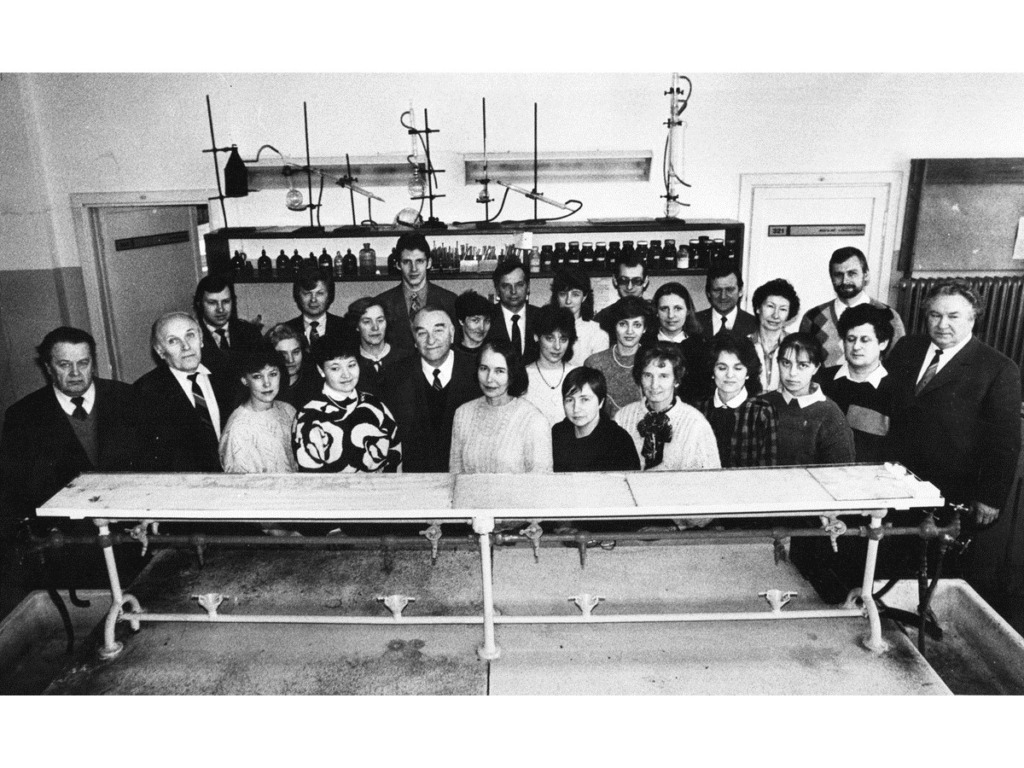
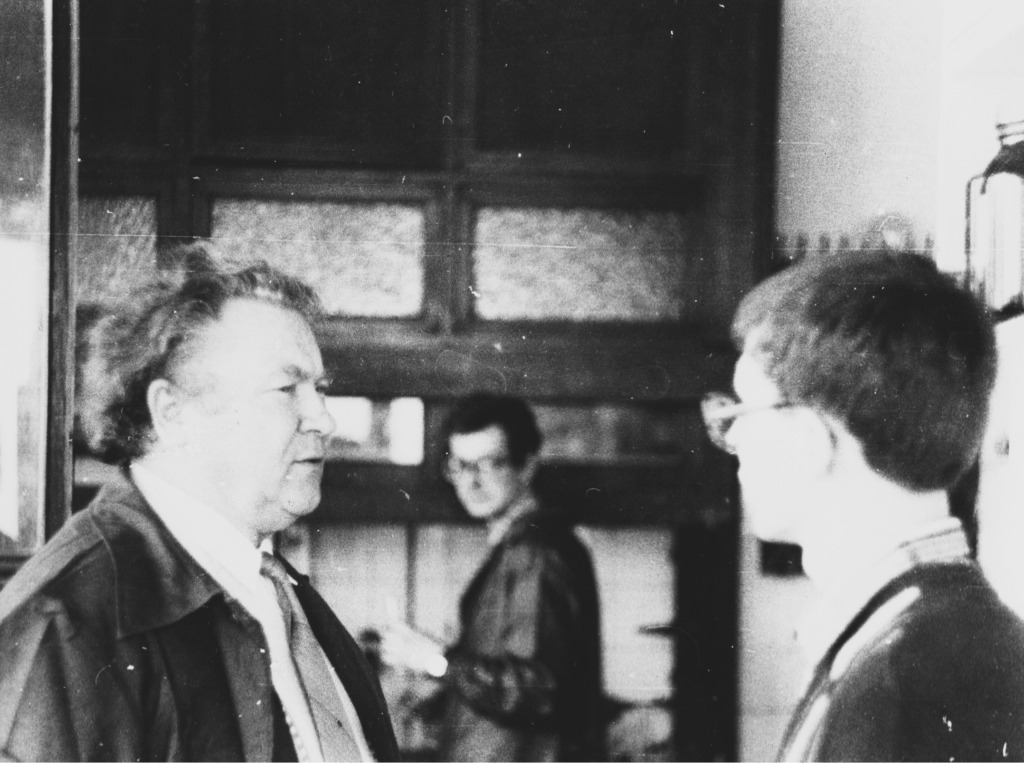
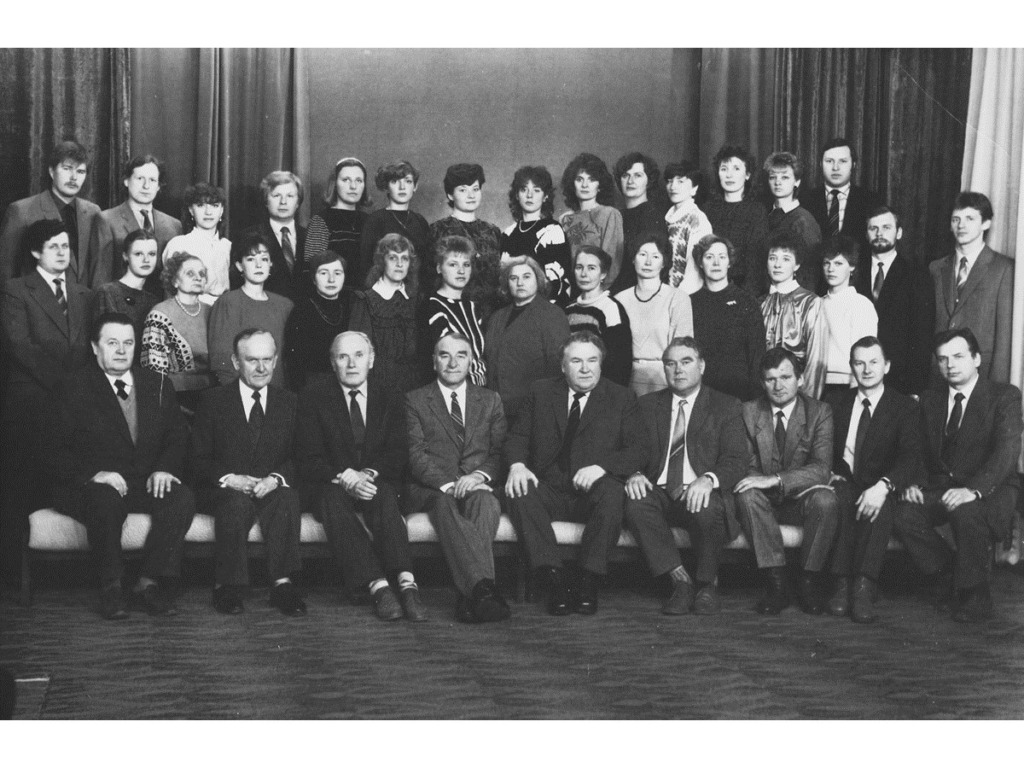
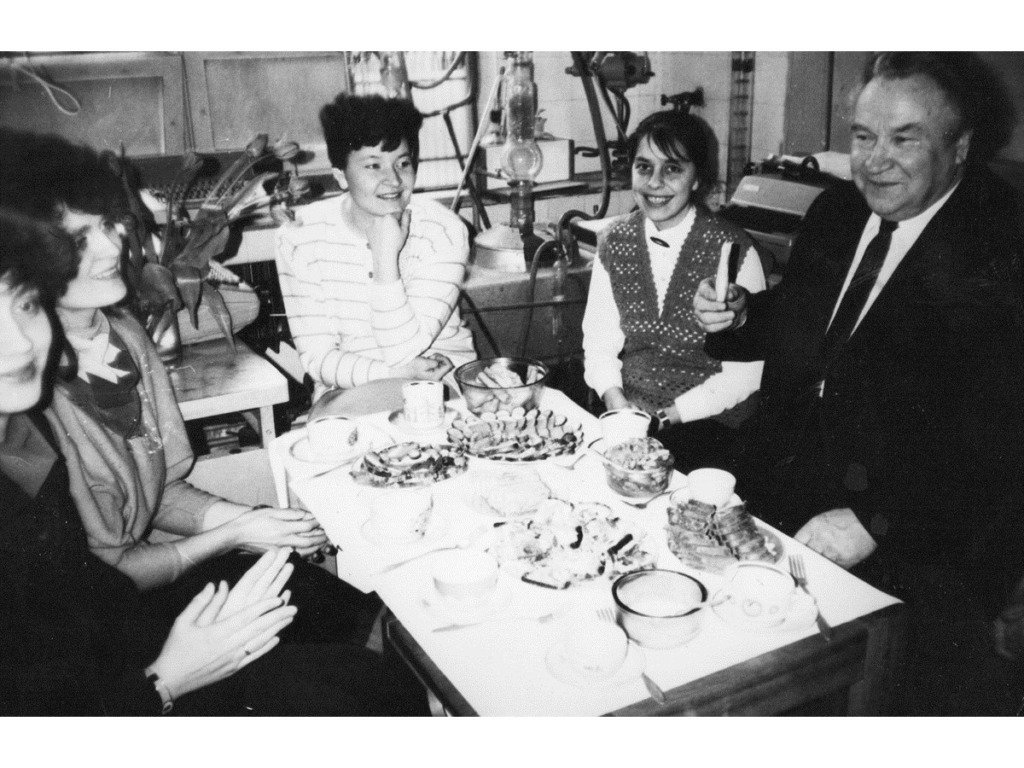
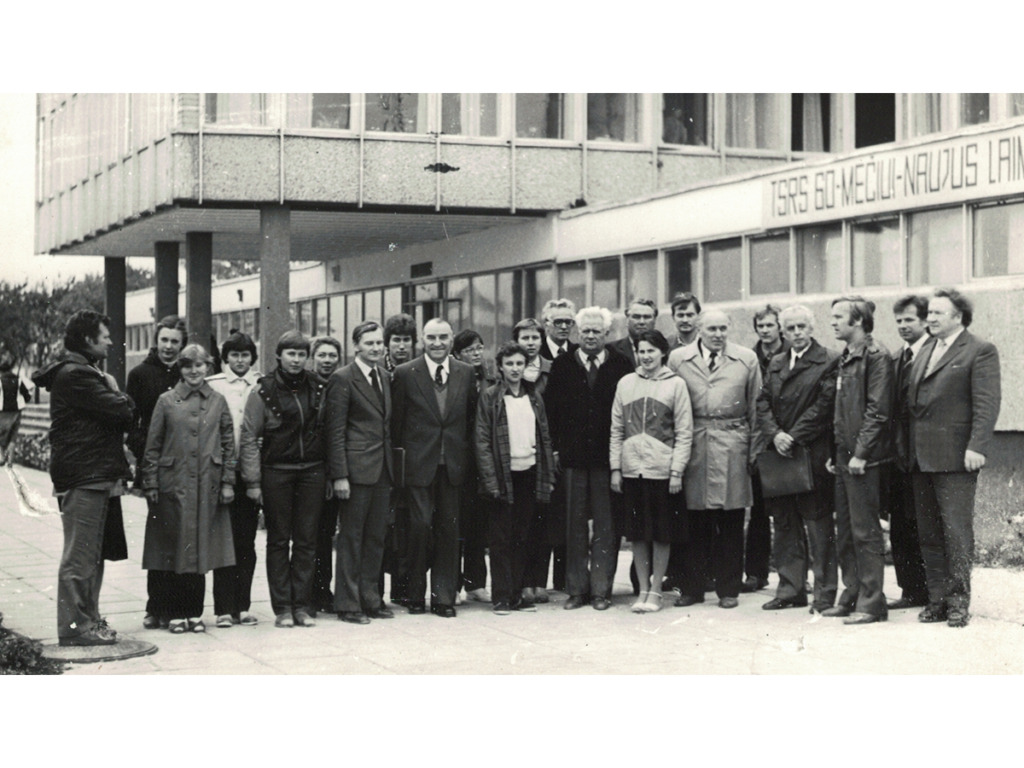
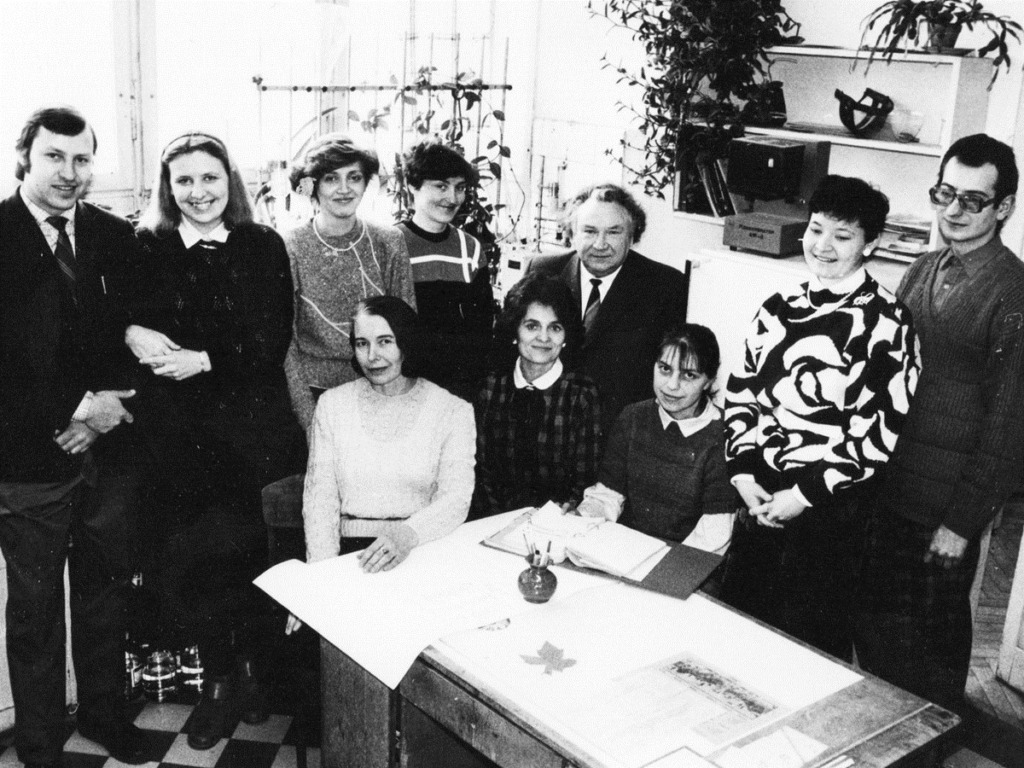
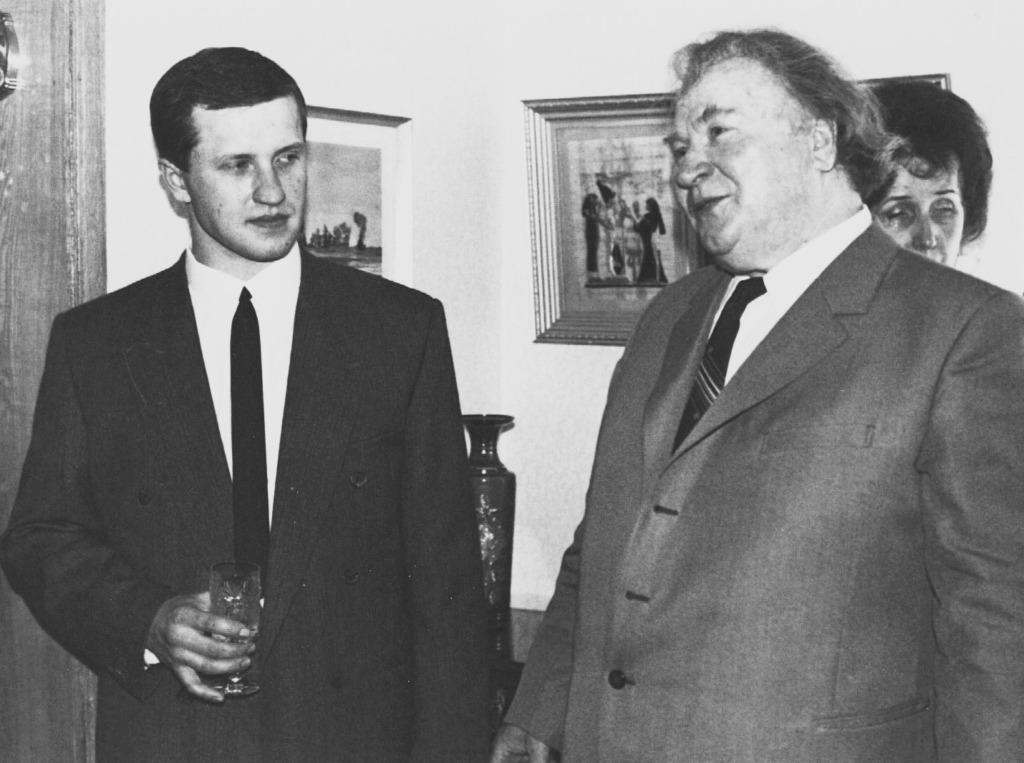
On 19 January 2025, Lithuanian organic chemist, Habilitated Doctor of Chemistry, Professor Stasys Kutkevičius would have turned 100 years old. He was a pioneer in dye chemistry in Lithuania: he developed the course of Dye Chemistry, which he taught for many years to students specialising in chemical fabric finishing, and worked on refining the Lithuanian terminology for dyes and pigments. Although most of his scientific work took place during the Soviet occupation, he was one of the most cited Lithuanian scientists abroad. 26 doctoral and one postdoctoral dissertations were defended under his supervision. The chemists trained by the professor are successfully working at Kaunas University of Technology, Vytautas Magnus University, Lithuanian University of Health Sciences, and industrial enterprises. On the occasion of his anniversary, his students initiated a virtual exhibition “The Pioneer of Dye Chemistry in Lithuania. 100th Anniversary of Prof. Stasys Kutkevičius” at KTU Museum, which features photographs and documents from the archives of Prof. S. Kutkevičius family, his students, and KTU Faculty of Chemical Technology.

Childhood and years of studies

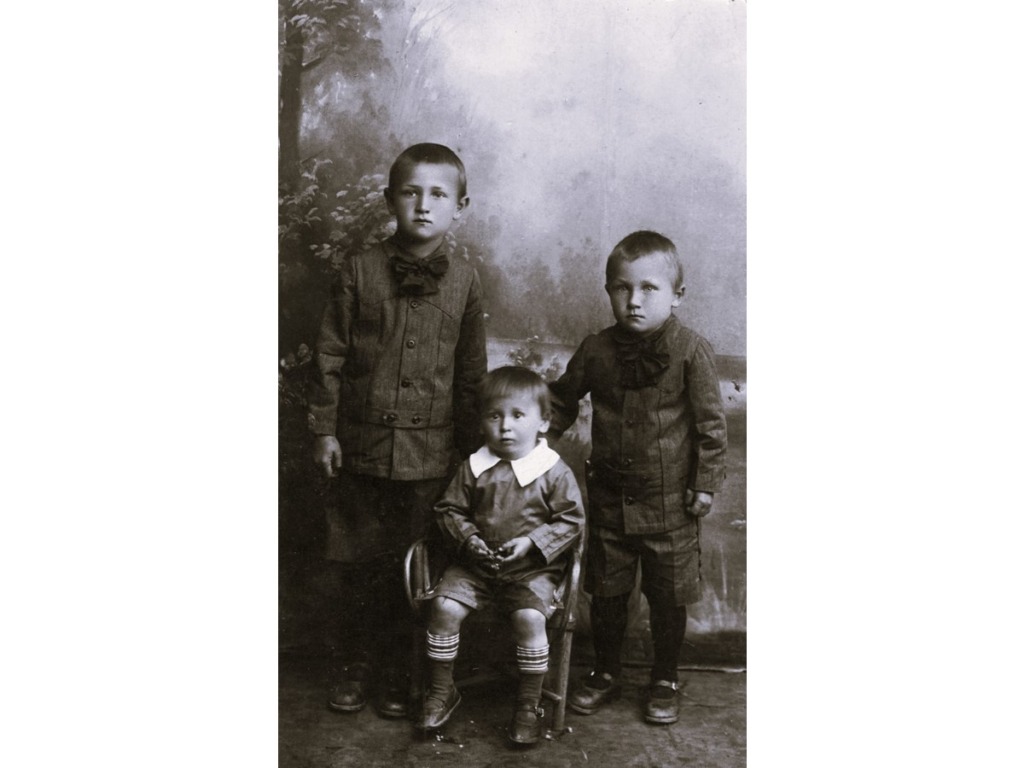
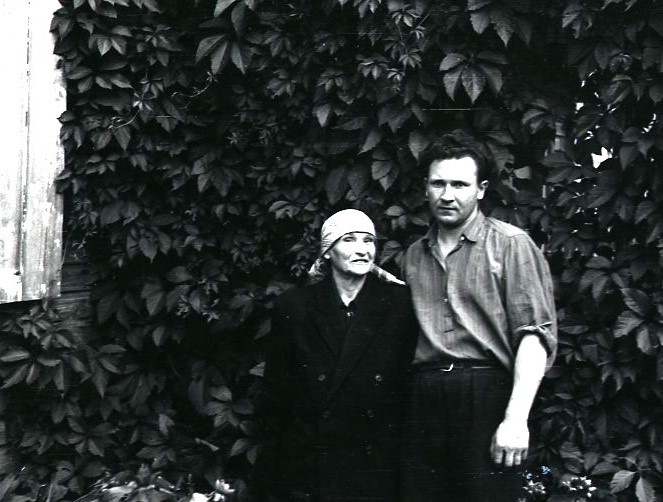
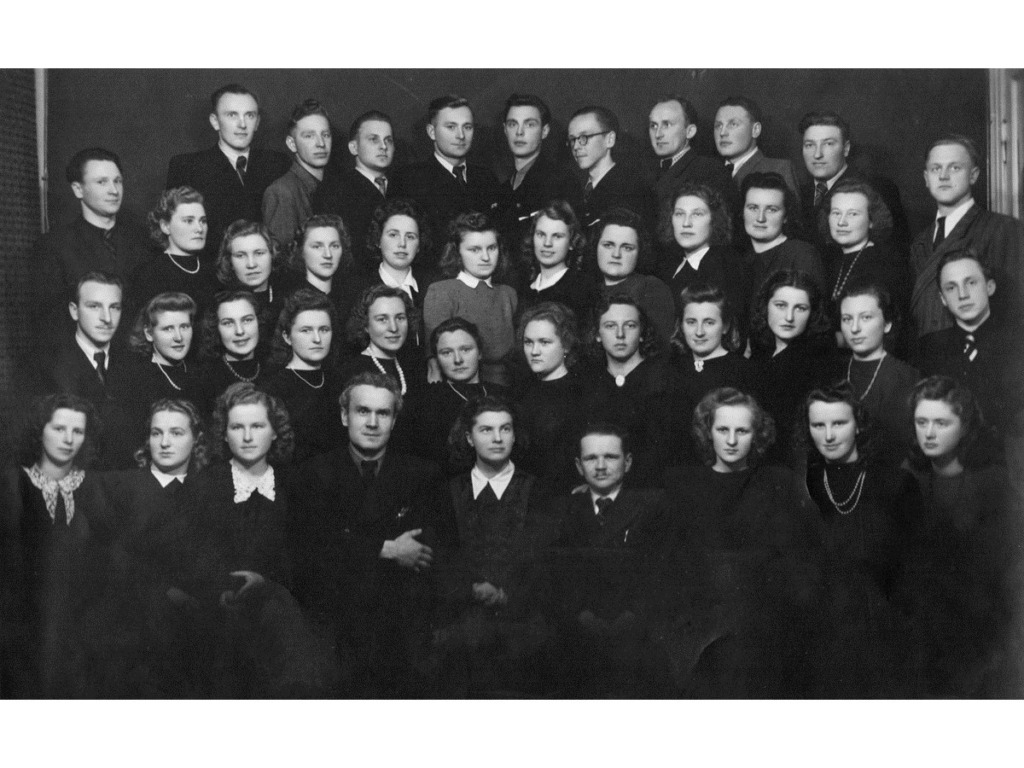
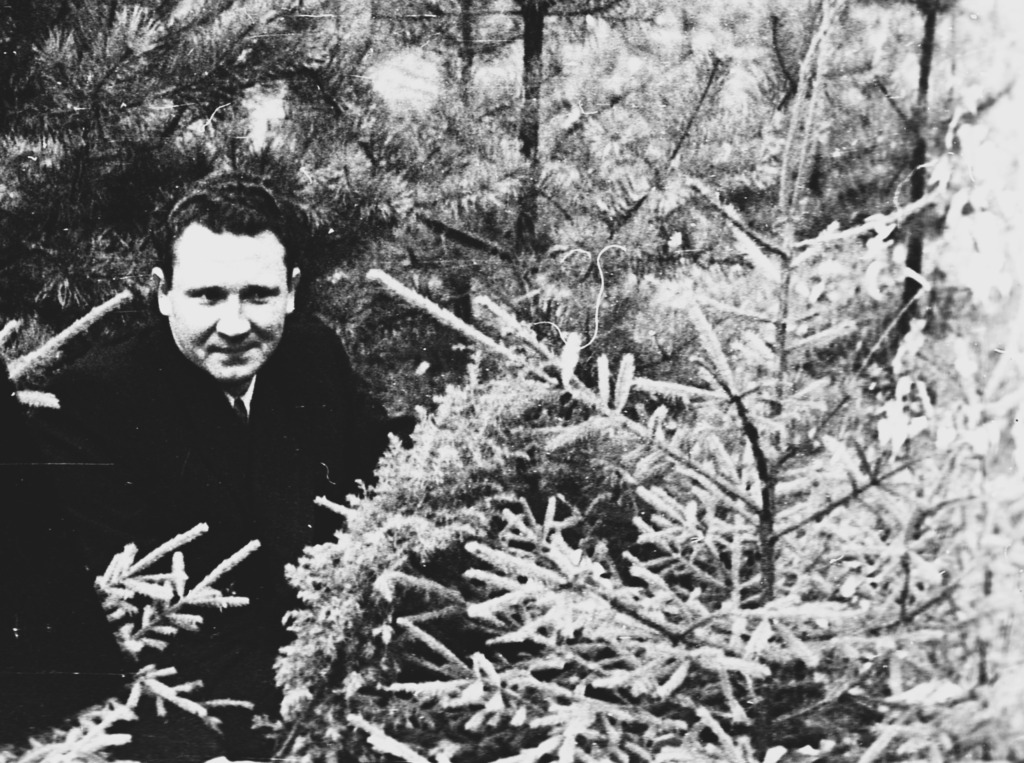
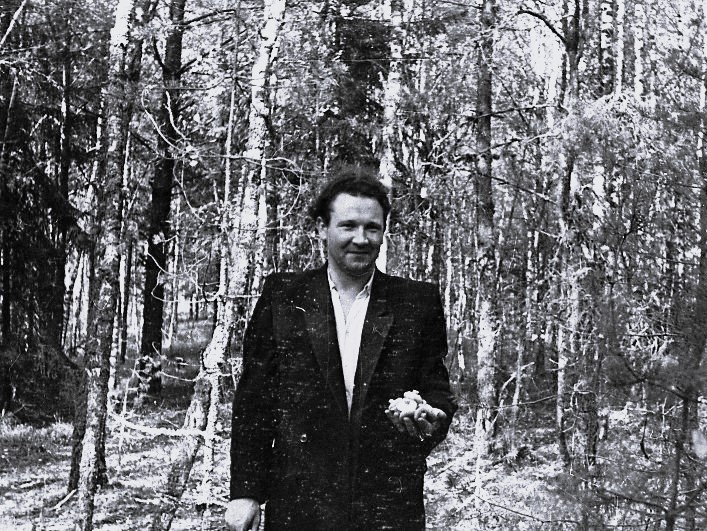
Prof. S. Kutkevičius was born on 19 January 1925 in Trupinėliai Village in Raseiniai District. His father worked as a forester his entire life. There were six boys in the family. Stasys was the third child. The family home was near the forest; therefore, he spent most of his free time there, and, like all boys, he liked playing football. Life was not easy, as there was no one to help raise the children, so the brothers helped each other a lot. They remained close until the end of their lives. In 1945, S. Kutkevičius graduated from Šakiai Secondary School and a year later, in 1946, enrolled at Vytautas Magnus University in Kaunas. While studying, he and his brothers rented rooms at Kipro Petrausko Street No. 23. The family emphasised the importance of knowledge, which is probably why all brothers completed higher education. During his studies, S. Kutkevičius began working as a teacher at Kaunas Cooperative Technical School, where he taught chemistry from 1948 to 1952.

Work at Kaunas Polytechnic Institute/ Kaunas University of Technology

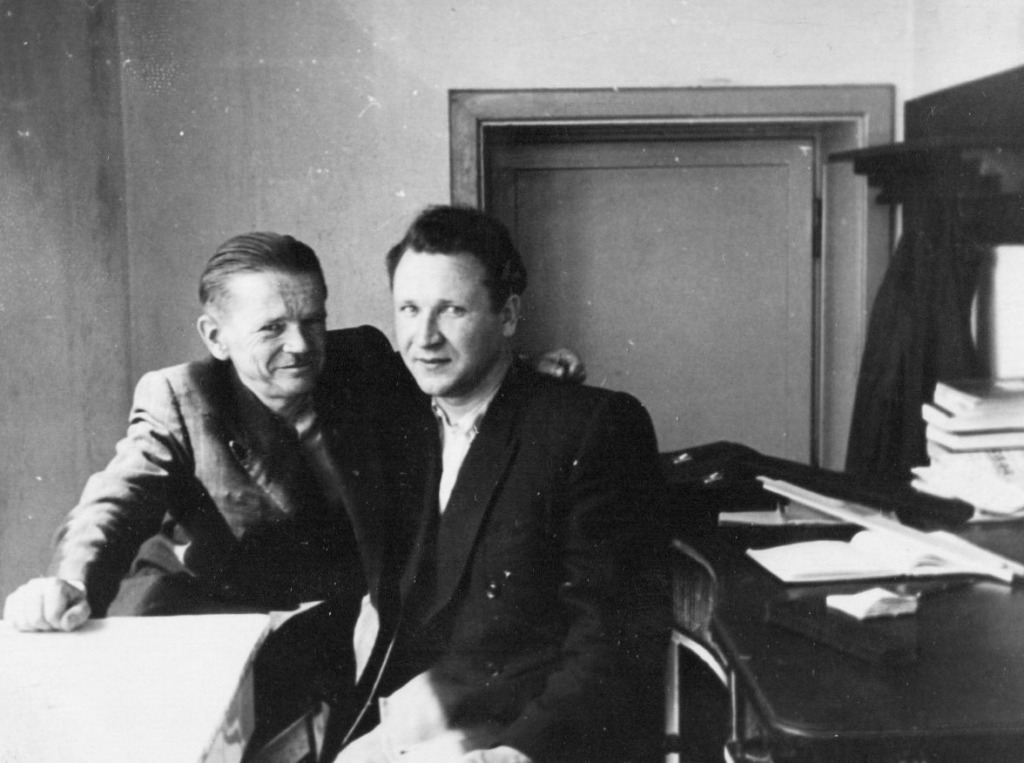
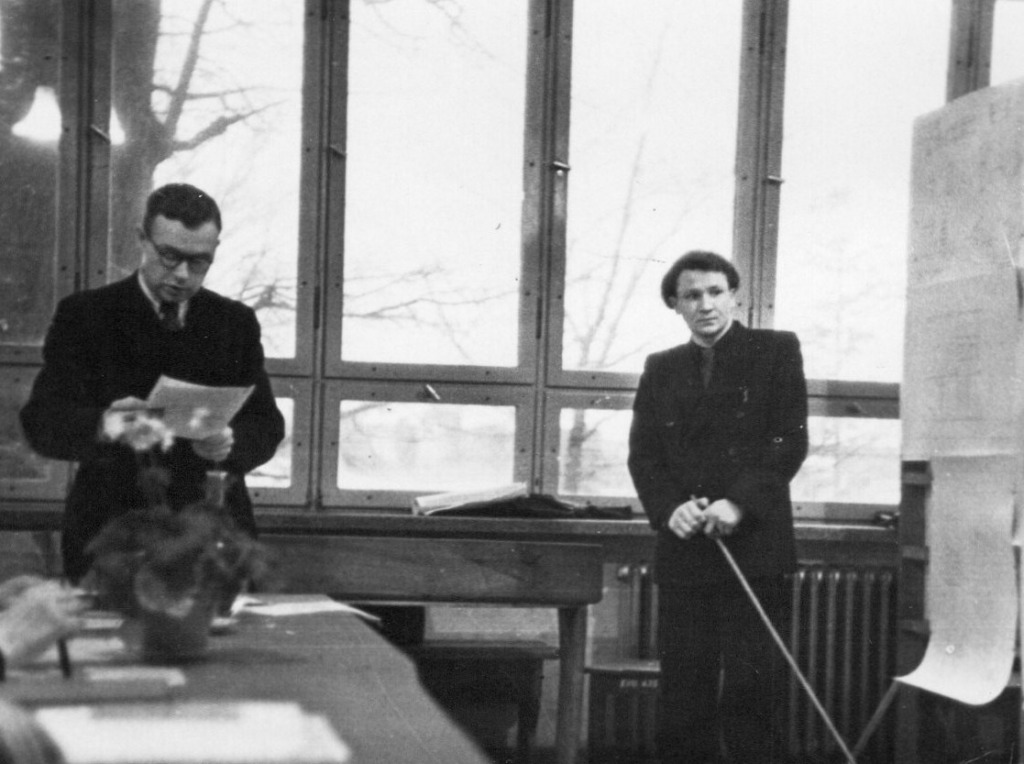
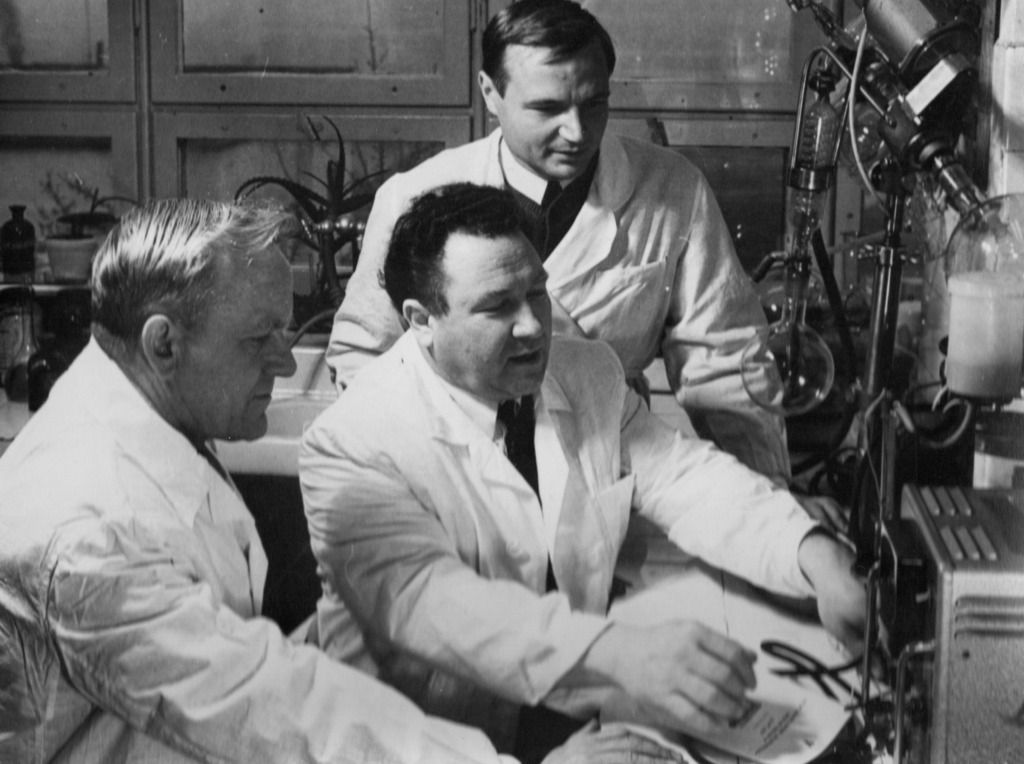
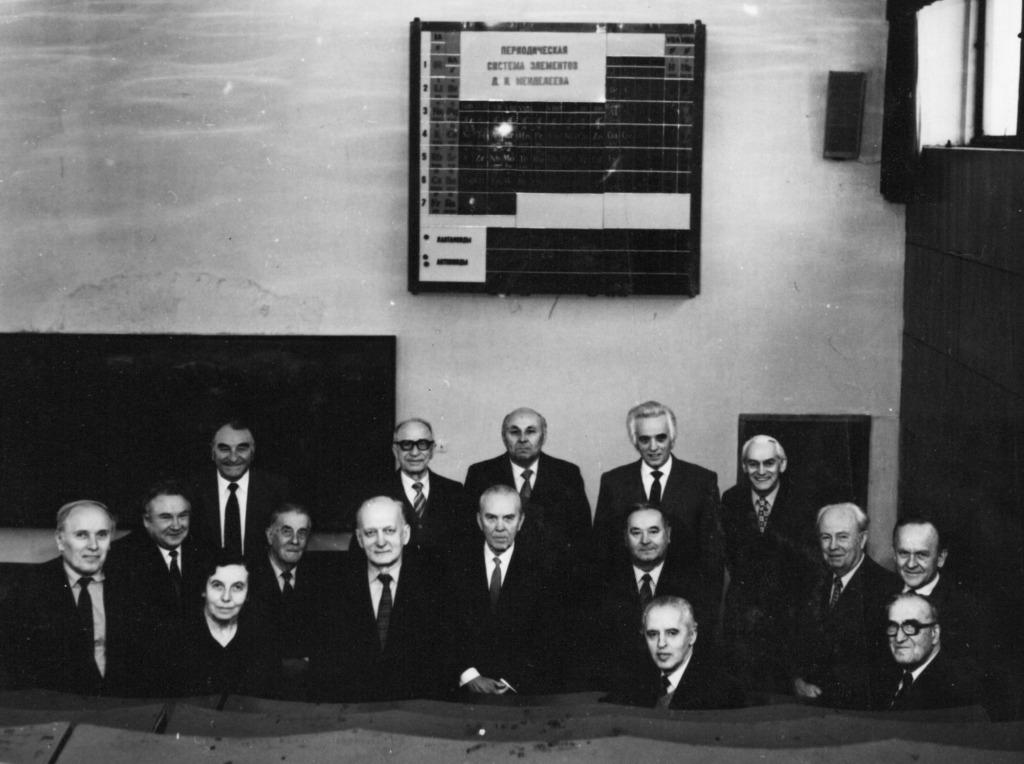
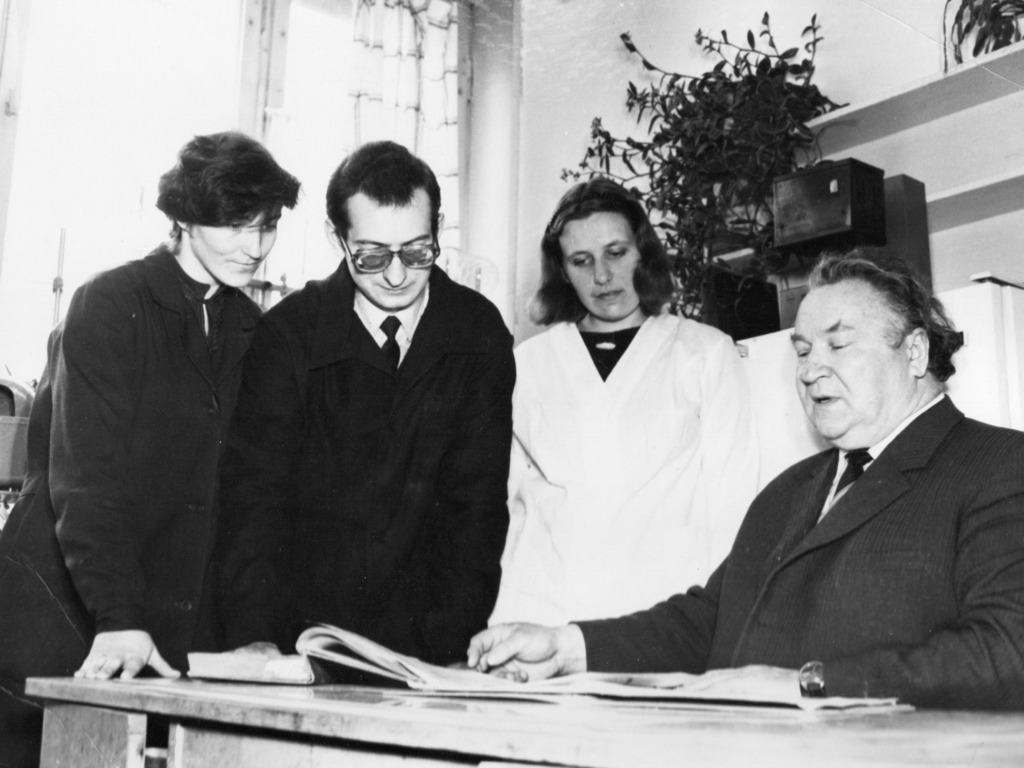
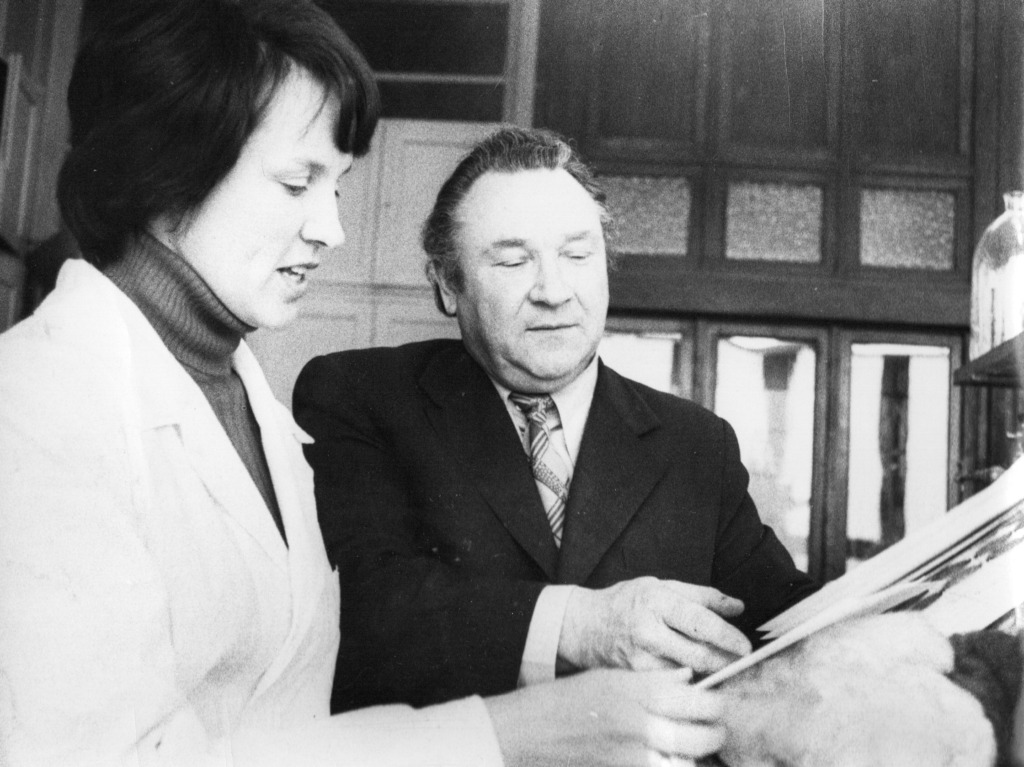
After graduating from university in 1950, S. Kutkevičius remained to work at the Department of Organic Chemistry headed by Prof. Antanas Purėnas. On 1 January 1951, the university was reorganised into Kaunas Polytechnic Institute. Initially, S. Kutkevičius worked as a senior laboratory assistant, then as an assistant and senior lecturer. Initially, S. Kutkevičius worked as a senior laboratory assistant, then as an assistant and senior lecturer. In 1952, he left for doctoral studies in Moscow, at D. Mendeleev Institute of Chemical Technology, where he was supervised by the renowned Russian chemist, academician N. Vorozhcov. He prepared and defended his dissertation titled “Research of the Interaction between Epichlorohydrin and Aromatic Amines” in 1955. As a diligent doctoral student who successfully conducted his research, he was awarded a state scholarship. After completing his doctoral studies in 1955, S. Kutkevičius returned to KPI, where he worked as an assistant, then as a senior lecturer, and, from 1958, as an associate professor in the Department of Organic Chemistry and Technology. He was an excellent educator who taught a course in organic chemistry to students of the Faculties of Chemical Technology and Light Industry (now Mechanical Engineering and Design) for many years. He was a pioneer in dye chemistry in Lithuania: he developed a course in dye chemistry, which he taught for many years to students specialising in chemical fabric finishing, worked on improving the Lithuanian

terminology for dyes and pigments, and wrote articles on colouring materials for an encyclopaedia. He could write the most complex dye and pigment formulas from memory, astonishing his students.

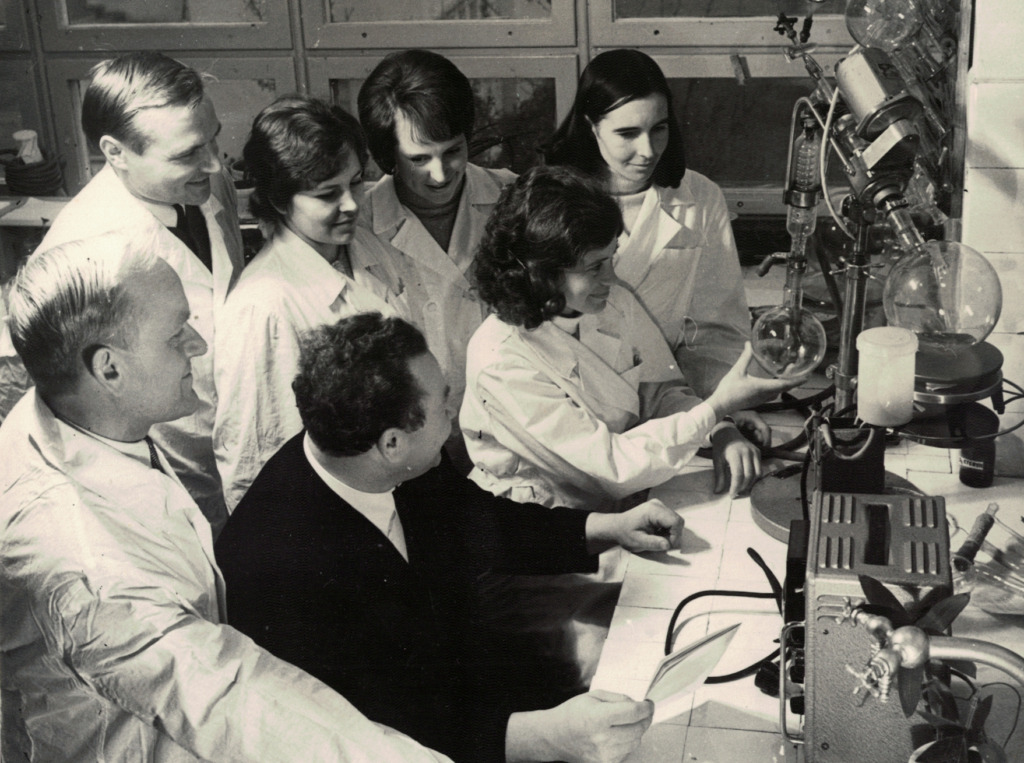
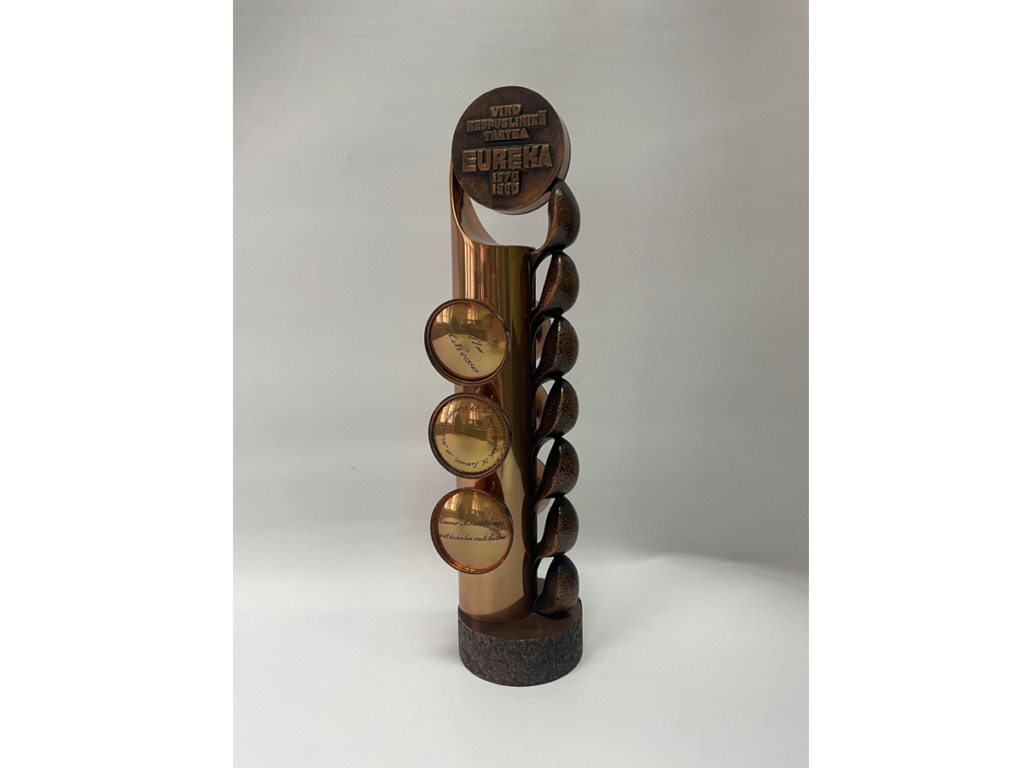
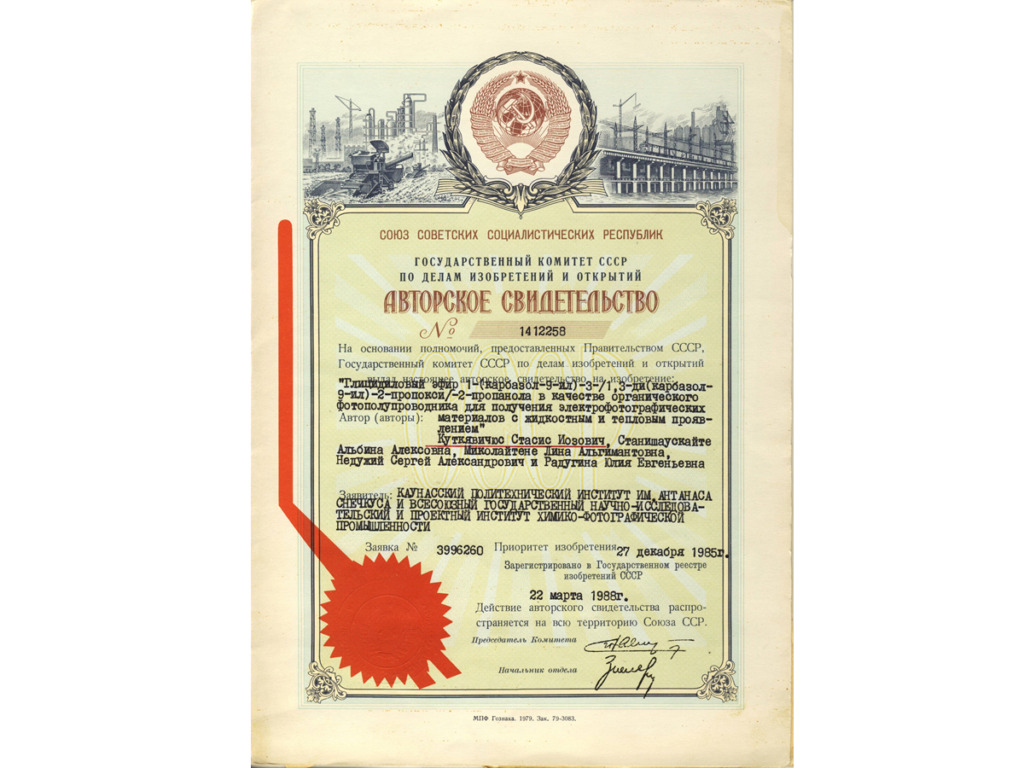
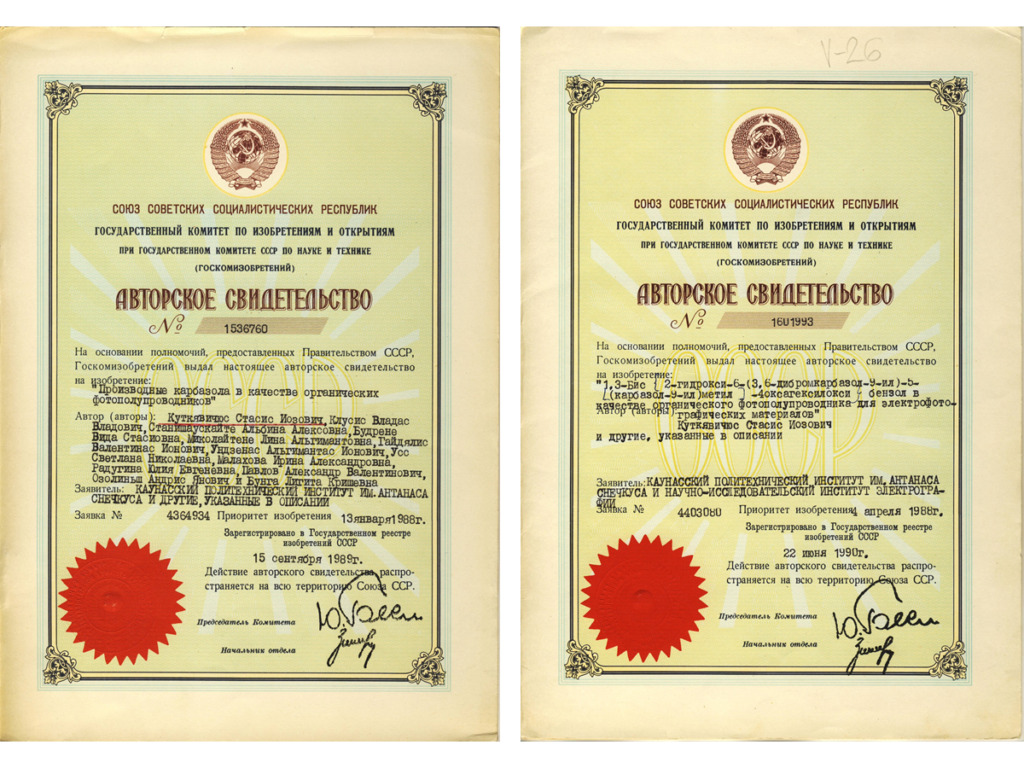
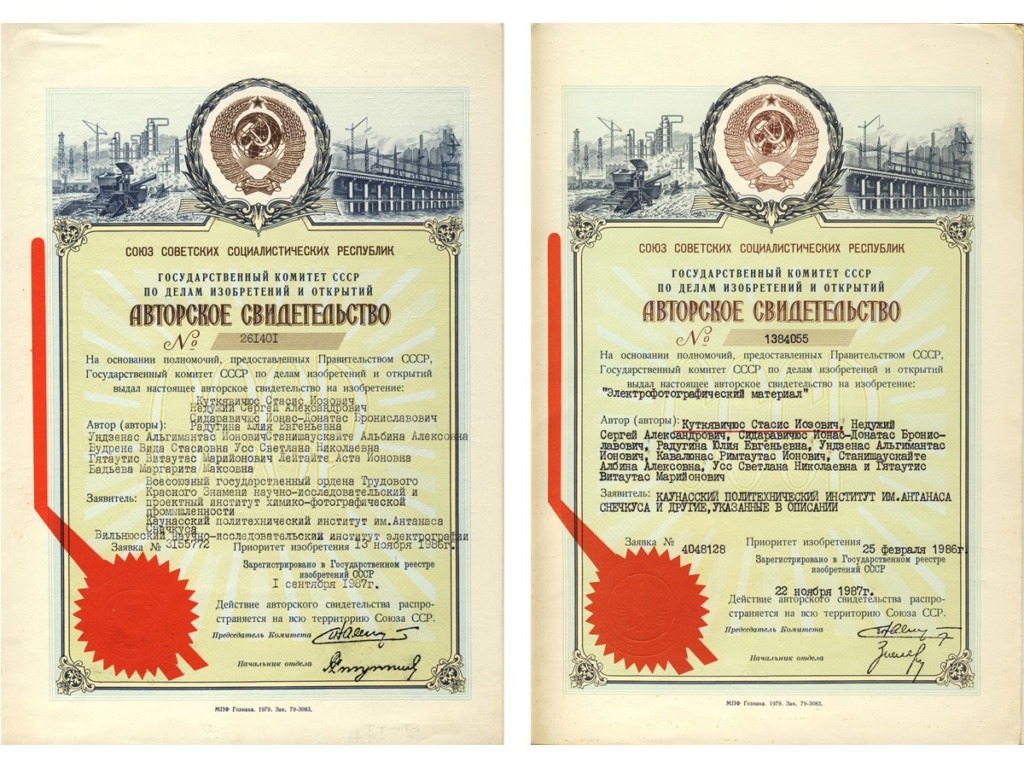
The work of S. Kutkevičius was not limited to teaching. He also continued research work. Initially, he assisted academician A. Purėnas in training doctoral students, and after the death of A. Purėnas, he focused on the topic that he had started working on in Moscow, and that was completely new in Lithuania at the time. Together with his doctoral students, he studied the reactions between epichlorohydrin and aromatic amines, as well as nitrogen-containing heterocyclic compounds. Together with his students, he invented and patented a new and original method for dyeing polyamide fibres when the dye of the desired colour is applied directly to the fibres in the process of their production. This method was tested and implemented in factories in the Lithuanian SSR and the Soviet Union: at Kaunas Silk Combine, Vilnius sock and knitwear manufacturing company “Sparta”, Klin chemical fibre association “Chimvolokno”, and elsewhere. In 1972, summarising the results of his research, S. Kutkevičius defended his habilitation thesis “Synthesis and Research of N-γ-Chloro-β-Oxypropyl Derivatives of Aromatic Amines and Heterocyclic Compounds” at Vilnius University. In 1974, he was awarded the title of professor, and in 1976, he was named a Distinguished Scientist and Technician of the Lithuanian SSR. In 1977, the new method for dyeing nylon fibre suggested by S. Kutkevičius was recognised as the most valuable invention of the year in the competition “Eureka-77”. In 1978, he was awarded the Lithuanian SSR State Prize, and in 1979, he and his co-authors were awarded a silver medal at the exhibition “Inventive and Patent Licensing Work.” Since 1980, the scientific interests of the research group of Prof. S. Kutkevičius expanded, as the products of the interaction of epichlorohydrin with aromatic amines, and especially heterocyclic compounds, began to be used very successfully in the synthesis of organic photoconductors, which were being tested at the electrography institutes in Vilnius and Moscow. The new stable amorphous electroactive small-molecule compounds synthesised in Lithuania, later named molecular glasses, were the first materials of this type, and Prof. S. Kutkevičius was one of the world’s pioneers in this field of semiconductors.

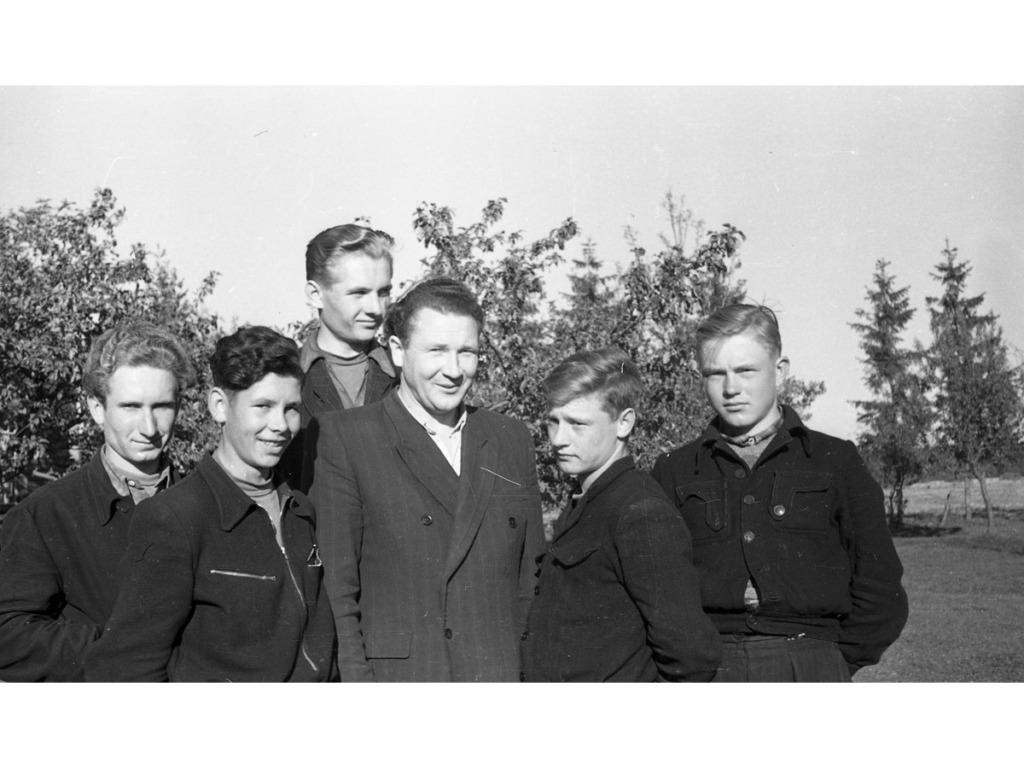
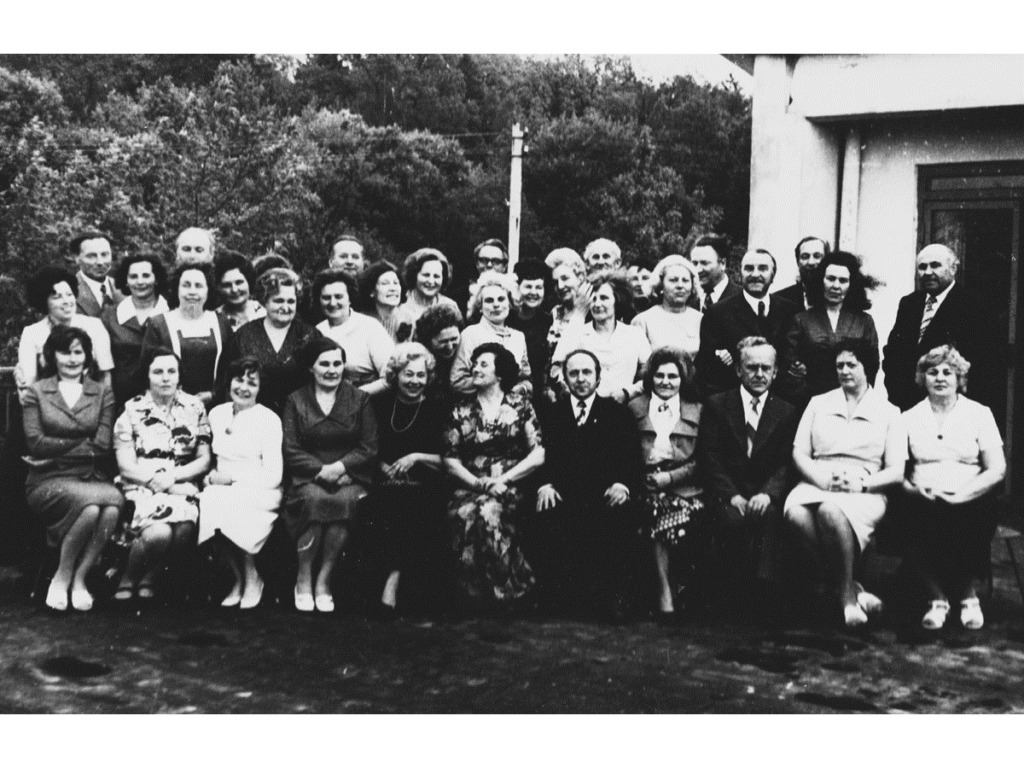
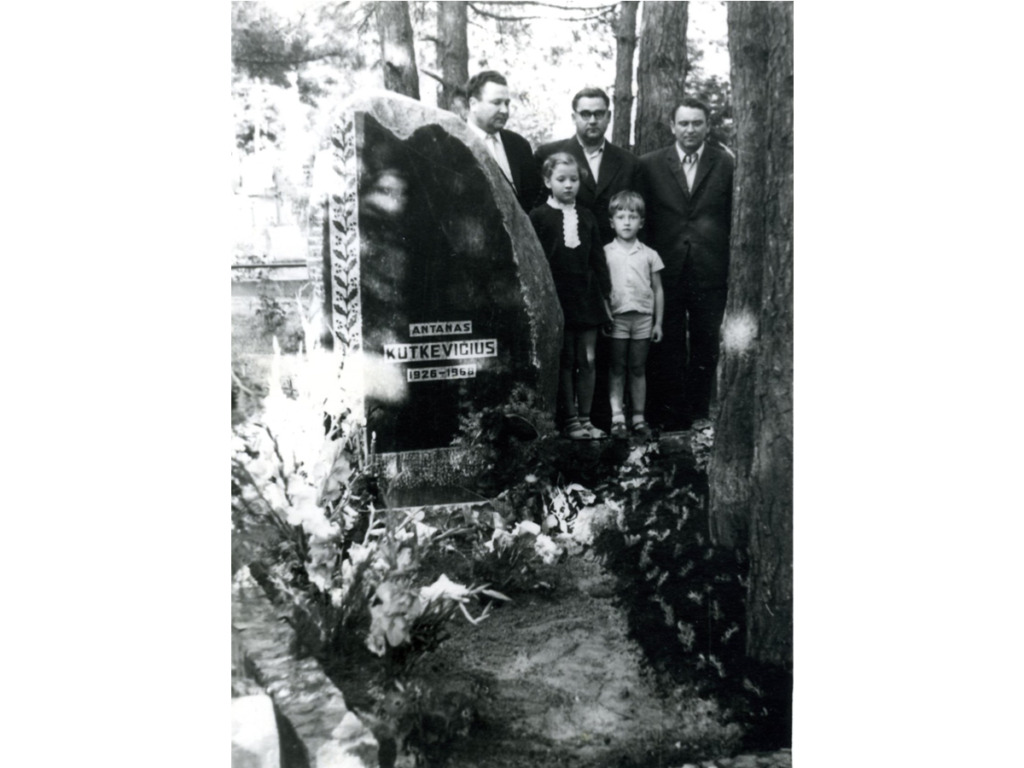
In 1991, after Lithuania regained its independence, Prof. S. Kutkevičius was elected as an expert member of the Lithuanian Academy of Sciences. The results of his scientific work have been published in more than 260 scientific articles, and he made 50 inventions (with others). Although most of his scientific work took place during the Soviet occupation, he was one of the most cited Lithuanian scientists abroad. Under his supervision, 26 doctoral and one habilitation dissertations were defended. The chemists trained by the professor are successfully working at Kaunas University of Technology, Vytautas Magnus University, Lithuanian University of Health Sciences, and industrial enterprises. The professor was a member of the Senate of Kaunas University of Technology, a member of specialised scientific councils for the dissertation defence, and later a member of doctoral committees and a reviewer of numerous dissertations. Prof. Stasys Kutkevičius died on 13 February 1994 in Kaunas.
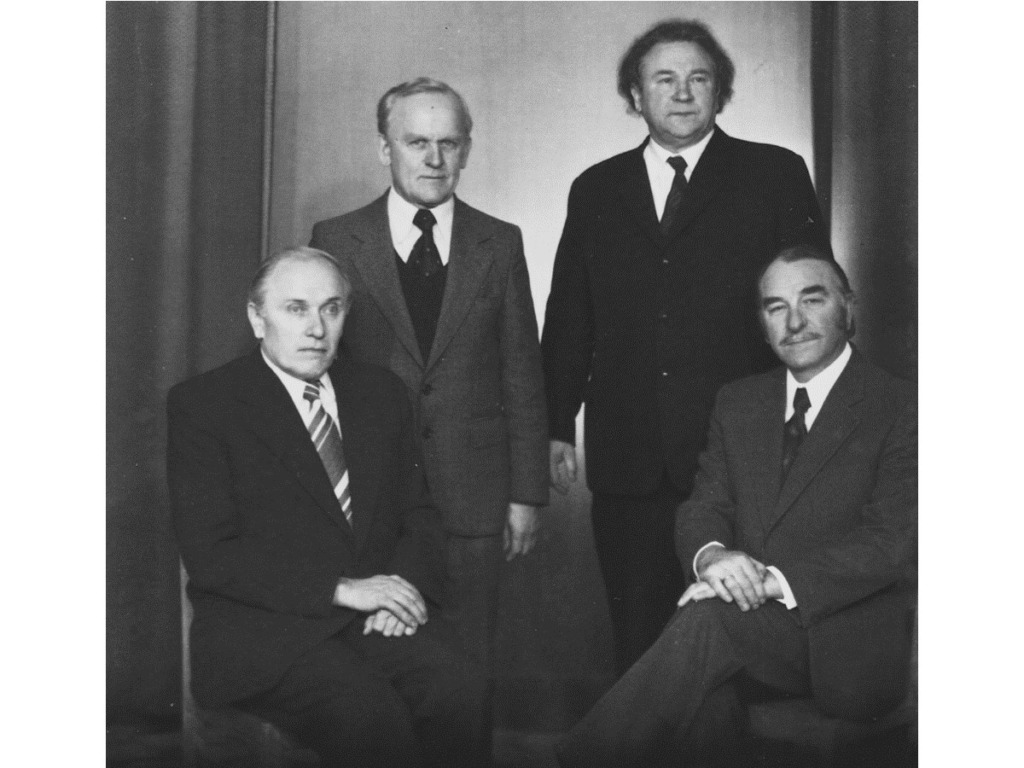
Family

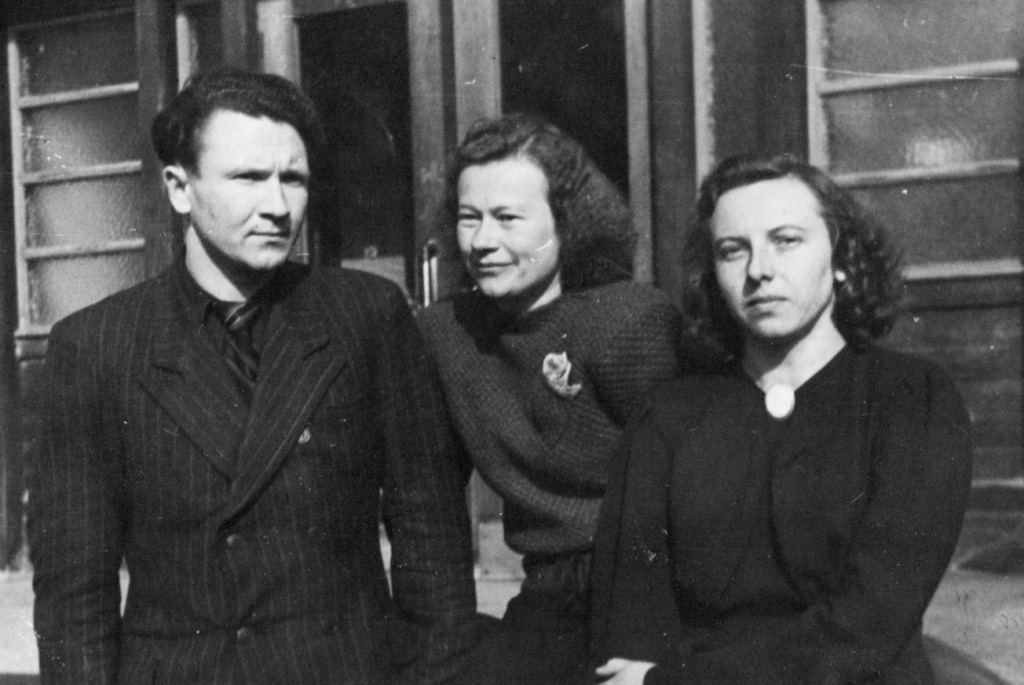
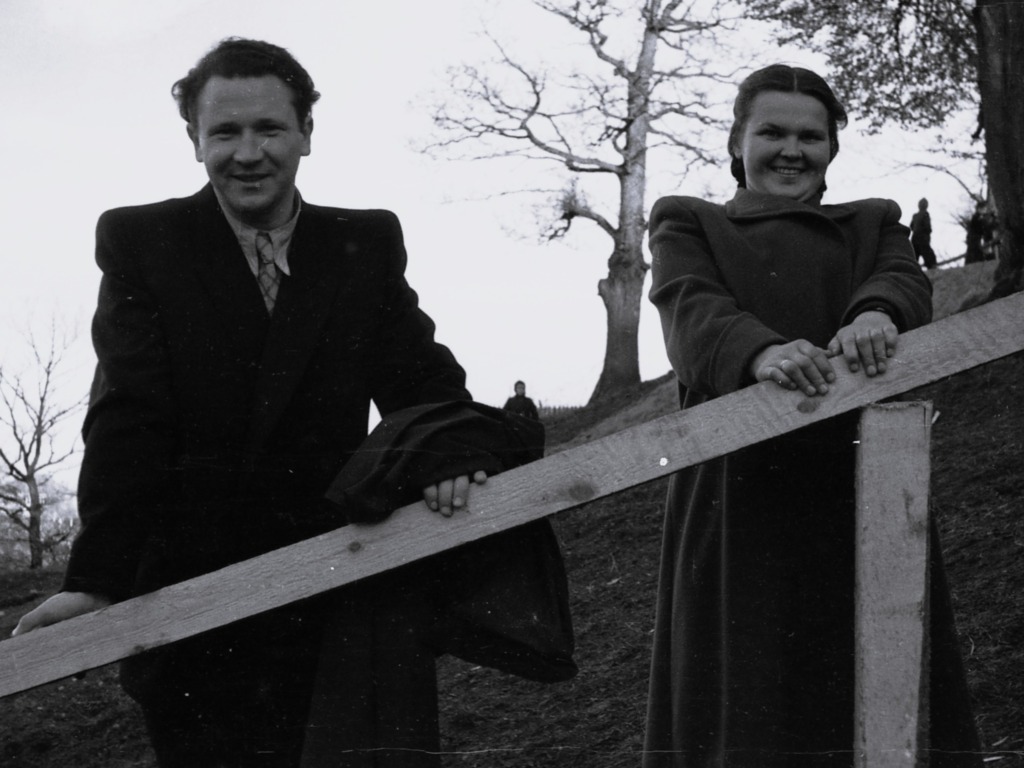
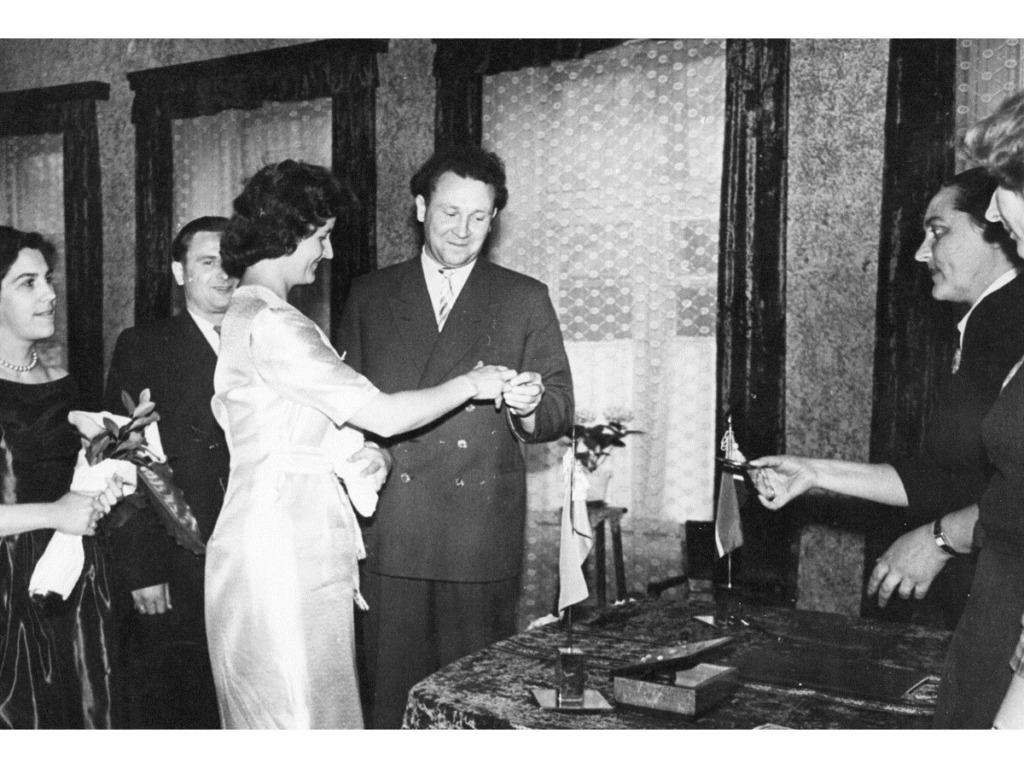
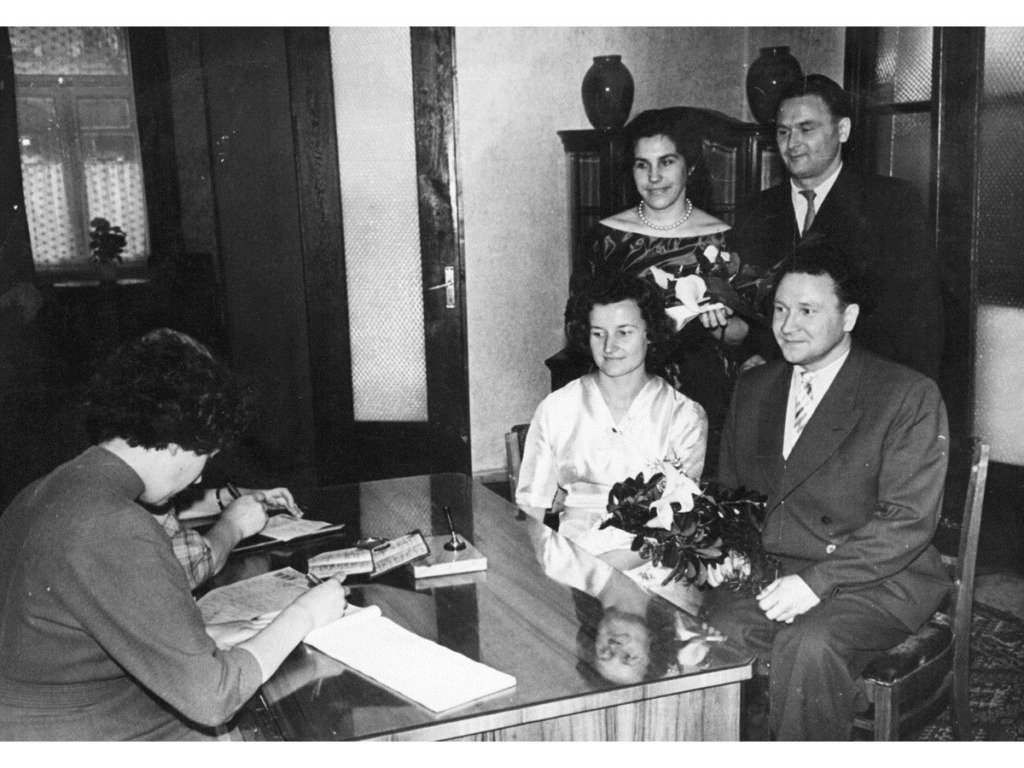
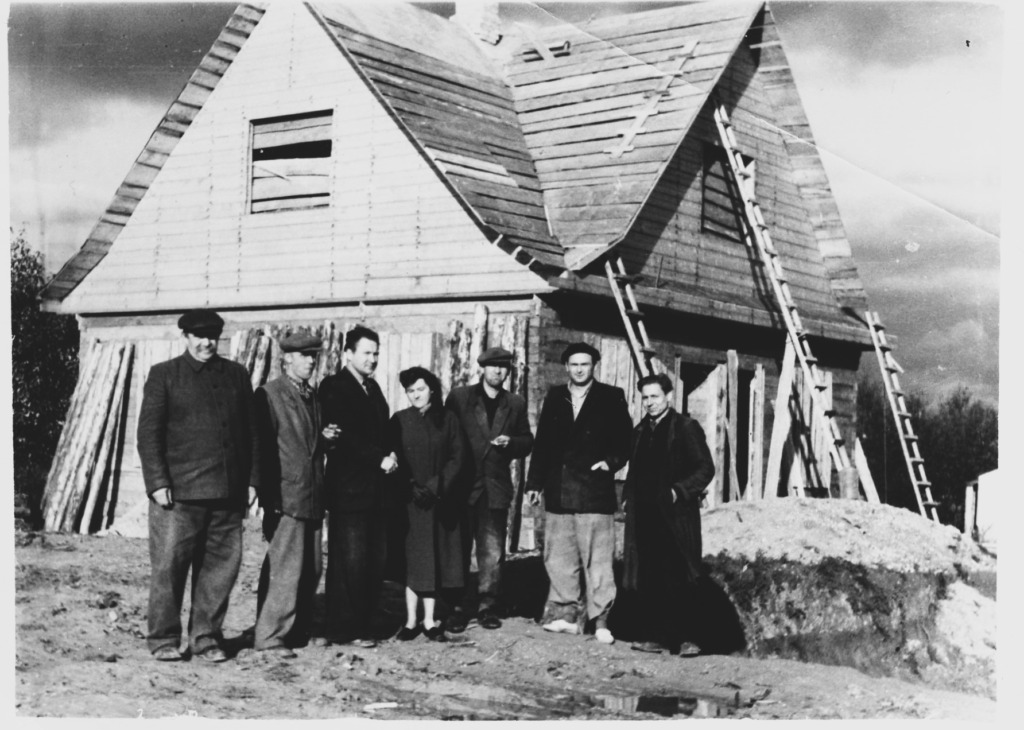
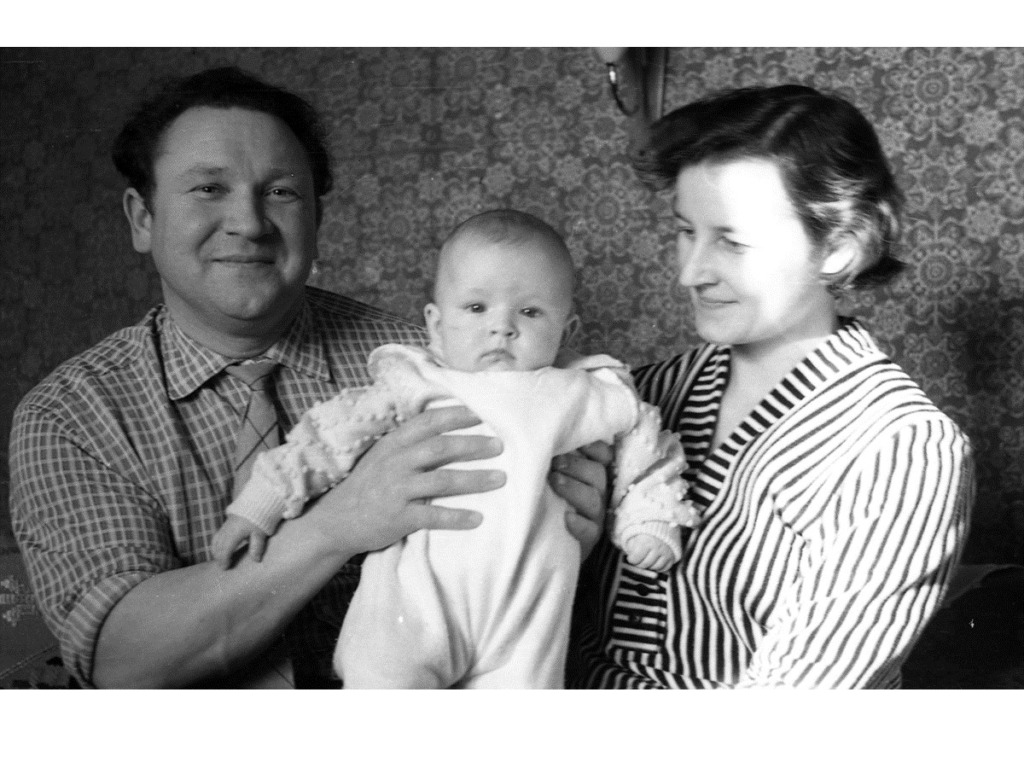
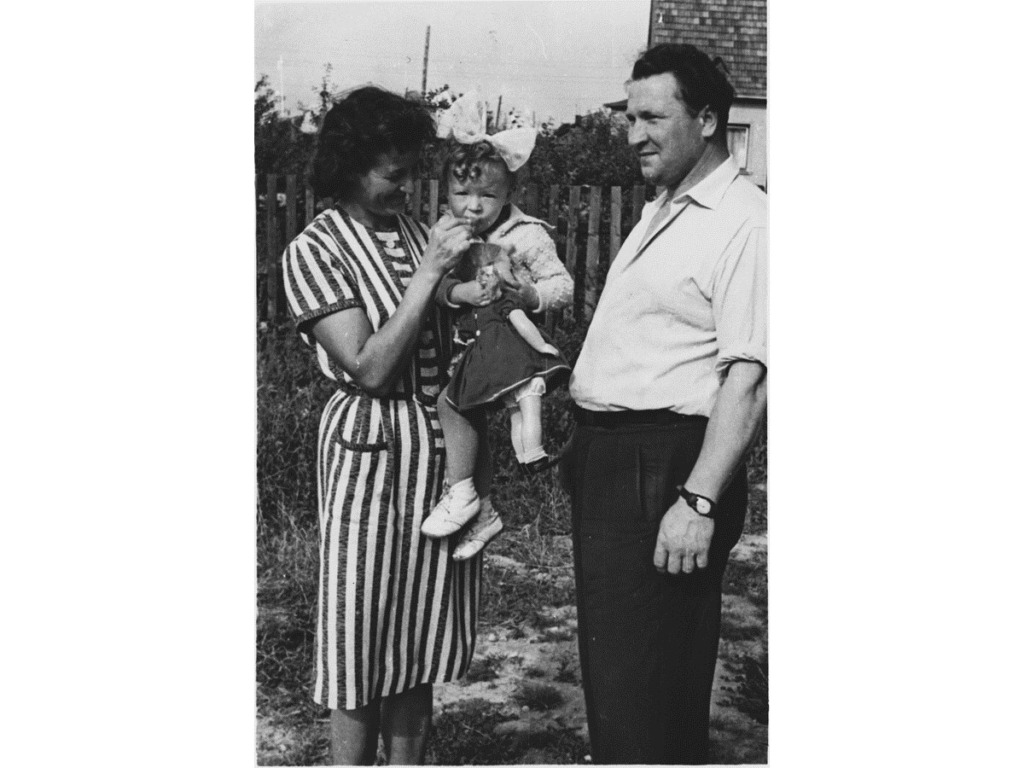
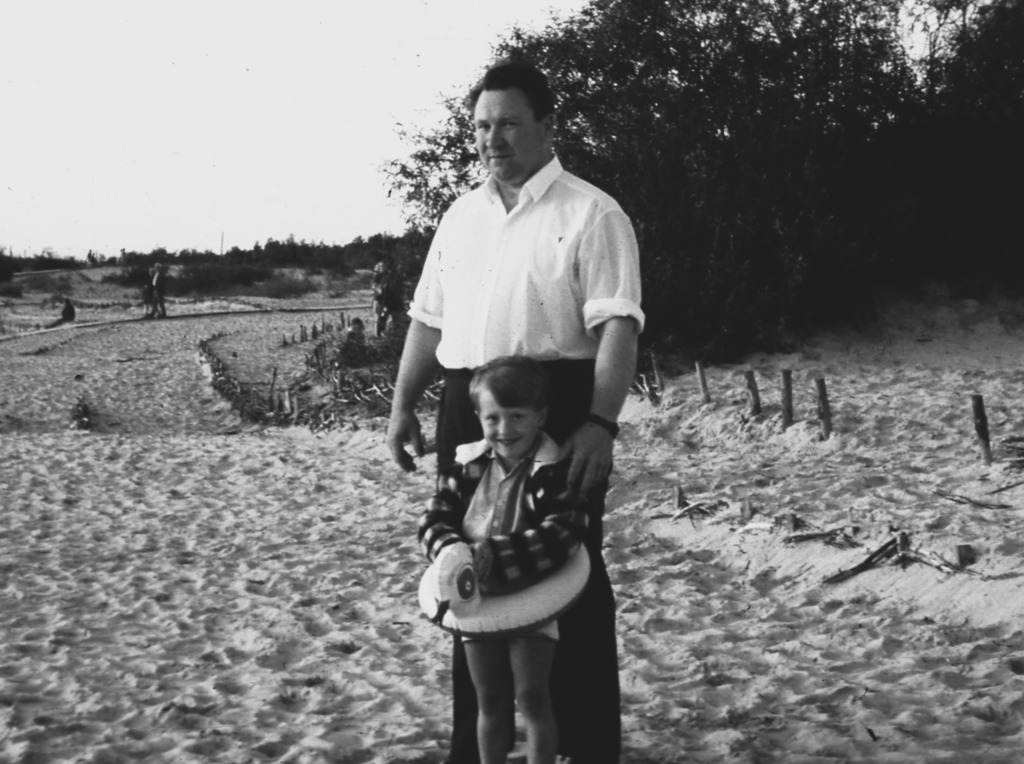
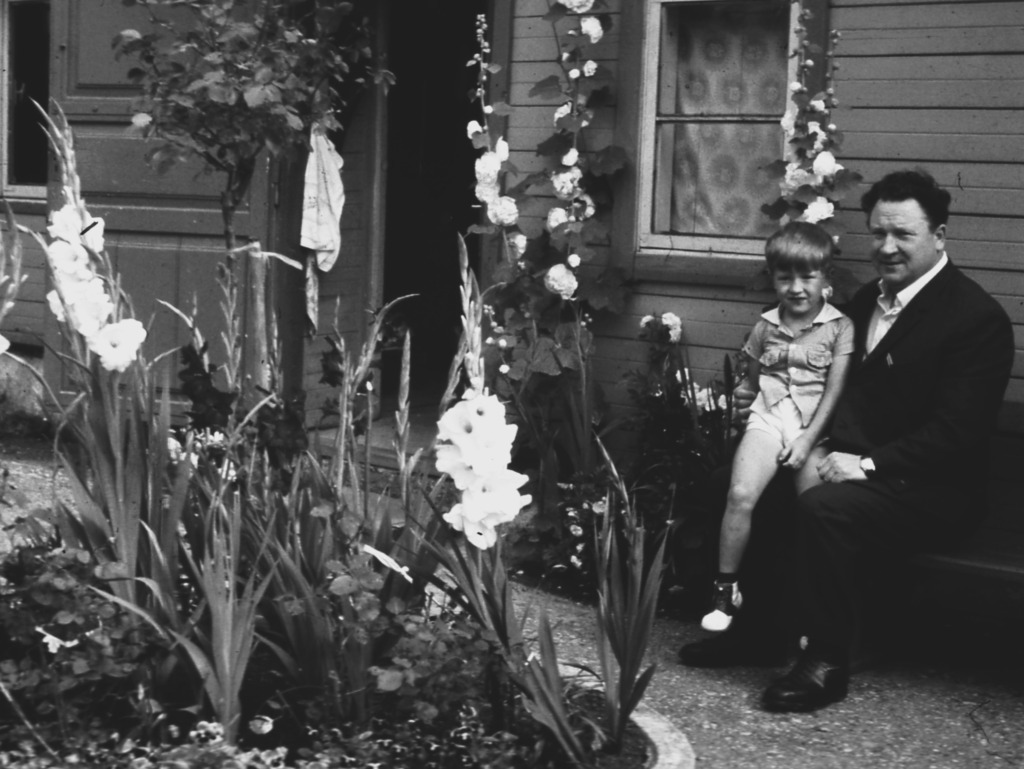
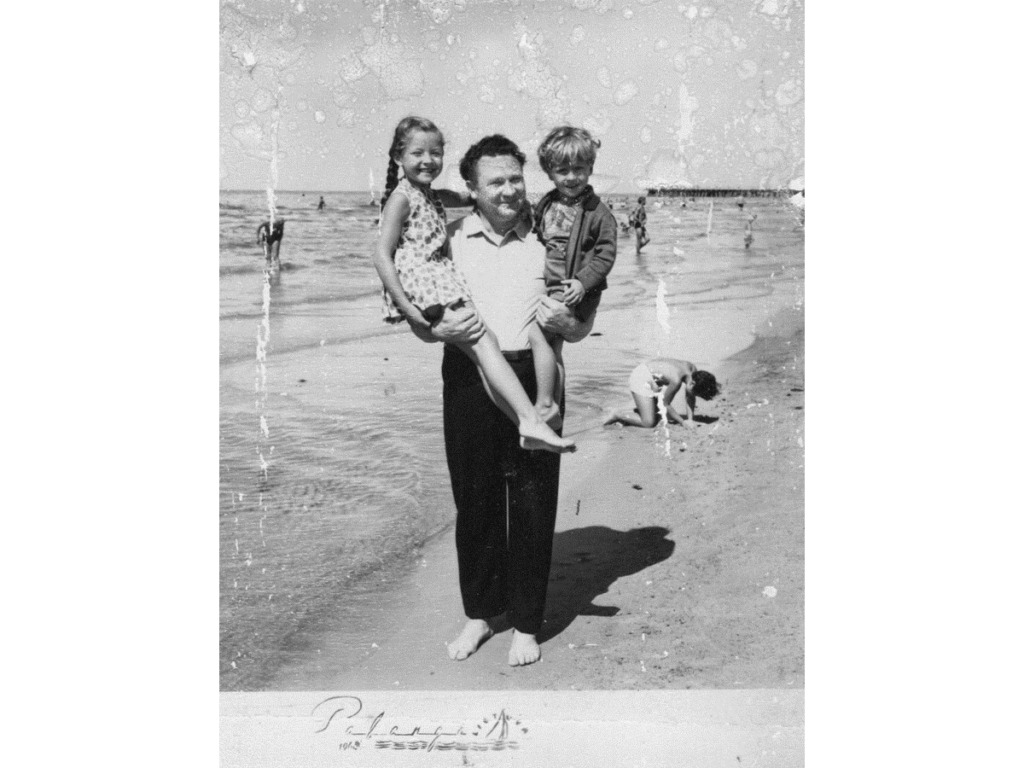
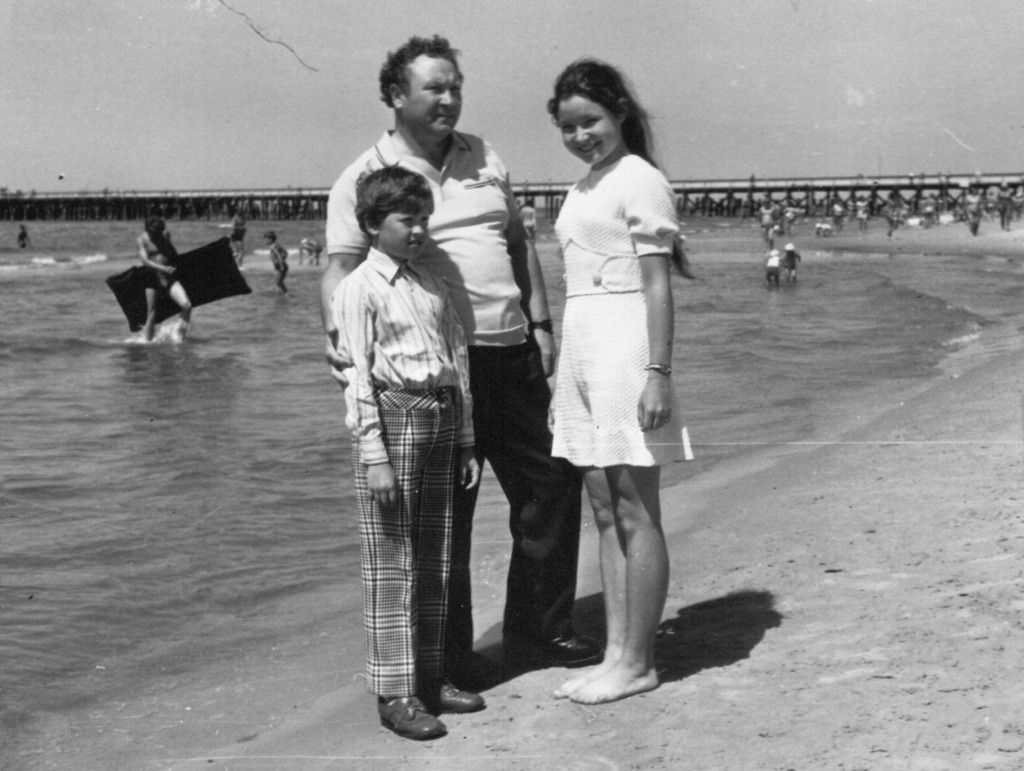
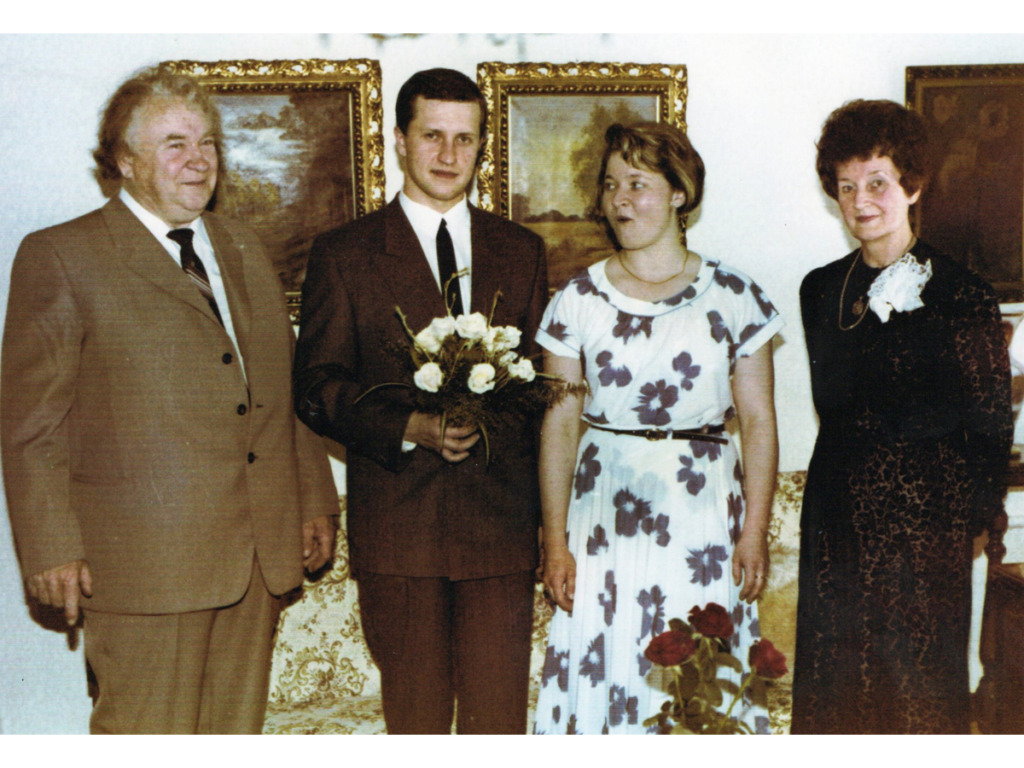
On 9 May 1960, Stasys Kutkevičius married Danutė Norkutė, who had just graduated from Kaunas Medical Institute. With the help of S. Kutkevičius’ father and brothers, the young family quickly built a house. His father brought the frame of the house from the forestry office, and all of his brothers came to help, so they could move into the house very soon. They began planting a garden around the house. The Kutkevičiai family had two children, daughter Vida and son Juozas. The Kutkevičiai family was democratic: children had freedom of speech, their opinions were always considered, and although they were not always agreed with, they were always given reasoned explanations. His wife Danutė used to joke that when she got married, she knew that her husband’s scientific work came first in his life, hunting second, and family third. The children would reply, “Well, mom, we have nothing to worry about, as long as we take the prized position.” Although
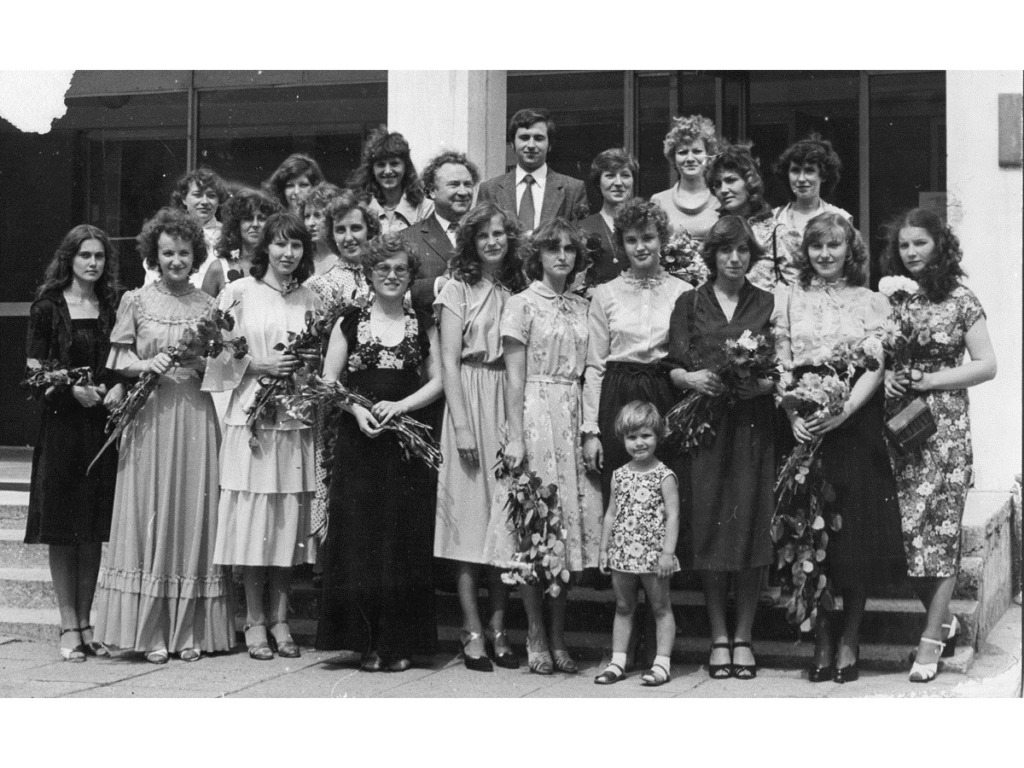
they were the third priority, the children never felt the lack of their father’s love and care – he was always there when needed. The children are grateful to their parents for a wonderful childhood and adolescence in a house on a hillside on Saulės Street.

The professor managed to pass his most important hobbies to his children. Prof. S. Kutkevičius passed on his love of science to his daughter Vida, who was one of the professor’s students and defended her doctoral dissertation under the supervision of the professor’s former doctoral student, Assoc. Prof. Dr. Vladas Klusys. Dr. Vida Budrienė is the head of the modern company “Biosyyd”. Having inherited her father’s unwavering energy, she works on creating high-value-added bioactive products that reach markets as far away as Japan, Australia, and Argentina. Her company is always open to chemistry students who want to complete an internship.

Prof. S. Kutkevičius instilled a passion for hunting in his son, surgeon Juozas Kutkevičius, who, after his father’s death, led the same hunting club until this year. In 2009, honouring the memory of their father, Prof. S. Kutkevičius, his children established an award for the best doctoral student presentation at the scientific conference “Chemistry and Chemical Technology” at the Organic Chemistry Section, which they continue to present to this day.

Free time

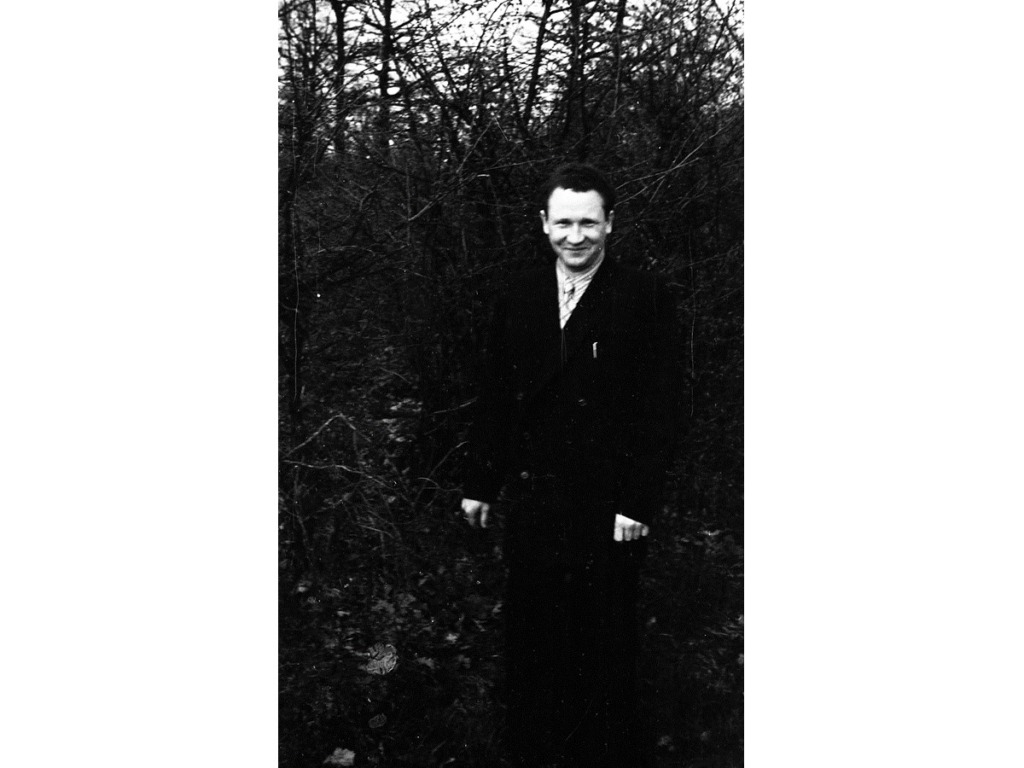
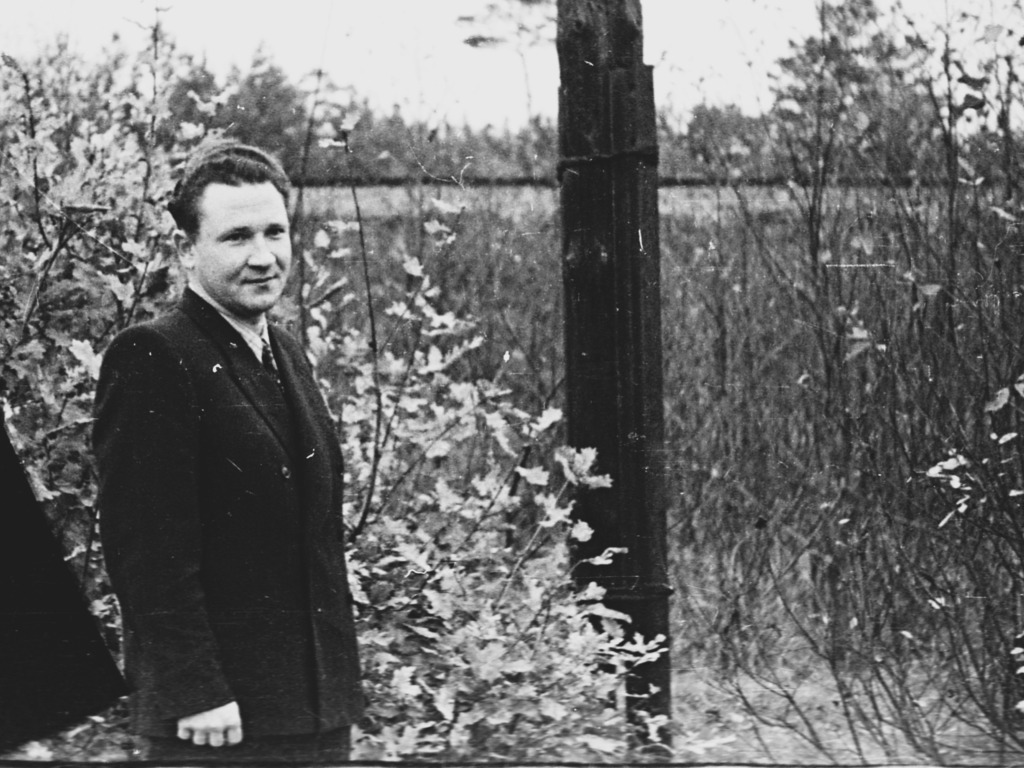
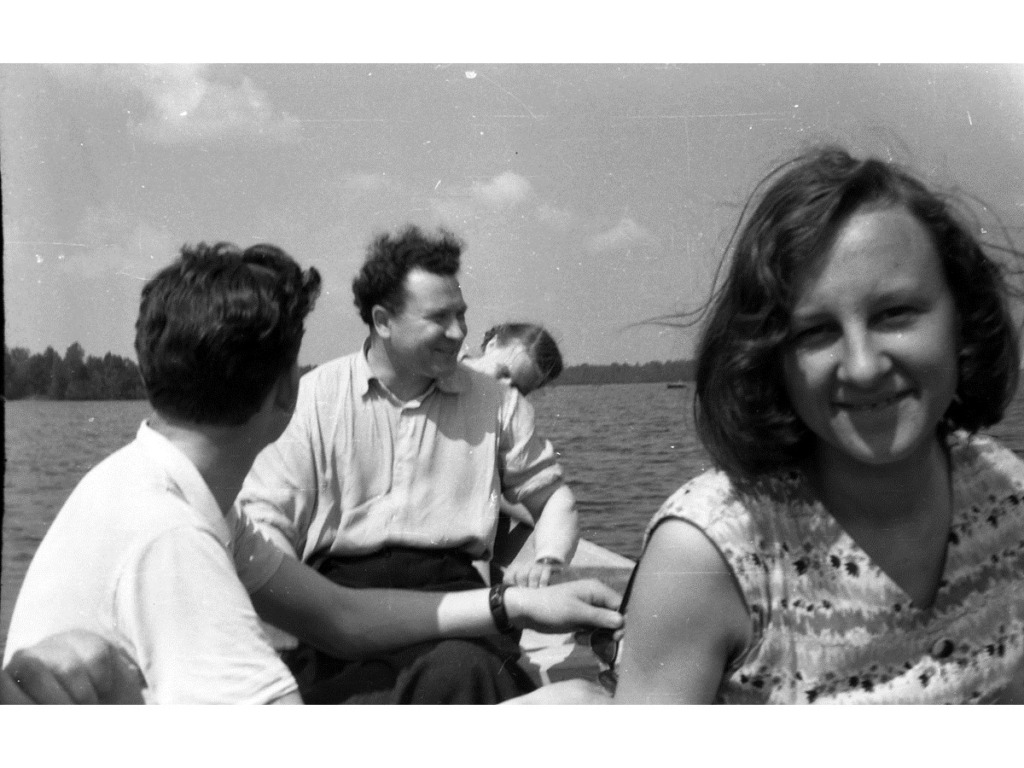
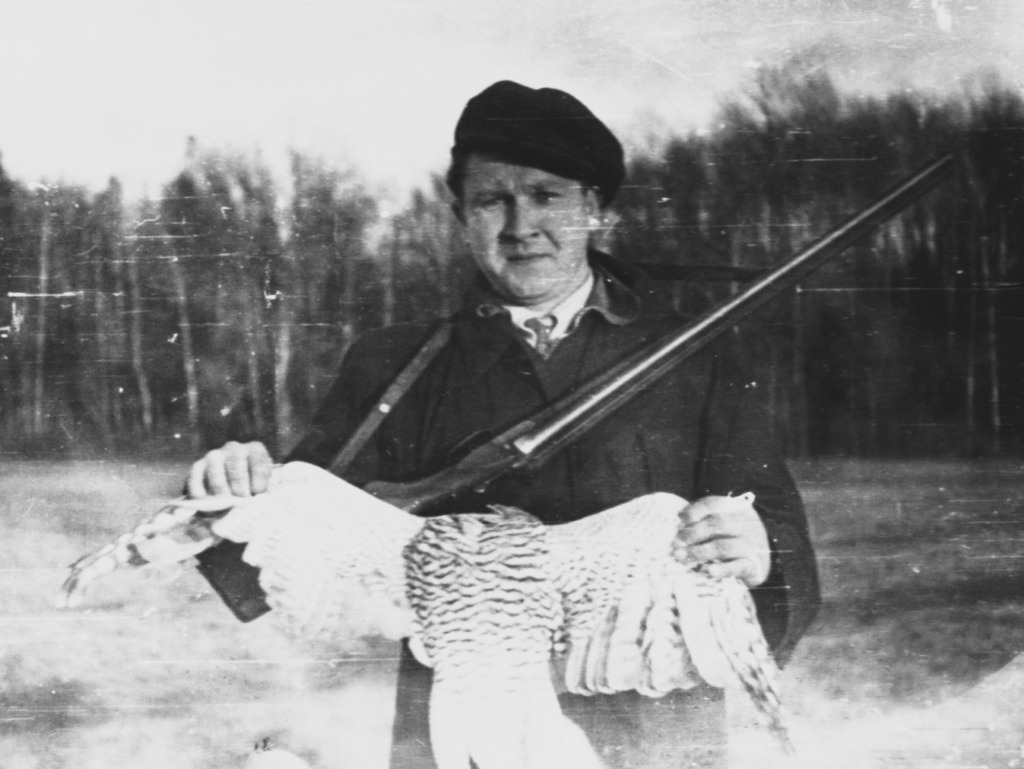
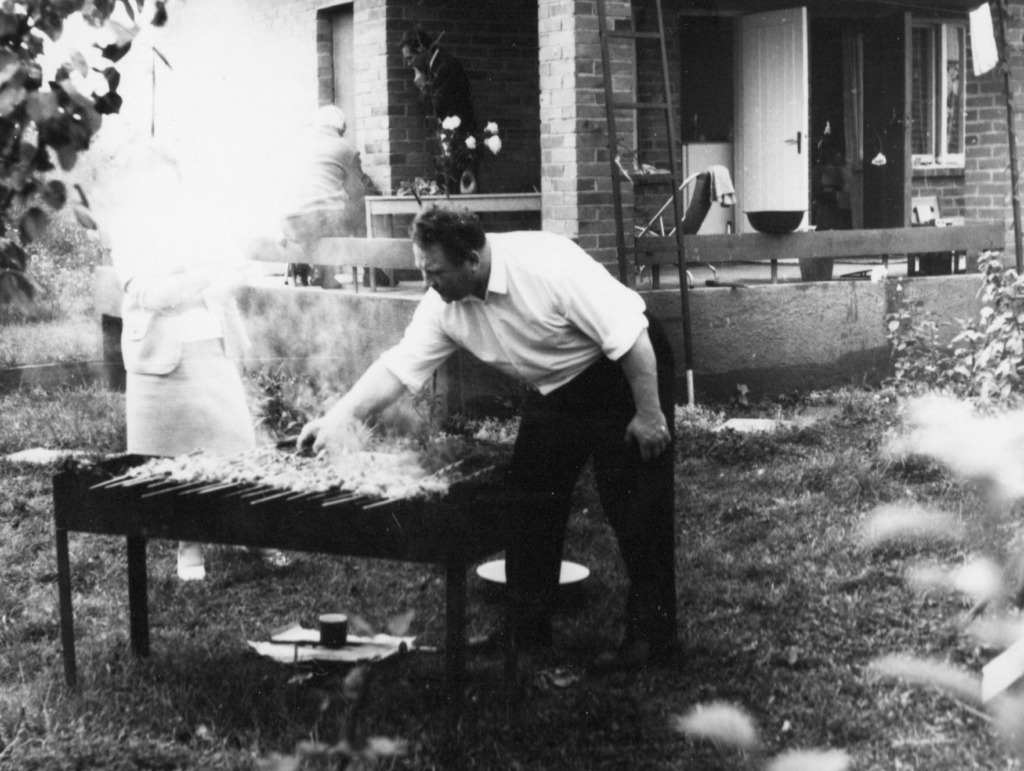
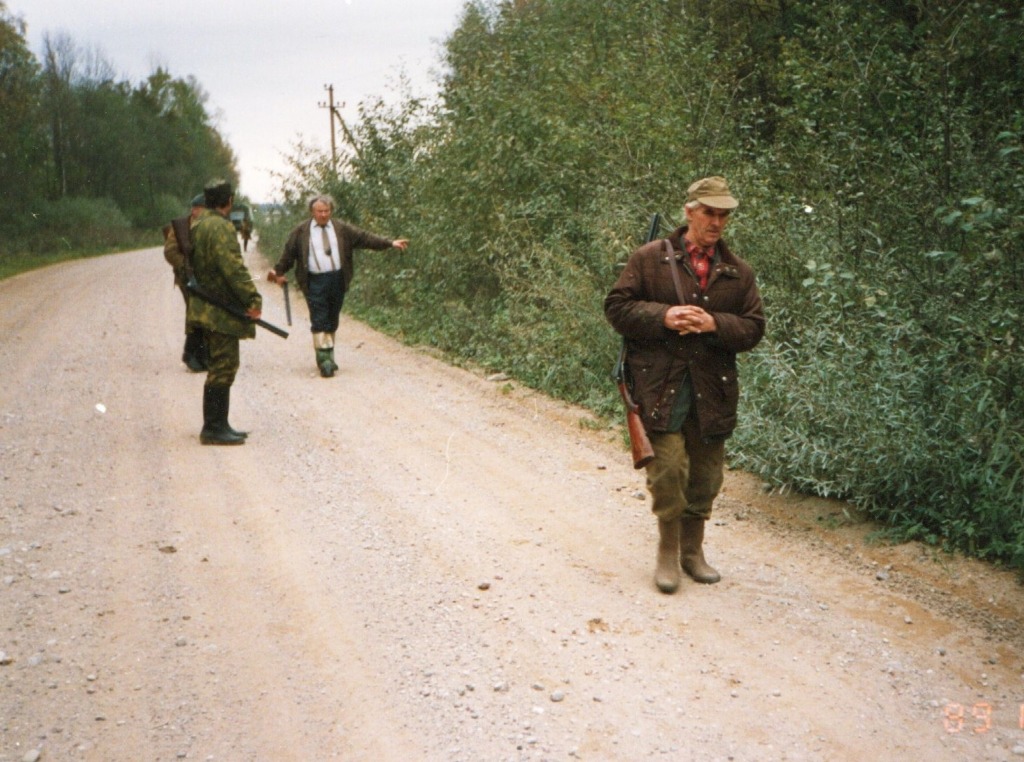
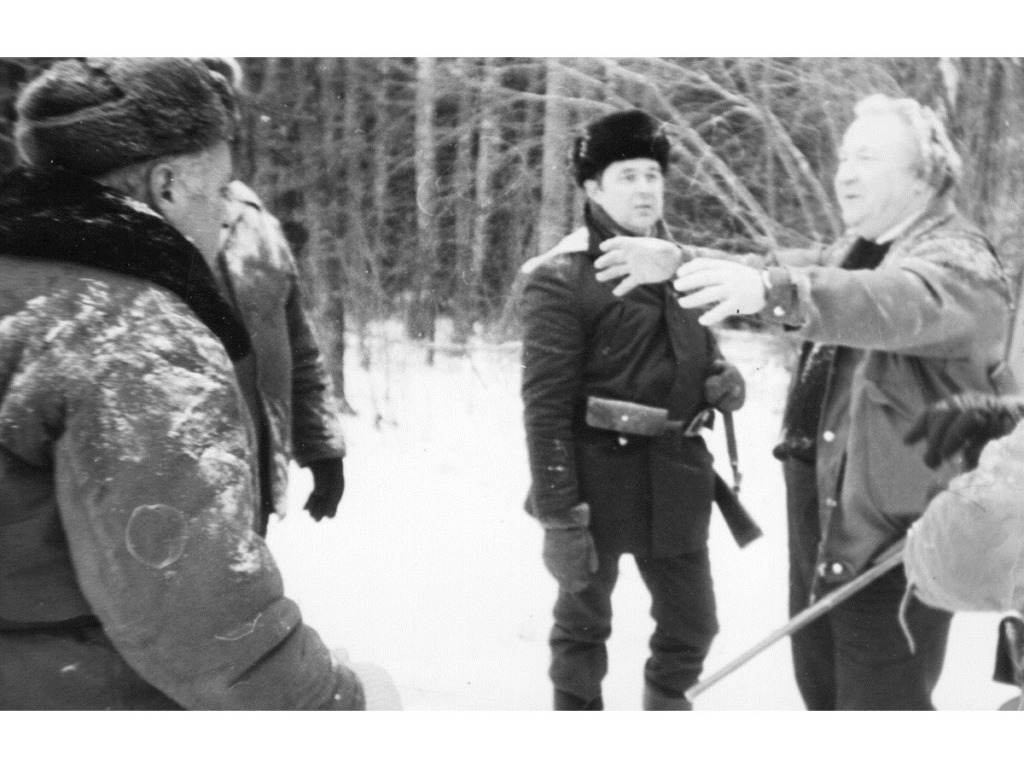
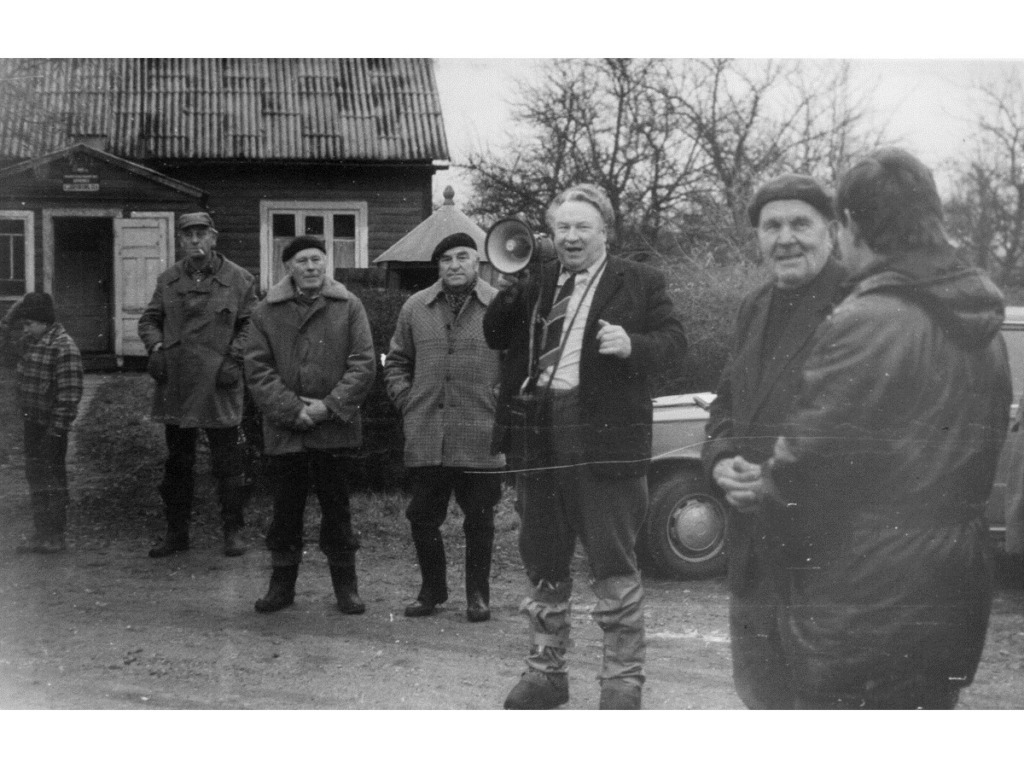
Having inherited his love of nature from his father, Prof. S. Kutkevičius devoted most of his free time to tending his garden and hunting. Over the years, hunting became his hobby and an integral part of his leisure time. His daughter Vida Kutkevičiūtė-Budrienė recalled: “For my father, hunting was a celebration, a form of relaxation, and a meeting with his friends. He always had to wear a clean shirt and a tie <…>”.

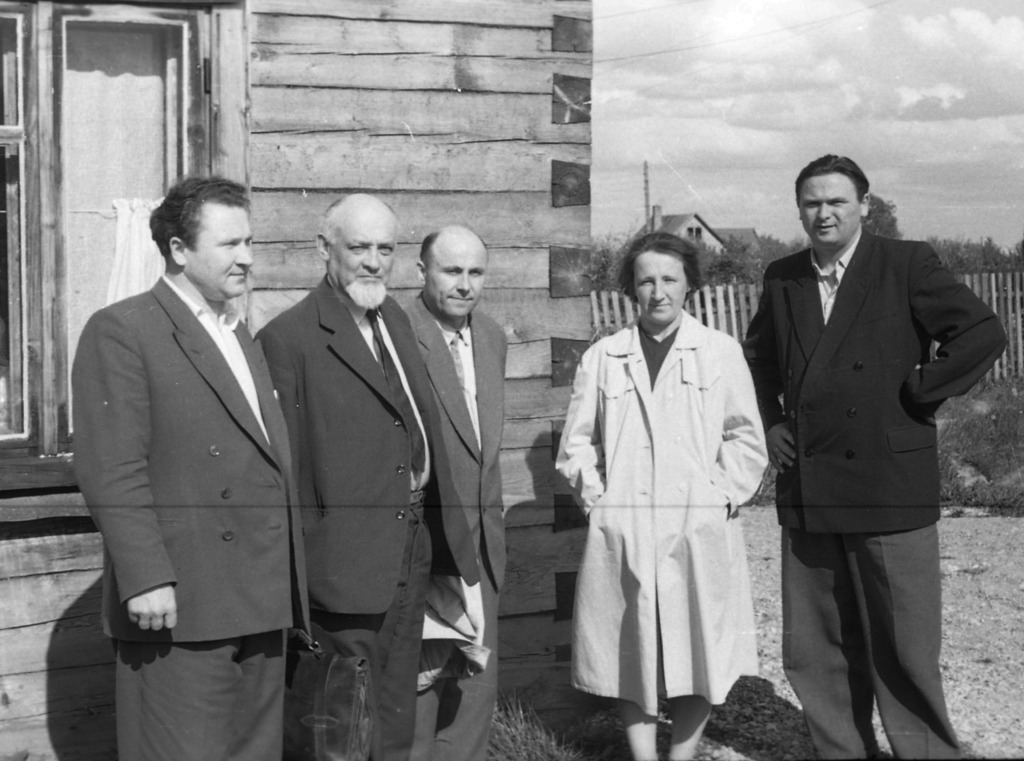
S. Kutkevičius was the first and long-time chairman of the hunting club “Dubysa” (until 1984, titled the 20th Club of Kaunas Hunters and Fishermen Society), founded in 1960. The first hunters in the club were KPI employees and local residents. Prof. S. Kutkevičius was joined in the club by his brothers A. Kutkevičius and K. Kutkevičius. Prof. S. Kutkevičius was concerned about poachers who left traces in hunting grounds and took care of feeding animals during cold winters. Thanks to his efforts, the hunters of the club built two warehouses in the Skubai and Burbinė forests to store animal feed, installed many feeding troughs and feeders for deer, elk, moose and wild boar, and set up excellent campfire sites for hunters to rest and process game. On 16 December 1988, S. Kutkevičius was awarded the title of Honorary Hunter.

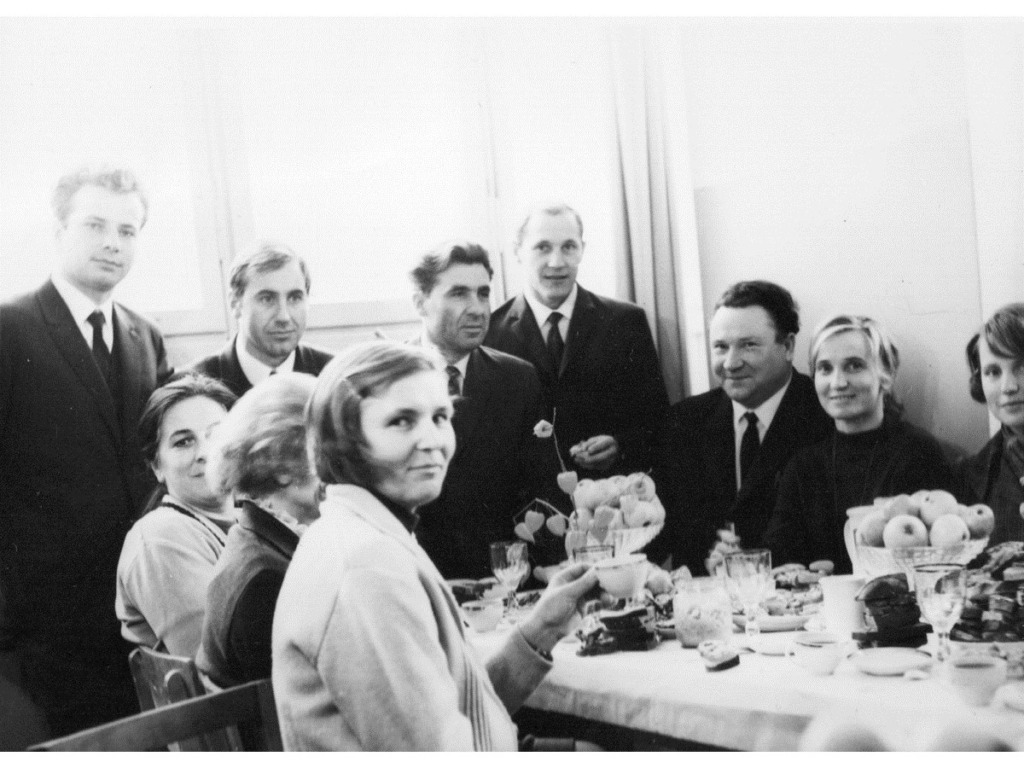
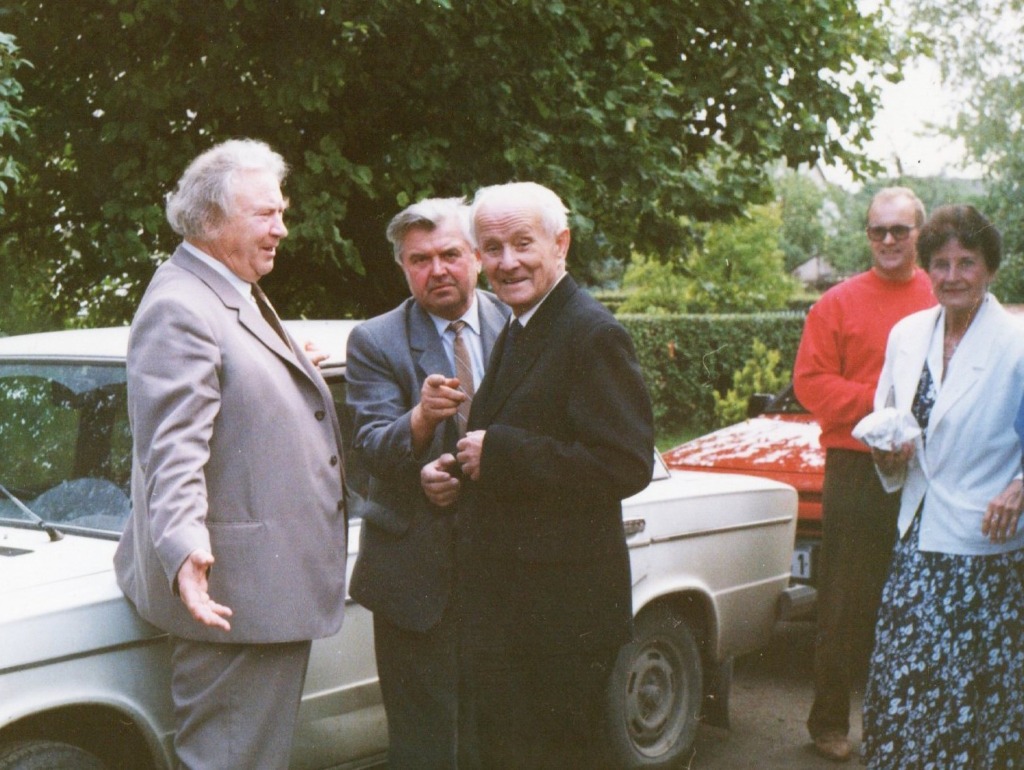
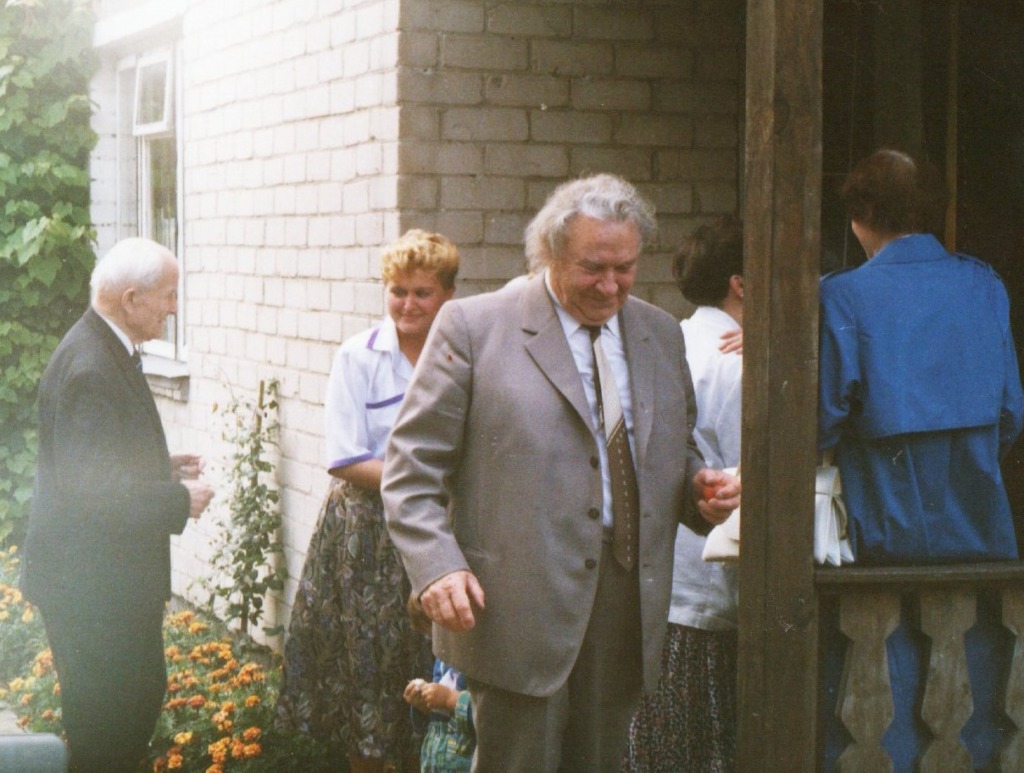
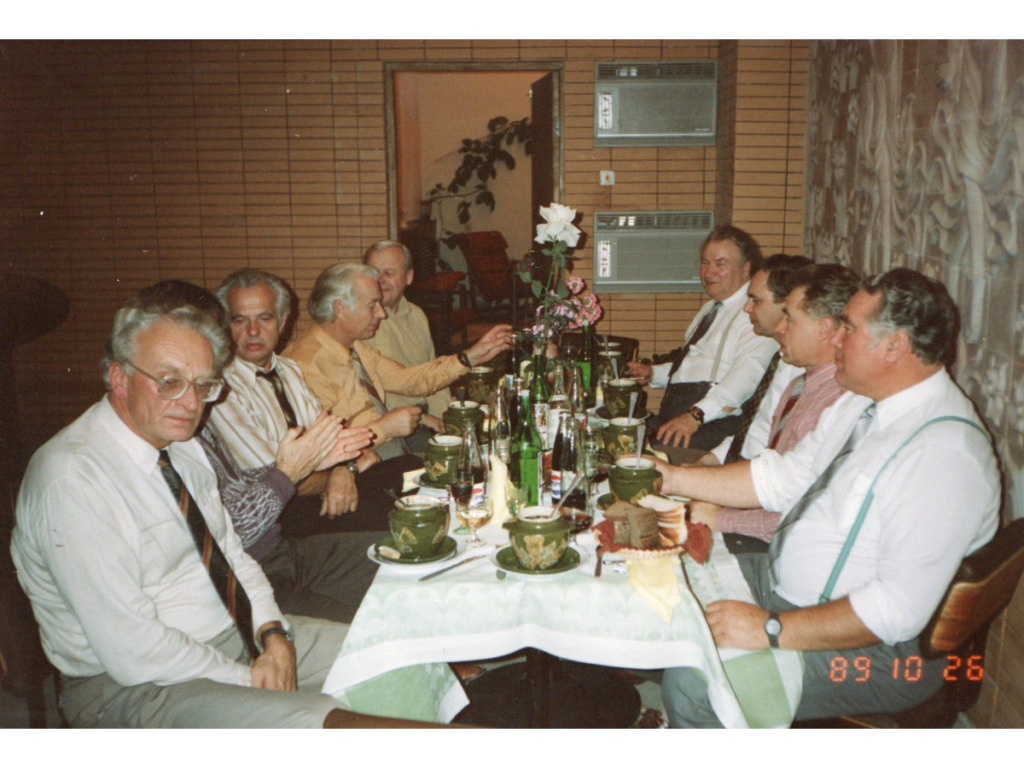
Another hobby of Prof. S. Kutkevičius was his garden, where he grew 50 apple trees, several varieties of pears, plums, currants, and gooseberries. The professor knew how to enjoy the lilacs and apple trees blooming in his yard in the spring. The apple trees were more than just fruitful; they also adorned the garden. When they began to bloom, Prof. S. Kutkevičius would always spend his evenings outside, saying, “I want to remember these white brides for as long as possible.” The lilacs he had planted would also bloom. Every morning, he would pick a few branches and place them in his laboratories to make them smell nice and look beautiful. The professor was proud of every new graft, taught many acquaintances and friends the art of grafting trees, and willingly shared his grafts with them. In the autumn, he would treat his colleagues to apples and other garden produce grown in his garden. Prof. S. Kutkevičius was a sociable person, so there was no shortage of celebrations at his home. He was hospitable and generous, treating all his guests to the fruits of his garden, and if there were none left, he would at least fill their pockets with sweets. The professor was very curious: he was interested in the development of agriculture, what crops farmers were harvesting, he cared about industrial achievements, and he liked to discuss political issues.

The KTU Museum would like to thank Prof. S. Kutkevičius’ daughter, Dr. Vida Kutkevičiūtė Budrienė, and his students – KTU Faculty of Chemical Technology, Department of Organic Chemistry, Professor Dr. Vytautas Getaučius and Senior Researcher Marytė Daškevičienė – for providing iconographic material and information for the virtual exhibition.