
Skip to content

A Gifted Scientist and Sincere Colleague: 100th Anniversary of Prof. Elena Grinienė

100th Anniversary of Prof. Elena Grinienė

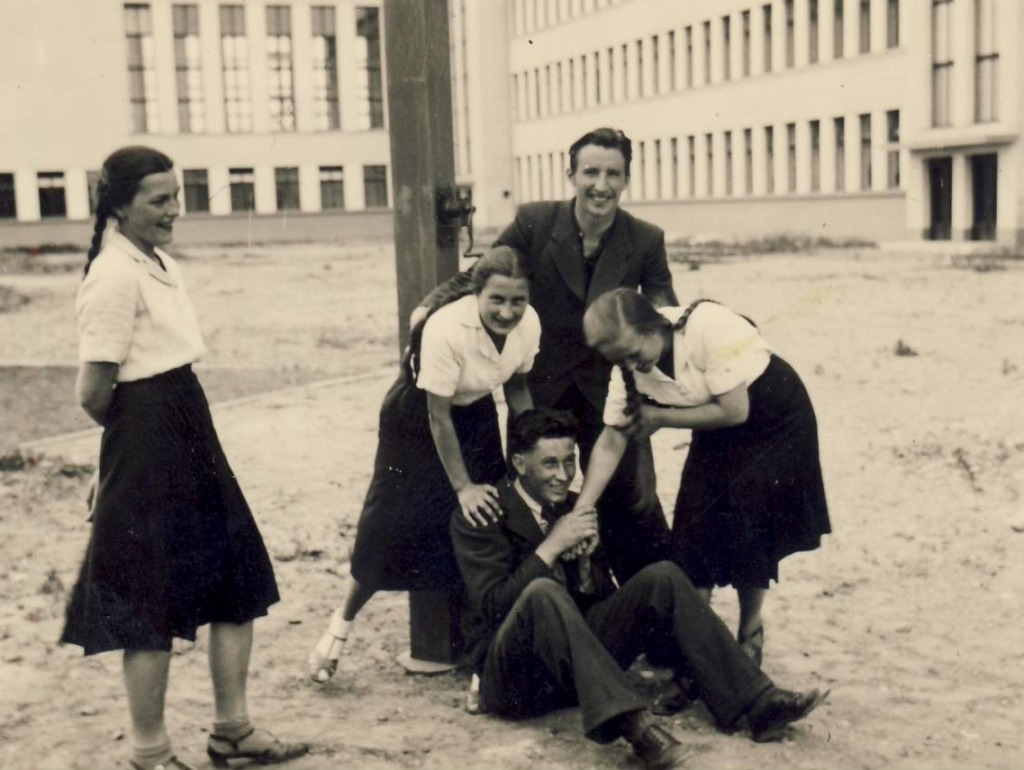
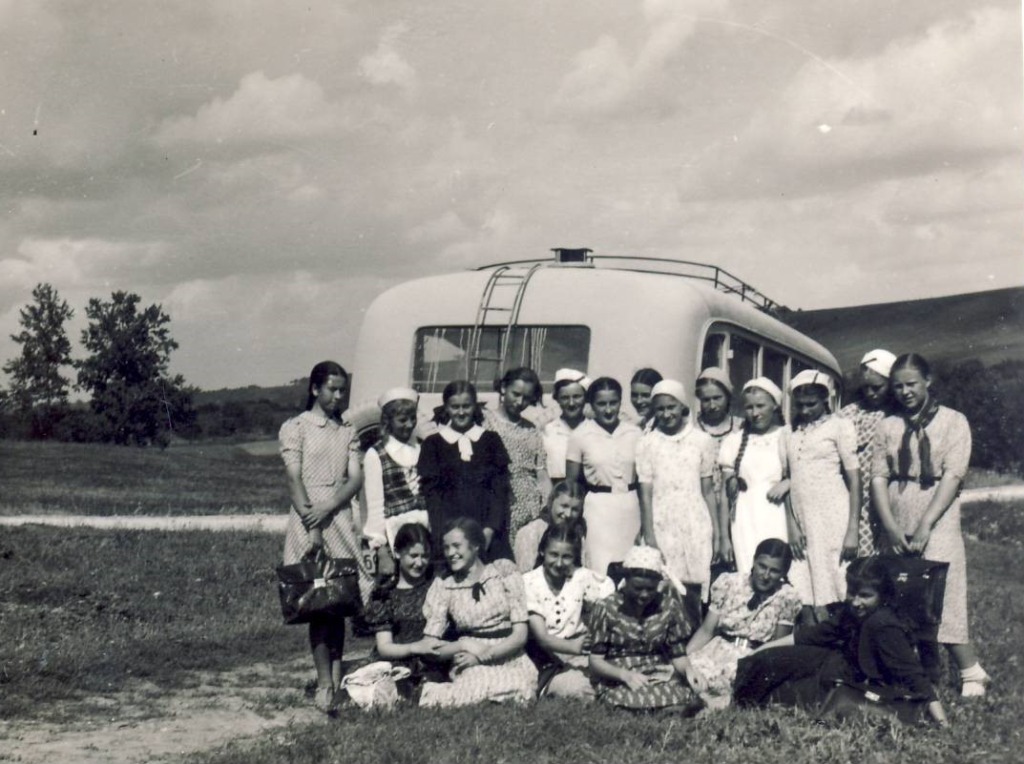
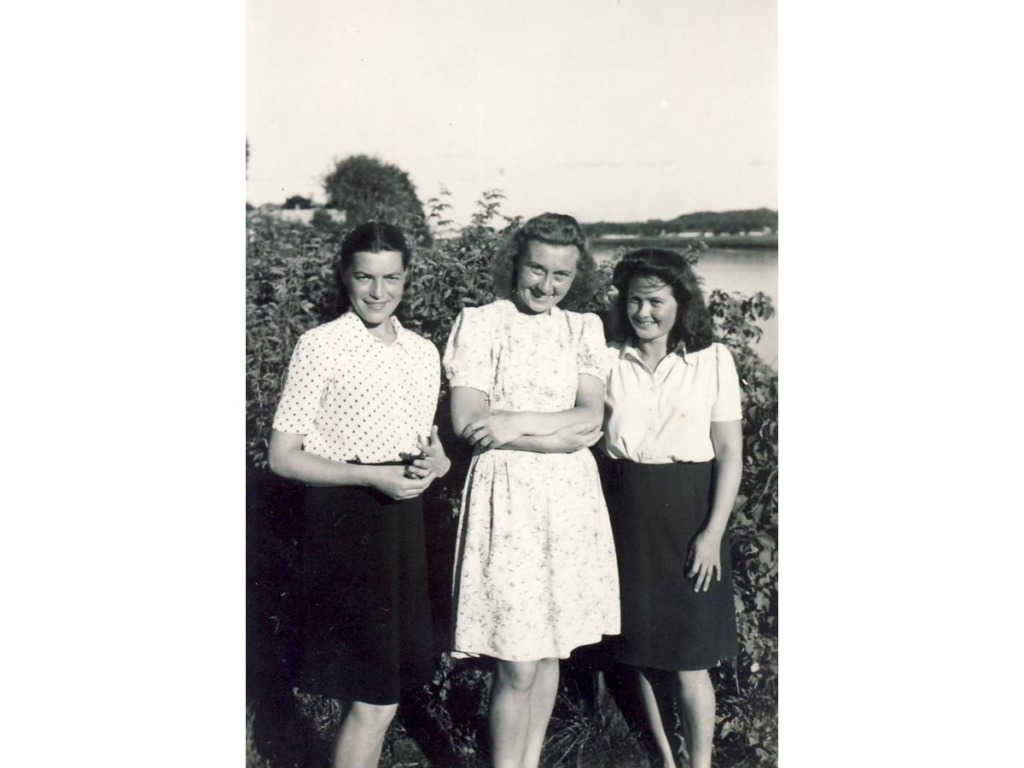
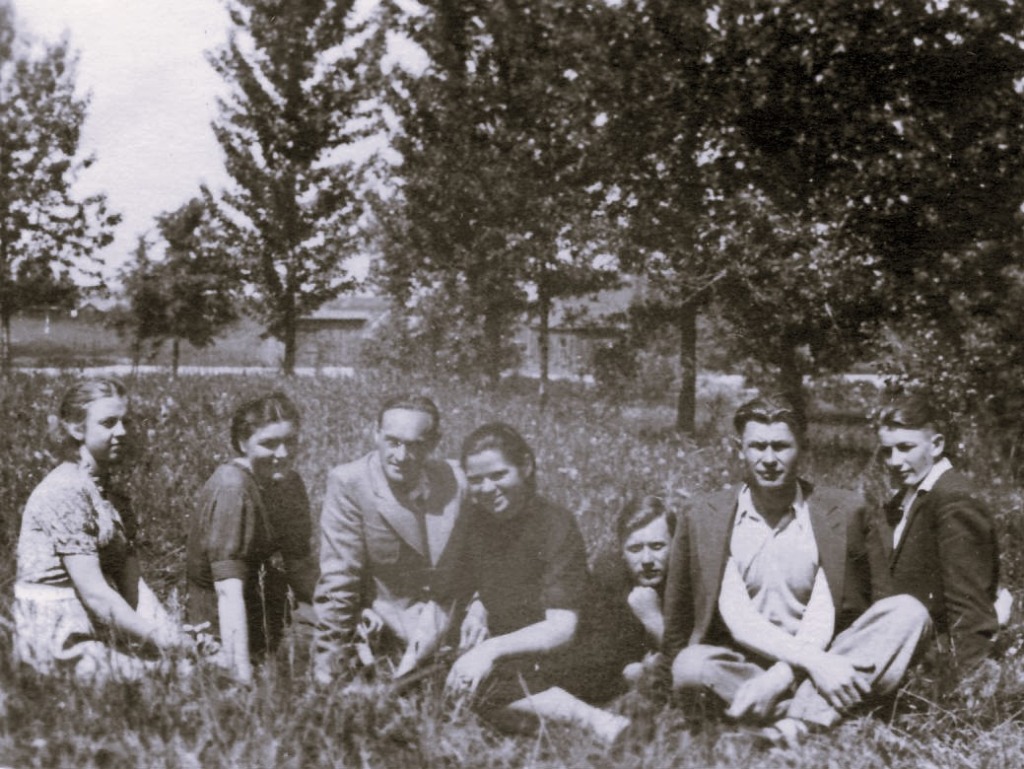
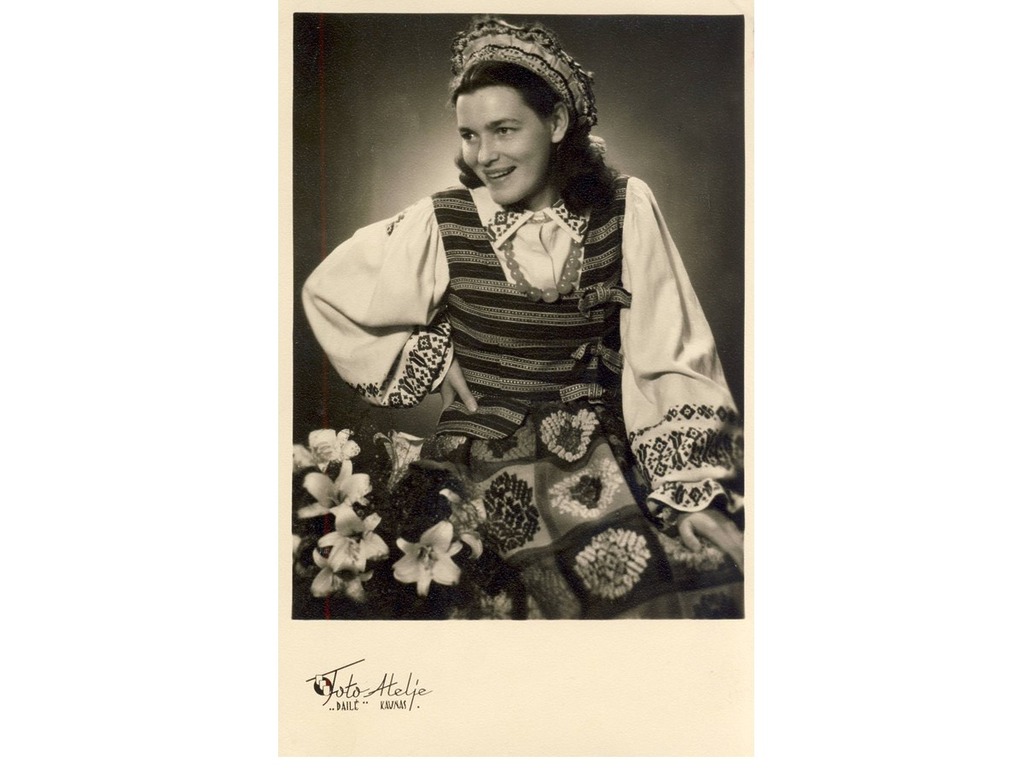
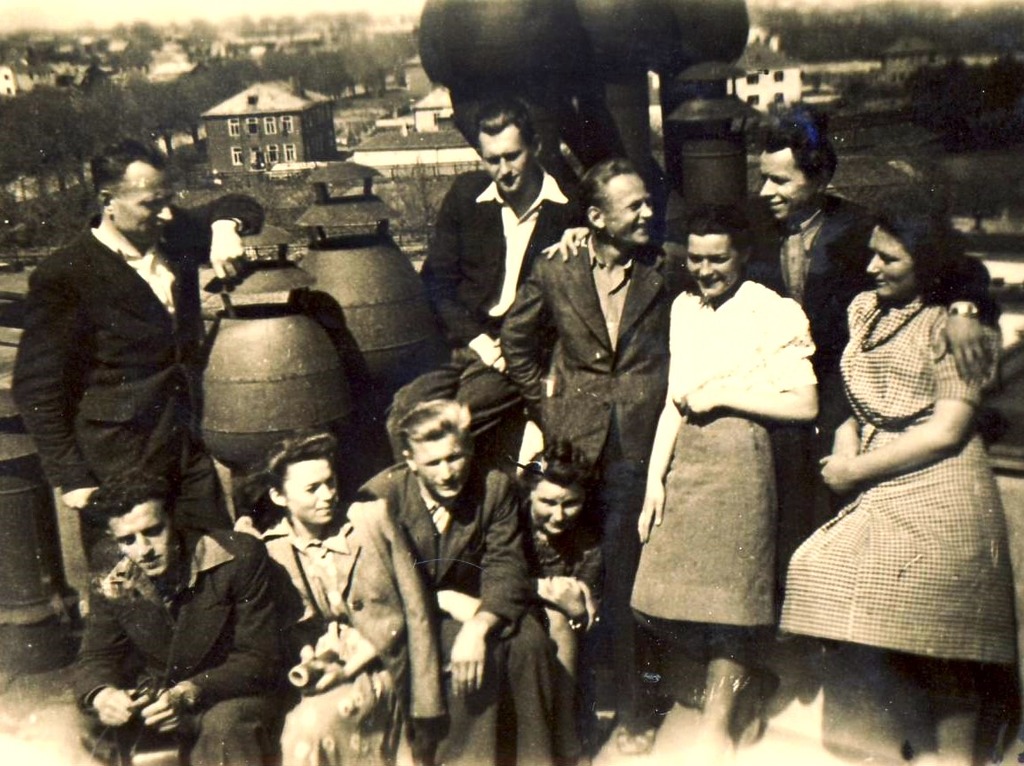
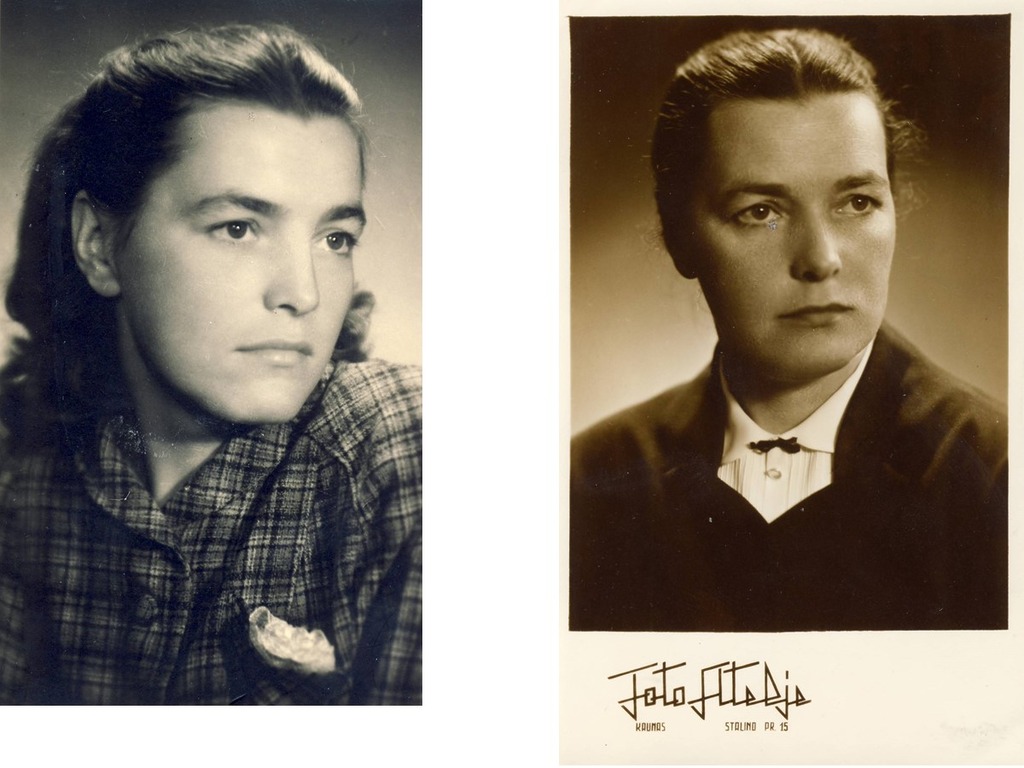
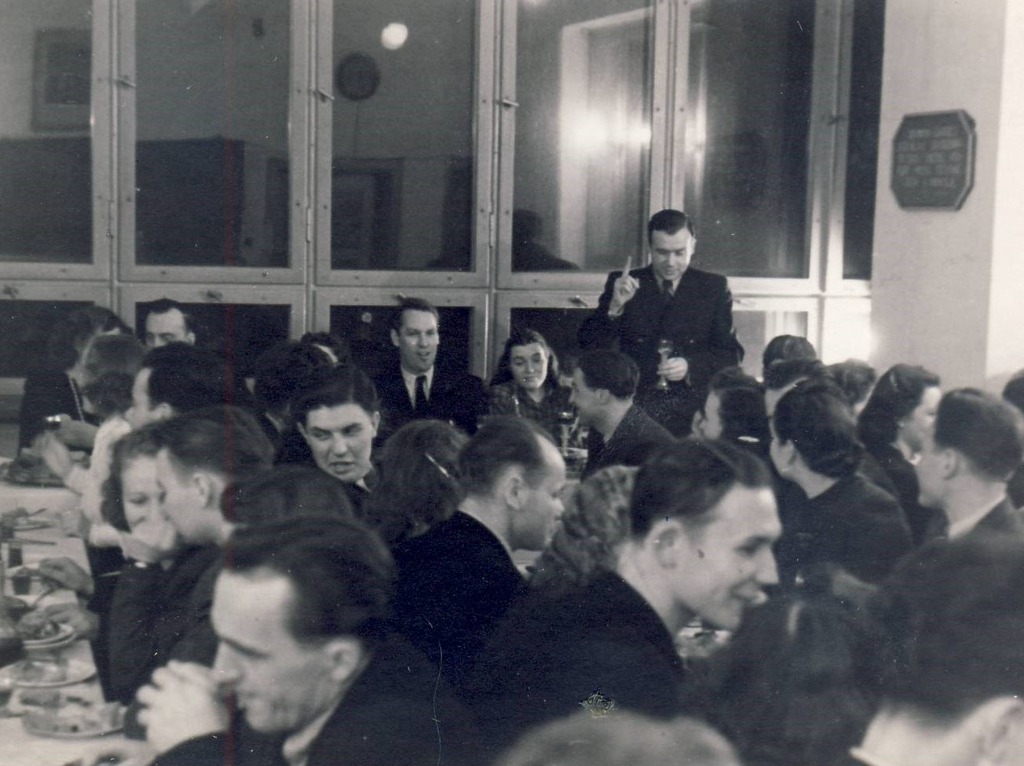
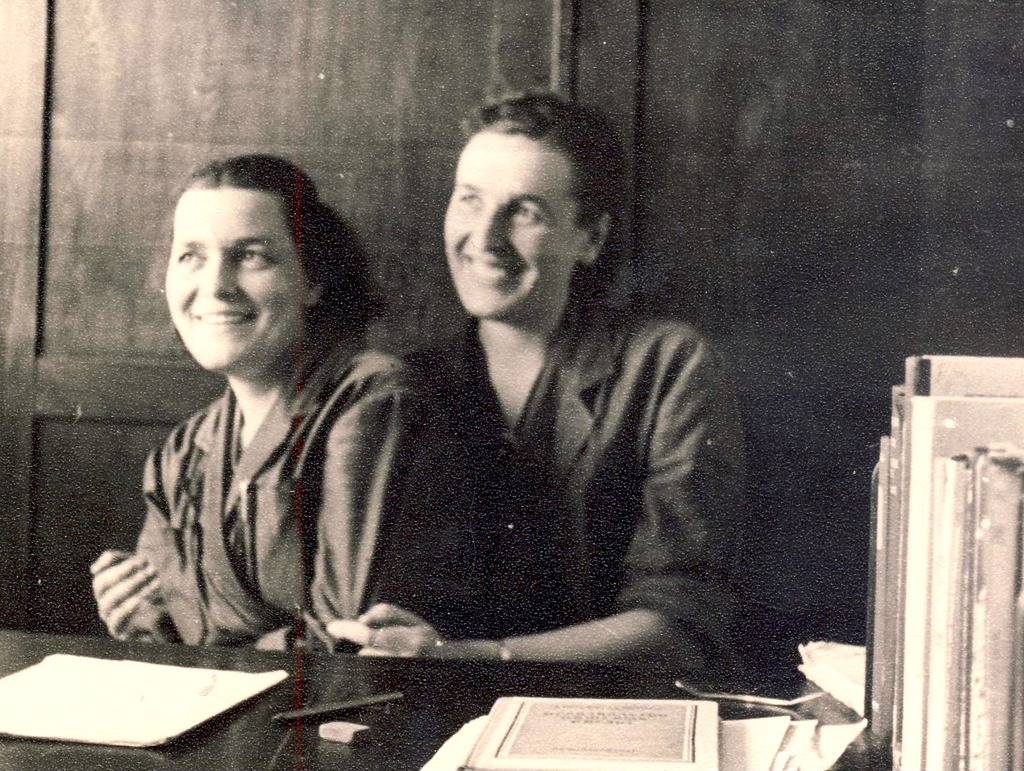
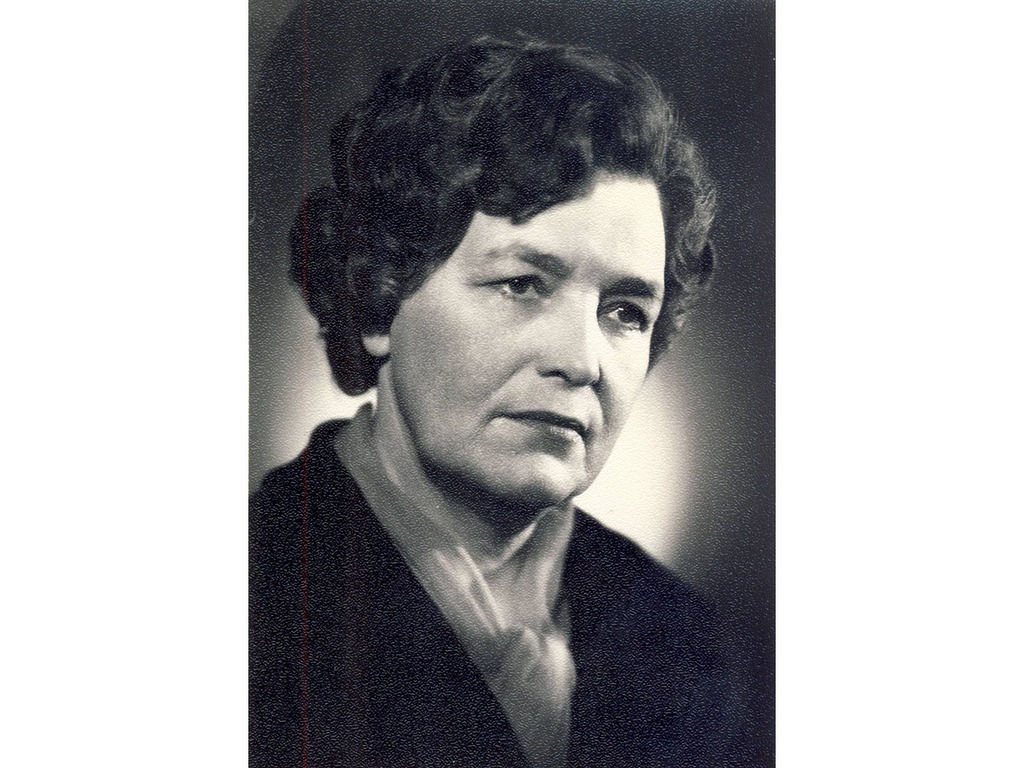
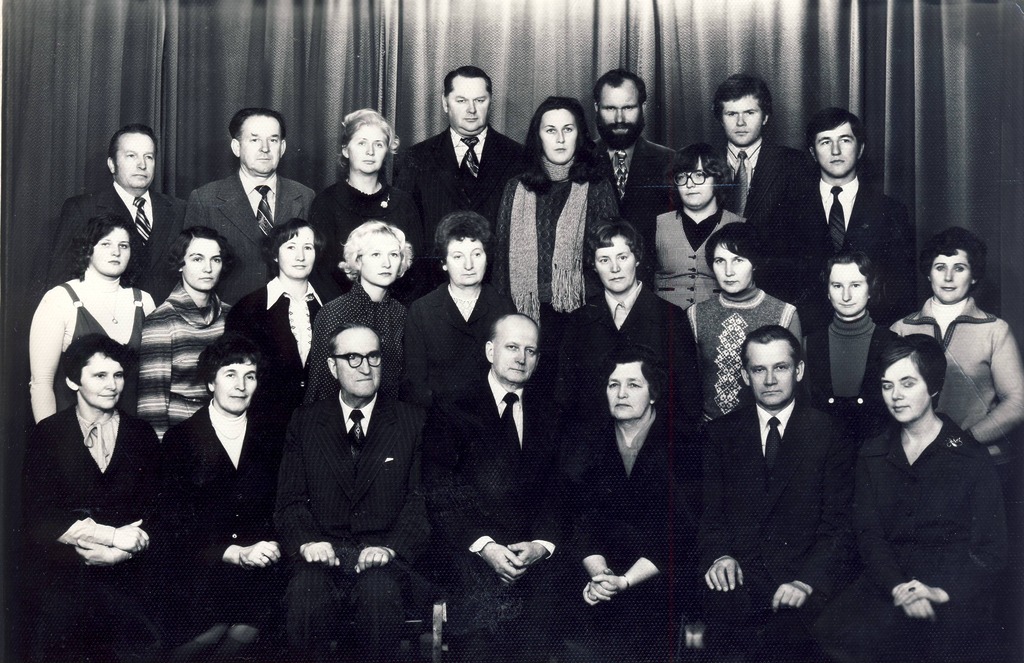
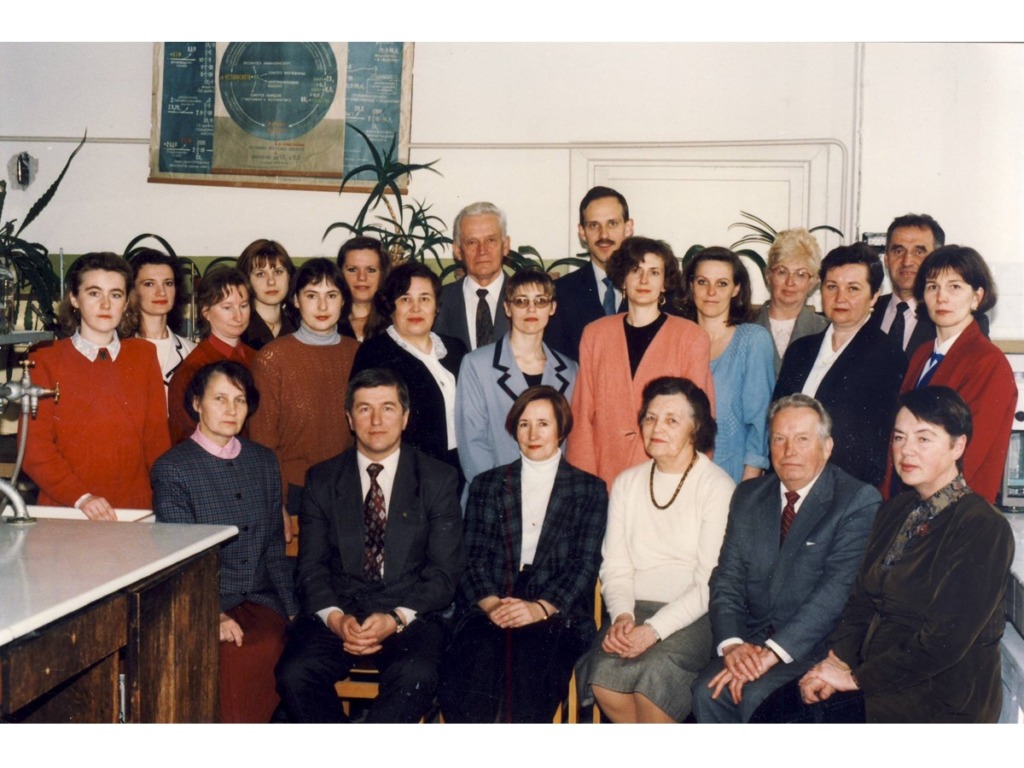
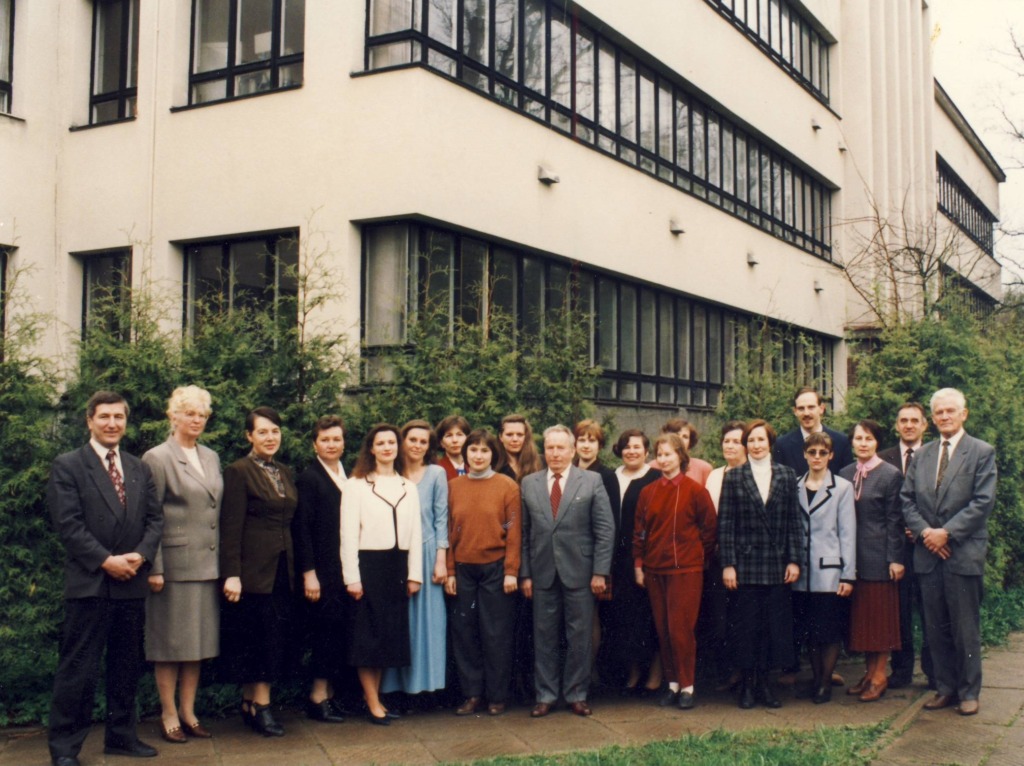
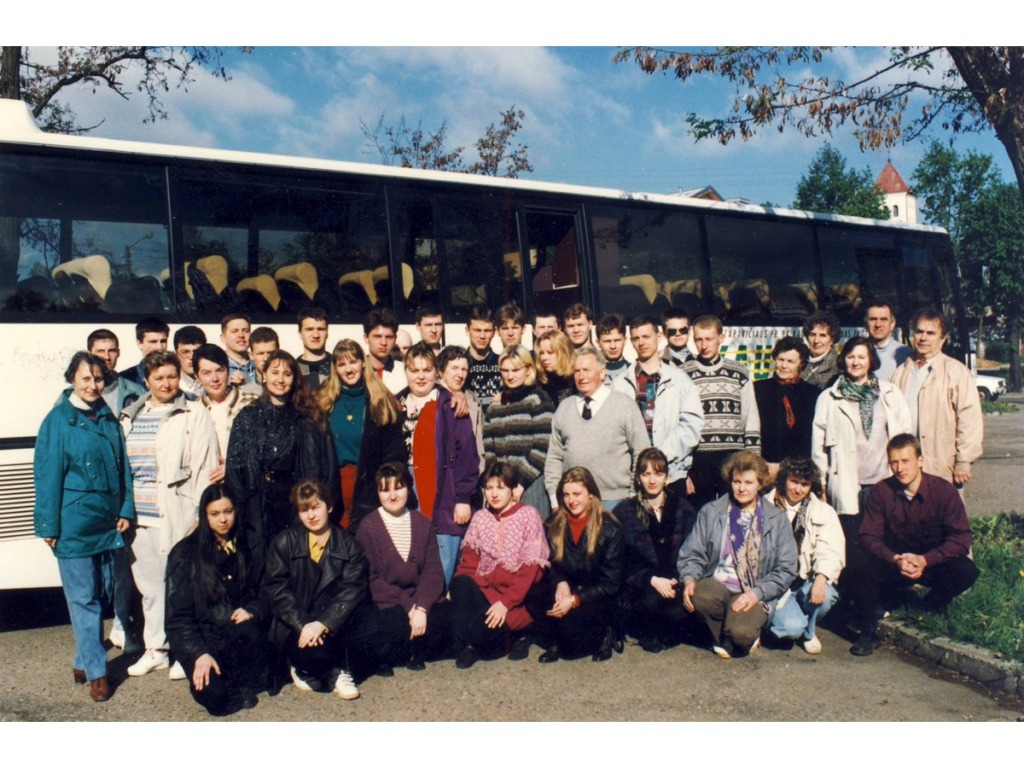
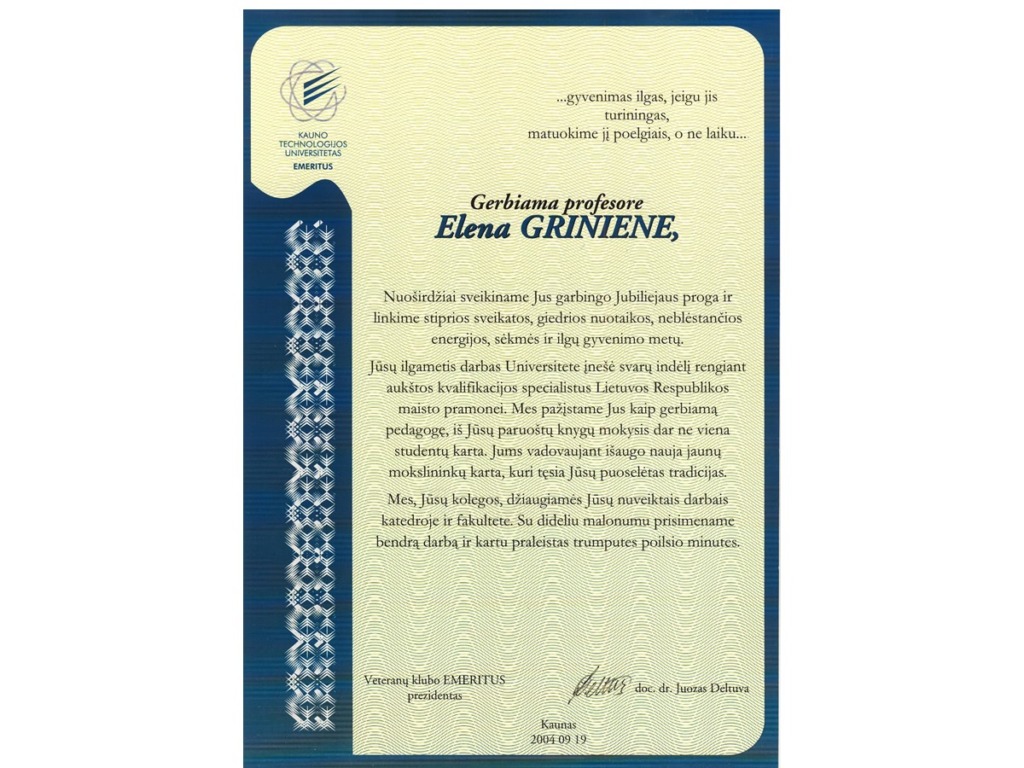
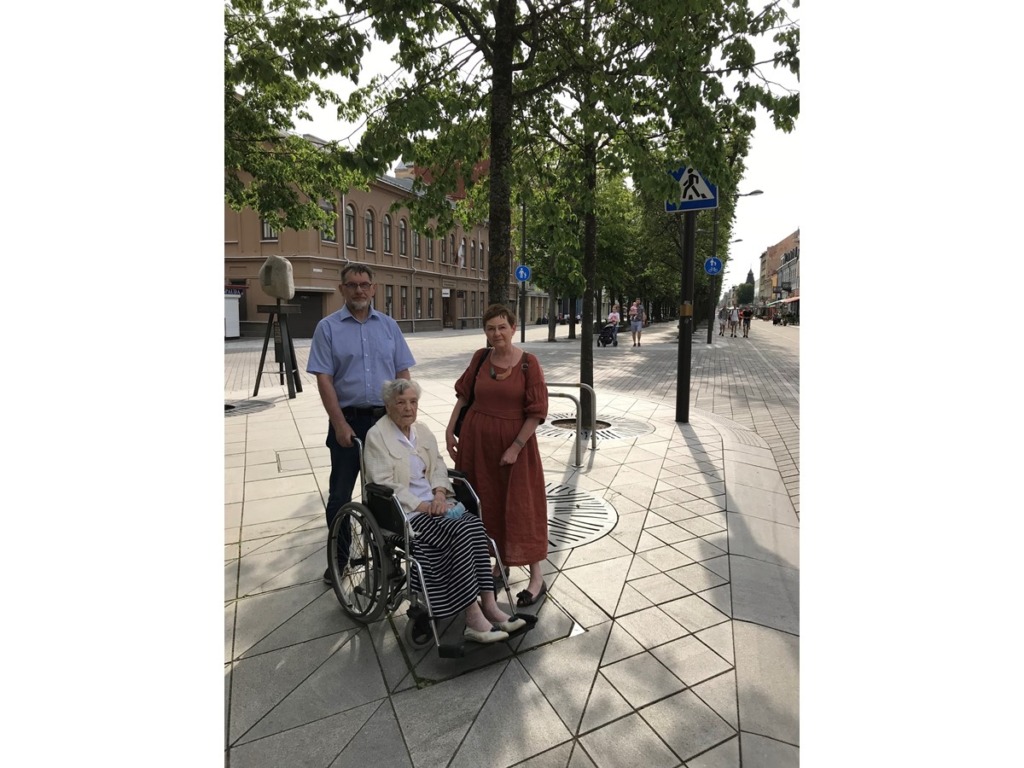
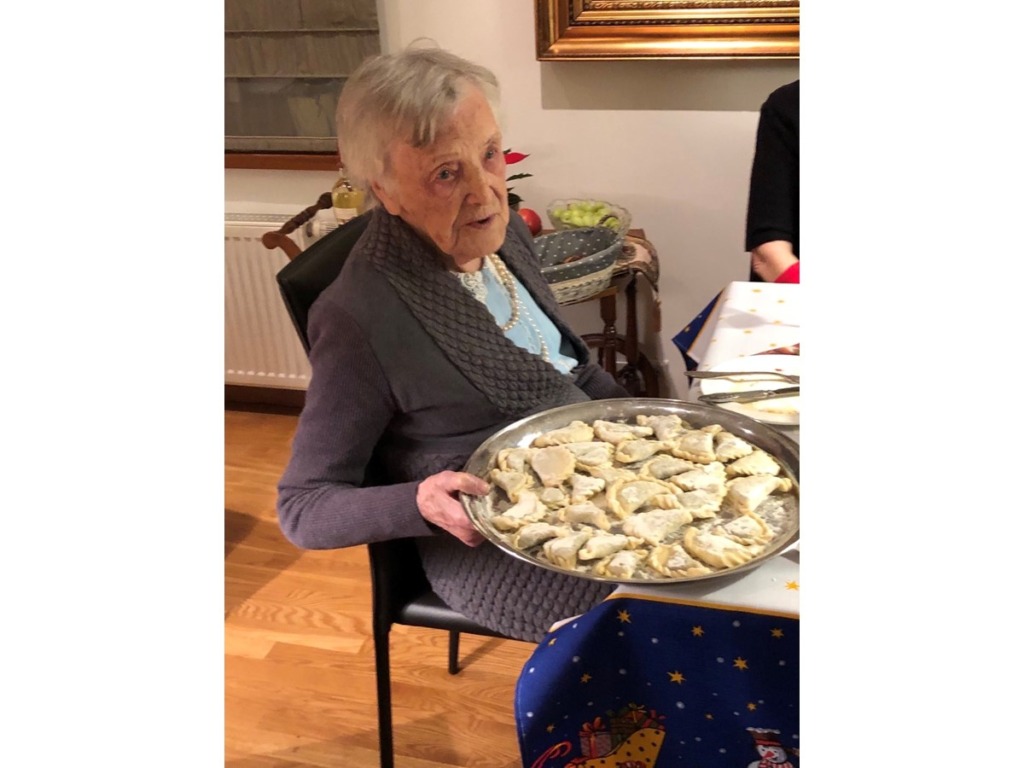
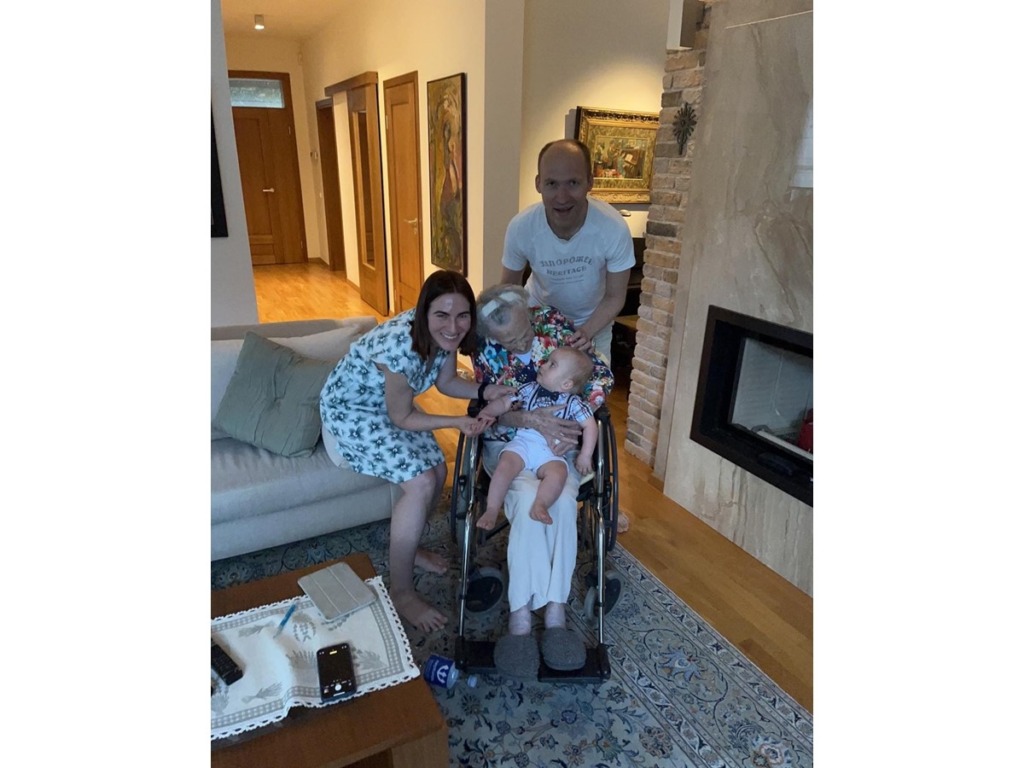
19 September 2024 marks the 100th anniversary of Elena Grinienė, a Lithuanian food technology engineer, Habilitated Doctor of Technology and KTU Professor. KTU Museum congratulates her on the occasion of this honourable anniversary and presents a virtual exhibition dedicated to her life’s journey “A Gifted Scientist and Sincere Colleague. 100th Anniversary of Prof. Elena Grinienė”. The exhibition consists of 5 parts: the first part is devoted to her studies and life in Raseiniai Gymnasium, the second part – to her studies and work at Kaunas State Vytautas Magnus University, the third part – to her work at Kaunas Polytechnic Institute, the fourth part – to her work at Kaunas University of Technology, and the fifth part – to her family. The photographs used in the exhibition are from the family archive of Prof. E. Grinienė. The author of the exhibition is the head of the Museum Dr. Audronė Veilentienė.
In Raseiniai Gymnasium

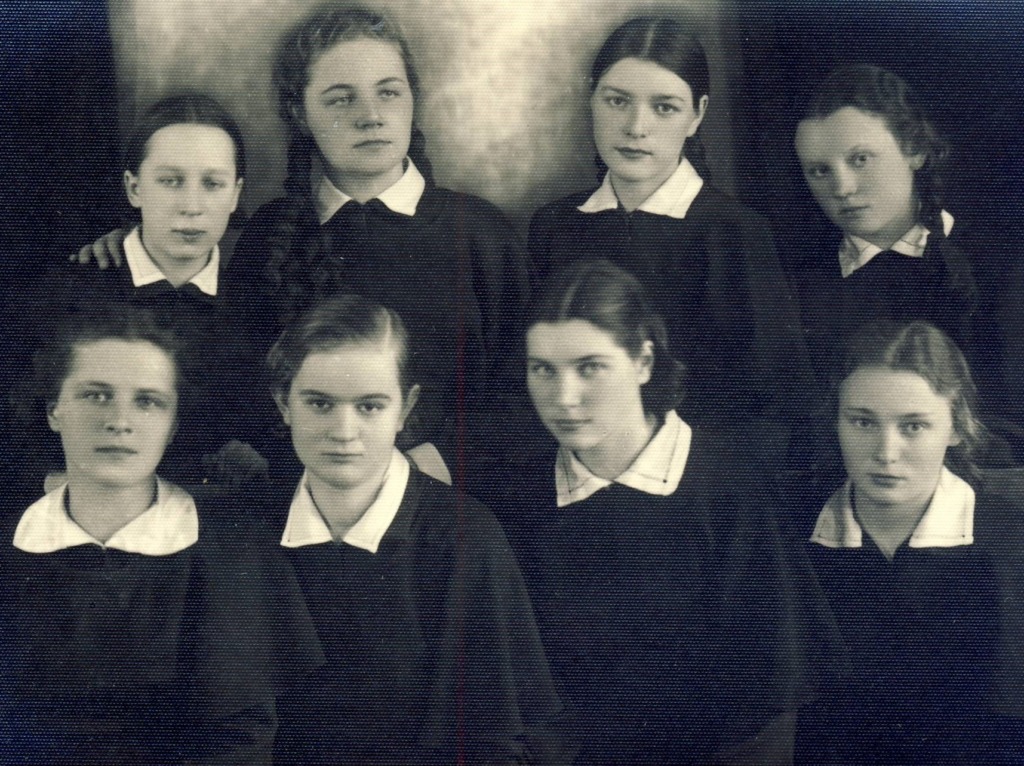
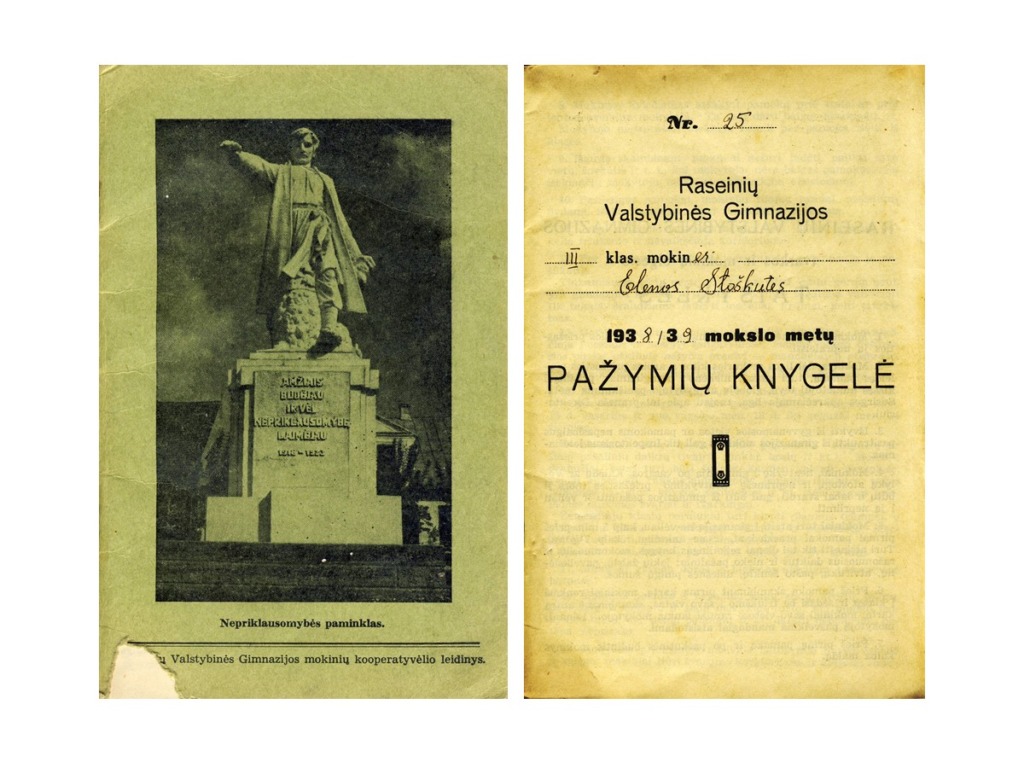
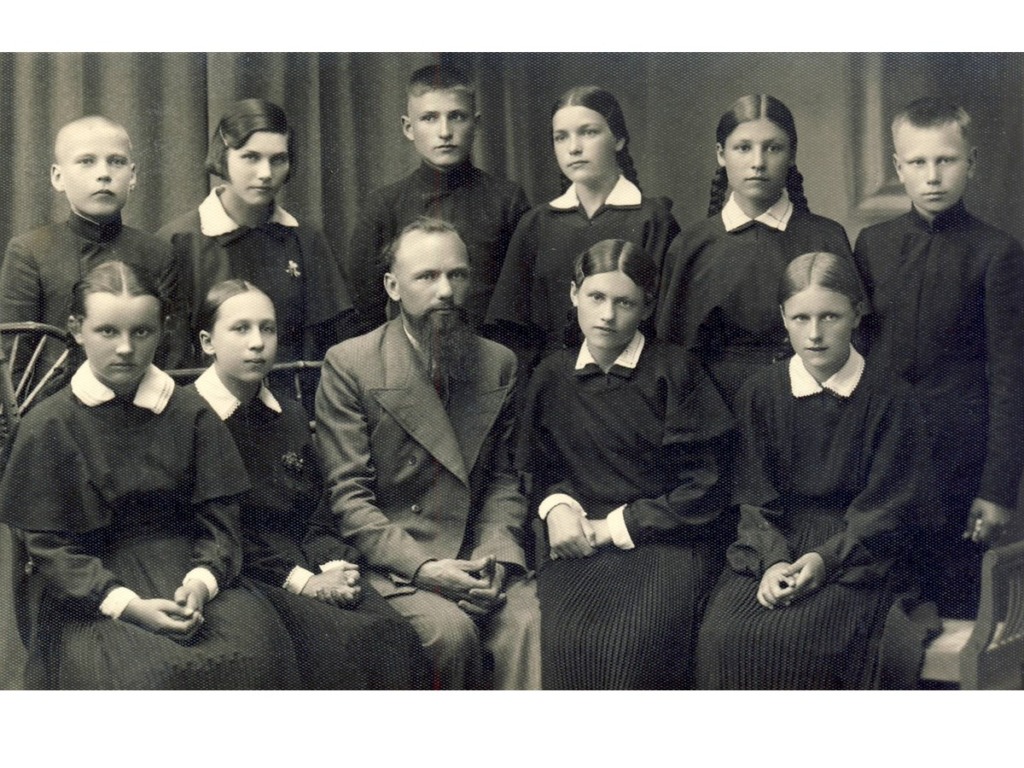
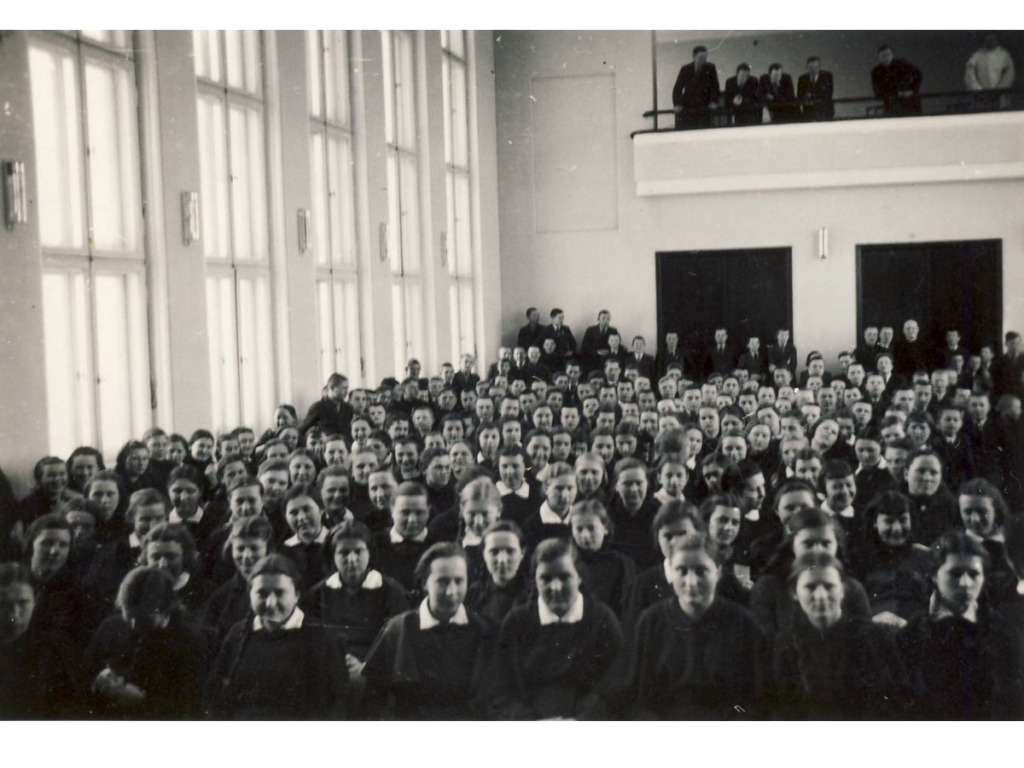
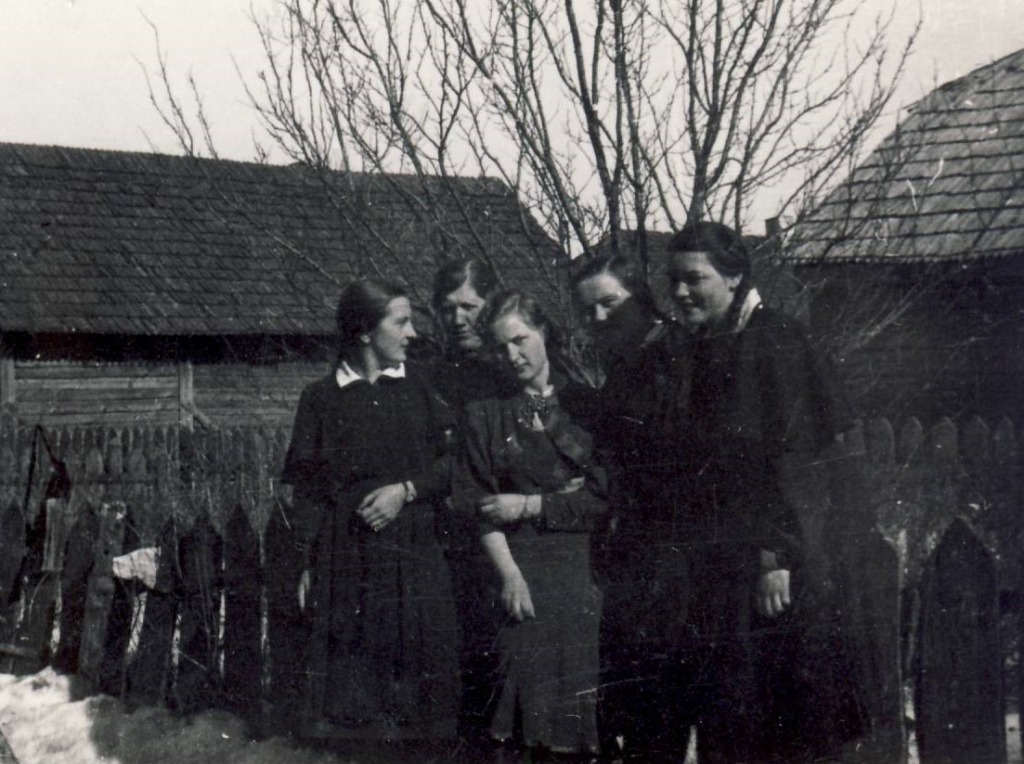
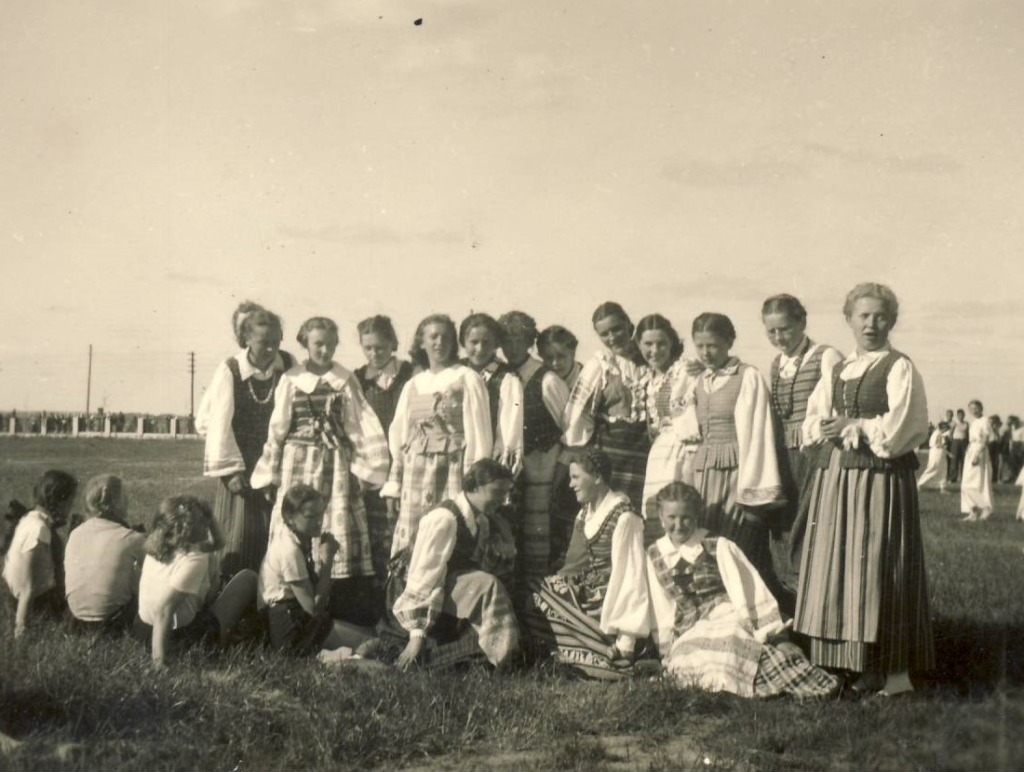
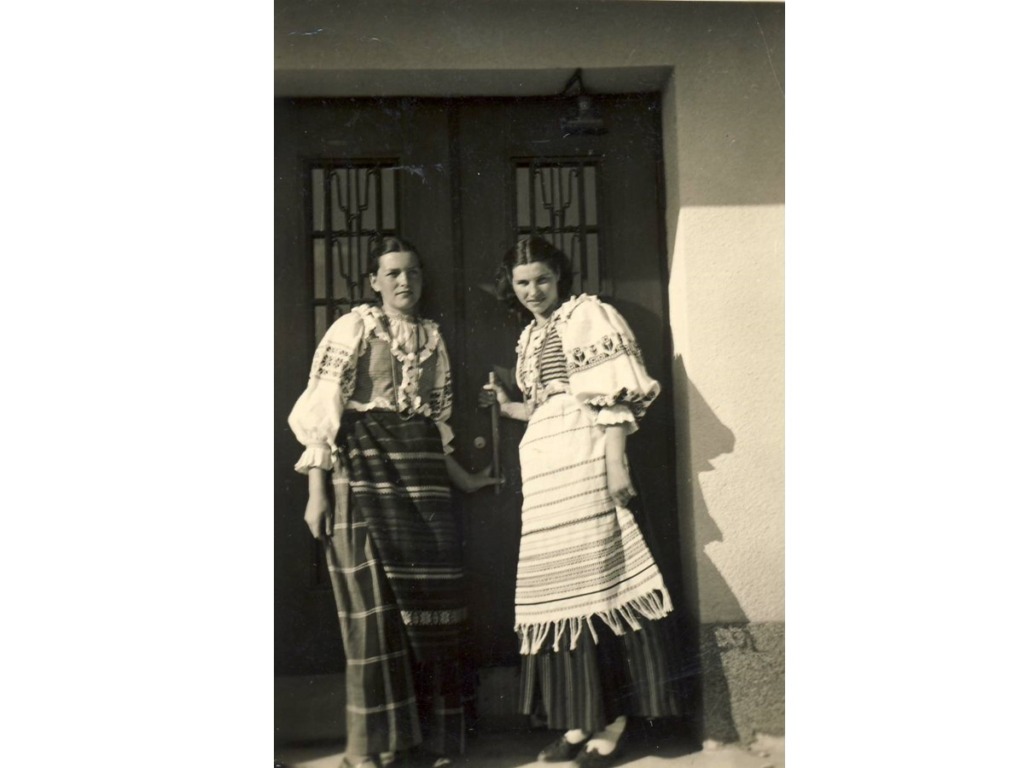
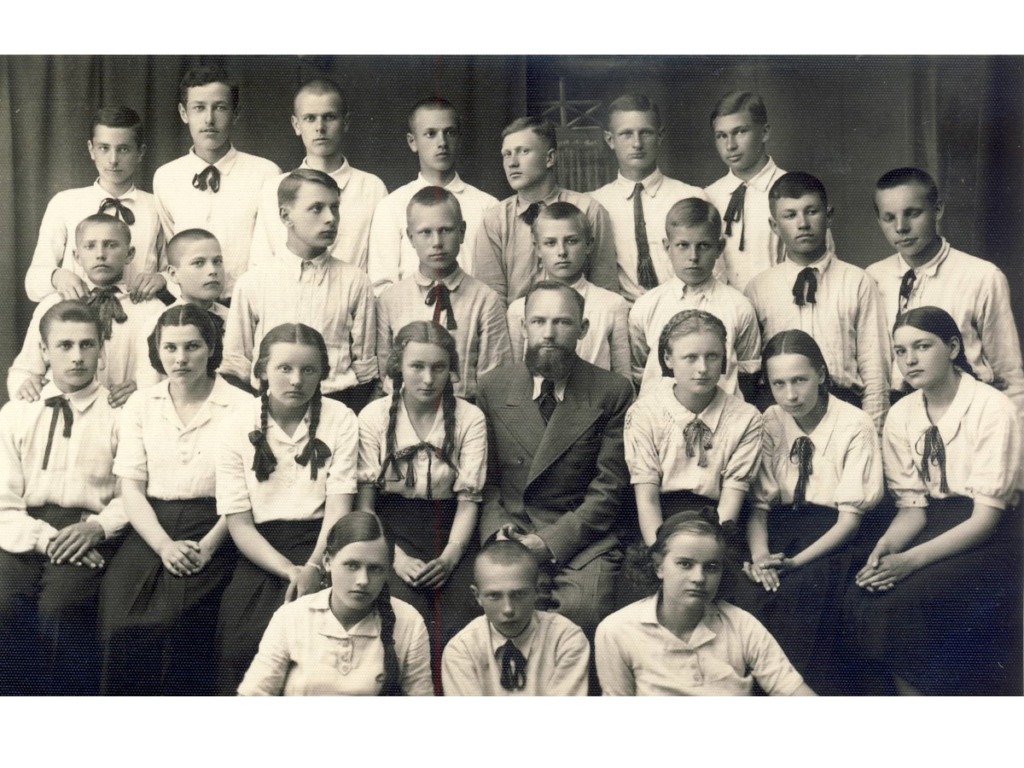
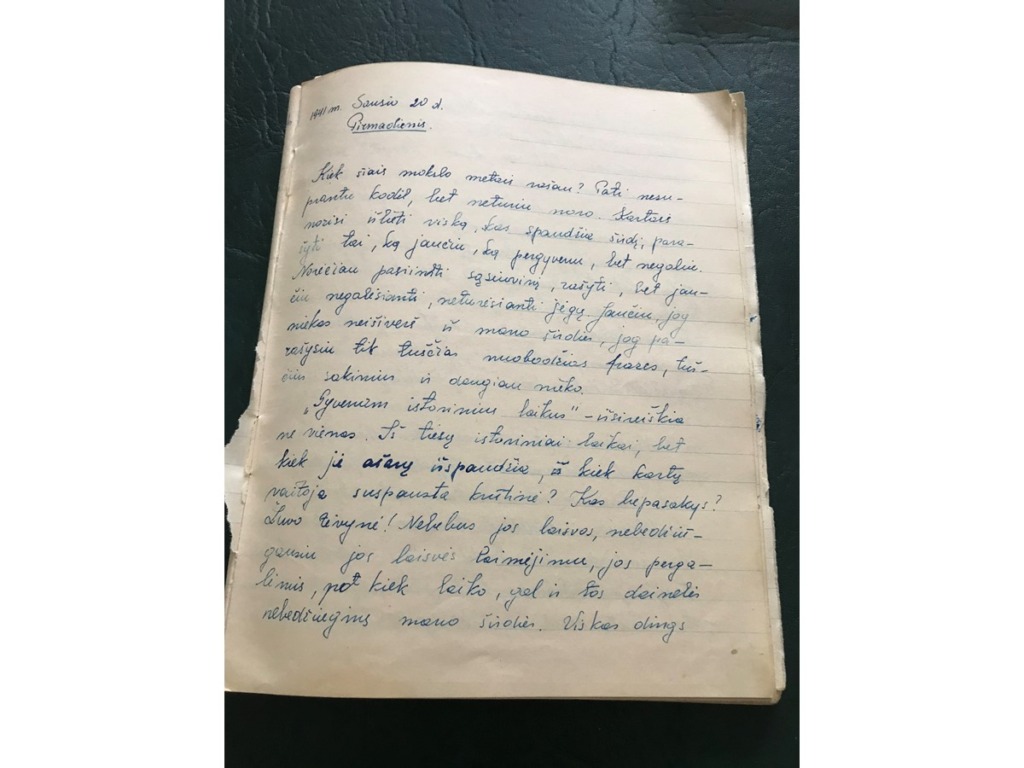
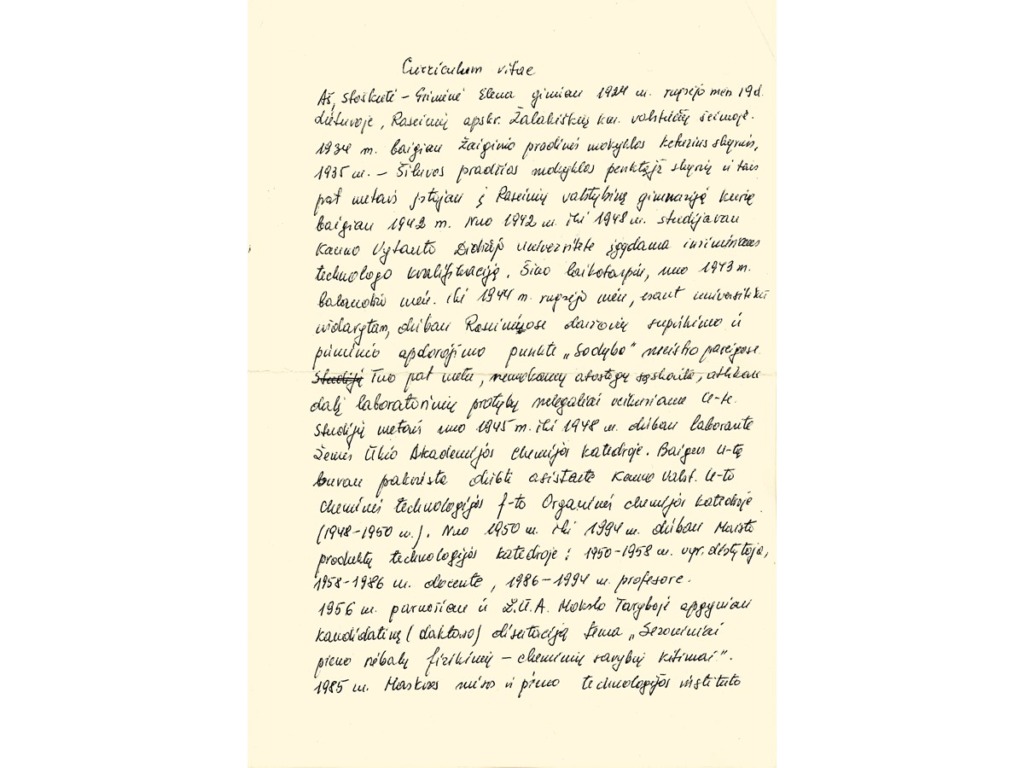
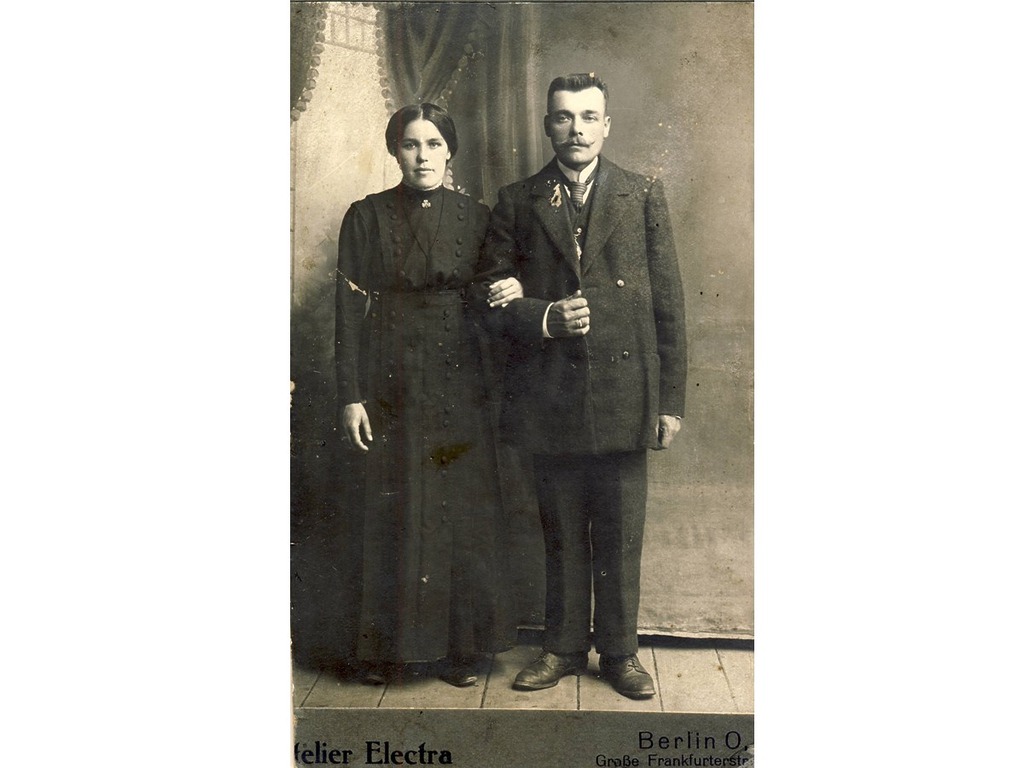
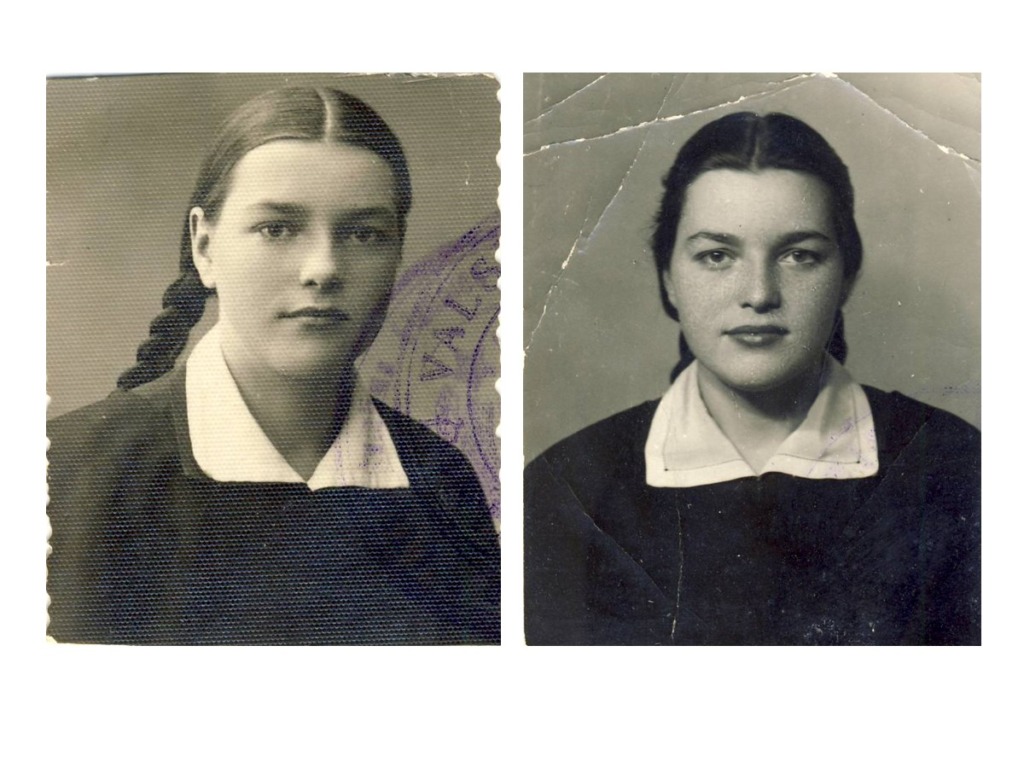
Elena Stoškutė Grinienė was born on 19 September 1924 in Žalakiškiai Village, Raseiniai County in a farmer’s family. In 1934, she graduated from the 4th section of Žaiginys Primary School and in 1935, from the 5th section of Šiluva Primary School. In the same year, her parents allowed their talented daughter to study at Raseiniai Gymnasium. On 15 June 1940, before Elena had finished the gymnasium, the Soviet Union occupied Lithuania. The occupation shocked the girl. In her diary on 20 January 1941, she wrote:
“My homeland has perished! We will no longer be free, we will no longer rejoice in the achievement of its freedom, its victories <…> Everything will disappear in the mists of ages. <…> Sometimes I feel hopeless that I will never, ever see the old flag again, never see a separate state on the map again <…> I cannot write, tears roll down my face, I cannot calm down. I cannot understand why we have to be slaves forever, why we have to endure hardship. Why do we have to bow to foreign masters for centuries, why do the bones of our brothers have to rot in Siberia for a twenty-year sunbeam? We had it, even though it may not be exactly what I wanted, maybe not the one for which many lives were lost, but we had a free homeland, free meadows and free forests. We did not have enough time to enjoy it again… everything disappeared like a mirage”.

1942 Elena graduated from the gymnasium in 1942 and wanted to study medicine; however, her life had other plans.

Studies and Starting Work at the University

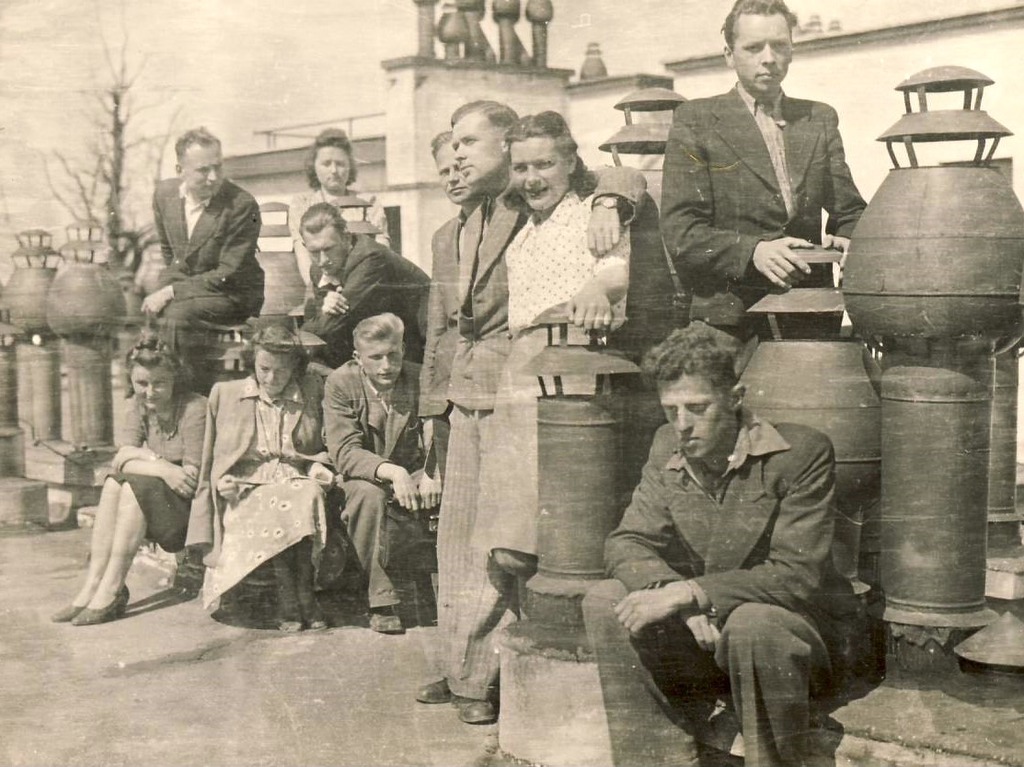
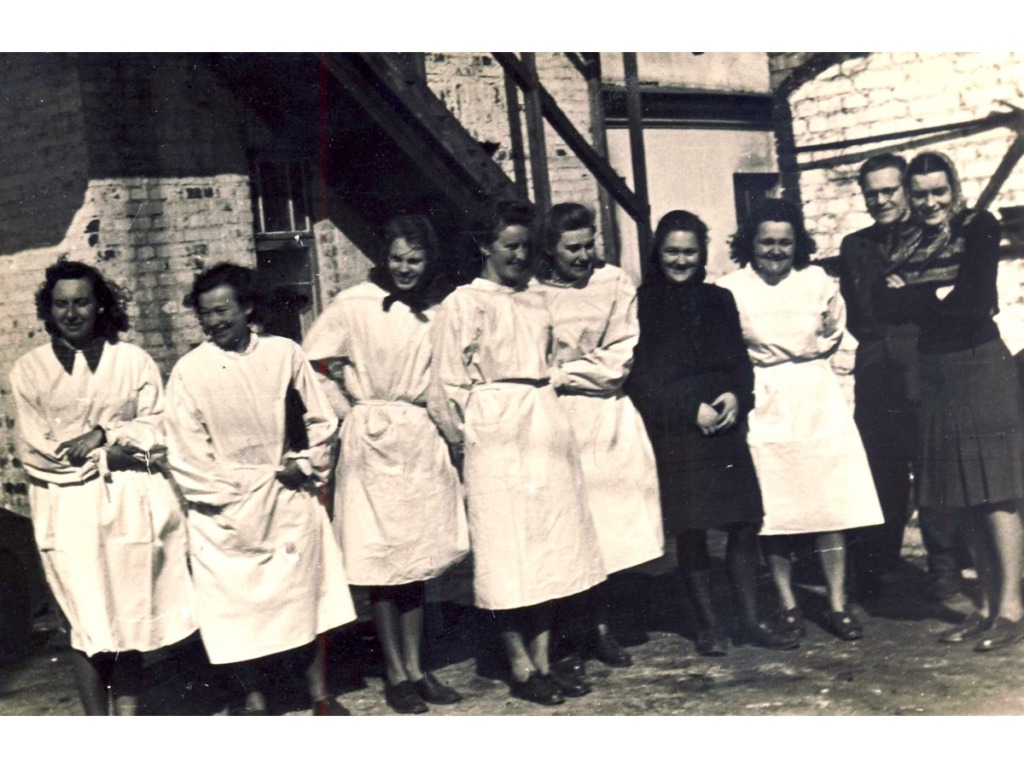
In the autumn of 1942, E. Stoškutė brought her documents to Vytautas Magnus University and found out that the Faculty of Medicine was no longer accepting applications, but in order not to postpone her studies for a whole year, she was offered temporary admission to the Division of Chemical Technology at the Faculty of Technology. She hoped to transfer to the Faculty of Medicine later on, but on 17 March 1943, the Nazi German troops occupied the university buildings and announced the closure of the university. Elena returned to Raseiniai, where she worked at the vegetable buying and pre-processing point “Sodyba” from 1943 to 1944. At the same time, at the expense of unpaid leave, she carried out some laboratory exercises at the university, where the occupiers allowed upper-year students to continue their studies required for the war and scientists to carry out research work required for the war.

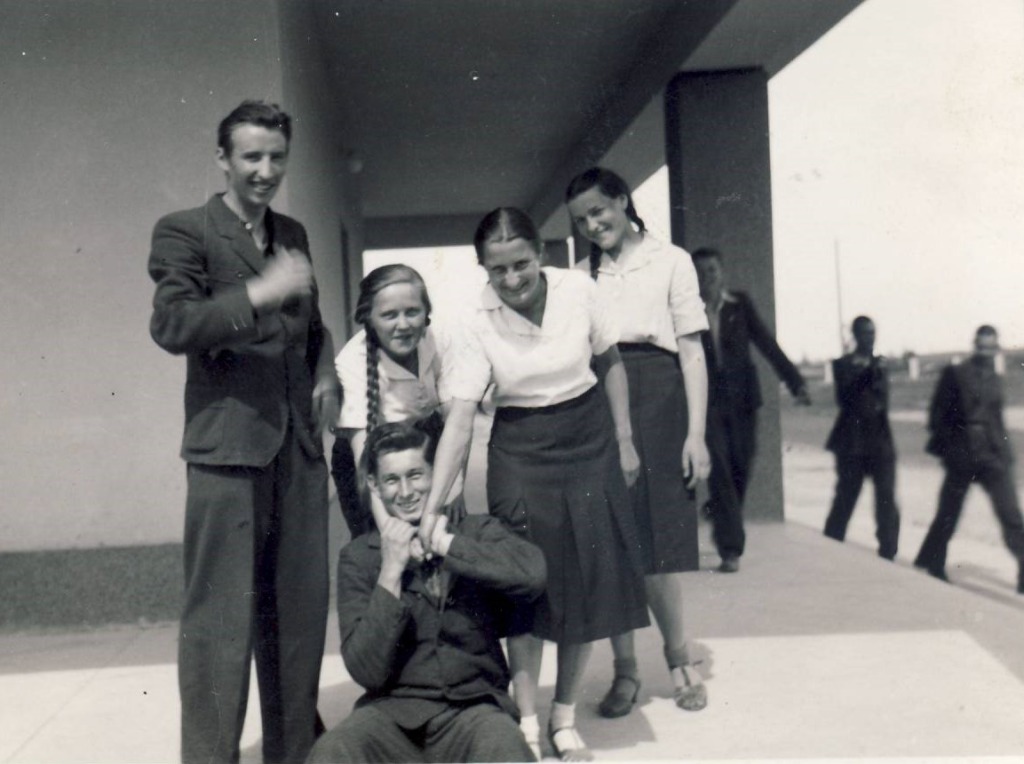
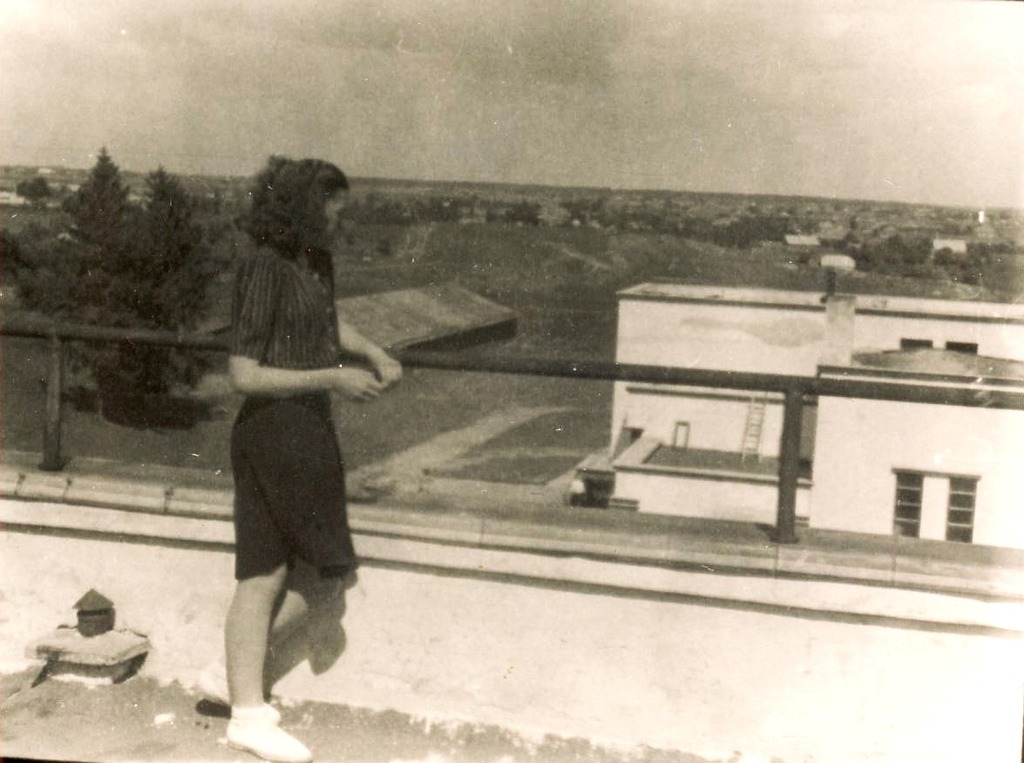
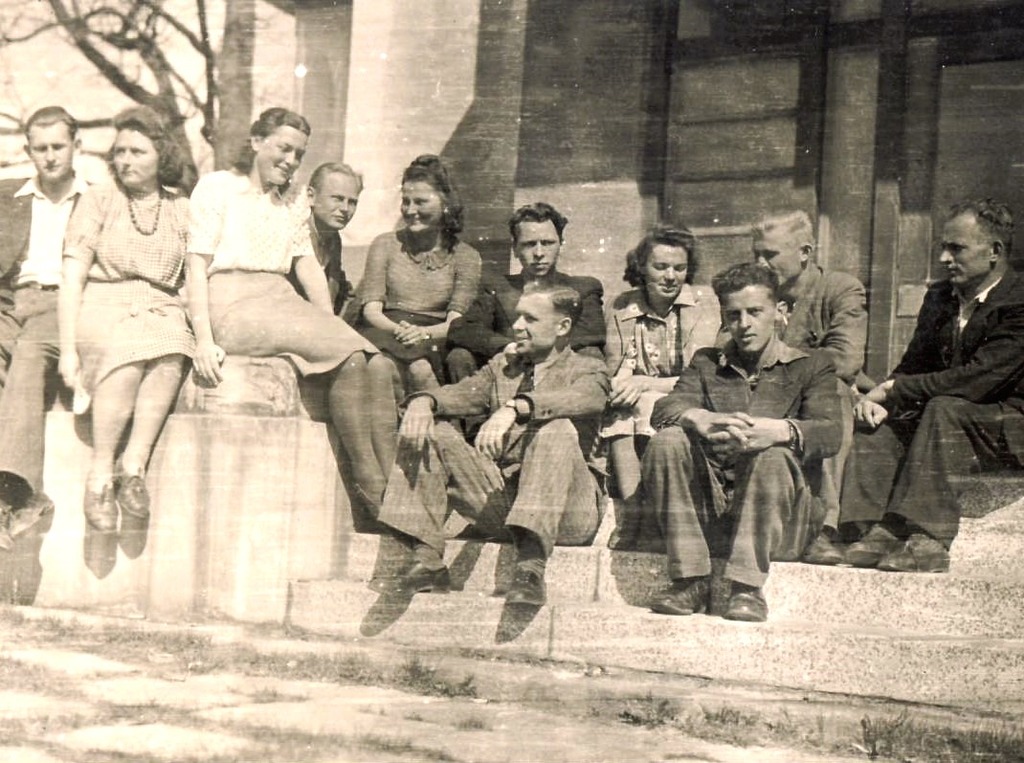
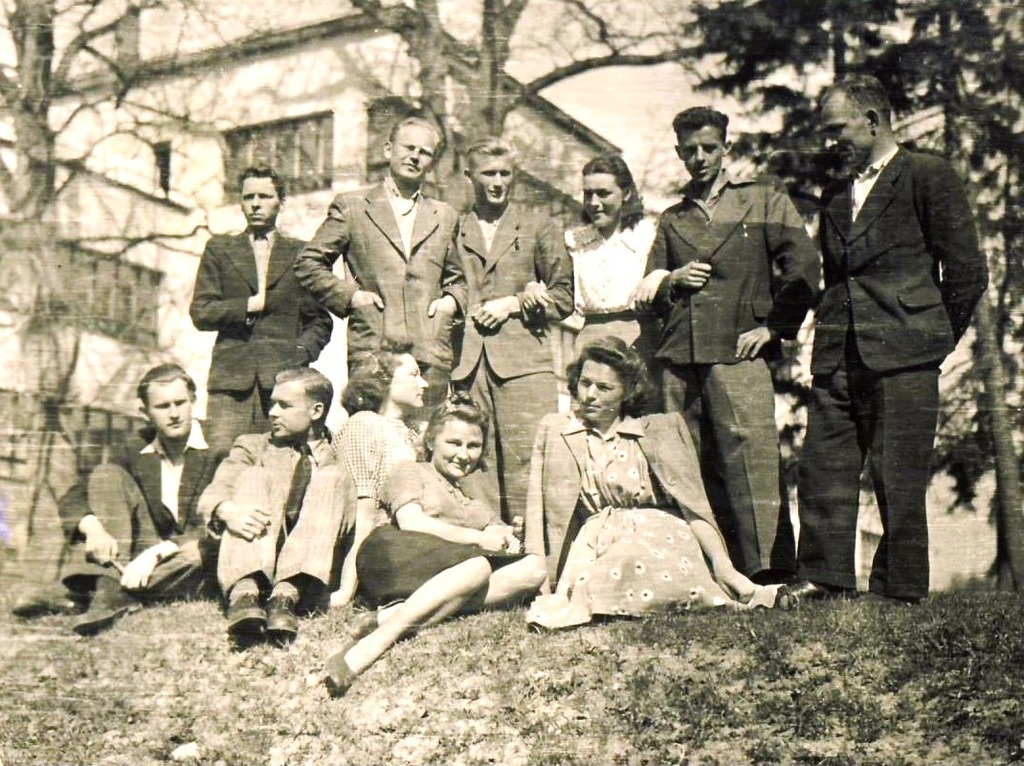
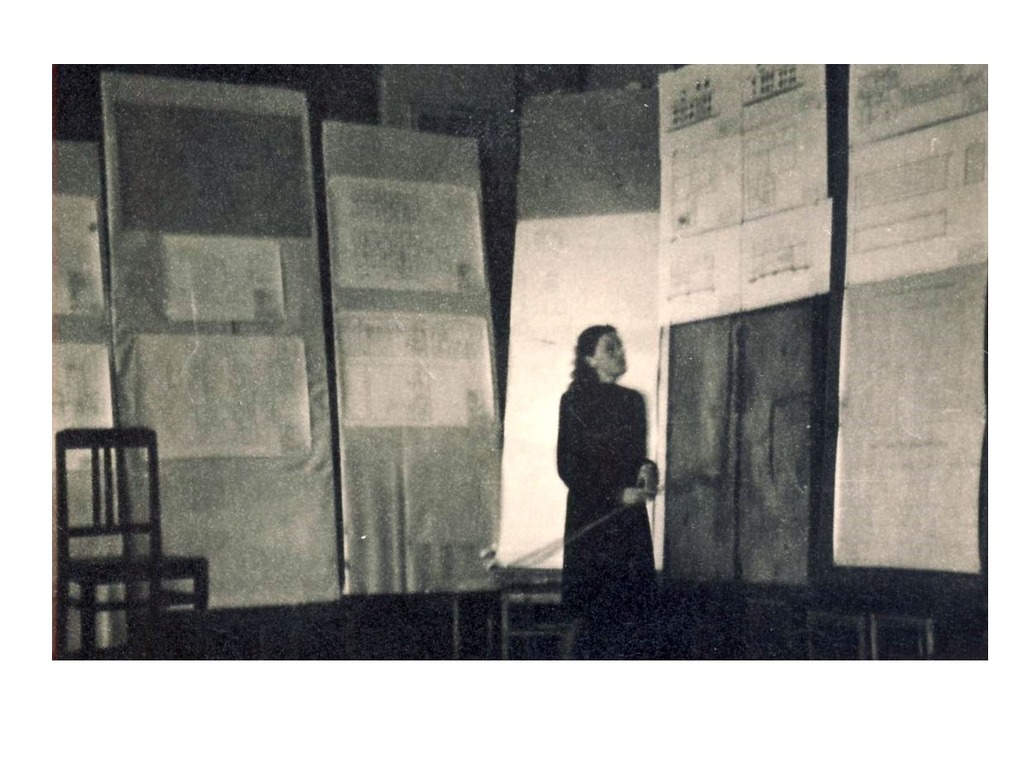
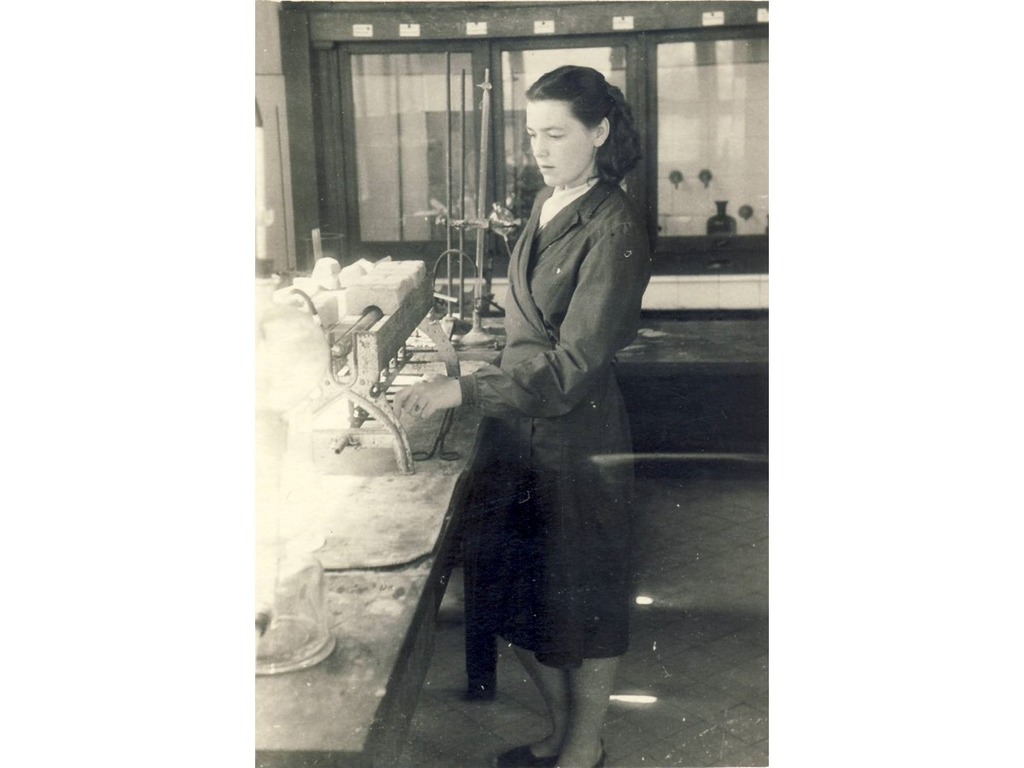
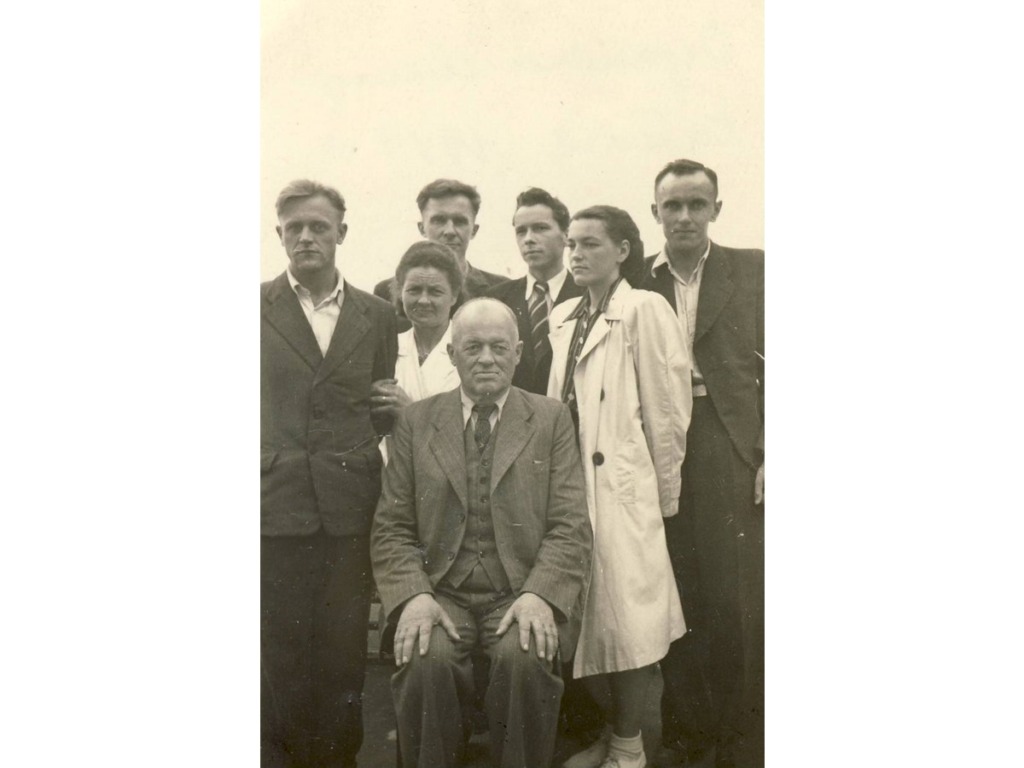
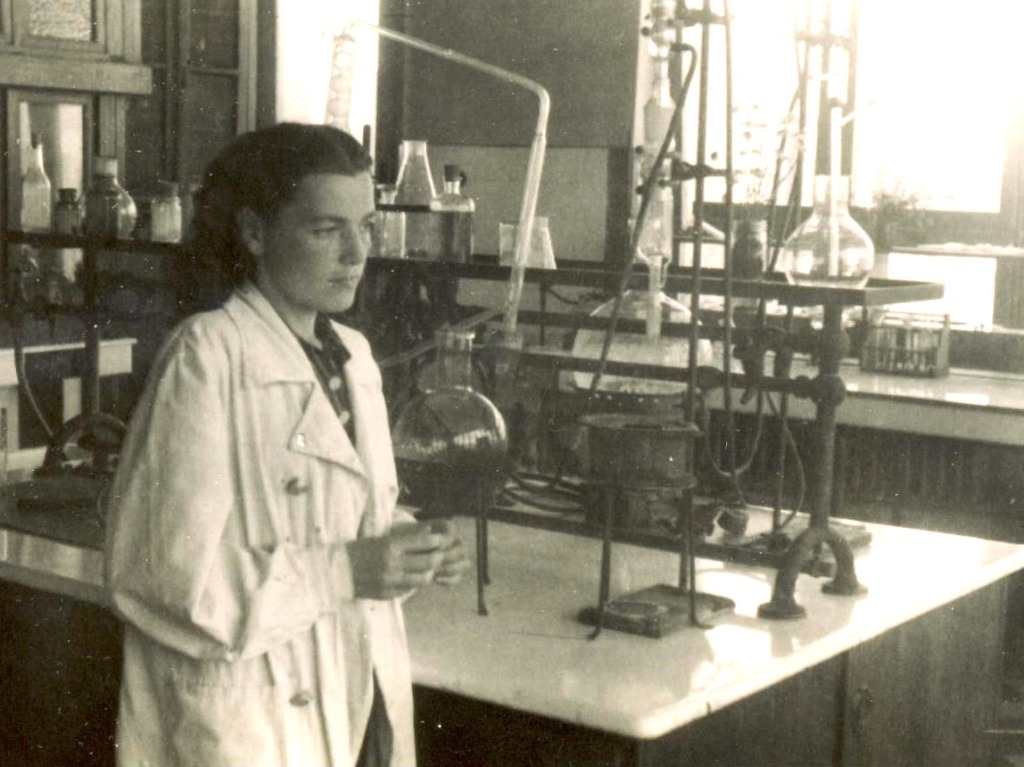
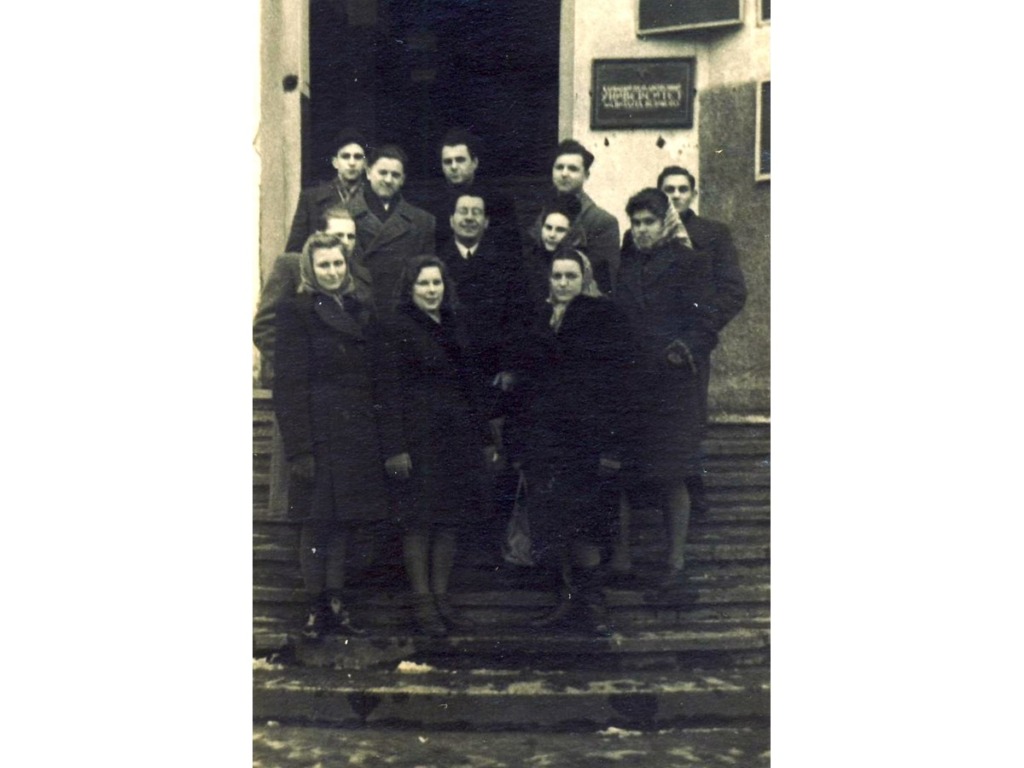
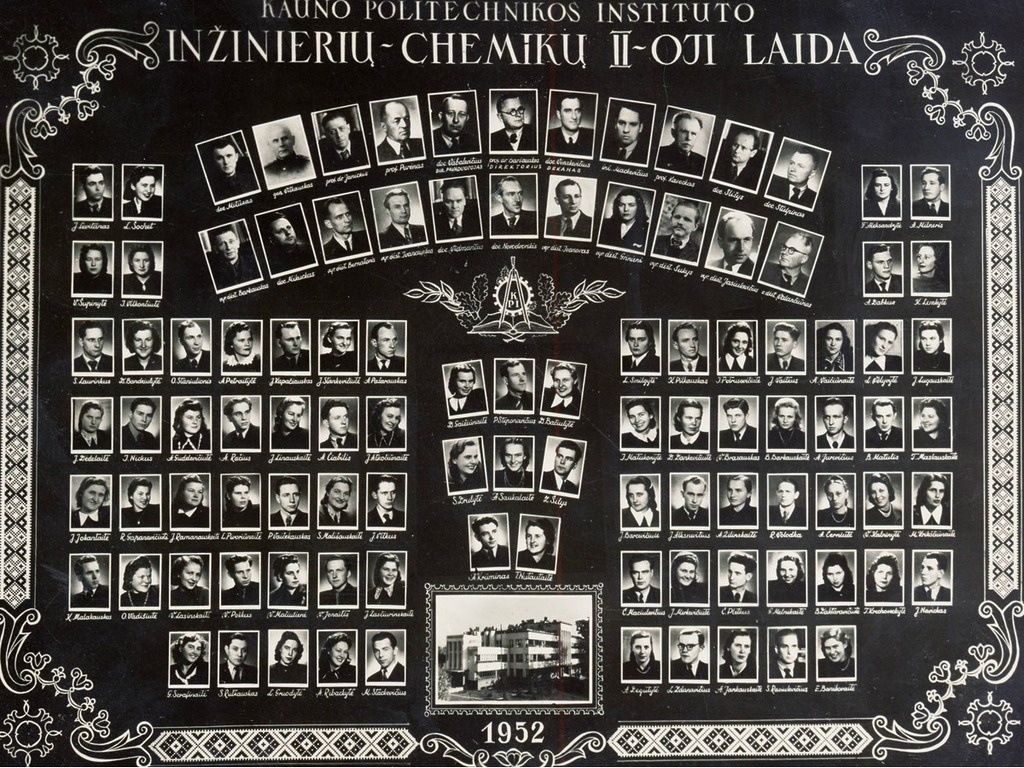
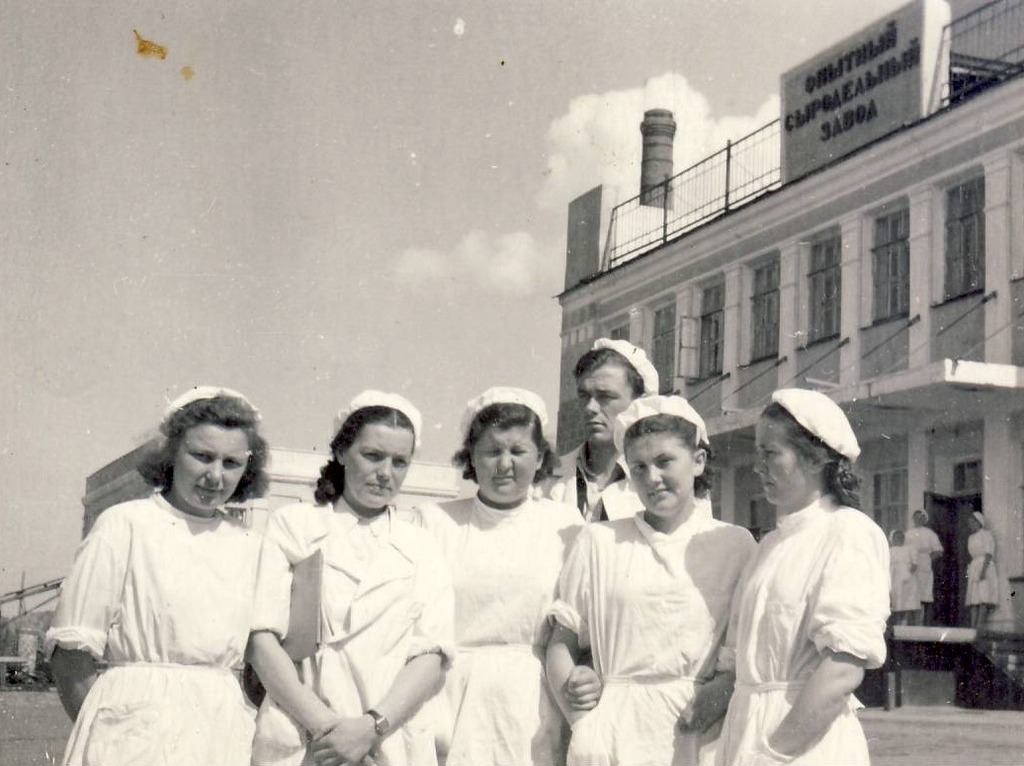
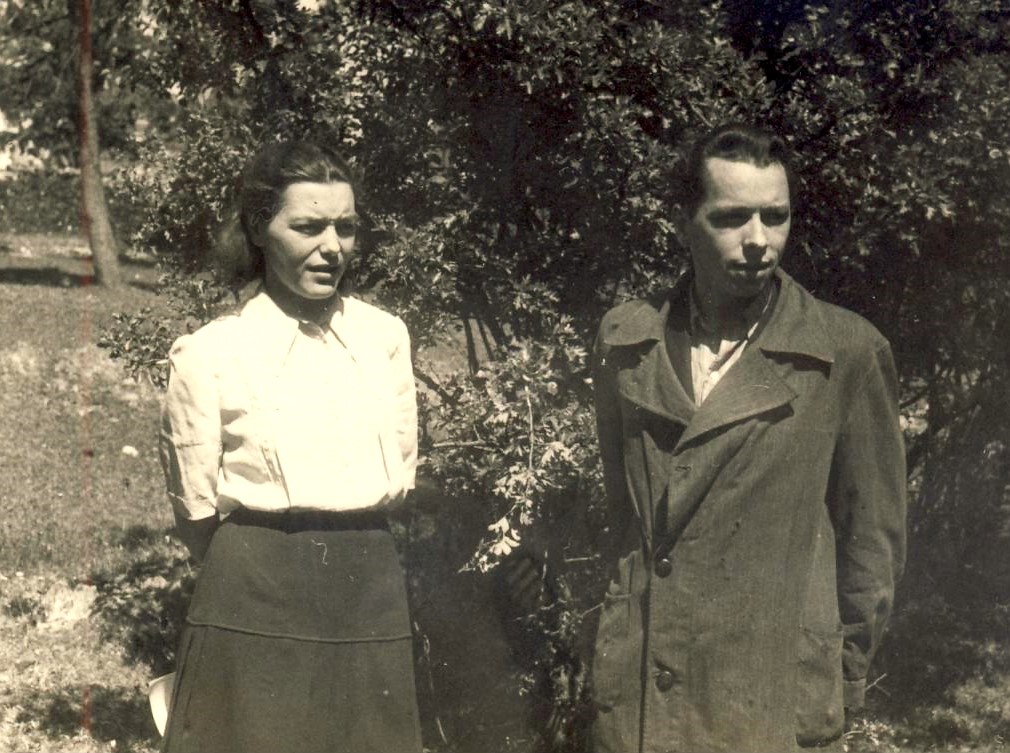
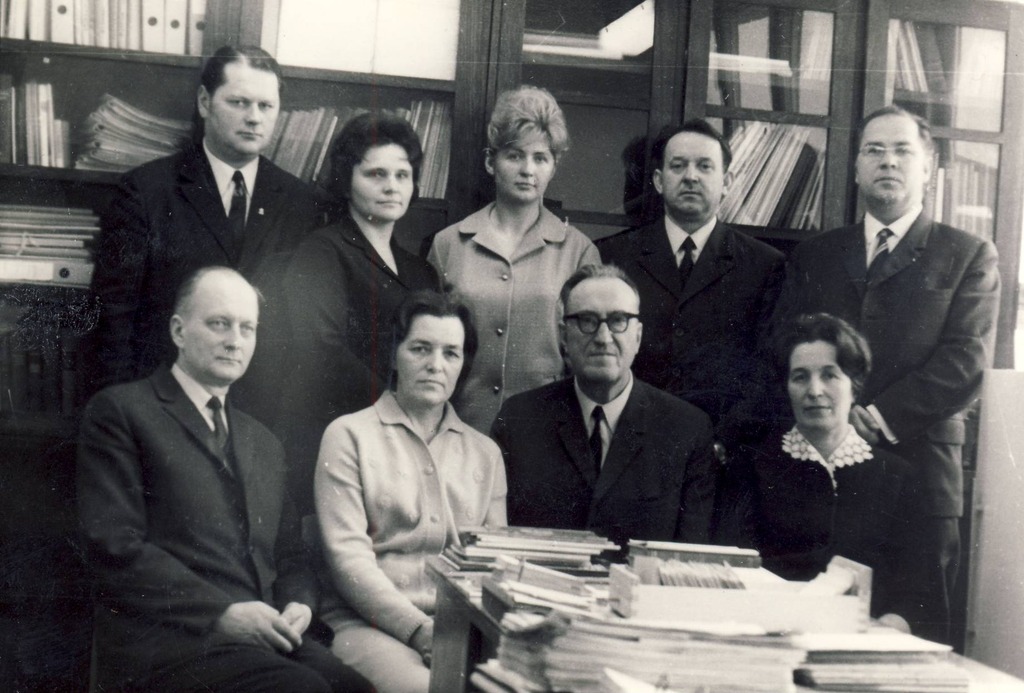
In 1944, E. Stoškutė returned to continue her studies at Kaunas State Vytautas Magnus University (the name of the university at the time). Unfortunately, she could not transfer to the Faculty of Medicine, so she had to continue her studies at the Division of Chemical Technology at the Faculty of Technology, which was reorganised into the Faculty of Chemical Technology at the end of 1947. During her studies (1945-1948), she also worked as a laboratory assistant in the Department of Chemistry at the Agriculture Academy. After graduating from the university in 1948, the talented girl was invited to work as an assistant at the Department of Organic Chemistry at the Faculty of Chemical Technology (1948-1950) under Prof. Antanas Purėnas. Prof. A. Purėnas and Prof. Jonas Janickis were the greatest authorities and teachers for the young assistant.

From an Assistant to a Professor

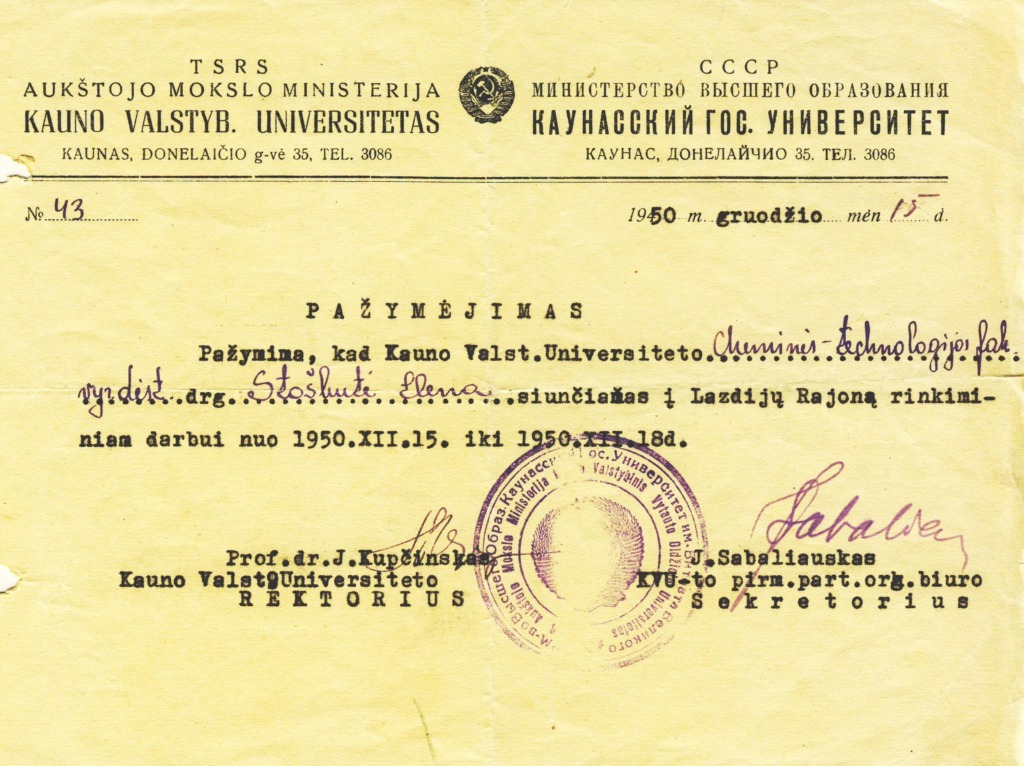
At the end of 1950, Kaunas State Vytautas Magnus University was reorganised into Kaunas Polytechnic Institute, and its Faculty of Medicine – into Kaunas Medical Institute.

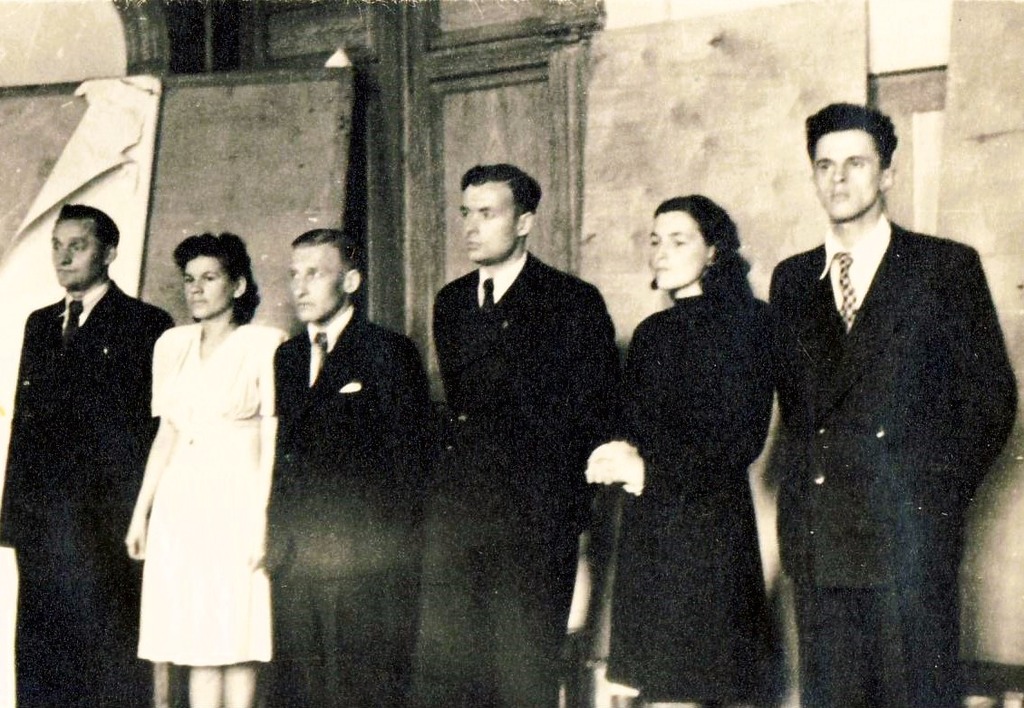
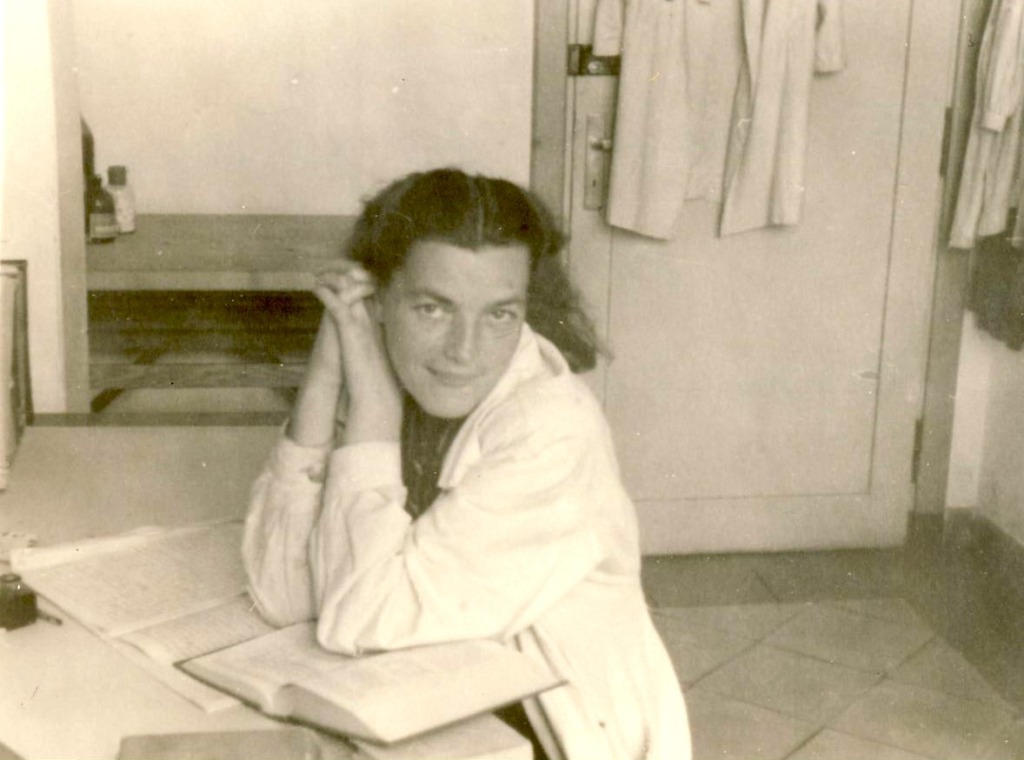
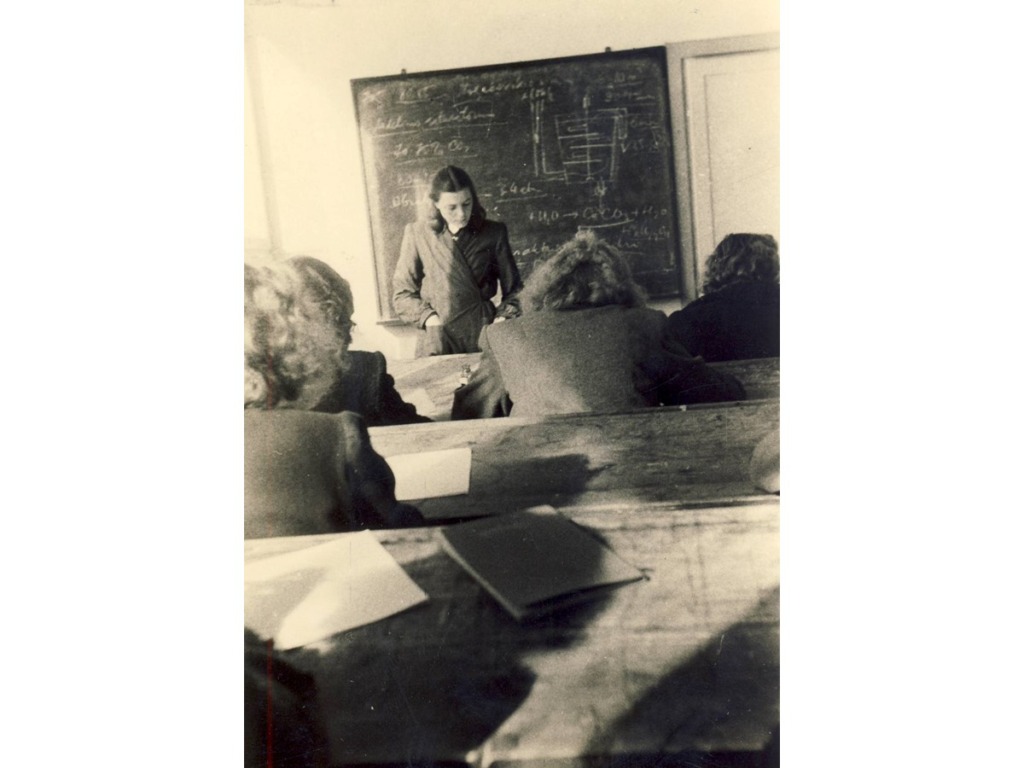
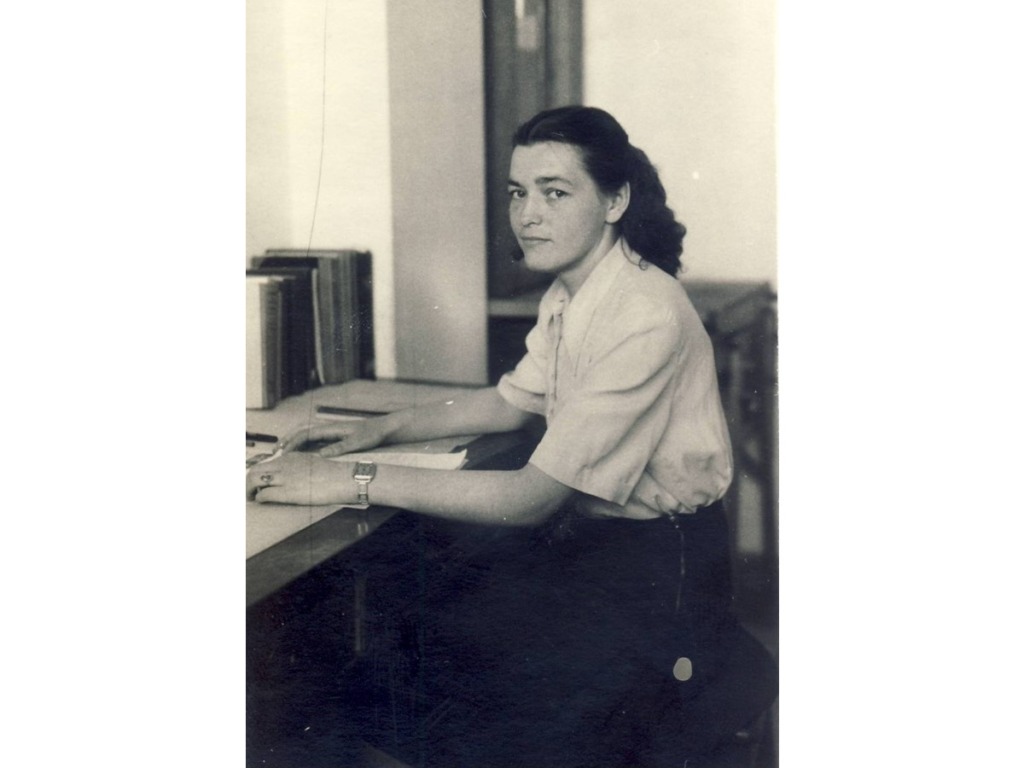
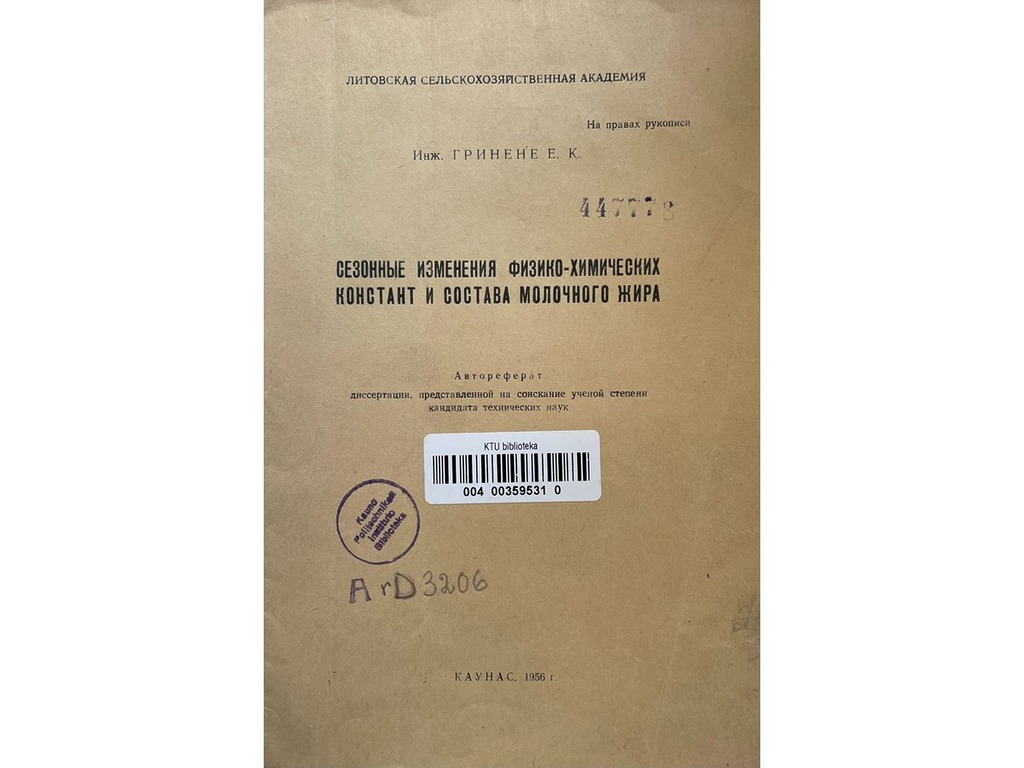
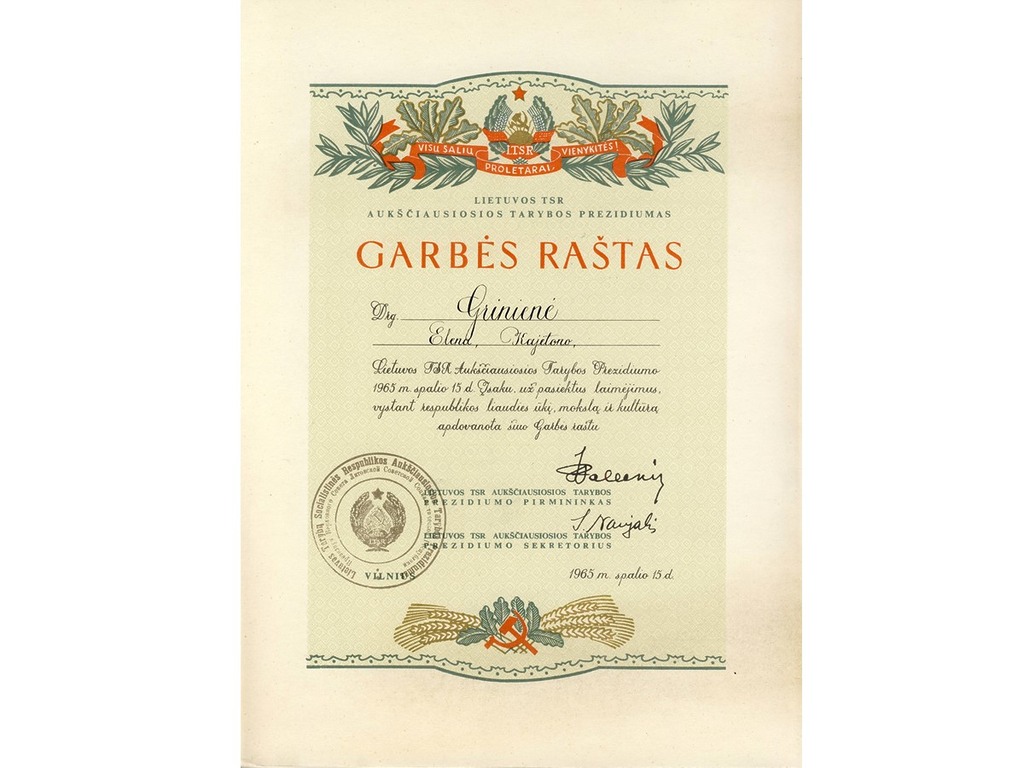
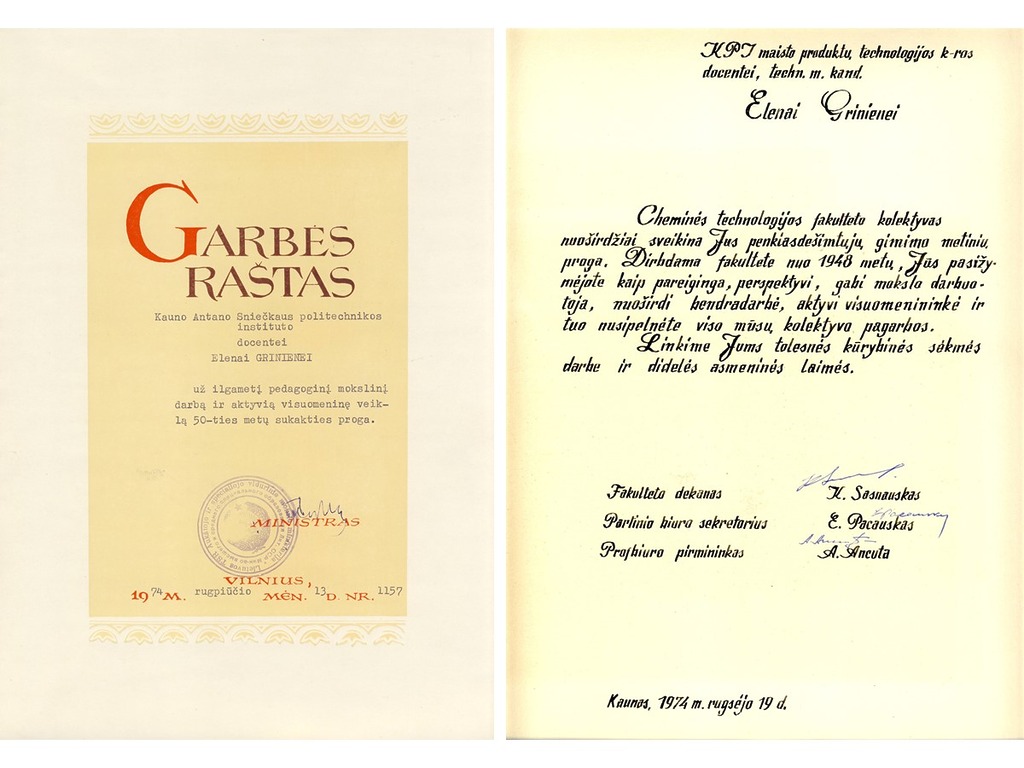
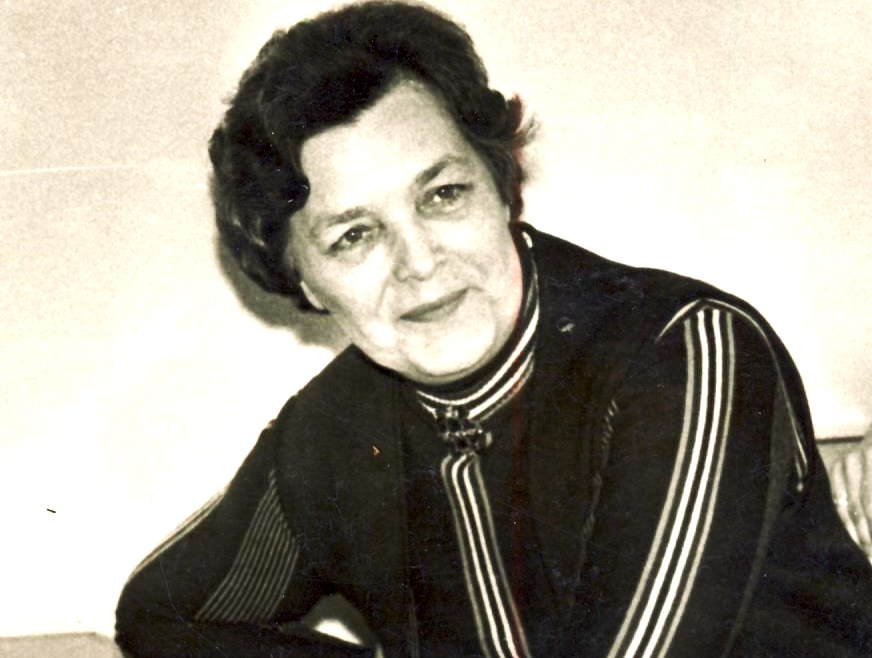
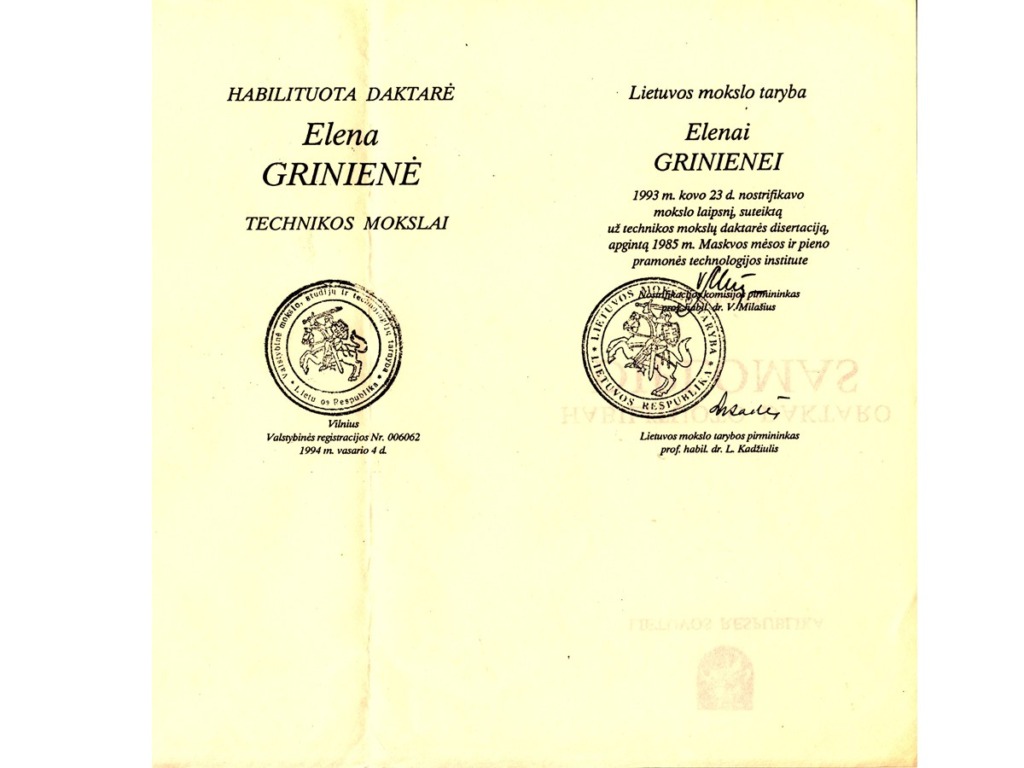
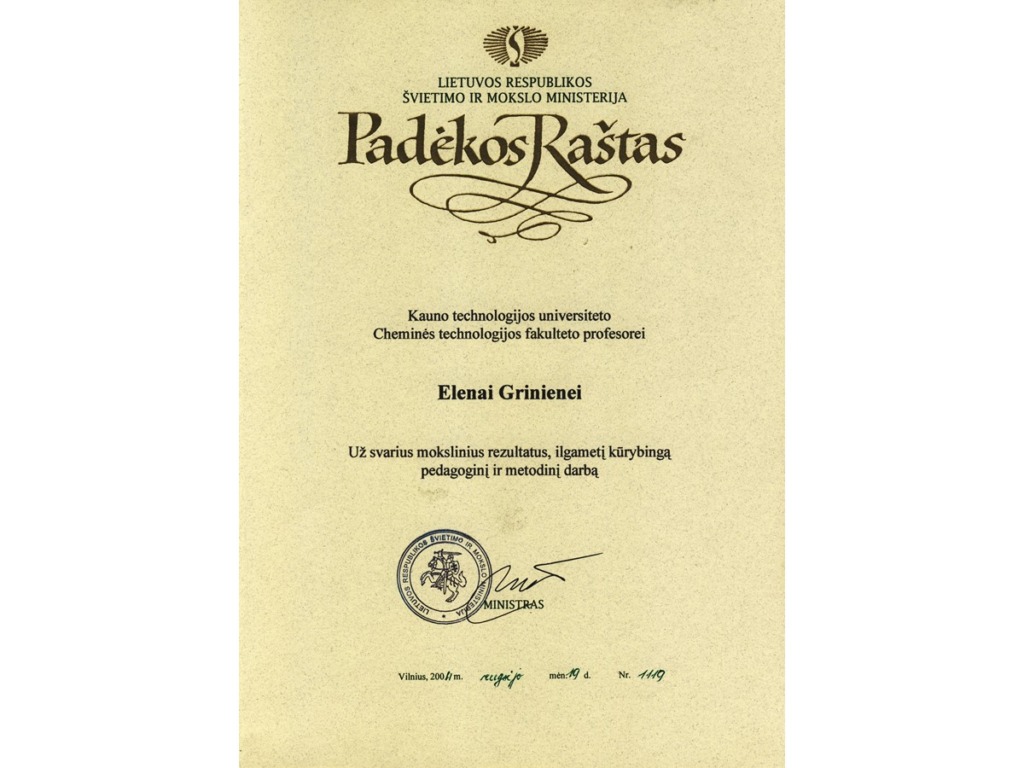
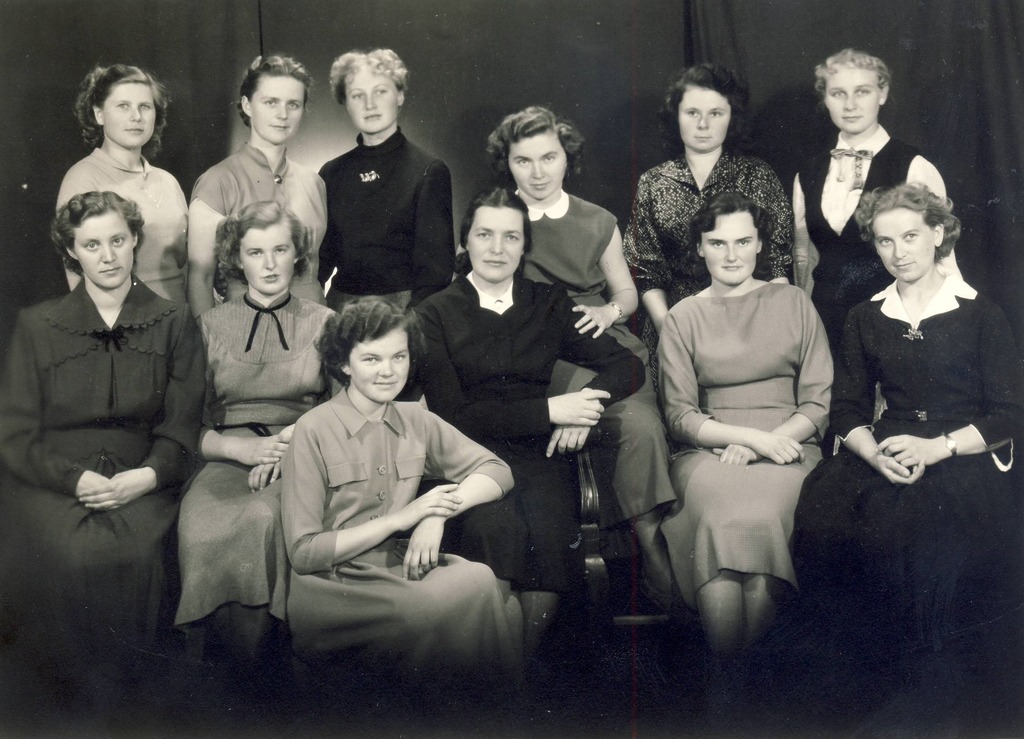
In 1950, Elena Stoškutė Grinienė was appointed to work in the Department of Food Product Technology: from 1950 to 1958, she was a senior teacher, from 1958 to 1986, she was an associate professor, and from 1986, she worked as a professor. She was the first in Lithuania to study milk technological processes and defended her candidate (now doctoral) thesis “Seasonal Variations of Physico-Chemical Properties of Milk Fat” at the Scientific Council of the Academy of Agriculture in 1956. According to Prof. Jonas Venskevičius, Assoc. Prof. E. Grinienė was already one of the strongest scientists in this field in Lithuania in 1962. She gave scientific presentations on the quality of dairy products and the development and improvement of new technologies at various scientific conferences in the former Soviet Union and other countries. The work of E. Grinienė was highly appreciated by Dr. Pavel Dyachenko, Professor of the Moscow Institute of Meat and Dairy Technology, one of the leading theoretical and practical scientists of the dairy industry of the Soviet Union. He encouraged the talented scientist to prepare her habilitated doctoral thesis and was very helpful in the organisational aspects of her defence. Assoc. Prof. E. Grinienė defended her habilitated doctoral thesis “Technological Aspects of Butter Quality Improvement Based on the Study of Taste and Aroma Properties” at the Scientific Council of Moscow Institute of Meat and Dairy Technology in 1985.

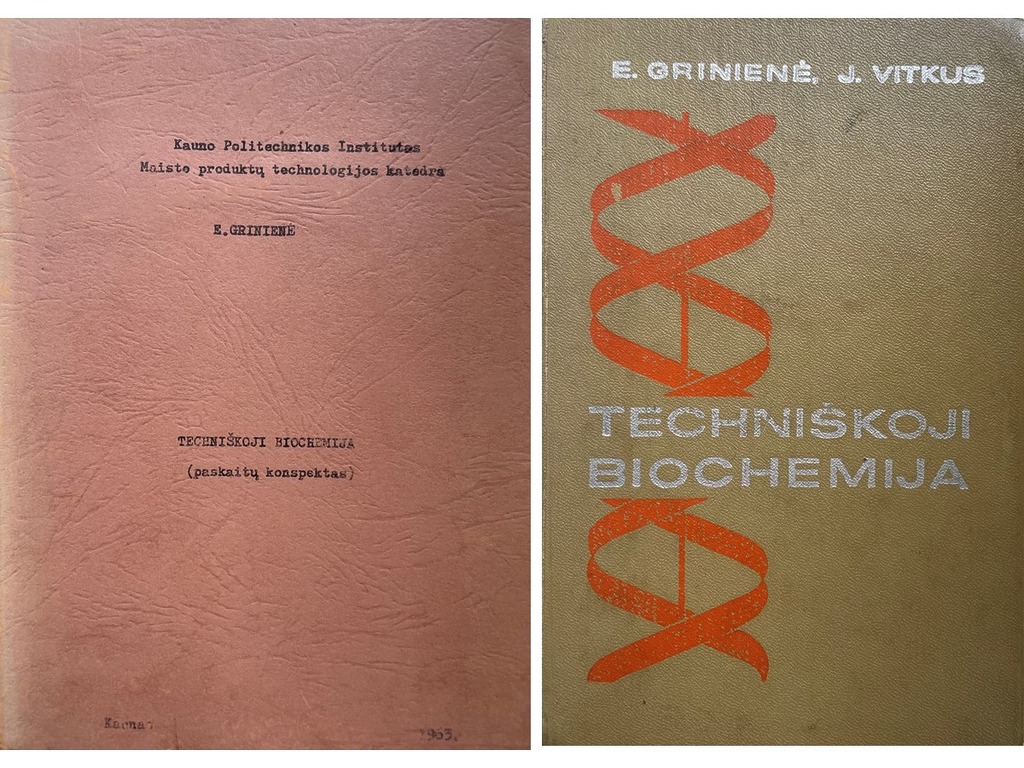
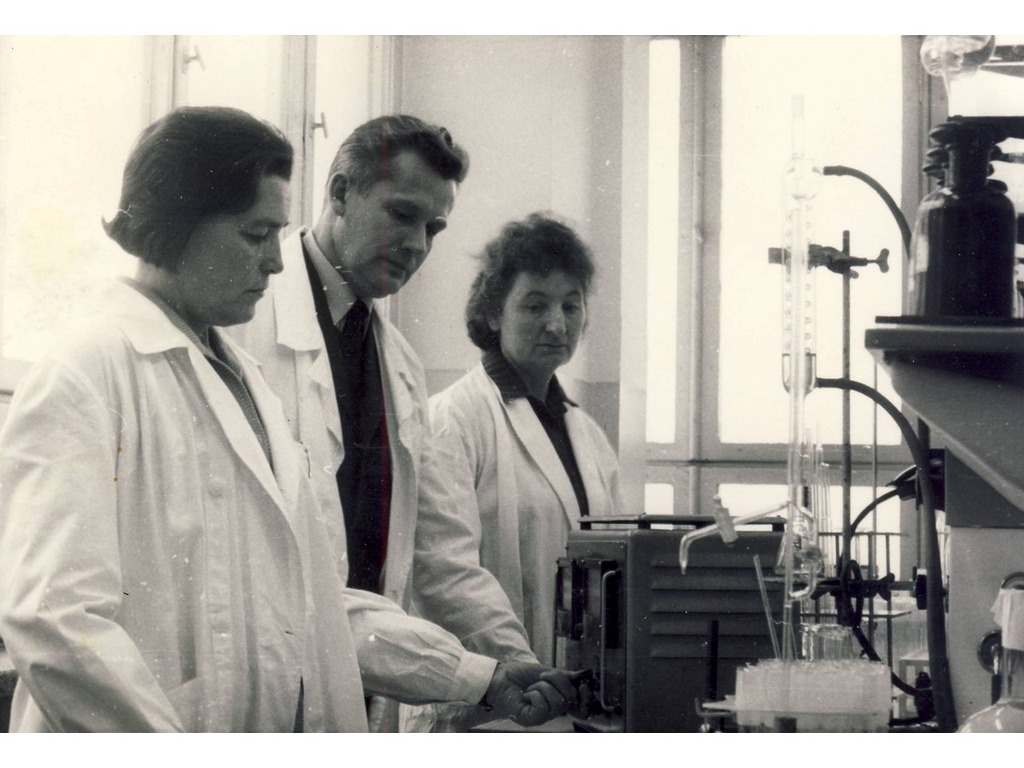
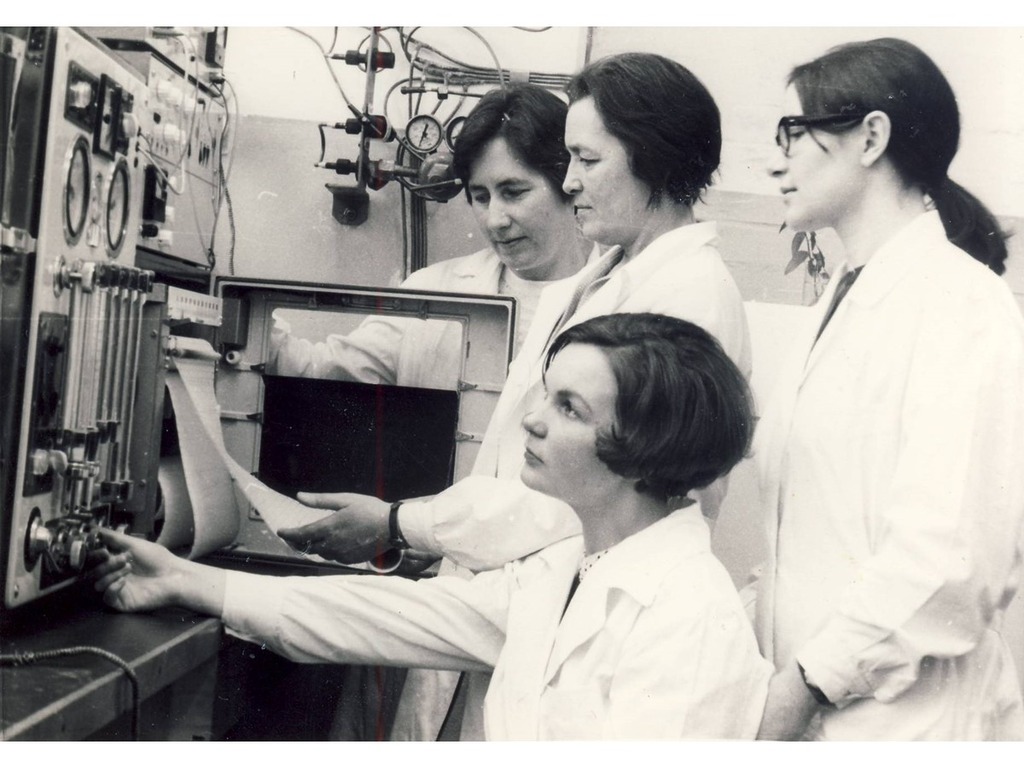
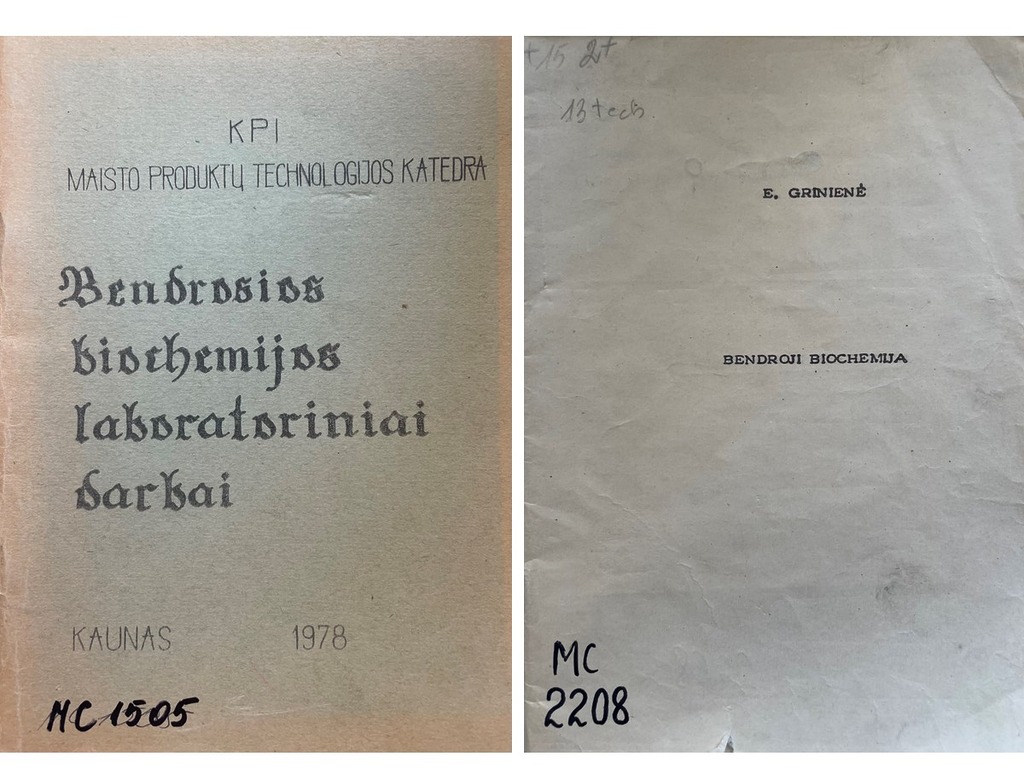
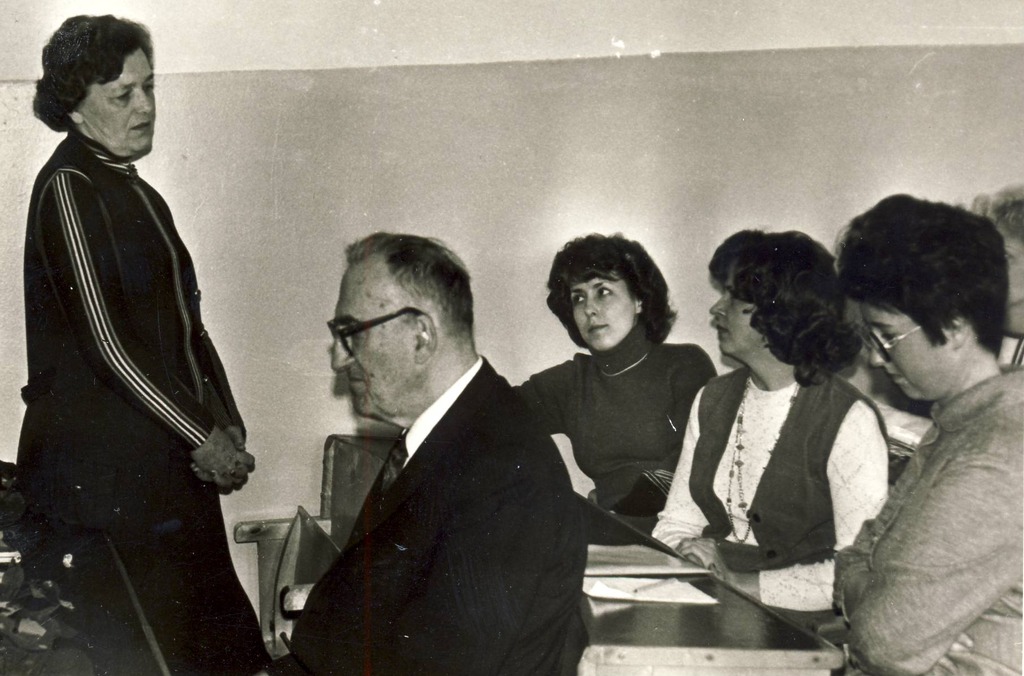
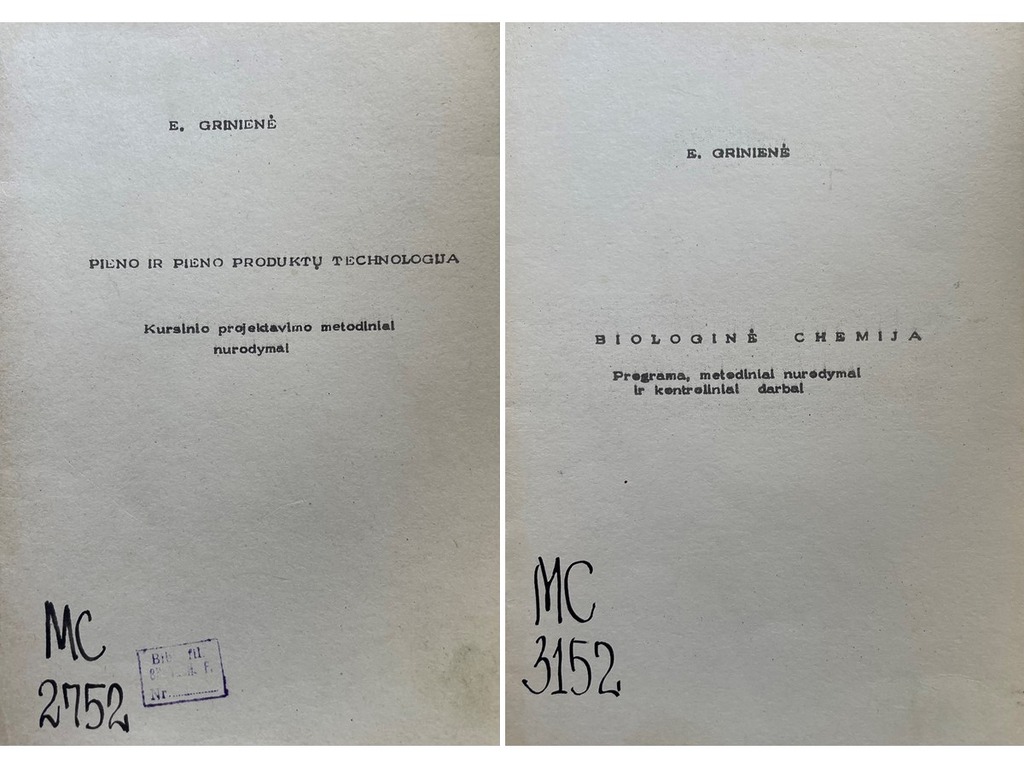
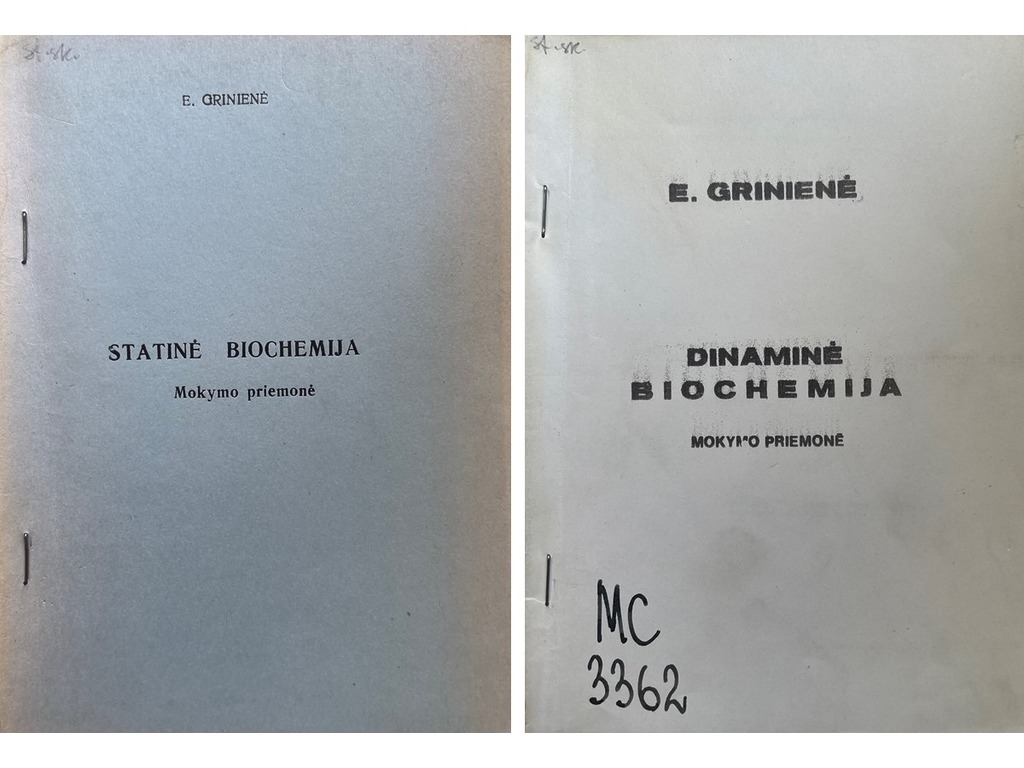
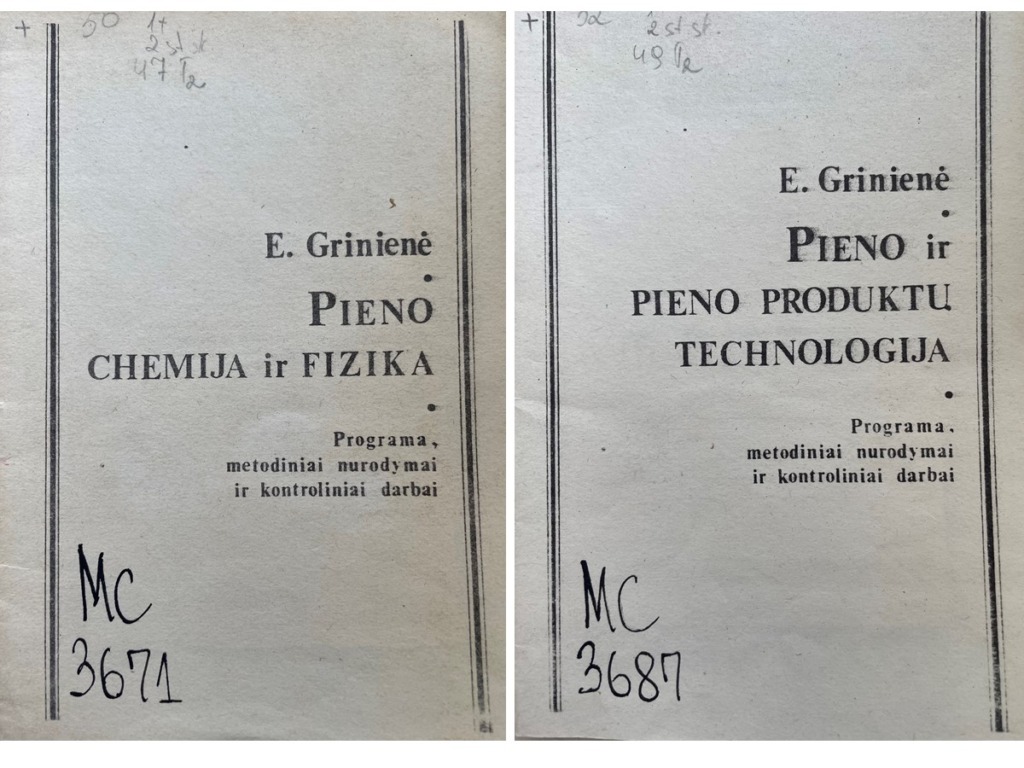
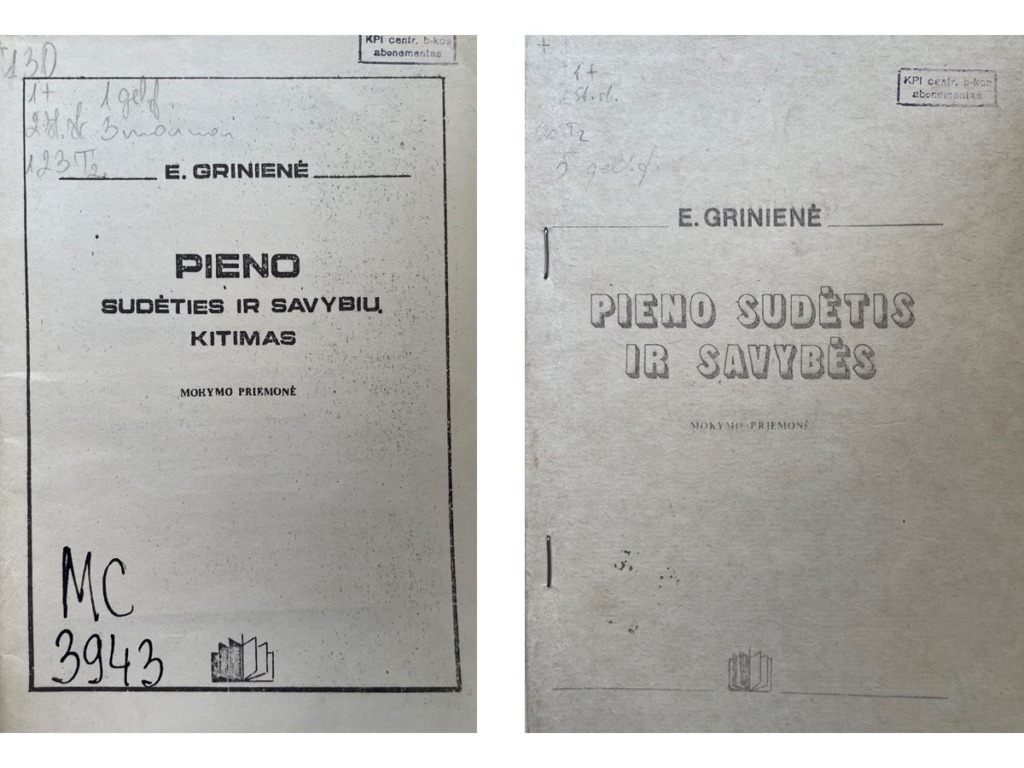
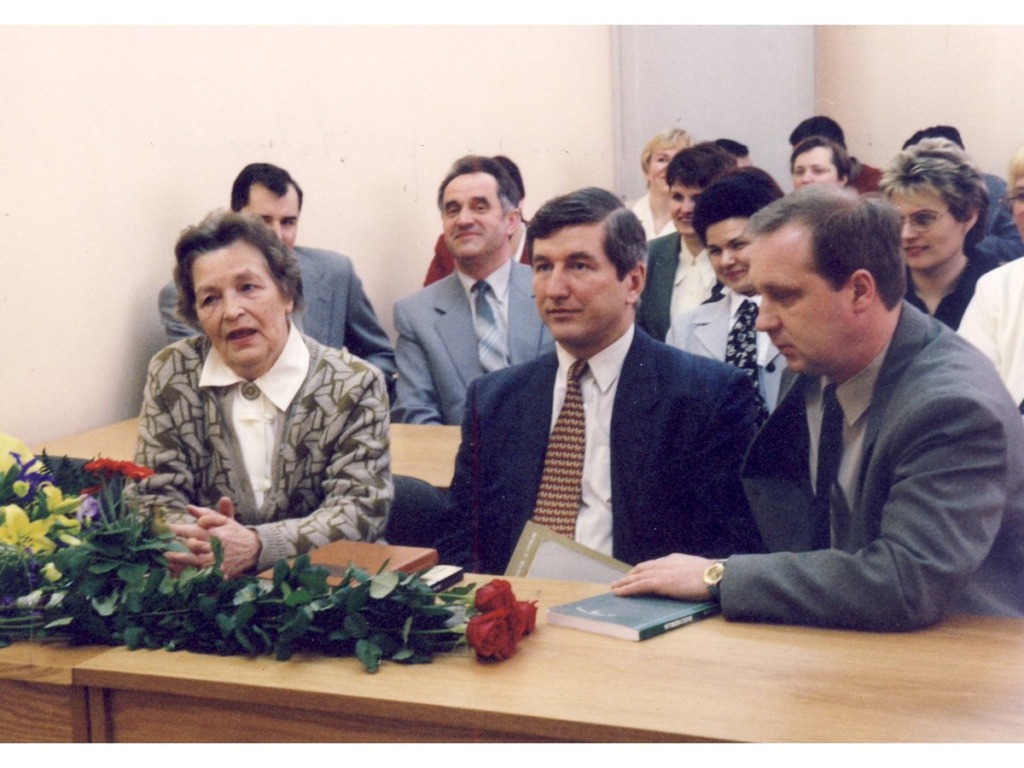
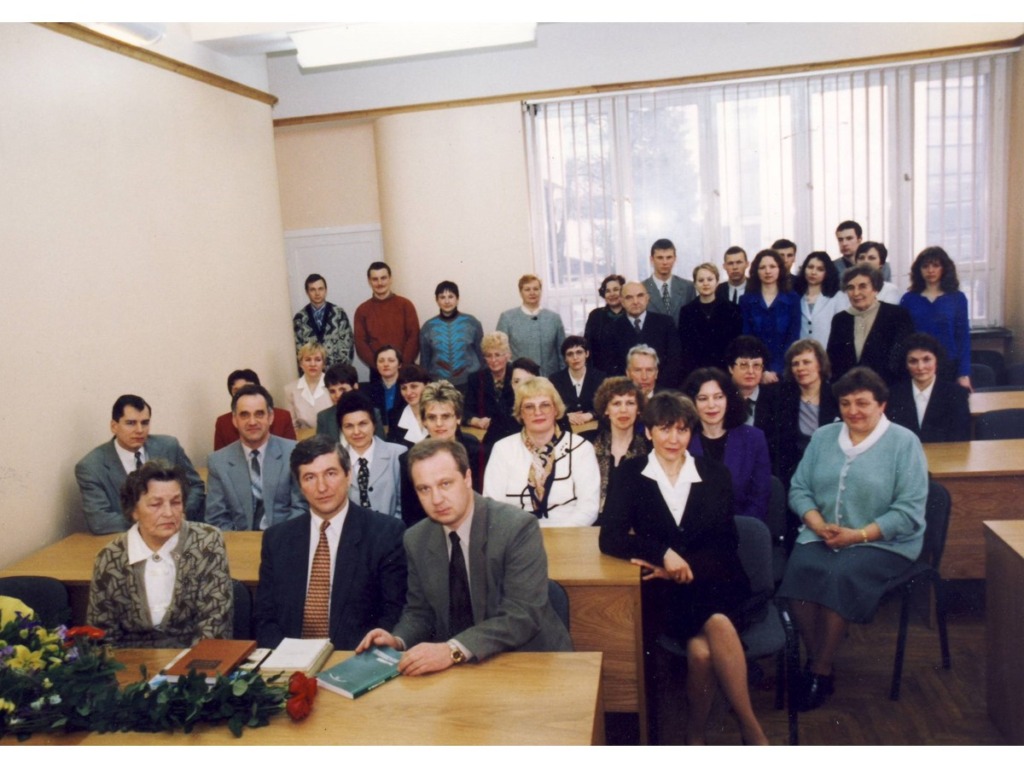
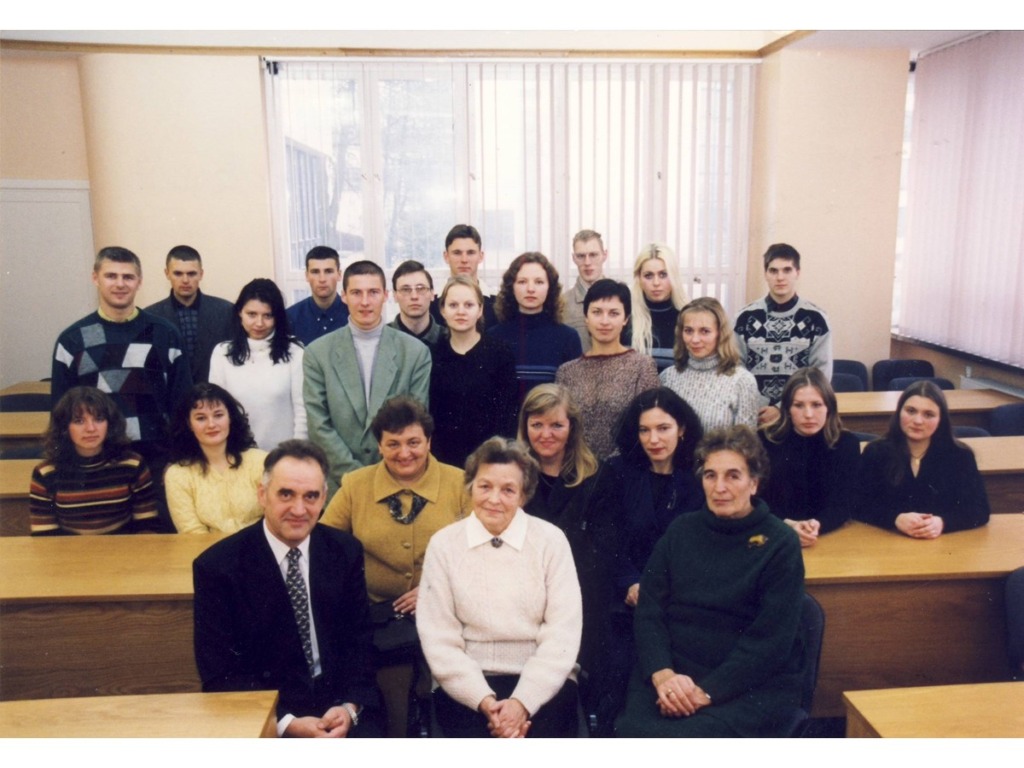
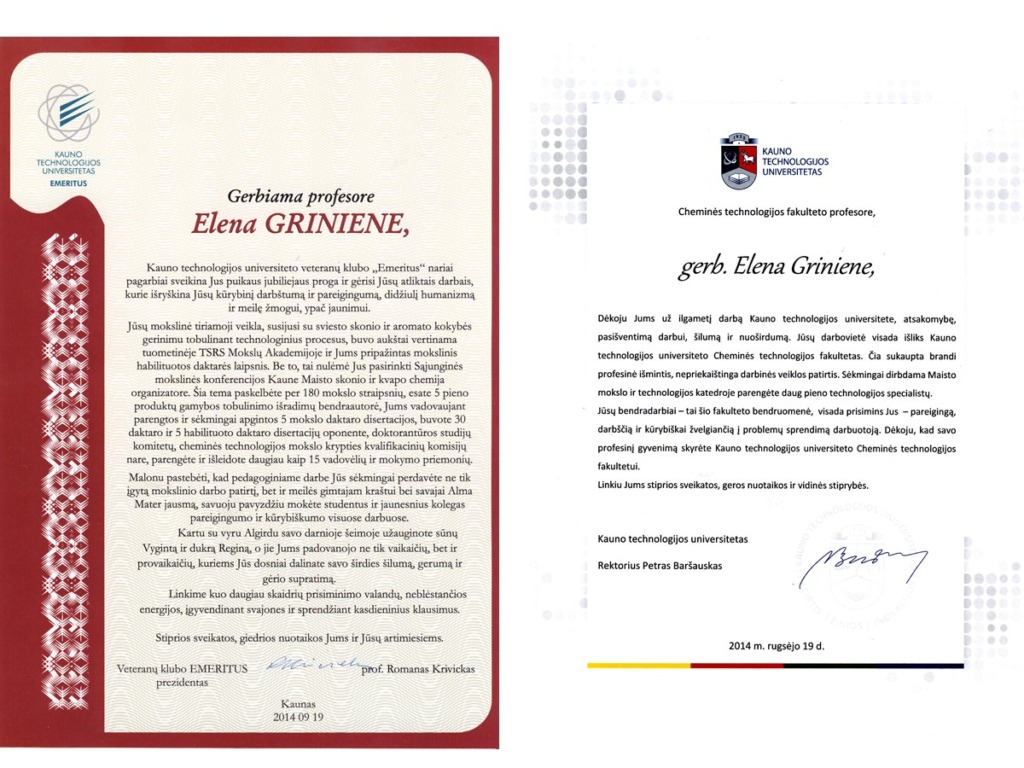
Under the supervision of Prof. E. Grinienė, 5 candidate (doctoral) theses were prepared and successfully defended, and the Chromatography Laboratory, necessary for research, was established in the Department. At the initiative of Prof. Grinienė, the USSR scientific conference “Chemistry of Food Taste and Smell” was organised in Kaunas in 1986. Prof. E. Grinienė published more than 180 scientific and approximately 20 popular science publications in Lithuanian, former Soviet Union and foreign journals. She is the co-author of 5 inventions for the improvement of dairy production. From 1968 to 1989, she prepared textbooks and educational tools “Technical Biochemistry” (with co-authors, 1968), “Static Biochemistry” (1989), “Dynamic Biochemistry” (1989), “Laboratory Works in General Biochemistry” (1978) and “Laboratory Works in Technical Biochemistry” (1969). She was strict and demanding with her students, but her friendships with many students of the first cohorts and doctoral students lasted for many years. At the same time, she was very sensitive and sincere with her colleagues, who often came for comfort and poured out their hearts. The professor was good at listening without judging.

In the Independent Lithuania

On 11 March 1990, Lithuania declared its independence, and on 31 October 1990, Kaunas Polytechnic Institute became Kaunas University of Technology. In her diary from her gymnasium days, E. Stoškutė was grieving the occupation of Lithuania, but she believed that Lithuania would be free again:

“I still believe, I believe with all my heart that Lithuania will be free one day, I will work freely for it, I will admire its meadows and hills, I will admire its lakes and rivers. Everything that pleases the soul and gives me peace.”

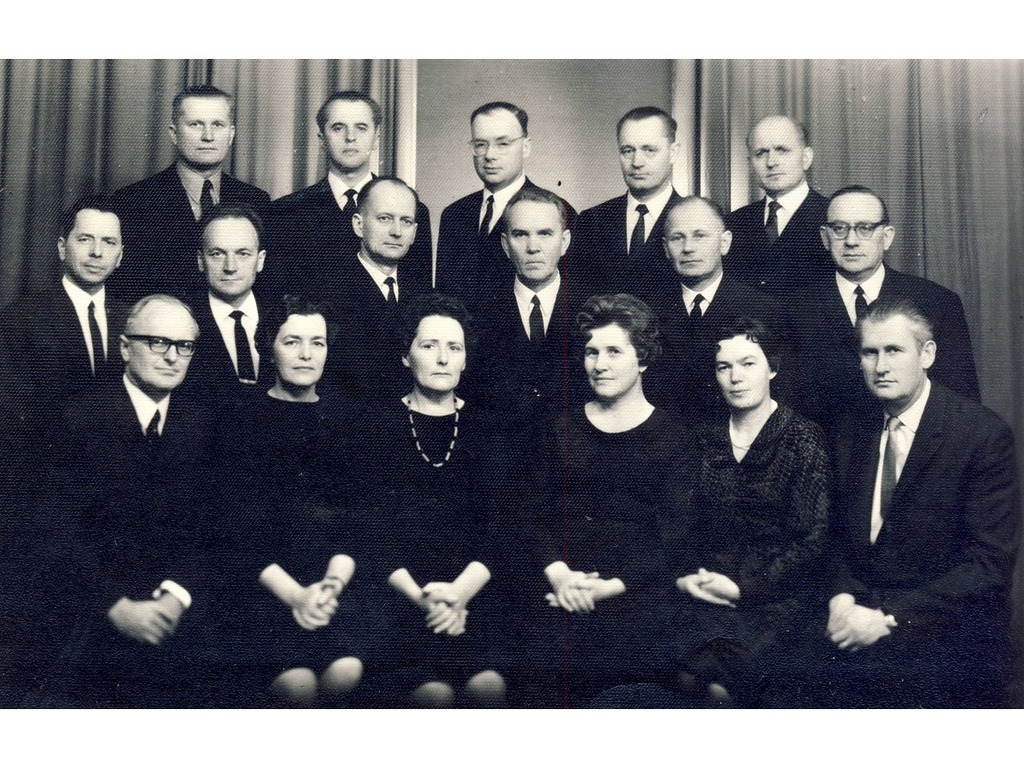
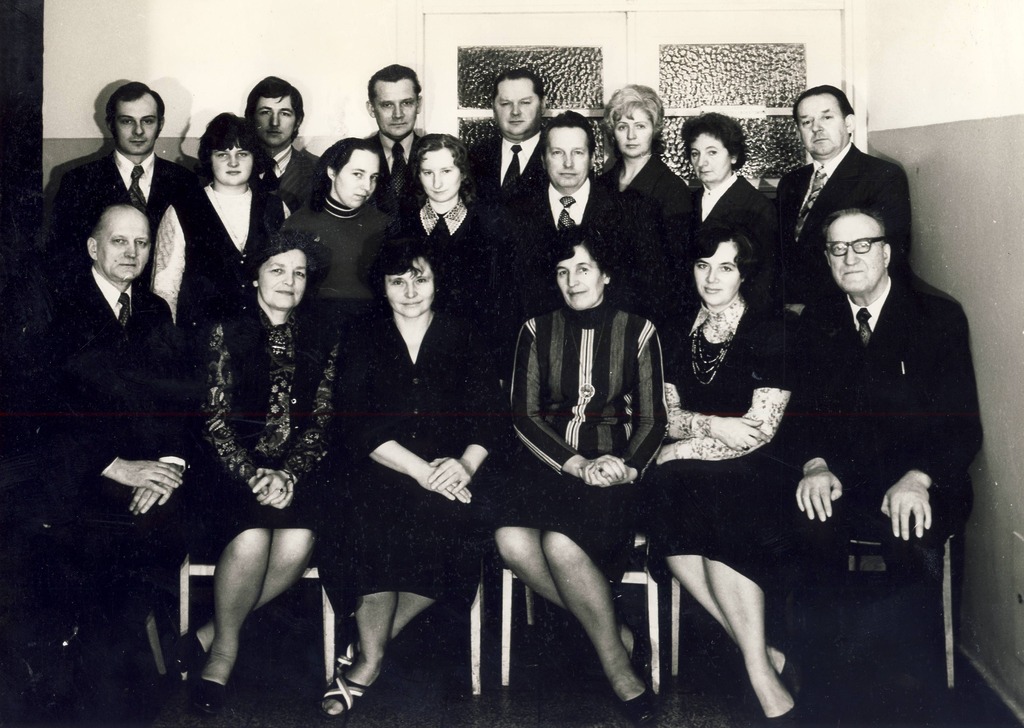
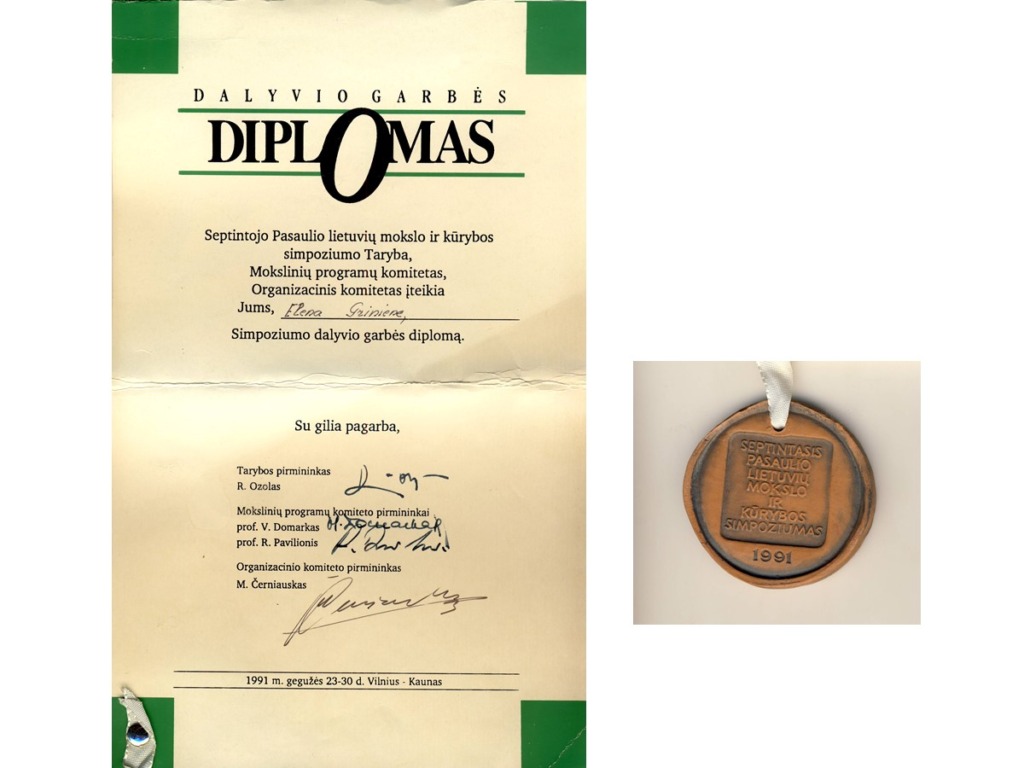
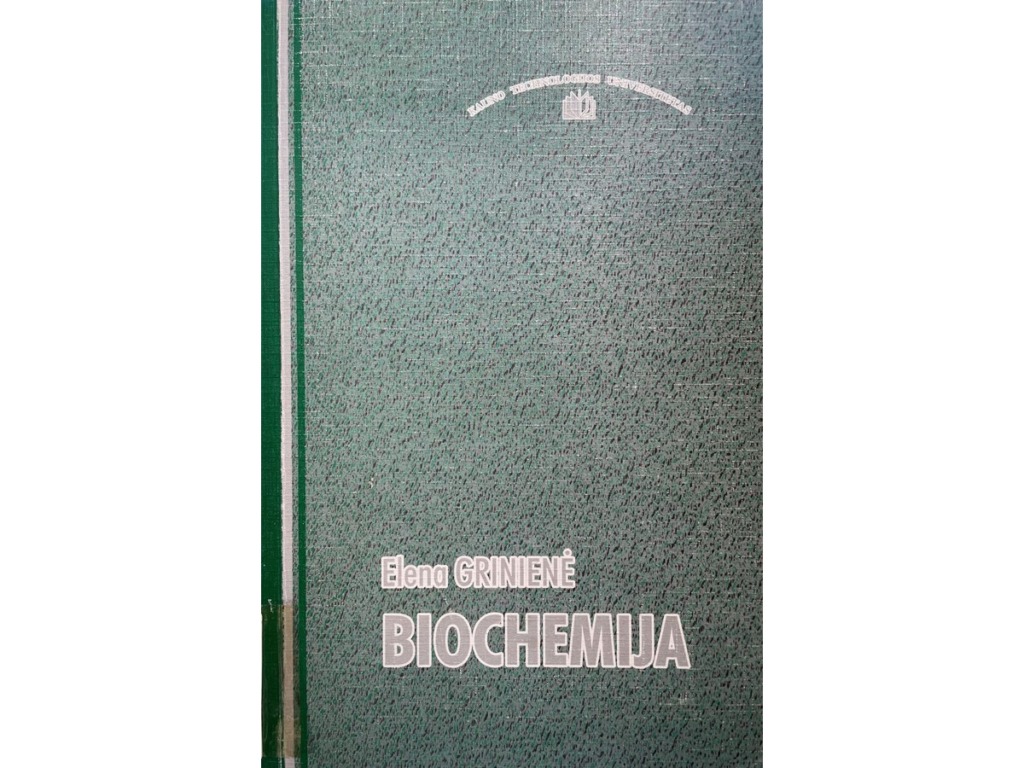
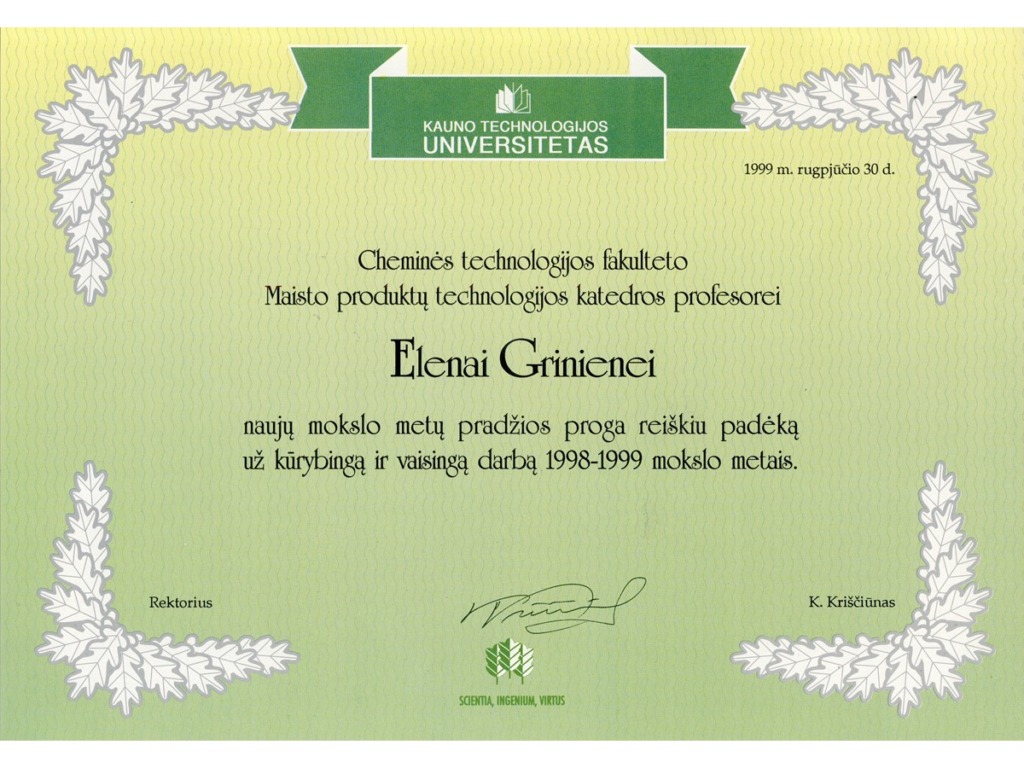
Until 1994, Prof. E. Grinienė worked at KTU Department of Food Product Technology. She was also a member of the Scientific Council of the Faculty of Chemical Technology of KTU, a member of the first Senate of KTU, and a member of the editorial board for the scientific work of the Food Institute. In 1991, she participated in the 7th World Lithuanian Science and Creativity Symposium. Professor prepared and gave the following course of university studies: “Technology of Plant Food Products”, “Technology of Bread and Confectionery”, “Technology of Fat Processing”, “Technology of Dairy Products”, “Biochemistry”, “Technical Biochemistry”, “Food Physiology”, “Food Components and their Functional Significance”, “Physics and Chemistry of Dairy”. 4 educational books by Prof. Grinienė were published from 1990 to 1992 and her book “Biochemistry” was published in 1998.

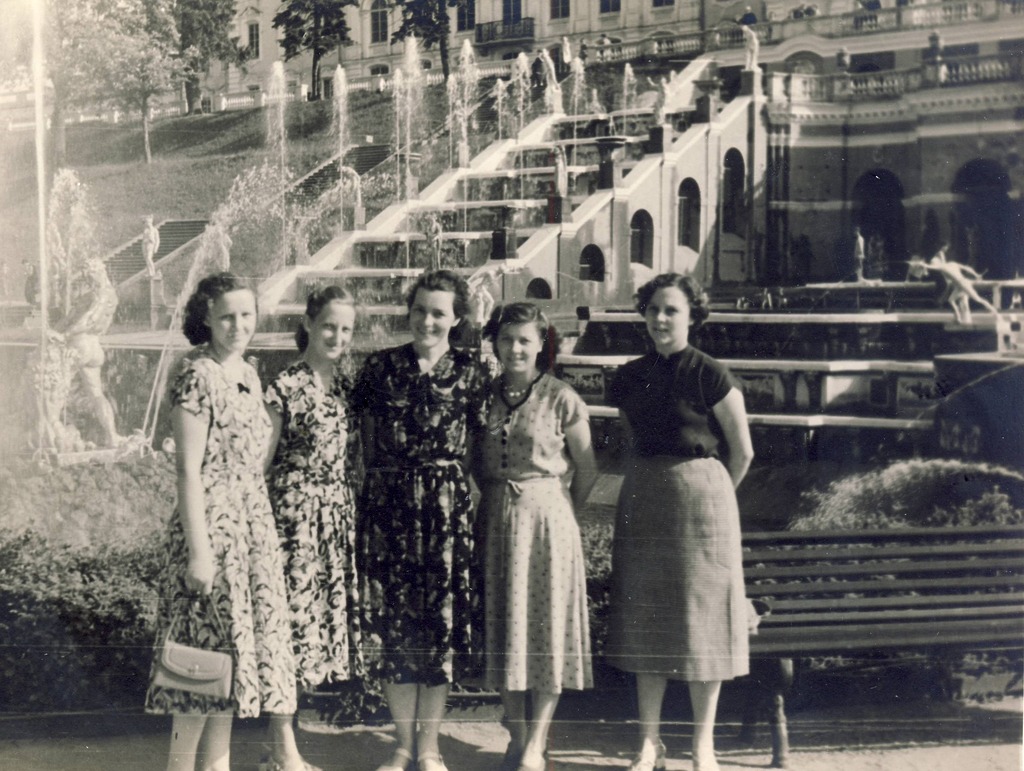
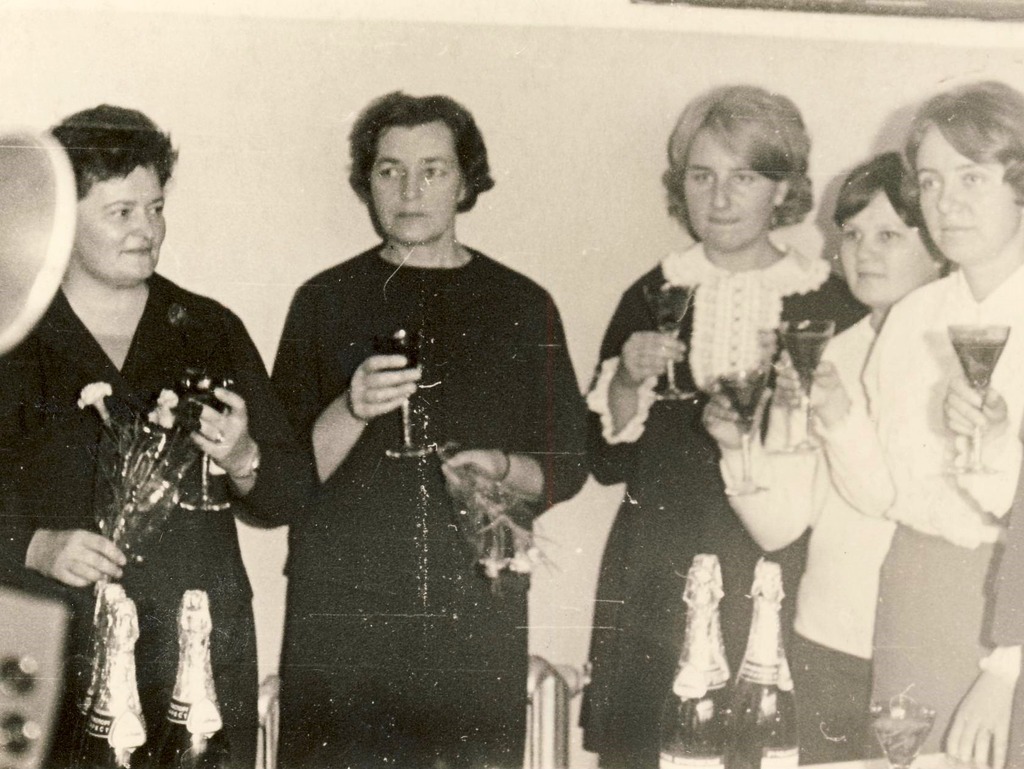
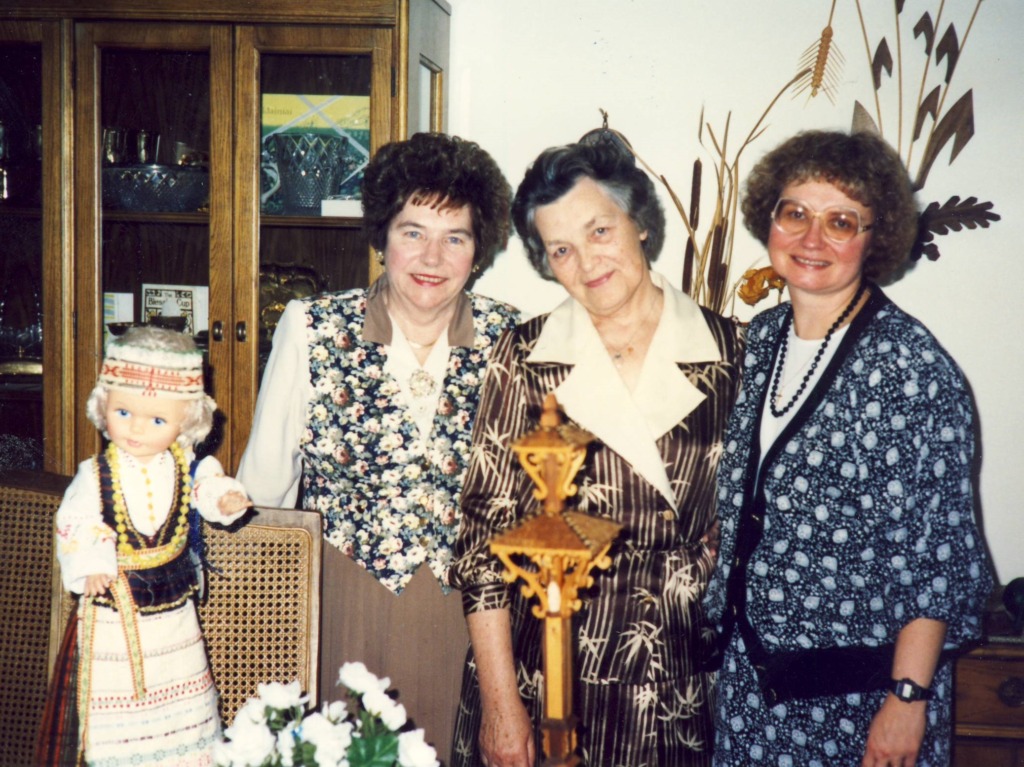
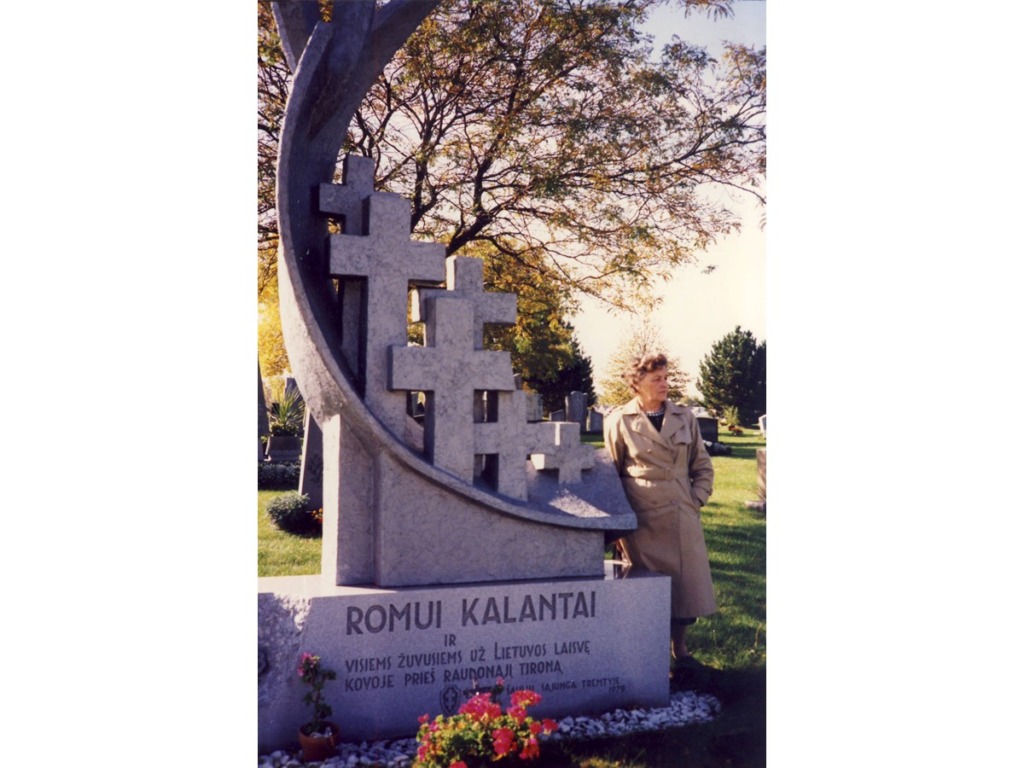
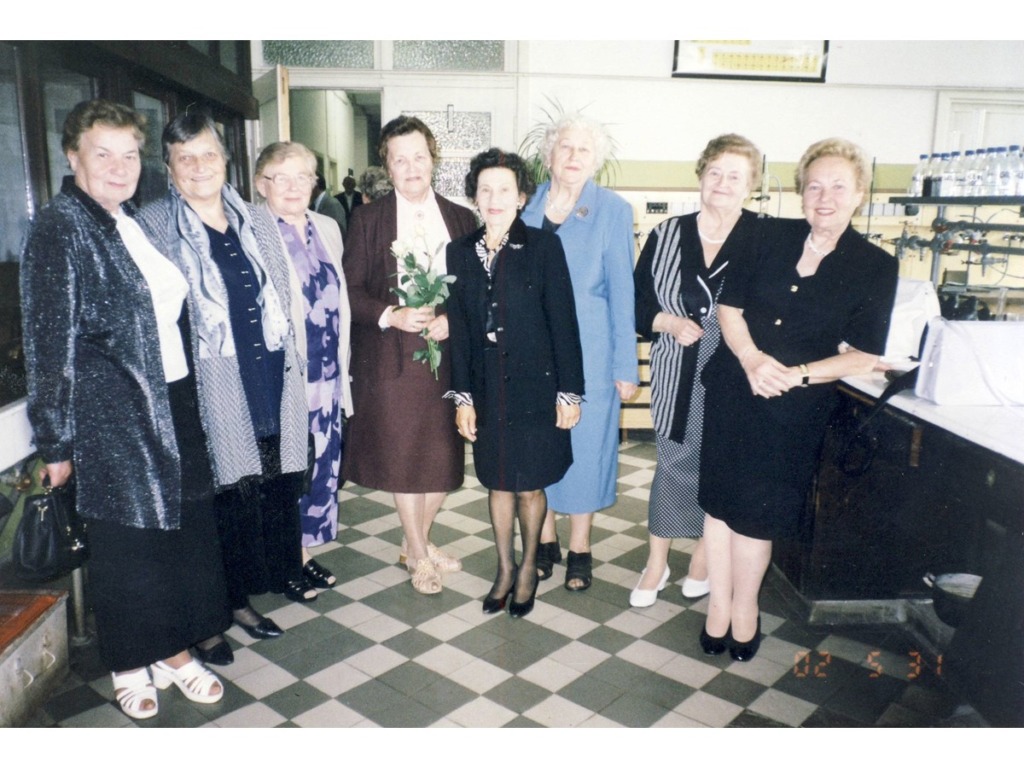
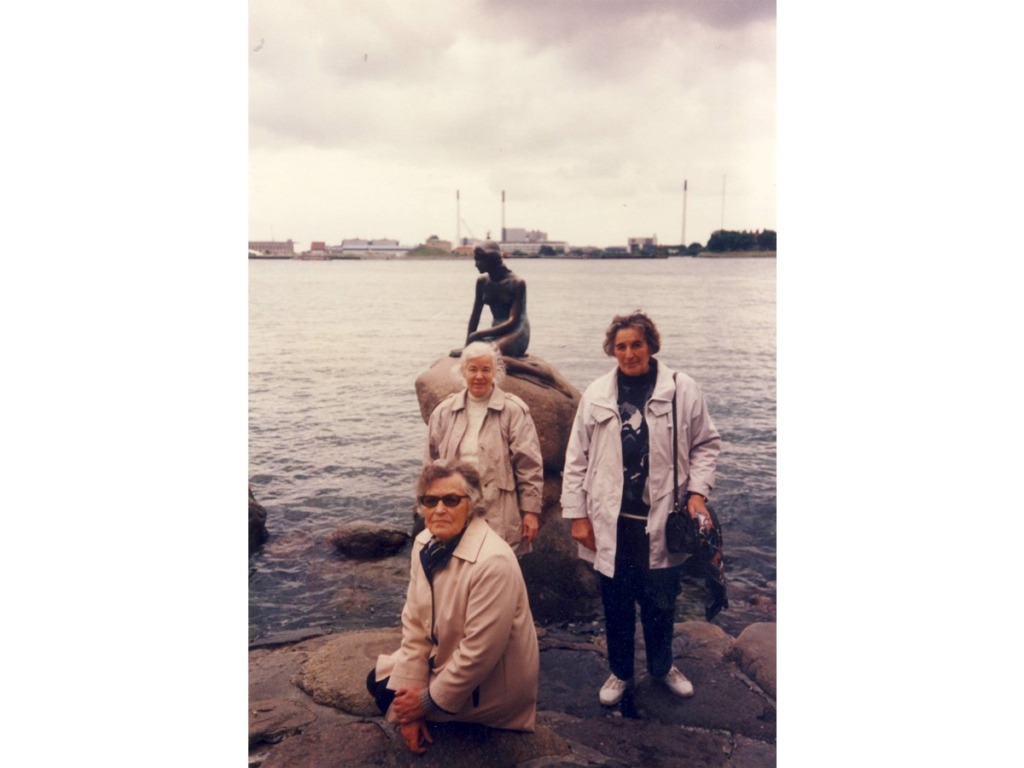
Professor retired in 1994. Prof. E. Grinienė participated in the anniversary events of the Faculty of Chemical Technology, book presentations, enjoyed travelling with her colleagues, and visited her high school friend who lived in the USA.

Family

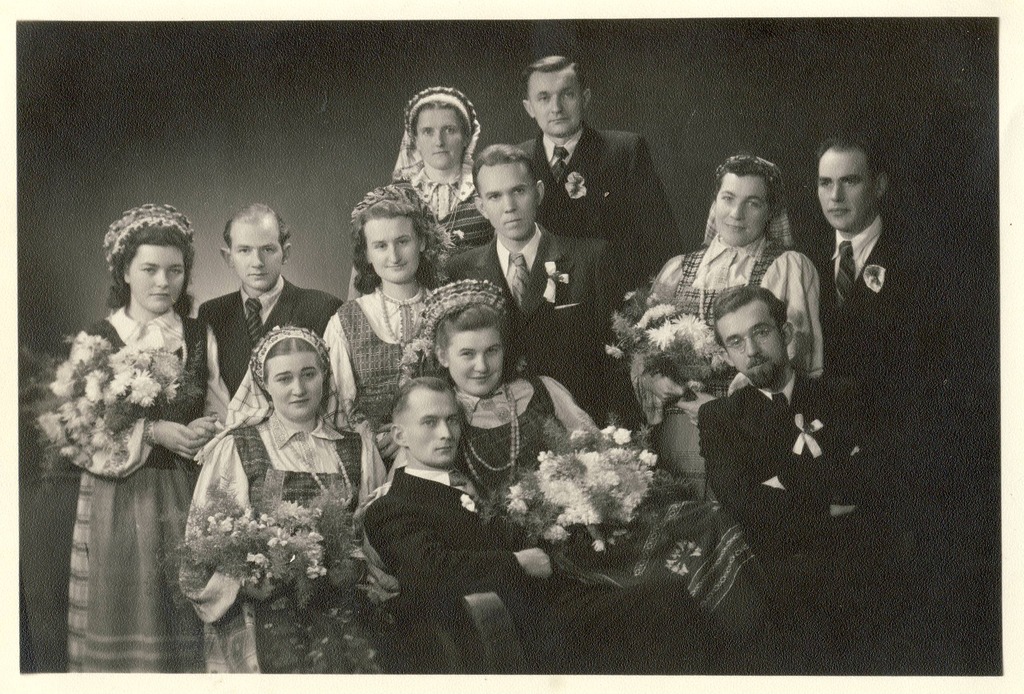
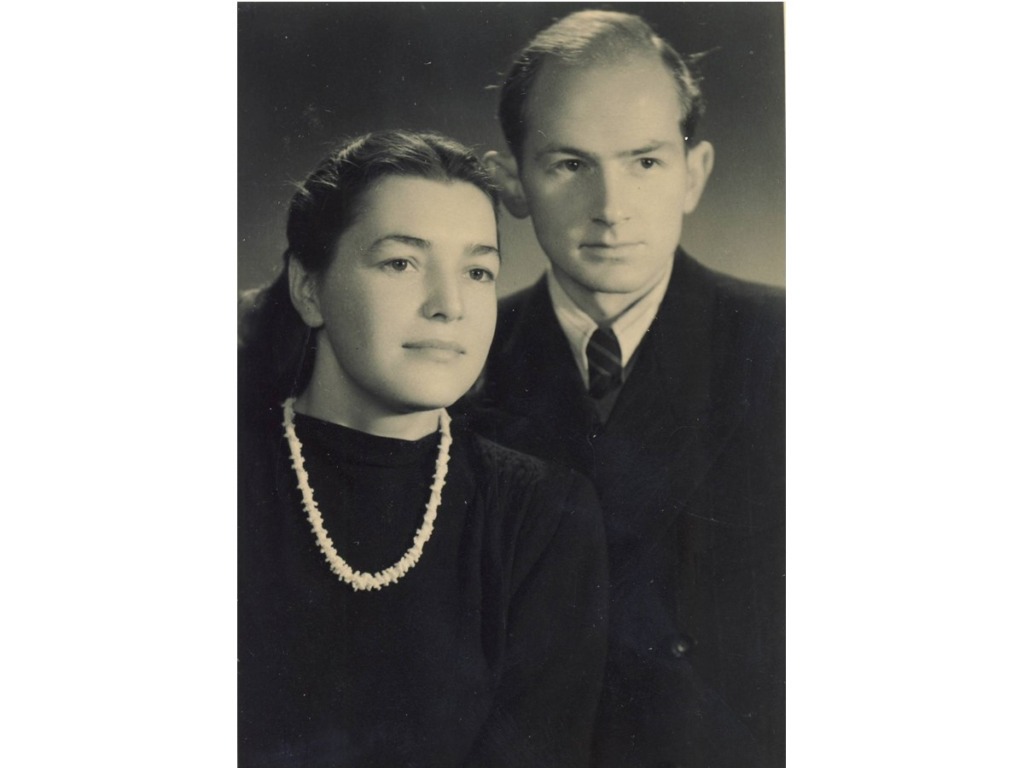
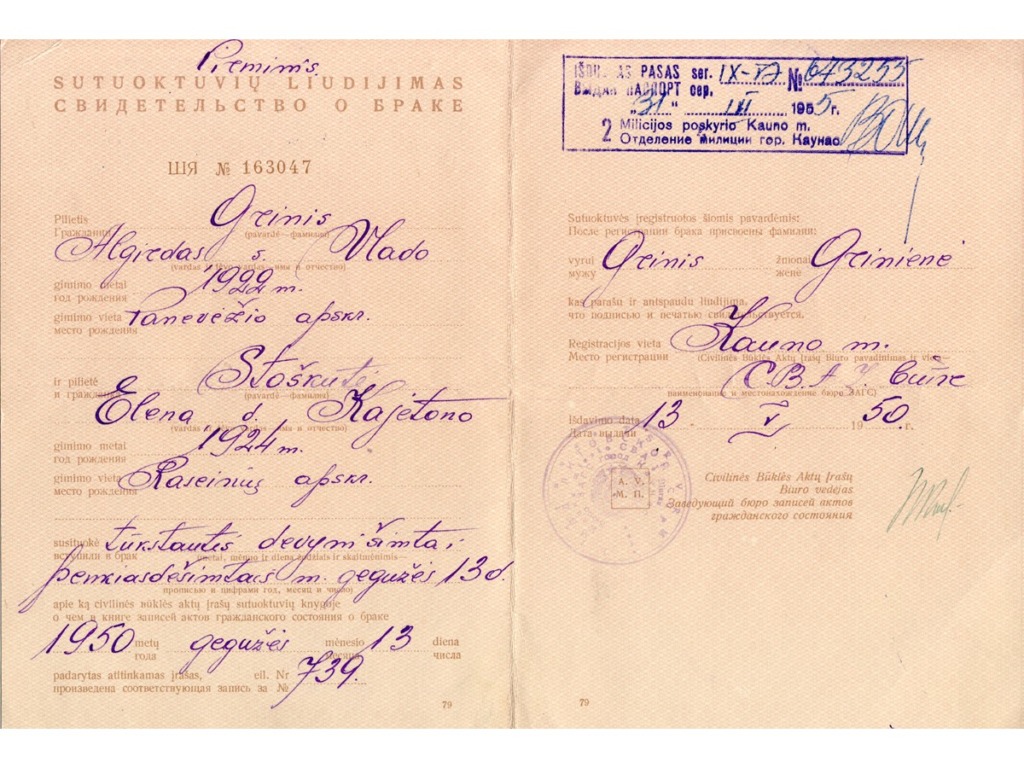
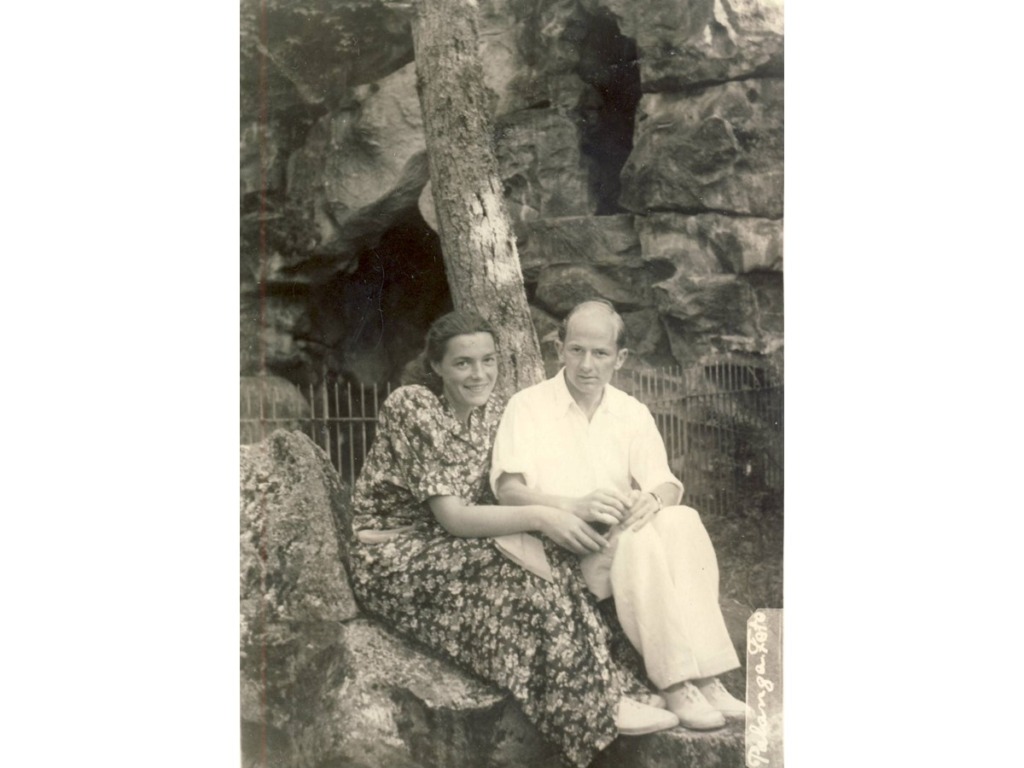
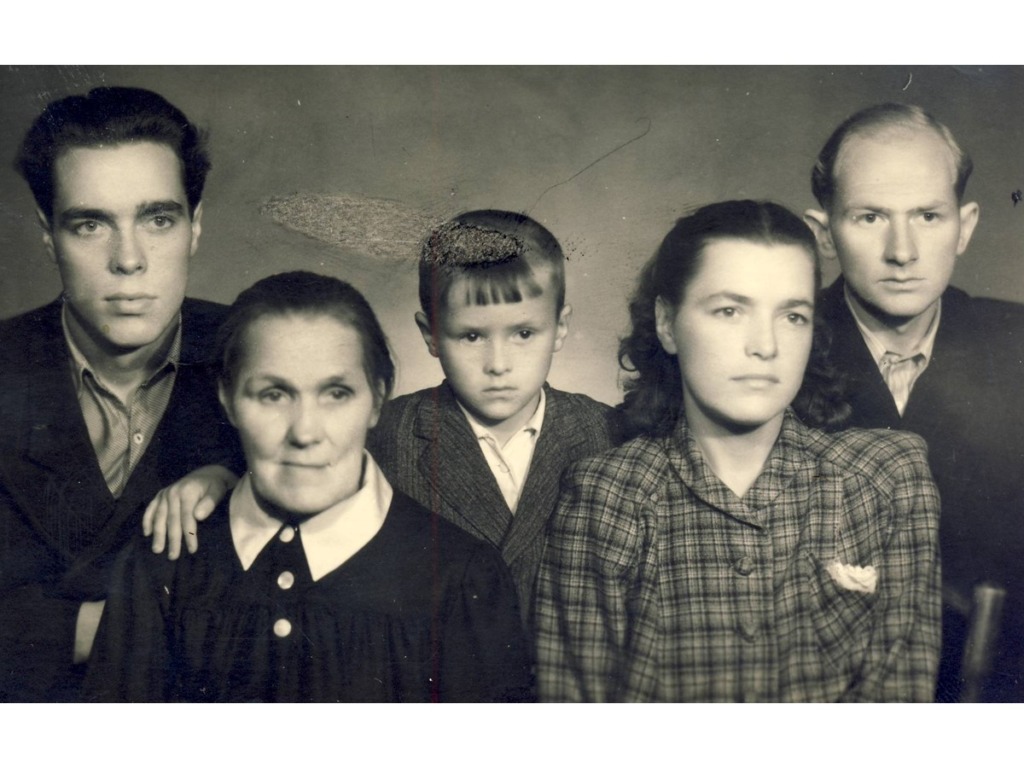
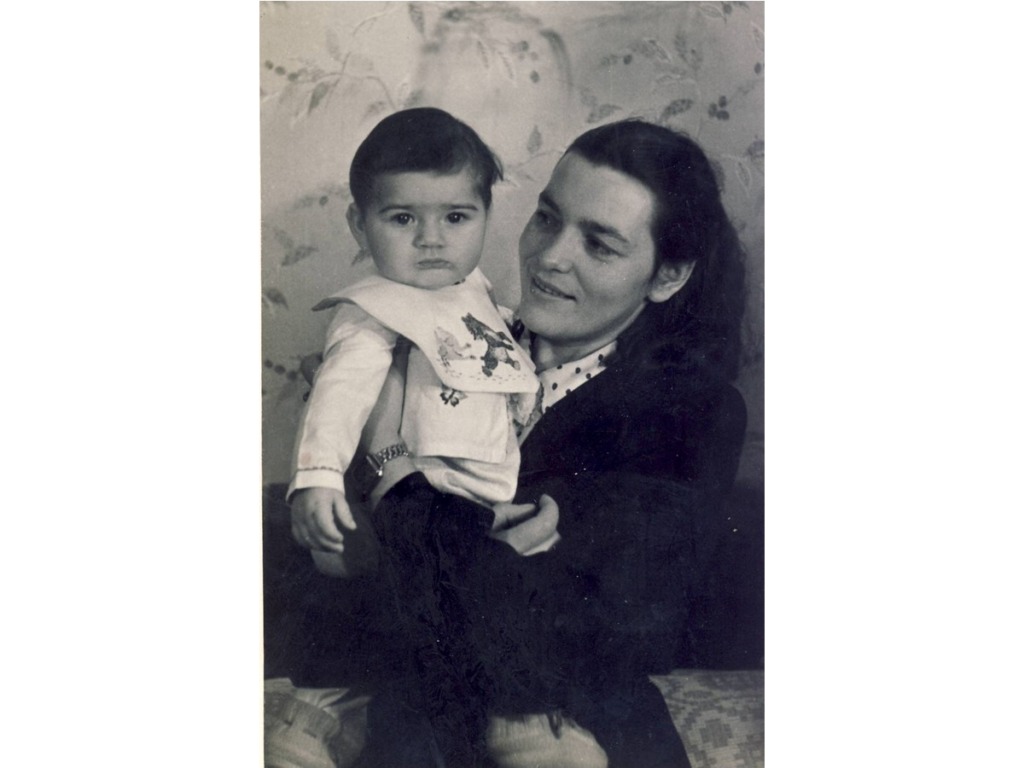
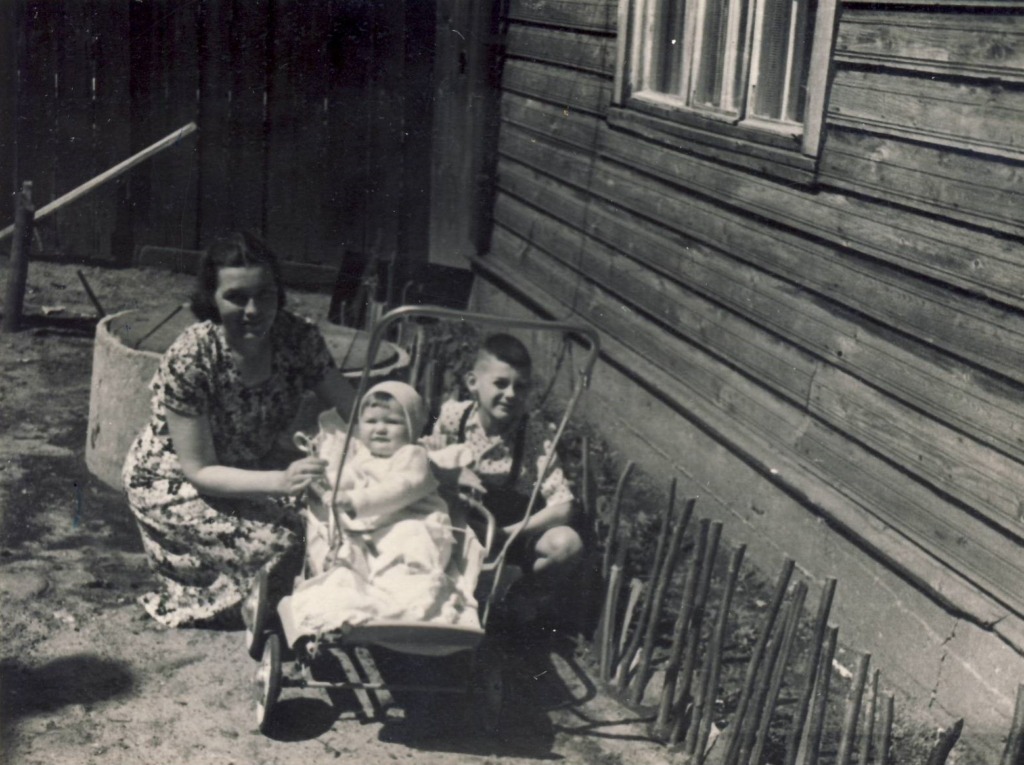
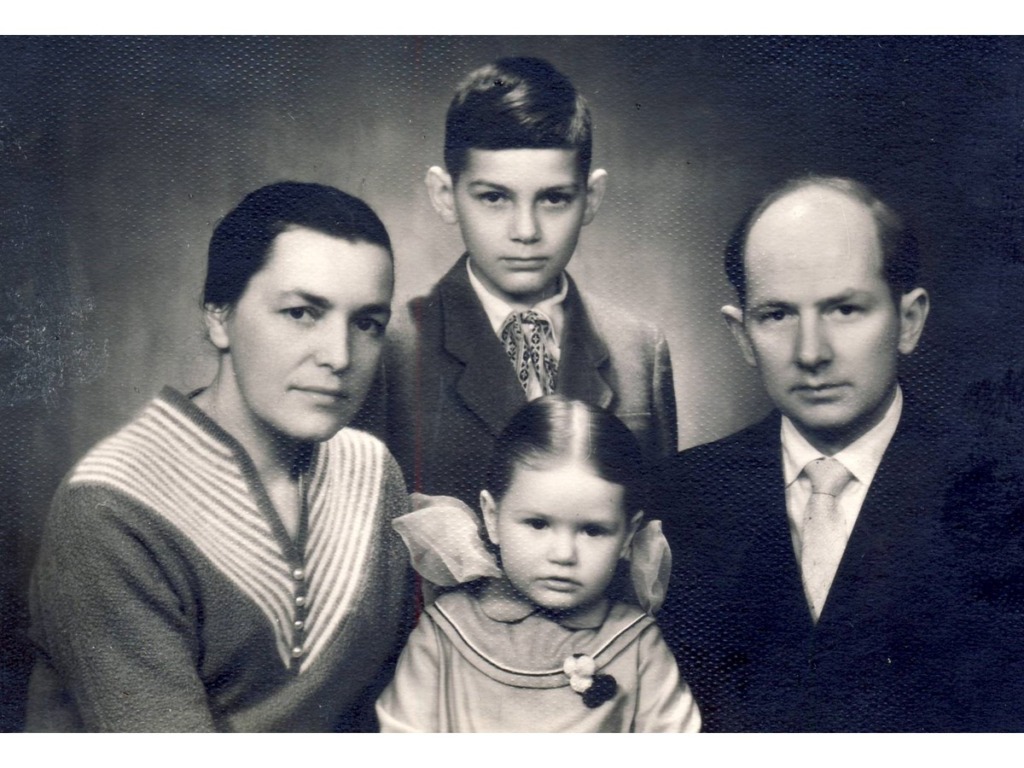
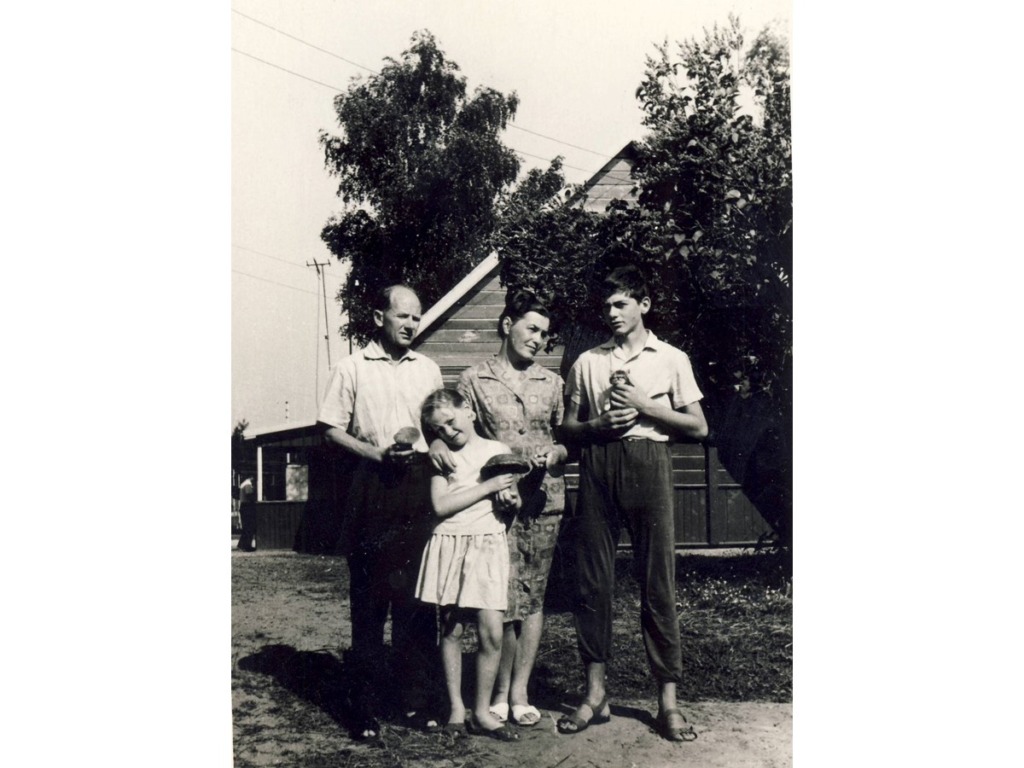
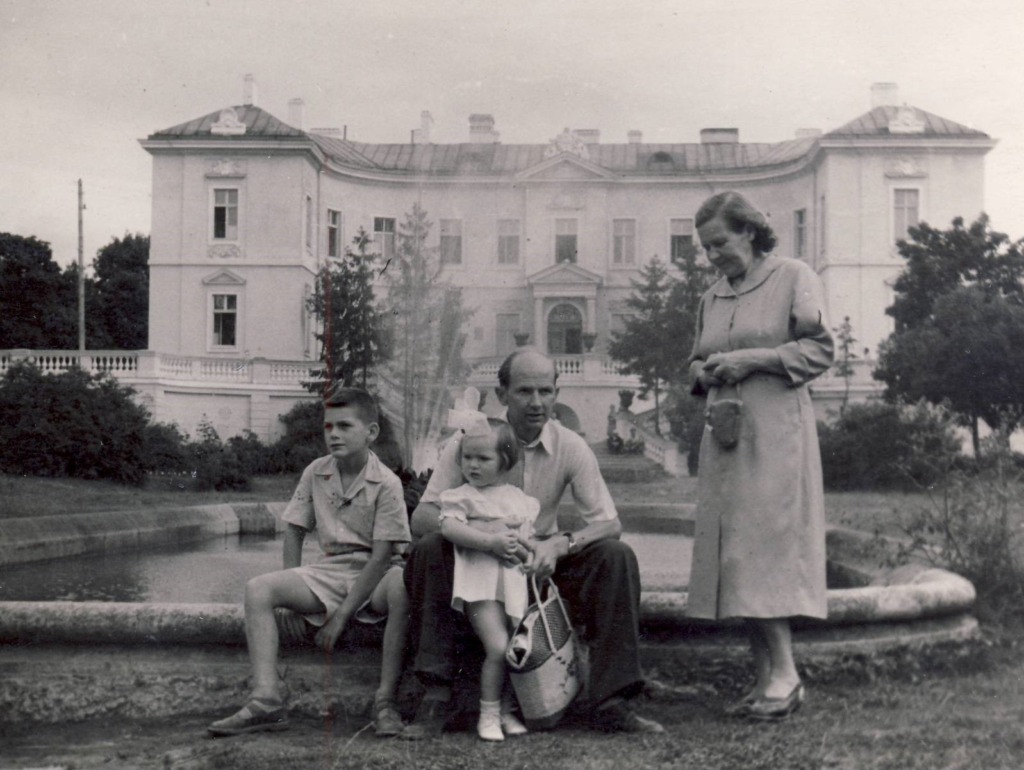
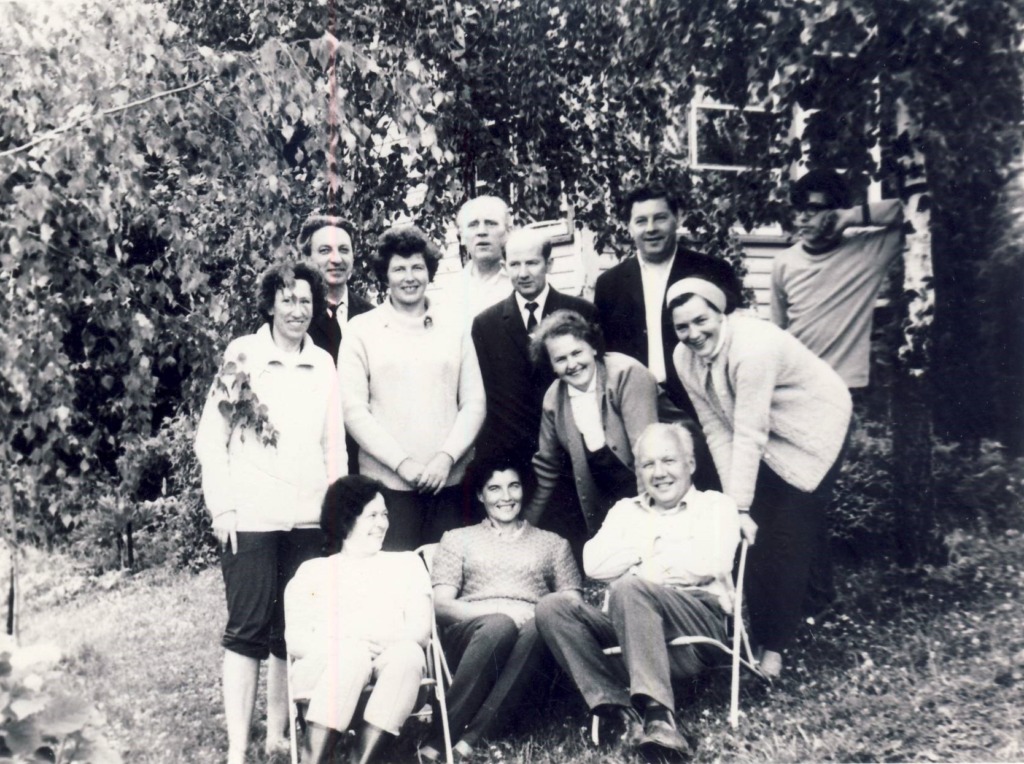
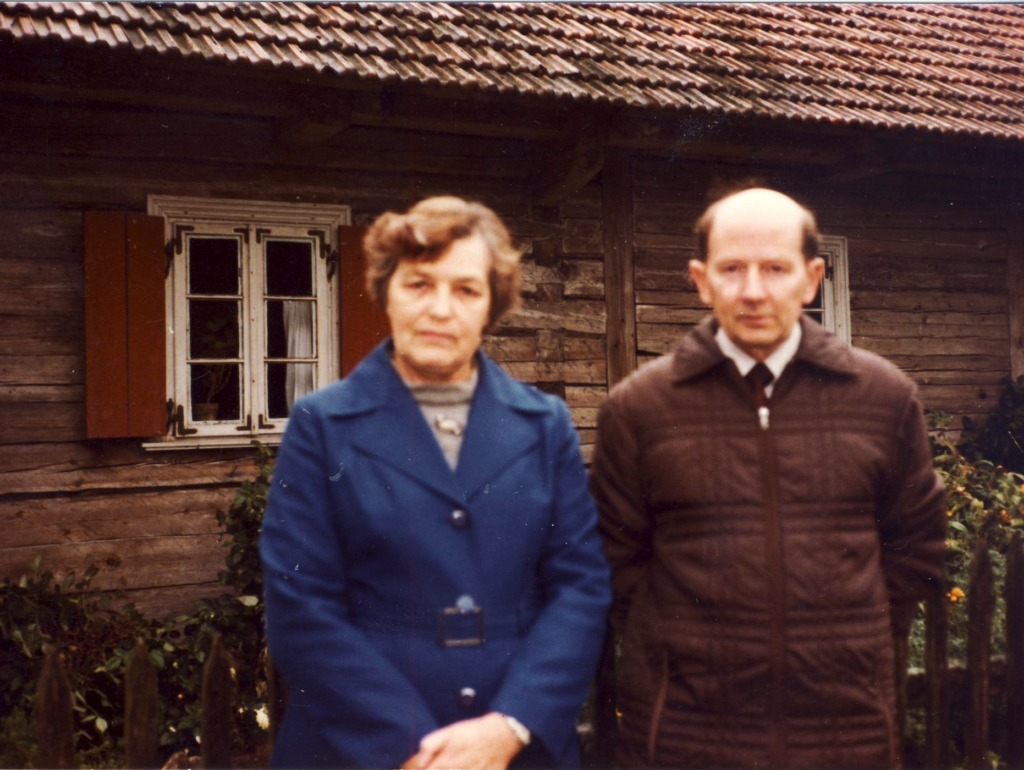
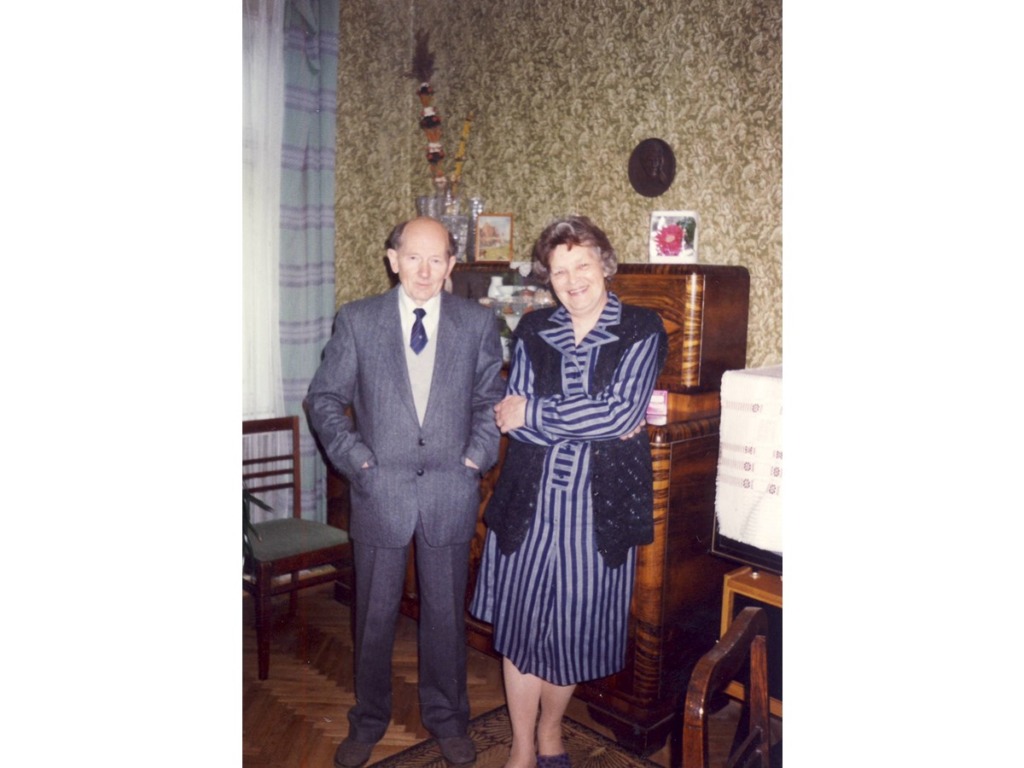
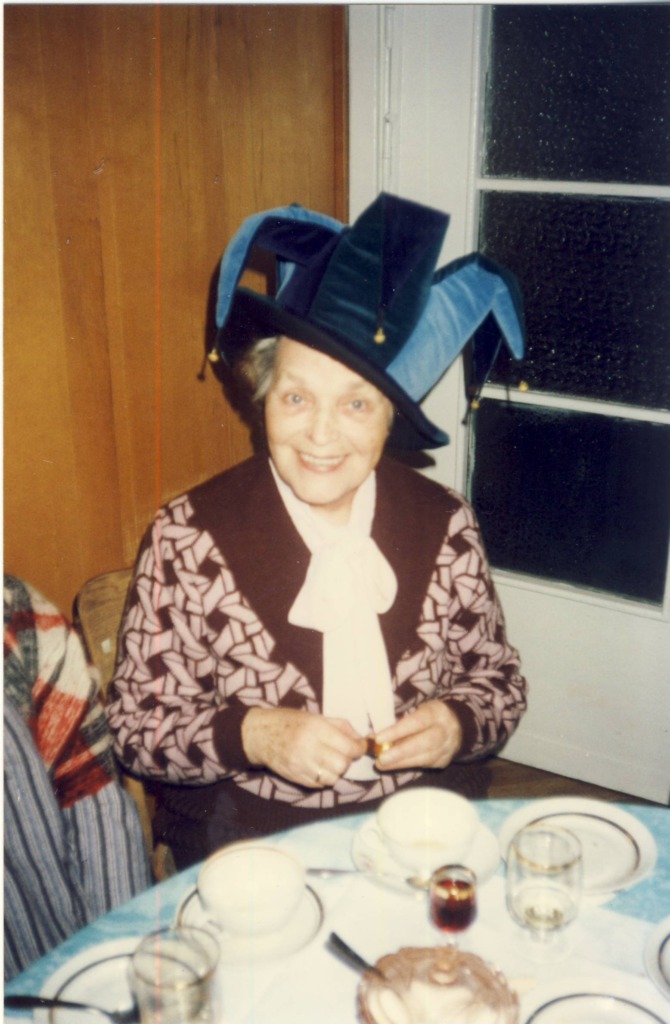
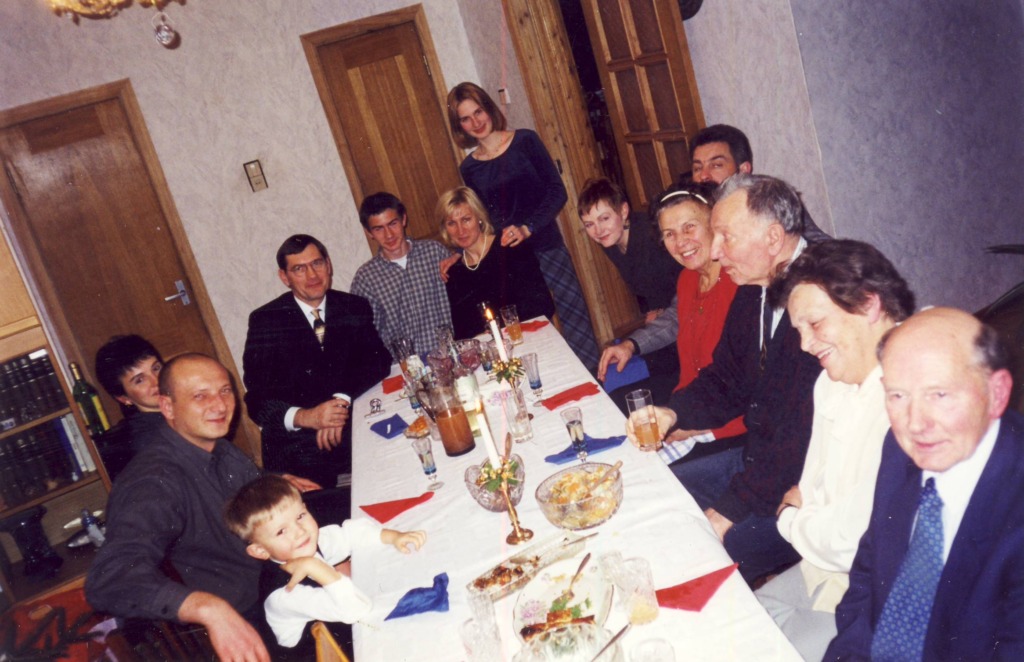
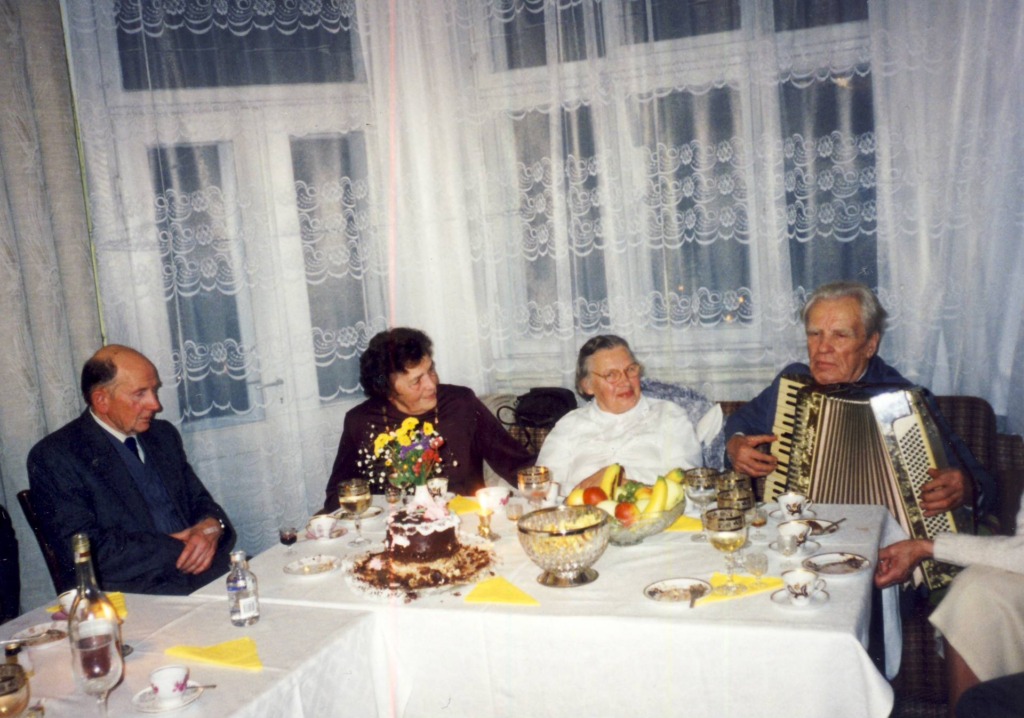
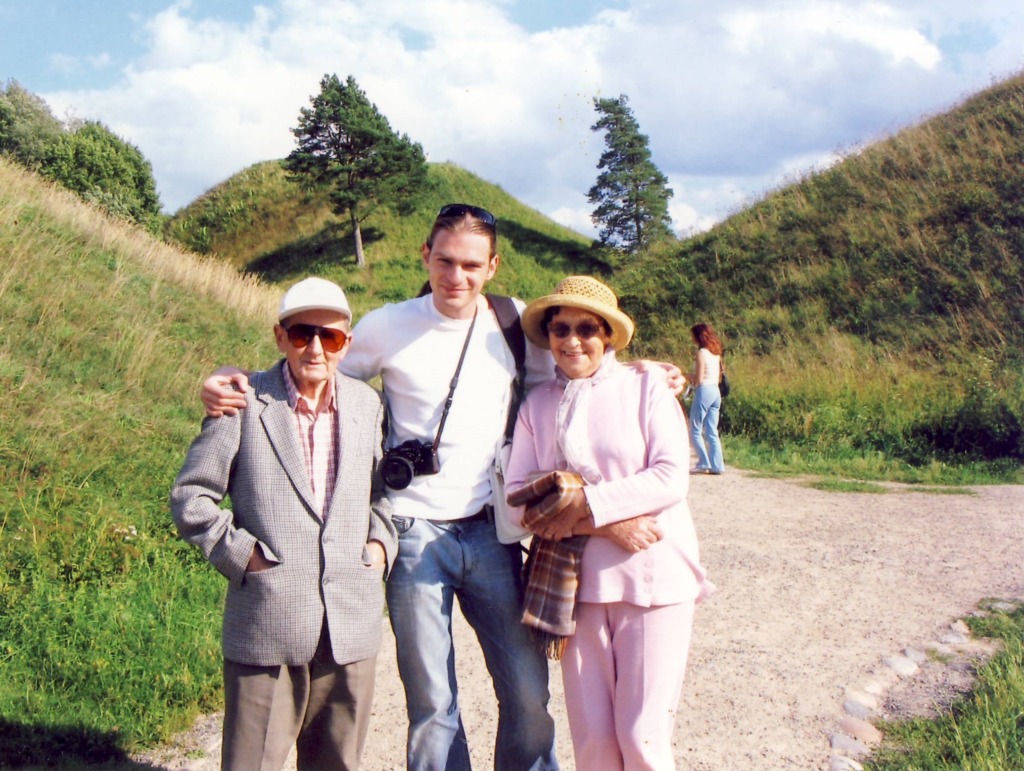
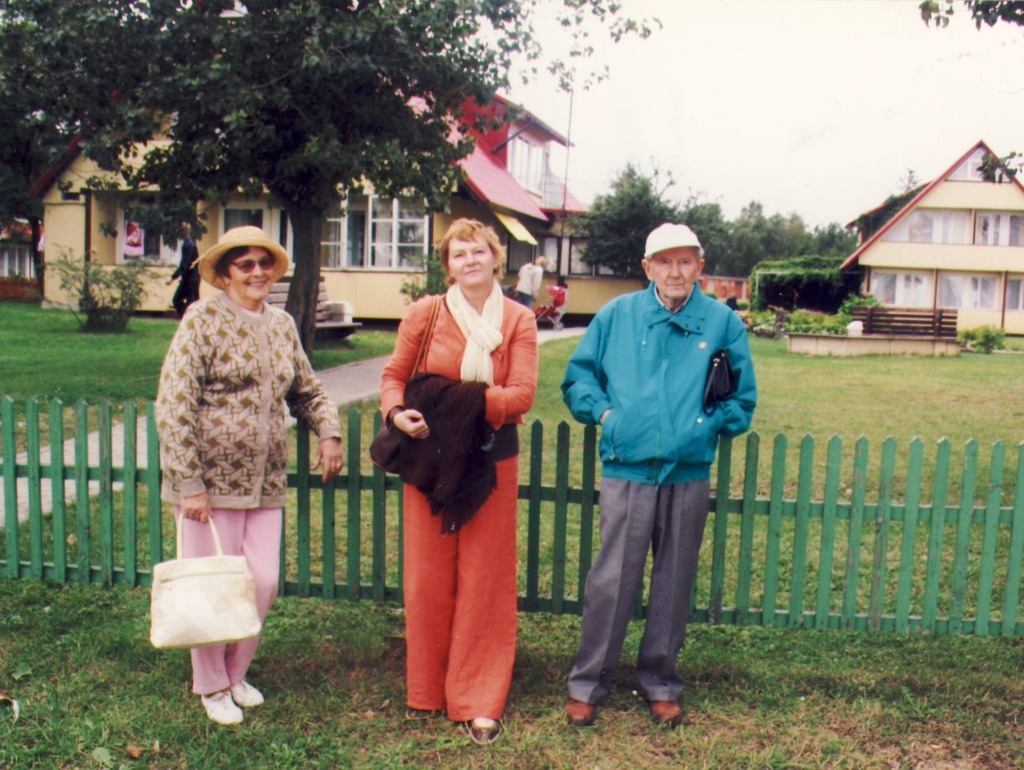
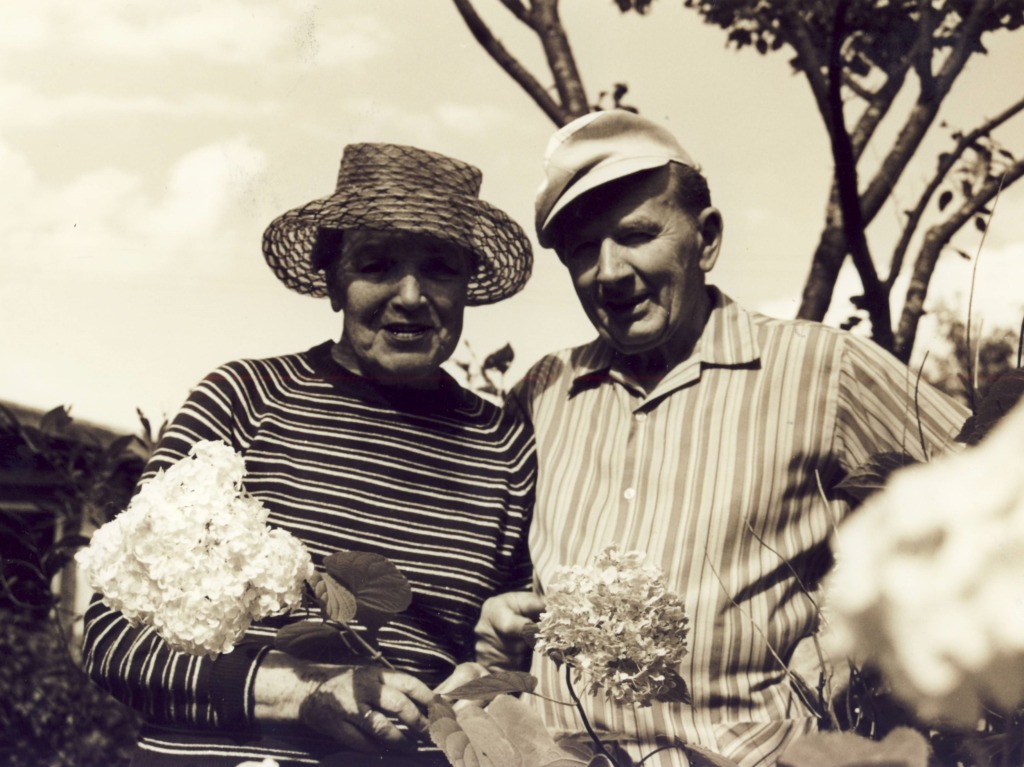
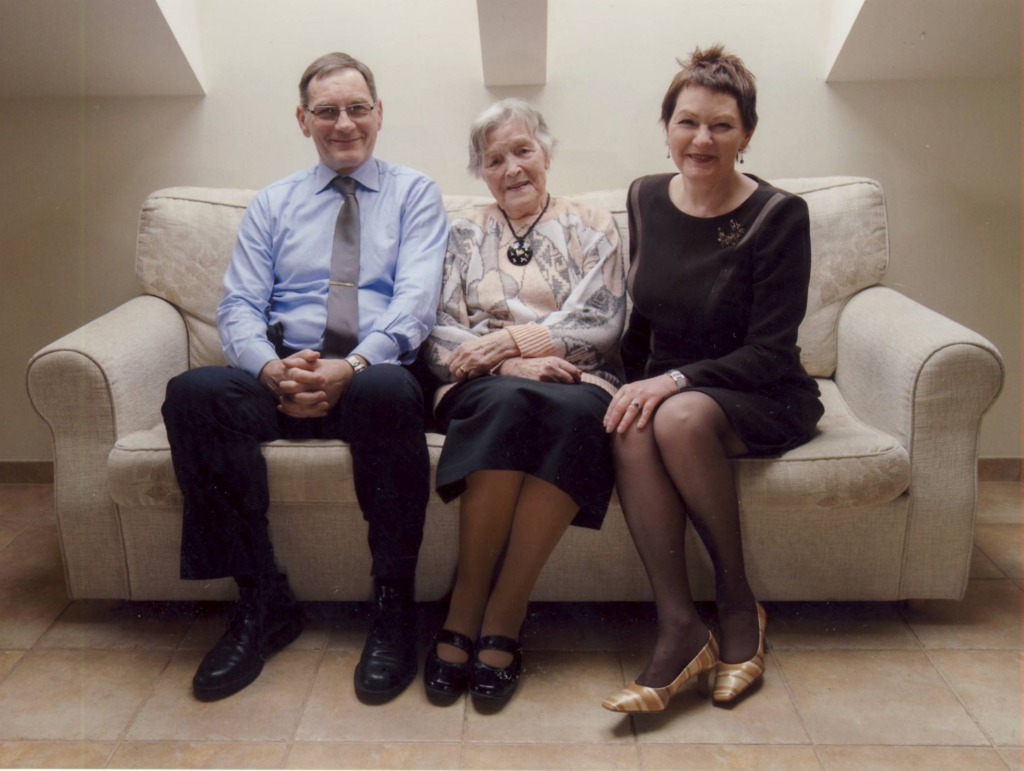
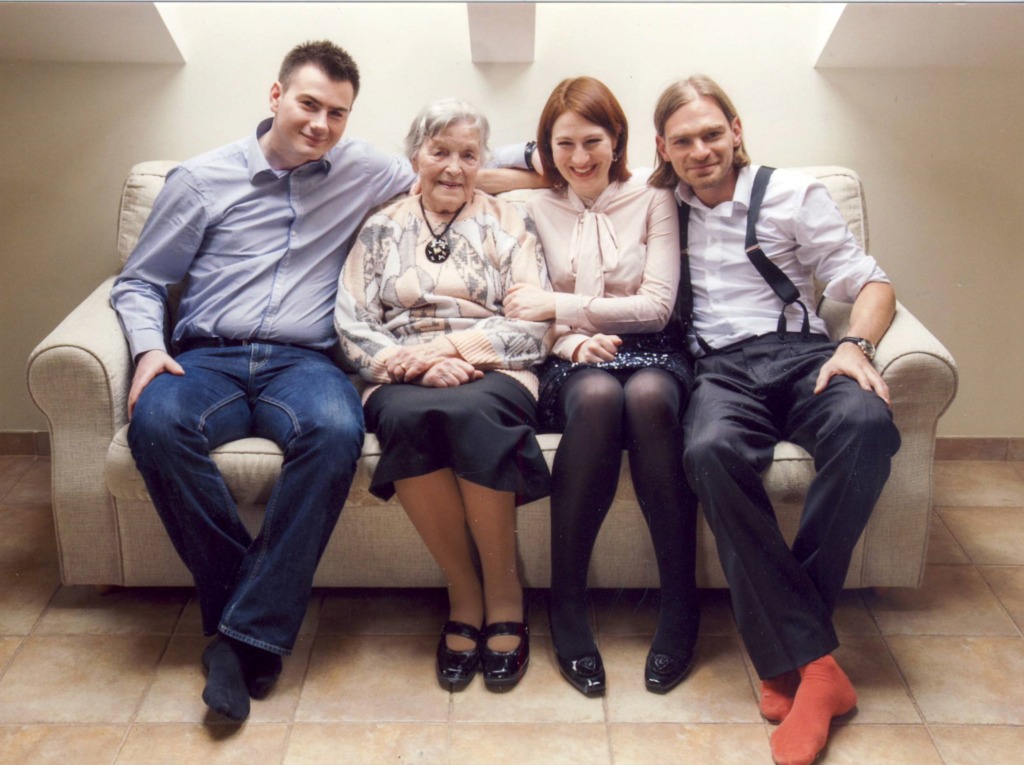
At the age of 17, Elena Stoškutė dreamt that her greatest happiness was to have children, and that dream came true. She married engineer Algirdas Grinis on 13 May 1950, their son Vygintas was born in 1951 and daughter Regina was born in 1957. Both children are also talented scientists: Vygintas Grinis defended his doctorate in technology and Regina Levišauskienė – in medicine and social sciences. The Griniai family enjoyed holidays in Palanga, Nida and Pervalka. Her husband Algirdas liked photography and Elena and her son developed film in the dark bathroom. After raising their children, Griniai continued the tradition of having holidays in Pervalka, enjoyed travelling around Lithuania with their children and grandchildren, and spending time in their summer house in Kleboniškis. They were very active visitors to Pažaislis Festival, concerts at the Philharmonic Hall and drama theatre performances. Elena supported her husband’s passion for choral music – Algirdas was a long-time president of KTU choir “Graduate” and took part in all the Song Festivals with the choir. Griniai had a wide circle of long-standing friends with whom they enjoyed singing and dancing. Griniai were married for 62 years until the death of Algirdas Grinis in 2012.

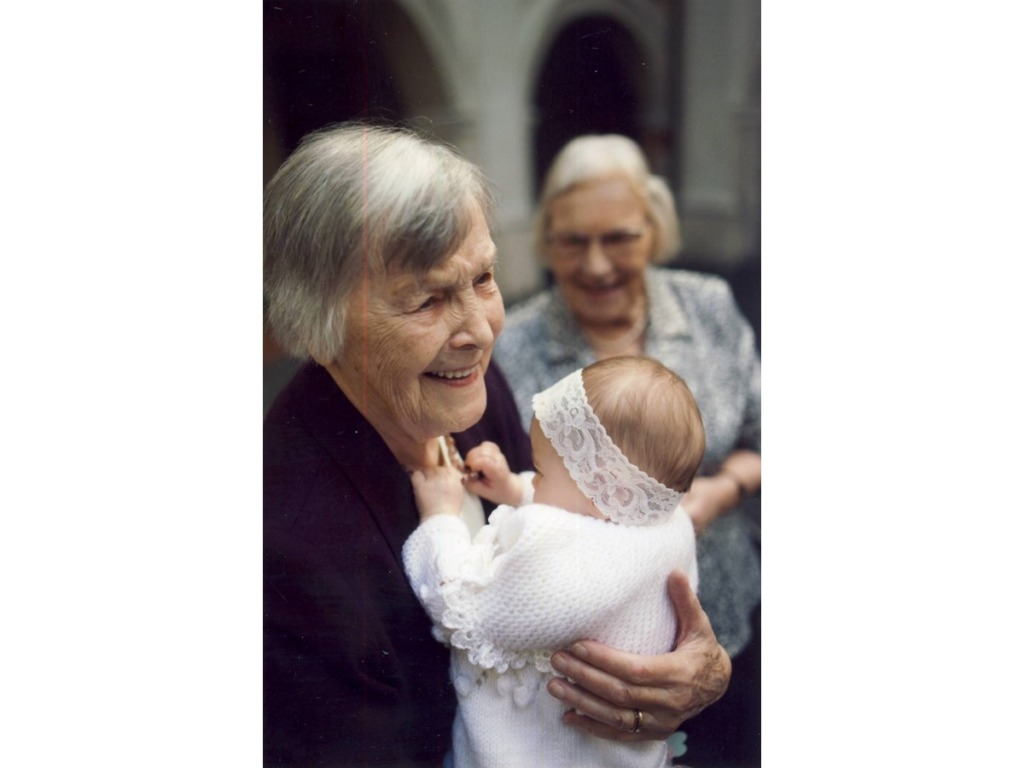
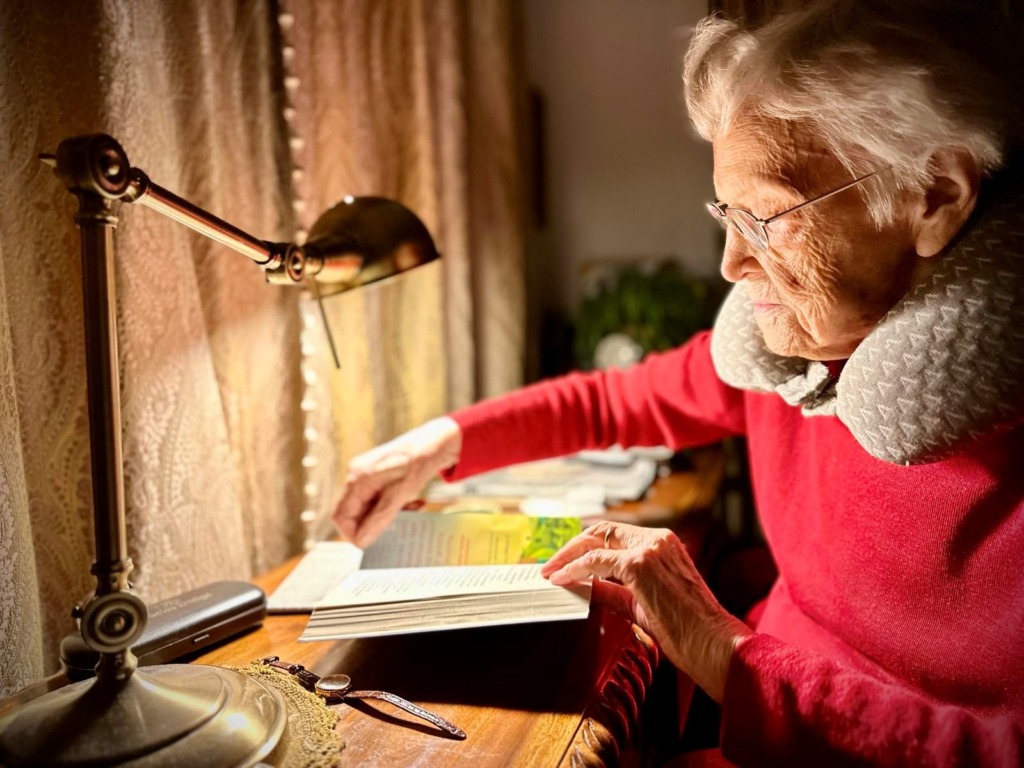
Even in her old age, Prof. E. Grinienė likes to read historical and philosophical books and make summaries of them, which she discusses with her daughter Regina. She also enjoys solving crossword puzzles and is particularly fond of opera. She is especially happy and looks forward to being visited by her grandchildren and great-grandchildren.