Work is the Foundation of Life
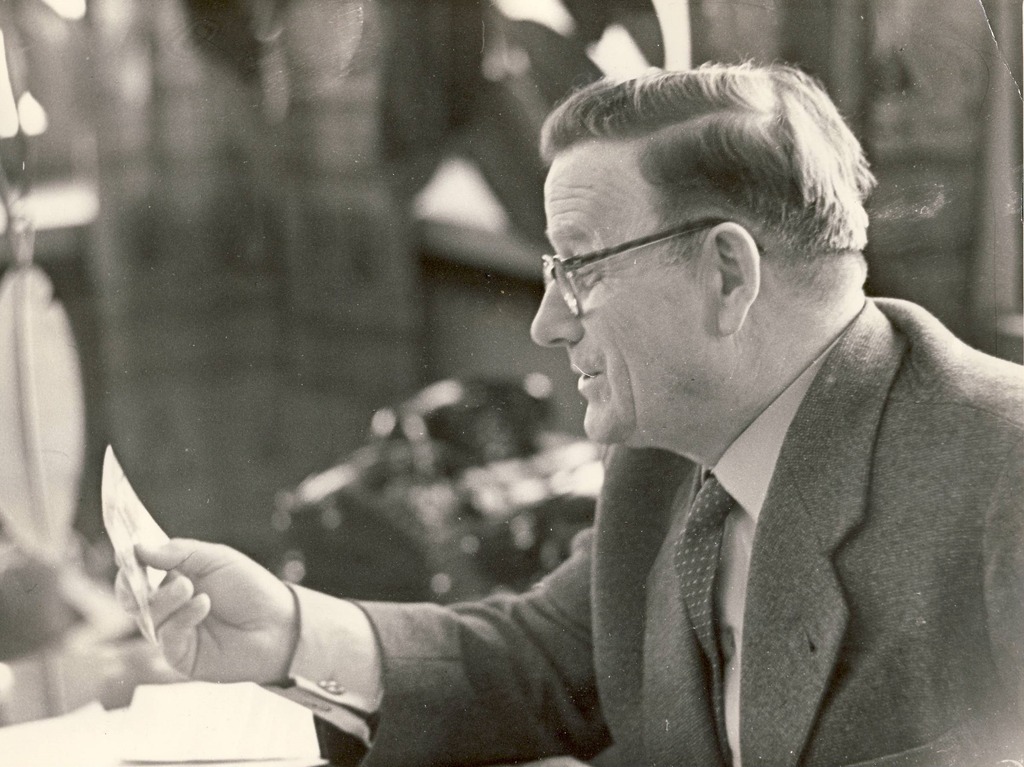
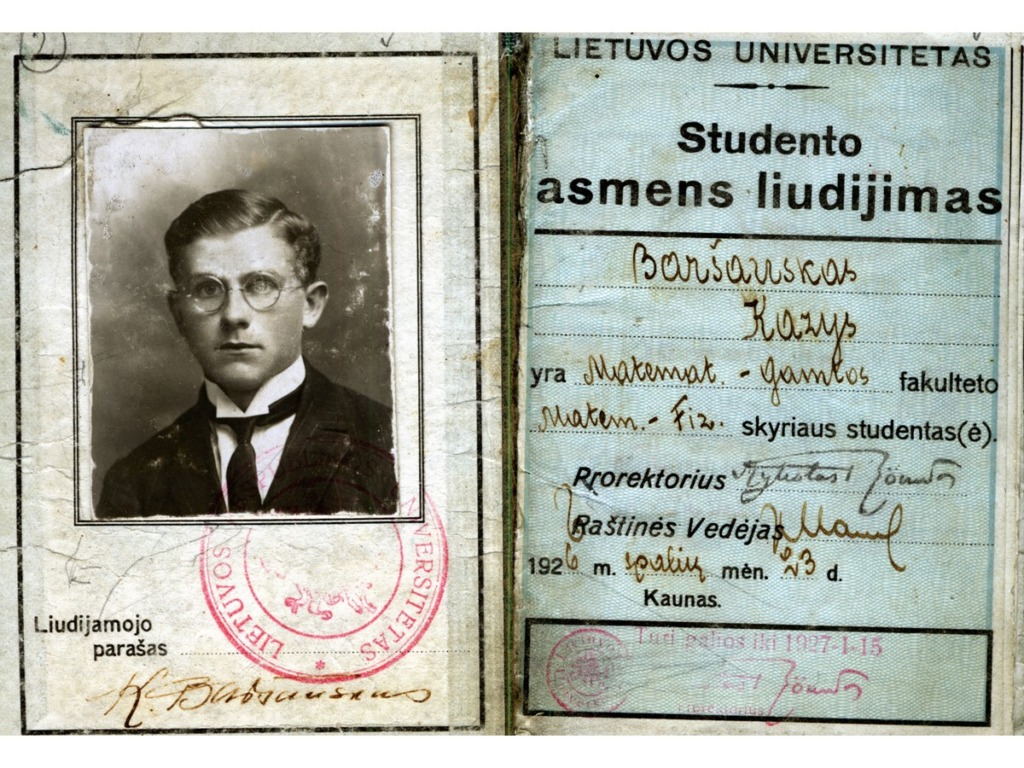
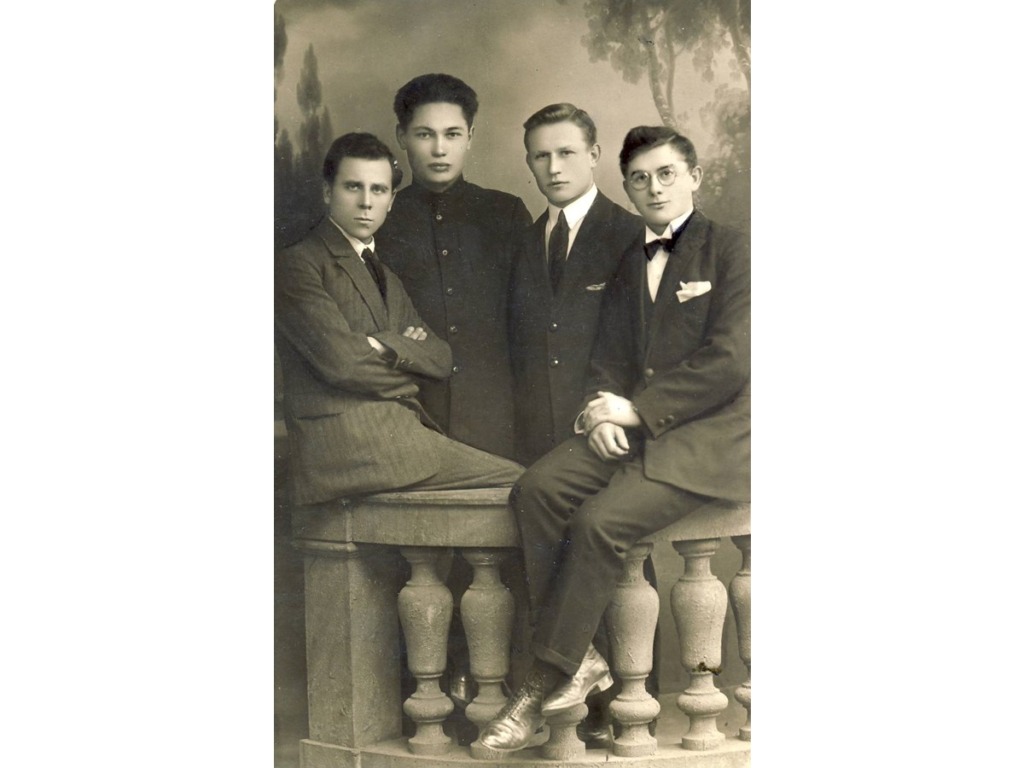
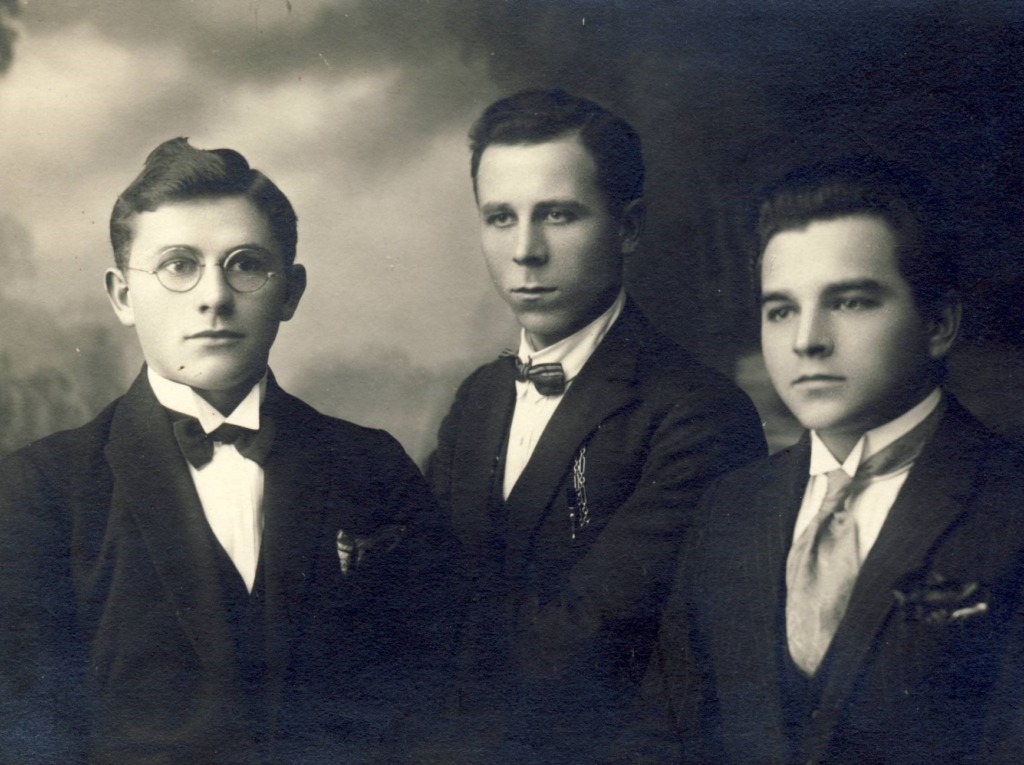
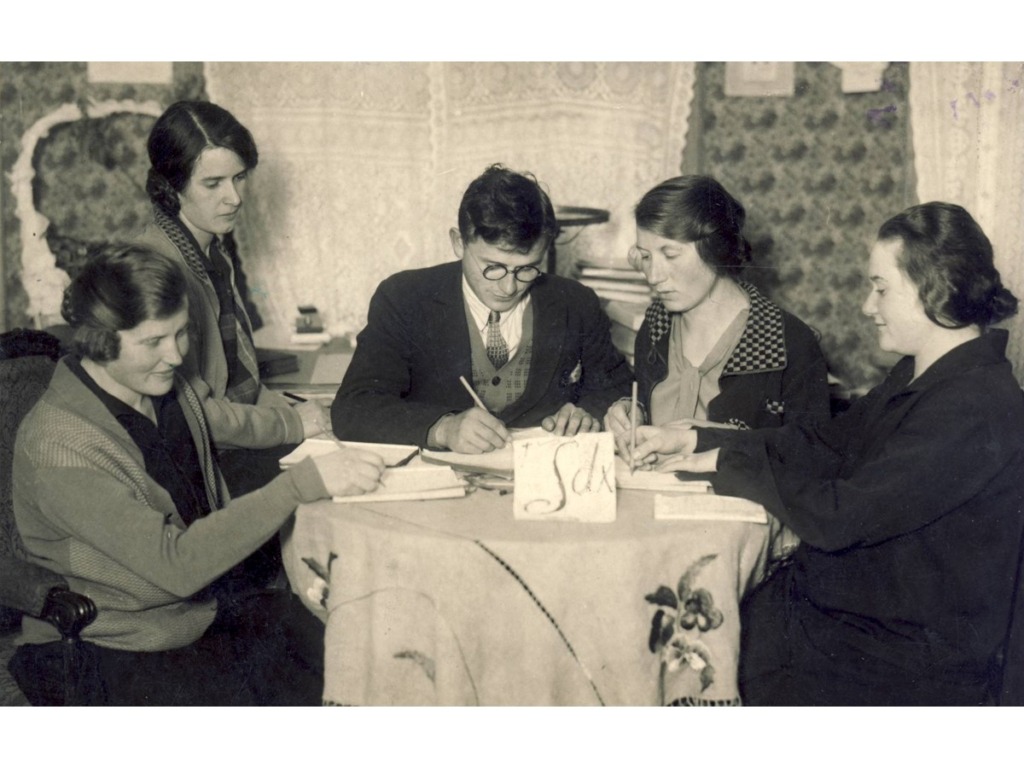
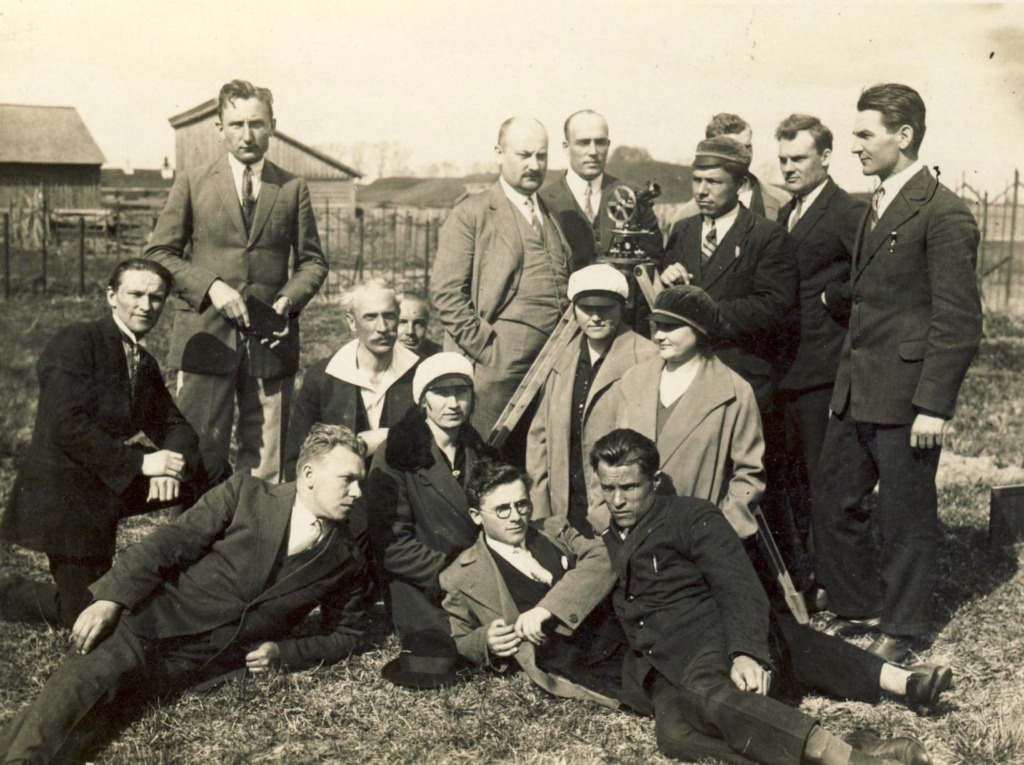
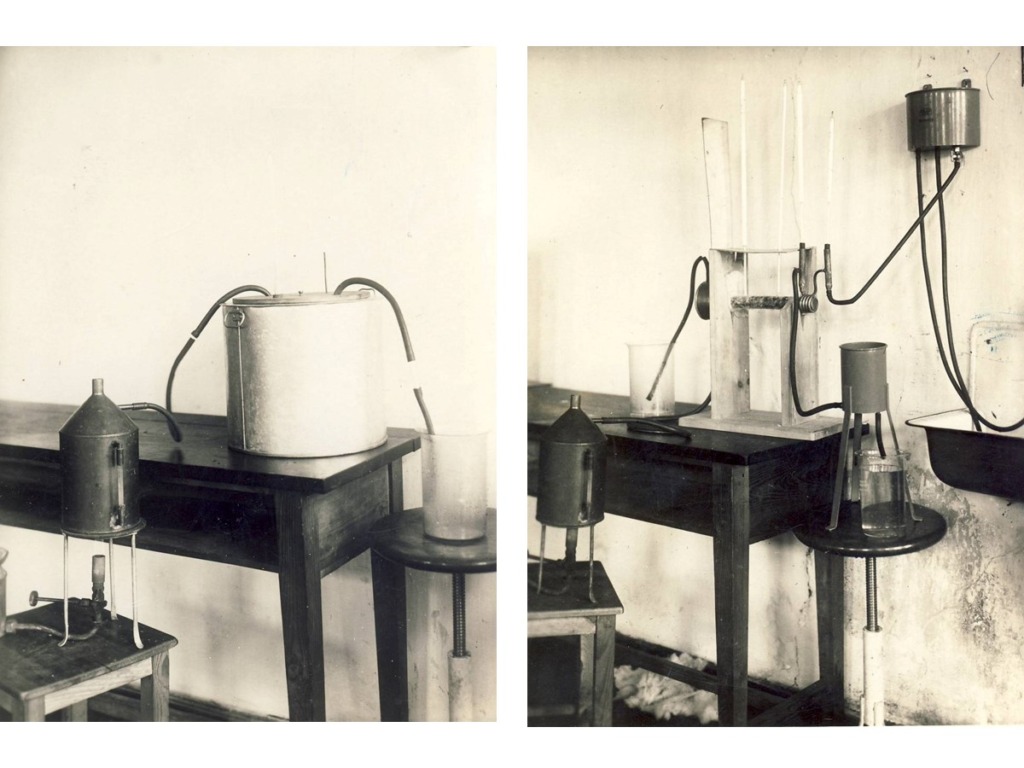
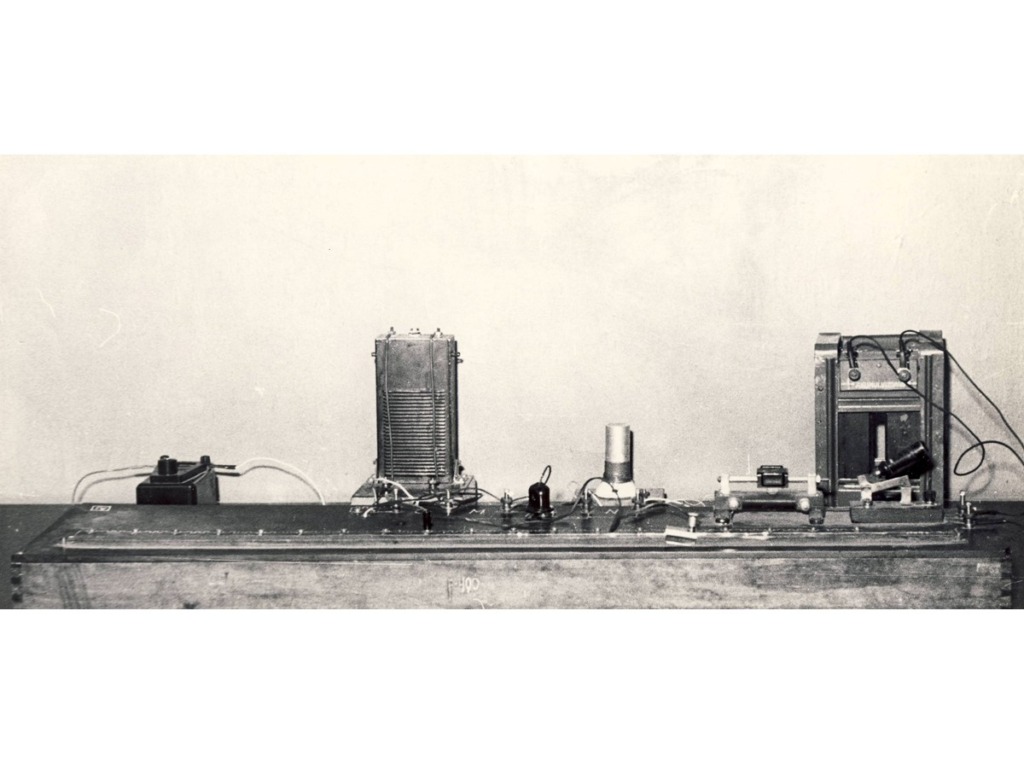
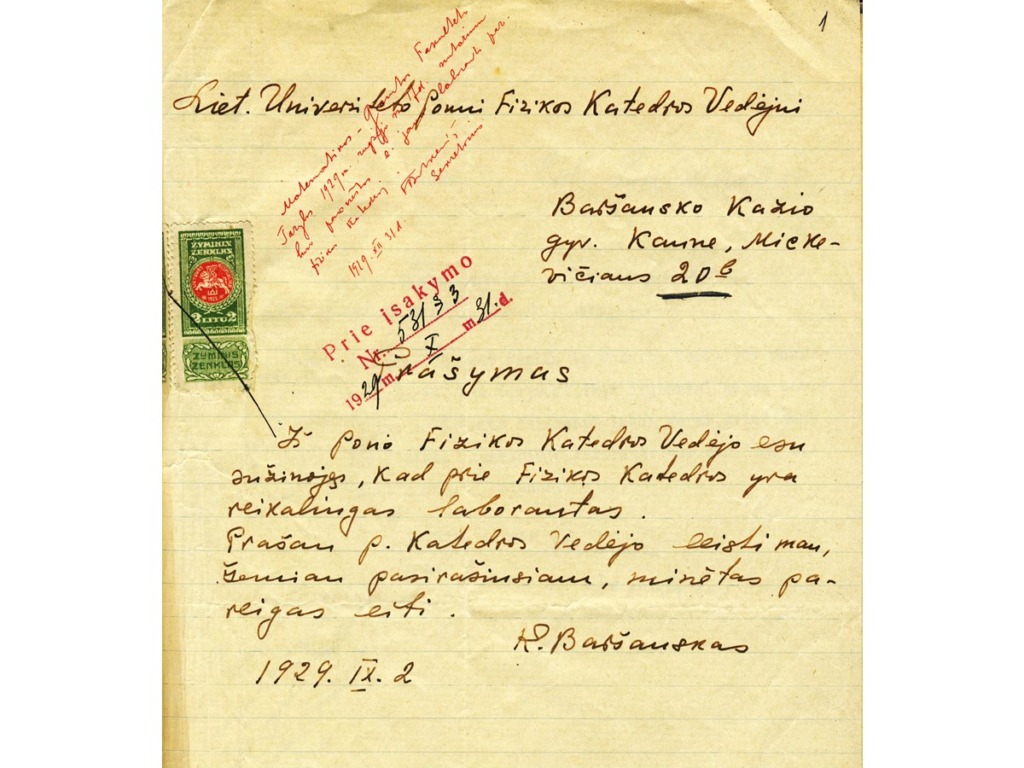
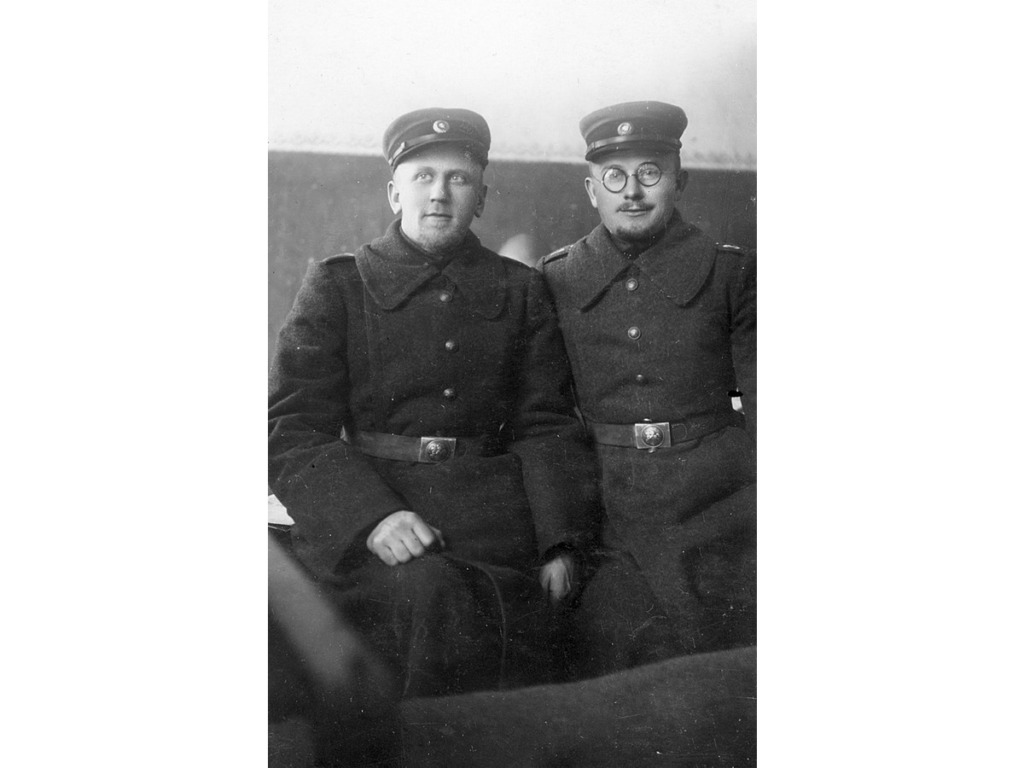
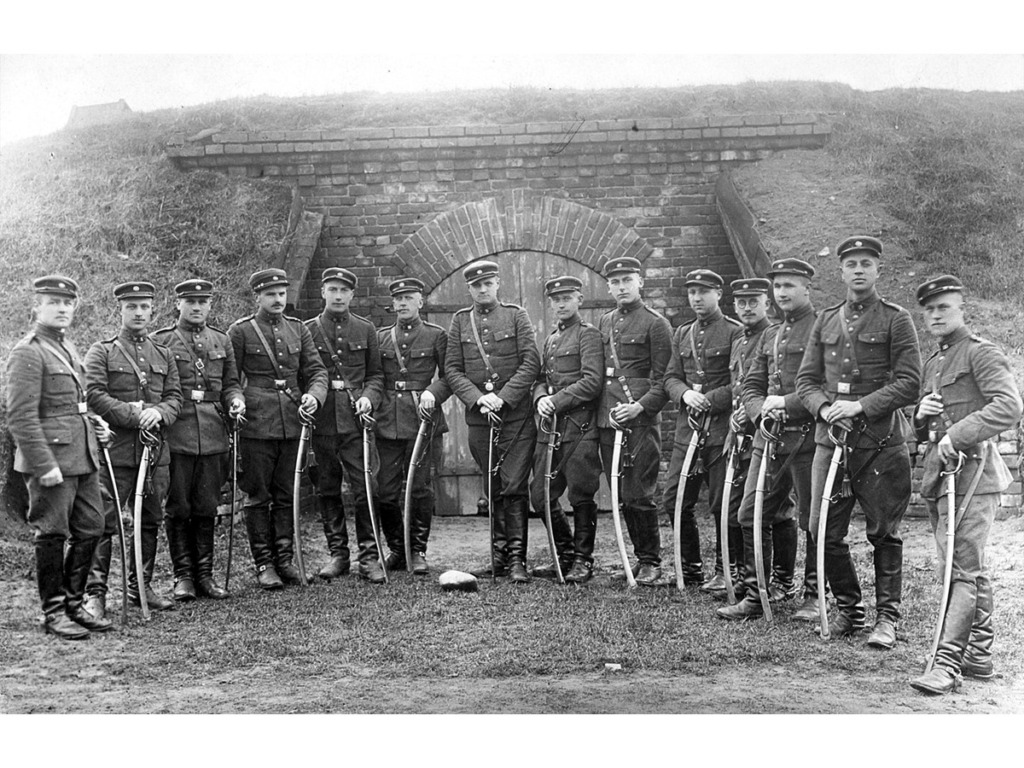
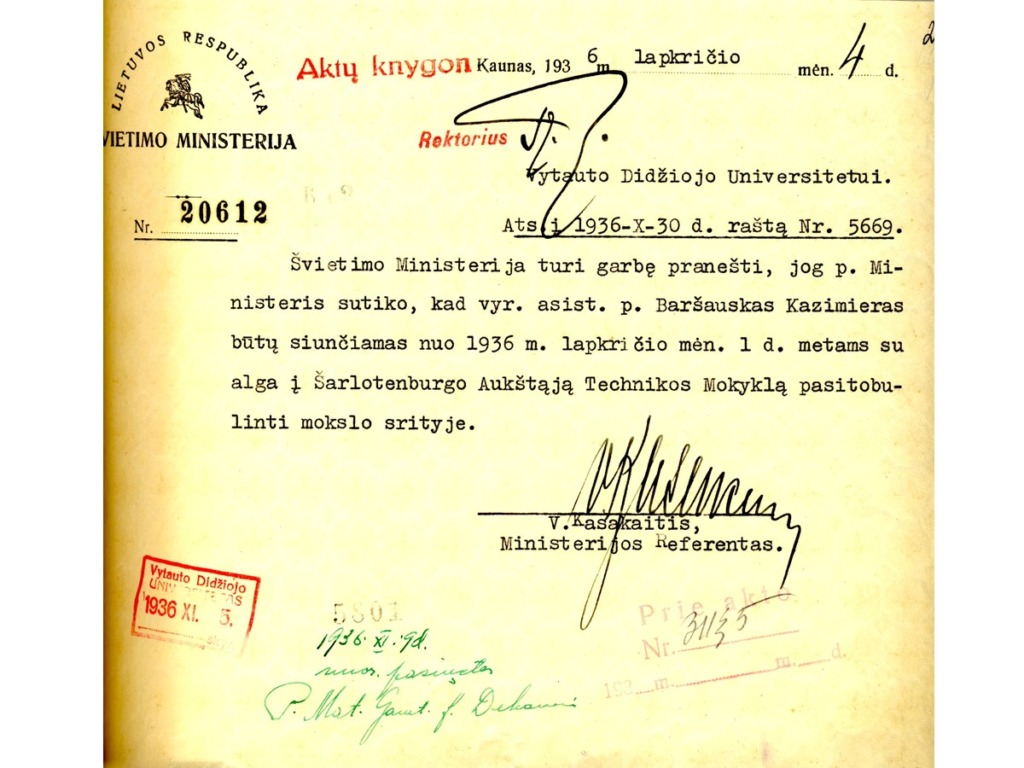
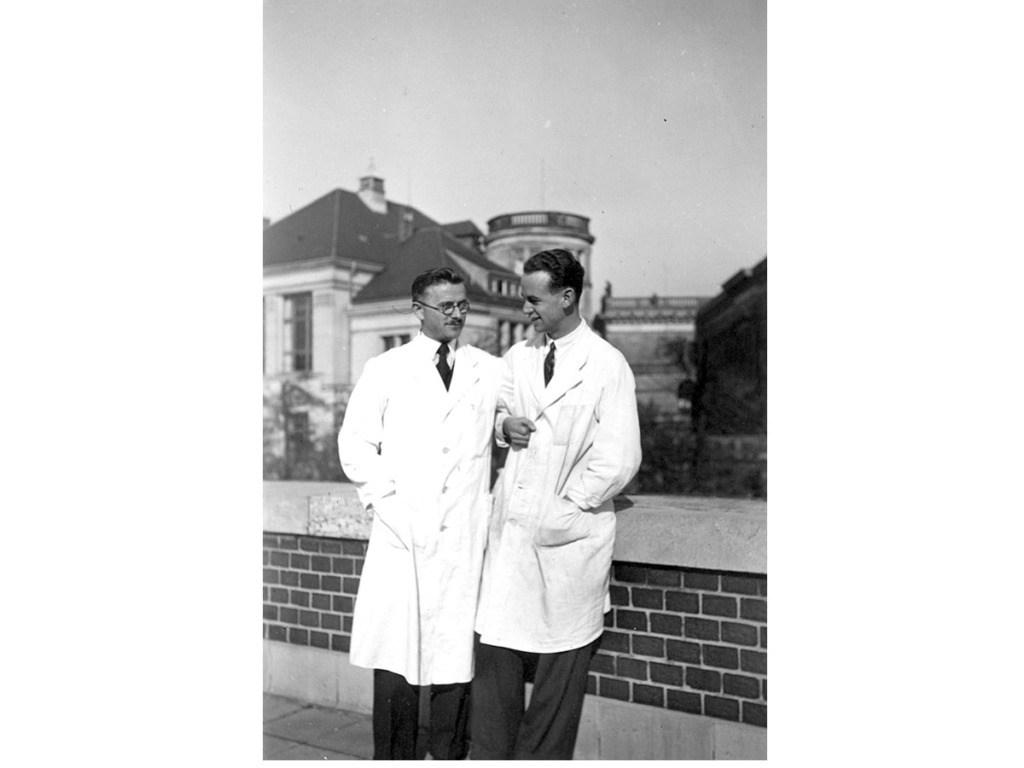
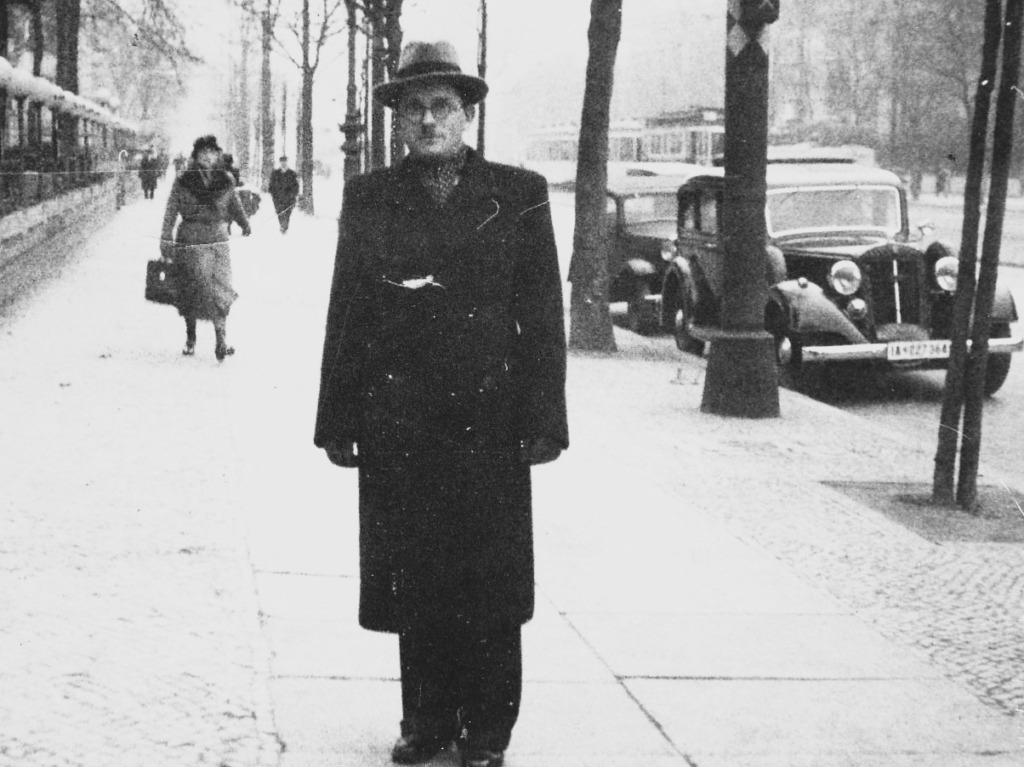
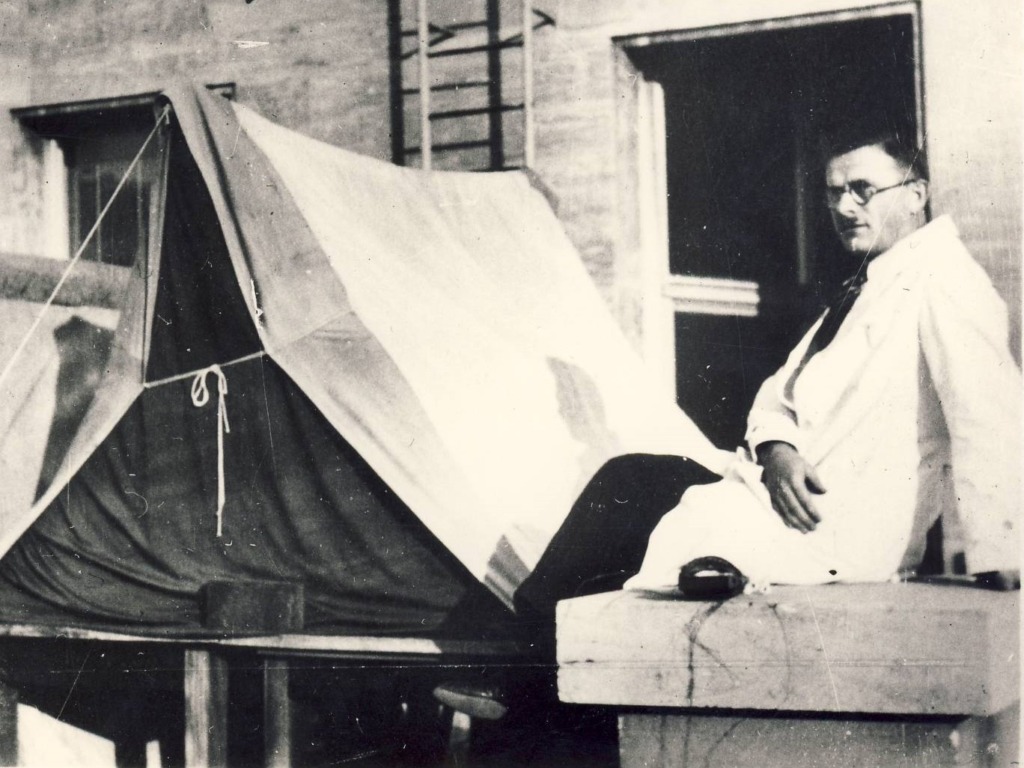
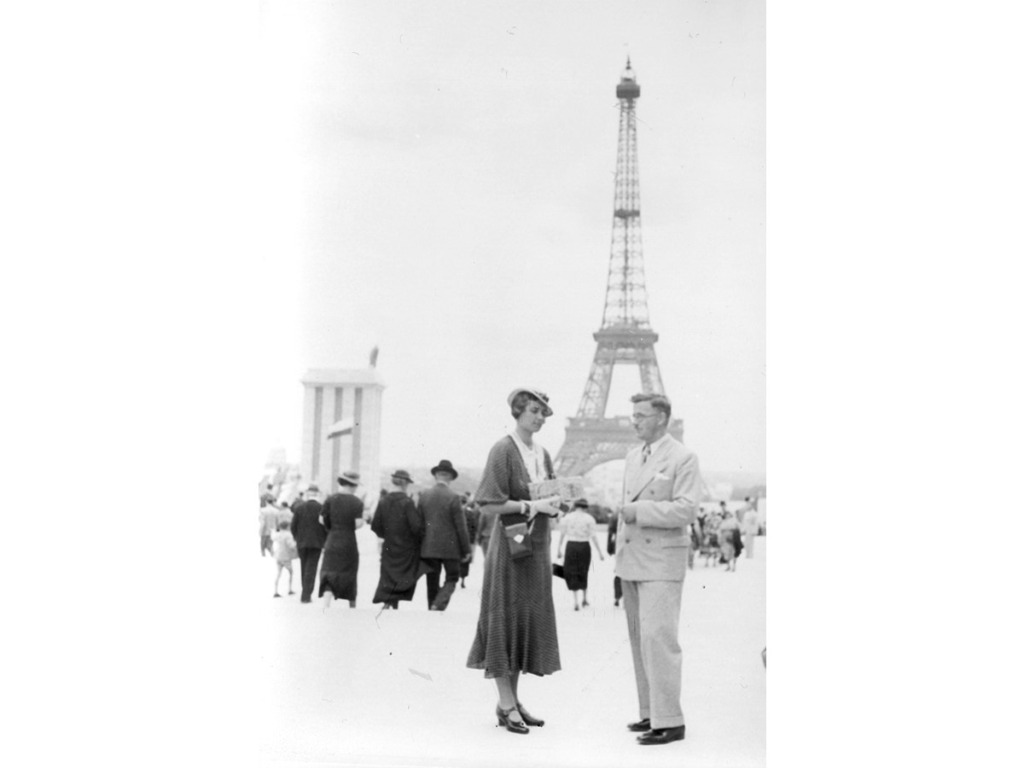
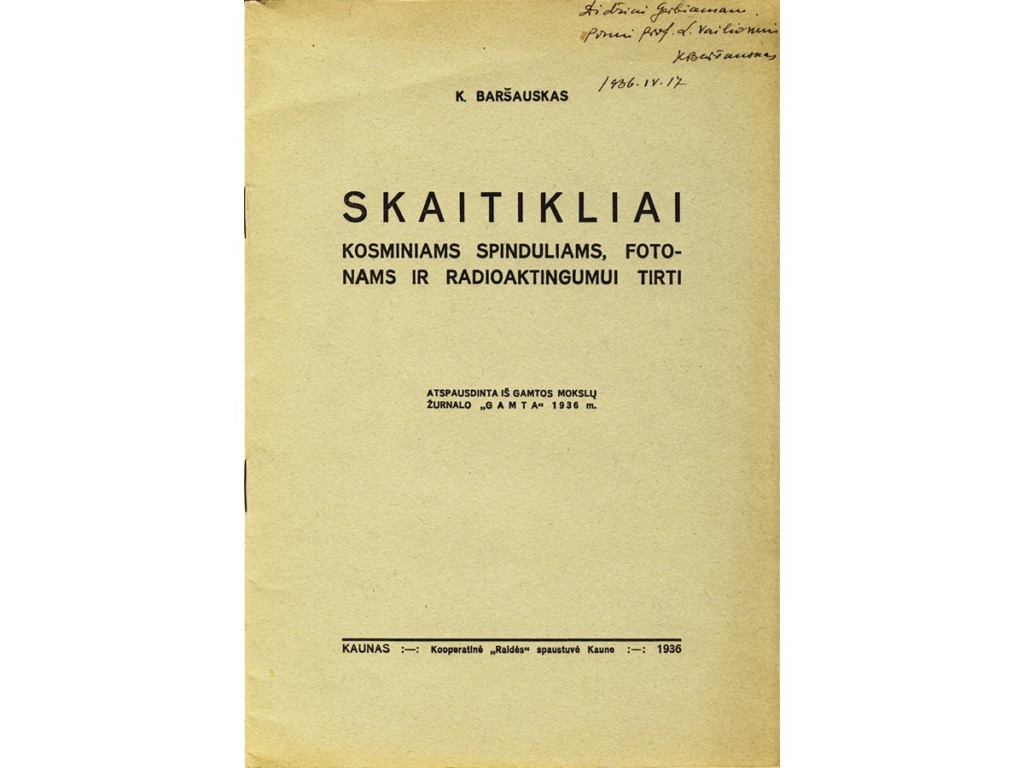
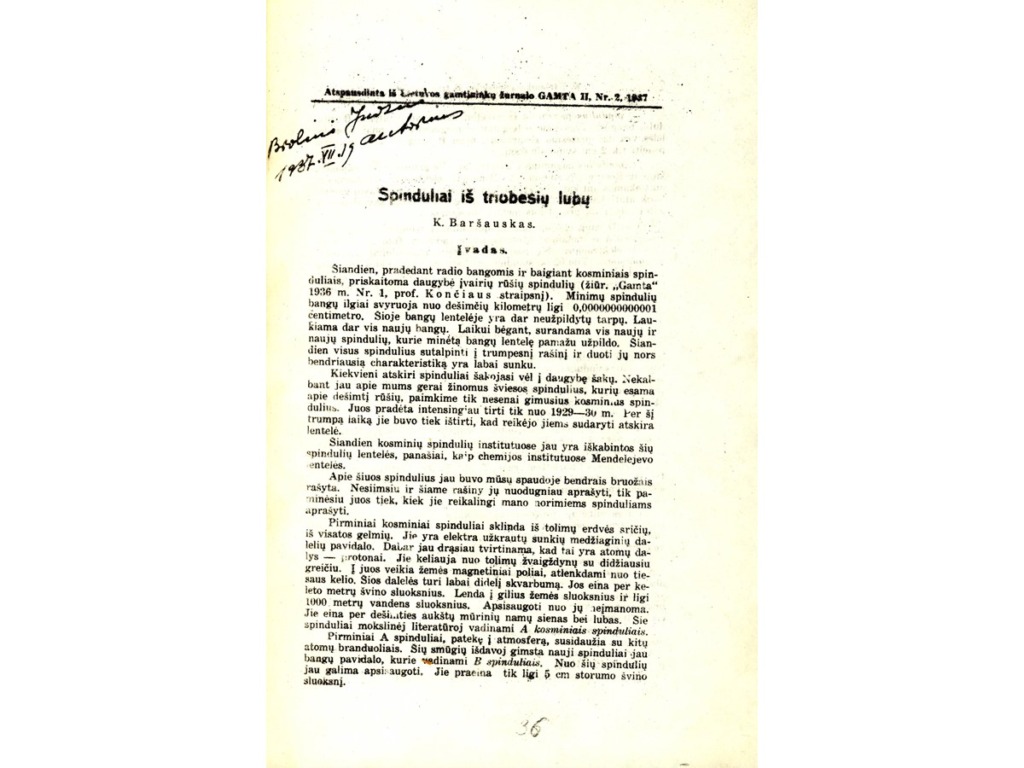
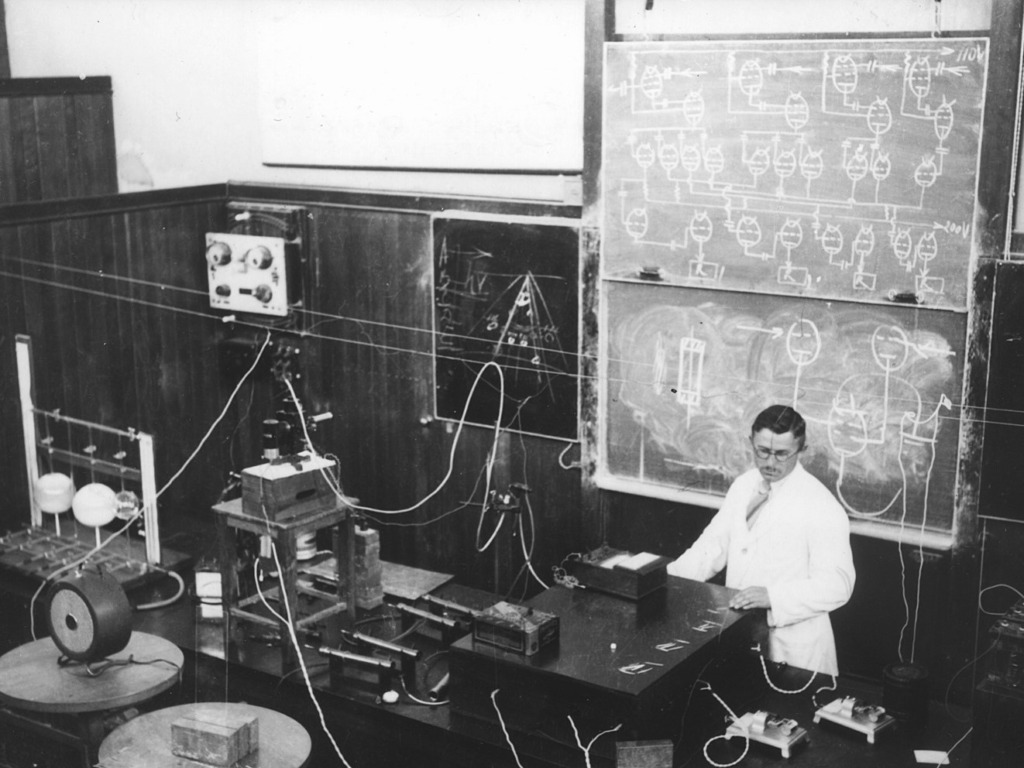
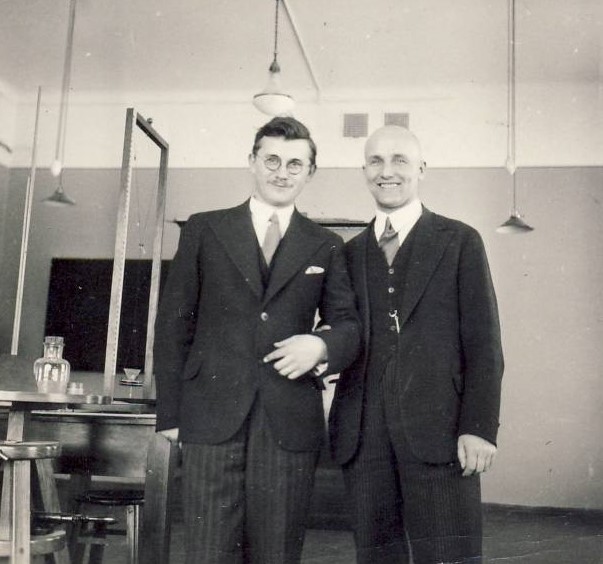
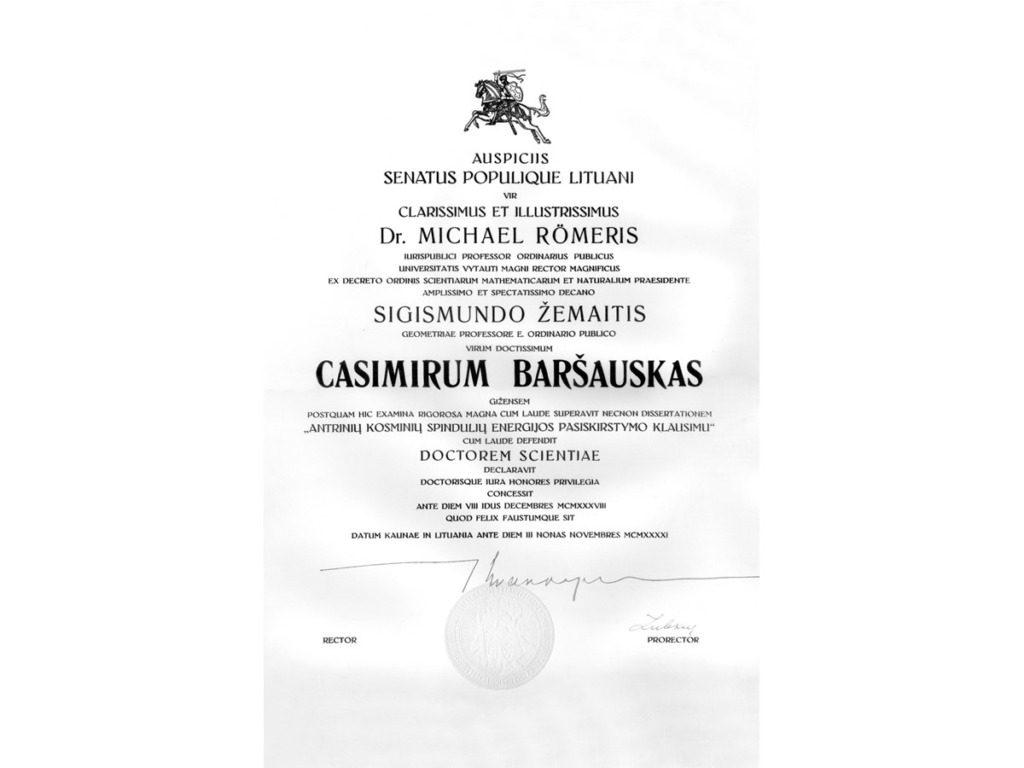
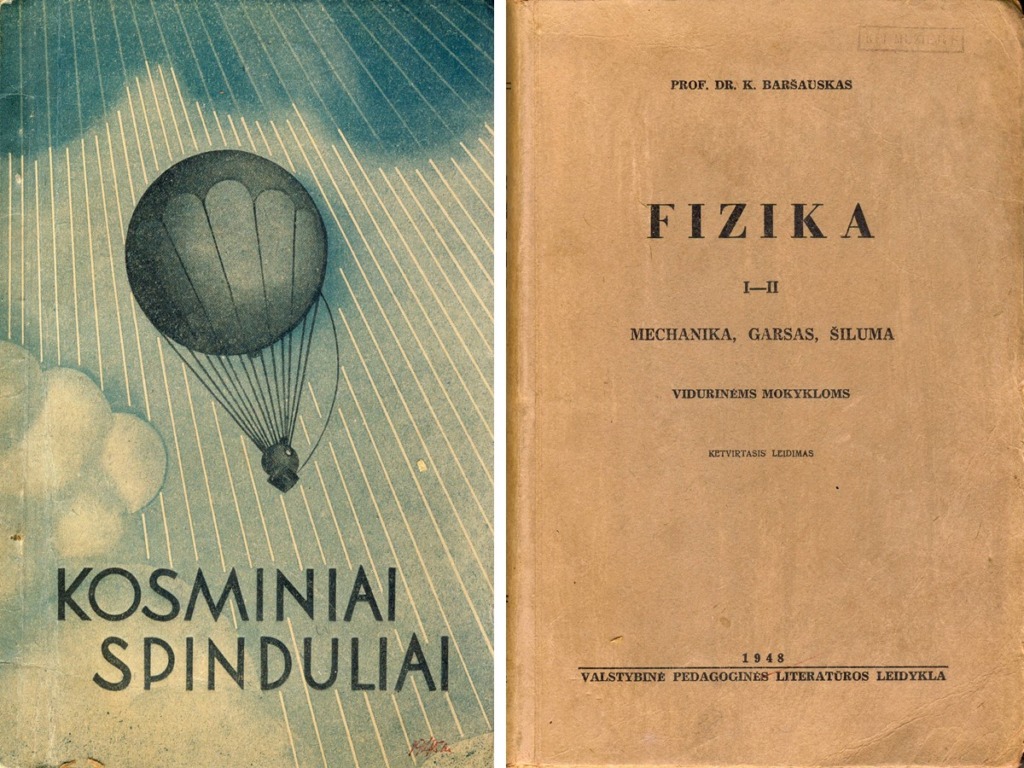
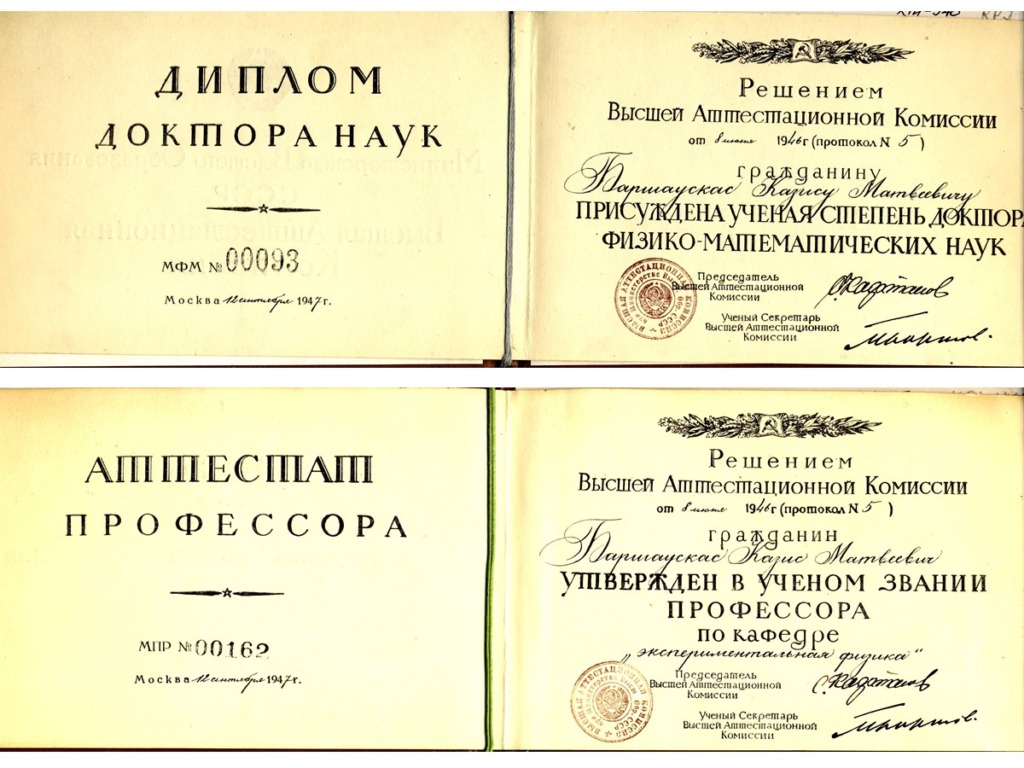
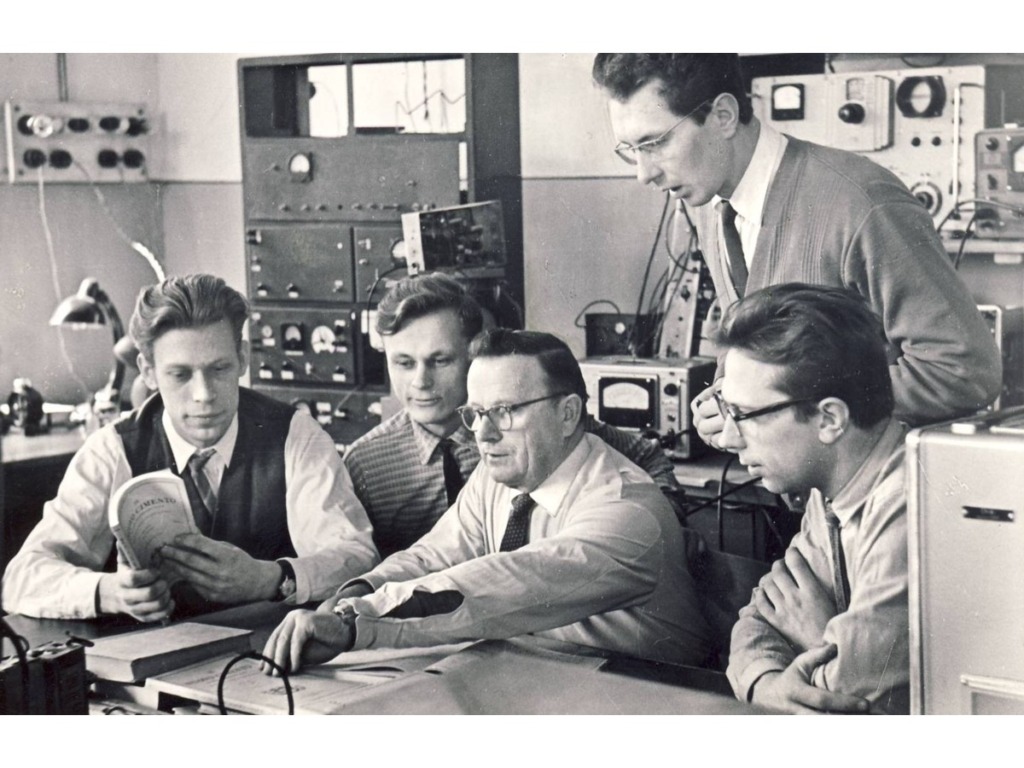
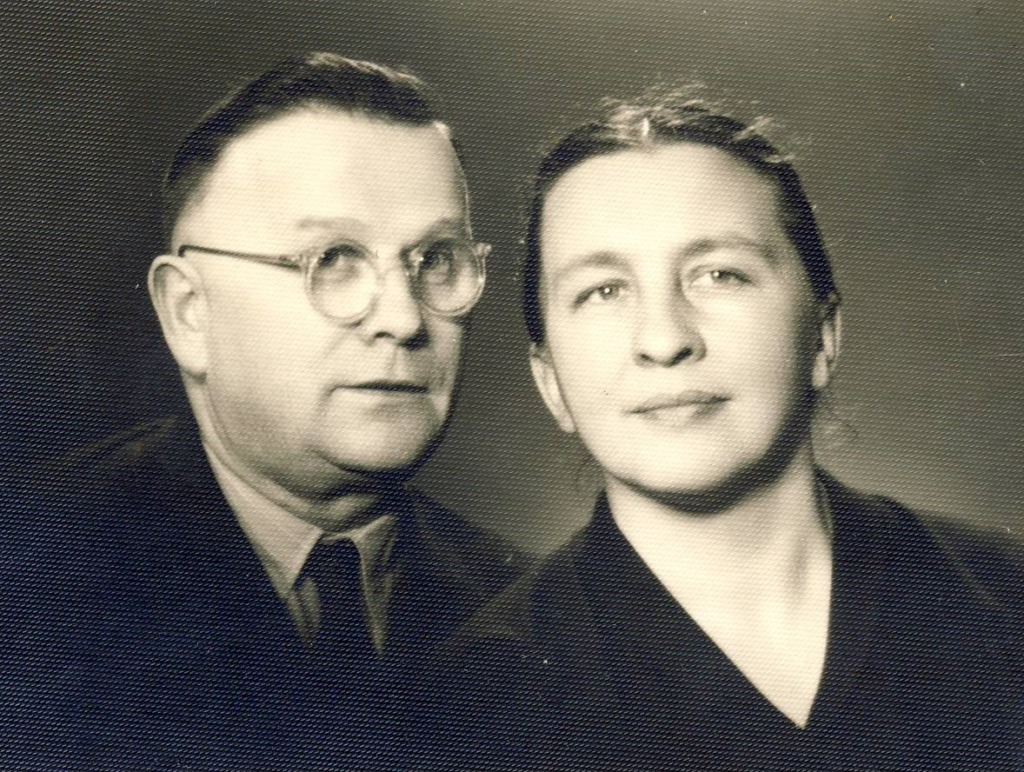
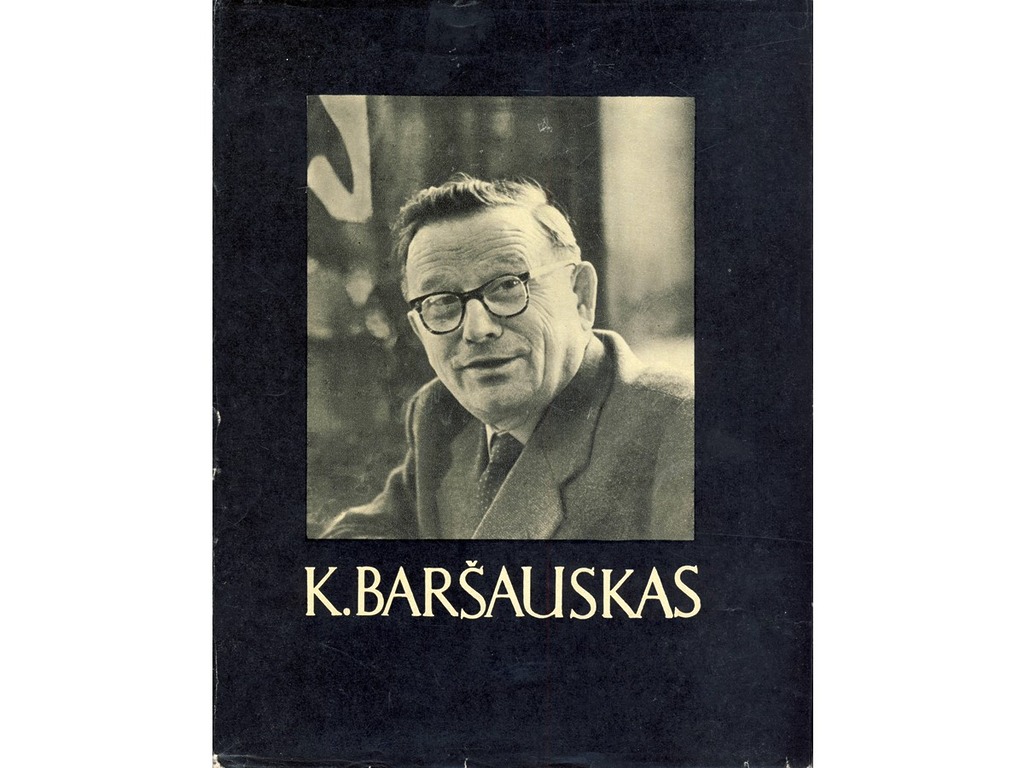
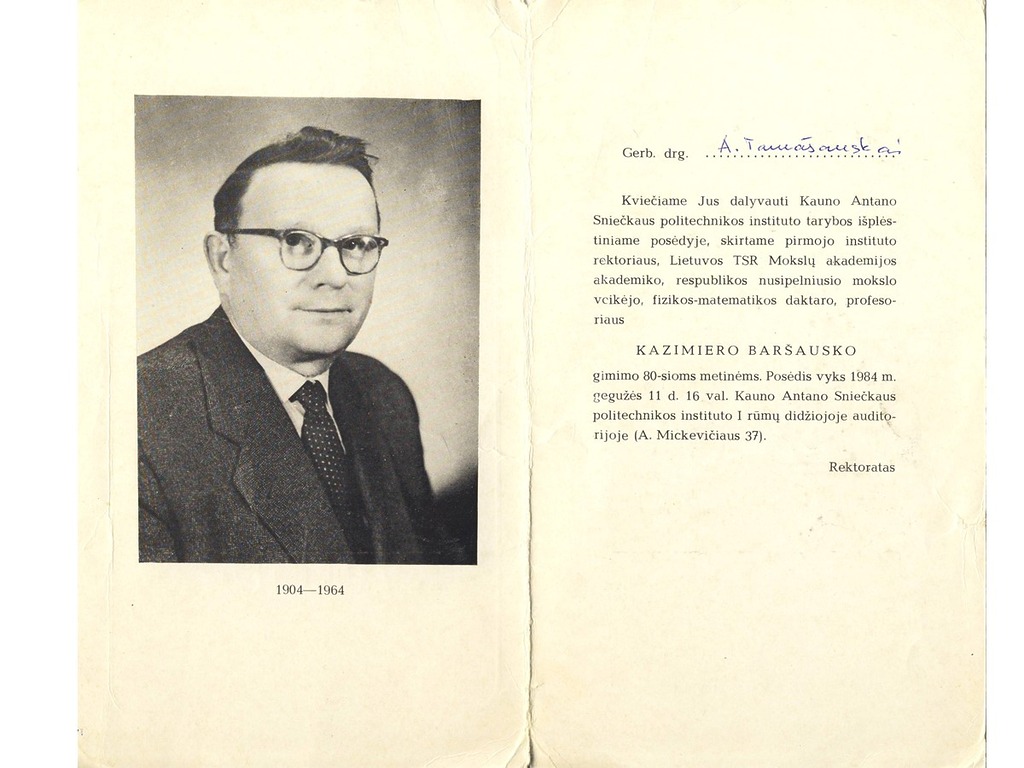
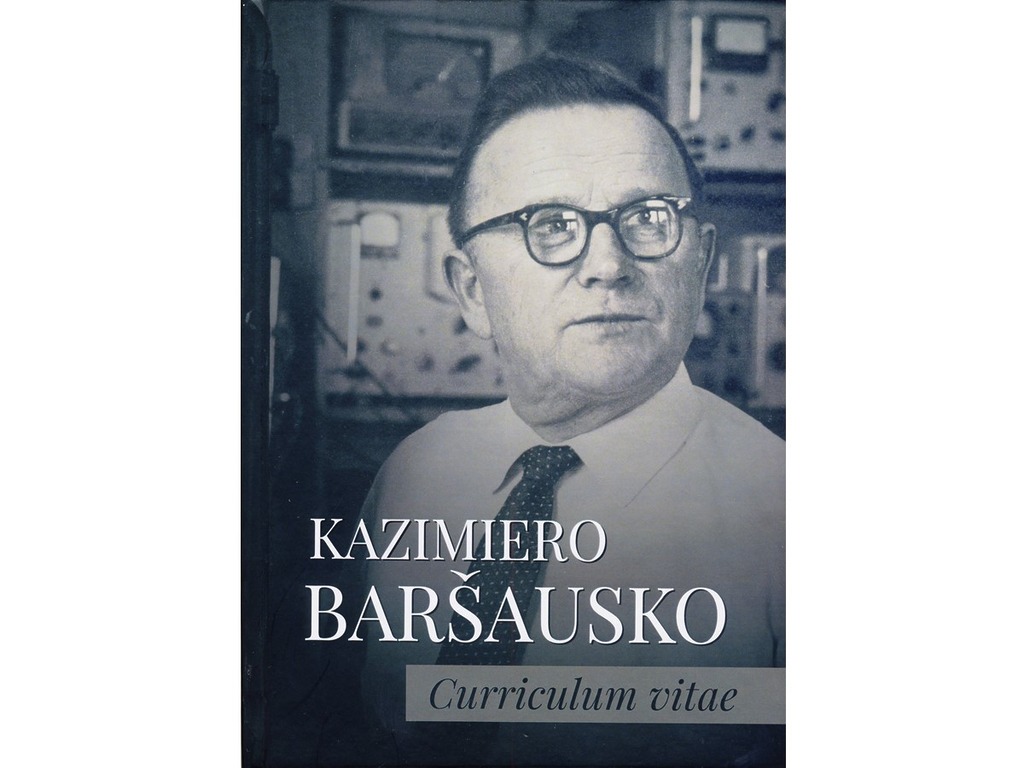
In 1929, while still studying at the University, K. Baršauskas was hired as a junior laboratory assistant in the Department of Physics. On 23 September 1930, he was awarded his University diploma, and on 3 November, he was conscripted for military service in the Lithuanian army. He joined the 5th infantry regiment of the Grand Duke Kęstutis of Lithuania, where he received initial military training. After 2 months, K. Baršauskas became a cadet-aspirant at the Military School and was later assigned to the 3rd artillery regiment. In the autumn of 1931, having received a proposal from Prof. Ignas Končius, K. Baršauskas took part in a competition for the position of junior laboratory assistant at the Department of Physics of the Faculty of Mathematics and Nature of VMU and was successful. He finished his military service only a year later, as he fell ill with typhoid fever and spent 3 weeks in a military hospital. Kazimieras Baršauskas resumed his position as a junior laboratory technician at the Department of Physics, and a year later was appointed as a senior laboratory technician and then assistant. K. Baršauskas became interested in the photoelectric effect and later in cosmic rays. He started to work in the Faculty of Mathematics and Science under the leadership of the Dean of the Faculty of Mathematics and Nature Prof. Z. Žemaitis, K. Baršauskas went to Berlin for a one-year fellowship at the Institute of Physics of the Higher Technical School in Charlottenburg, where he studied with the prominent cosmic ray specialist Prof. Hans Geiger. There he learned how to make cosmic ray detectors, set up the necessary equipment and conducted many experiments, the results of which he summarised in the article entitled “Reports on the Distribution of Energy in the Groups of Cosmic Rays”. The article was published in Zeitschrift für Physik, one of the most authoritative physics journals of the time. Upon returning to Kaunas, he continued his scientific work and defended his doctoral thesis on the energy distribution in secondary cosmic rays in 1938.
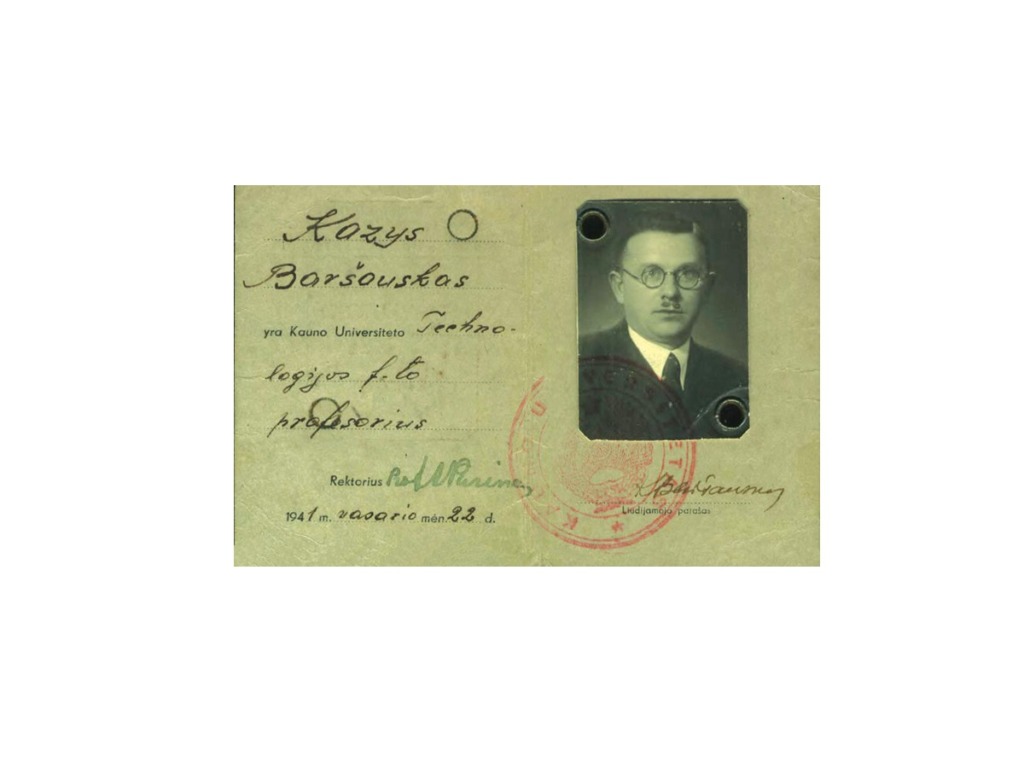
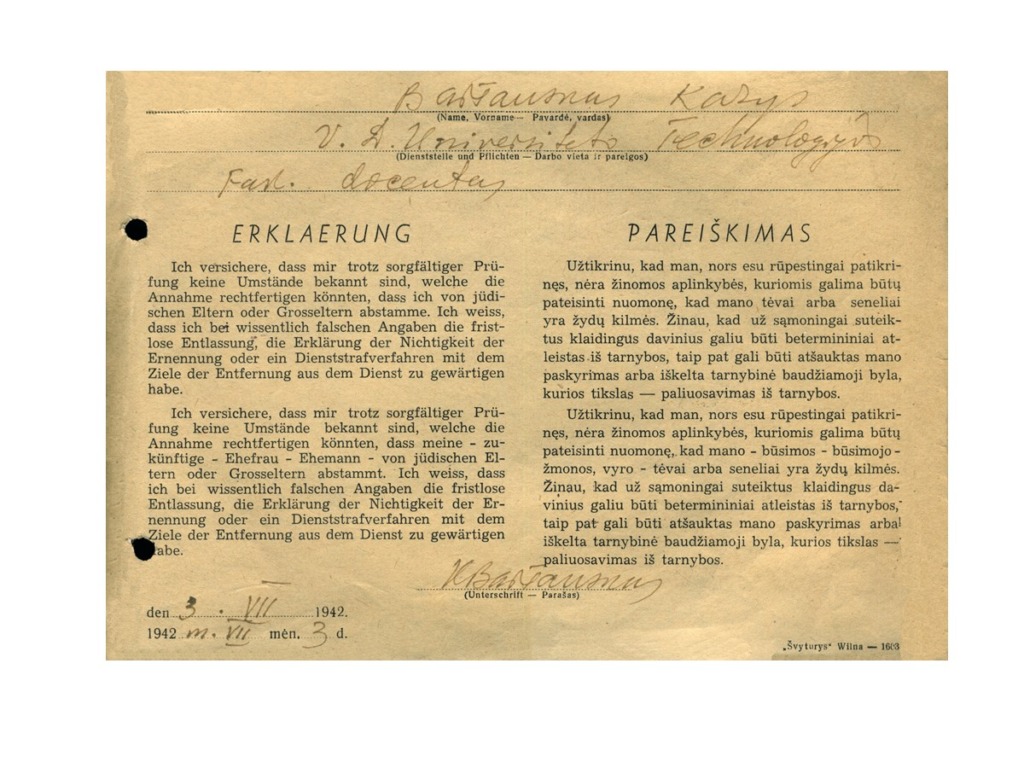
After the Soviet Union occupied Lithuania in 1940, Vytautas Magnus University was renamed Kaunas University. K. Baršauskas was appointed as an associate professor, and later as the head and professor of the Department of Physics. When the Germans occupied Lithuania, K. Baršauskas was dismissed from the position of the head of the Department of Physics. When the occupiers suspended lectures at the University, Assoc. Prof. K. Baršauskas urged them to disregard the ban and to admit students to the first year for the academic year 1943-1944. He used the cover of the Adult Institute of evening studies, founded in 1941, and officially organised courses for technicians, which attempted to complete the curriculum of the first year of University studies.
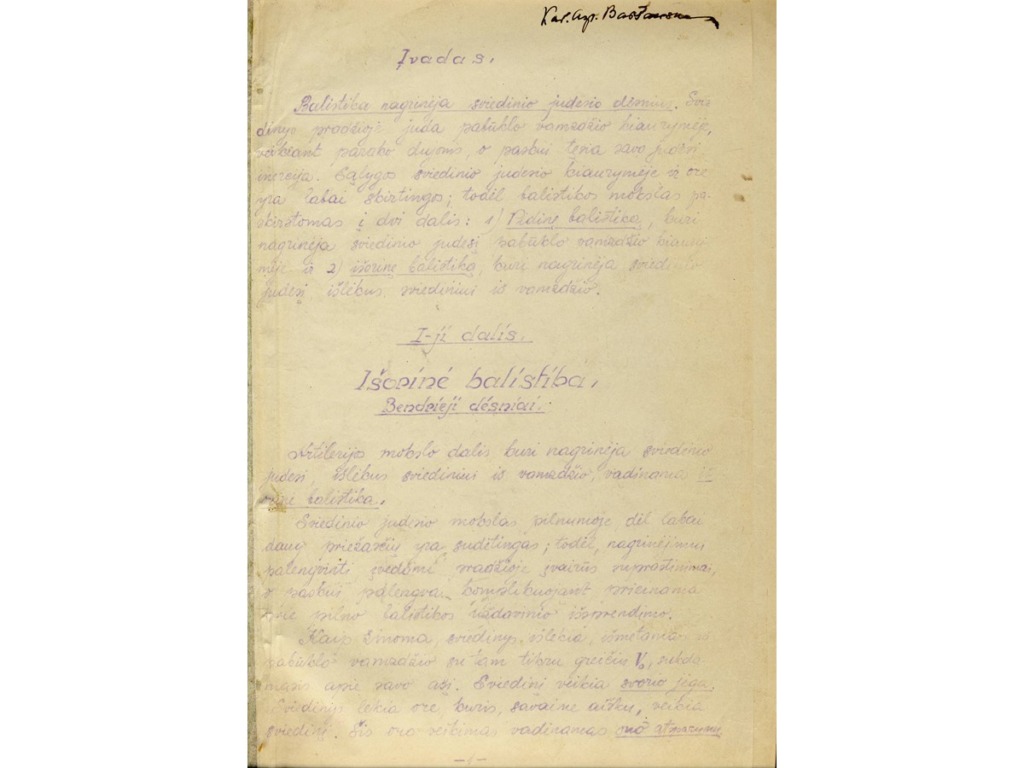
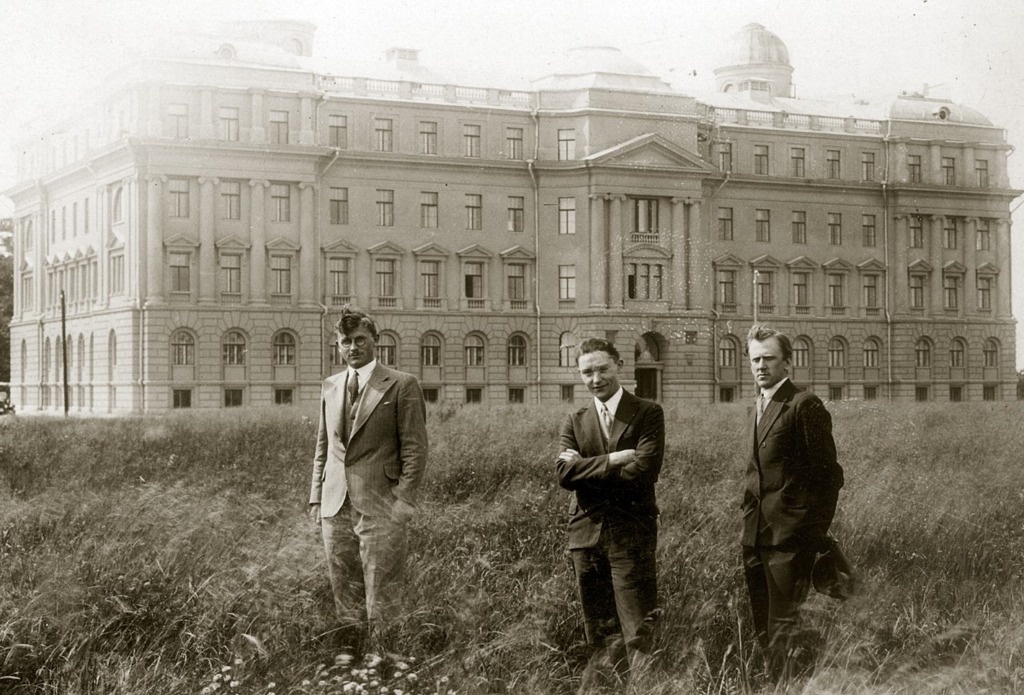
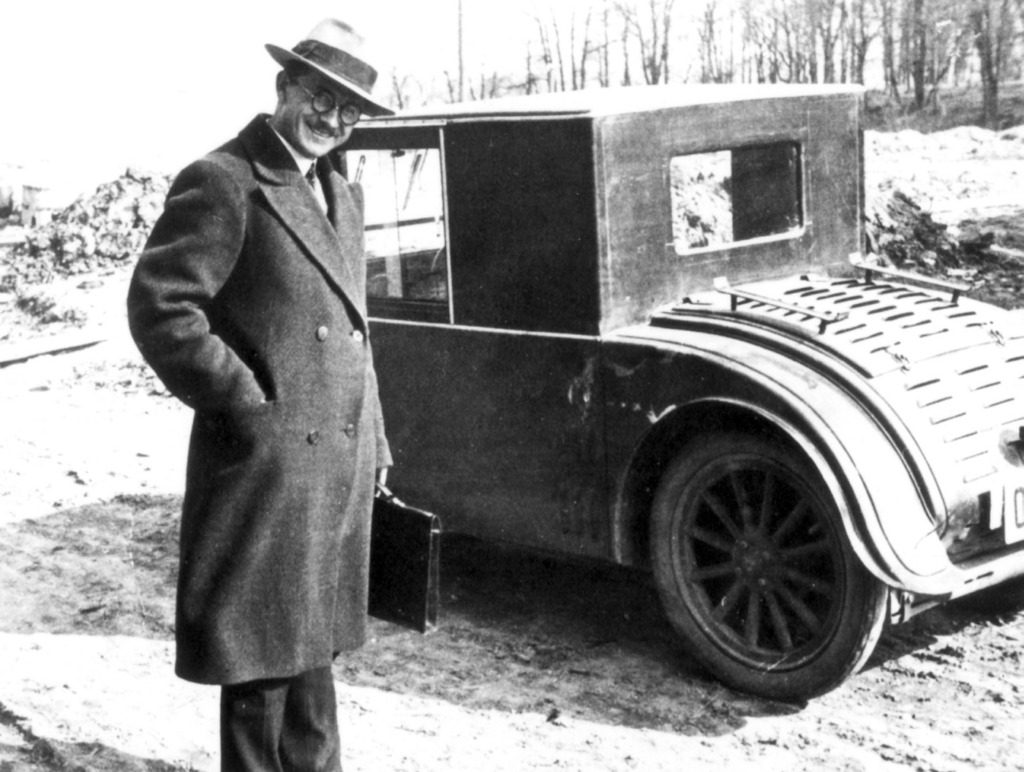
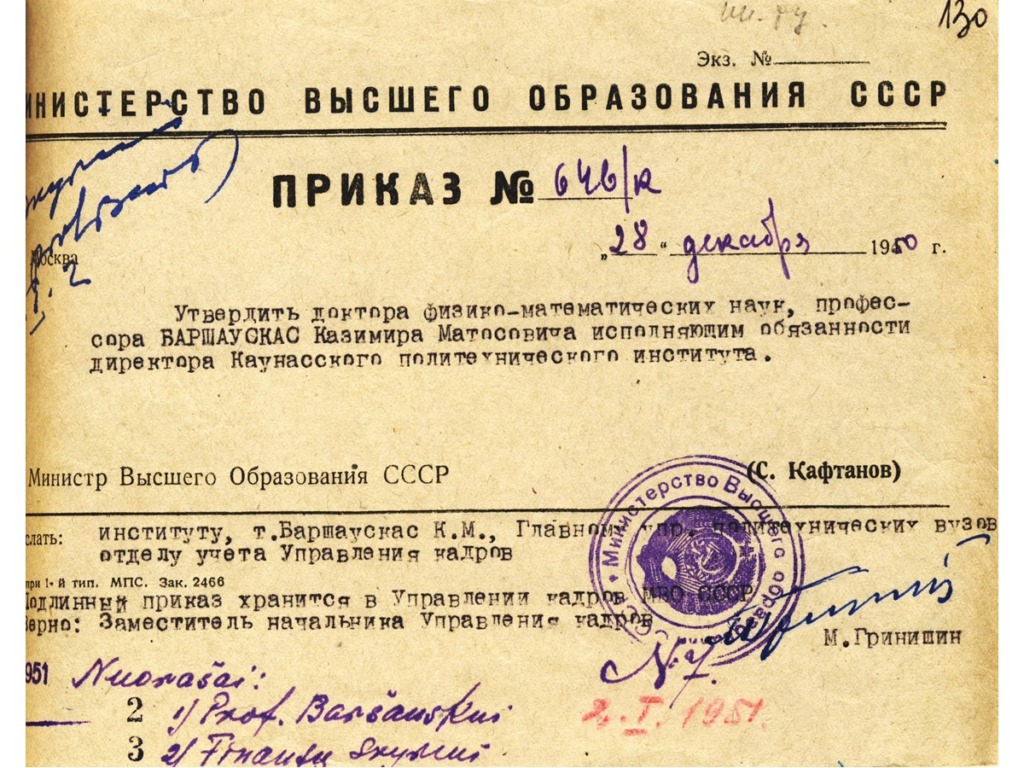
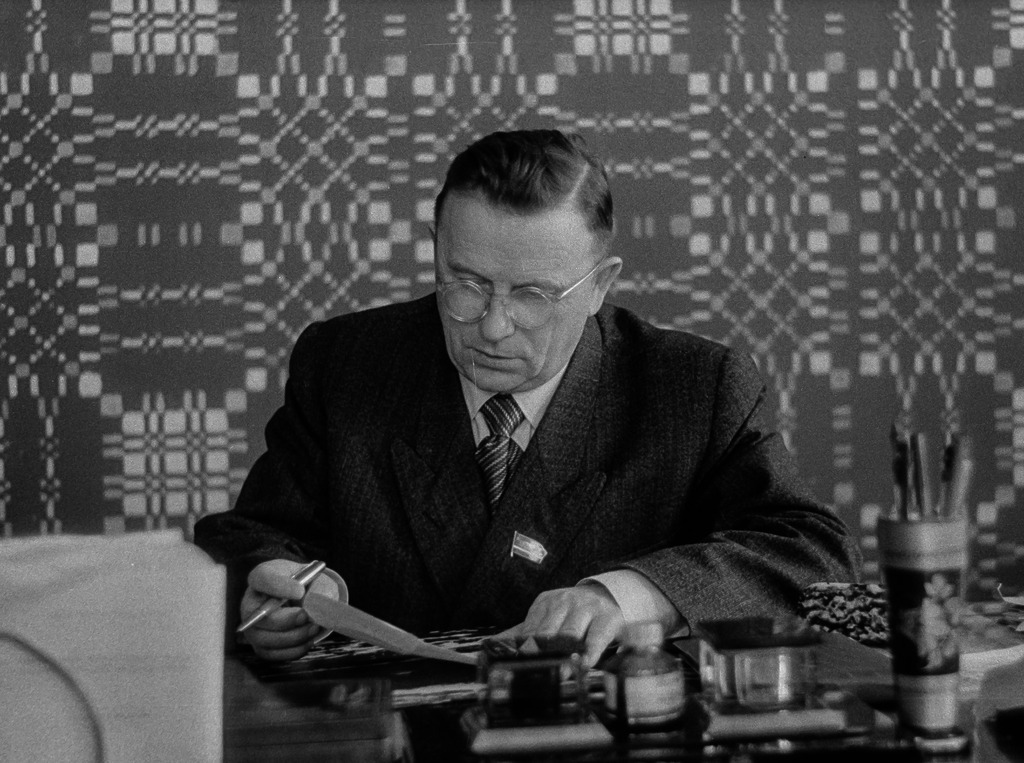
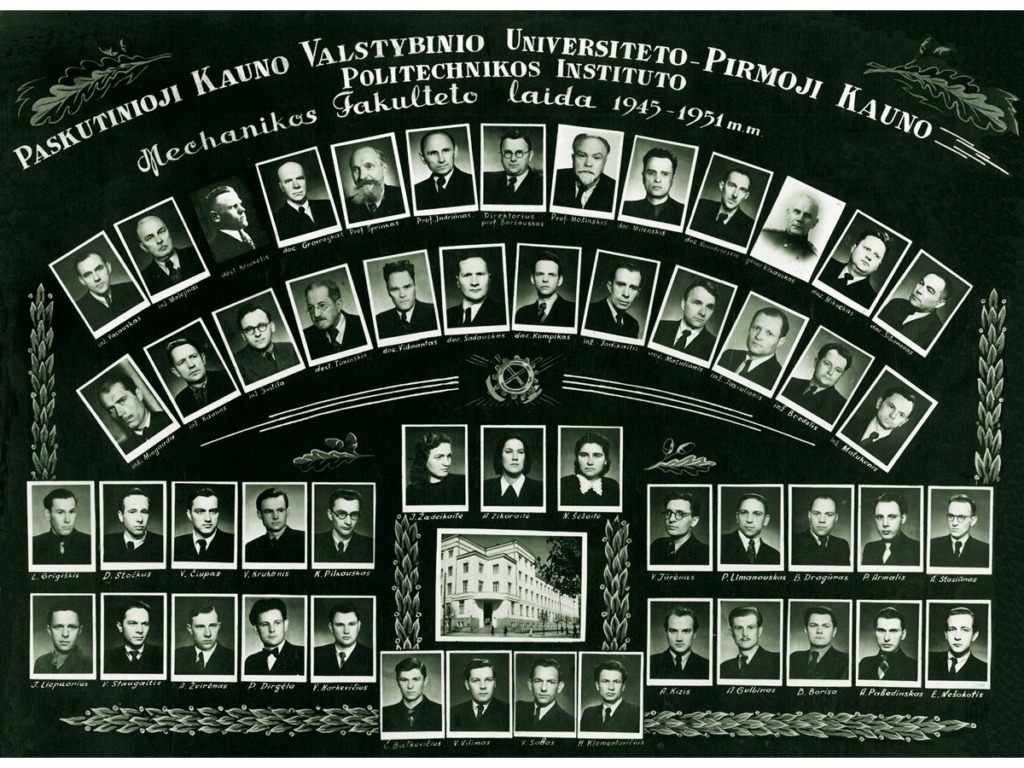
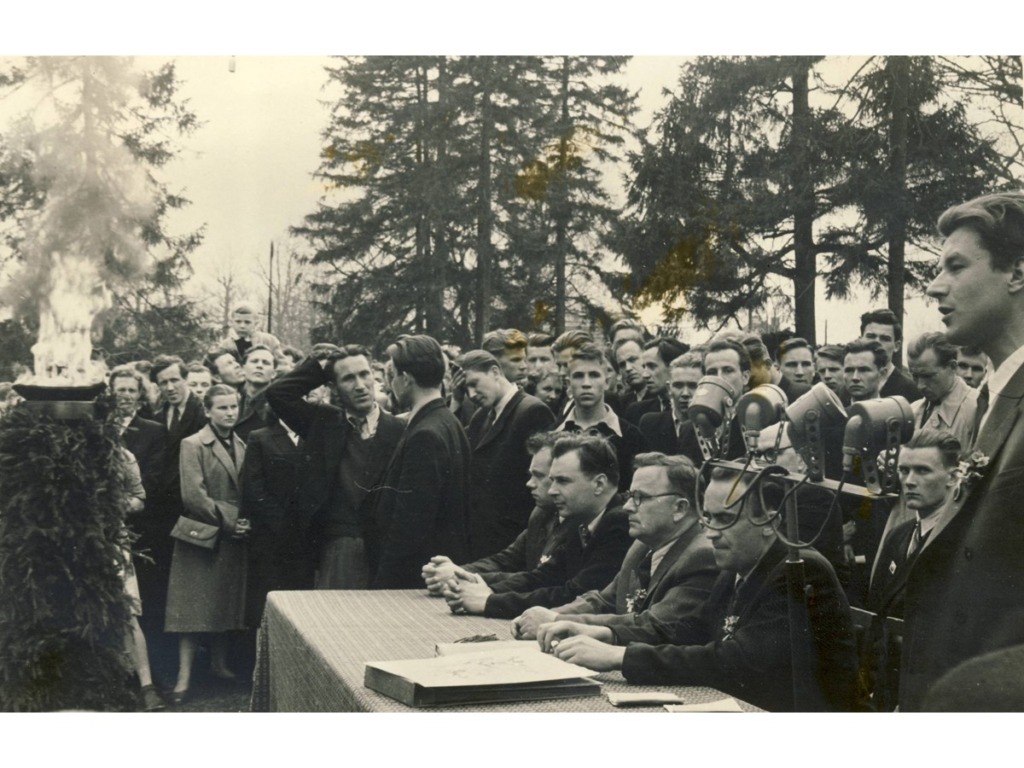
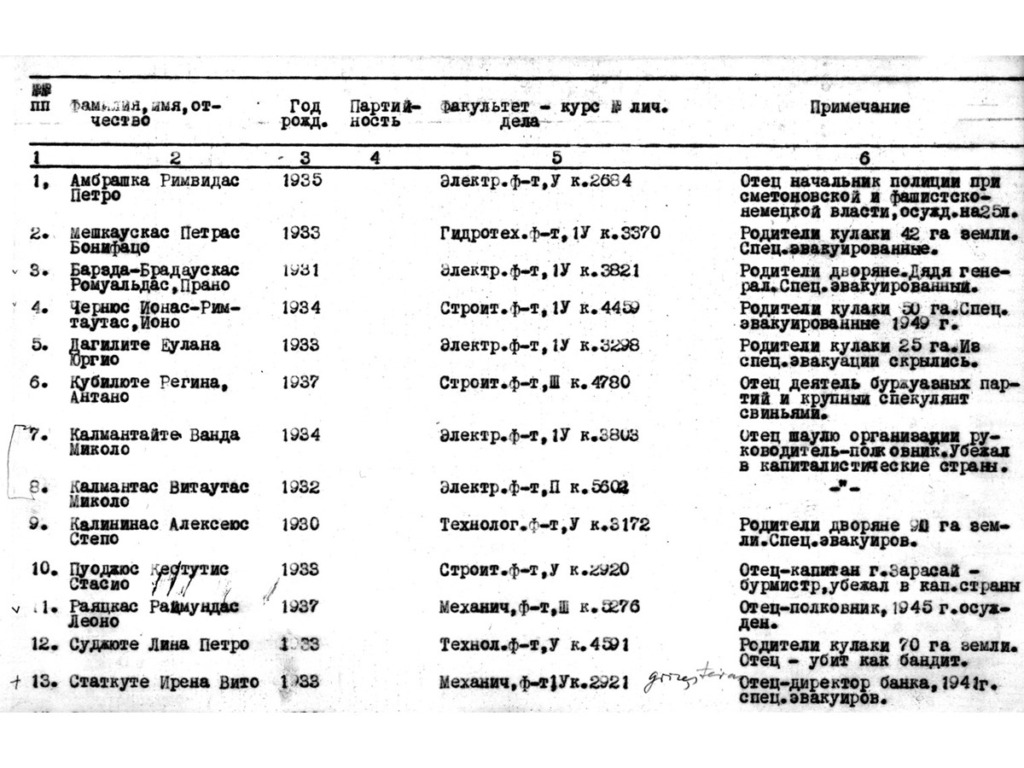
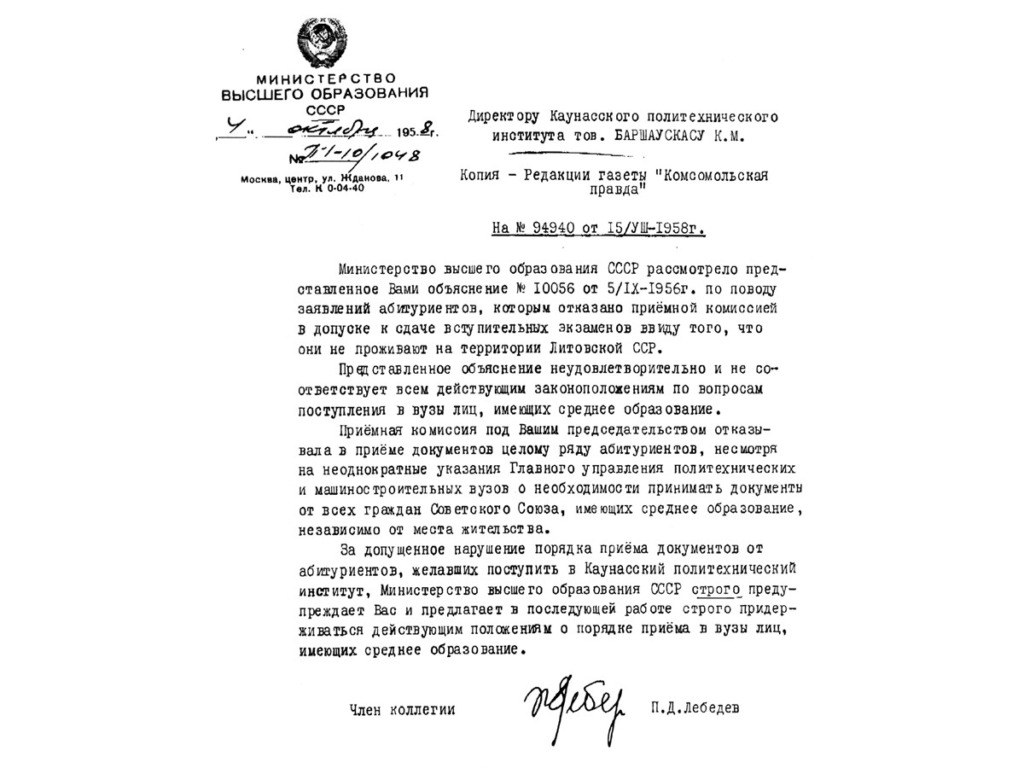
In 1944, when the Soviet Union reoccupied Lithuania, K. Baršauskas was appointed as the head of the Department of Physics at Kaunas State Vytautas Magnus University. The situation of the university was difficult: during the retreat, the Germans bombed the technical faculty building in Aleksotas and looted the equipment. Some teachers fled to the West. The classrooms and laboratories were cold and textbooks were scarce. In the post-war years, the talent of K. Baršauskas as an organiser of higher education became particularly evident. He was appointed as the dean of the Faculty of Technology, and when the Faculty of Technology was divided into three units, he was appointed as the dean of the Faculty of Electrical Engineering. In 1944-1950, the Soviet occupiers, with the help of the Communists, organised repressions, deportations and ideological-moral coercion in Lithuania, which did not bypass the academic community of the University. Prof. K. Baršauskas tried to help the persecuted people, but he did not escape ideological persecution when his textbook “Physics Part I-II: Mechanics, Sound, Heat”, prepared for the third edition in 1947, was negatively reviewed for “lacking ideas”, and its publication was suspended.