

Skip to content

The success story of Professor Irena Leliūgienė

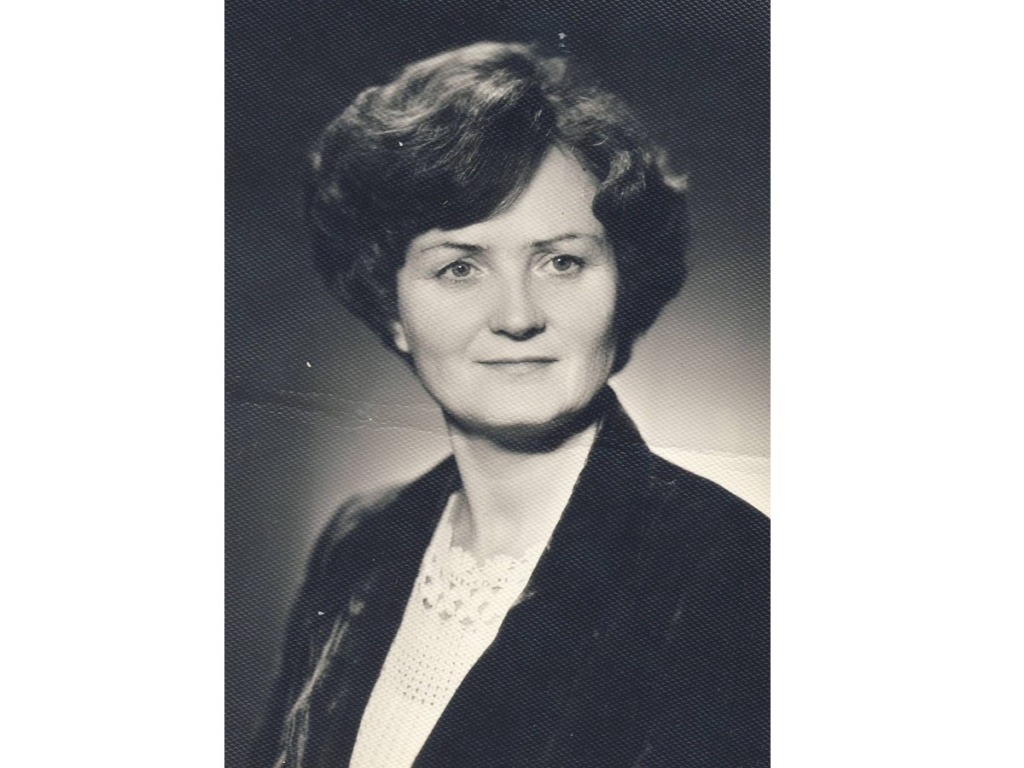
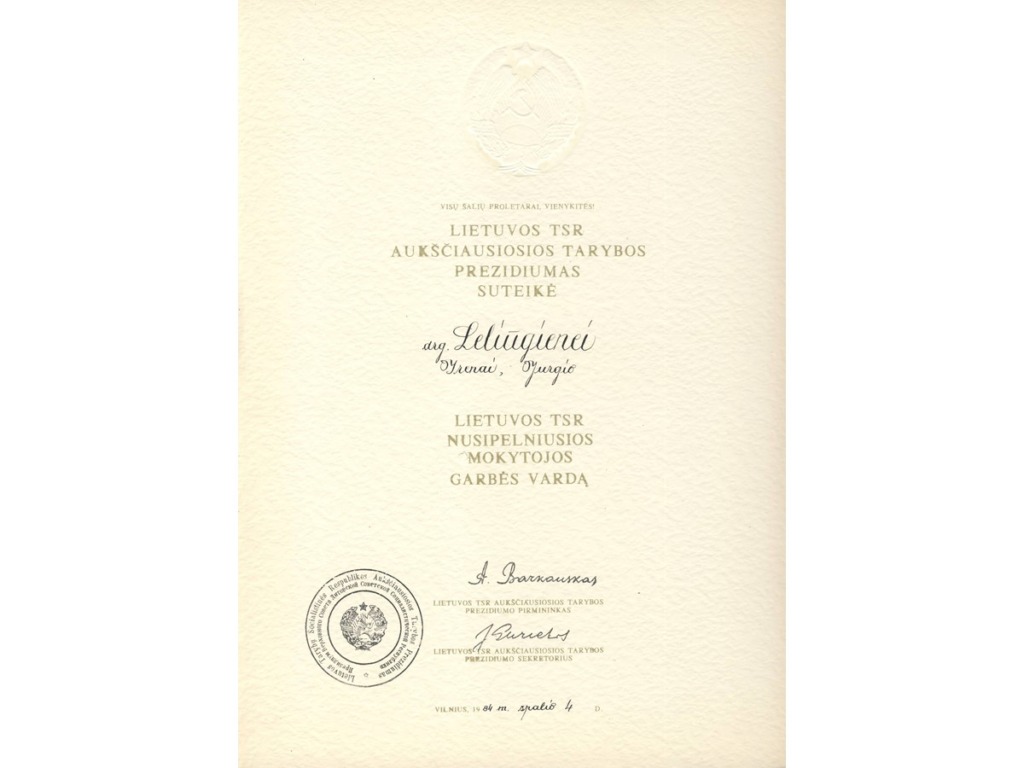
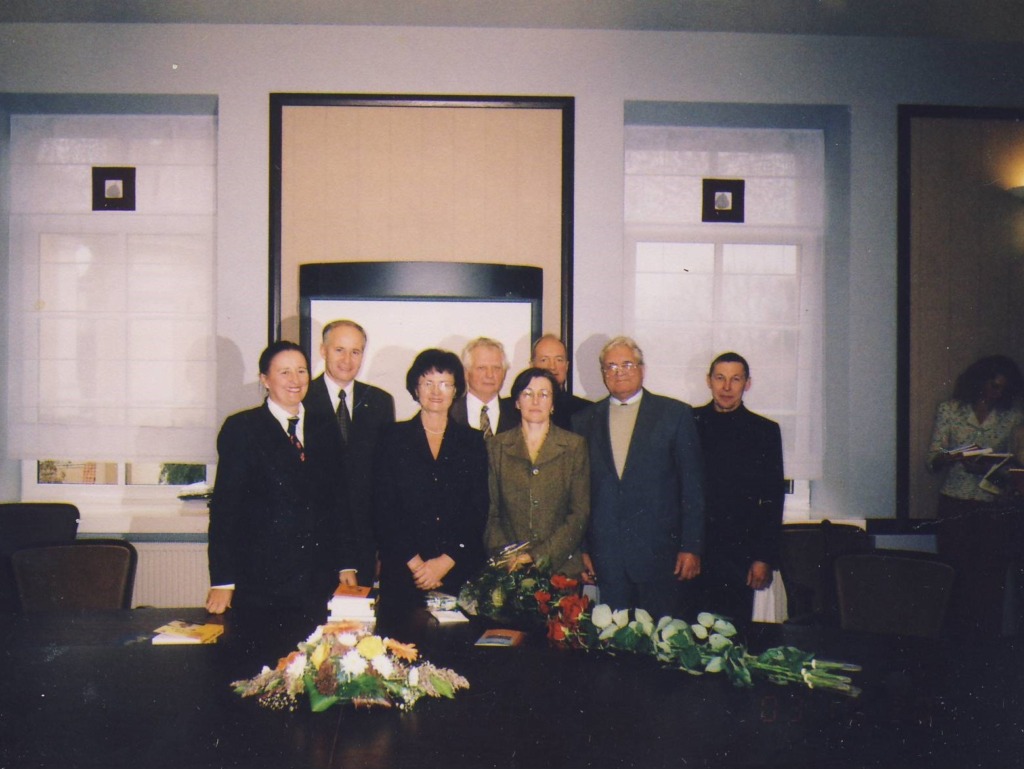
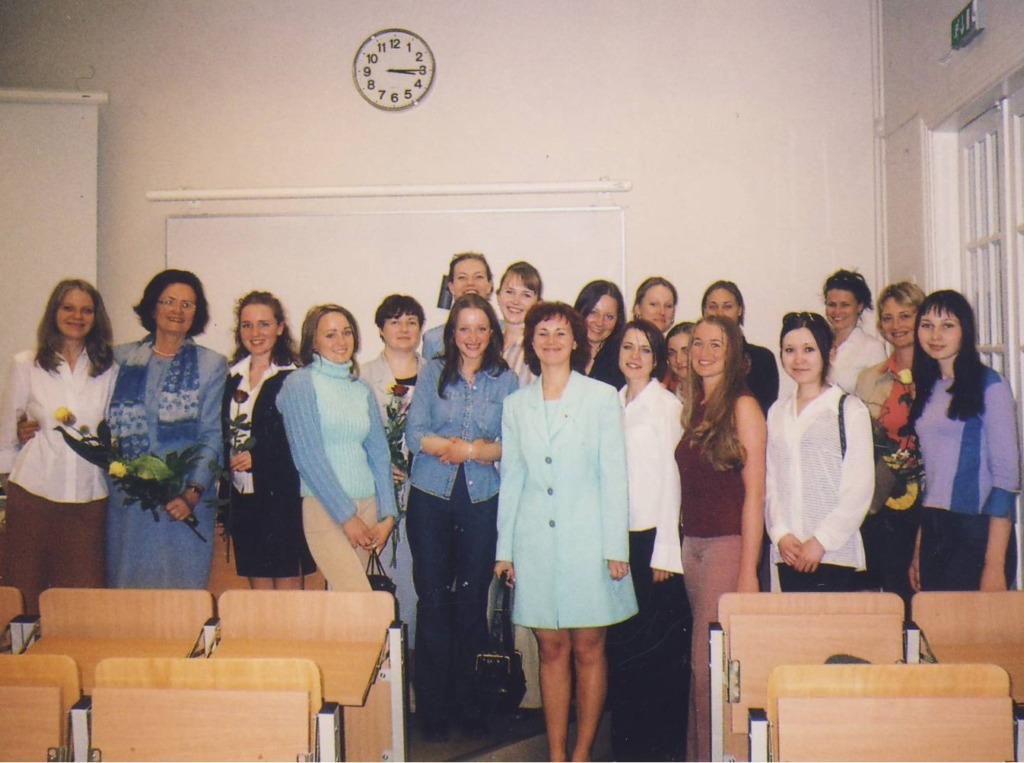
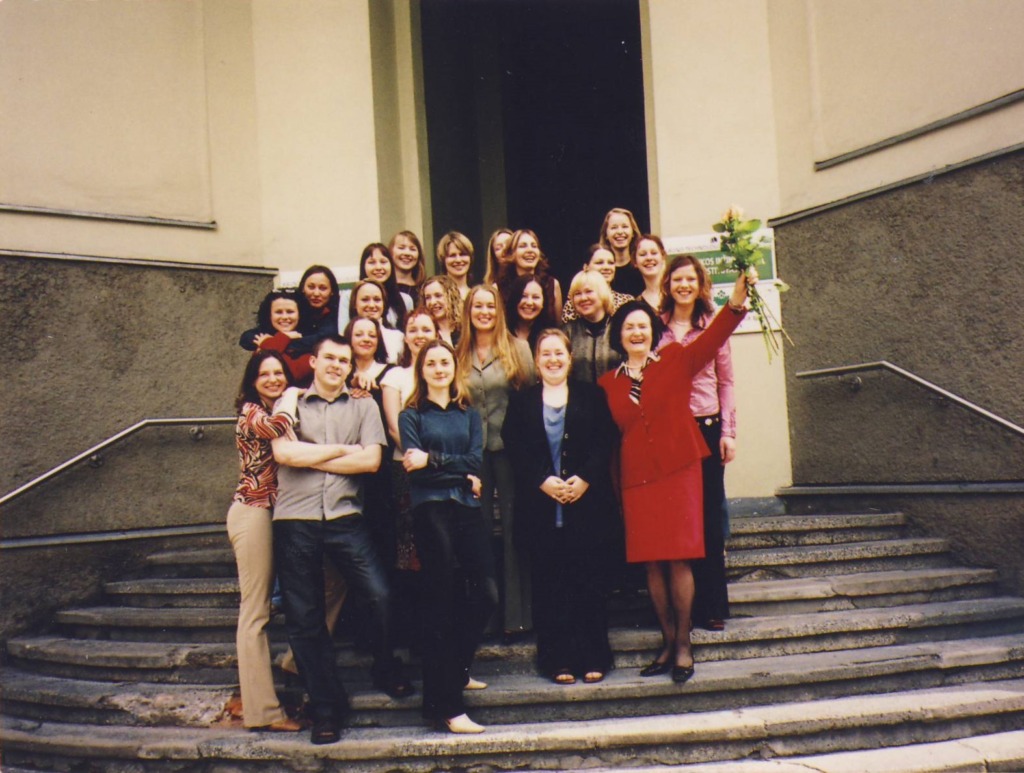
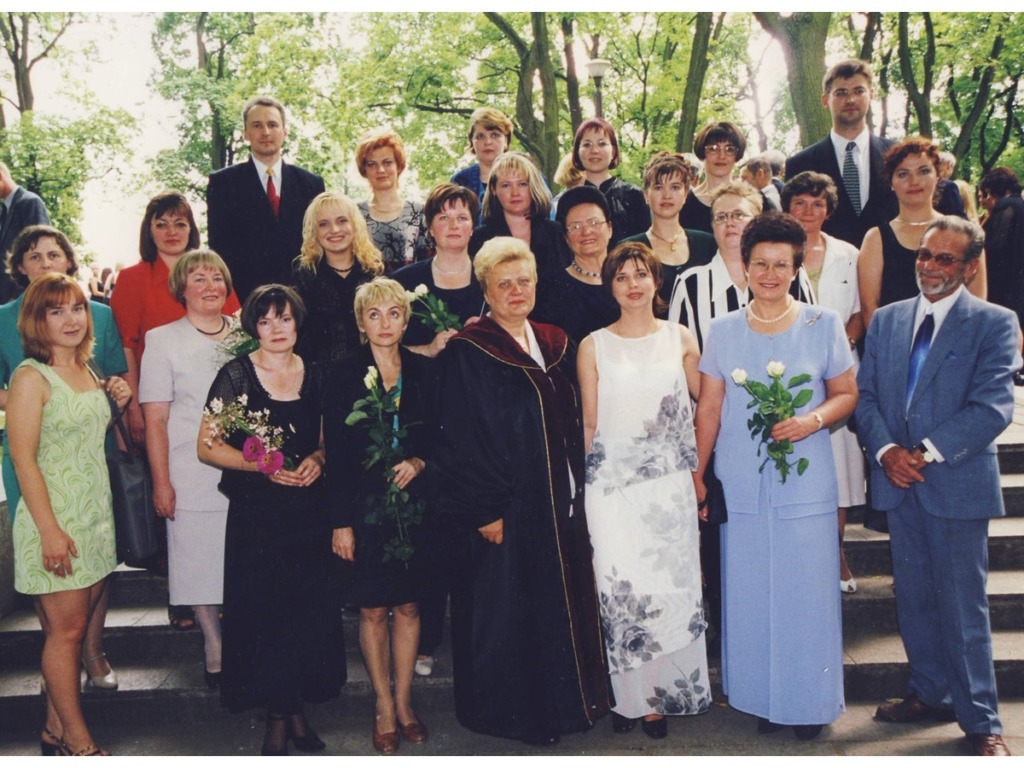
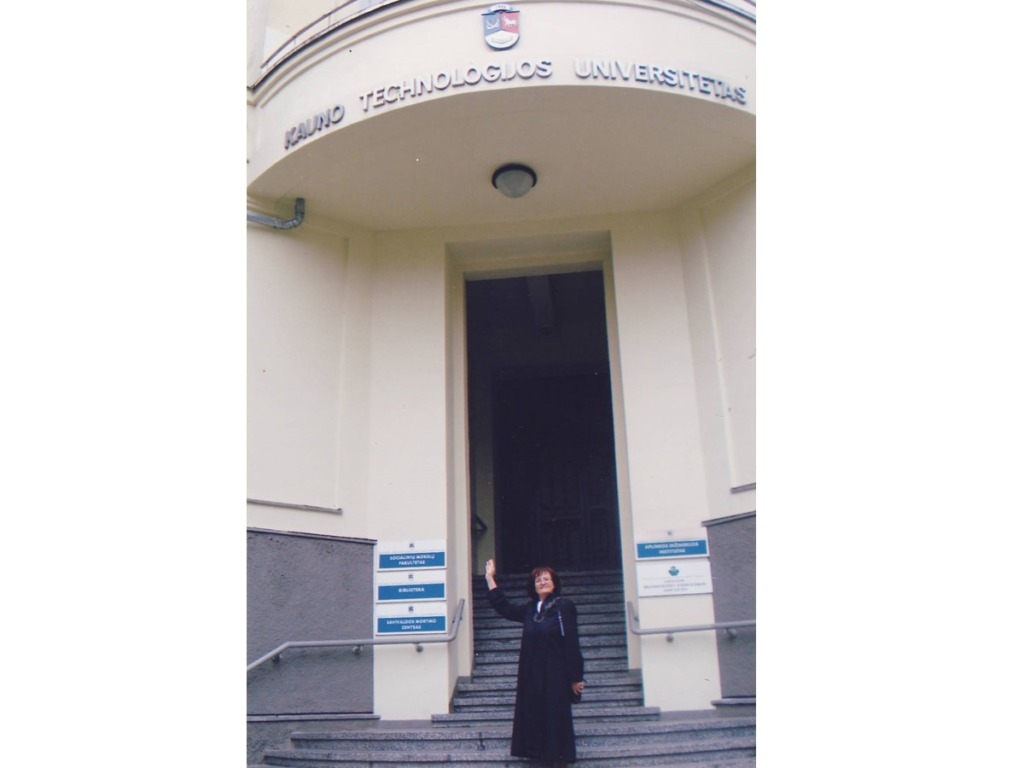
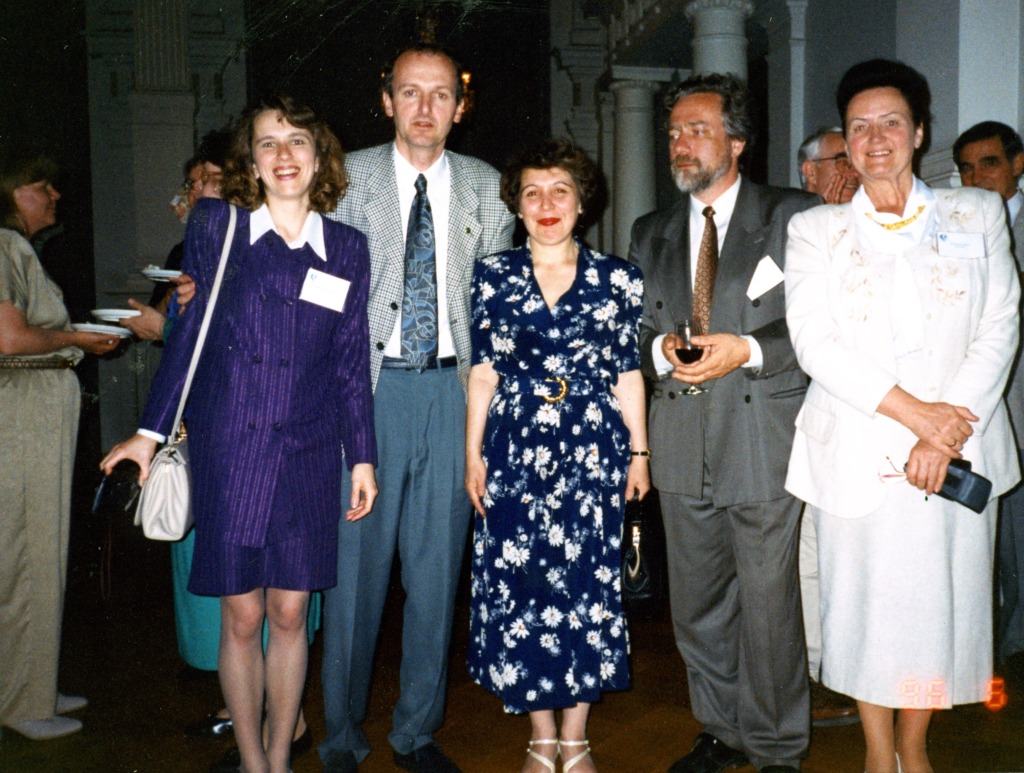
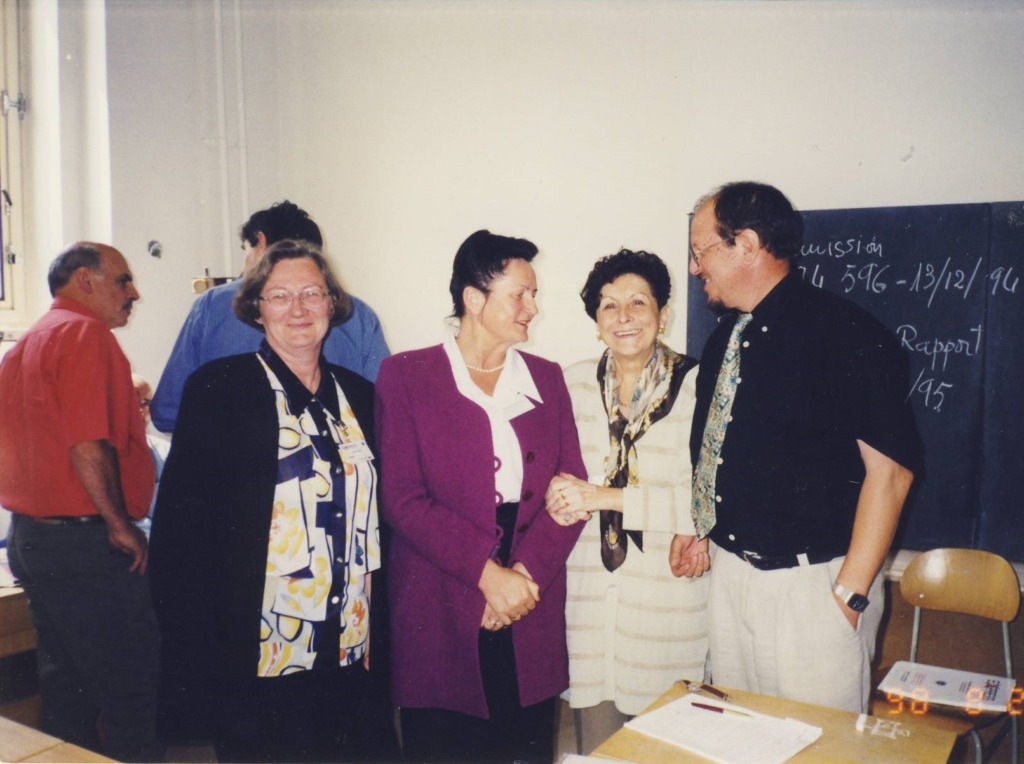
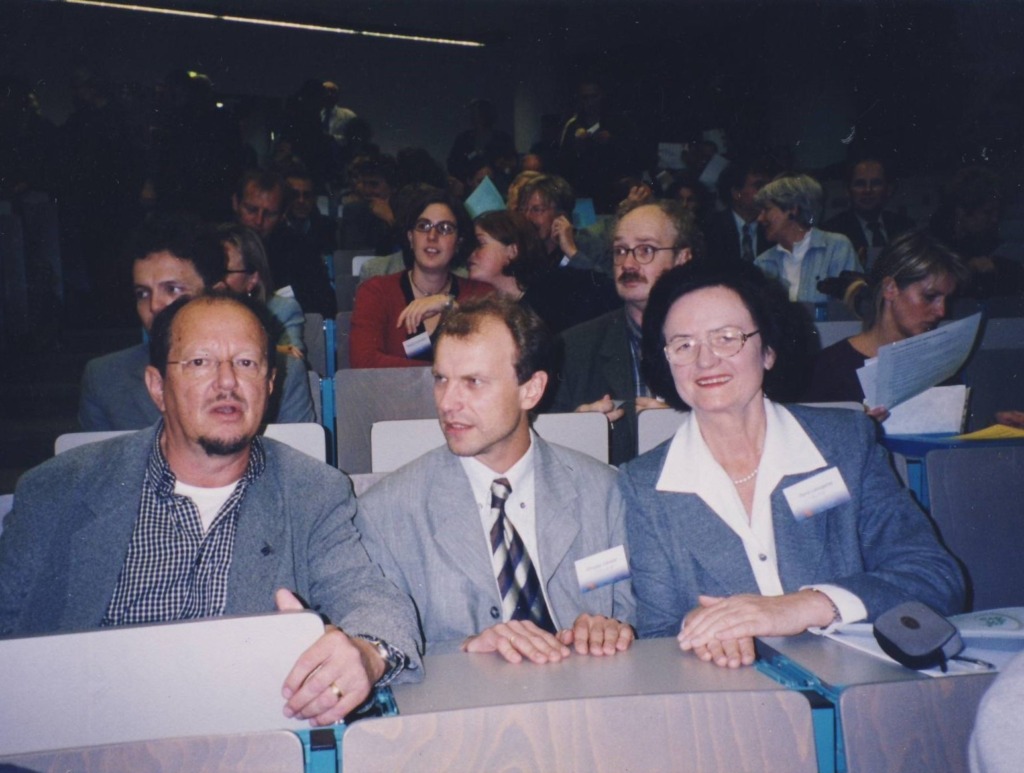
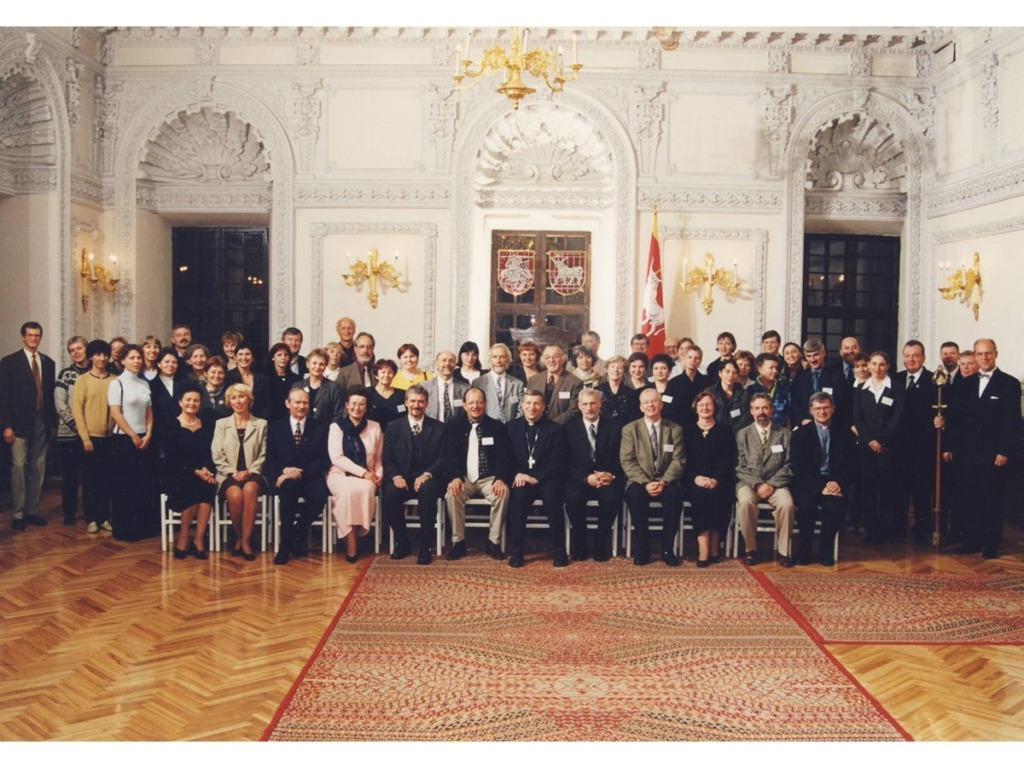
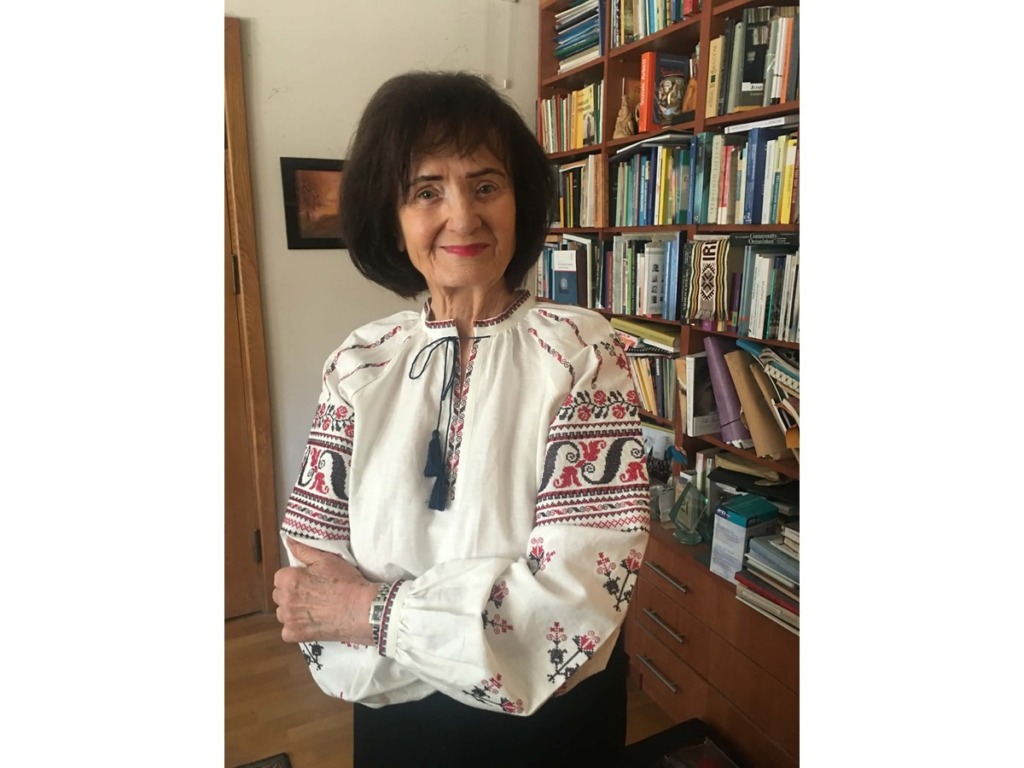
On 21 December, Prof. Irena Leliūgienė, the pioneer of social pedagogy studies in Lithuania, turned 85. In 1993, educator and researcher Irena Leliūgienė was invited to work at KTU Faculty of Administration (later – the Faculty of Social Sciences), and she dedicated 25 years to higher education. The professor developed master’s and bachelor’s programmes in social educology, supervised 7 doctoral dissertations, and established international relations by participating in international conferences. Prof. I. Leliūgienė states: “My motivation to learn and improve throughout my life is the knowledge that what I have learned before can be constantly updated. That is why I learn a lot from the latest scientific literature and being a member of various international associations and federations. Research fellowships and visits to foreign universities help me generate new ideas, which I often apply in my academic and pedagogical activities. I encouraged my students to do the same”. Currently, Prof. I. Leliūgienė is actively involved in public activities, giving presentations at scientific conferences and public lectures on the history of the predecessor of KTU, the University of Lithuania, and the personalities who worked there. Prof. I. Leliūgienė is also a friend and patron of KTU Museum, who donated a valuable historical document to the museum. On the occasion of this honourable anniversary, the Head of KTU Museum, Dr. Audronė Veilentienė, has prepared a virtual exhibition “The Success Story of Professor Irena Leliūgienė”, which reveals the life journey of Prof. Irena Leliūgienė and her contribution to the science and studies of educology in Lithuania. The exhibition features photographs, documents and awards from the personal archive of Prof. I. Leliūgienė, as well as photographs from KTU Photo Archive.
From schoolgirl to head of an experimental school

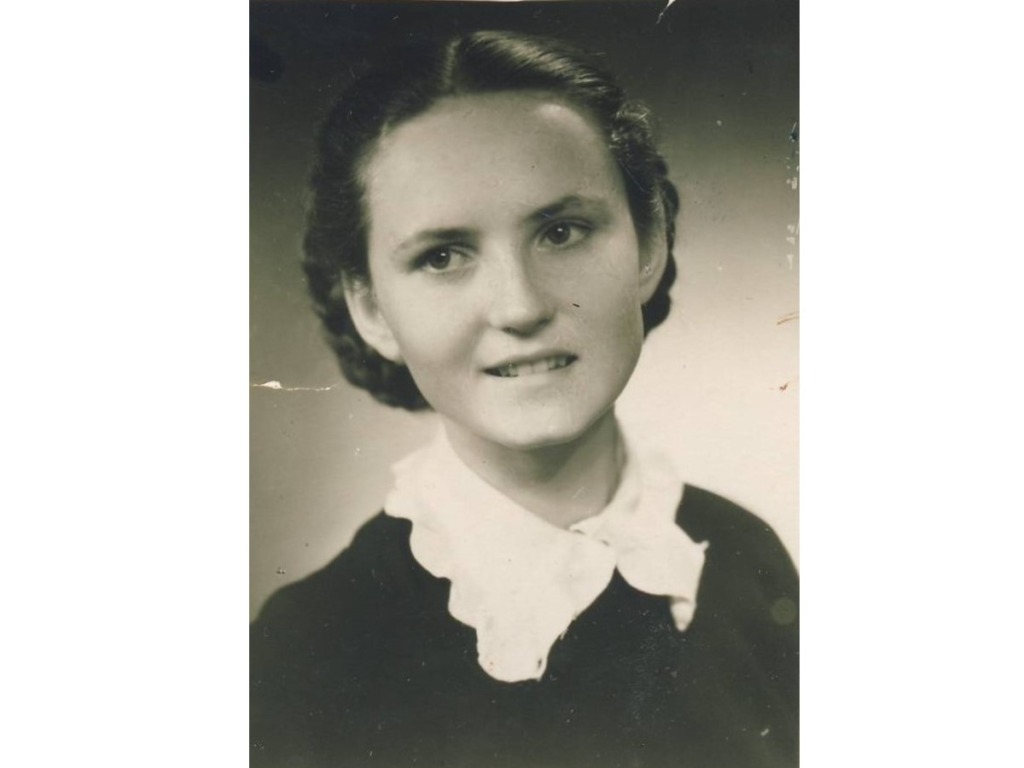
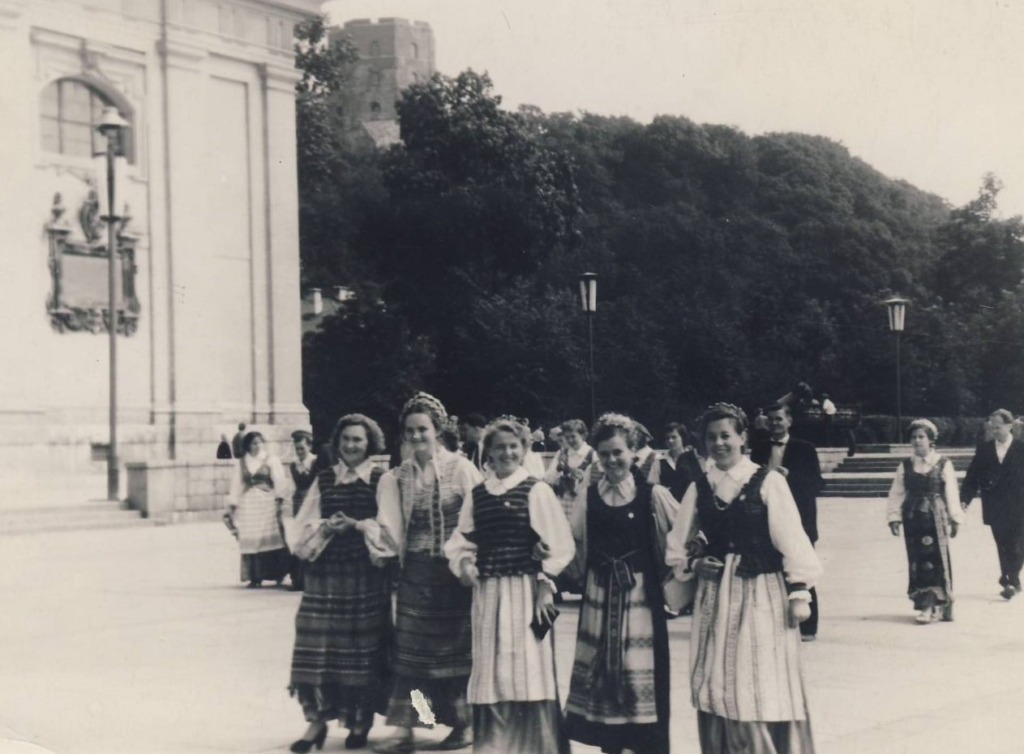
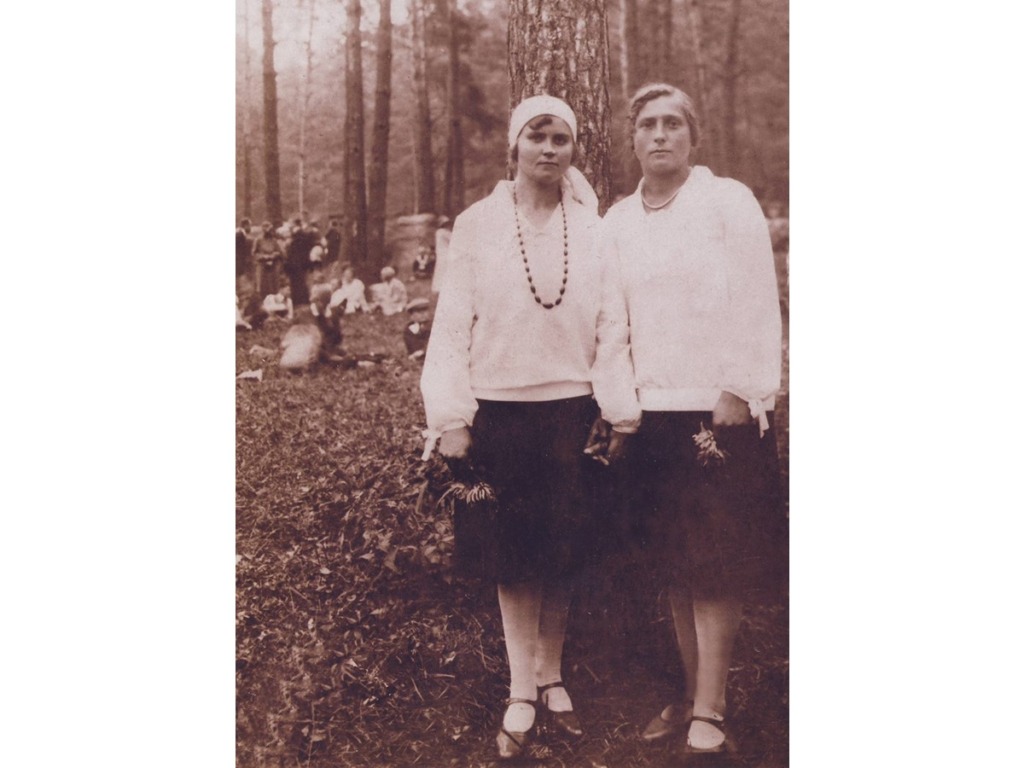
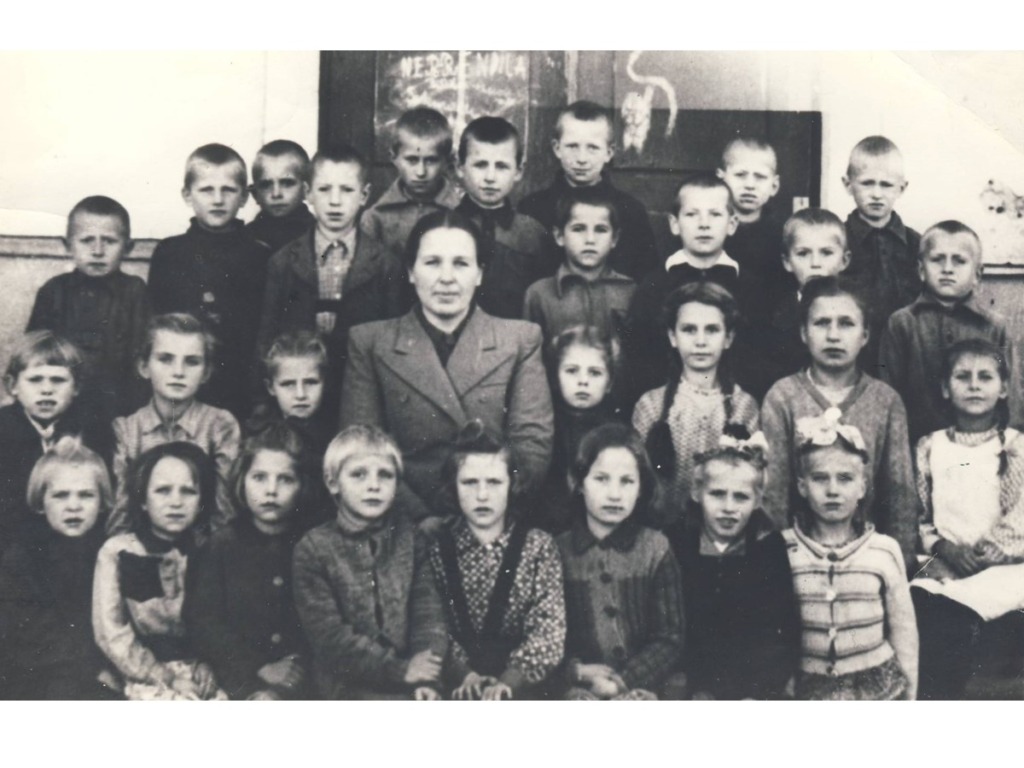
Irena Leliūgienė was born on 21 December 1940 in Kaunas, in Pažaislis Volost. Her father was a highly skilled carpenter, and her mother was a housewife. There were three children in the family. Irena was the eldest daughter, and she worked at children’s camps in Kačerginė, Panemunė, and Pažaislis from the age of sixteen. She studied at Kaunas Secondary School No. 15 (now – Petrašiūnai Secondary School). She excelled in languages, history, music, drawing, geography, and psychology. Irena was naturally very active, sociable, and community-minded: she was a choir member, sang in a vocal ensemble, attended a drama club, acted, was the chairperson of a literary club, and organised discussions of the books.
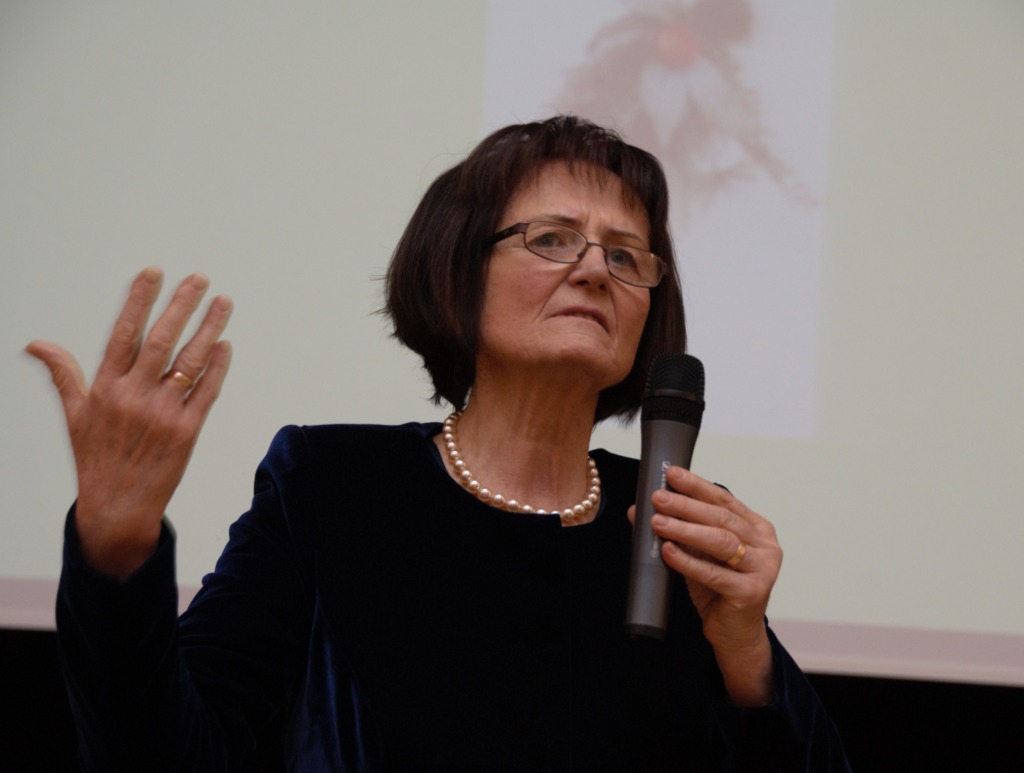
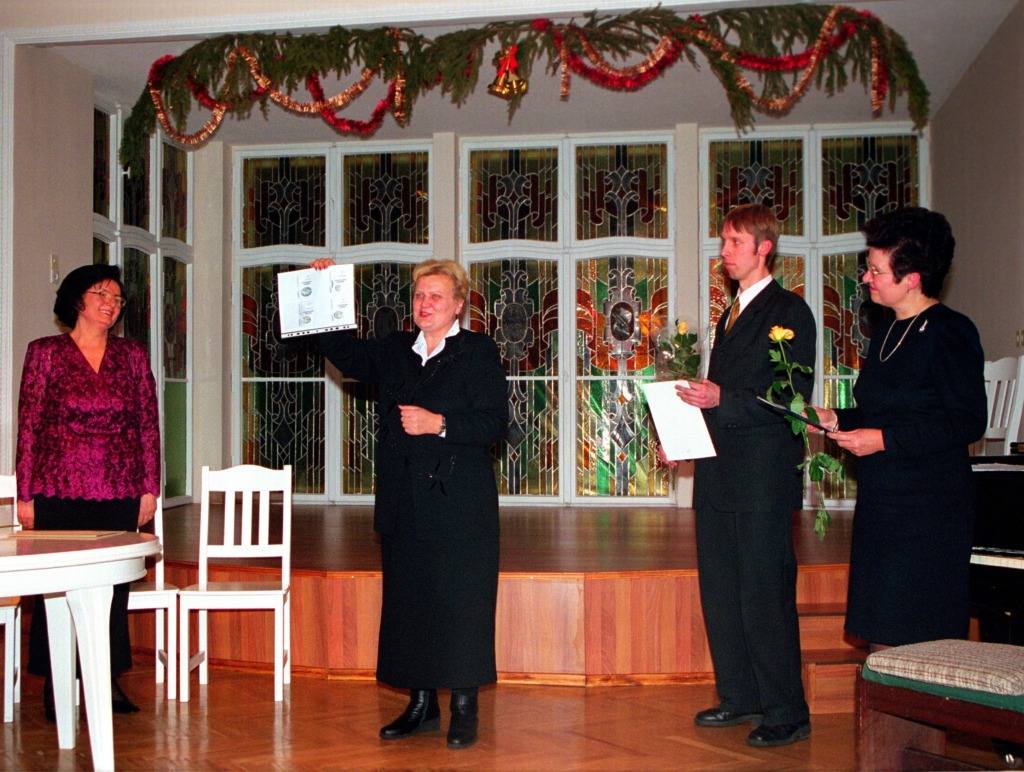
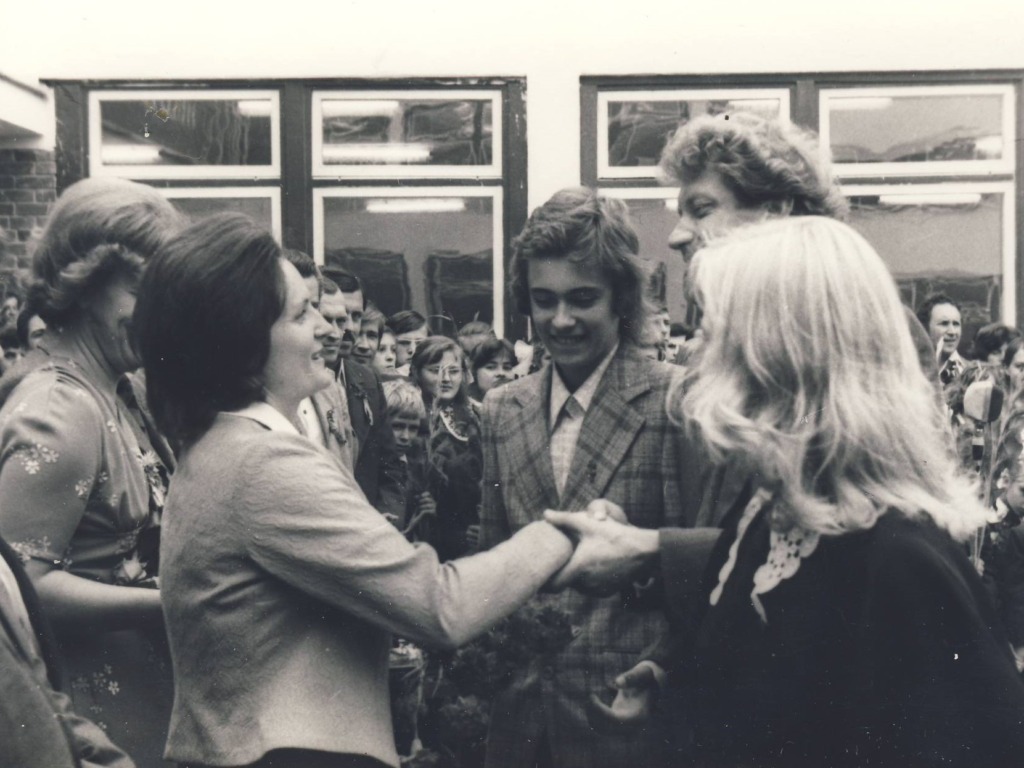
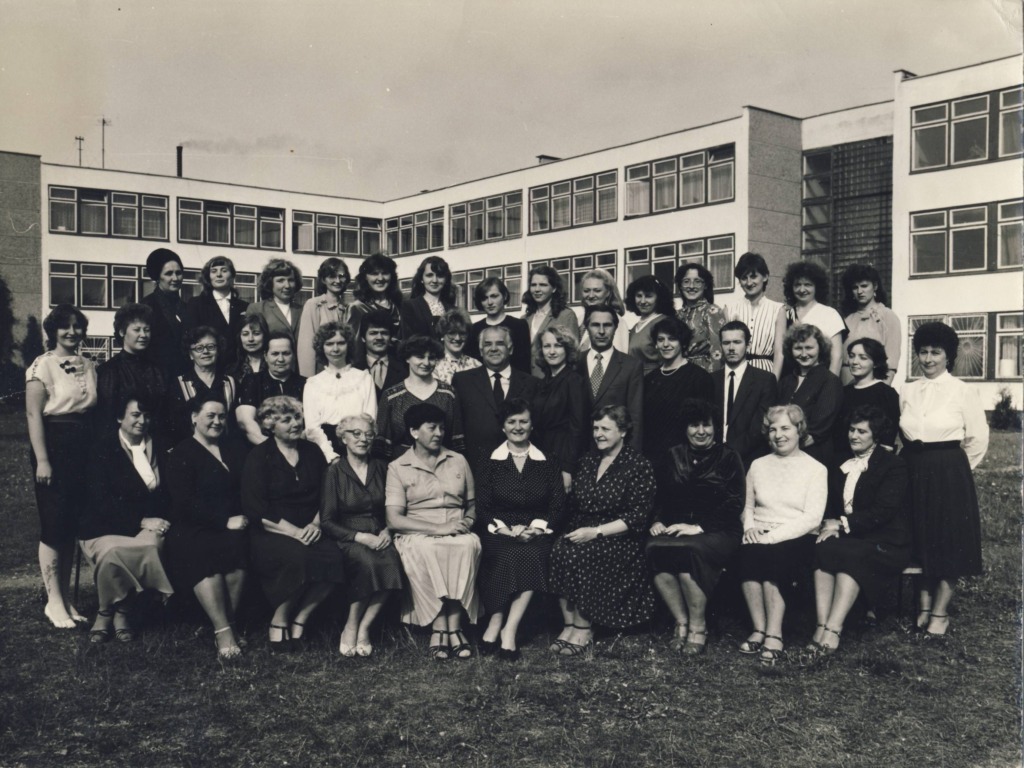
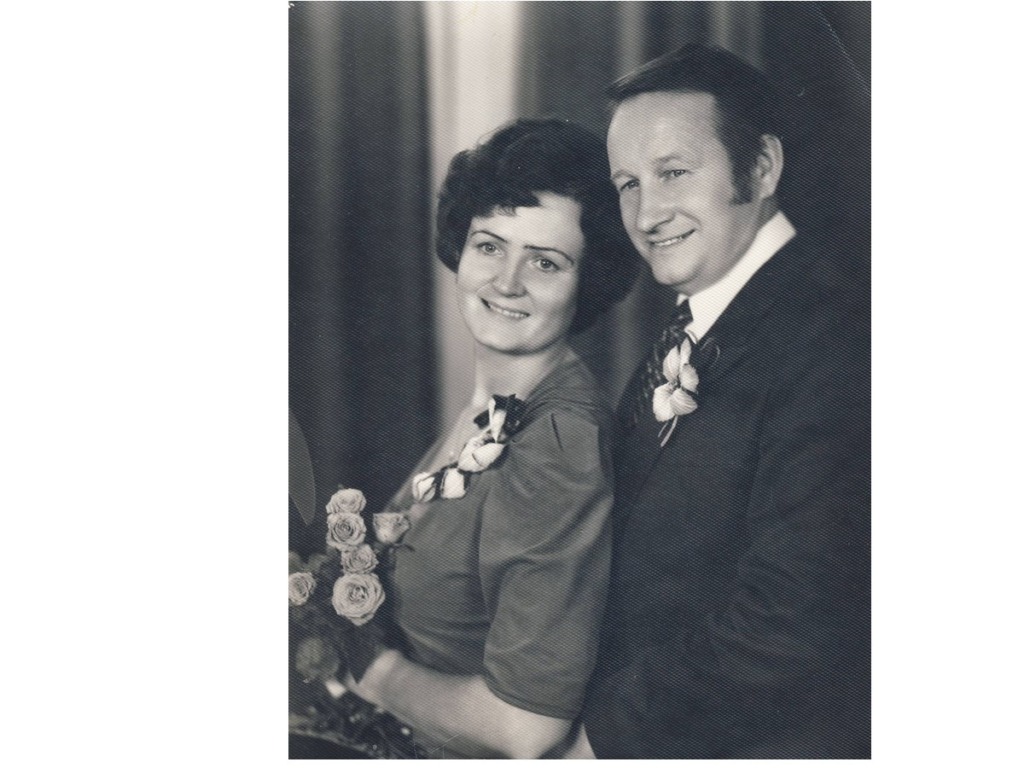
In 1961, Irena Leliūgienė enrolled in the Faculty of Philology at Vilnius University. In 1969, she started a family, and in 1971, while raising her son Andrius and working, she graduated from university with a degree in Lithuanian language and literature and a teacher’s diploma. After graduation, she was invited to work as deputy director at Kaunas Secondary School No. 13. In 1976, she was appointed director of the newly built Palemonas School. At Palemonas Secondary School, after consulting with parents, I. Leliūgienė introduced intensive English language teaching and intensive vocational training, and many innovations were introduced in the field of primary education, especially in the field of non-formal education. Moreover, Palemonas Secondary School began participating in an international experiment to create a model of an environmentally friendly school. While working as a director, Irena gave birth to her daughter Ieva in 1981. In 1985, she enrolled in a part-time doctoral programme, and in 1989, she defended her doctoral dissertation at Vilnius University, entitled “The Pedagogical Unity of School and Social Environment – a Factor in Student Education,” the empirical part of which was an educational experiment conducted in Palemonas community. Prof. P. Jucevičienė states: “This dissertation is the result of the unity of theory and practice, because while preparing it, I. Leliūgienė was the director of the former Palemonas Secondary School, where she introduced her well-reasoned model of the unity of school and social environment. This model has been successfully adapted by various schools to date, achieving excellent results in the socialisation of students. Such students are better prepared for life, further studies, and work. This is relevant on a global scale.”

It was at Palemonas School that the institution of social pedagogy was established for the first time in the history of Lithuanian pedagogy. The school also had a very interesting and unique museum of fur artistic toys by folk artist Stasė Samulevičienė, which was open to visitors from all over Lithuania. Palemonas School was a leading school in Kaunas and well known throughout Lithuania. In addition, from 1986 to 1991, I. Leliūgienė taught at Kaunas Evening Faculty of Vilnius University (since 1989 – Kaunas Faculty of Humanities).

Creation and development of social education studies at KTU

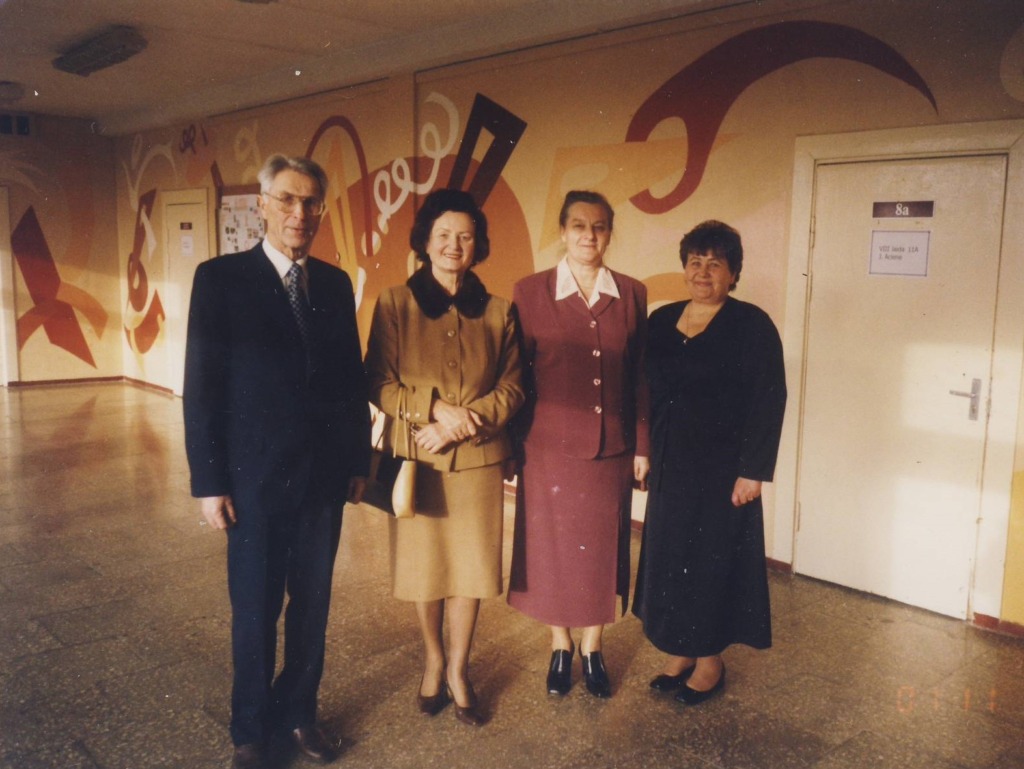
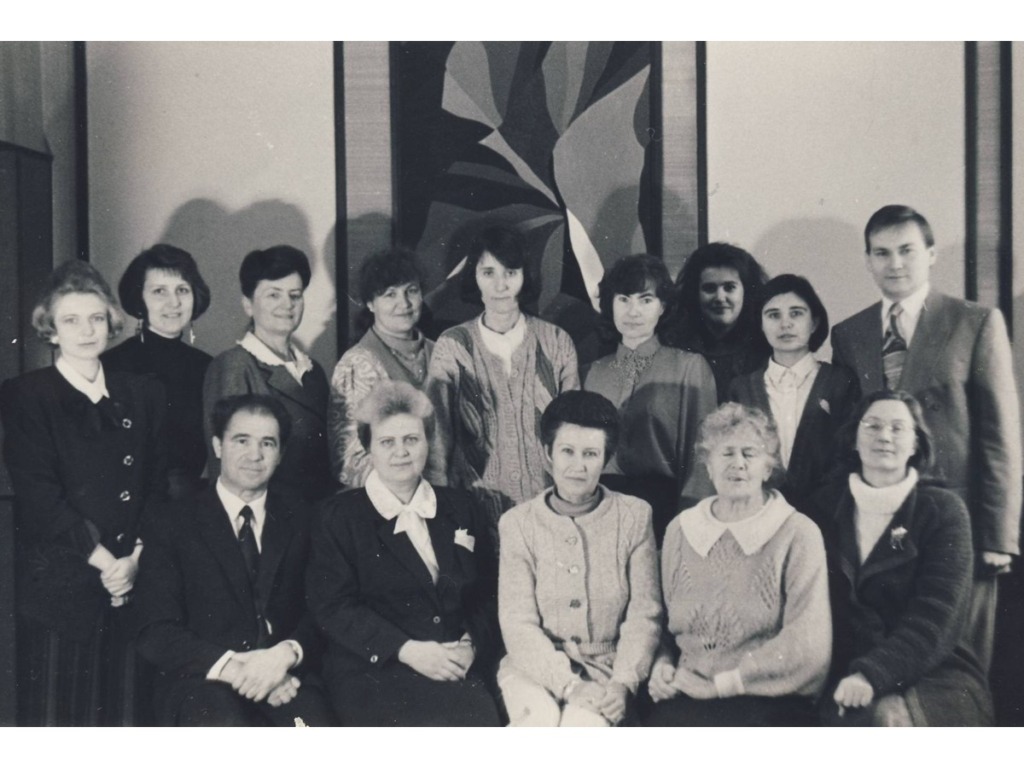
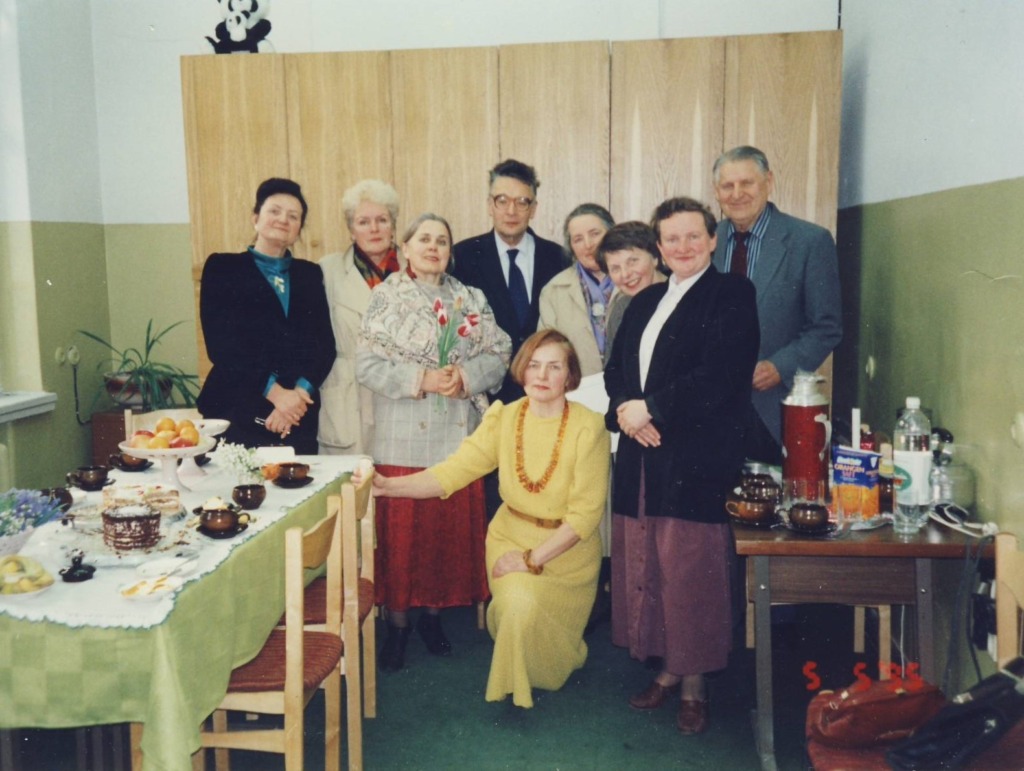
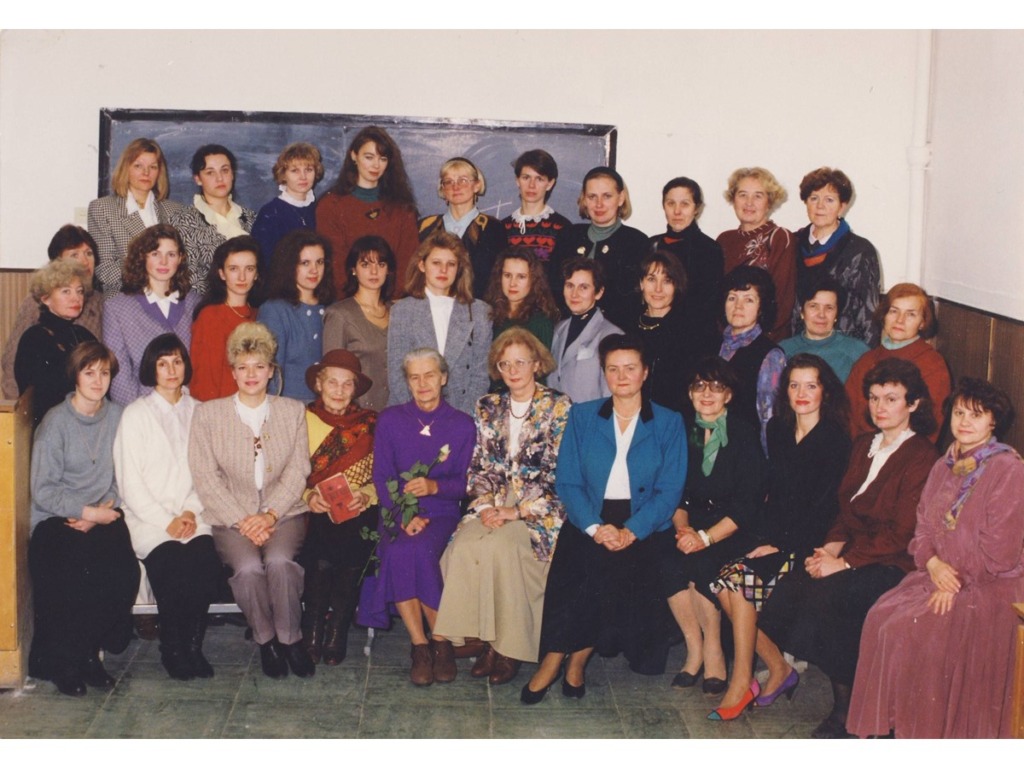
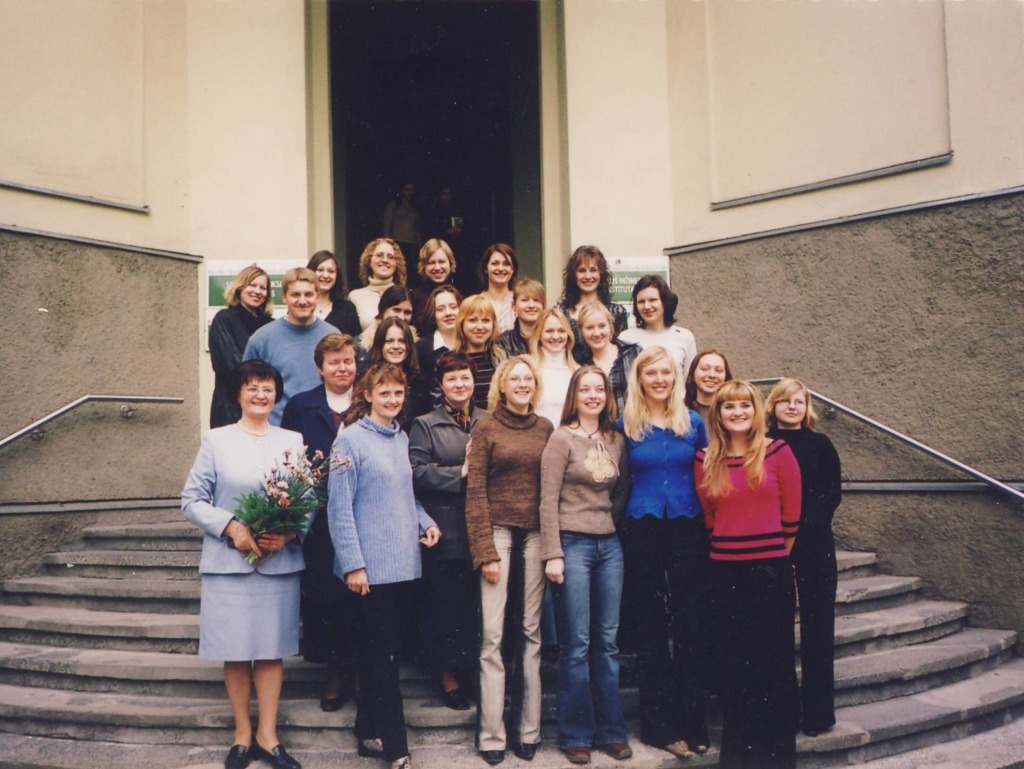
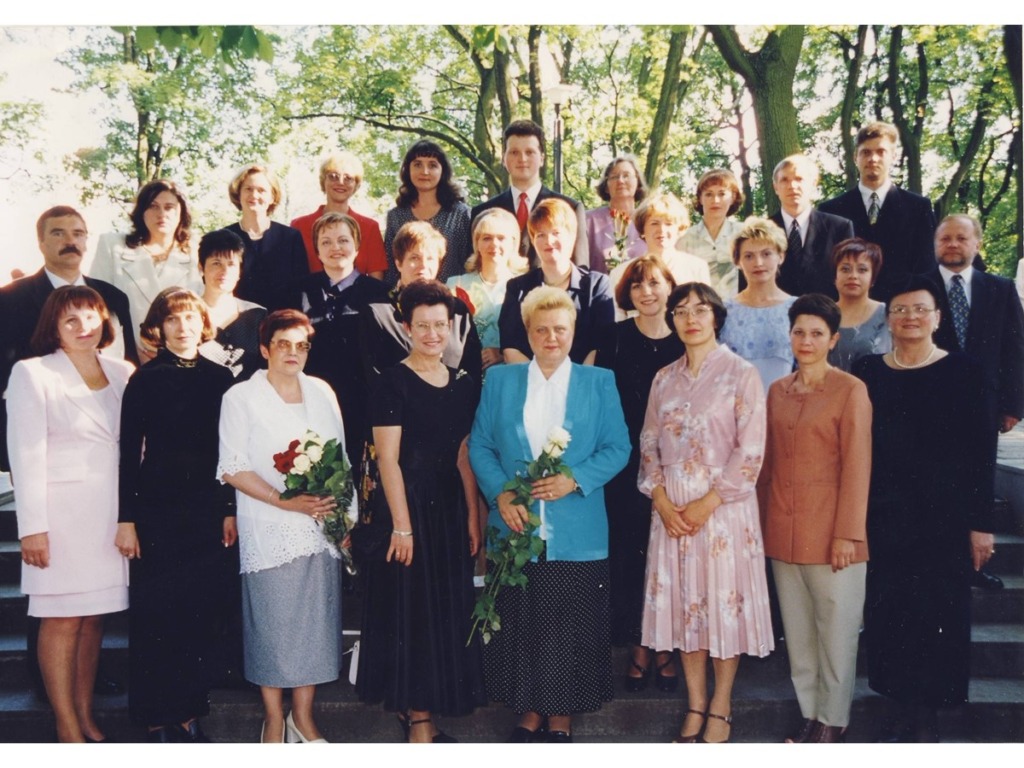
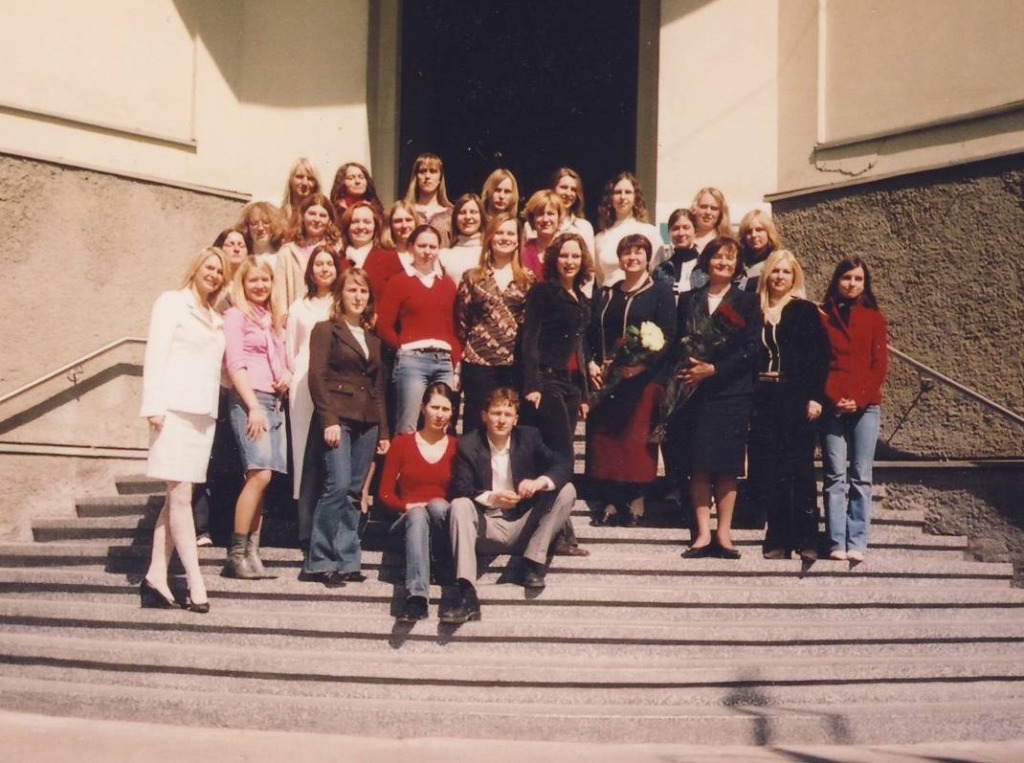
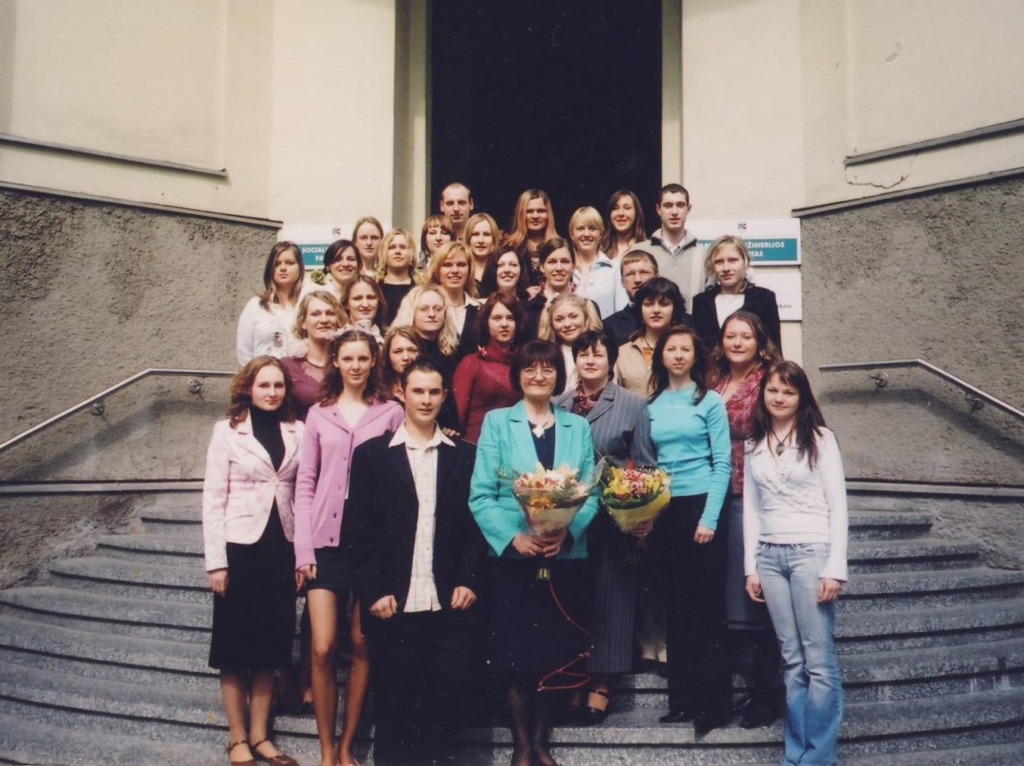
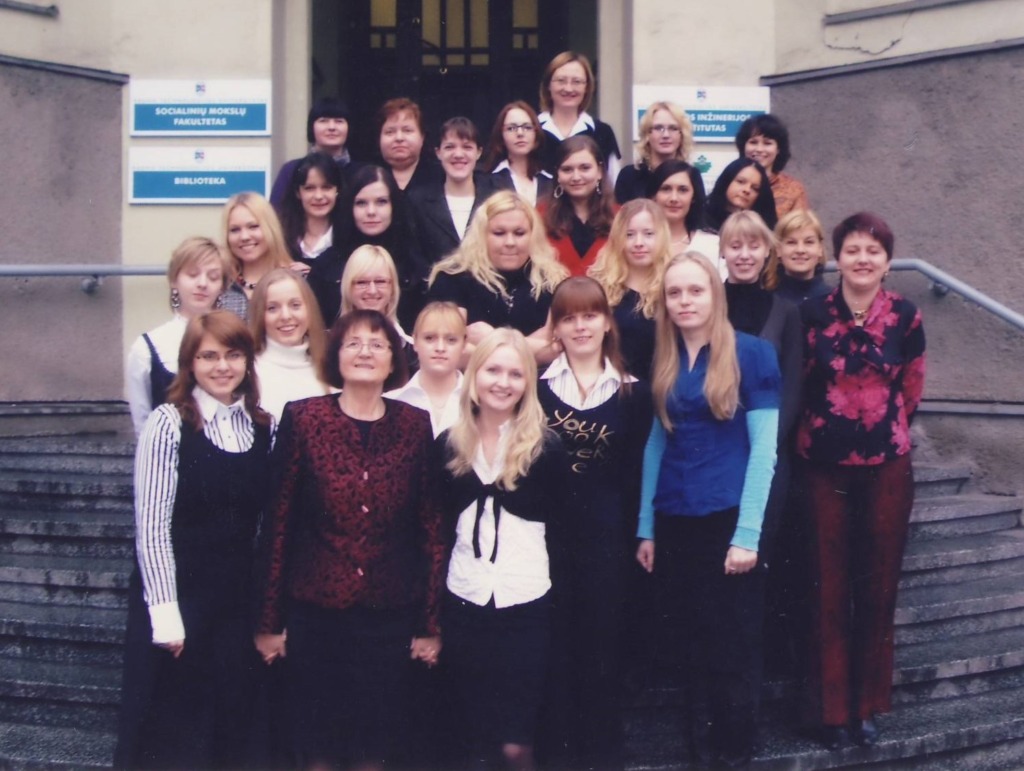
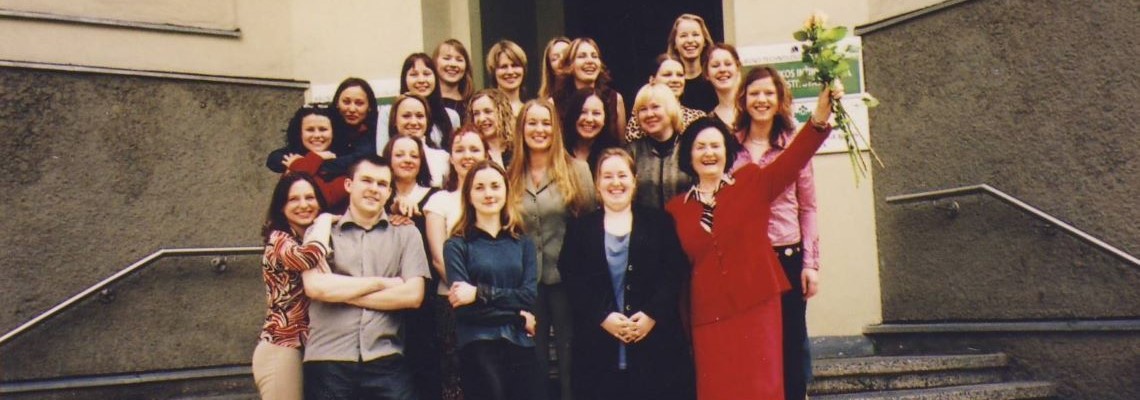
In 1993, Prof. Palmira Jucevičienė and Dean Viktorija Baršauskienė took an interest in the work of researcher and practitioner I. Leliūgienė. They invited her to work at the Department of Education Systems Management at the Faculty of Administration of Kaunas University of Technology and gave her an assignment to create a master’s degree programme in education with a specialisation in social pedagogy, as well as establish a Centre of Women’s Studies. From 1993 to 1998, she was the head of this centre, and about 500 women completed their studies there. The cultural life of the faculty became more vibrant. Professor I. Leliūgienė wrote: “We got the Centre of Women’s Studies so busy with the twelve teachers who taught modules there that we could not keep up with the visitors. And the master’s studies went quite well. My first students were Mantas Masaitis, Janas Ryzgelis, Elvyra Bačėnienė – directors of schools and others who now hold high positions.” Later, Prof. P. Jucevičienė invited her to create bachelor’s and master’s degree programmes in social pedagogy, which were successfully implemented. Prof. I. Leliūgienė taught social pedagogy, social work methodology, comparative social education theory and practice, social work in the community, social work management, and individual social empowerment in Europe to students of bachelor’s and master’s programmes at Lithuanian universities. Prof. I. Leliūgienė completed internships in the United States (1991, 2000), Russia (1991–1992), the Netherlands (1998), and Stockholm (2003). In 1997, she drafted the Code of Ethics for Social Workers of Lithuania. In 1997–1998, she worked in a working group at the Lithuanian Ministry of Social Security and Labour together with the Dutch Welfare Institute under the Dutch Government, helping to prepare qualification documents for Lithuanian social workers.

The main areas of I. Leliūgienė’s research activities were effective performance management, educational, women’s and children’s social problems, individual socialisation and adaptation, training and professionalisation of socio-educational work specialists, social work in the community, and comparative social pedagogy. Prof. Dr. Irena Leliūgienė actively participated in the development of doctoral studies in Lithuania as a dissertation supervisor, committee member, and opponent. She also reviewed many scientific monographs, textbooks, and scientific studies prepared by researchers from other universities. Prof. I. Leliūgienė worked at KTU until the end of the 2013 academic year. In 2010, Prof. I. Leliūgienė wrote: “I am a happy researcher because I can already see the ideas from my dissertation being implemented in educational institutions according to the law. These are the seeds of social pedagogy sown in 1990, which are now 20-year-old sturdy linden and oak trees that would be difficult to uproot”.

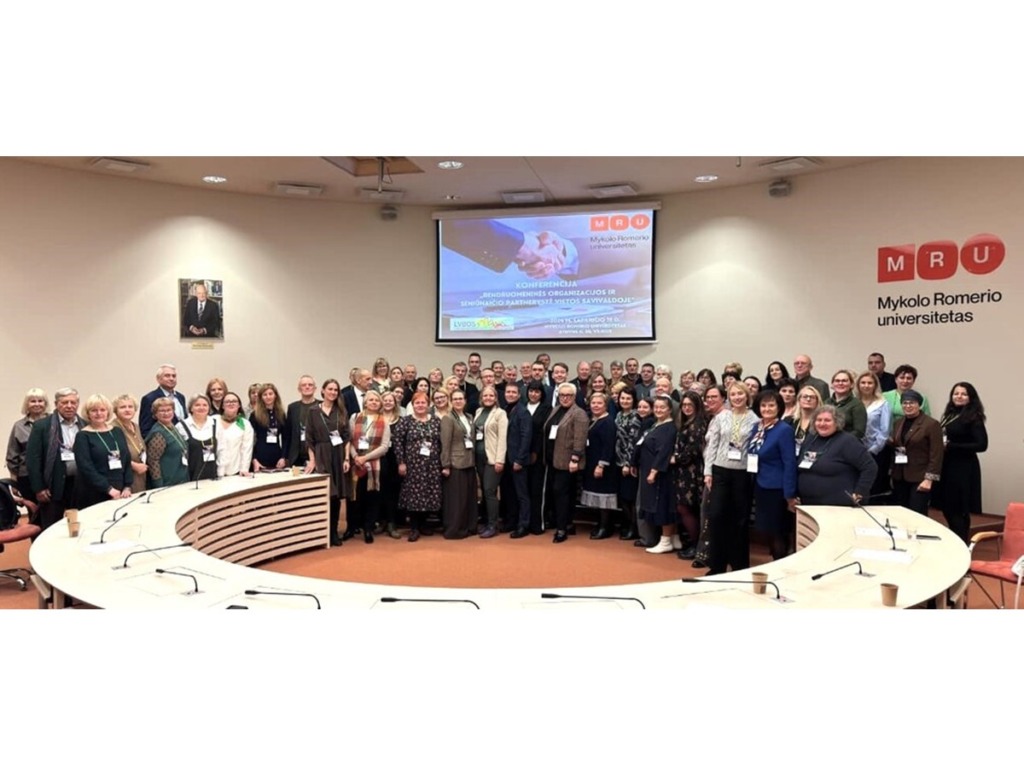
In 1994–1999, I. Leliūgienė also taught at the Lithuanian University of Agriculture, in 1994–2007, at Utena Medical College, in 2000–2008, at the Catholic University of Kortrijk, in 1998–2002, at the Lithuanian University of Educational Sciences, in 2003–2008, at Klaipėda University, and in 2005 and 2013–2017, at Mykolas Romeris University. After completing her academic career at MRU, Prof. I. Leliūgienė was awarded the status of affiliated professor by a resolution of the MRU Senate for her active research and pedagogical activities, which opened up opportunities for her to continue representing MRU in various scientific, social, and educational activities.

Establishing international relations

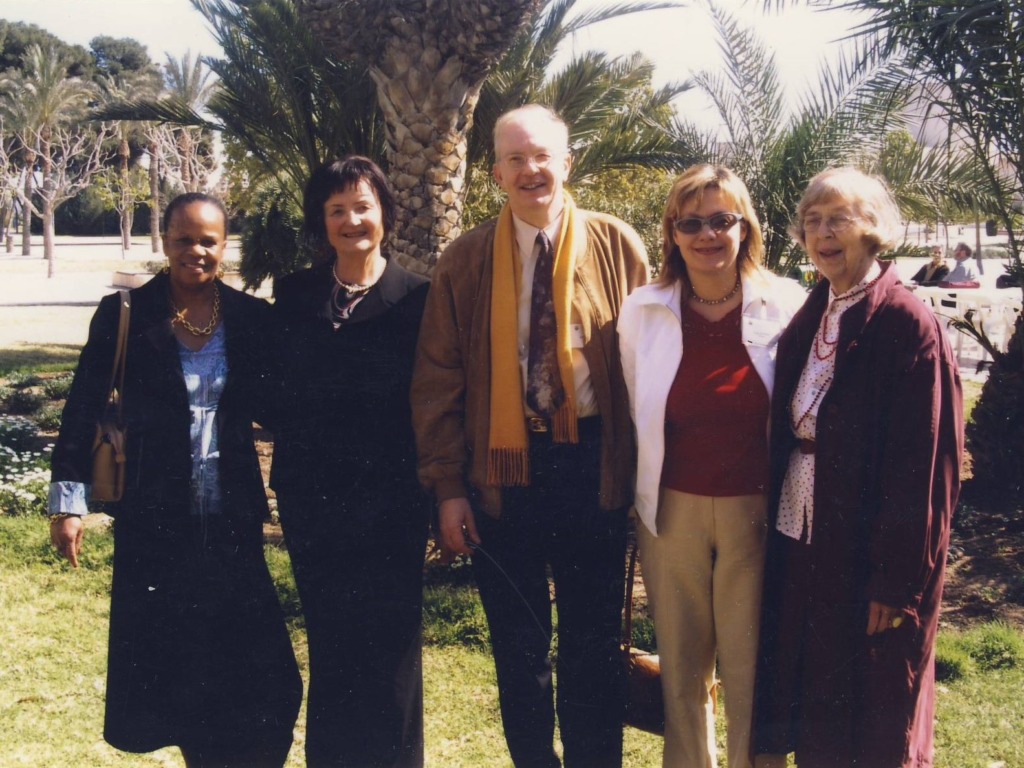
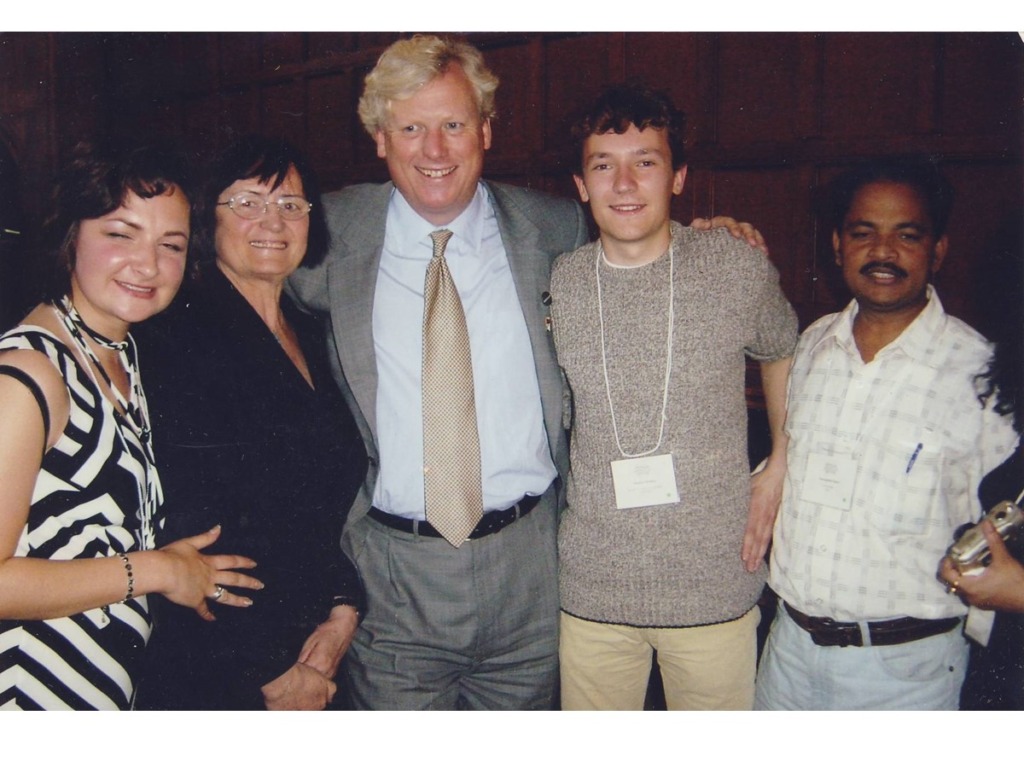
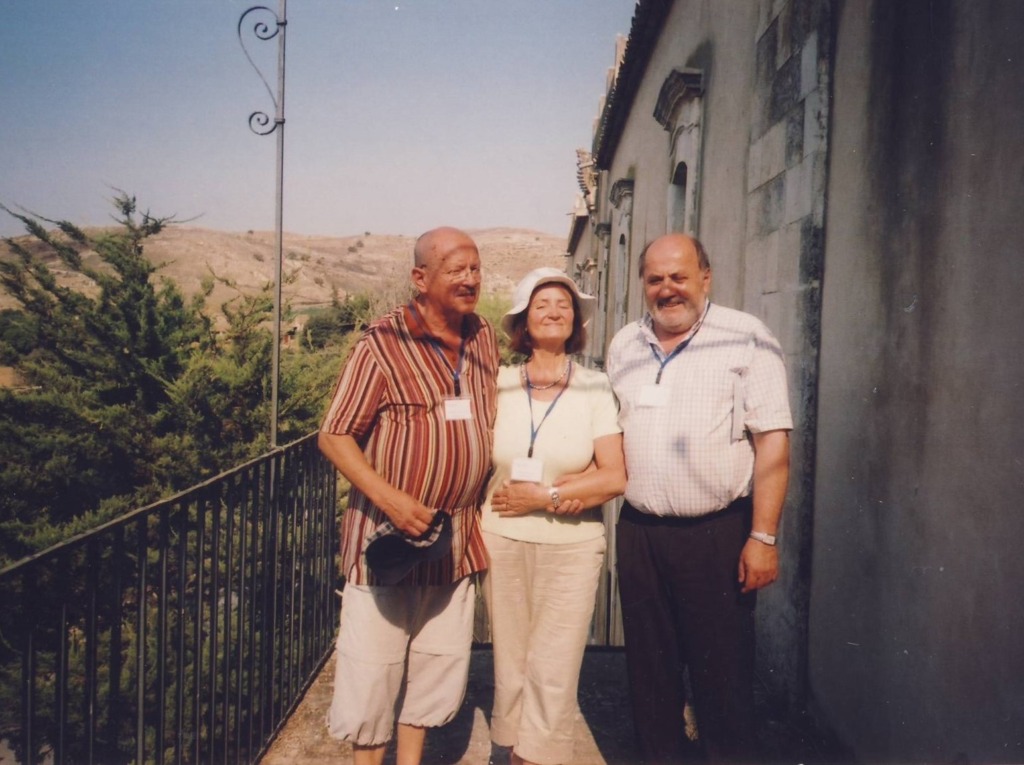
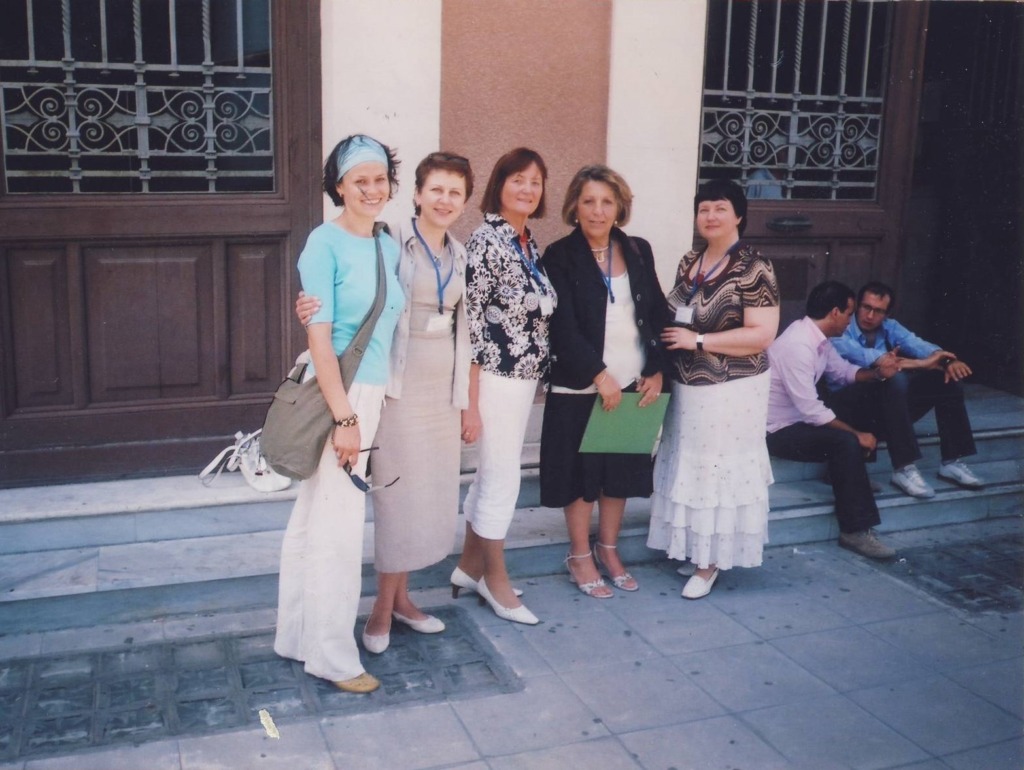
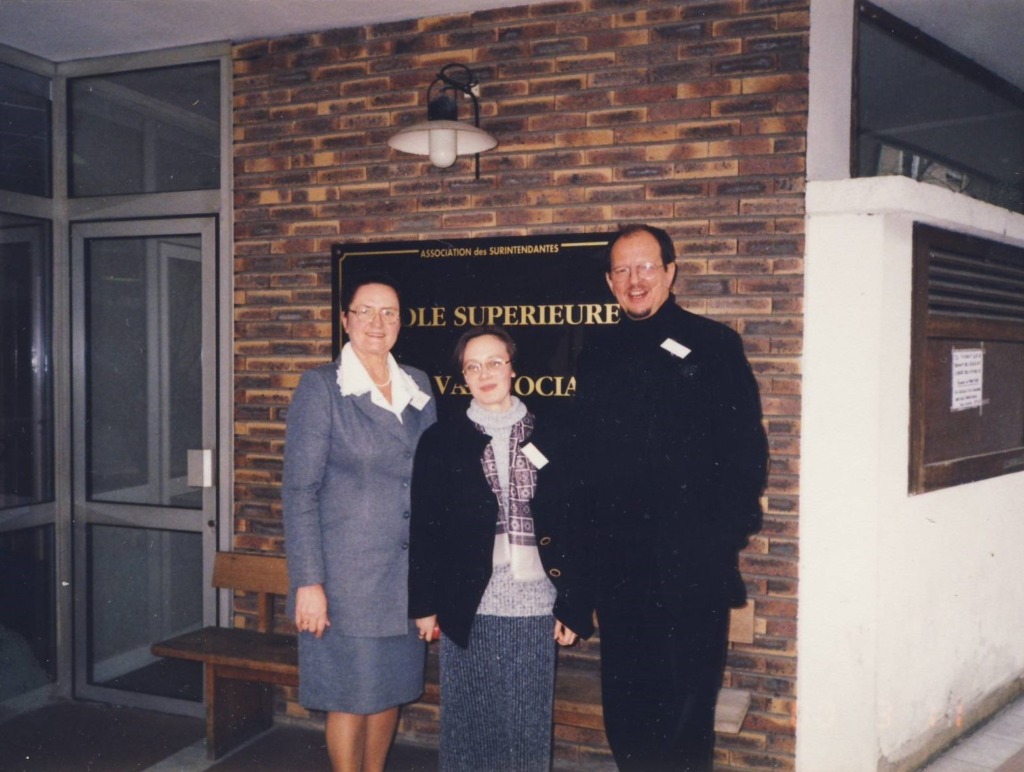
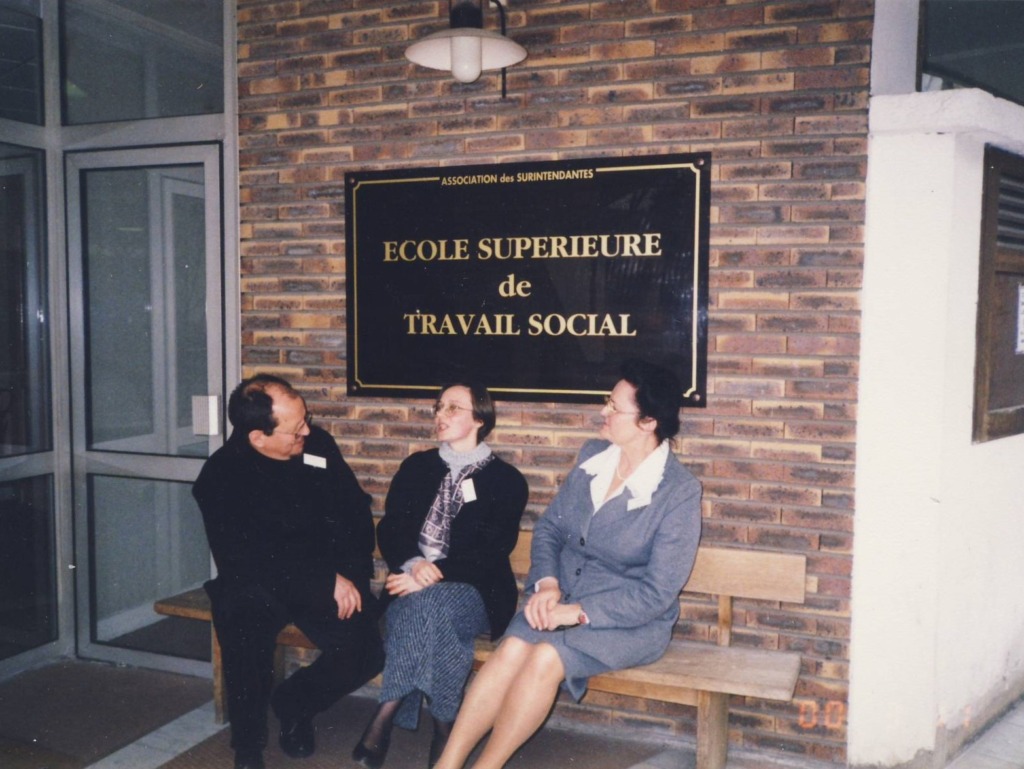
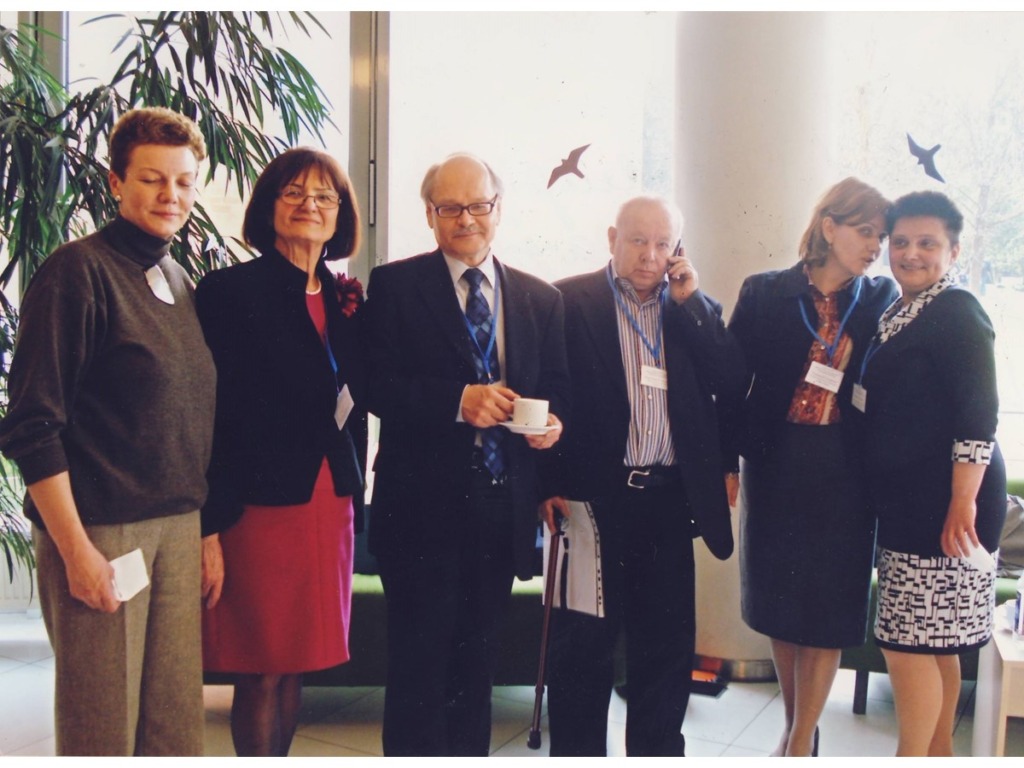
KTU Prof. Irena Leliūgienė was provided with excellent conditions for active participation in international organisations. The professor wrote: “I am going abroad not to be a tourist, but to bring back new ideas, new contacts, and exchange programmes.” She initiated student and teacher mobility programmes with the universities of Koblenz, Frankfurt am Main, Leeuwarden, Vienna, Messina, and Kortrijk. Prof. I. Leliūgienė also initiated the organisation of several international conferences at KTU. Prof. P. Jucevičienė wrote: “The participation of KTU educators (primarily Prof. I. Leliūgienė) in the international doctoral network of the Transnational Institute for Social Work and Society (TISSA) ensured that doctoral students researching social educology topics had the opportunity to express themselves in an international context. During the international doctoral network TISSA and the Socrates Erasmus project “New Models of Activity in European Social Work,” an innovative interdisciplinary doctoral study programme was created in the area of social work, and an interdisciplinary module of 20 European credits “New Models of Activity in European Social Work” was implemented. Prof. I. Leliūgienė was a long-standing member of FESET (European Federation of Educators in Social Education). She has been and continues to be actively involved in international associations: IFS (International Federation of Settlements and Neighbourhood Centres); TiSSA (International Alliance of Social Work Researchers “Social Work and Society”) and LETA (Lithuanian Educational Research Association).

Achievements and their acknowledgement

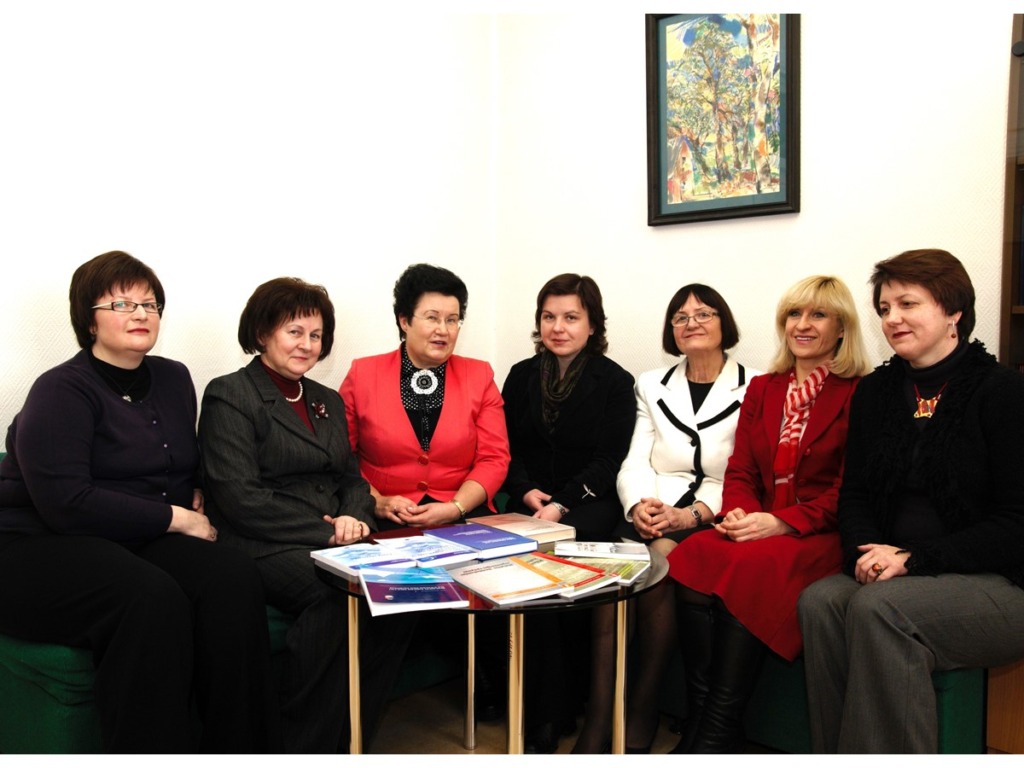
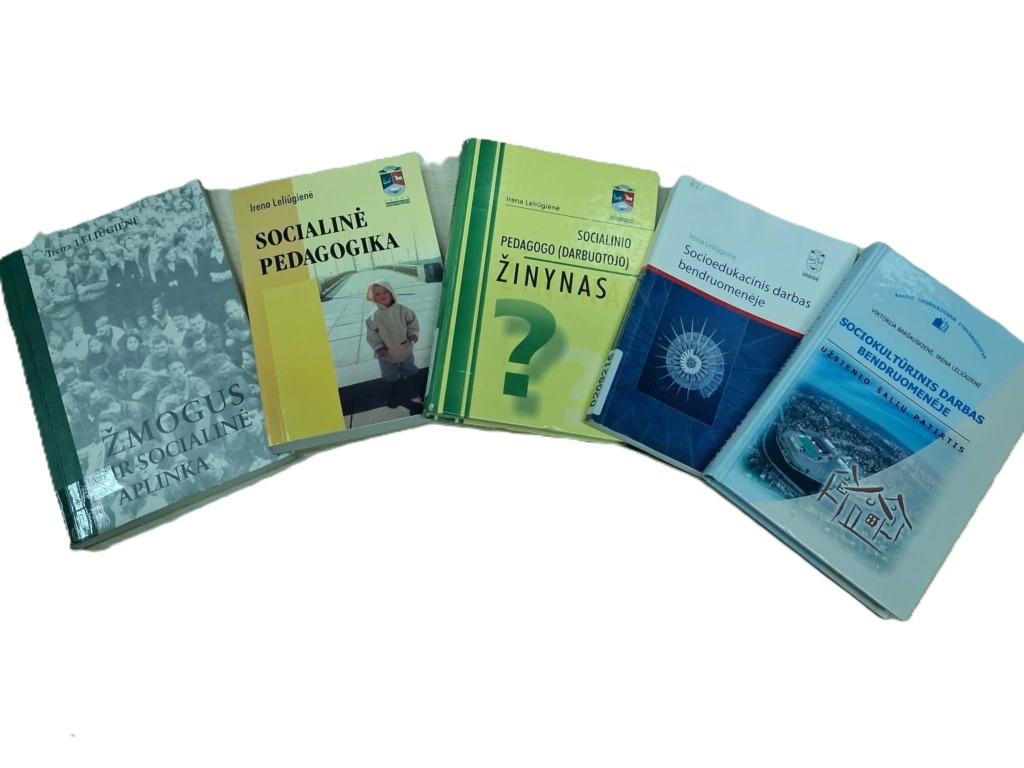
25 years devoted to higher education in Lithuania were very meaningful and fruitful for Prof. I. Leliūgienė: she wrote 3 textbooks, co-authored three scientific monographs, and published numerous scientific articles. Her most important works are: “Educology Ideas for the Modernisation of the Lithuanian Education System” (with other, authors 1998), “Socio-Cultural Work in the Community: Experience of Foreign Countries” (with Viktorija Baršauskienė, 2001), “Higher Education and National Development: Universities and Societies in Transition (with other authors, 2007), “Socio-Educational Work in the Community (2012). Textbooks for higher education institutions: “Individual and the Social Environment” (1997), “Social Pedagogy” (2002). The latter textbook was the first conceptual textbook on social pedagogy. She also prepared the “Social Educator (Worker) Handbook” (2002). Prof. P. Jucevičienė wrote: “I. Leliūgienė, who began working in KTU educational research group (where she worked for 20 years), brought together a group of researchers studying social education issues, which she also led. She supervised 7 doctoral students who successfully defended their dissertations. Based on a comparative analysis of scientific and practical experience in various countries (especially Germany and Sweden) and empirical research conducted in Lithuania by herself and her doctoral students, Prof. I. Leliūgienė formulated and substantiated the concepts of social education, schools open to the environment, and social and community education for pupils in their place of residence. This is a significant contribution to the Lithuanian as well as the global treasure trove of scientific knowledge in educology.”

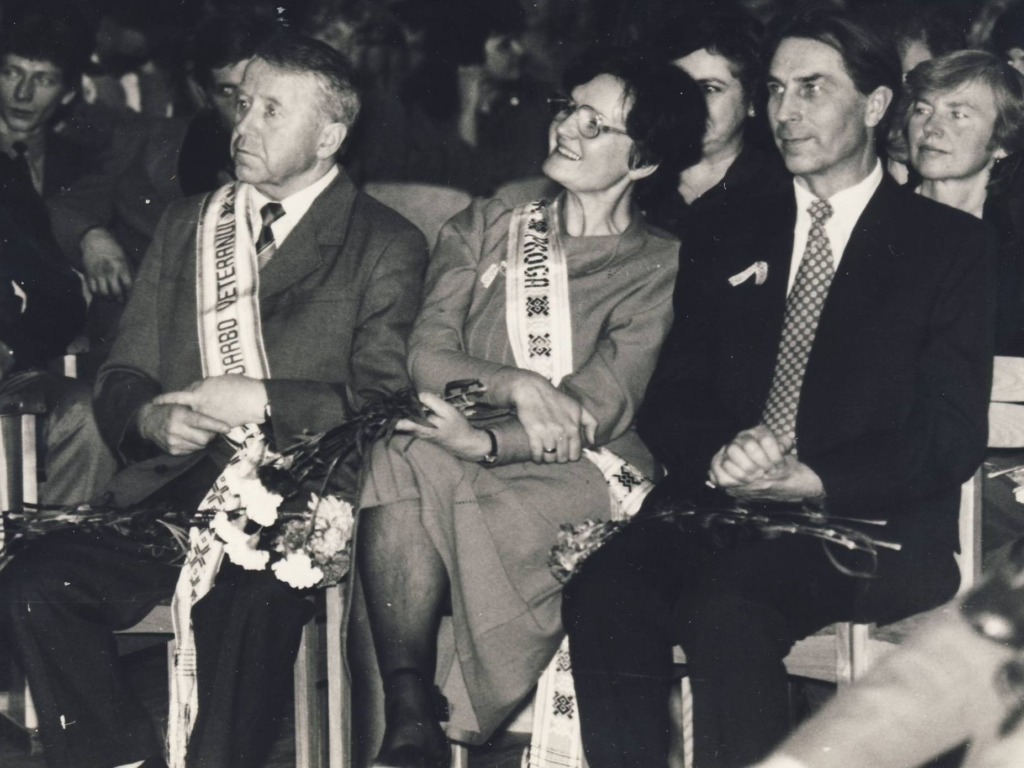
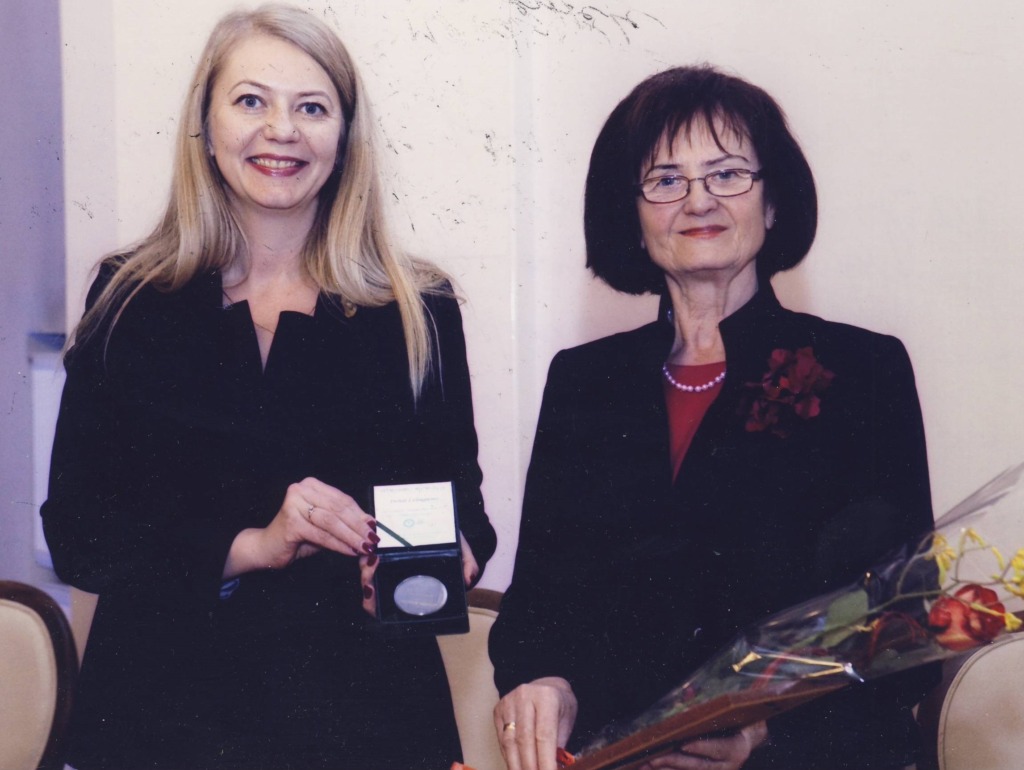
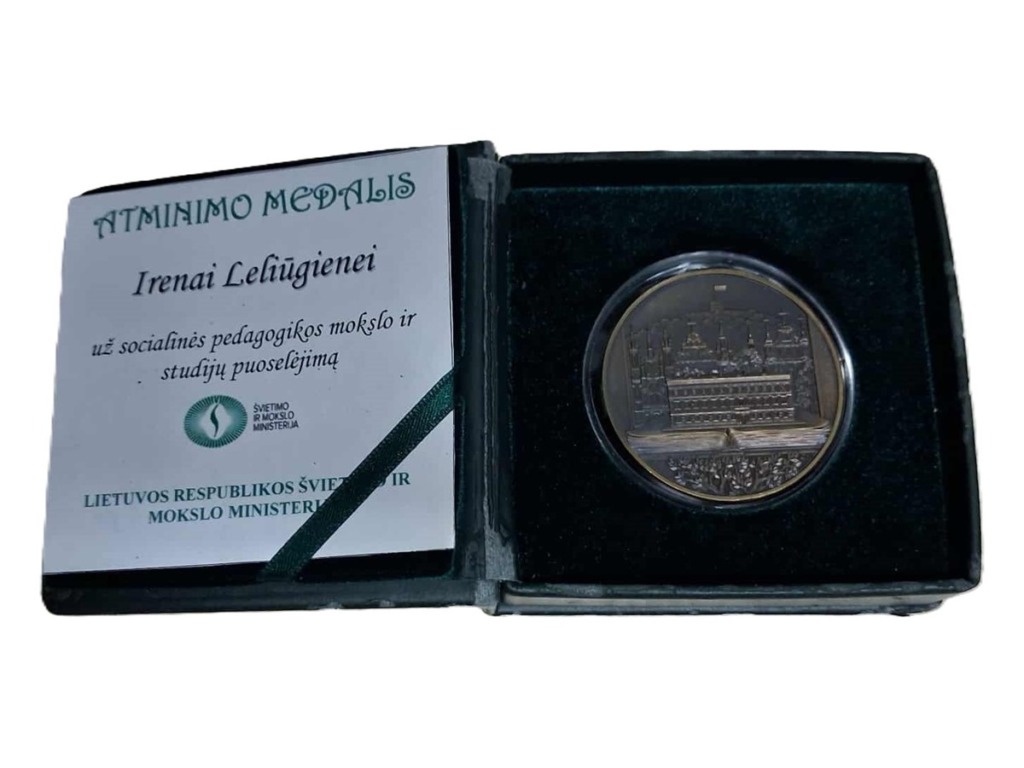
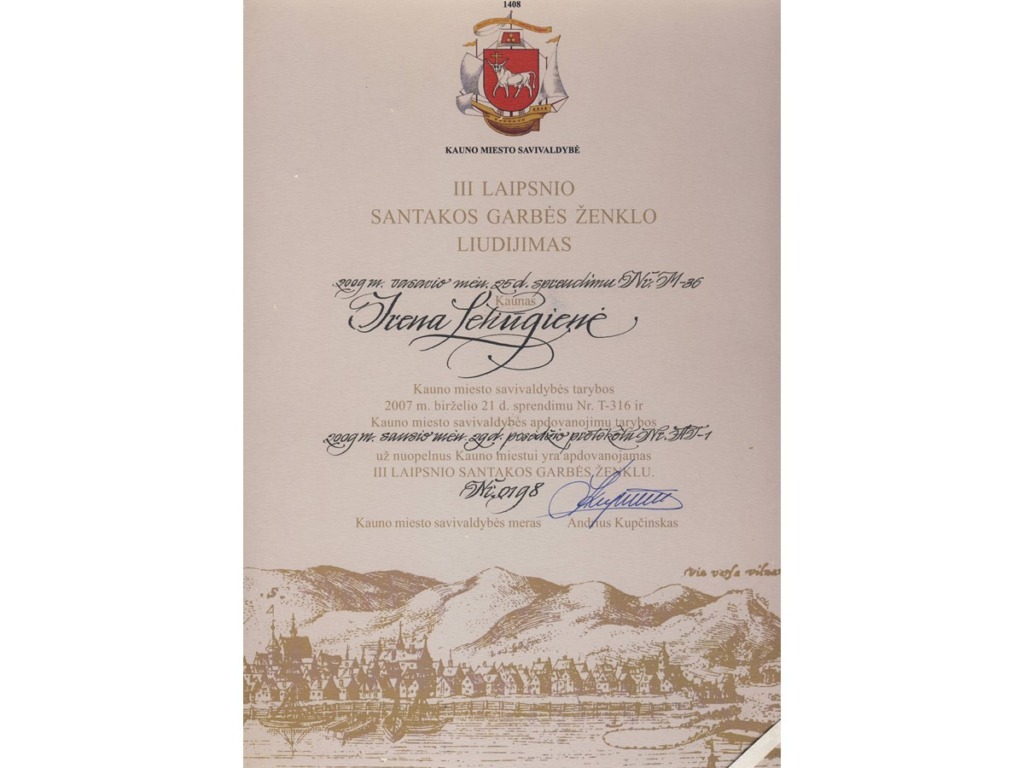
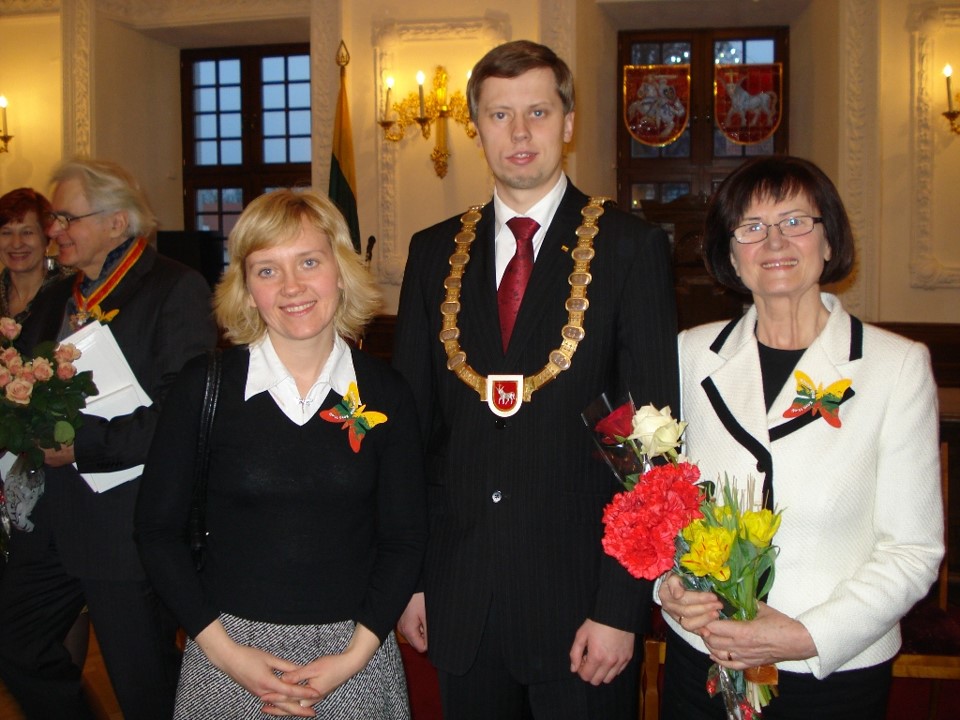
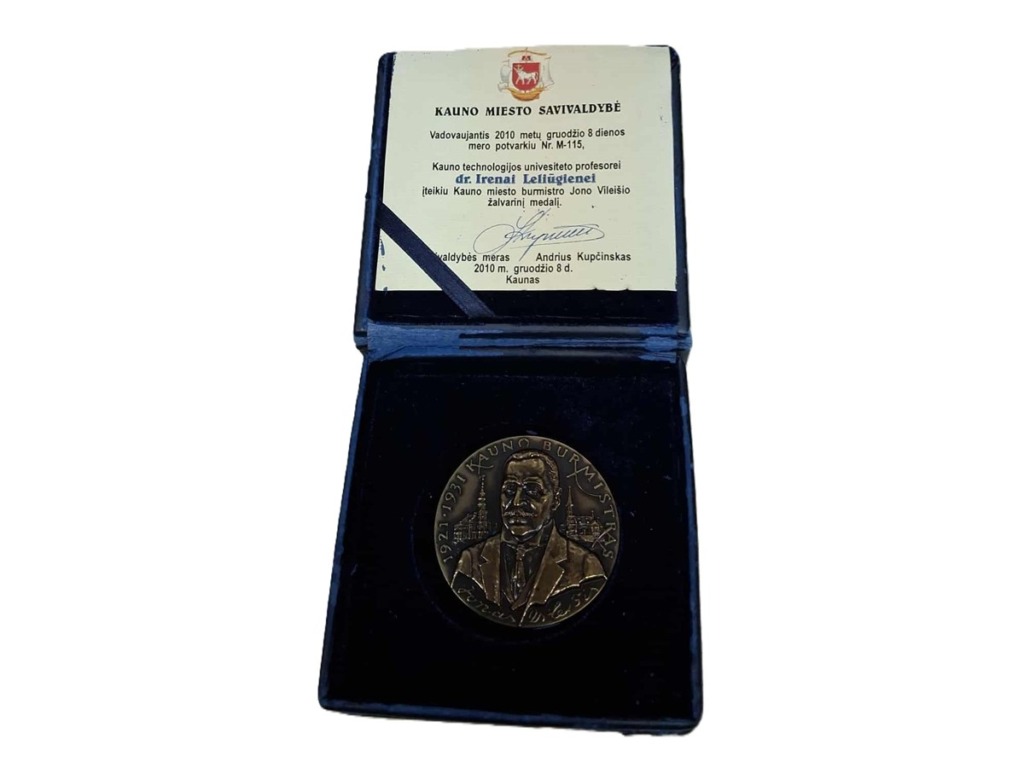
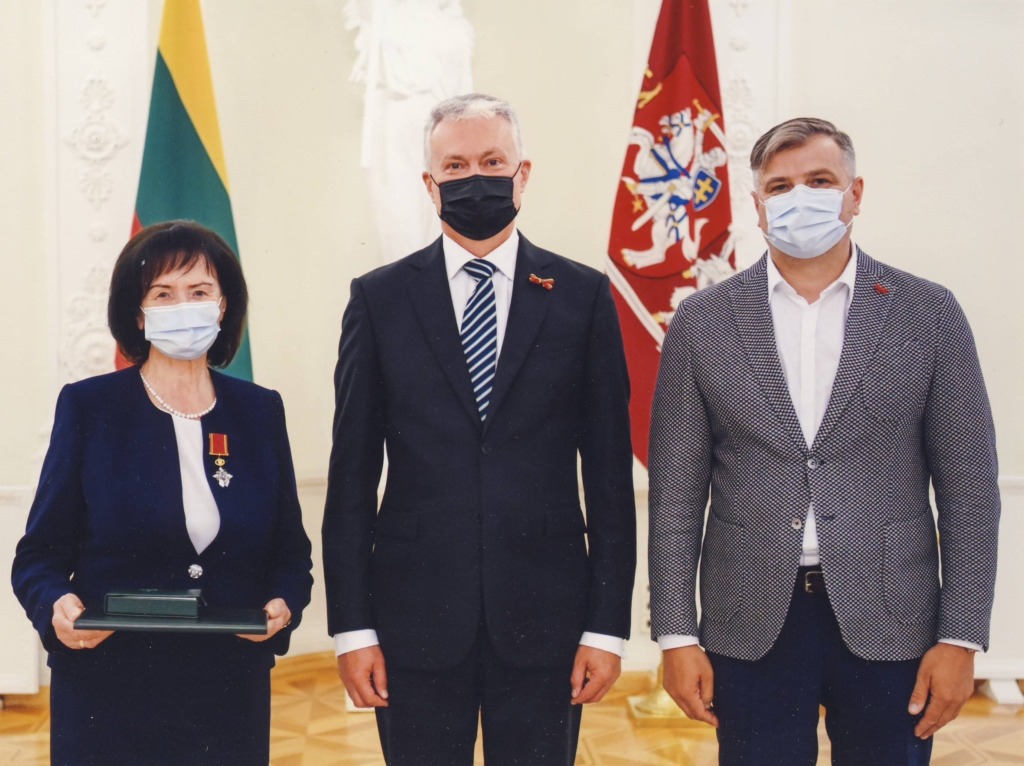
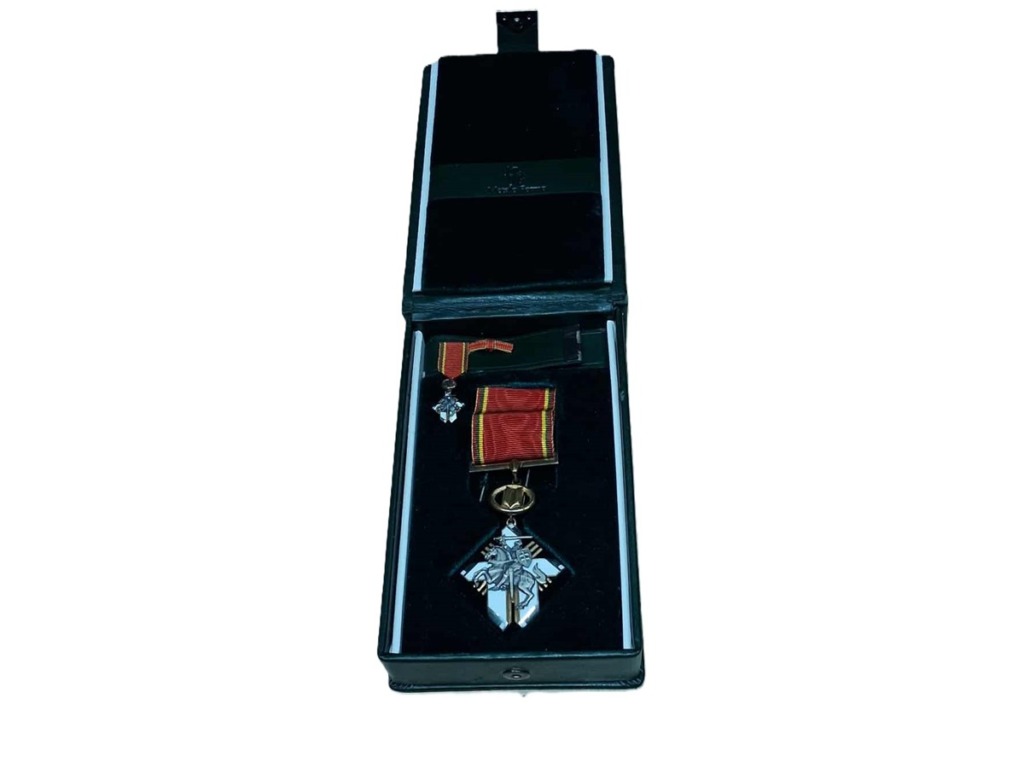
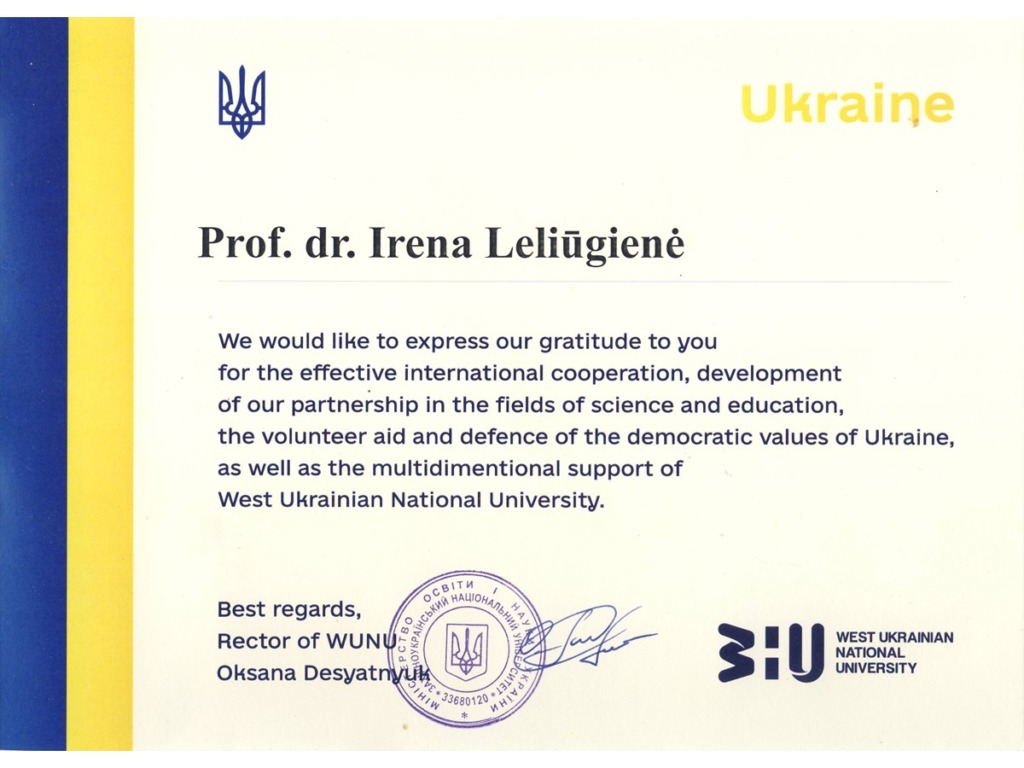
Thanks to Prof. I. Leliūgienė’s efforts, social pedagogy has become deeply rooted in Lithuanian educational science and professional practices. The work of Prof. I. Leliūgienė has been recognised. In 2009, she was awarded the Third Degree Santaka Medal of Honour for her merits to Kaunas City, and in 2010, she received the brass medal of Kaunas Mayor Jonas Vileišis. In 2014, the Ministry of Education and Science of the Republic of Lithuania awarded Prof. I. Leliūgienė a commemorative medal for promoting social pedagogy science and studies. On 6 July 2021, the President of the Republic of Lithuania Gitanas Nausėda awarded Prof. Irena Leliūgienė the Knight’s Cross of the Order for Merits to Lithuania for consolidating social pedagogy in scientific and professional activities of the Lithuanian educology, and her many years of pedagogical work in the higher education system. She was nominated for this award by Mykolas Romeris University.

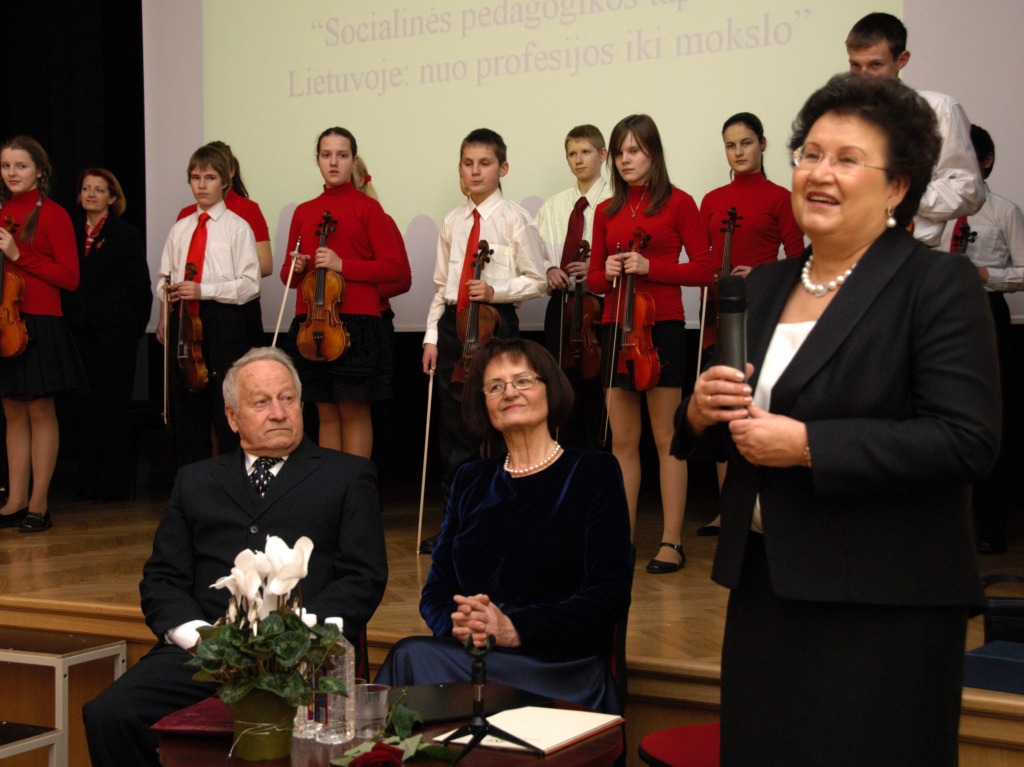
Prof. I. Leliūgienė continues to be actively involved in public activities: she gives presentations at scientific conferences organised by the Lithuanian Educational Research Association (LETA), lectures on the history of the interwar Lithuanian university and the prominent figures who worked there to MRU students, students of the University of the Third Age, and Kaunas City community.