The legacy of the Soviet era
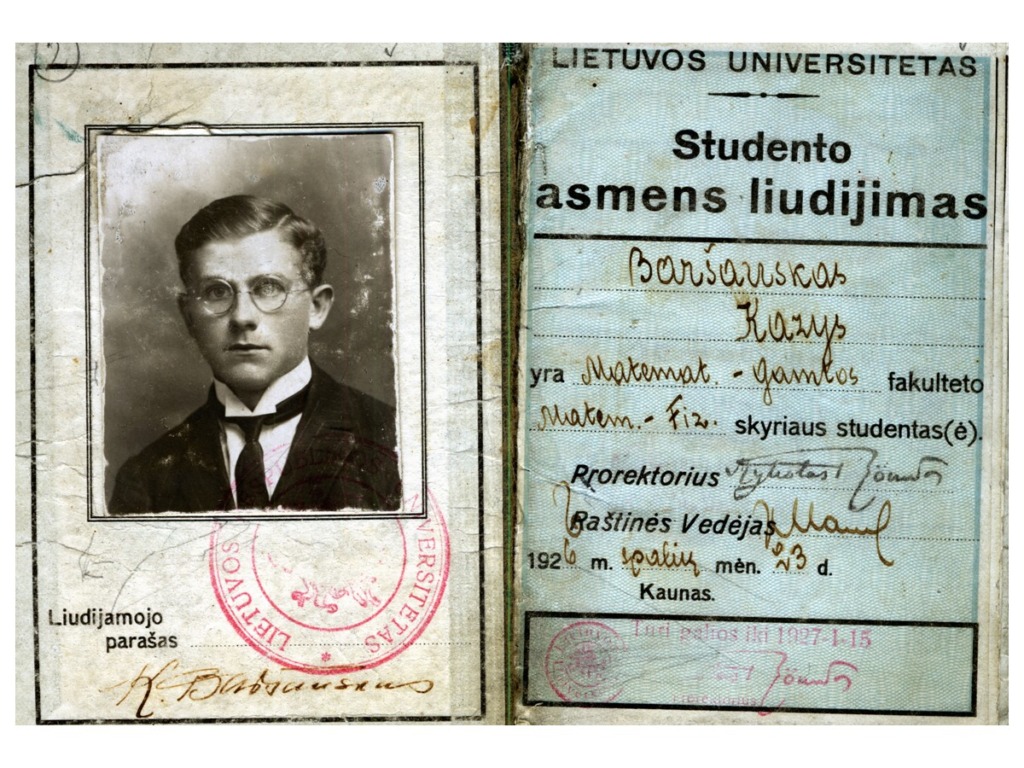
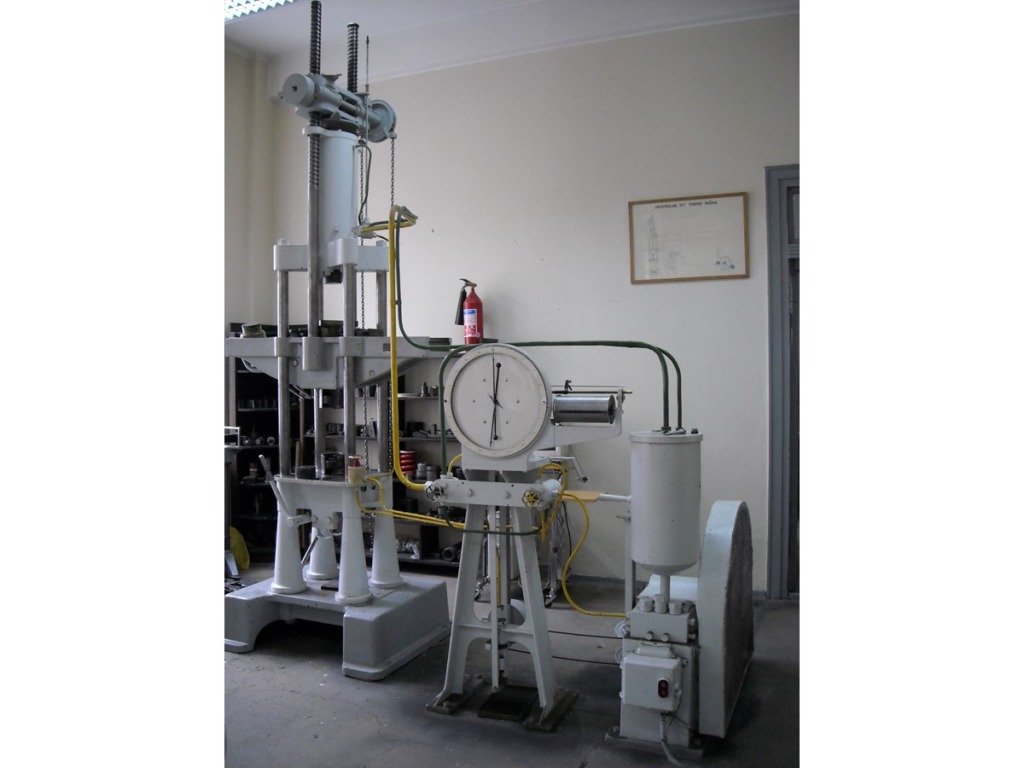
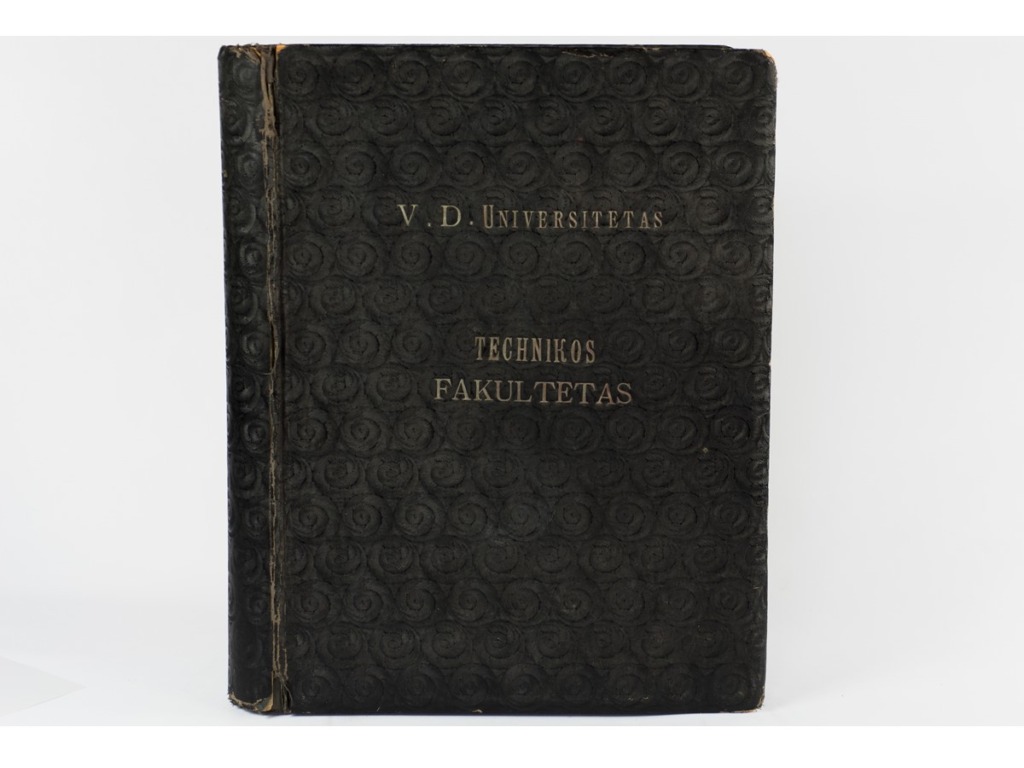
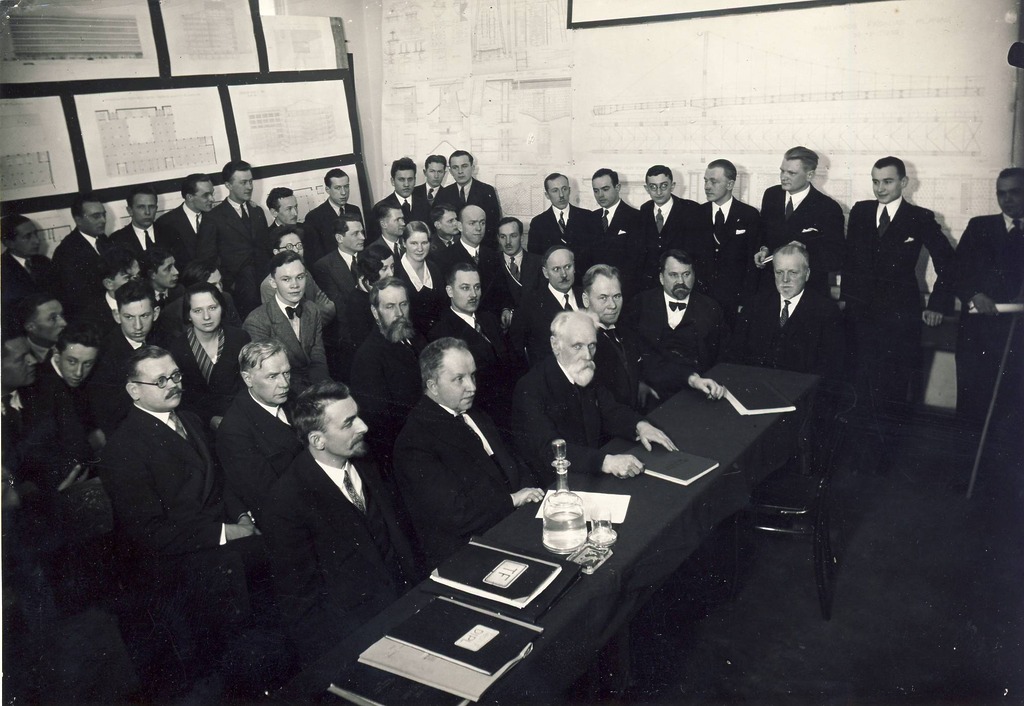
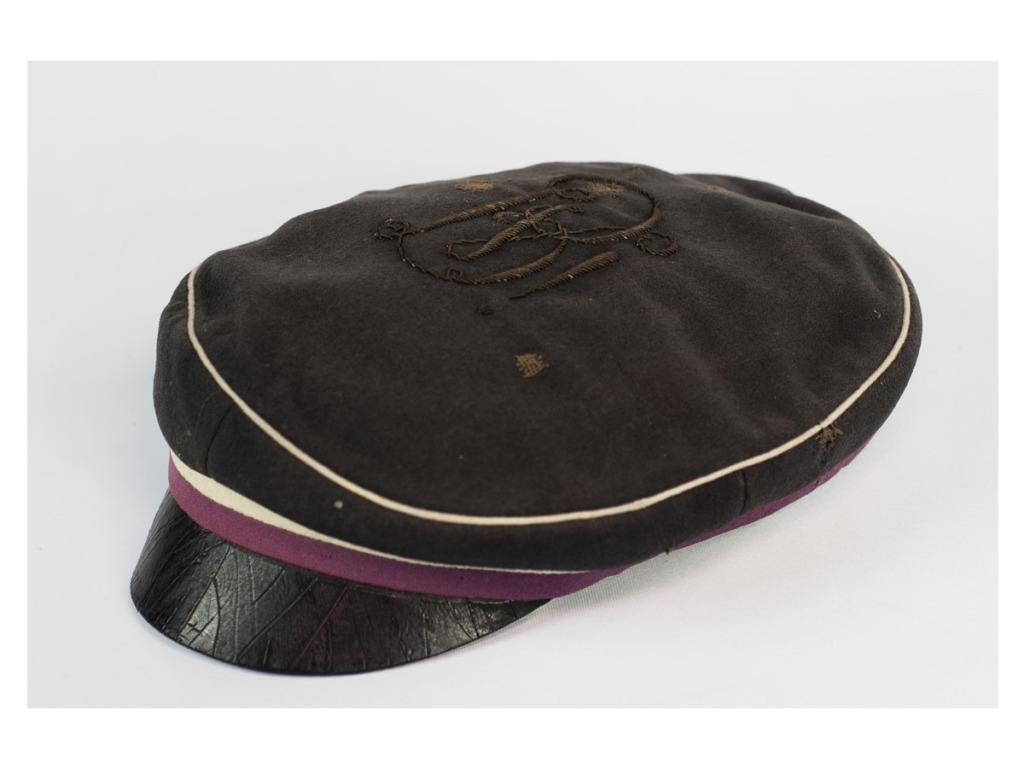
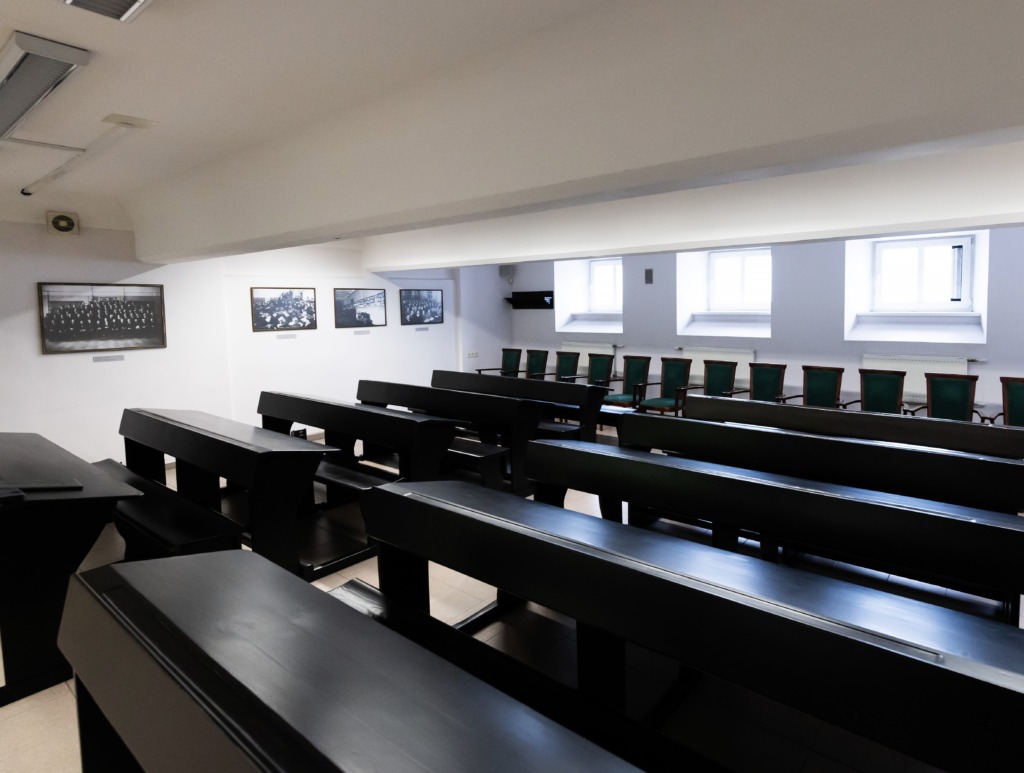
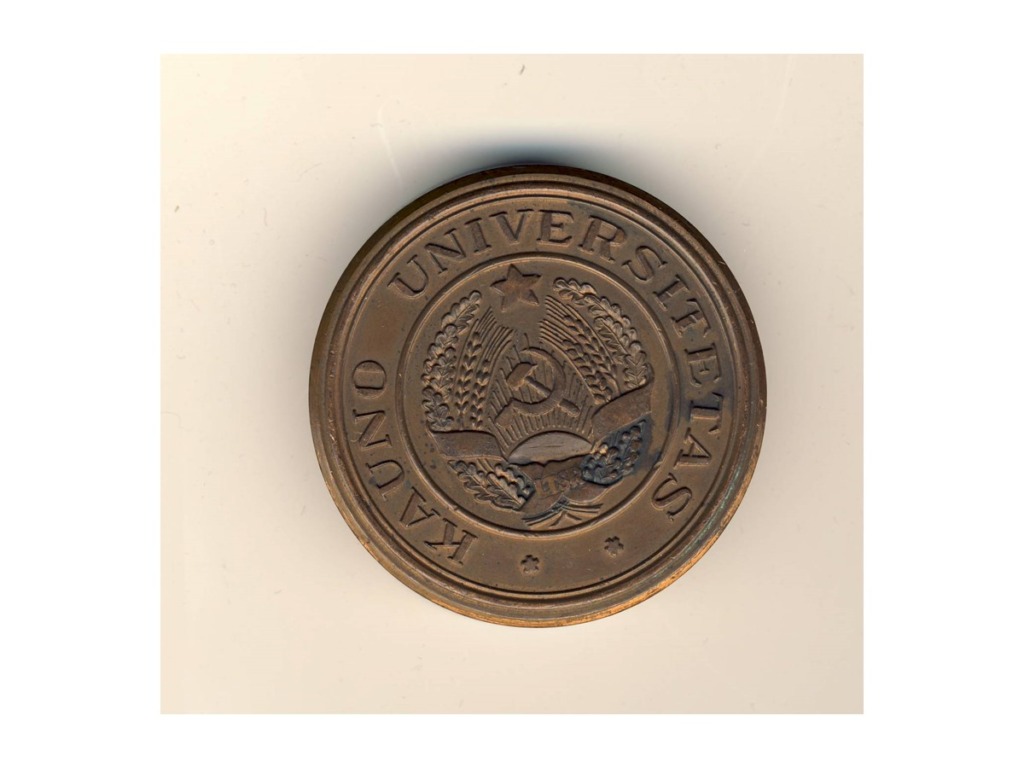
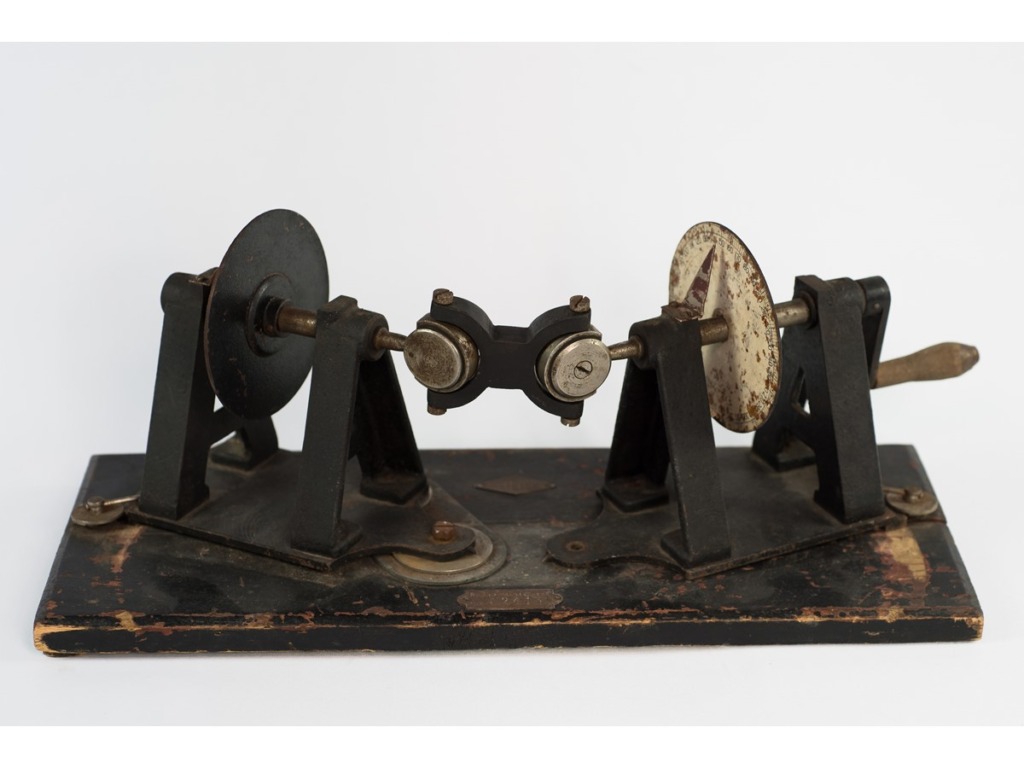
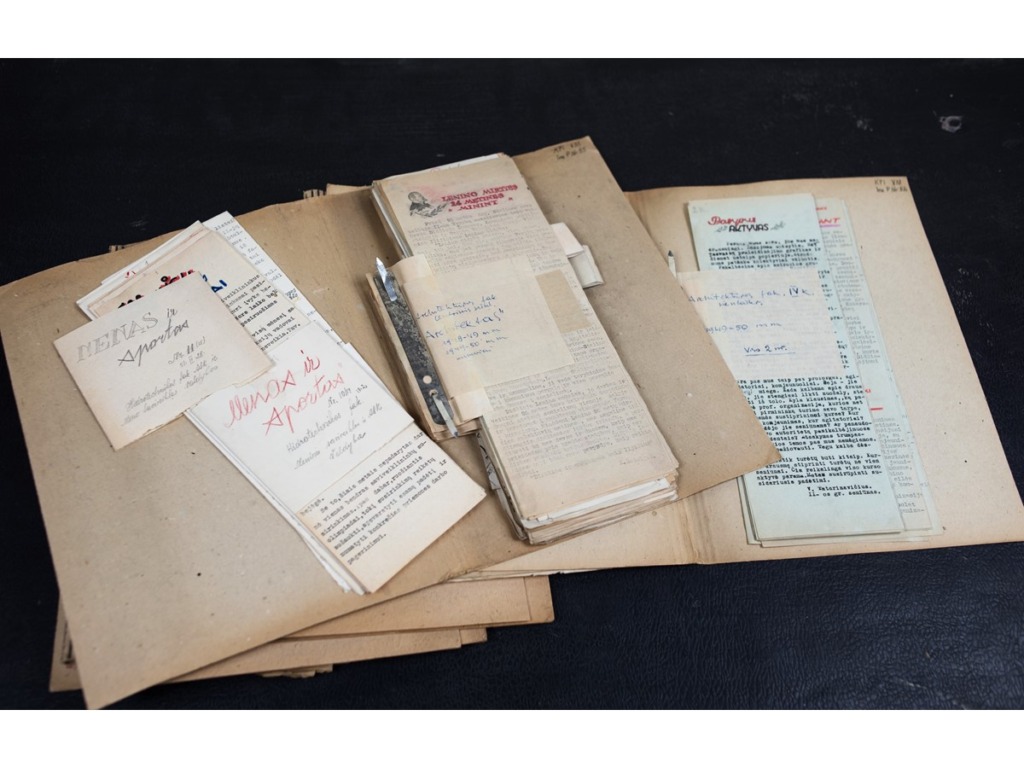
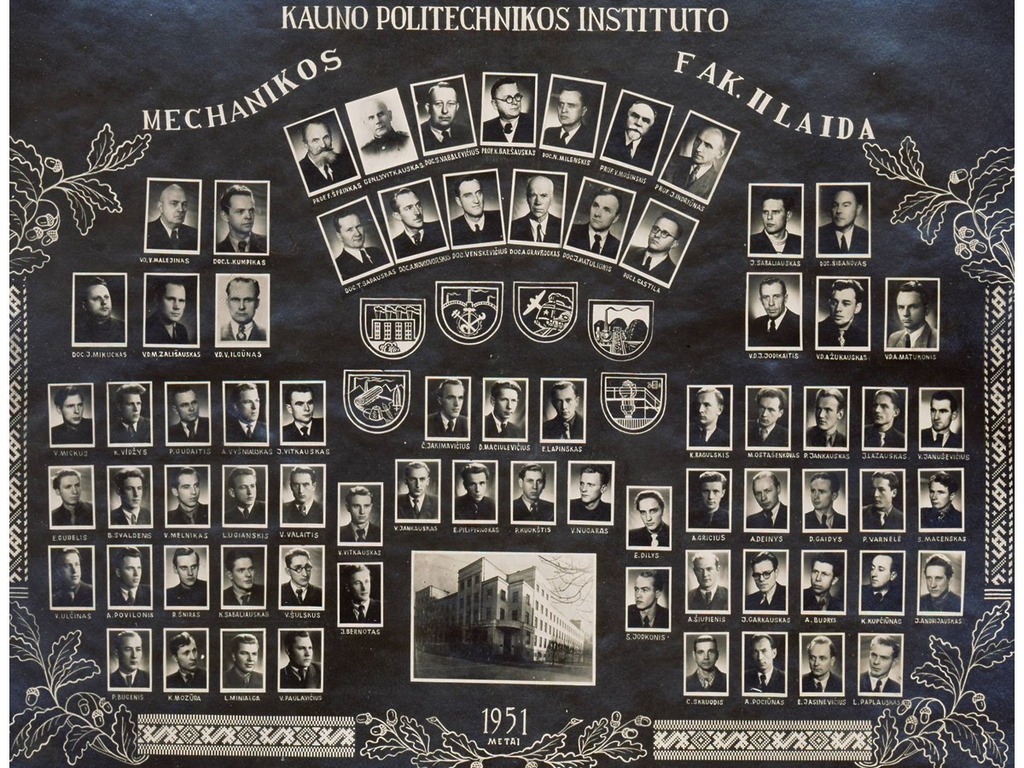
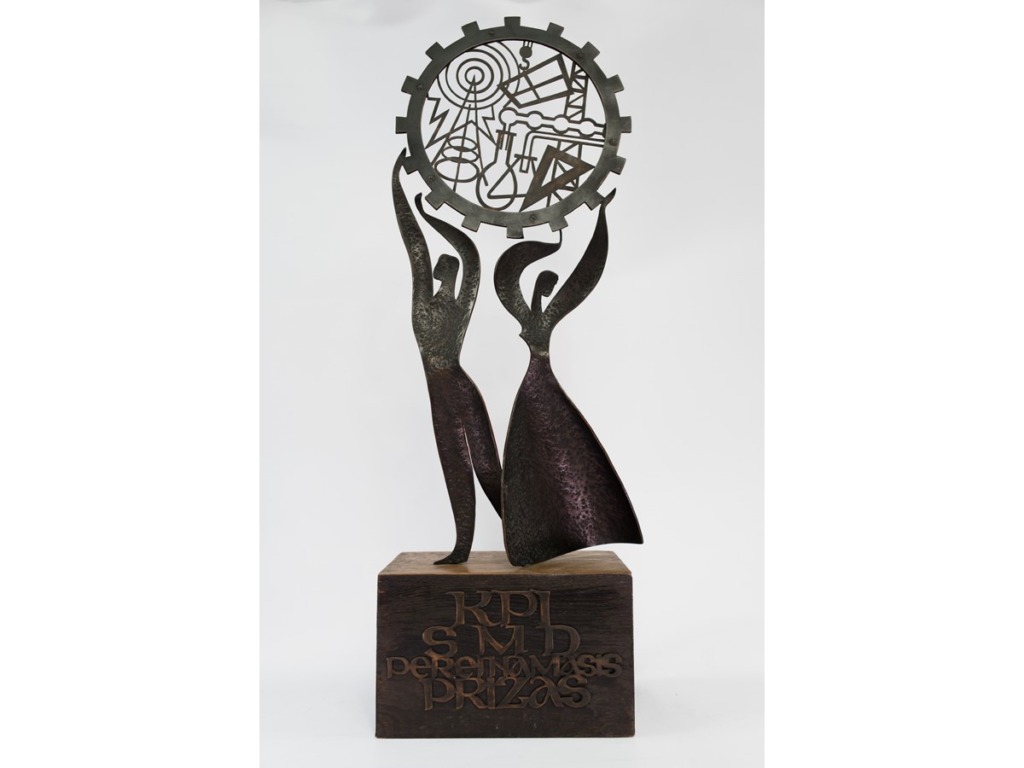
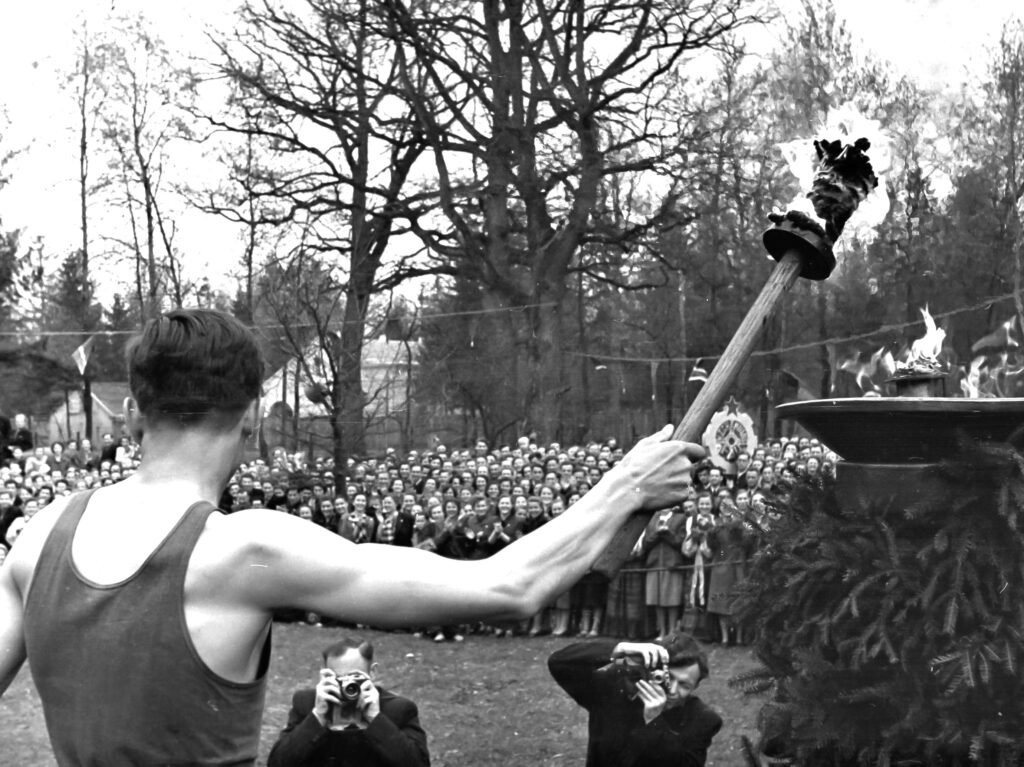
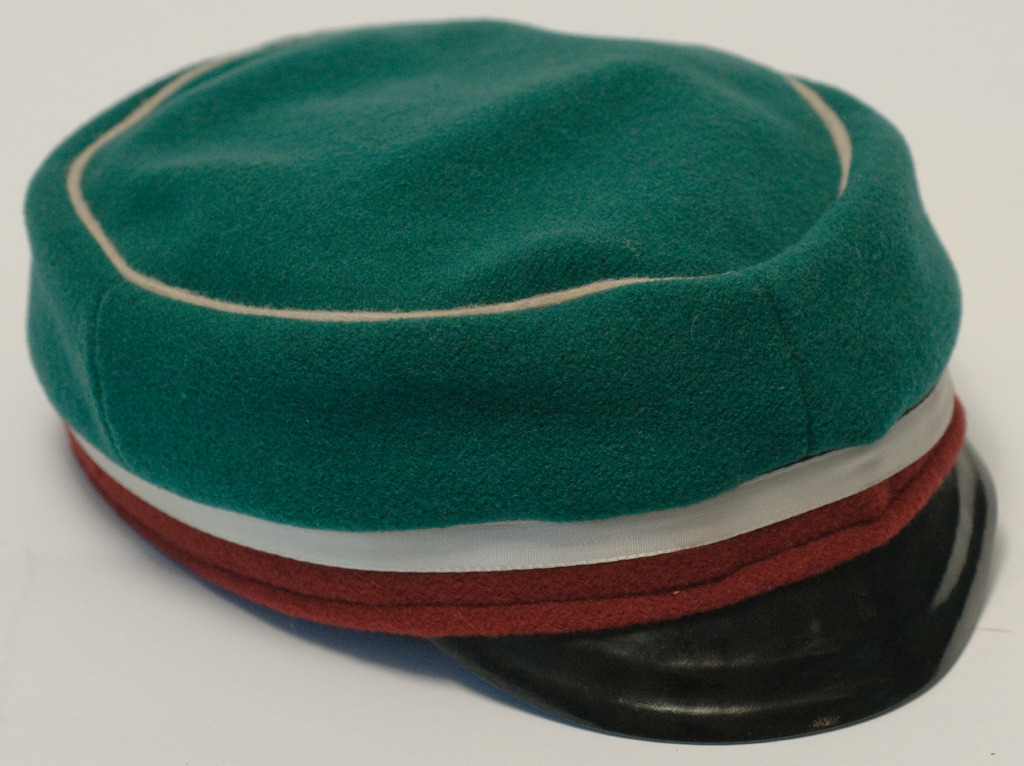
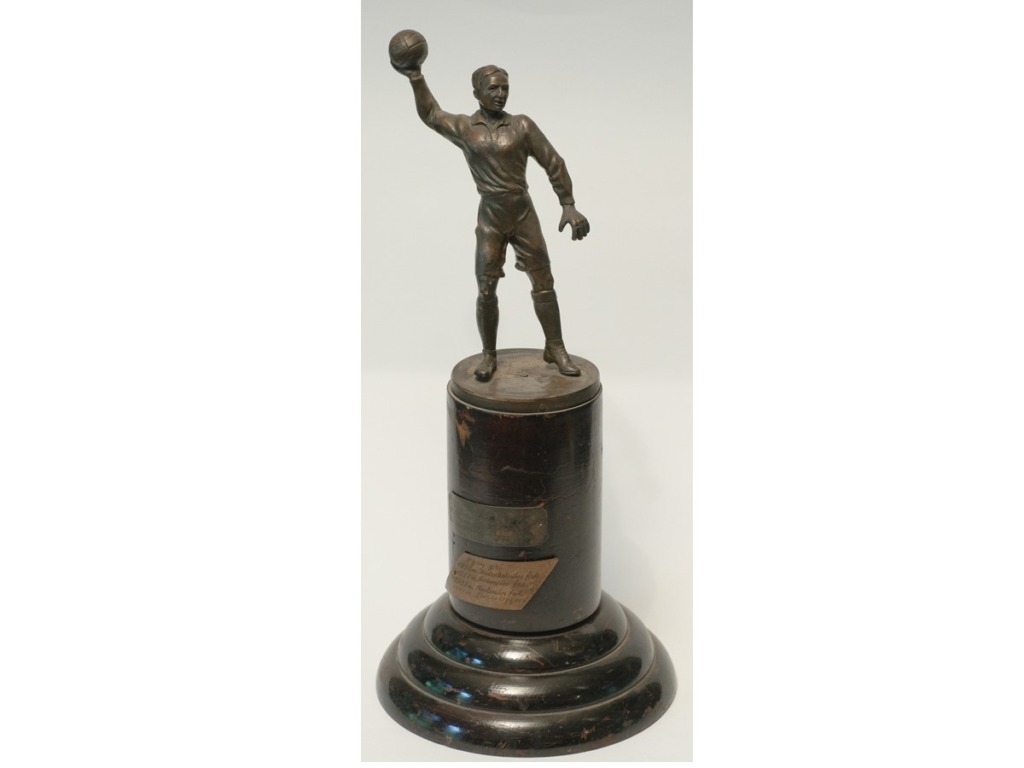
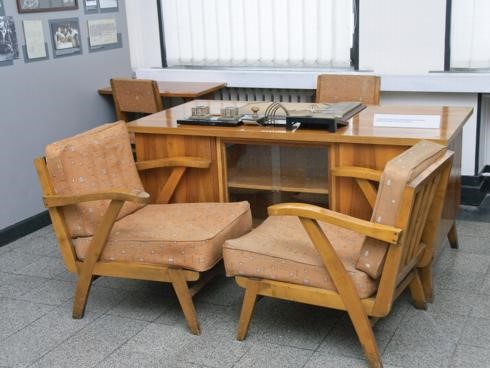
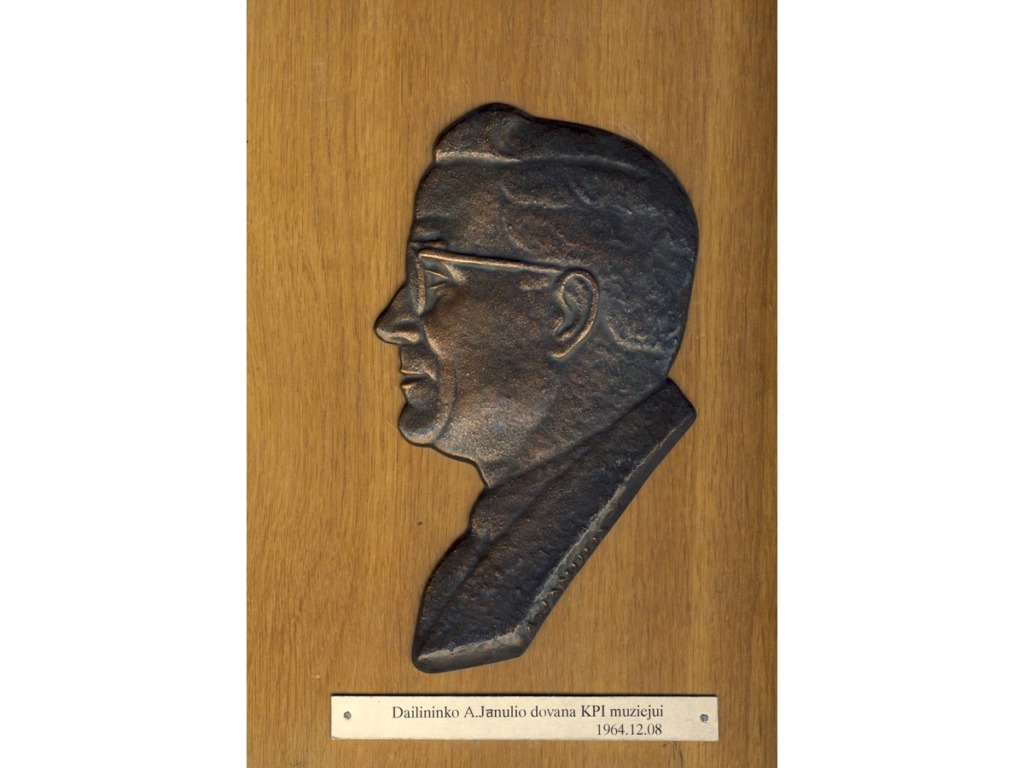
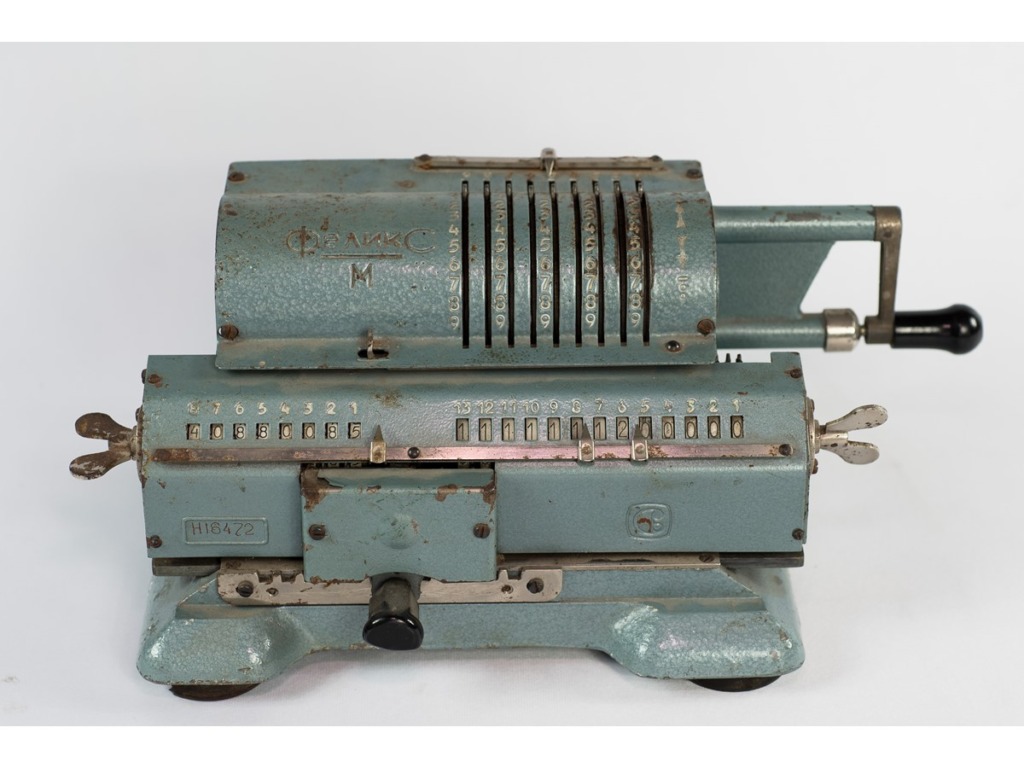
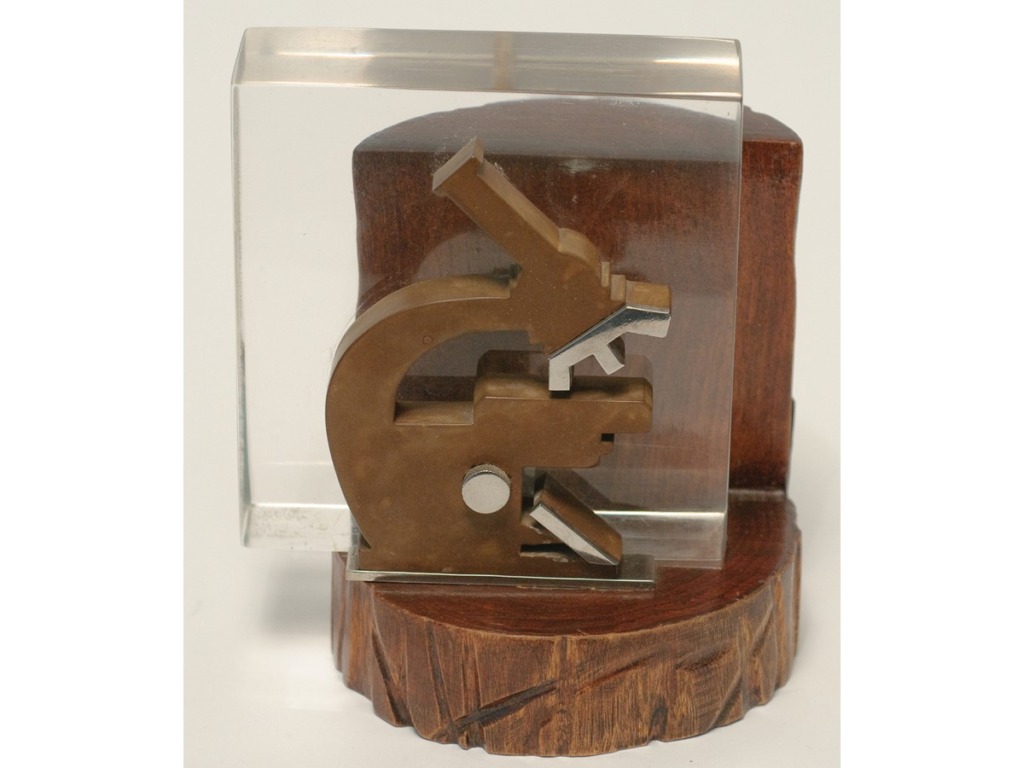
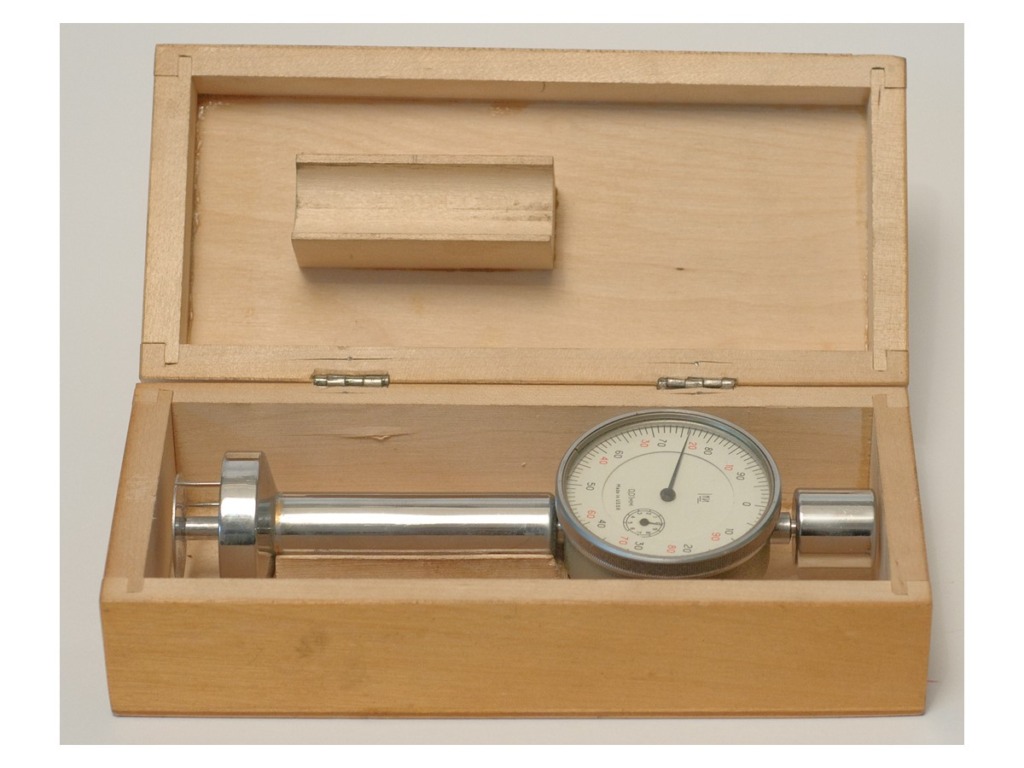
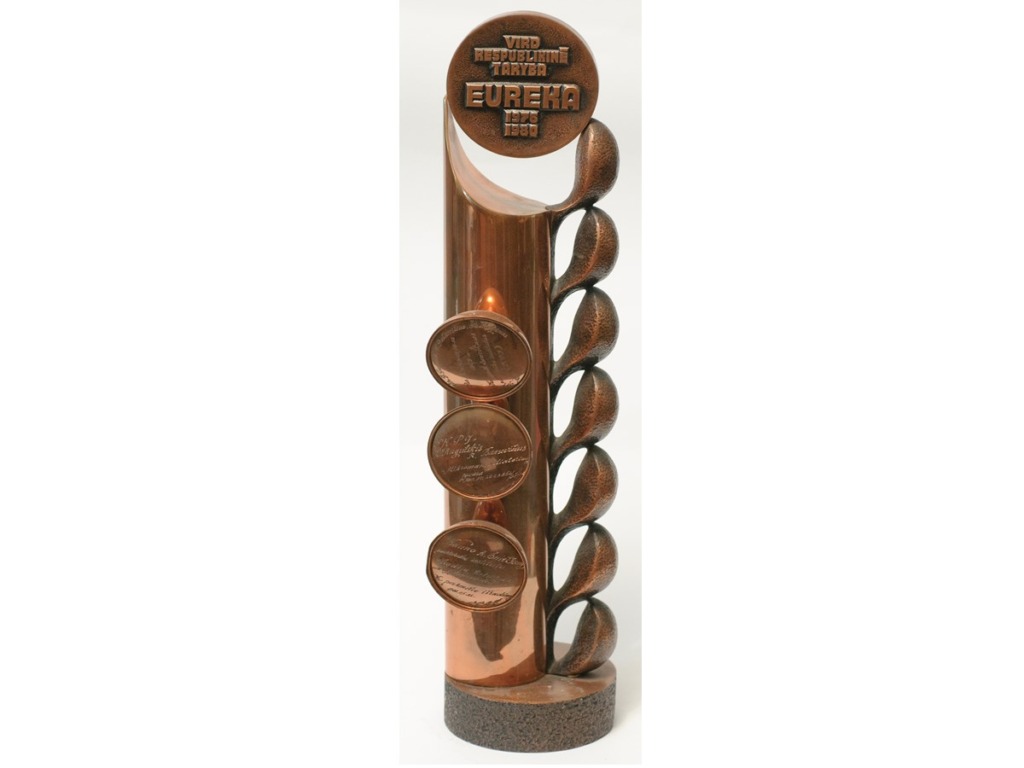
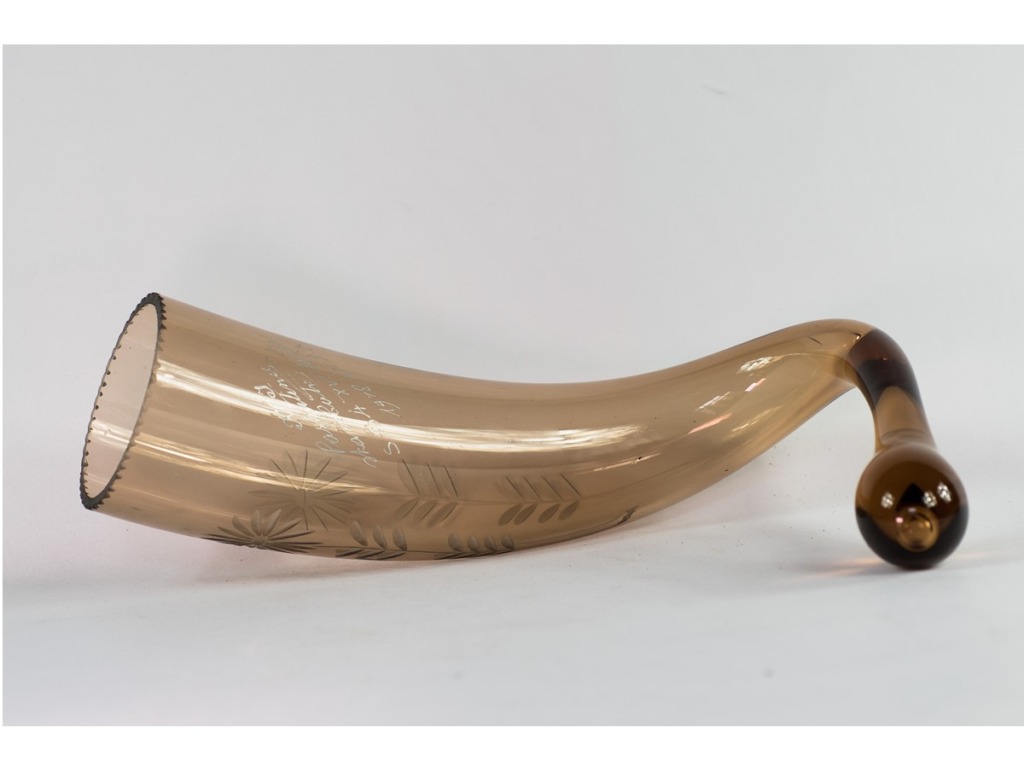
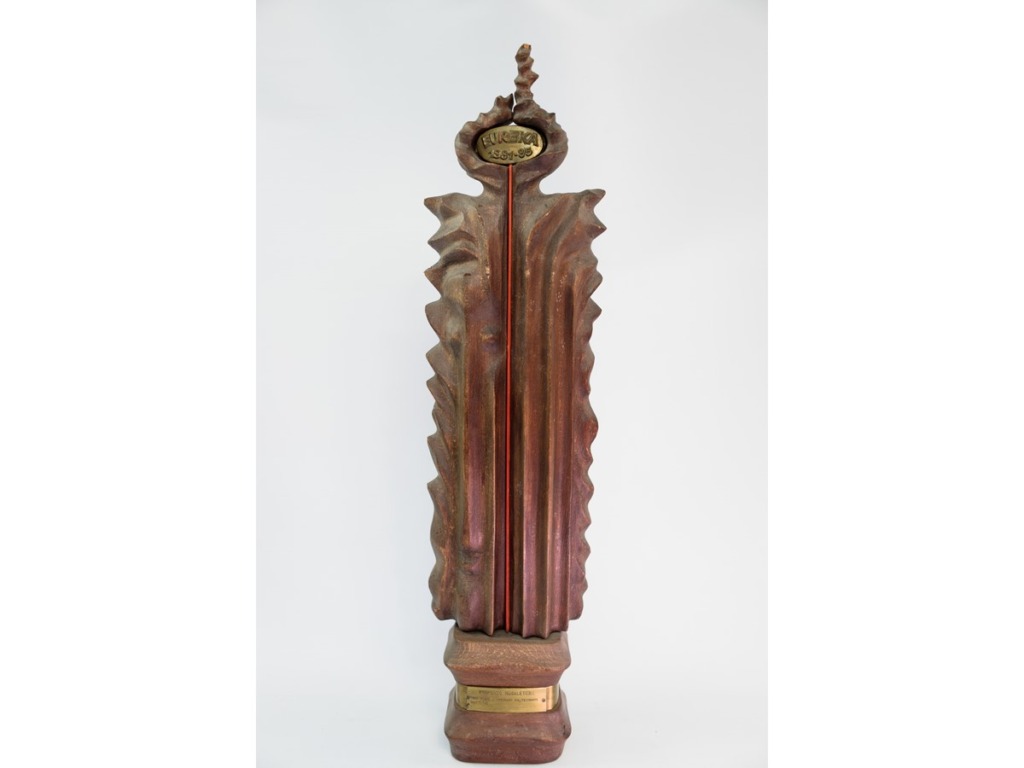
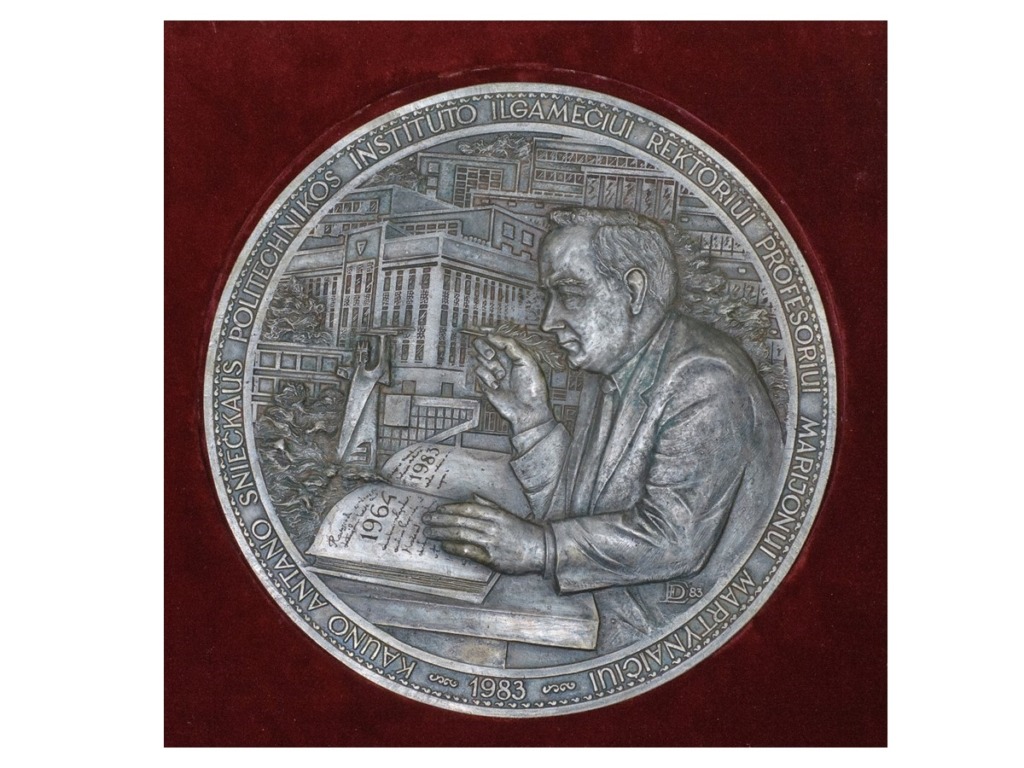
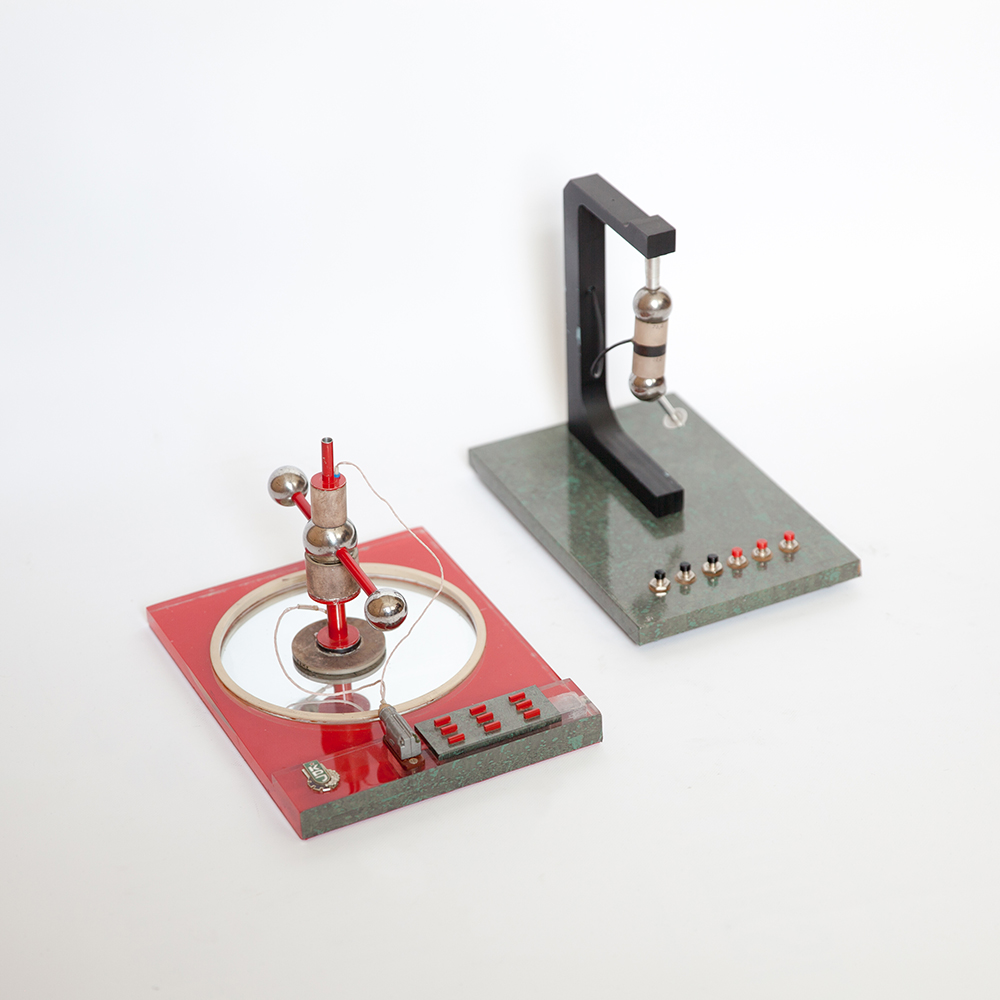
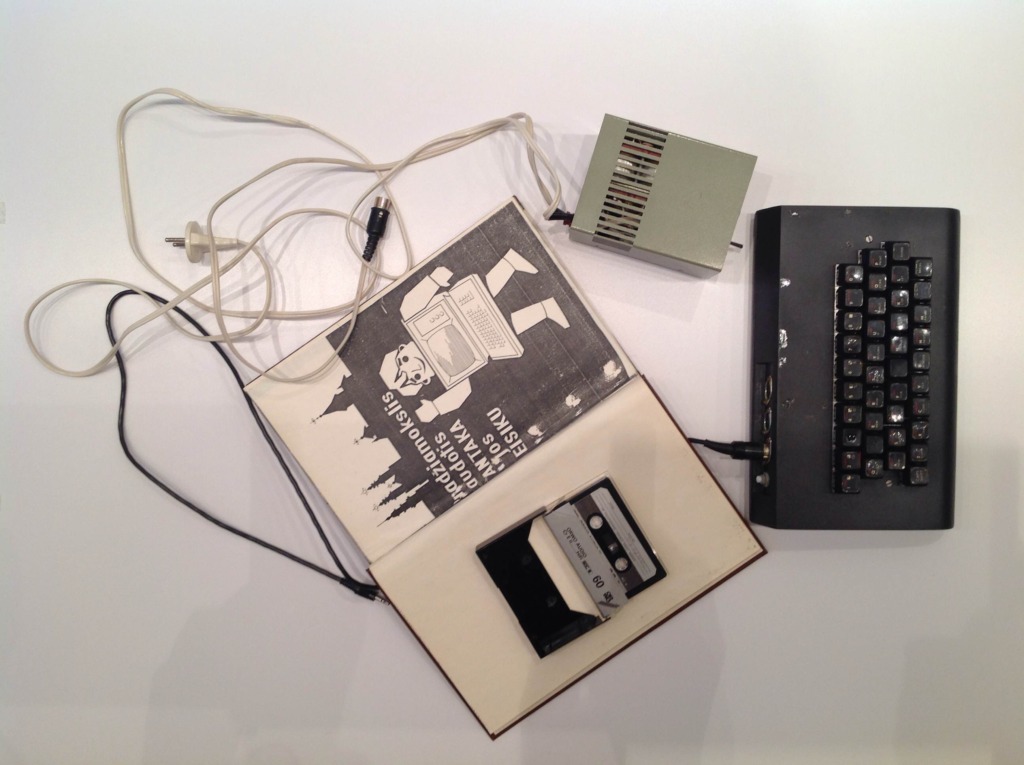
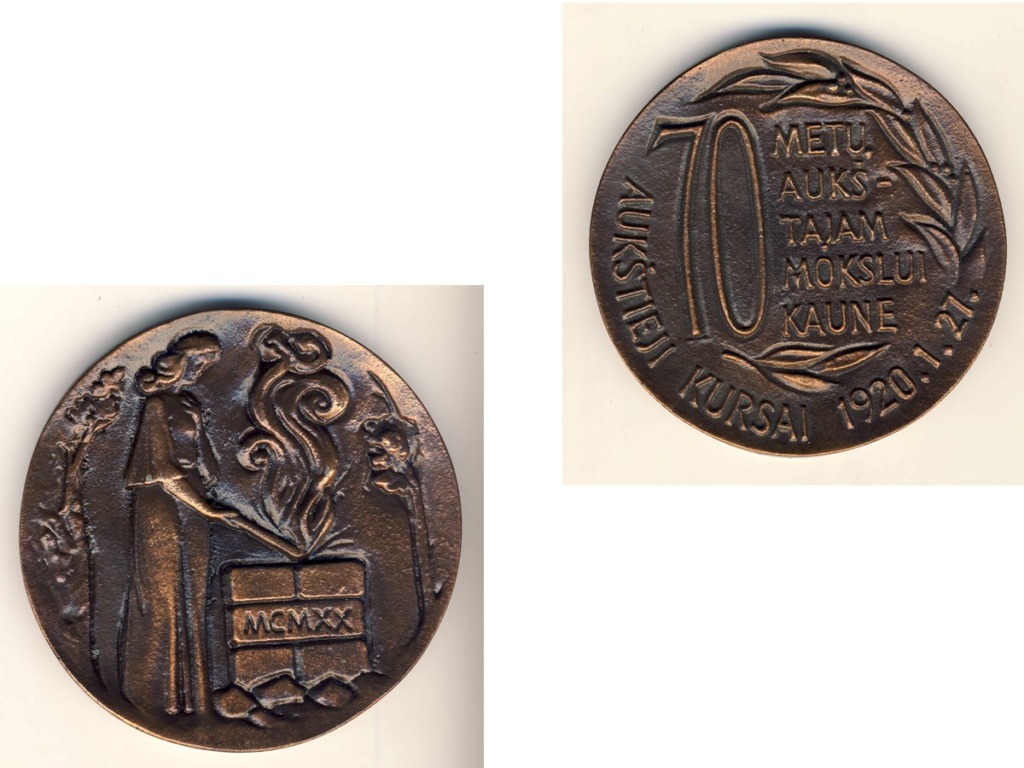
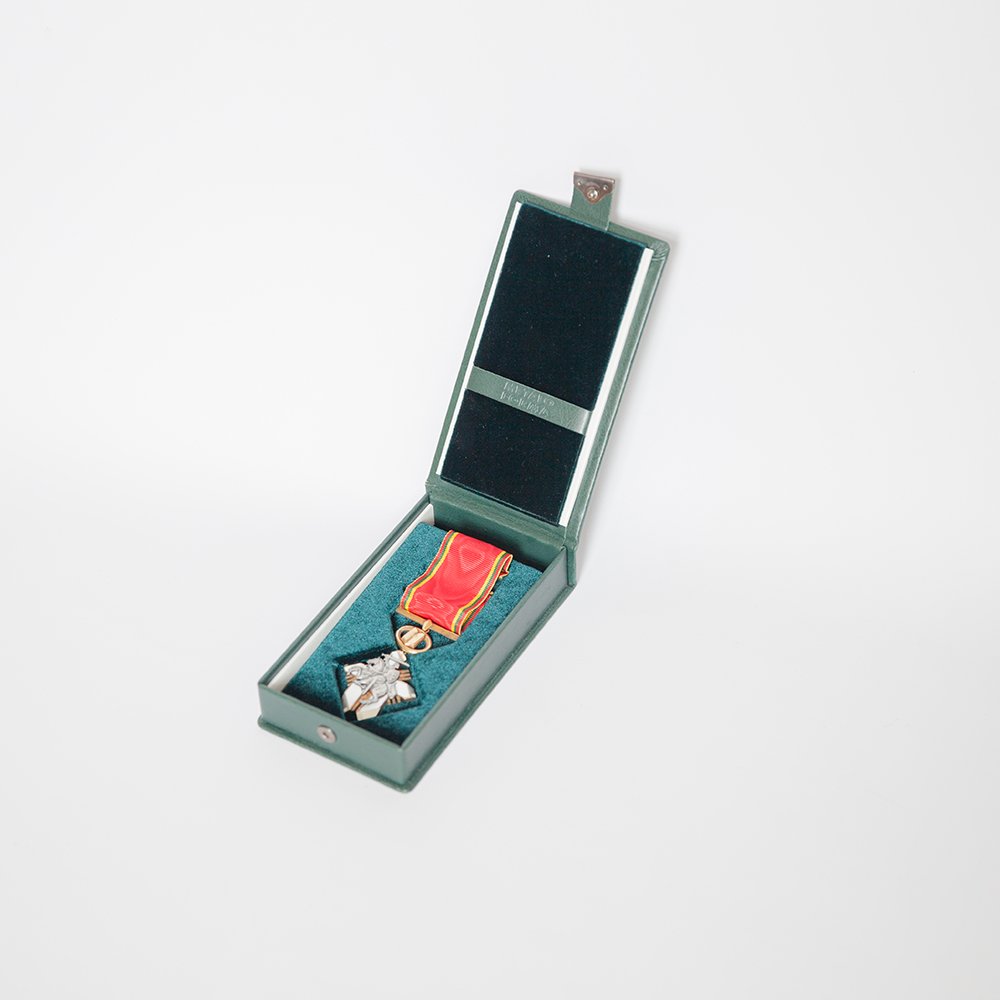
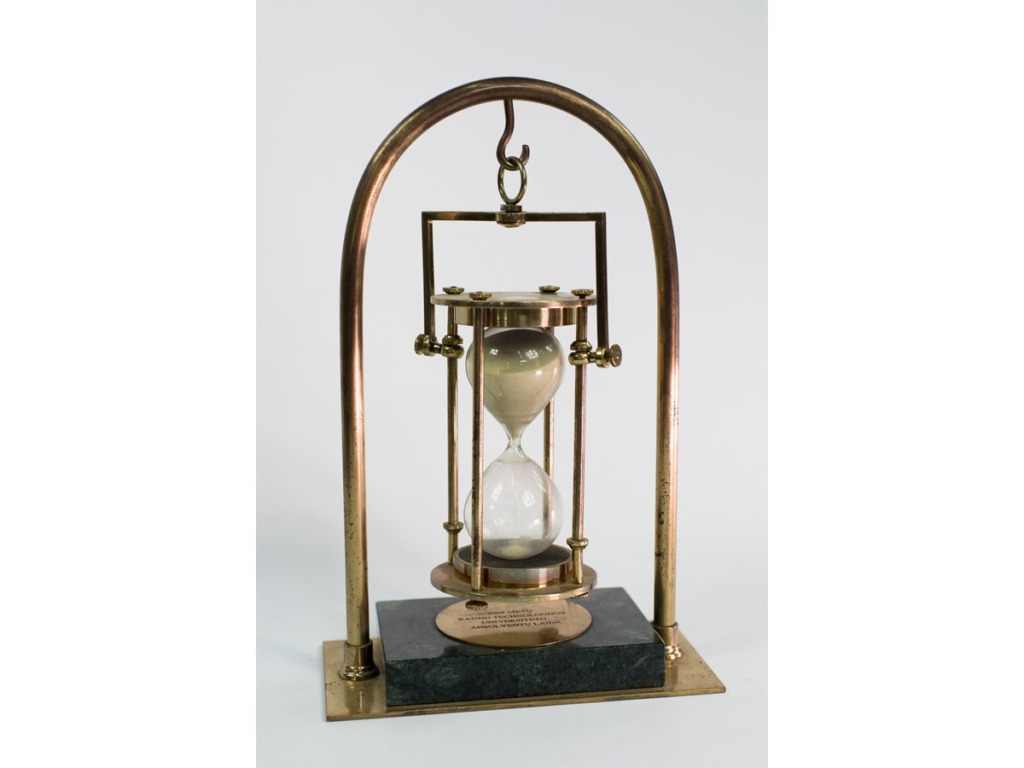
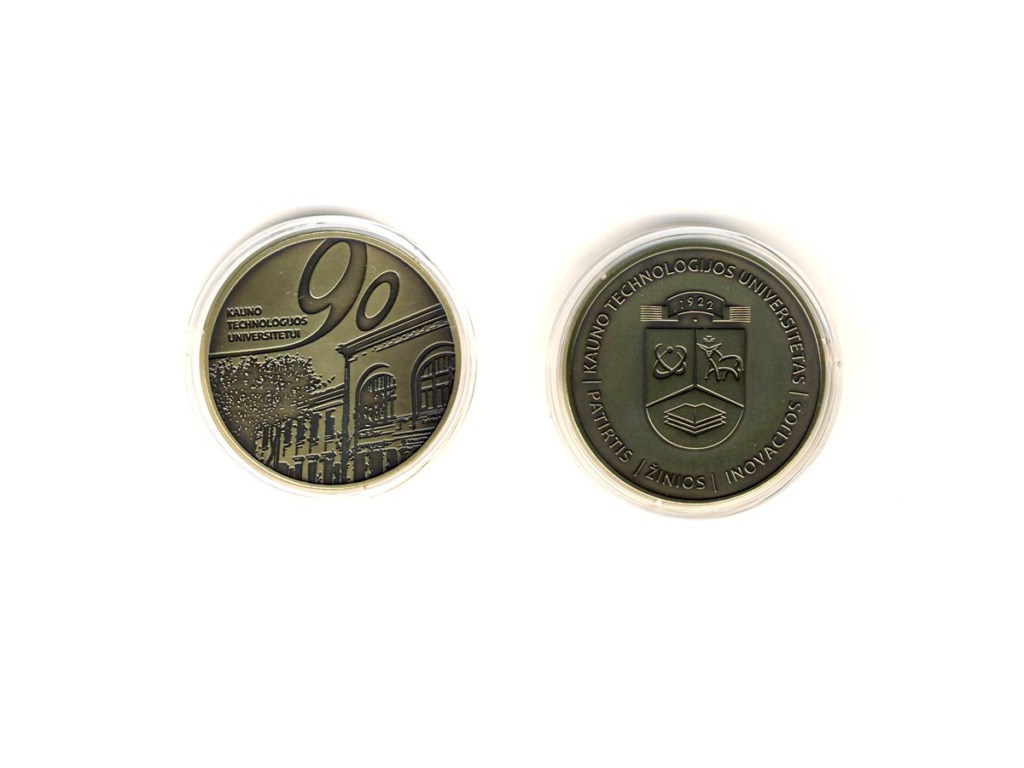
This part of the exhibition features exhibits that have survived from KPI Museum, established in 1965, including furniture from the office of Rector Prof. K. Baršauskas and a bas-relief of Prof. K. Baršauskas donated to KPI Museum by Sculptor Alfonsas Janulis. At Kaunas State Vytautas Magnus University, renamed Kaunas Polytechnic Institute since 1951, all celebrations and cultural events were filtered through the ideology, and atheism was forcibly imposed. This is reflected in the 1949–1950 university wall newspapers presented in the exhibition, which were part of the former KPI Komsomol Museum. However, books were written at KPI about the history of the institute, its faculties, departments, and library, whose roots can be traced back to the Higher Courses established in 1920 and the University of Lithuania founded in 1922, and anniversaries were celebrated solemnly. This is confirmed by the anniversary medals on display. Kaunas Polytechnic Institute was founded by professors and graduates of the University of Lithuania, who passed on their knowledge to younger generations, which is why the institute’s scientists won many awards in the Soviet Union and made numerous inventions. This section displays the photographs of the world’s first piezoelectric robots of six and nine degrees of freedom, created in 1980 by Prof. Kazimieras Ragulskis and Prof. Ramutis Bansevičius, a textile material thickness gauge called a “pukomatis”, created in 1974 by Leonas Veržbolauskas and Palmira Garunkštytė-Kunigėnienė, the first Lithuanian personal computer “Santaka”, created in 1988 by employees of KPI Departmental Electronic Computing Technology Laboratory. This part of the exhibition also features photographs of gifts from KPI leaders, athletic awards, and teaching aids.